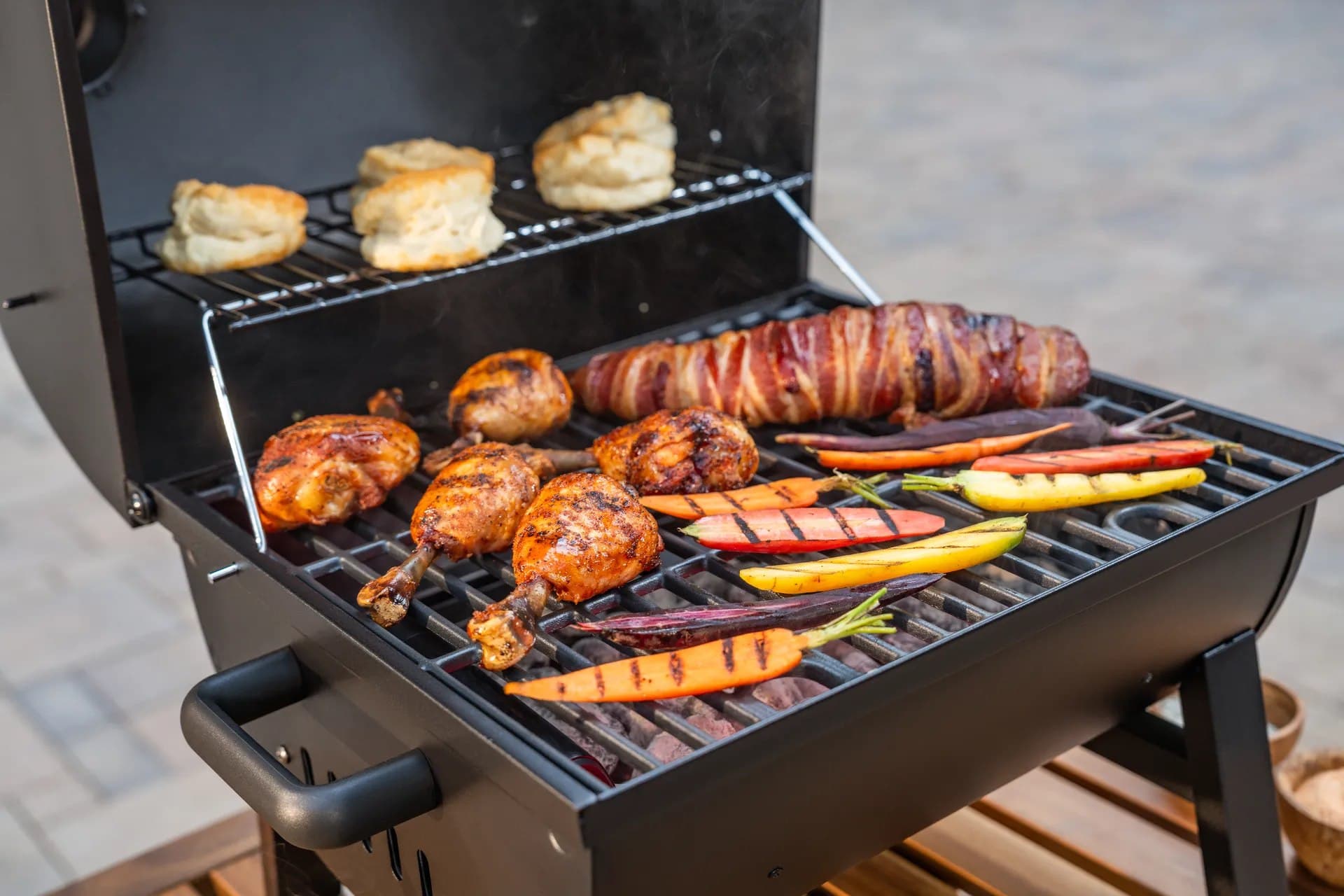
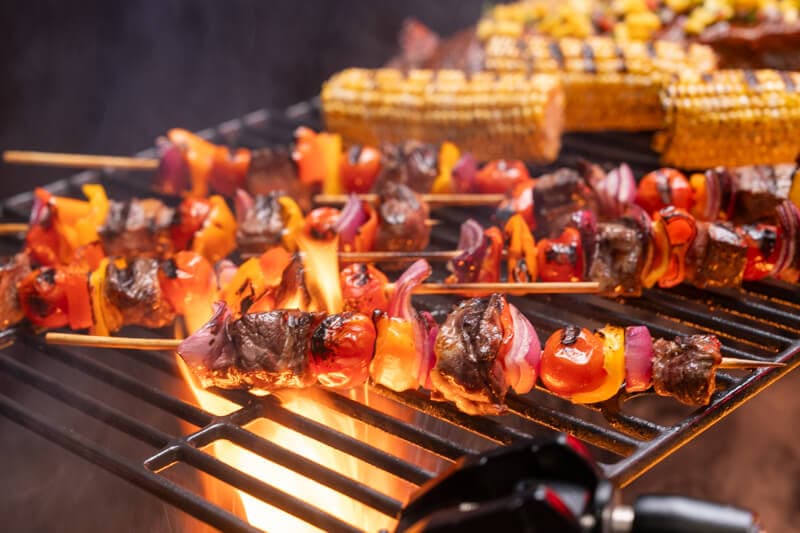
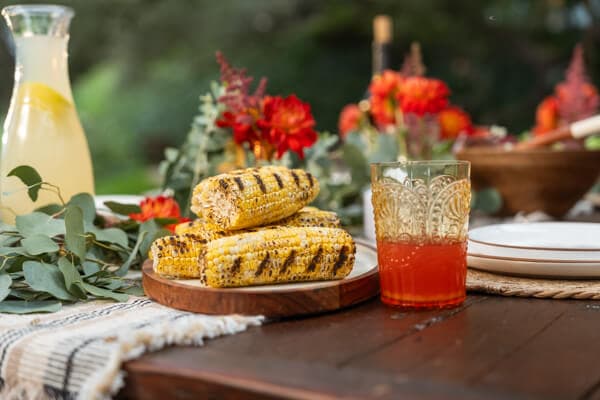
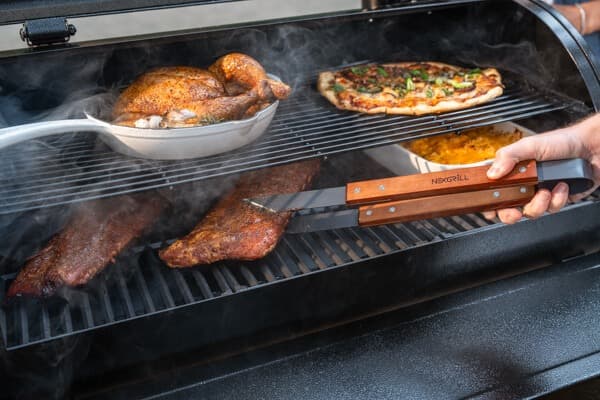
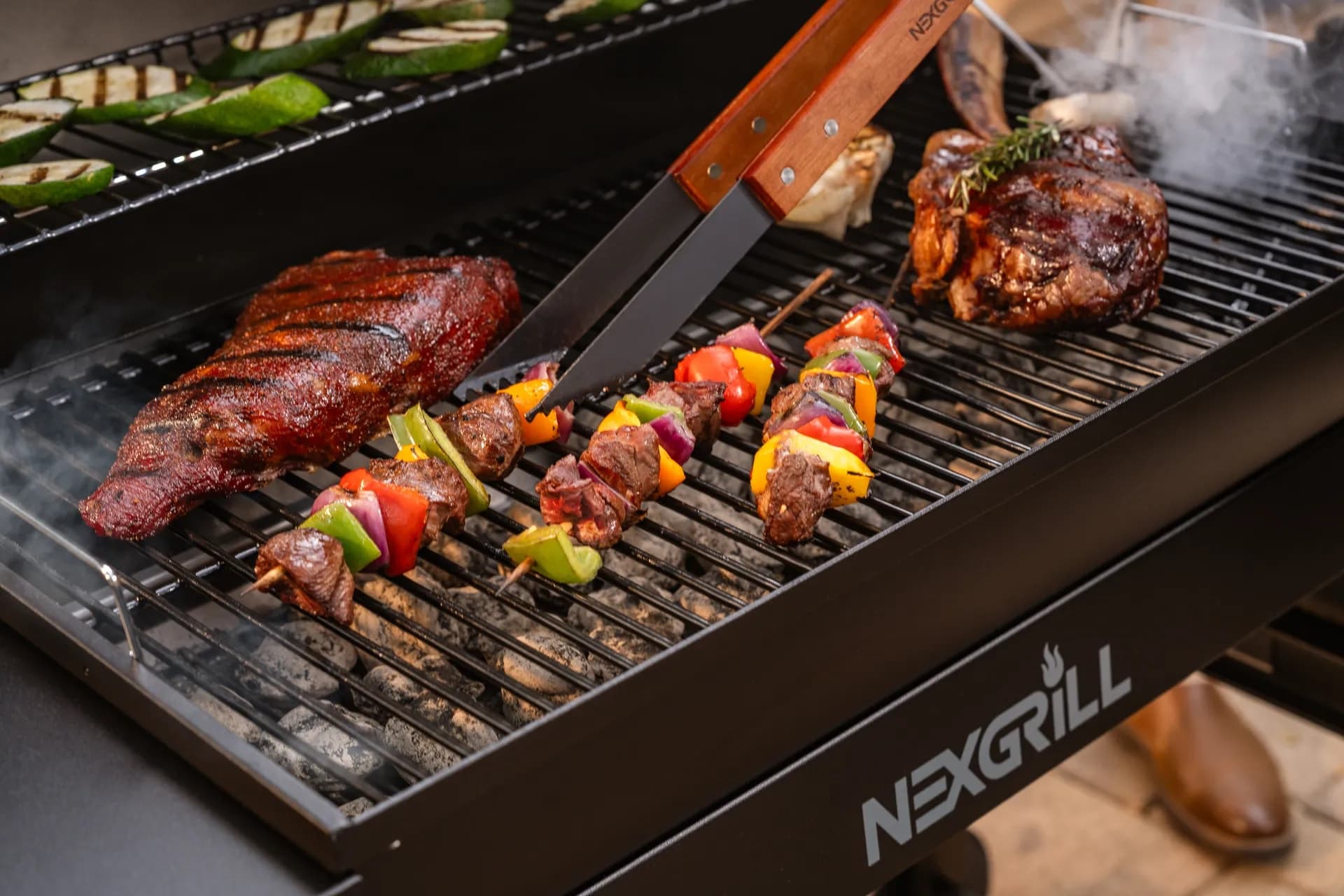
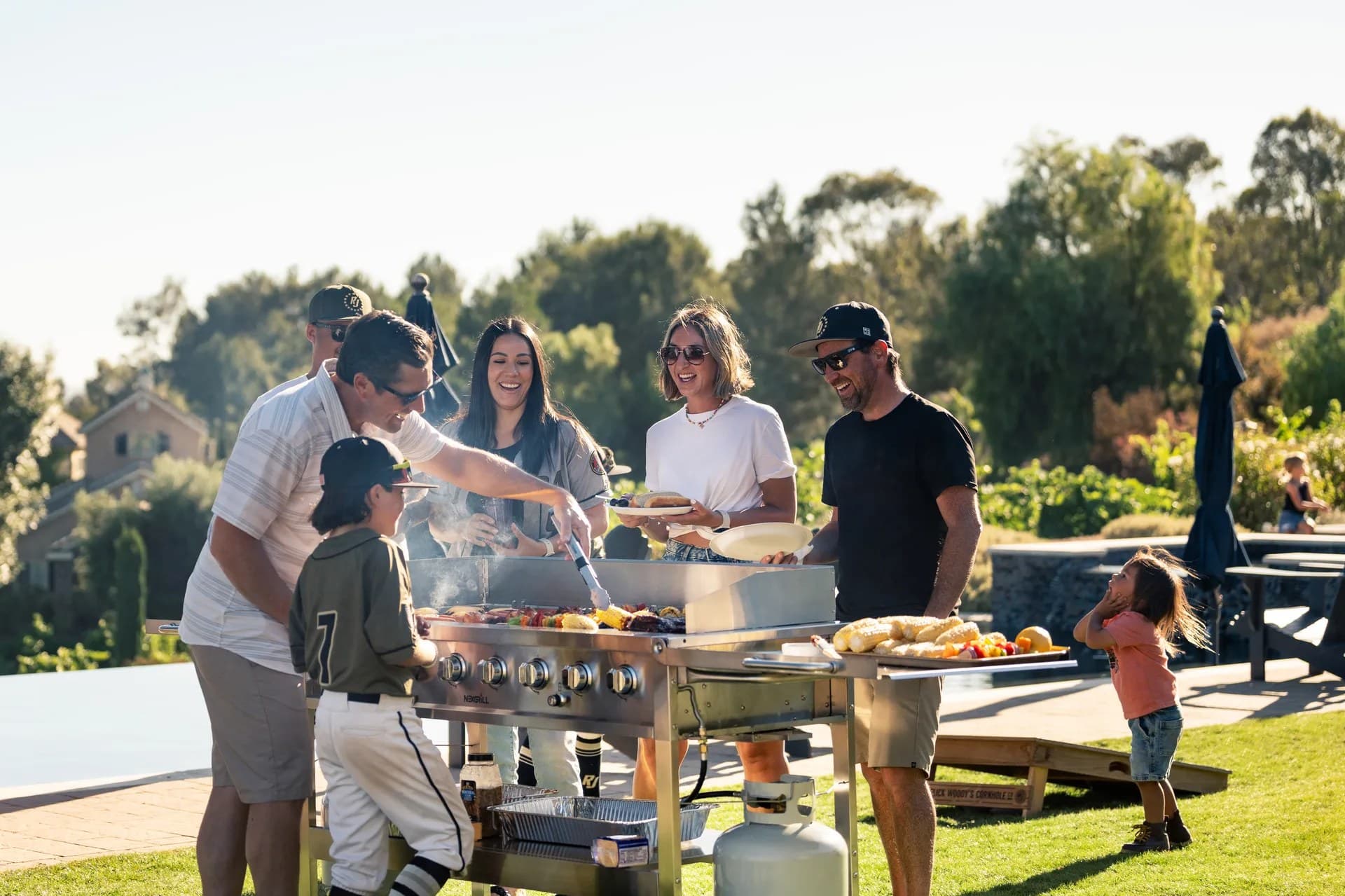
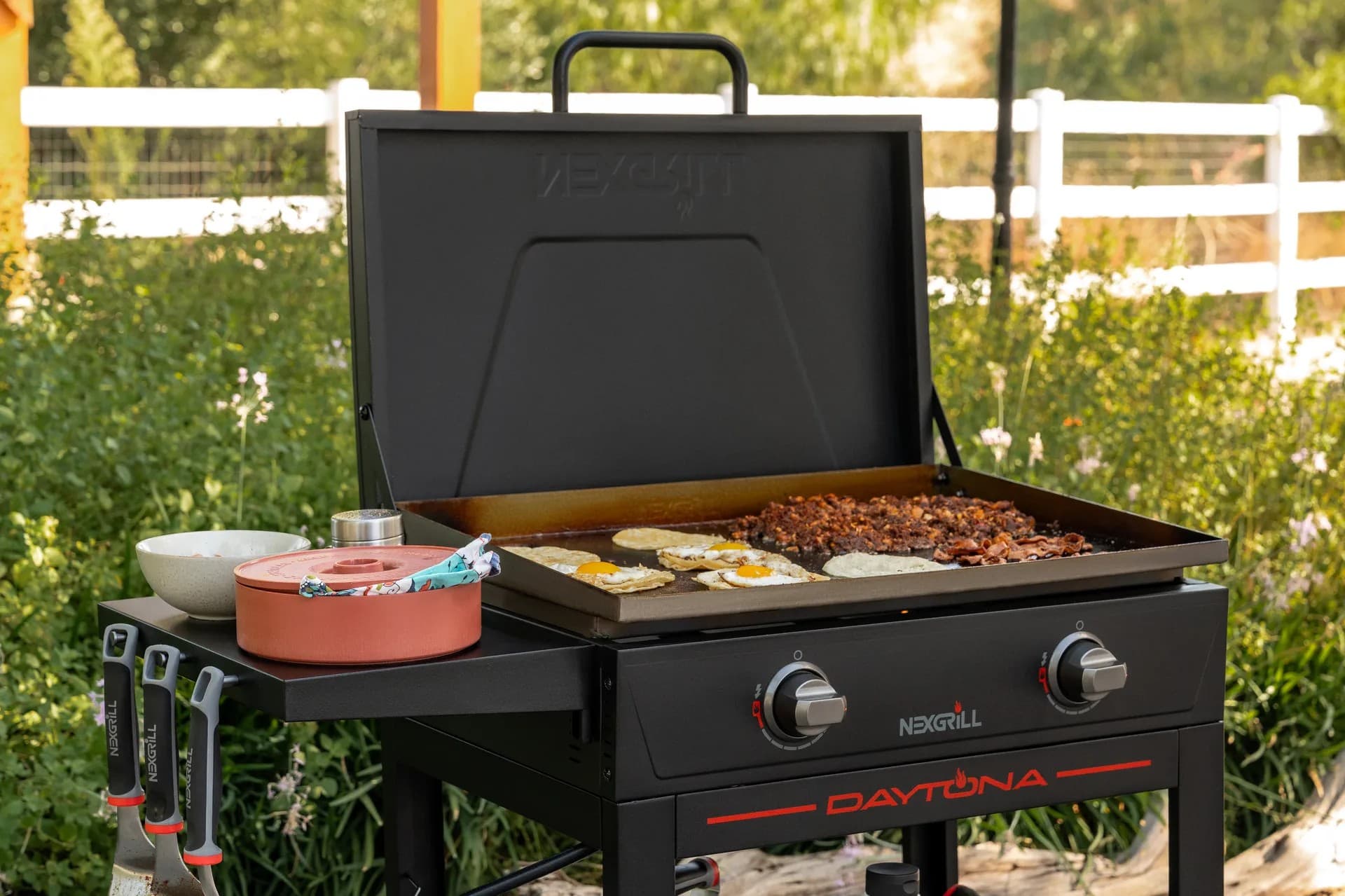
Delicious and nutritious dishes to enjoy on your grill this spring.

Here's what sets us apart from the competition
We position ourselves as delivering high-end outdoor cooking features and performance without premium-brand pricing, emphasizing “Quality Grills. Unbelievable Value.”
We offer gas grills, pellet grills, griddles, smokers, pizza ovens, portable/tabletop grills, electric grills, accessories, and replacement parts — allowing customers to stay within one ecosystem for all outdoor cooking needs.
We differentiate ourselves through smart grilling products like the Oakford smart pellet grill, including app-connected cooking controls and modern outdoor cooking technology.

Expert tips, buying guides, comparisons, and inspiration for choosing and getting the most out of your grill.

Practical guides for cleaning, maintenance, common grill issues, and performance optimization.

Step-by-step grilling recipes, cooking techniques, and meal ideas for every occasion and skill level.

Backyard entertaining ideas, seasonal grilling inspiration, and stories that celebrate outdoor cooking culture.

Helpful articles covering grilling tools, cookware, maintenance gear, and must-have accessories for outdoor cooking.

Find griddle recipes, cooking techniques, cleaning tips, and outdoor meal ideas designed for Nexgrill griddles.
Find answers to common questions
Nexgrill equipment is suitable for a variety of recipes including meats, vegetables, and even pizzas. Popular options include marinated steaks, grilled vegetables, and shrimp skewers.
To enhance the flavor of grilled vegetables, consider marinating them in olive oil, herbs, and spices before grilling. Alternatively, you can season them with salt and pepper during grilling for a more straightforward approach.
To achieve perfect grill marks, preheat your grill to a high temperature and ensure that the food is dry before placing it on the grill. Avoid moving the food too early, as it needs to sear properly to form those classic grill marks.
Using a meat thermometer is the most accurate way to ensure your grilled meat is at the desired temperature. For instance, chicken should reach an internal temperature of 165°F while medium-rare beef is typically at 135°F.
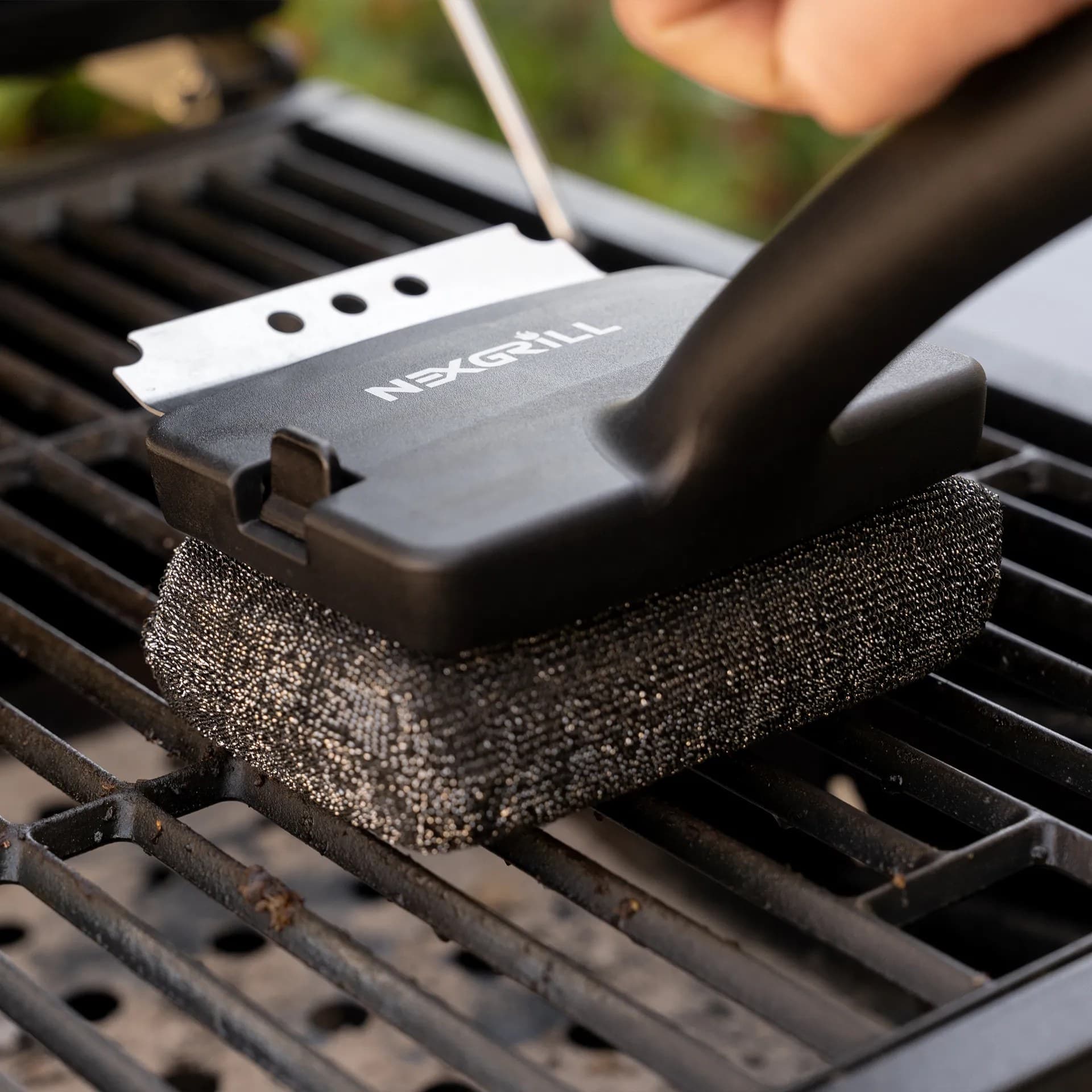
To clean your Nexgrill after cooking, allow it to cool and then use a grill brush to remove any residue from the grates. You can also wipe down the exterior with a damp cloth and mild soap to keep it looking its best.
In This Article
Grilled Zucchini Steaks
Lemon Herb Chicken Thighs
Grilled Asparagus with Parmesan
Spring is the ideal time to reset your cooking routine with meals that feel lighter, brighter, and more vegetable-forward without losing the satisfaction that comes from cooking outdoors. Healthy spring grilling recipes are especially appealing because they let you build full meals around fresh produce, lean proteins, and simple seasonings that taste vibrant after a quick pass over hot grates. Instead of relying on heavy sauces or complicated techniques, spring grilling works best when the ingredient quality does most of the work. That means tender zucchini, crisp asparagus, and chicken thighs seasoned with lemon, garlic, and herbs can deliver a meal that feels both nourishing and satisfying.
For many home cooks, spring grilling also solves a practical problem: what to cook when the weather warms up but you still want food that feels balanced and easy to prepare. A grill helps you cook quickly, keeps the kitchen cooler, and adds a smoky finish that makes even simple ingredients feel special. The recipes in this guide focus on straightforward preparation, clear doneness cues, and flexible serving ideas so you can use them for a weeknight dinner, a weekend lunch, or a casual gathering with friends. Each recipe is built around ingredients that are easy to find in the United States during spring, and each one can be adapted to fit your preferred cooking style. Grilling vegetables does not need to mean bland cooking. The best spring recipes use acid, herbs, and smart timing to create flavor while keeping the ingredient list short.
Healthy grilling does not need to mean bland cooking. The best spring recipes use acid, herbs, and smart timing to create flavor while keeping the ingredient list short.
spring recipes anchor this guide: a vegetable main, a lean protein, and a fresh side.
Grilled zucchini steaks are one of the easiest ways to turn a seasonal vegetable into a dish that feels substantial enough for the center of the plate. The key is to cut the zucchini into thick, even planks so the exterior picks up good grill marks while the interior stays tender instead of collapsing into mush. For a recipe that serves four as a side or two as a light vegetarian entrée, start with 2 medium zucchini, 2 tablespoons olive oil, 1 tablespoon lemon juice, 1 minced garlic clove, 1 teaspoon chopped fresh thyme or oregano, 1/2 teaspoon kosher salt, and a few grinds of black pepper. Slice the zucchini lengthwise into 1/2-inch slabs. Mix the oil, lemon juice, garlic, thyme, salt, and pepper, then brush both sides generously. Let the zucchini sit for 10 to 15 minutes while the grill preheats.
Use a medium-high grill heat and clean grates so the slices release cleanly. Place the zucchini diagonally across the grates and cook for about 3 to 4 minutes per side. You want distinct char marks and a tender bite, not a soft, watery texture. If the slices are browning too quickly, move them to a cooler zone of the grill. The finished zucchini can be served on its own or topped with a spoonful of herbed yogurt, a sprinkle of toasted pine nuts, or crumbled feta if you want a richer finish. This recipe works well as a base for grain bowls too, especially when paired with farro, chickpeas, and cucumber.
| Ingredient | Amount | Purpose |
|---|---|---|
| Zucchini | 2 medium | Main vegetable, sliced thick for structure |
| Olive oil | 2 tablespoons | Helps prevent sticking and supports browning |
| Lemon juice | 1 tablespoon | Adds brightness and balances grill char |
Lemon herb chicken thighs are a strong choice when you want a spring grilling recipe that feels light in flavor but still delivers enough richness to stay juicy over the fire. Chicken thighs are more forgiving than chicken breasts because their higher fat content helps them stay moist, which makes them especially practical for home grilling. For four servings, use 2 pounds boneless skinless chicken thighs, 3 tablespoons olive oil, the zest and juice of 1 lemon, 2 minced garlic cloves, 1 tablespoon chopped parsley, 1 teaspoon chopped rosemary, 1 teaspoon chopped thyme, 1 teaspoon kosher salt, and 1/2 teaspoon black pepper. Whisk the marinade ingredients together, coat the chicken, and refrigerate for at least 30 minutes or up to 4 hours for a stronger herb profile.
Grill the thighs over medium-high heat, about 5 to 6 minutes per side depending on thickness, until the exterior is well browned and the internal temperature reaches 165°F. Because thighs vary in size, it helps to arrange the pieces so the thickest portions face the hotter area of the grill first. If you are cooking for a family, this recipe scales easily and works well with grilled asparagus, potatoes, or a simple green salad. The lemon keeps the flavor clean and springlike, while the herbs make the chicken taste more layered than a basic salt-and-pepper grilled protein. For extra freshness, finish with a squeeze of lemon just before serving rather than marinating in too much acid for too long, which can toughen the surface.
For better browning, pat the chicken dry before grilling if the marinade is very wet. Surface moisture can soften the sear and extend cooking time.
Asparagus is one of the most reliable spring vegetables for grilling because it cooks quickly and develops a pleasant sweetness when exposed to high heat. Grilled asparagus with Parmesan is a useful side dish for almost any main course, including the chicken and zucchini recipes above. Start with 1 pound of asparagus, trim the woody ends, and toss the spears with 1 tablespoon olive oil, 1/4 teaspoon kosher salt, and a little black pepper. If the spears are especially thick, consider peeling the lower third lightly so they cook more evenly. Place them perpendicular to the grates or use a grill basket if you want easier handling. Grill for 4 to 6 minutes total, turning once or twice until the stalks are tender with a slight snap.
After grilling, transfer the asparagus to a plate and finish with shaved Parmesan, a little lemon zest, or a drizzle of extra-virgin olive oil. The cheese should complement the vegetable rather than overwhelm it, so use a light hand. This side is especially good with foods that need a salty contrast, and it also works as part of a spring lunch spread with eggs, grilled bread, and fresh fruit. If you want a dairy-free version, replace the Parmesan with toasted almonds or sunflower seeds for texture and a nutty finish.
Vegetables reward careful attention on the grill because they can move from crisp-tender to overcooked quickly. The biggest difference between good and disappointing grilled vegetables is usually preparation. Cut pieces to a similar thickness so they cook at the same pace, and season with oil before they go on the grill so they do not stick. Salt is helpful, but use it sparingly at first because vegetables can lose moisture quickly if they are over-seasoned too far in advance. A clean grill surface matters too, especially for softer vegetables like zucchini and asparagus that can tear if the grates are dirty or rough.
Another useful habit is setting up two heat zones. Put vegetables on the hotter side first for color, then move them to a slightly cooler zone if they need more time to soften. This is especially helpful when grilling multiple items at once because chicken thighs, zucchini steaks, and asparagus all cook at different speeds. Use visual cues as much as timing: zucchini should be pliable with defined char marks, asparagus should remain bright green with just a little bend, and chicken should reach a safe internal temperature without drying out. If you plan to serve everything together, grill the asparagus last so it stays vivid and crisp.
| Food | Heat Level | Typical Grill Time |
|---|---|---|
| Zucchini steaks | Medium-high | 3 to 4 minutes per side |
| Chicken thighs | Medium-high | 5 to 6 minutes per side |
| Asparagus | Medium to medium-high | 4 to 6 minutes total |
Healthy spring grilling recipes are most successful when they are simple, seasonal, and built around ingredients that taste good with minimal intervention. Zucchini steaks bring a satisfying vegetarian option to the table, lemon herb chicken thighs provide a juicy and balanced main course, and grilled asparagus with Parmesan adds an easy side that finishes the meal with a bright, savory note. Together, these recipes create a complete spring grilling menu that feels fresh without becoming fussy.
If you are cooking for your household, think in terms of balance: one grilled vegetable as the centerpiece, one lean protein, and one fast-cooking side that adds texture. That approach keeps the meal flexible and reduces stress at the grill. Try comparing two options side by side below to see which fits best:
Once you have your menu in mind, grilled zucchini steaks are worth treating as more than just a side dish. They can stand in as a light entrée, a burger alternative, or a structured vegetable base for toppings like tomatoes, hummus, and herbs. For the best results, choose zucchini that feel firm and medium-sized rather than oversized. Very large zucchini often have watery centers and looser texture, while medium zucchini tend to hold their shape better on direct heat. If you are cooking for two, one zucchini may be enough as a side, but for a family dinner or a mixed grill platter, plan on at least two to four medium squash.
The flavor profile here should stay bright and clean. A combination of olive oil, lemon juice, garlic, and fresh herbs gives the zucchini enough seasoning to taste complete without weighing it down. If you want a slightly deeper flavor, add a small pinch of smoked paprika or crushed red pepper, but keep it subtle so the natural sweetness of the vegetable still comes through. Grill marks matter because they add visual appeal and a faint charred note that balances the soft interior. The ideal zucchini steak bends slightly when lifted but does not collapse into a slippery ribbon. If you notice excess moisture pooling on the plate, the slices were likely cut too thin or cooked over heat that was too low to sear quickly.
Avoid over-marinating zucchini. Too much time in acid or salt can pull out water and make the slices soft before they even hit the grill.
Lemon herb chicken thighs remain one of the most dependable healthy grilling choices because they are flavorful, relatively budget-friendly, and forgiving for home cooks who do not grill every week. Their slightly higher fat content compared with chicken breasts gives you more margin for error, which is useful when you are balancing multiple items on the grill at once. For a spring meal, the marinade should lean on citrus, fresh herbs, and a moderate amount of salt rather than bottled sauces or heavy sugar-based glazes. That keeps the finished chicken lively and pairs especially well with tender green vegetables.
To make the recipe work for both casual dinners and meal prep, marinate the chicken in a shallow container or zip-top bag so every piece is coated evenly. If the thighs are very uneven in thickness, lightly pound the thicker ends so the pieces finish more consistently. When grilling, start with a preheated grate and let the chicken cook undisturbed long enough to develop color before flipping. Moving the thighs too early often tears the surface and can prevent a good sear. Once cooked, the chicken can be sliced and served over greens, tucked into wraps, or plated with grilled vegetables. It also reheats well for lunch the next day, making it one of the most practical recipes in this guide.
| Step | What to do | Why it matters |
|---|---|---|
| Marinate | 30 minutes to 4 hours | Builds flavor without overwhelming the chicken |
| Grill | Medium-high heat | Encourages browning while keeping the inside juicy |
| Rest | 5 minutes | Helps juices redistribute before serving |
Asparagus belongs in a healthy spring grilling lineup because it is fast, seasonal, and easy to finish in ways that feel restaurant-worthy without adding much effort. The main decision is thickness. Thin asparagus spears cook very quickly and may need a grill basket or careful placement to keep them from falling through the grates. Thick spears are easier to handle and often produce a better grilled bite for beginners. Either way, a light coating of olive oil is essential so the spears blister rather than dry out.
The Parmesan finish should be treated like a seasoning, not a heavy topping. A light shower of shaved cheese after grilling adds saltiness and a creamy note that works especially well with lemon zest or a tiny drizzle of balsamic vinegar. If you are serving this with the chicken thighs, the asparagus adds a fresh contrast that helps the whole plate feel more complete. The vegetable should retain some bite at the center; overcooked asparagus becomes limp and loses the crisp spring character that makes it appealing. To keep timing easy, trim the stalks ahead of time and store them wrapped in a damp paper towel until you are ready to grill.
Vegetable grilling is mostly about controlling moisture, heat, and timing. First, dry the vegetables well after washing them. Water on the surface creates steam, and steam prevents browning. Second, oil the food rather than flooding the grates. A thin, even coating helps with searing and prevents sticking without making the vegetables greasy. Third, be patient enough to let the grill do the work. If you keep lifting or moving delicate vegetables too soon, you lose grill marks and risk breakage. A quiet grill session often produces better results than an overly active one.
For mixed spring cooking, sequencing matters. Chicken thighs can usually tolerate a longer total cook time, so they should go on first. Zucchini steaks can follow once the grill has strong heat and you are ready to manage them closely. Asparagus comes last because it cooks fastest and benefits from being served immediately. If your grill has hotter and cooler zones, use them intentionally: color the vegetables on the hot side, then move them to a gentler spot if they need a minute or two more. This approach prevents over-charred edges and gives you more control when cooking several dishes at once. A final squeeze of lemon or a sprinkle of fresh herbs right before serving can revive the flavors and make the plate taste freshly made.
If you are grilling both vegetables and protein, let the vegetables rest briefly off the heat only long enough to finish the rest of the plate. Most spring vegetables taste best when served warm rather than held for too long.
Healthy spring grilling recipes work because they highlight fresh ingredients instead of hiding them. Zucchini steaks bring a satisfying meatless option with good texture and smoky flavor. Lemon herb chicken thighs offer a juicy, protein-rich main dish that is easy to season and easy to cook. Grilled asparagus with Parmesan rounds out the meal with a crisp, savory side that feels seasonal without being complicated. When these recipes are prepared thoughtfully, the grill becomes a tool for lighter cooking rather than just heavier summer barbecue.
For the best spring menu, think about contrast: soft and crisp, bright and savory, lean and satisfying. That balance is what makes healthy grilling feel complete. It also helps you build a meal that works for different appetites at the table, from someone who wants a vegetable-forward plate to someone who wants a protein-centered dinner. If you are planning your next cookout, these recipes give you a straightforward place to start and enough flexibility to adapt to what is fresh in your market.
Here's what sets us apart
We position ourselves as delivering high-end outdoor cooking features and performance without premium-brand pricing, emphasizing “Quality Grills. Unbelievable Value.”
We offer gas grills, pellet grills, griddles, smokers, pizza ovens, portable/tabletop grills, electric grills, accessories, and replacement parts — allowing customers to stay within one ecosystem for all outdoor cooking needs.
We differentiate ourselves through smart grilling products like the Oakford smart pellet grill, including app-connected cooking controls and modern outdoor cooking technology.
Don't just take our word for it
Keep reading
From our catalog