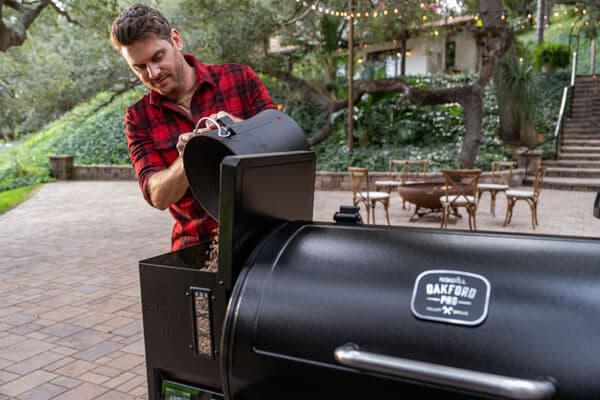
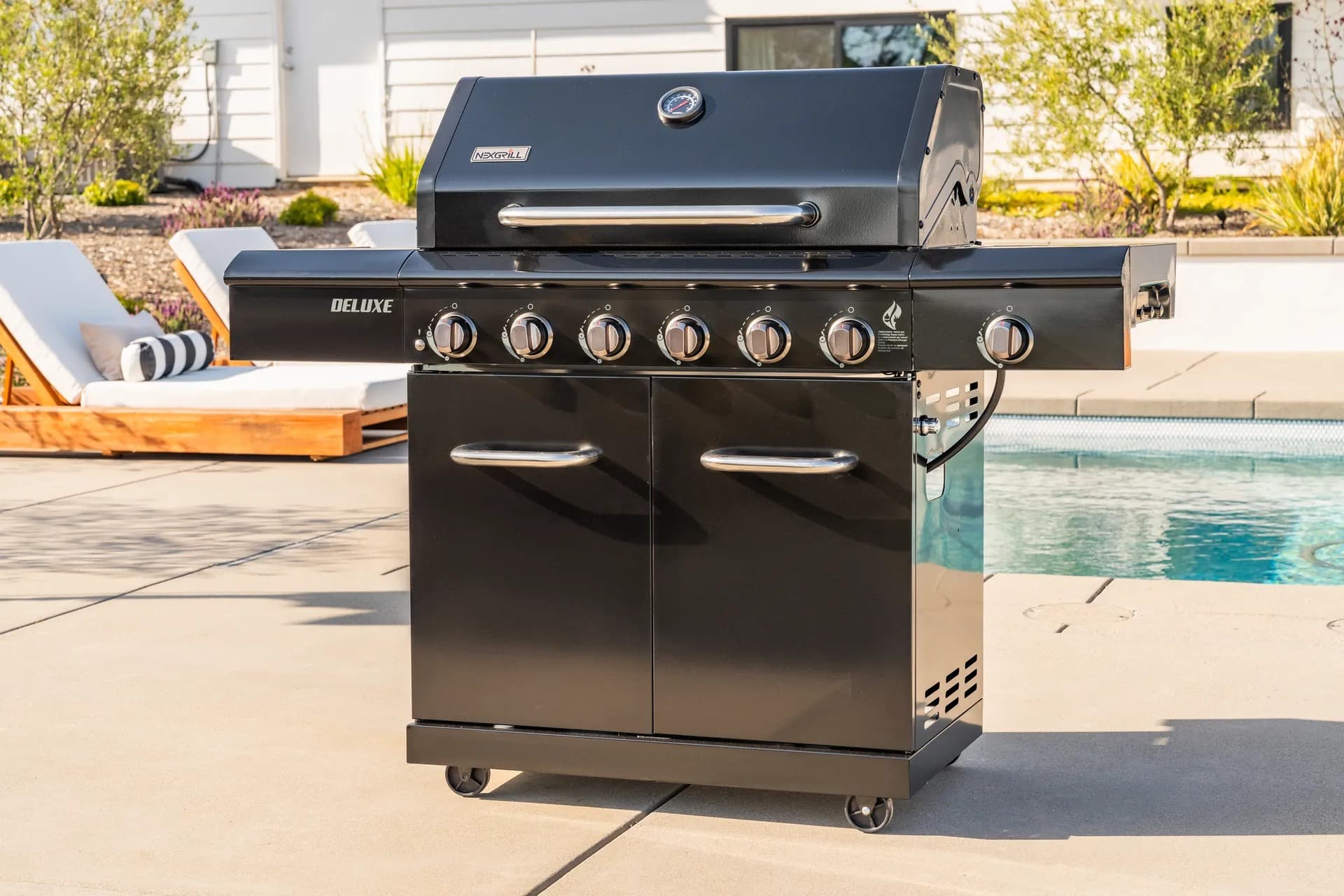
Ensure safe grilling practices by maintaining proper distances from structures and combustible materials.

From sizzling breakfasts to smash burgers and teppanyaki-style dinners, the Daytona Pro 5 Burner NitroGuard™ Griddle delivers powerful heat, fast cooking, and a durable cooking surface built for every backyard cookout. Watch how easy outdoor cooking can be.
Here's what sets us apart from the competition
We position ourselves as delivering high-end outdoor cooking features and performance without premium-brand pricing, emphasizing “Quality Grills. Unbelievable Value.”
We offer gas grills, pellet grills, griddles, smokers, pizza ovens, portable/tabletop grills, electric grills, accessories, and replacement parts — allowing customers to stay within one ecosystem for all outdoor cooking needs.
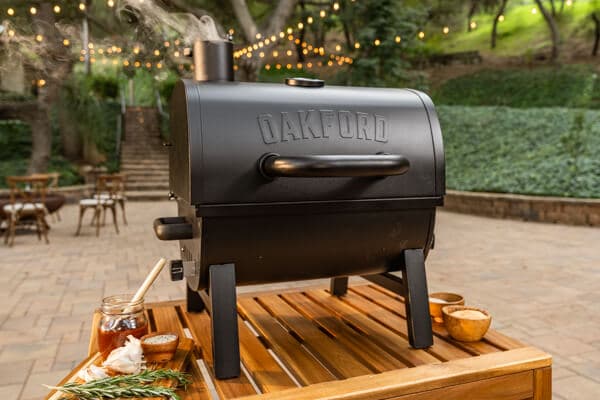
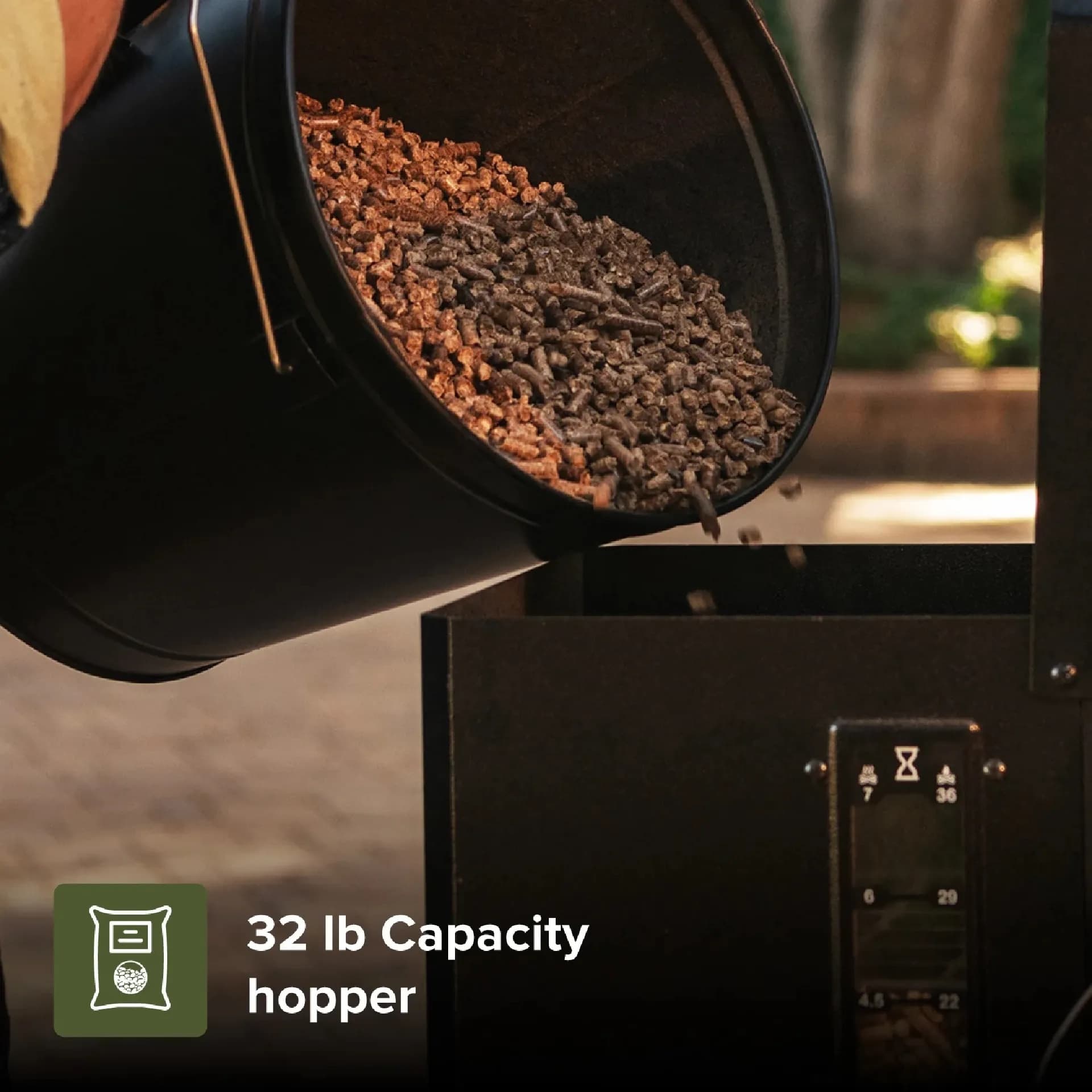
We differentiate ourselves through smart grilling products like the Oakford smart pellet grill, including app-connected cooking controls and modern outdoor cooking technology.

Expert tips, buying guides, comparisons, and inspiration for choosing and getting the most out of your grill.

Practical guides for cleaning, maintenance, common grill issues, and performance optimization.

Step-by-step grilling recipes, cooking techniques, and meal ideas for every occasion and skill level.

Backyard entertaining ideas, seasonal grilling inspiration, and stories that celebrate outdoor cooking culture.

Helpful articles covering grilling tools, cookware, maintenance gear, and must-have accessories for outdoor cooking.

Find griddle recipes, cooking techniques, cleaning tips, and outdoor meal ideas designed for Nexgrill griddles.
Find answers to common questions
Gas grills provide instant heat and precise temperature control, making them easier to use. Charcoal grills offer a smoky flavor and high heat for searing but require more time to heat up and manage.
Pellet grills combine the convenience of gas with the flavor of wood, allowing for smoking, baking, and grilling. Traditional gas grills, however, are quicker to start and often easier to clean.
Charcoal grills typically reach higher temperatures quicker than gas grills, making them better for searing meat. However, high-quality gas grills can also provide adequate heat for effective searing.
Nexgrill offers models designed specifically for gas, charcoal, and pellets, allowing users to choose based on their cooking style and flavor preferences. Each type is built to optimize the characteristics of its respective fuel.
Choosing between gas and charcoal grills depends on your cooking preferences and lifestyle. If you value convenience and quick cooking, a gas grill may suit you better; if you prefer the taste and experience of traditional grilling, a charcoal grill would be ideal.
In This Article
Grill Placement
Safety Perimeter
Regulatory Compliance
Safe grilling distance from structures is one of those outdoor-cooking details that is easy to overlook until something goes wrong. A grill placed too close to a house wall, deck railing, awning, fence, garage door, or low tree canopy can expose nearby materials to heat, flare-ups, sparks, and drifting grease vapor. That risk is not theoretical. Many residential fire incidents begin with grills that are crowded into a corner of a patio or squeezed under an overhang for convenience. The safest approach is to treat grill placement as part of the cooking setup itself, not an afterthought once the propane tank is connected or the charcoal is lit.
For Nexgrill owners, the goal is not simply to “find space” for the grill. It is to create a working zone that allows the cook to move around the grill, keep combustible materials away from heat, and prevent children, pets, and guests from wandering into danger. Nexgrill’s brand focus on outdoor gathering and practical, accessible grilling makes this especially relevant: a safe setup lets the cook stay relaxed, manage the fire properly, and enjoy the meal instead of worrying about what is touching the side of the grill. That mindset fits the Nexgrill philosophy of bringing people together while keeping the environment comfortable and dependable.
A widely used minimum separation target between a grill and nearby structures or combustible materials
In practice, the most useful rule is simple: keep the grill well away from anything that can burn, melt, or trap heat. That includes siding, wood posts, vinyl fencing, screen enclosures, umbrella fabric, patio furniture cushions, and dry landscaping. The exact distance can vary by local code and by the instructions for your specific grill, but a conservative 10-foot separation from structures is a strong baseline for most home setups. If your patio is smaller than that, the answer is usually not to “make it work” by pushing the grill under a roofline. Instead, relocate the grill to an open area where the heat plume, smoke, and grease emissions have room to disperse.
Think of safe distance as a buffer for heat, not just a buffer for flame. A grill can damage nearby materials long before anything visibly ignites.
Grill safety is shaped by three layers of guidance: the manufacturer’s instructions, local fire code, and the physical realities of your outdoor space. Manufacturer directions are the first place to check because they can require larger clearances than general advice. Local rules can then add another layer, especially for apartments, condominiums, townhomes, and communities with shared amenities. Finally, the property itself may demand a more cautious setup if you are dealing with a narrow balcony, a wooden deck, or a structure with overhangs and vents that trap heat.
Different jurisdictions may describe the same safety goal in different ways. One area may use a measured distance from combustible construction, another may prohibit grilling under balconies or within enclosed courtyards, and another may require a specific setback from entrances, exits, or building openings. For that reason, safe grilling distance from structures should never be treated as a single universal number. It is better understood as a principle: hot appliances need open air around them, and the closer you get to wood, vinyl, fabric, or stored items, the higher the risk becomes.
| What to check | Why it matters | Practical action |
|---|---|---|
| Owner’s manual | It may specify a mandatory clearance from walls, railings, and ceilings. | Read the setup section before first use and keep the manual accessible. |
| Local fire code | Rules can be stricter in apartments, condos, and dense neighborhoods. | Confirm distance limits with the local fire marshal or building manager. |
| Property layout | Heat can reflect off walls and trapped areas can intensify smoke and flame. | Choose an open, level, non-combustible surface with room to move. |
This matters just as much for serious grillers as it does for casual weekend cooks. A backyard cookout can happen safely when the grill has room to breathe. A cramped setup can turn routine actions such as opening the lid, adjusting burners, or shaking charcoal into hazards. If you use a Nexgrill gas grill, griddle, or charcoal model, the same overall principle applies: keep the appliance far enough from structures that heat can disperse naturally and the cook can move freely around the unit.
A safe grilling perimeter is more than a single clearance measurement. It is a fully usable work zone. At minimum, the area should include space for the grill itself, room for the lid to open without hitting a wall or awning, and enough standing room for the cook to step back if there is a flare-up. It should also keep traffic paths away from the heat source so guests do not cut behind the grill with a plate, drink, or child in tow.
A good rule for residential setups is to establish at least a 3-foot safety zone around the cooking station for people, pets, and loose items, while keeping the grill itself significantly farther from structures. That means the “no-go” area begins at the grill body and extends outward into a clear circle of use. Nothing should be stored in that zone: no propane cylinders laid against the wall, no paper goods on side shelves if the grill is right beside siding, and no dry brush or patio storage boxes near the rear vents. The point is to remove anything that can fall, ignite, or block your movement during cooking.
Use painter’s tape, chalk, or patio markers to map your safe perimeter once, then keep the grill in that same approved footprint every time you cook.
If the grill is mobile, put the wheels to work. Many homeowners keep a grill too close to the house simply because it is easy to roll it into a corner after each use. That habit is risky because repeated repositioning increases the odds that the grill will end up partially under an eave or too close to siding. Instead, pick a fixed, open location on a non-combustible surface whenever possible. If the only available surface is a deck, be especially careful to maintain distance from railings, posts, stairs, and overhead features. Heat can accumulate against vertical surfaces, and grease smoke can discolor or damage finishes over time even without a fire.
For families who entertain often, the safest layout also anticipates movement after the food comes off the grill. Guests tend to cluster near the cook, especially around a Nexgrill setup that is part of the social center of the backyard. Keep serving tables out of the burner path, store hot tools away from the edge, and make sure the route from grill to table does not force anyone to pass between the heat source and the structure. Safe distance only works if the whole circulation pattern is open and obvious.
The most common grill-placement mistake is also the simplest: using convenience as the deciding factor. A grill parked right next to a kitchen door, under a patio roof, or beside a wood fence may feel efficient, especially when you want quick access to condiments or utensils. But convenience is a poor trade for safety. The closer the grill is to a structure, the less margin you have for flare-ups, grease splatter, lid smoke, and hot exhaust coming off the back and sides.
Another frequent error is assuming that a small grill or griddle needs less space because the cooking surface is compact. In reality, the heat footprint around the appliance can be similar regardless of size. A smaller unit can still project intense heat upward and backward, especially when preheating or searing. Likewise, placing a grill near a wall because “the breeze is calmer there” can be counterproductive. Walls can trap heat and smoke, and overhead structures can create pockets where hot air lingers longer than expected.
| Placement mistake | Why it is risky | Better choice |
|---|---|---|
| Under an awning or eave | Heat and smoke can accumulate above the grill. | Move to a fully open-air area with vertical clearance. |
| Against siding or a fence | Combustible materials can overheat or discolor. | Leave generous space from all walls and barriers. |
| Near stored items | Paper, cushions, and tools can catch heat or fall into flame. | Keep storage outside the active cooking perimeter. |
| On a crowded deck corner | Traffic bottlenecks increase the chance of bumps and spills. | Choose a location with open access from multiple sides. |
It is also a mistake to forget about what is above the grill. Rooflines, pergolas, low branches, and balcony supports can be just as important as walls. A grill may appear to have enough side clearance while still sitting under a structure that traps heat vertically. When in doubt, imagine the highest lid opening and the hottest plume during preheat. If that path is blocked, the setup is not safe enough.
Safe grilling distance from structures protects your home, your guests, and the long-term enjoyment of your outdoor cooking space. The best setups are the ones that make safety feel natural: the grill sits in open air, combustibles are kept away, people have room to move, and the cook can focus on timing and flavor instead of worrying about the walls around them. That is especially important in today’s backyards, where grills often share space with patios, play areas, storage, and outdoor furniture.
For Nexgrill owners, the ideal habit is simple: before every cookout, scan the area, confirm your clearance, and make sure the grill is in the same safe position you intended from the beginning. The few extra seconds it takes to check the perimeter are worth far more than the risk of placing the grill too close to a structure. And if you are planning to compare different outdoor cooking setups, try comparing two products side by side below to see which fits best:
Once you have weighed one grill setup against another, the next question is usually not just where the grill fits physically, but what the rules allow in your area. Local regulations matter because safe grilling distance from structures can change depending on the type of residence, the density of surrounding buildings, and the kind of cooking fuel you use. In the United States, there is no single neighborhood rule that applies everywhere. A backyard in a suburban single-family home may allow more flexibility than a balcony in a multifamily building, and a coastal city with closely spaced homes may be stricter than a rural property with more open land.
A practical way to think about compliance is to look for three layers of direction: municipal fire code, property management or homeowners association rules, and the instructions that come with the grill itself. If any one of those layers is stricter than the others, follow the strictest applicable rule. That approach keeps you safer and reduces the risk of using a grill in a spot that seems reasonable but does not actually meet local requirements. The same logic applies whether you are using a gas grill, a charcoal grill, or a flat-top griddle for a family breakfast.
Do not assume a “normal patio setup” is automatically allowed. In many buildings, grills are restricted on balconies, under overhangs, or near combustible railings, even when the space seems large enough.
Regional differences often show up most clearly in shared housing. In apartment communities and condominiums, the issue is not just the grill itself, but how heat and smoke move around neighboring units. A compact balcony can concentrate fumes and make a safe distance from structures difficult to maintain. In those cases, the right answer may be to use a designated outdoor cooking area instead of trying to adapt an unsuitable spot. For homeowners, the emphasis is usually on distance from house walls, fences, sheds, and overhead structures, plus a clear path for moving around the grill without crossing into a hazard zone.
If you are uncertain, check with the local fire department or building office before the first cook. That may sound cautious, but it is the fastest way to avoid a setup that must be moved later. The safest and most convenient grill location is the one you can use repeatedly without second-guessing whether the deck railing, porch roof, or side wall is too close.
Different grill types create different heat patterns, but the basic safety logic is the same: separate the appliance from structures and keep the cooking zone uncluttered. Gas grills tend to produce controlled, directional heat from burners, which means side clearance and rear clearance are especially important near walls and siding. Charcoal grills may have a broader heat spread, more ash movement, and a longer cooling period after use, so they need extra care around decks, trash cans, and wooden surfaces. Electric grills reduce open flame risk but still generate substantial heat and can damage nearby materials if placed too close to a wall or under a low overhang.
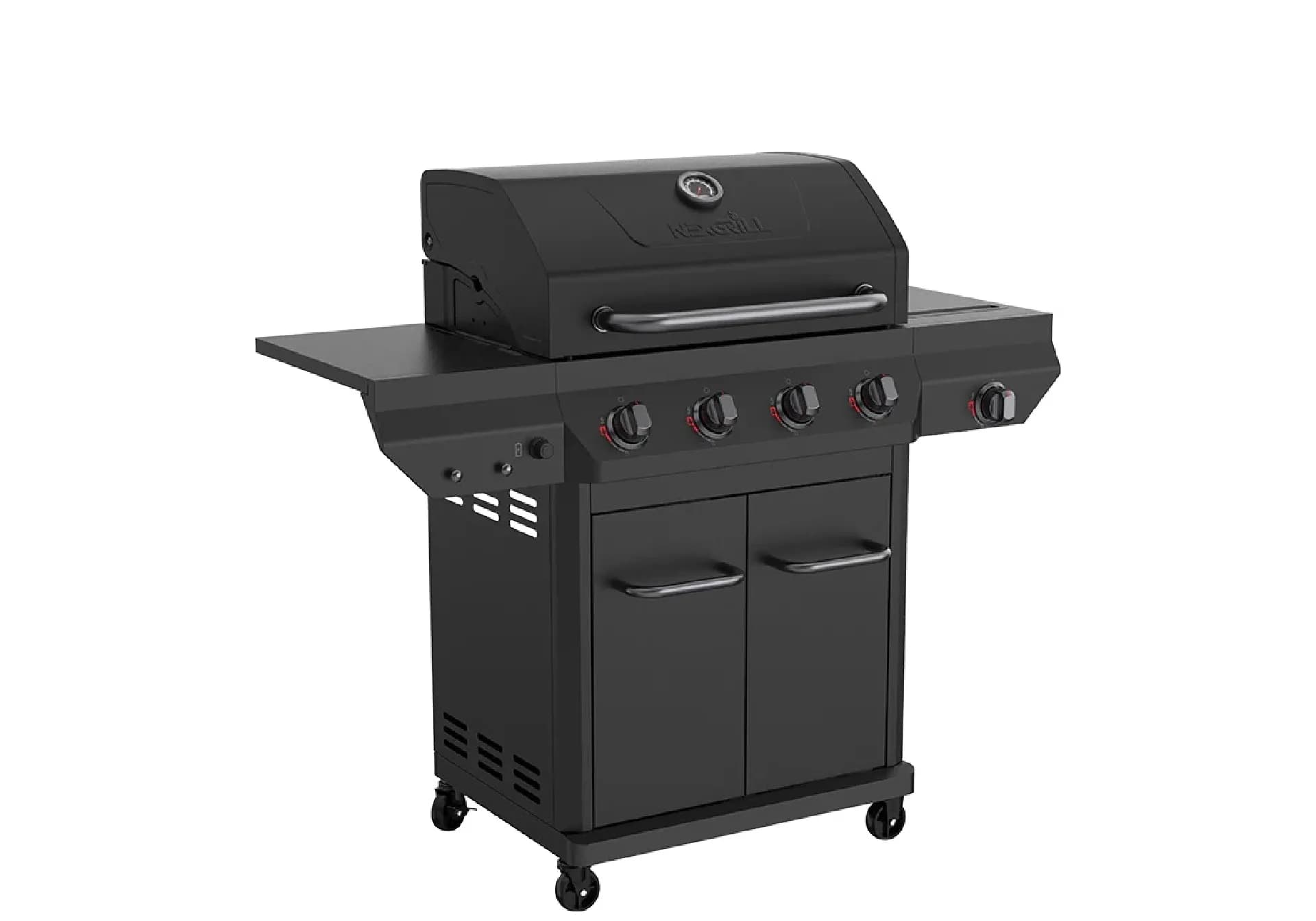
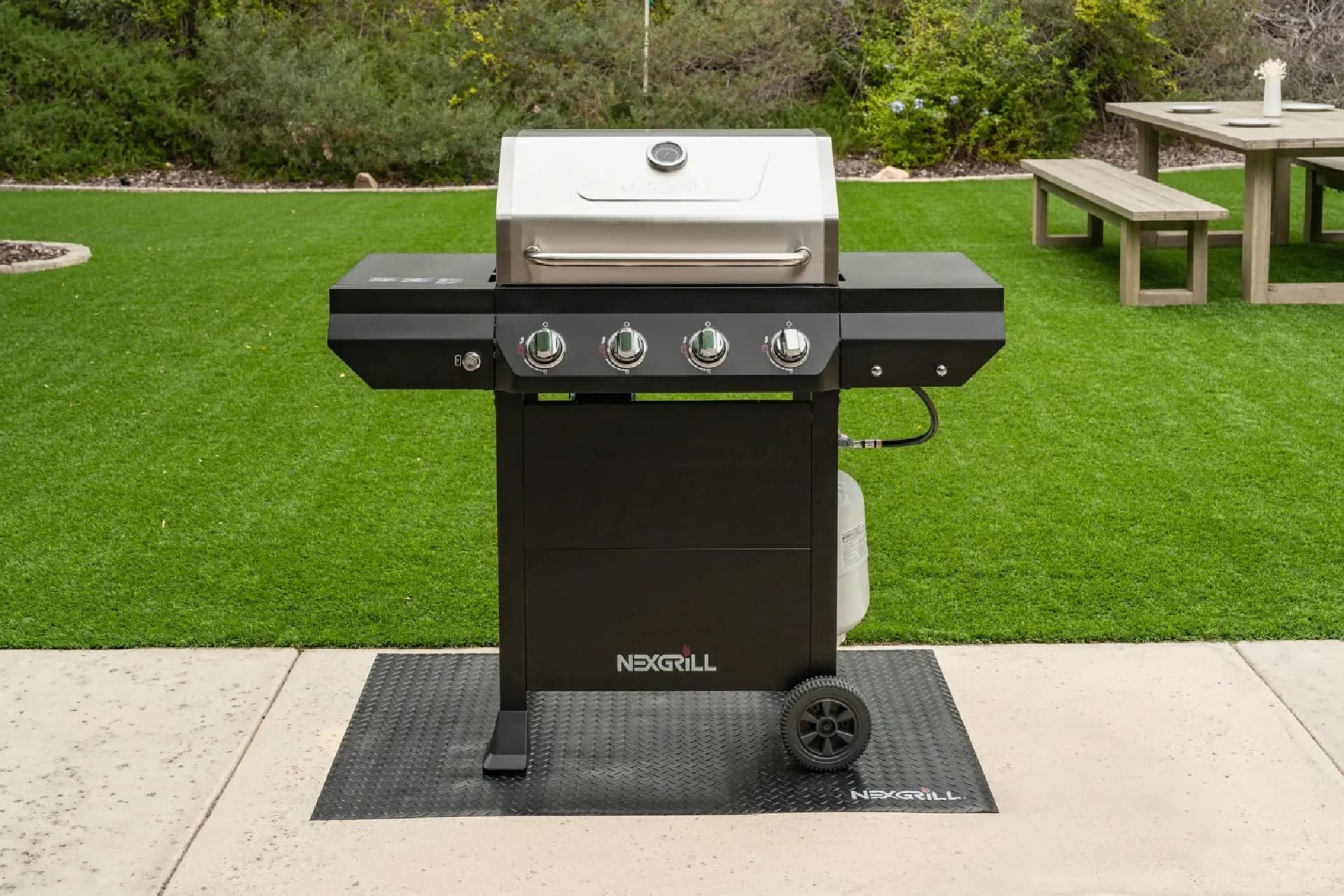
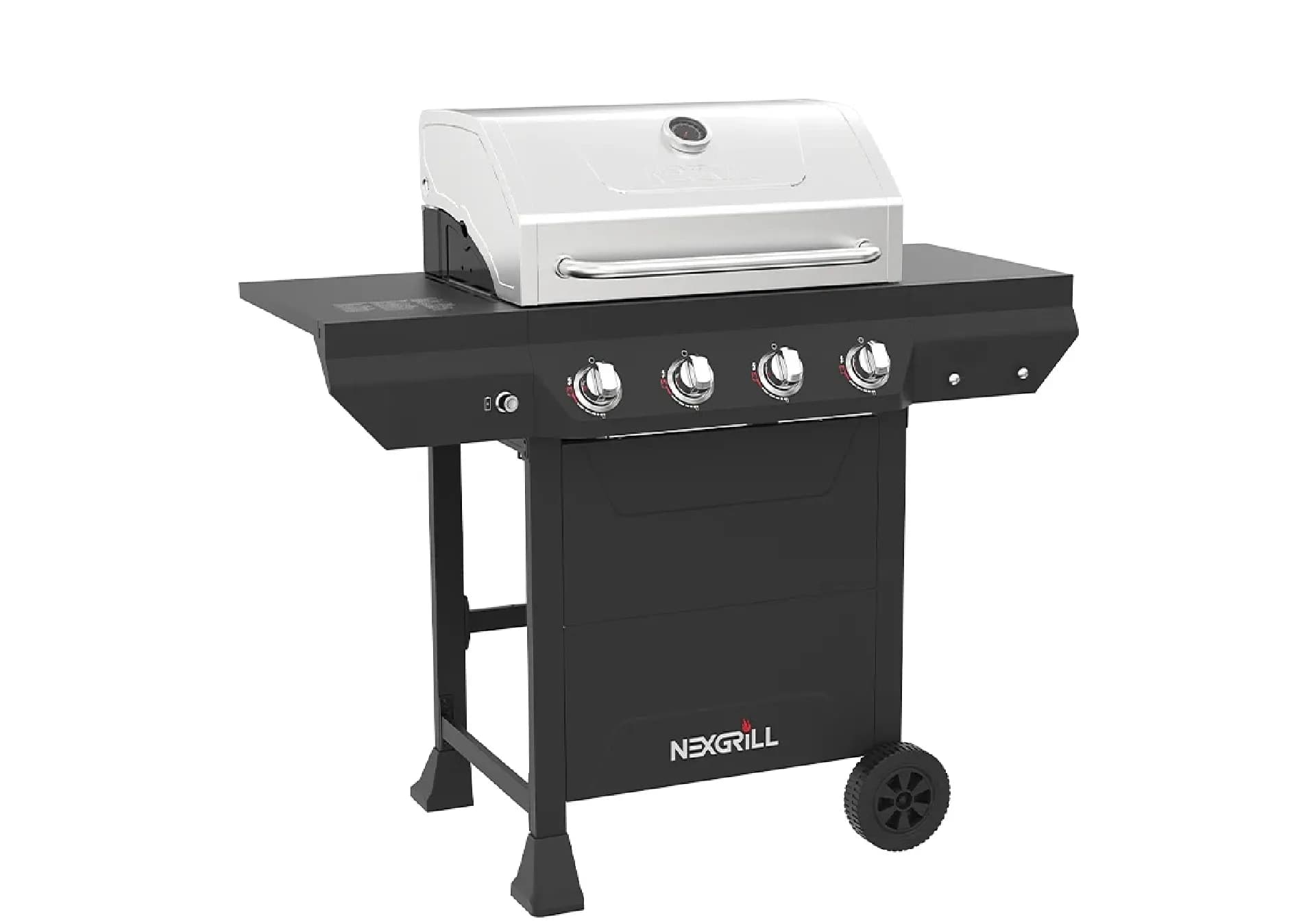
For a gas grill, pay close attention to where the lid exhausts and where the rear burner area sits relative to the structure behind it. A grill that looks adequately spaced at the front can still send heat backward. If you cook on a Nexgrill gas model, make sure the side shelves do not interfere with adjacent surfaces and that the propane cylinder, if present, is positioned according to the unit’s instructions and never trapped against a wall. The same caution applies to higher-capacity units like the Nexgrill 4-Burner Propane Gas Grill in Black with Stainless Steel Main Lid or the 4-Burner Gas Grill with Side Burner in Black, where a larger body can tempt owners to place the grill too close because the footprint feels “managed” by the patio layout .
| Grill type | Primary distance concern | Safer setup focus |
|---|---|---|
| Charcoal | Open ember exposure and hot ash after cooking | Use a non-combustible surface and allow full cooldown before moving |
| Gas | Heat exhaust, flame flare-ups, and propane placement | Maintain generous side and rear clearance from walls and fences |
| Electric | Surface heat and cord routing near structures | Keep away from railings, siding, and water exposure |
For charcoal setups, especially models like the Nexgrill Oakford Homestead 24 Heavy Duty Charcoal Grill in Black, keep the ash handling area separate from storage and never empty hot coals near a wall, fence, or planter. Charcoal can stay dangerously hot long after the visible flame is gone. For electric units, the absence of an open flame can create false confidence, but the heating element still needs breathing room. If the plug or extension cord must cross a walking path, that path becomes part of the safety problem, and the grill should be relocated rather than forcing the setup to work around a bad route.
A truly safe grilling environment is designed before the first match is struck or the burner is lit. Start with a level surface. Uneven ground is not just an annoyance; it can make lids swing unexpectedly, grease pool unevenly, and wheels roll when you do not want them to. Next, keep the surrounding area simple. Remove cushions, folded umbrellas, cardboard boxes, dry leaves, and spare propane cylinders from the active zone. The more open the space, the less likely a stray spark or flare-up will find fuel.
Visibility also matters. Grill in daylight or under adequate lighting so you can see where the structures, railings, and edges are. This is particularly important for evening cookouts when it is easy to misjudge distance by a few inches. Keep long-handled tools nearby, but not leaning against the house or resting on combustible surfaces. If your grill has side shelves, use them for short-term prep only and avoid overloading them with paper towels, marinades, or cloth towels that can blow toward the flame.
If a guest has to walk between the grill and a wall to get to the table, the layout is too tight. Re-route people, not the grill.
Think in terms of zones. The first zone is the grill itself. The second is the safety perimeter around it, which should remain clear of children and pets. The third is the structure buffer, where walls, fences, overhangs, and storage items are kept well outside the heat path. This zone-based approach is useful because it keeps your setup consistent whether you are cooking burgers on a gas grill, searing vegetables on a griddle, or slow-cooking ribs on charcoal. It also makes it easier to brief guests: if they can see the boundaries, they are less likely to step inside them.
For homeowners who host often, a small amount of planning pays off. Set the grill in a location with easy access to the kitchen, but not so close that you lose the clear-air buffer. Keep a dry-fire extinguisher or other appropriate suppression method nearby if your local guidance recommends it, and make sure everyone knows how to step back quickly if flare-ups occur. Good grill environments are calm, uncluttered, and intentional; they help the cook stay focused on food rather than on hazards.
Maintenance and safe placement go hand in hand. Even the best clearance plan loses value if the grill itself is not working properly. Grease buildup, clogged burners, worn ignition components, or loose connections can increase the odds of a sudden flare-up or uneven heat that sends flames in the wrong direction. That is why a safe setup should include regular inspection of the grill body, cooking grates, fuel connections, and grease management components.
For gas grills, check the burners for blockages, look for signs of corrosion, and make sure the propane tank area is clean and unobstructed. If you notice unusual odors, uneven flame patterns, or delayed ignition, stop using the grill until it is inspected. For charcoal grills, remove ash once it has fully cooled and keep the ash disposal container away from the house, deck, garage, or trash enclosure. Ash that seems harmless can retain heat longer than expected, and a metal container placed too close to a structure can still transfer dangerous heat.
A covered, clean grill is safer to store, but never cover a hot unit or push it into a tight corner immediately after use.
The easiest maintenance habit is to build it into your closing routine. Let the grill cool, scrape the grates, empty ash or grease as appropriate, and confirm that the unit is back in its approved position with clear space around it. If the grill stays outdoors year-round, periodic checks are worth the time because weather can change the safety profile of the area. A storm may shift deck furniture, a branch may fall closer to the grill, or stored objects may get moved into the safety zone without you noticing. Regular inspection keeps your original distance plan intact.
For readers who want to go deeper, it helps to rely on primary sources that explain the safety logic behind grill clearances, fuel handling, and fire prevention. Manufacturer instructions are always the first reference point, but public safety agencies and local code resources can help you understand how rules vary by region and why certain spaces are restricted. When comparing two products or planning a new outdoor setup, these resources make it easier to choose a location that supports both cooking performance and peace of mind.
If you are looking at Nexgrill’s broader outdoor cooking lineup, it can also help to compare the space requirements of different formats before you buy. A compact two-burner grill, a larger four-burner unit, a pellet smoker, or a flat-top griddle each asks a little differently of your patio or deck. Nexgrill’s product range spans gas grills, charcoal grills, pellet grills, and griddles, giving homeowners options that fit different layouts and cooking styles . That variety is useful, but only if the chosen product fits the real-world room you have around structures, not just the cooking area on the spec sheet.
Here's what sets us apart
We position ourselves as delivering high-end outdoor cooking features and performance without premium-brand pricing, emphasizing “Quality Grills. Unbelievable Value.”
We offer gas grills, pellet grills, griddles, smokers, pizza ovens, portable/tabletop grills, electric grills, accessories, and replacement parts — allowing customers to stay within one ecosystem for all outdoor cooking needs.
We differentiate ourselves through smart grilling products like the Oakford smart pellet grill, including app-connected cooking controls and modern outdoor cooking technology.
Don't just take our word for it
Keep reading
From our catalog