A comprehensive guide to selecting the ideal portable cooking equipment for your outdoor adventures.

From sizzling breakfasts to smash burgers and teppanyaki-style dinners, the Daytona Pro 5 Burner NitroGuard™ Griddle delivers powerful heat, fast cooking, and a durable cooking surface built for every backyard cookout. Watch how easy outdoor cooking can be.
Here's what sets us apart from the competition
We position ourselves as delivering high-end outdoor cooking features and performance without premium-brand pricing, emphasizing “Quality Grills. Unbelievable Value.”
We offer gas grills, pellet grills, griddles, smokers, pizza ovens, portable/tabletop grills, electric grills, accessories, and replacement parts — allowing customers to stay within one ecosystem for all outdoor cooking needs.
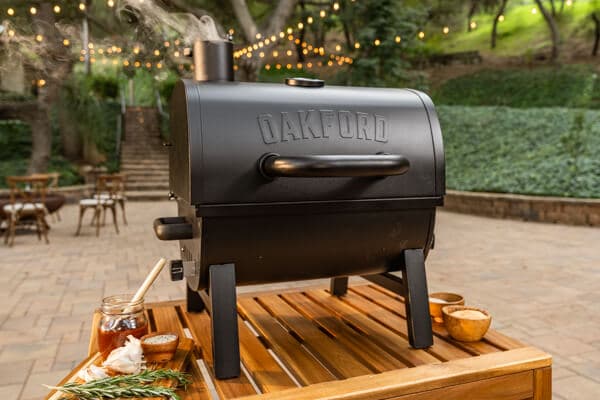
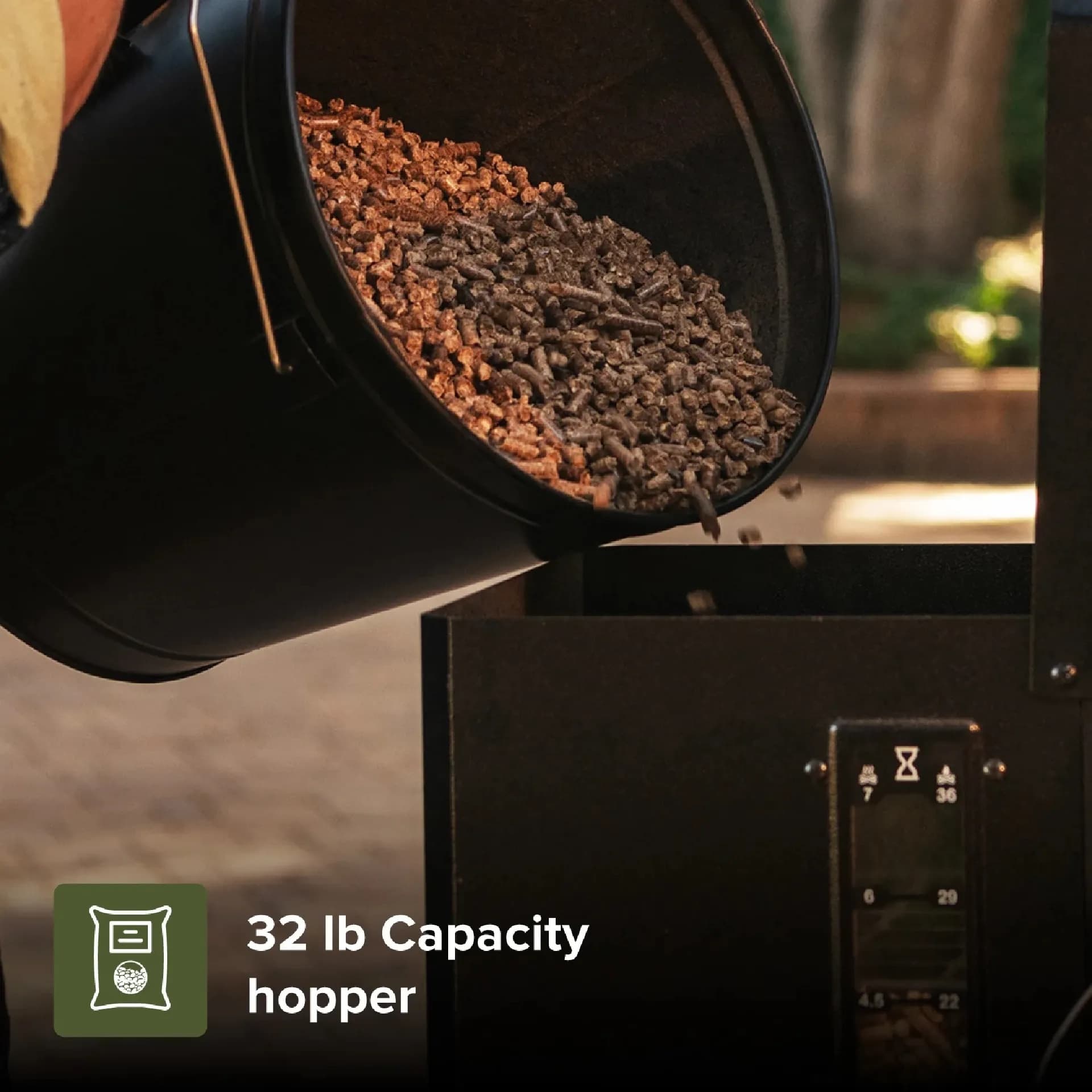
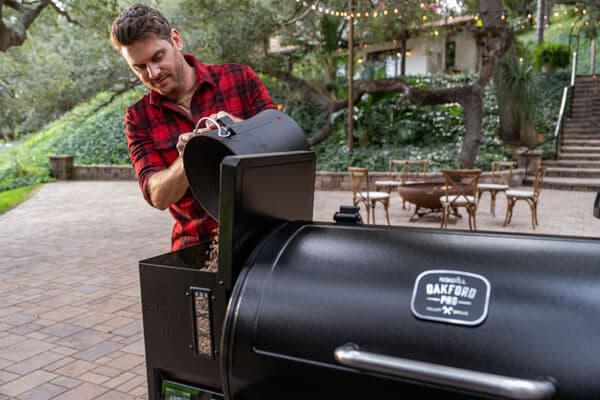
We differentiate ourselves through smart grilling products like the Oakford smart pellet grill, including app-connected cooking controls and modern outdoor cooking technology.

Expert tips, buying guides, comparisons, and inspiration for choosing and getting the most out of your grill.

Practical guides for cleaning, maintenance, common grill issues, and performance optimization.

Step-by-step grilling recipes, cooking techniques, and meal ideas for every occasion and skill level.

Backyard entertaining ideas, seasonal grilling inspiration, and stories that celebrate outdoor cooking culture.

Helpful articles covering grilling tools, cookware, maintenance gear, and must-have accessories for outdoor cooking.

Find griddle recipes, cooking techniques, cleaning tips, and outdoor meal ideas designed for Nexgrill griddles.
Find answers to common questions
Gas grills provide instant heat and precise temperature control, making them easier to use. Charcoal grills offer a smoky flavor and high heat for searing but require more time to heat up and manage.
Pellet grills combine the convenience of gas with the flavor of wood, allowing for smoking, baking, and grilling. Traditional gas grills, however, are quicker to start and often easier to clean.
Charcoal grills typically reach higher temperatures quicker than gas grills, making them better for searing meat. However, high-quality gas grills can also provide adequate heat for effective searing.
Nexgrill offers models designed specifically for gas, charcoal, and pellets, allowing users to choose based on their cooking style and flavor preferences. Each type is built to optimize the characteristics of its respective fuel.
Choosing between gas and charcoal grills depends on your cooking preferences and lifestyle. If you value convenience and quick cooking, a gas grill may suit you better; if you prefer the taste and experience of traditional grilling, a charcoal grill would be ideal.
In This Article
Versatile Cooking Options
Top Portable Grills
Innovative Outdoor Cooking Gear
Portable outdoor cooking solutions are about more than packing a smaller grill into the trunk. For many people, they are the difference between cooking a fresh meal at a campsite, serving hot food at a tailgate, or making a quick breakfast on the patio without hauling a full backyard setup. The best portable gear needs to travel well, set up quickly, produce dependable heat, and clean up without becoming a chore at the end of the day. That mix of mobility and usability is what makes this category so useful for campers, road-trippers, apartment dwellers with limited space, and families who want flexible cooking options for weekends away from home.
Nexgrill’s broader outdoor cooking lineup reflects that practical balance. The brand has been building grilling products since 1993 and serves a wide range of outdoor cooks, from casual weekend users to more experienced grillers who want feature-rich equipment at a sensible value. In portable cooking, that matters because buyers are not just shopping for a compact footprint. They are looking for a product that feels sturdy, heats evenly, and performs consistently whether it is used for burgers in a park parking lot or breakfast tacos at a campsite. Portable products also need to match different fuel and space constraints, which is why some shoppers do better with a compact gas grill while others may prefer a griddle or a separate stove-style setup.
The year Nexgrill was founded, before expanding into outdoor cooking and grilling solutions.
A practical way to think about portable outdoor cooking is by use case. If your weekends usually mean driving to a tailgate or picnic shelter, the priority may be quick ignition and stable side tables. If you camp frequently, low weight, compact storage, and simple fuel management may matter more. If you are cooking for a small group at home but have limited patio space, a portable solution may function as your primary outdoor cooker rather than an occasional travel appliance. Each of those scenarios demands a slightly different design, and the best choice is rarely the one with the most headline features. It is the one that fits the real pattern of how you cook.
Portable cooking gear works best when the setup time is short and the cooking surface is sized for the meal you actually make most often.
The first factor is heat source. Portable gas grills and griddles are popular because they offer fast start-up and predictable flame control, which is helpful when you are cooking outside of a fully equipped kitchen. Charcoal-based portable gear can deliver a richer smoky profile, but it usually requires more patience, more cleanup, and better airflow planning. If you are moving frequently between locations or want to cook breakfast and dinner without waiting around, gas is often the easier day-to-day choice. If flavor development is the priority and you do not mind a slower process, charcoal remains appealing.
The second factor is cooking format. A portable grill is ideal when you want the familiar direct-grilling experience for steaks, chicken, vegetables, or skewers. A portable griddle is often better for foods that benefit from a flat, even surface, such as pancakes, smashed burgers, fajitas, breakfast sandwiches, or stir-fry style dishes. In a real-world camping weekend, that distinction matters: a griddle can handle eggs, hash browns, and bacon at breakfast, then transition to cheesesteak filling or hibachi vegetables later in the day without needing multiple pans.
Size and portability should be judged together. A unit that is technically portable but awkward to lift, store, or stabilize will quickly feel inconvenient. Look at the folded footprint, weight distribution, and whether the cart, legs, or lid lock securely for transport. For tailgaters who are loading gear into a vehicle with coolers and folding chairs, a model with compact storage can make the difference between an easy setup and a frustrating one. For campers, the ability to tuck the cooker beside totes and camping bins matters as much as cooking surface area.
| Decision factor | Why it matters | Best fit |
|---|---|---|
| Fuel type | Affects startup time, control, and cleanup. | Gas for convenience, charcoal for smoky flavor. |
| Cooking surface | Determines what foods you can cook efficiently. | Grill for searing, griddle for breakfast and flat-top dishes. |
| Transport design | Impacts how easy the unit is to move and store. | Foldable carts or compact tabletop builds. |
| Cleanup system | Saves time after travel or outdoor events. | Removable grease management and accessible surfaces. |
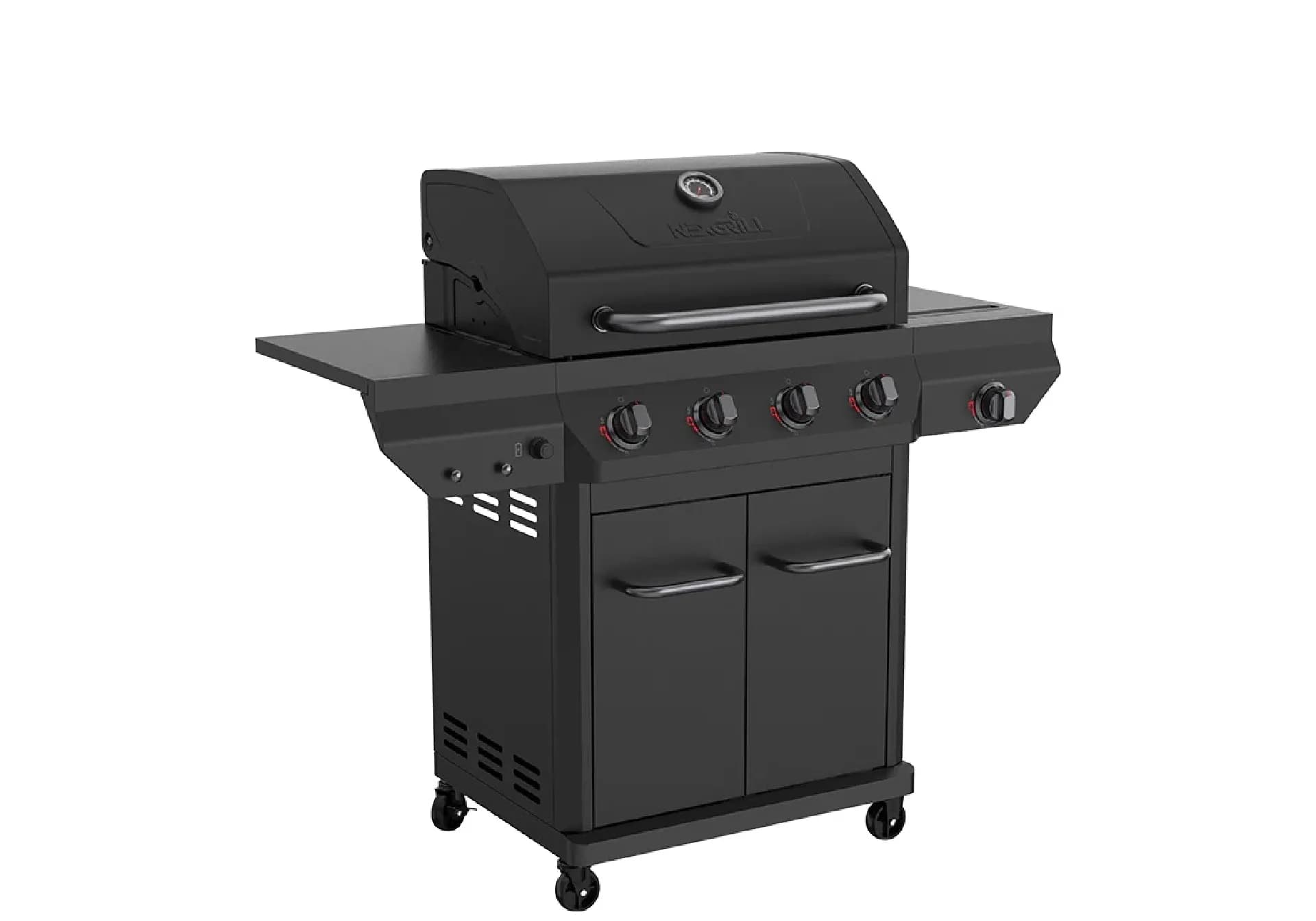
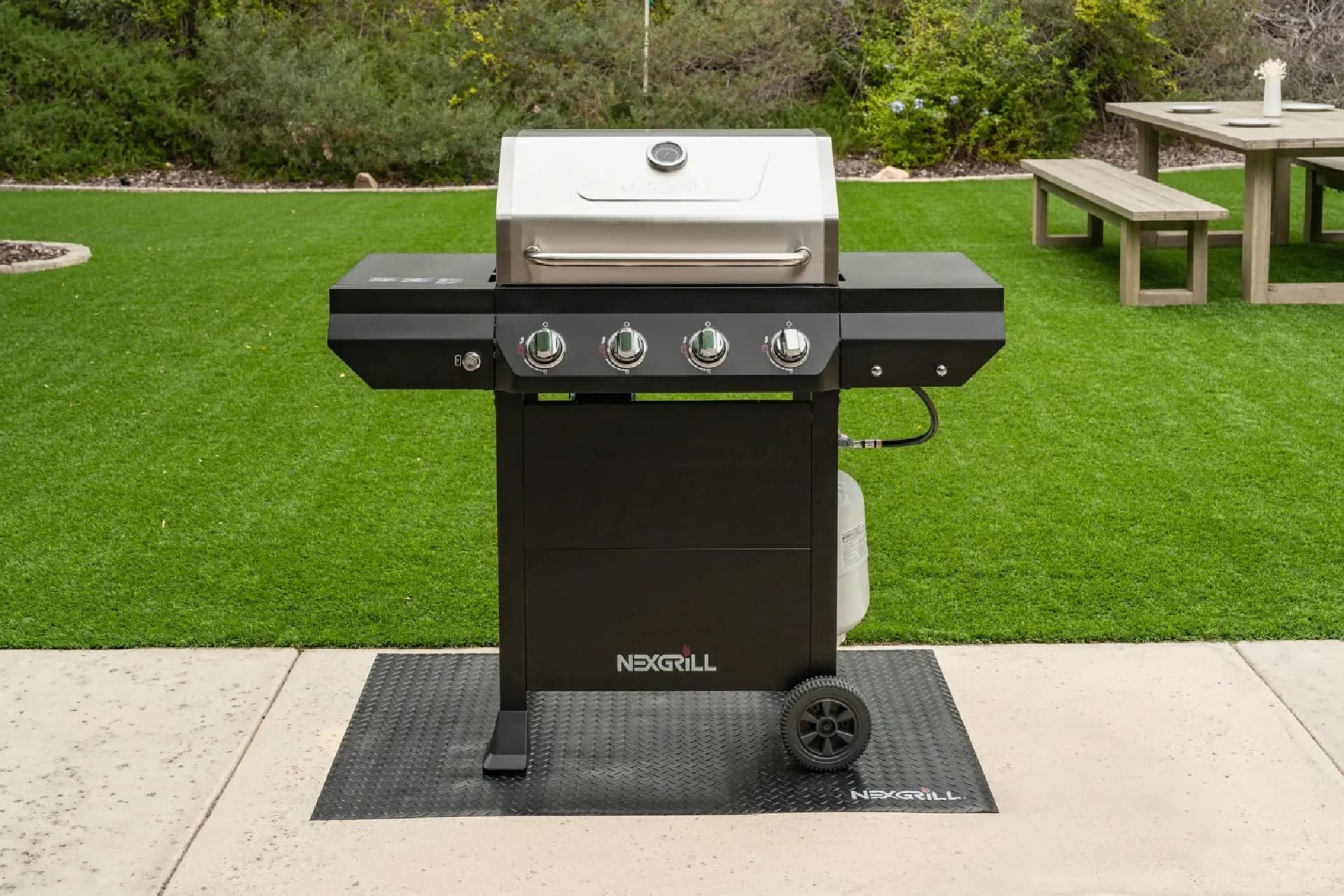
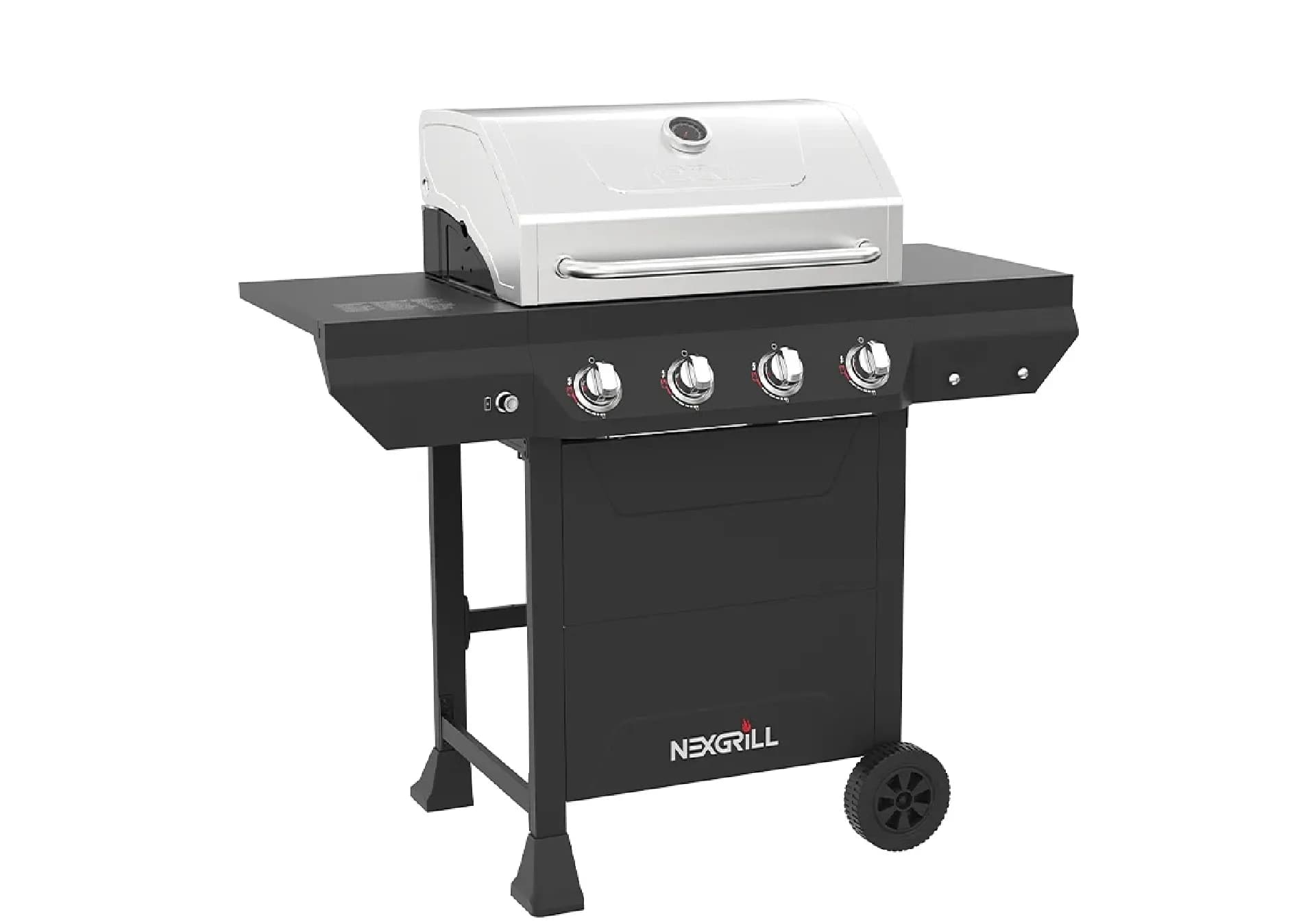
For many shoppers, the most practical portable solution is still a grill. Nexgrill’s portable and compact cooking lineup includes options that suit different travel habits and meal styles. A compact propane grill is often the easiest all-around answer for a family cookout at a public park, a sports tailgate, or a weekend rental with a small patio. It gives you familiar grate cooking, quick ignition, and enough heat to handle direct grilling without the bulk of a full-sized backyard unit.
The Deluxe 2-Burner Gas Grill is a strong example of a portable-minded format that still offers real cooking versatility. Two burners let you create two heat zones, which is useful when you want one side hot for searing burgers and the other side gentler for finishing chicken or keeping vegetables warm. For users who regularly cook for two to four people, that kind of zone control is often more useful than chasing a larger grill that is harder to transport. A smaller footprint also makes it easier to store between trips, especially if your garage or apartment storage area is tight.
If your travel cooking tends to lean toward flat-top meals, the Daytona line gives a different kind of portability. The Daytona 2-Burner Gas Griddle with foldable cart is useful when you want the compactness of a travel cooker without giving up workspace. A foldable cart matters because it makes loading and unloading simpler, and the griddle surface is especially effective for high-volume breakfast cooking or mixed meals where you want one cooking plane instead of multiple pans. The same surface can handle eggs, bacon, quesadillas, onions, and sliced peppers with less mess than a standard grill grate setup.
For travel cooking, choose a grill if you want classic searing and grate marks; choose a griddle if your menu includes breakfast, sandwiches, or batch-style meals.
Portable outdoor cooking is not limited to small propane grills. Some of the most useful gear in this category is designed around how people actually cook when space is limited. A portable griddle can be more adaptable than a grill because it lets you cook delicate foods and mixed meals without worrying about items falling through grates. For family travel, that matters. Pancakes for four, quesadillas for a group of kids, or a late-night batch of fried rice are all easier on a flat surface than over open grates.
A more innovative choice can also mean choosing a cooker that supports a less obvious workflow. For example, the Daytona 4-Burner Propane Gas Griddle in Black brings a larger flat-top format to users who want to cook outdoors in a more organized, batch-friendly way. While larger than a typical portable tabletop unit, it can still serve as a mobile outdoor kitchen for events where the menu matters more than the footprint. If you regularly host neighborhood gatherings, scout breakfasts, or large family brunches, a bigger griddle can outperform a compact grill simply because it keeps multiple dishes moving at once.
Another practical innovation is modularity. Some users prefer a portable cart-based design because it improves ergonomics and makes the cooking station feel more stable. Others want a straightforward tabletop model they can place on a sturdy picnic surface or tailgate table. The key is to choose gear that supports the way you move and cook, not gear that only looks convenient in a showroom. Accessories such as wind guards, lids, and grease collection trays can also shape the real user experience by reducing flare-up risk and making transport less messy.
Portable equipment faces more wear than stationary backyard gear because it is carried, loaded, set up, and cleaned more often. That means maintenance is not just about extending lifespan; it is about keeping the cooker reliable on the next trip. Start with a routine wipe-down after each use while the cooking surface is warm but not dangerously hot. On griddles, remove food debris and oil residue before they harden. On grills, brush the grates and clear the grease tray so buildup does not affect airflow or create hard-to-clean layers later.
If you use a gas-powered portable cooker, inspect the hose connection, regulator, and ignition area before every major outing. A quick pre-trip check can prevent the frustration of arriving at a campsite only to find a loose connection or blocked burner. Keep the unit dry during storage, and if you transport it in the back of a vehicle, use a protective cover or secure bin to prevent scratches and component damage. For griddles, a light seasoning or protective oil layer can help preserve the cooktop finish and reduce sticking, especially after deep cleaning.
Weather exposure is another issue that is easy to overlook. Portable cookers are often used outdoors, but they do not benefit from permanent shelter once the outing ends. Moisture, dust, and road grime can all shorten the life of hinges, burners, and surfaces. Storing the unit in a dry, covered location and making sure it is cool before packing it away are simple steps that pay off over time. If you use the cooker frequently for tailgates or seasonal events, a dedicated cleaning kit with a scraper, grill brush, microfiber towels, and a small bottle of oil can make upkeep feel much easier.
Never pack a portable cooker while it is still hot. Allowing it to cool fully reduces damage risk and makes transport safer.
Try comparing two products side by side below to see which fits best:
Once you have weighed two options against each other, the next step is to judge how each portable cooker performs in real use, not just how it looks on a product page. A good comparison starts with the meal you expect to cook most often. If that meal is burgers, hot dogs, chicken thighs, and skewered vegetables, a compact portable gas grill will usually be the simplest choice. If your menu is heavier on eggs, bacon, tortillas, and chopped vegetables, a griddle will be more efficient because the flat surface eliminates the limitations of grates and gives you more control over smaller ingredients.
The practical advantage of the Deluxe 2-Burner Gas Grill is that it gives you a familiar grilling format in a body that is easier to move and store than a full-size patio grill. Two burners are enough for basic zone cooking, which means you can sear on one side and rest food on the other. For a family using a picnic table at a lakefront outing, that setup is often ideal because it keeps the workflow simple. The trade-off is surface shape: round or irregular foods and breakfast items are usually better served on a griddle. So the question is not which product is better in the abstract. It is which one better matches the way you actually cook outdoors.
| Portable cooking type | Strengths | Best real-world use |
|---|---|---|
| Portable grill | Direct heat, searing, classic grill marks, easy familiarity. | Tailgates, small family dinners, steak and burger cooking. |
| Portable griddle | Flat cooking surface, high meal versatility, simpler batch cooking. | Breakfast service, sandwiches, fajitas, mixed-ingredient meals. |
| Larger portable station | More output, better workflow, room for multiple dishes. | Group gatherings, brunch events, extended campsite cooking. |
The Daytona Pro 5 Burner Nitroguard Propane Gas Griddle belongs in the conversation for users who want a mobile cooking station with substantially more capacity. It is especially relevant for people who cook for crowds, manage community events, or want a highly efficient flat-top solution for a large family. A larger griddle like this can process several menu items at once, which reduces bottlenecks when breakfast and lunch are happening back to back. The trade-off is obvious: more capacity usually means more size and less convenience when it comes to loading and storage. For that reason, the best buyers are the ones who will actually use the extra surface area often enough to justify the footprint.
When comparing portable products, focus on cooking workflow, not just burner count or the number of shelves.
Portable outdoor cooking solutions also include gear beyond grills and griddles. Stoves are especially useful when you need controlled heat for pots and pans, whether you are boiling water for coffee, simmering chili, or making soup on a windy campsite morning. Portable ovens, while less common in everyday tailgate settings, can be valuable for bakers or campers who want a more complete meal setup. These products shine when the cooking method matters more than the open-flame presentation.
In practical terms, a stove can complement a portable grill rather than replace it. Many outdoor cooks use a grill for proteins and vegetables while using a stove for sauces, side dishes, or hot beverages. That split setup mirrors how an indoor kitchen works and is often the most efficient way to serve a full meal outdoors. If you are cooking at a campsite where every pan matters, a stove can reduce pressure on the grill and keep the meal moving without crowding the main cooking surface.
Choosing between a grill, griddle, stove, or oven should come down to the food you prepare most often. People who like burgers and steaks usually get the most from a grill. People who make breakfast spreads or street-food-style meals often prefer a griddle. People who need simmering or boiling capacity lean toward a stove. And if you are trying to recreate oven-style foods outdoors, a portable oven becomes more valuable than another burner. Each format serves a specific role, and there is no single portable solution that is optimal for every menu.
A portable outdoor kitchen works best when the cooking station is planned as a system. Start with a stable surface or cart, then add the fuel supply, food staging area, tools, and cleanup supplies in that order. If you are tailgating, that might mean setting the cooker near the back of the vehicle with a prep table to one side and a cooler within easy reach. If you are camping, the same logic applies but with the added need to keep the setup balanced on uneven ground and protected from wind. Good workflow prevents extra trips across the site and reduces the chance of spills or dropped ingredients.
The value of a portable cart or foldable stand is not just convenience. It creates a more comfortable working height, better stability, and a clearer separation between raw ingredients, hot surfaces, and finished food. On a crowded campsite, that matters because people naturally gather around the cooking area. A well-organized layout helps you protect the hot zone while still making the meal feel social. Use a simple structure: uncooked food to the left, heat source in the center, finished plates to the right, and utensils below or behind the cooking line.
Wind and weather should also influence the layout. Even a portable gas unit can lose efficiency if the burner is exposed to gusts, so use the natural shelter of a vehicle, screen, or wall where allowed. Keep paper goods and dry ingredients covered, and store fuel upright and away from heat. If your setup includes a larger griddle or a multi-burner portable station, give yourself room to move around it, because a cramped setup makes it harder to manage multiple dishes safely.
A portable kitchen feels much better when the hot zone, prep zone, and cleanup zone are clearly separated before cooking begins.
Portable cooking is safe when handled with the same discipline you would use indoors, but outdoor settings create extra variables. Uneven ground, wind, crowded tailgate areas, and limited lighting can all affect safety. Always place the cooker on a stable, level surface and keep children and pets away from the immediate cooking zone. If you are using propane, inspect the connection before lighting and follow the product instructions carefully. If the flame does not behave normally, stop and check the setup rather than forcing the ignition process.
Heat management is another important safety concern. Portable equipment often sits closer to people than a backyard built-in setup, so handles, lids, and side surfaces can become a burn risk faster than expected. Use long-handled tools, heat-resistant gloves, and a clear landing area for hot trays or pans. Keep a small fire extinguisher nearby when cooking outdoors, especially in dry conditions or in areas with open vegetation. If you are cooking in a public area, follow the site rules and make sure your setup does not block pathways or create tripping hazards.
Food safety matters too. Portable outdoor meals are often served in warm weather, which means cold ingredients should stay chilled until needed and cooked food should not sit out too long before serving. Pack separate containers for raw and ready-to-eat items. This is especially important when cooking meats and vegetables in a shared portable kitchen, because cross-contamination is easier to overlook when the setup is compact. A safe portable kitchen is one where mobility does not come at the expense of good judgment.
Portable outdoor cooking solutions are at their best when they solve a specific problem clearly. Maybe you need a dependable grill that travels well for tailgates, or a griddle that can handle a full campsite breakfast without a pile of cookware. Maybe you are building a compact outdoor kitchen for a small patio, or you want a flexible secondary cooker for big gatherings. The right answer depends on how you cook, how often you move the equipment, and how much space you truly have to work with.
What makes this category especially useful is that it gives outdoor cooks meaningful choices. A compact portable grill can be simple and efficient. A griddle can unlock a wider menu. A larger station can handle crowd cooking more comfortably. And with the right maintenance and safety habits, these tools can stay useful season after season. If you choose based on your actual menu, your travel pattern, and your storage limitations, portable outdoor cooking becomes less of an accessory and more of a reliable part of your lifestyle.
Here's what sets us apart
We position ourselves as delivering high-end outdoor cooking features and performance without premium-brand pricing, emphasizing “Quality Grills. Unbelievable Value.”
We offer gas grills, pellet grills, griddles, smokers, pizza ovens, portable/tabletop grills, electric grills, accessories, and replacement parts — allowing customers to stay within one ecosystem for all outdoor cooking needs.
We differentiate ourselves through smart grilling products like the Oakford smart pellet grill, including app-connected cooking controls and modern outdoor cooking technology.
Don't just take our word for it
Keep reading
From our catalog