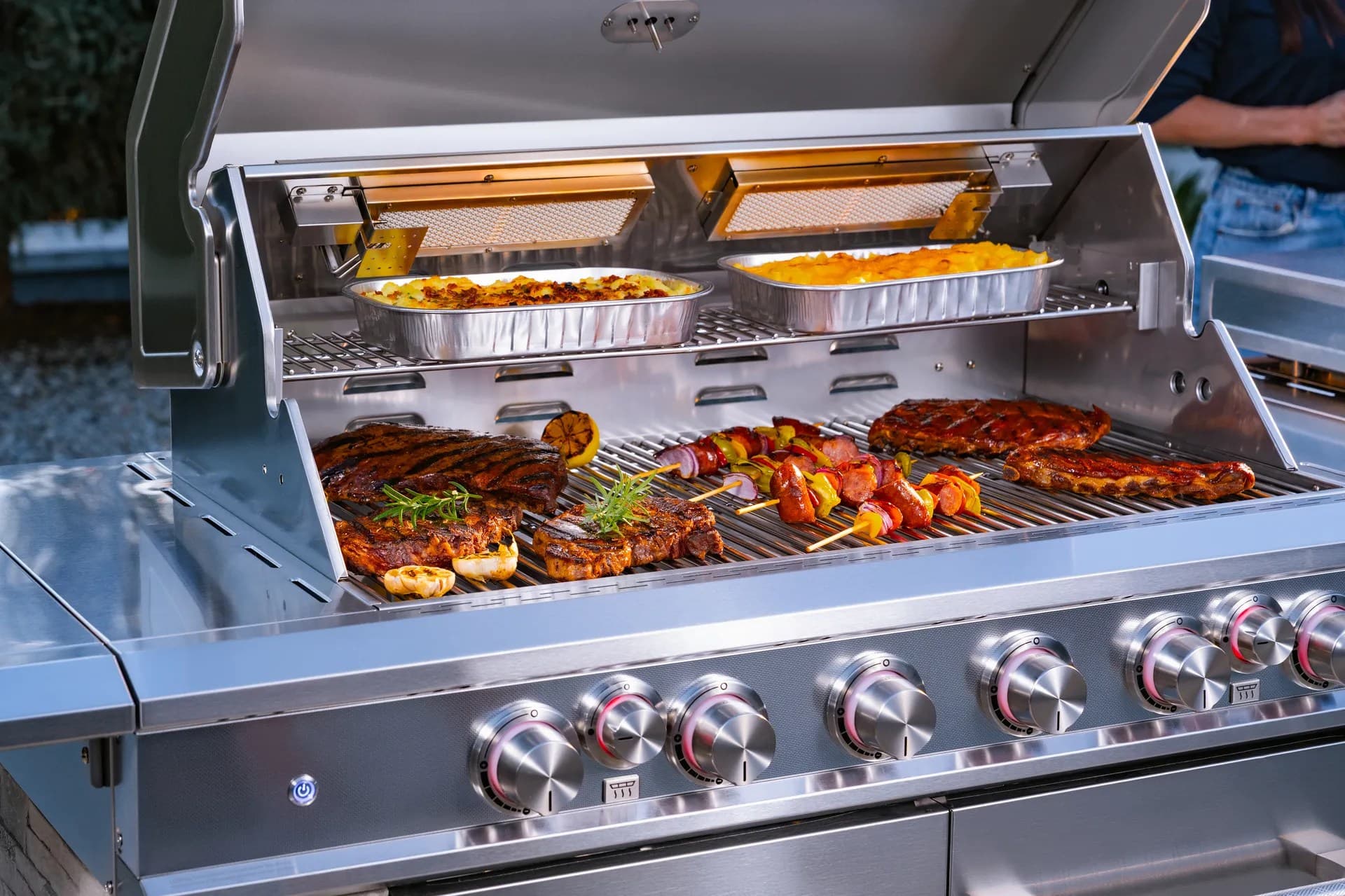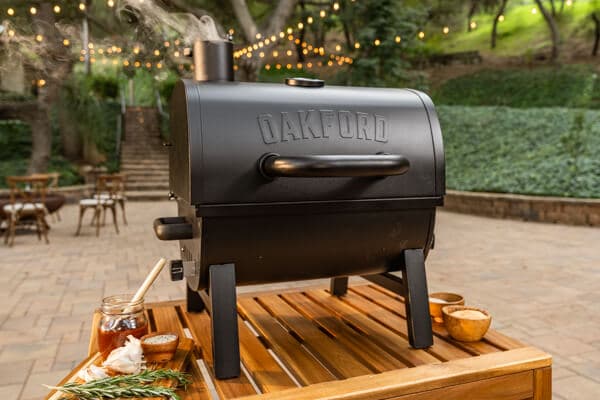
Essential advice for enhancing your portable grilling experience, from equipment selection to cooking techniques.
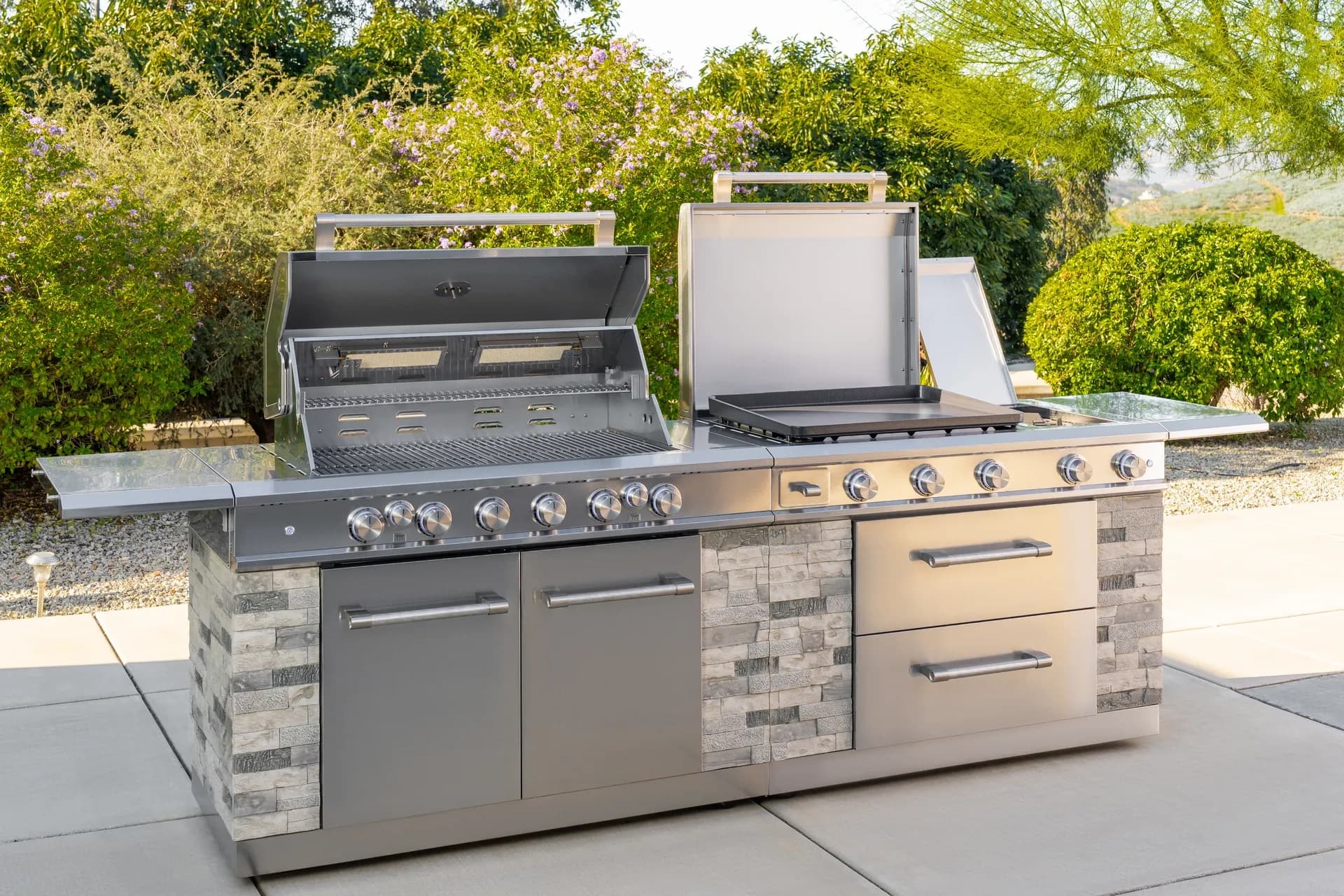
From sizzling breakfasts to smash burgers and teppanyaki-style dinners, the Daytona Pro 5 Burner NitroGuard™ Griddle delivers powerful heat, fast cooking, and a durable cooking surface built for every backyard cookout. Watch how easy outdoor cooking can be.
Here's what sets us apart from the competition
We position ourselves as delivering high-end outdoor cooking features and performance without premium-brand pricing, emphasizing “Quality Grills. Unbelievable Value.”
We offer gas grills, pellet grills, griddles, smokers, pizza ovens, portable/tabletop grills, electric grills, accessories, and replacement parts — allowing customers to stay within one ecosystem for all outdoor cooking needs.
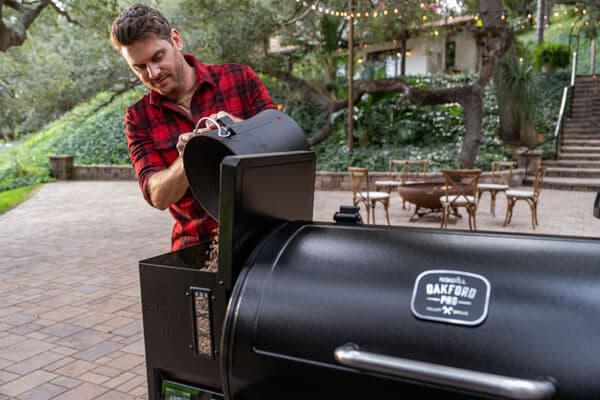
We differentiate ourselves through smart grilling products like the Oakford smart pellet grill, including app-connected cooking controls and modern outdoor cooking technology.
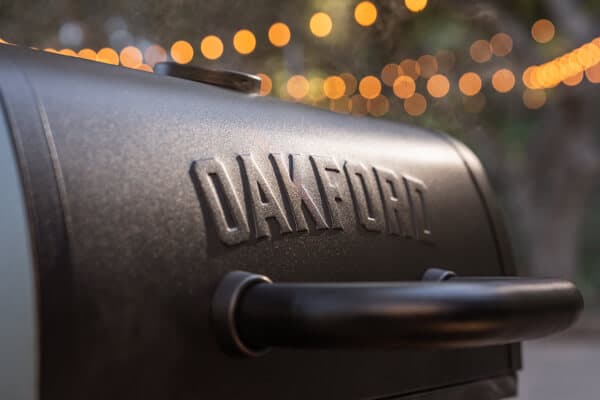
Expert tips, buying guides, comparisons, and inspiration for choosing and getting the most out of your grill.
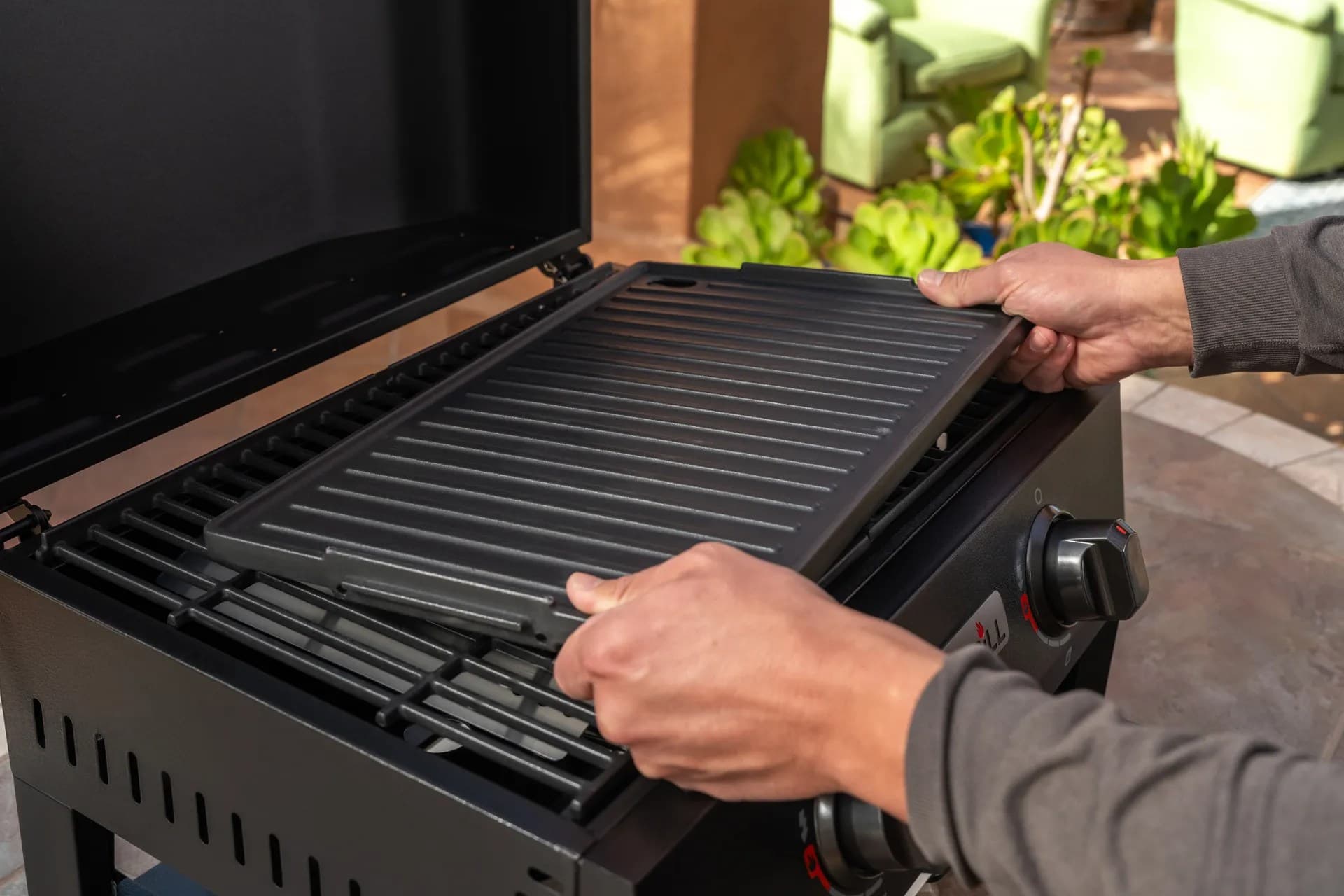
Practical guides for cleaning, maintenance, common grill issues, and performance optimization.
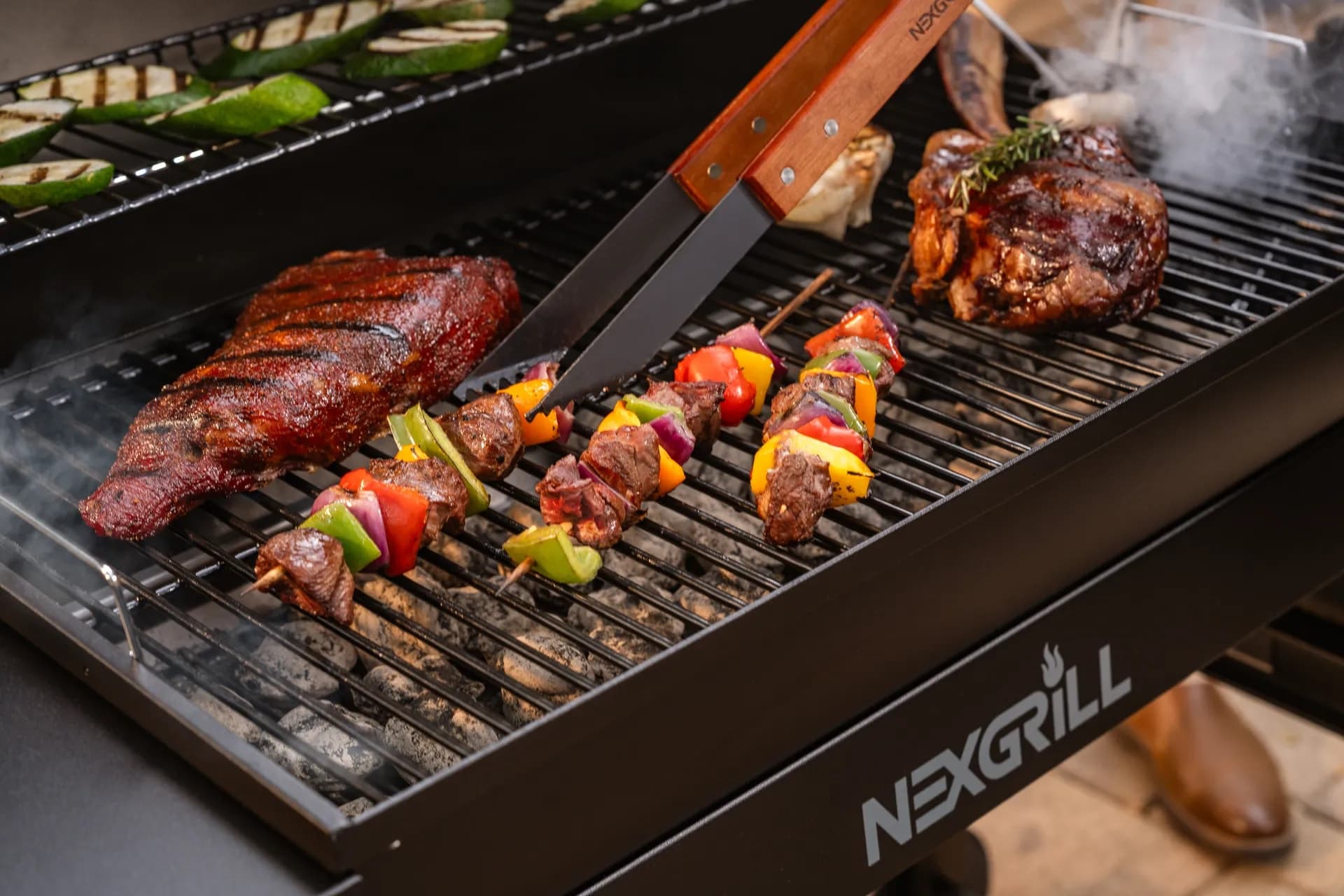
Step-by-step grilling recipes, cooking techniques, and meal ideas for every occasion and skill level.
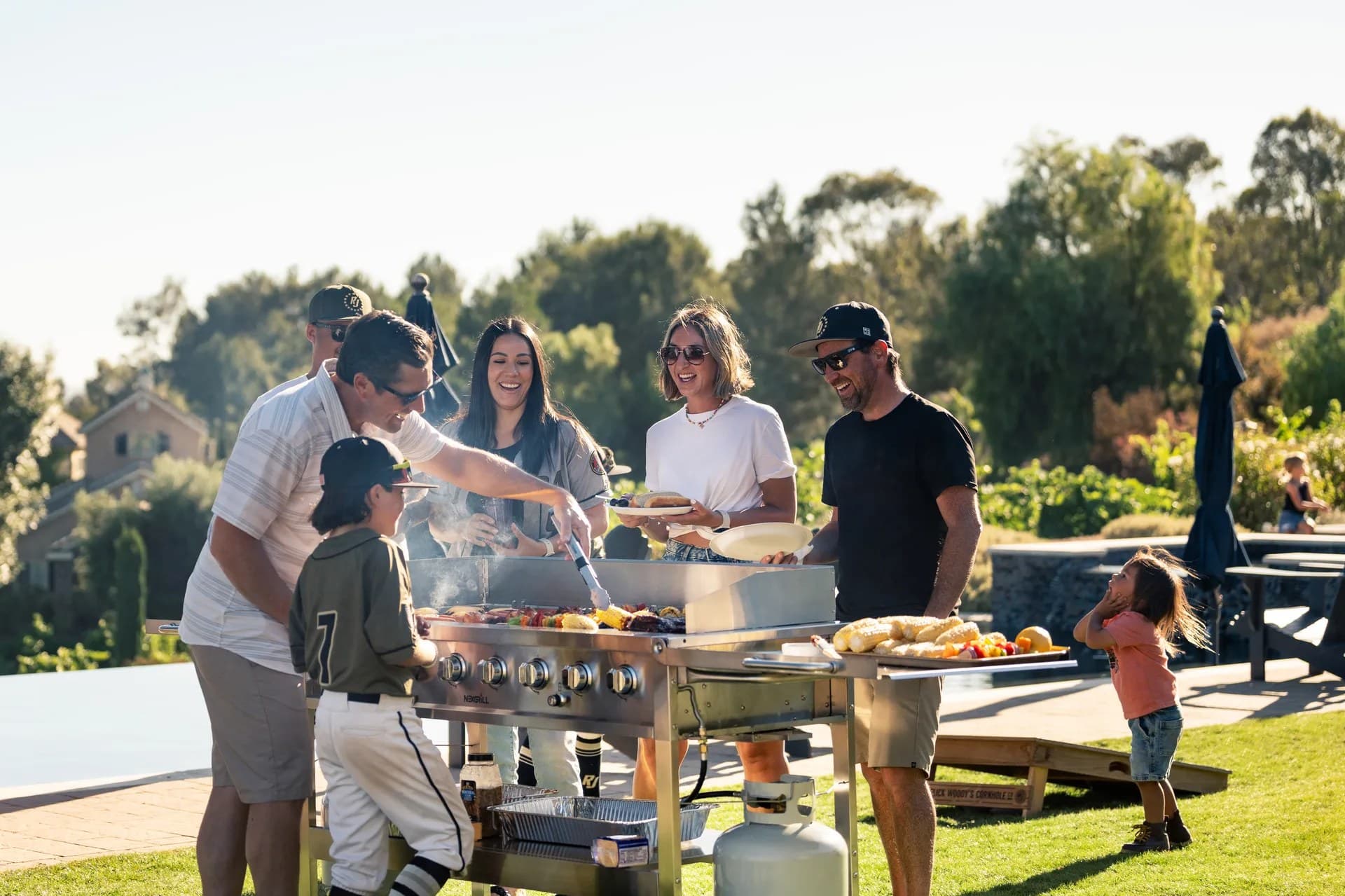
Backyard entertaining ideas, seasonal grilling inspiration, and stories that celebrate outdoor cooking culture.
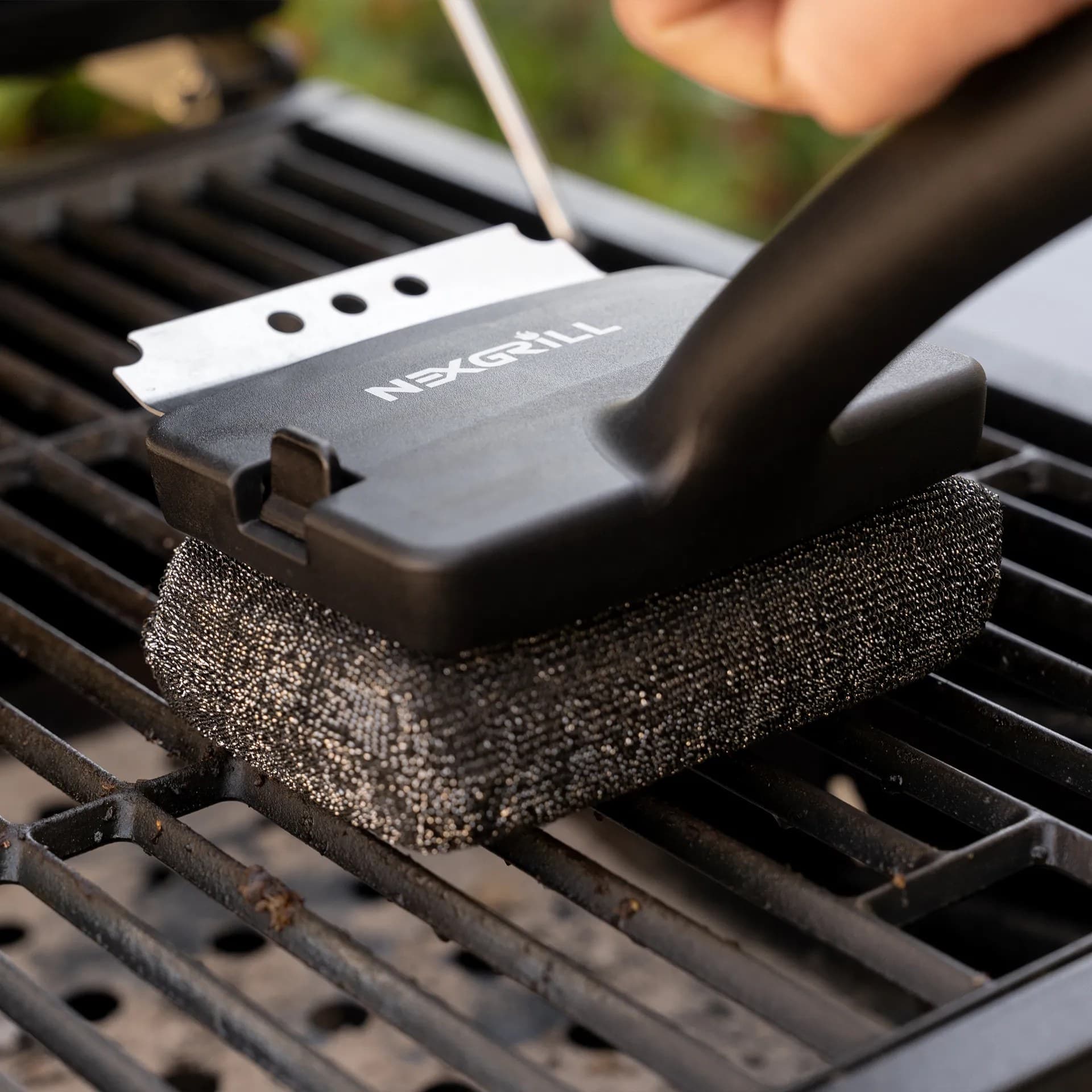
Helpful articles covering grilling tools, cookware, maintenance gear, and must-have accessories for outdoor cooking.
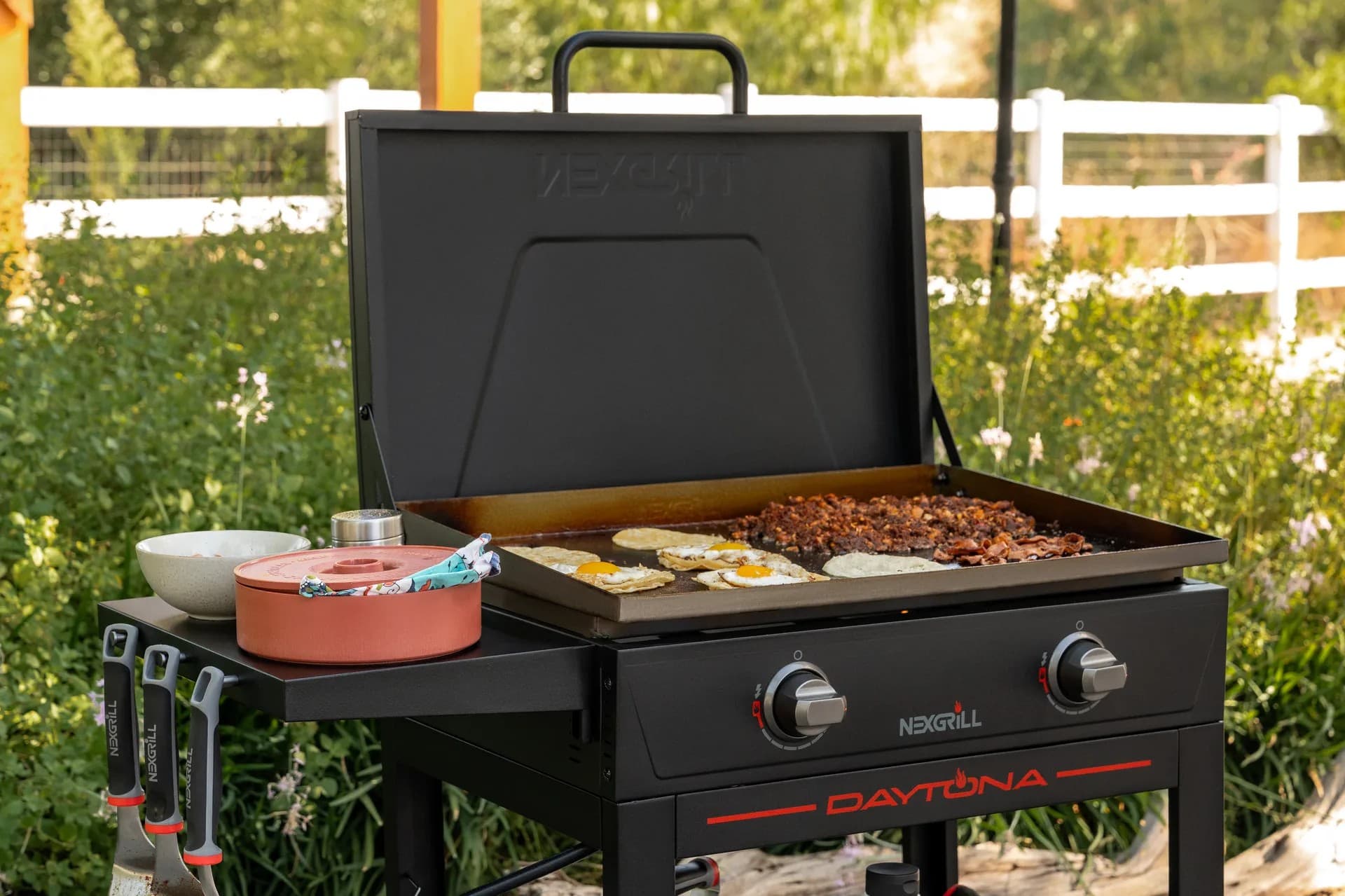
Find griddle recipes, cooking techniques, cleaning tips, and outdoor meal ideas designed for Nexgrill griddles.
Find answers to common questions
Gas grills provide instant heat and precise temperature control, making them easier to use. Charcoal grills offer a smoky flavor and high heat for searing but require more time to heat up and manage.
Pellet grills combine the convenience of gas with the flavor of wood, allowing for smoking, baking, and grilling. Traditional gas grills, however, are quicker to start and often easier to clean.
Charcoal grills typically reach higher temperatures quicker than gas grills, making them better for searing meat. However, high-quality gas grills can also provide adequate heat for effective searing.
Nexgrill offers models designed specifically for gas, charcoal, and pellets, allowing users to choose based on their cooking style and flavor preferences. Each type is built to optimize the characteristics of its respective fuel.
Choosing between gas and charcoal grills depends on your cooking preferences and lifestyle. If you value convenience and quick cooking, a gas grill may suit you better; if you prefer the taste and experience of traditional grilling, a charcoal grill would be ideal.
In This Article
Choosing the Right Portable Grill
Essential Grilling Tools
Safety and Maintenance
Portable grilling works best when the grill matches the way you actually cook, not just the way it looks in a product photo. A tailgate setup, a park picnic, a compact apartment patio, and a campsite all create different constraints, so the right choice starts with the practical basics: fuel source, footprint, weight, heat control, and how quickly you can clean up when the meal is done. For Nexgrill readers, the key is balance. You want something easy to move and easy to trust, but you also want enough cooking surface and burner control to make the food worth the trip.
Start with the cooking format you prefer. If you like fast burgers, skewers, vegetables, and quick weeknight-style meals outdoors, a compact gas grill is usually the most efficient route. If your portable setup needs to cook breakfast, sliced vegetables, fried rice, smash-style patties, or a mixed spread for several people, a portable griddle can be more versatile than a traditional grate. Traeger’s portable-grill guidance emphasizes that mobility and cooking style should be matched from the start, not treated as afterthoughts, because the best portable unit is the one you can realistically transport, fuel, and maintain without turning every outing into a project.
A practical way to shop is by scenario. For one or two people, a smaller two-burner unit usually gives you enough flexibility without crowding the vehicle or the patio. For family outings, a larger portable griddle or a model with a foldable cart can make prep and staging much easier. Nexgrill’s broader outdoor-cooking approach consistently centers on accessible value and usable features for real-world gatherings, which fits portable cooking especially well because portable gear has to earn every inch it occupies. The brand’s emphasis on welcoming, everyday grilling also means the ideal portable setup should be approachable for beginners while still satisfying experienced cooks who want control and consistency.
Choose grill style first, then size and portability.
When comparing portable grills, look beyond headline size numbers and focus on what the cooking area lets you do. A small grate can be fine for a couple of steaks, but a slightly larger surface often lets you separate proteins from vegetables, or use one hotter zone for searing while another section stays gentler. The same thinking applies to griddles: the real value is not just square inches, but the ability to stage food logically. If you plan to cook for a mixed group, a flat-top surface can reduce the stop-and-start rhythm of cooking individual batches. That matters at parks and campsites where you may not have a convenient prep counter nearby.
Portability also includes setup friction. A lightweight grill sounds ideal until you realize it lacks stable legs, a secure lid, or a sensible place to rest utensils. By contrast, a model with a foldable cart or compact side shelves can make a small grill feel much more usable because it creates a service station, not just a heat source. The best portable-grilling purchase is usually the one that reduces improvisation: fewer loose parts, fewer balancing acts, and fewer reasons to set raw food down in the wrong place.
Weather exposure matters too. Portable grills often live in garages, trunks, patios, or sheds and get moved more often than full-size backyard units, which means wear points show up faster. A grill that is easy to cover, easy to carry, and easy to rinse out after a trip tends to stay in rotation longer. If you only grill a few times a season, you may not need advanced features. But if you bring your cooker everywhere, sturdier hinges, durable grates, and a straightforward ignition system quickly become worth the extra attention.
| Portable cooking scenario | Best format | Why it works |
|---|---|---|
| Solo camping or quick tailgates | Compact gas grill | Fast ignition, small footprint, easy packing |
| Breakfasts, tacos, mixed ingredients | Portable griddle | Large flat surface handles many foods at once |
| Family outings with real prep needs | Grill with cart or larger portable setup | More staging space and better workflow |
A good portable grill should also fit the fuel you actually want to carry. Propane is often the simplest for road use because it is quick to connect and easy to portion for a trip, while charcoal may make sense for cooks who prioritize flavor and do not mind a slower setup. There is no single best answer; the right answer is the one that fits your patience level, your transportation limits, and the food you plan to make. If your trips are short and spontaneous, convenience usually wins. If your outings are slower and food-centered, flavor and surface control may deserve more weight.
Portable grilling gets noticeably better when the right tools travel with the grill. The goal is not to build a huge toolbox; it is to carry the few items that prevent improvisation from turning into frustration. Think in terms of workflow. You need to move food, manage heat, handle cleanup, and keep everything sanitary when you are far from the kitchen. The simplest portable kit is often the most effective one.
A long-handled spatula, sturdy tongs, a heat-resistant brush, and a reliable instant-read thermometer solve most of the problems portable cooks face. Tongs matter because they let you rearrange food without crowding the cooking surface, which is especially useful on smaller grills where every inch counts. A thermometer matters even more on the road than at home because portable setups can have more wind, variable fuel pressure, and less familiar hot spots. If you are cooking chicken, thick chops, or larger vegetables, a quick temperature check keeps the meal on schedule and reduces guesswork.
For griddle users, add a scraper, a squeeze bottle for oil or water, and a flat metal turner. Those three items make cleanup and moisture control much easier, especially when cooking bacon, onions, breakfast potatoes, or sauced foods. Napoleon’s travel-grilling advice highlights the value of packing tools that support fast transitions between cooking, serving, and cleanup, because the portable grill experience is improved most by equipment that shortens the time between those steps.
Tip: Keep a dedicated portable-grilling kit in a small bin so you never forget the essentials when leaving home.
Heat protection is another category that often gets underestimated. A good pair of insulated gloves or mitts matters when you are moving a hot lid, adjusting grates, or handling cookware around a compact heat source. Because portable grills tend to sit lower to the ground or on narrow stands, you may end up reaching at awkward angles. Gloves reduce the chance that one quick adjustment turns into a burned knuckle or dropped utensil. If you cook with cast iron or a secondary pan, this becomes even more important.
Do not overlook transport and staging accessories. A lidded bin, a small folding table, or a prep tray can transform the experience because portable grilling often happens in places where the nearest countertop is far away. Instead of making repeated trips back and forth, a small staging surface allows you to season food, organize tools, and keep raw and cooked items separate. That is especially important when grilling for groups in parks or campgrounds, where space is shared and the cooking area may be uneven.
If you want to keep your setup lean, prioritize the items that solve multiple problems. Tongs move food and manage flare risk. A thermometer improves doneness and safety. A scraper or brush protects the cooking surface. Heat gloves protect you during every session. That core set covers more situations than specialty gadgets, and it travels easily with the grill. For many portable cooks, that is the difference between a setup that comes along often and one that stays in the garage.
| Tool | Why it matters outdoors | Best use |
|---|---|---|
| Instant-read thermometer | Reduces guesswork in wind and uneven heat | Chicken, chops, steaks, larger vegetables |
| Long tongs | Safer movement on crowded surfaces | Flipping, repositioning, serving |
| Griddle scraper | Speeds cleanup while surface is warm | Flat-top cooking and grease removal |
| Heat-resistant gloves | Protects hands during lid and grate handling | Setup, adjustments, transport |
Portable grilling safety starts before the flame is lit. Because these grills are used in driveways, campsites, patios, and parks, the surrounding environment matters as much as the equipment itself. Set the grill on a stable, level surface and keep it away from low branches, vehicle panels, fabric canopies, and anything else that could be affected by heat. This sounds basic, but it is one of the easiest ways to avoid a bad cookout. Wind can also change how a portable grill performs, so a sheltered position that still allows airflow is often the safest and most practical choice.
Fuel checks are part of safety, not a separate step. Before every outing, inspect hoses, connections, and fittings for visible wear or looseness. If you use propane, make sure the tank is secured upright during transport and during use. If you use charcoal, carry and store fuel in a dry container so it lights predictably and does not create unnecessary mess in your vehicle. The cleaner the fuel setup, the less time you spend troubleshooting and the more time you spend cooking.
Warning: Never use a portable grill inside a tent, vehicle, garage, or enclosed shelter, even if the setup seems ventilated.
Maintenance should follow the same simplicity. Clean the cooking surface after each use while it is still warm enough to release residue, then empty ash or grease as appropriate once the grill has cooled completely. This single habit prevents buildup that can cause bad flavors, uneven heat, and hard-to-remove deposits. Lowes’ portable-grill cleaning guidance reinforces that regular surface cleaning and emptying residue after each session helps preserve both performance and convenience.
For portable gas grills, inspect burners and ignition components periodically, especially if the grill has been stored for a long time. Small clogs from dust or grease can affect startup and heat consistency. For griddles, season the surface as recommended by the manufacturer and keep it lightly oiled when stored if that is part of the care routine. The point is not perfection; it is consistency. Small, repeatable habits keep a portable grill ready for the next trip.
If you are packing the grill back into a vehicle, allow enough cooling time to avoid trapping heat near fabric, plastic, or gear. A portable grill should make outdoor cooking easier, not add stress to the trip home. That is why maintenance and safety belong together: a clean, cool, well-packed grill is easier to carry, faster to set up next time, and less likely to develop annoying problems between outings. Try comparing two products side by side below to see which fits best:
Once you've compared two portable options, the next step is learning how to cook with the constraints of a smaller, more mobile setup. Portable grilling rewards organization more than bravado. On a compact grill, technique is less about elaborate tricks and more about sequencing: preheat properly, manage zones, avoid crowding, and choose foods that benefit from quick, direct heat or efficient flat-top cooking. That approach keeps the meal moving and prevents the frustration that comes from trying to cook everything at once on limited real estate.
A good portable-grill meal starts with prep at home. Trim excess fat, portion ingredients into smaller containers, and pre-season foods so you spend less time juggling seasonings on site. This matters on a picnic table or tailgate where counter space is limited. For gas grills, preheat until the cooking surface is fully hot rather than just “on.” That gives you better sear marks and lowers the chance of sticking. For charcoal, wait until the coals are evenly lit and gray ashy before cooking so you get steady heat rather than a burst of uneven flame. The result is more predictable timing and less babysitting.
Portable grills are especially good for recipes built around simple components that cook fast. Think skewered chicken thighs, fish tacos, grilled vegetables, halloumi, sausage with peppers, or breakfast sandwiches on a griddle. On a flat-top, a single batch of onions, mushrooms, eggs, bacon, and toasted buns can become a full campsite breakfast without requiring multiple pans. On a grate, direct heat works well for thin steaks, burgers, shrimp, and vegetables that do not need long cook times. The best portable recipes are the ones that do not punish you for limited workspace.
Even small grills benefit from a hot side and a gentler side.
For a simple portable-grill menu, build in contrast instead of complexity. A grilled chicken sandwich can pair with charred zucchini and corn. A griddle breakfast can include eggs cooked last so they finish fresh while potatoes and bacon hold warmth nearby. If you are using a two-burner grill, one burner can handle searing while the other supports warming or finishing thicker cuts. That small amount of control lets you serve food at the same time instead of in awkward waves.
Marinades and sauces should also be chosen for portability. Use marinades that can be applied in sealed containers before departure, and save sticky glazes for the last few minutes of cooking so they do not burn on a smaller grill. The same rule applies to vegetables: oil lightly, season simply, and cook them where you can monitor color closely. Portable setups are not the place to overcomplicate. They are the place to let good ingredients stay in focus.
If you want a reliable road-trip menu, consider a three-part formula: one protein, one vegetable, one starch or bread. For example, steak tips with peppers and tortillas on a griddle, or bratwurst with onions and rolls on a compact gas grill. That structure keeps shopping easy, reduces waste, and makes it simpler to serve a group with different preferences. Because Nexgrill’s brand voice is rooted in shared meals and approachable gathering, portable cooking works especially well when the menu is designed for everyone at the table, not just the person behind the grill.
The location you cook in shapes the right gear and the right technique. At a campsite, the main challenges are wind, uneven ground, and the need to keep equipment compact and secure. In that setting, a stable table or a grill with solid legs matters more than decorative extras. On a tailgate, crowd flow and vehicle space are the issue, so a grill that opens quickly and packs down cleanly is the better fit. In a park, you may be balancing public-table limitations, shared space, and the need to keep raw and cooked food organized away from foot traffic.
For campground cooking, choose foods that tolerate slight timing variation. Sausages, skewers, sausages with peppers, and griddled sandwiches are forgiving if you need to pause for setup or guests arriving late. For tailgating, lean into foods that can be served in batches or wrapped and held briefly, such as sliders, quesadillas, breakfast tacos, and sliced vegetables. For backyard overflow cooking, portable gear becomes a secondary station, which means it should complement the main grill instead of competing with it. A flat-top can handle sides and breakfast while a separate grill handles proteins, creating a much smoother workflow for larger gatherings.
Different environments also affect cleanup strategy. In a park or campsite, it is easier to clean a grill if you think about residue before you start. Use foil trays, keep dry wipes in a sealed bag, and bring a dedicated trash container so grease and scraps do not create a mess in your vehicle. If the site has limited water access, the easiest cleanup is the one you can finish with the tools you already packed. Portable grilling is not just about moving the heat source; it is about moving the whole process in a contained, respectful way.
| Environment | Priority | Best food choices |
|---|---|---|
| Campsite | Stability and weather resistance | Skewers, sausages, simple sides |
| Tailgate | Fast setup and easy transport | Sliders, breakfast tacos, quesadillas |
| Park picnic | Compact prep and clean serving | Sandwiches, vegetables, skewered proteins |
| Backyard overflow | Workflow support | Breakfast items, sides, quick proteins |
When portable grilling goes wrong, the cause is often simple: uneven preheat, overcrowding, wind, or residue from the last cook. The good news is that most issues can be corrected without replacing equipment. If food is sticking, the grill is usually not hot enough yet, the surface has not been cleaned thoroughly, or the food was moved too early. Let the surface preheat fully, clean it while warm, and resist the urge to lift and check too soon. Patience saves more meals than accessories do.
If heat seems weak or uneven on a gas grill, inspect the burner area and fuel connection before assuming the grill is failing. A loose connection, clogged burner port, or low fuel supply can create temperature swings that make cooking unpredictable. For charcoal setups, uneven heat often comes from poor airflow or coals that were not fully ready before the food went on. Stirring, repositioning, or building a more deliberate coal bed usually solves the problem faster than adding more food. In other words, many “performance issues” are really setup issues.
Wind is a frequent culprit in portable cooking because it changes flame behavior and surface temperature. If food is cooking too fast on one side, rotate the grill slightly, use a shielded position, or create a hotter and cooler zone intentionally so the wind is working with you rather than against you. For griddles, if one area cooks slower, re-center the food and use the hotter zone for finishing. For grates, the trick is often less about forcing perfect evenness and more about learning the hot map of the specific grill.
Grease flare-ups can usually be reduced by trimming excess fat, avoiding sugary marinades until the end, and keeping the cooking surface clean during the session. If a flare-up happens, move the food to a cooler zone instead of lifting the lid repeatedly. Small portable grills recover quickly when you manage them calmly. That is one reason portable cooking is a skill: the smaller the unit, the more your habits shape the result. Over time, the most successful portable grillers become highly efficient not because they use more tools, but because they cook with a lighter, more deliberate hand.
If you are looking for dependable portable-grill guidance while you plan your own setup, the most helpful next step is to compare options by size, fuel, and cleanup style, then choose the grill that fits your most common use case rather than your rarest one. That is the fastest route to a portable kit you will actually use often, enjoy carrying, and trust to produce good food wherever you set it down.
Here's what sets us apart
We position ourselves as delivering high-end outdoor cooking features and performance without premium-brand pricing, emphasizing “Quality Grills. Unbelievable Value.”
We offer gas grills, pellet grills, griddles, smokers, pizza ovens, portable/tabletop grills, electric grills, accessories, and replacement parts — allowing customers to stay within one ecosystem for all outdoor cooking needs.
We differentiate ourselves through smart grilling products like the Oakford smart pellet grill, including app-connected cooking controls and modern outdoor cooking technology.
Don't just take our word for it
Keep reading
From our catalog