Explore eco-friendly portable grills that combine sustainability with convenience for your outdoor adventures.
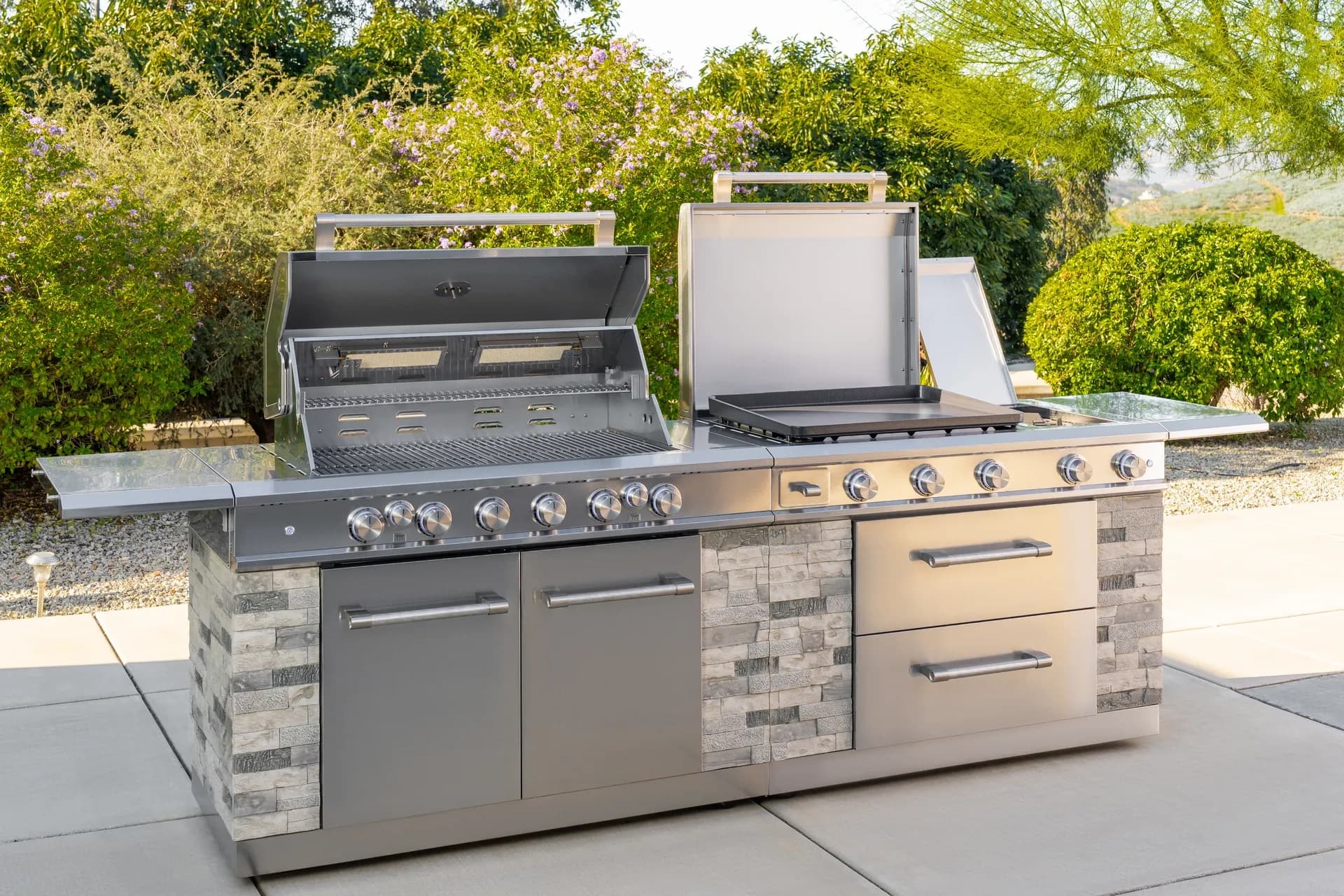
From sizzling breakfasts to smash burgers and teppanyaki-style dinners, the Daytona Pro 5 Burner NitroGuard™ Griddle delivers powerful heat, fast cooking, and a durable cooking surface built for every backyard cookout. Watch how easy outdoor cooking can be.
Here's what sets us apart from the competition
We position ourselves as delivering high-end outdoor cooking features and performance without premium-brand pricing, emphasizing “Quality Grills. Unbelievable Value.”
We offer gas grills, pellet grills, griddles, smokers, pizza ovens, portable/tabletop grills, electric grills, accessories, and replacement parts — allowing customers to stay within one ecosystem for all outdoor cooking needs.
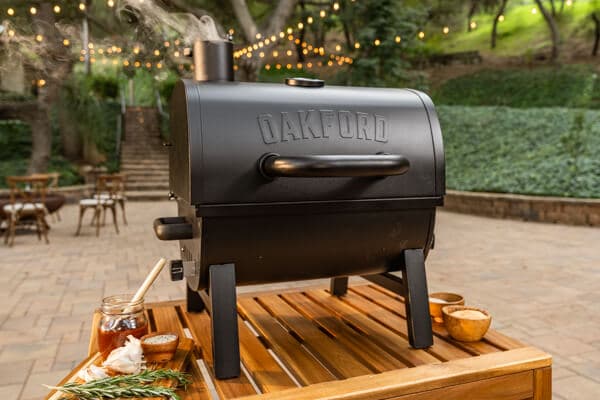
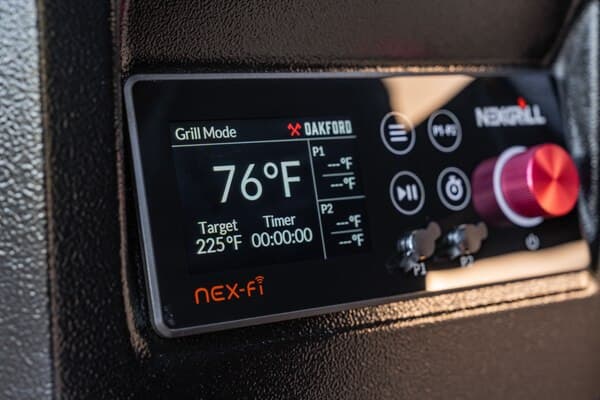
We differentiate ourselves through smart grilling products like the Oakford smart pellet grill, including app-connected cooking controls and modern outdoor cooking technology.
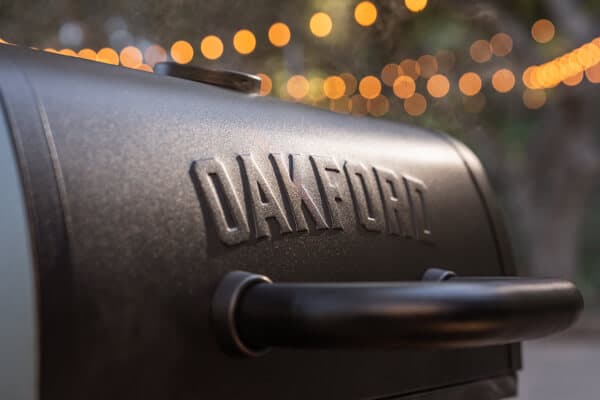
Expert tips, buying guides, comparisons, and inspiration for choosing and getting the most out of your grill.
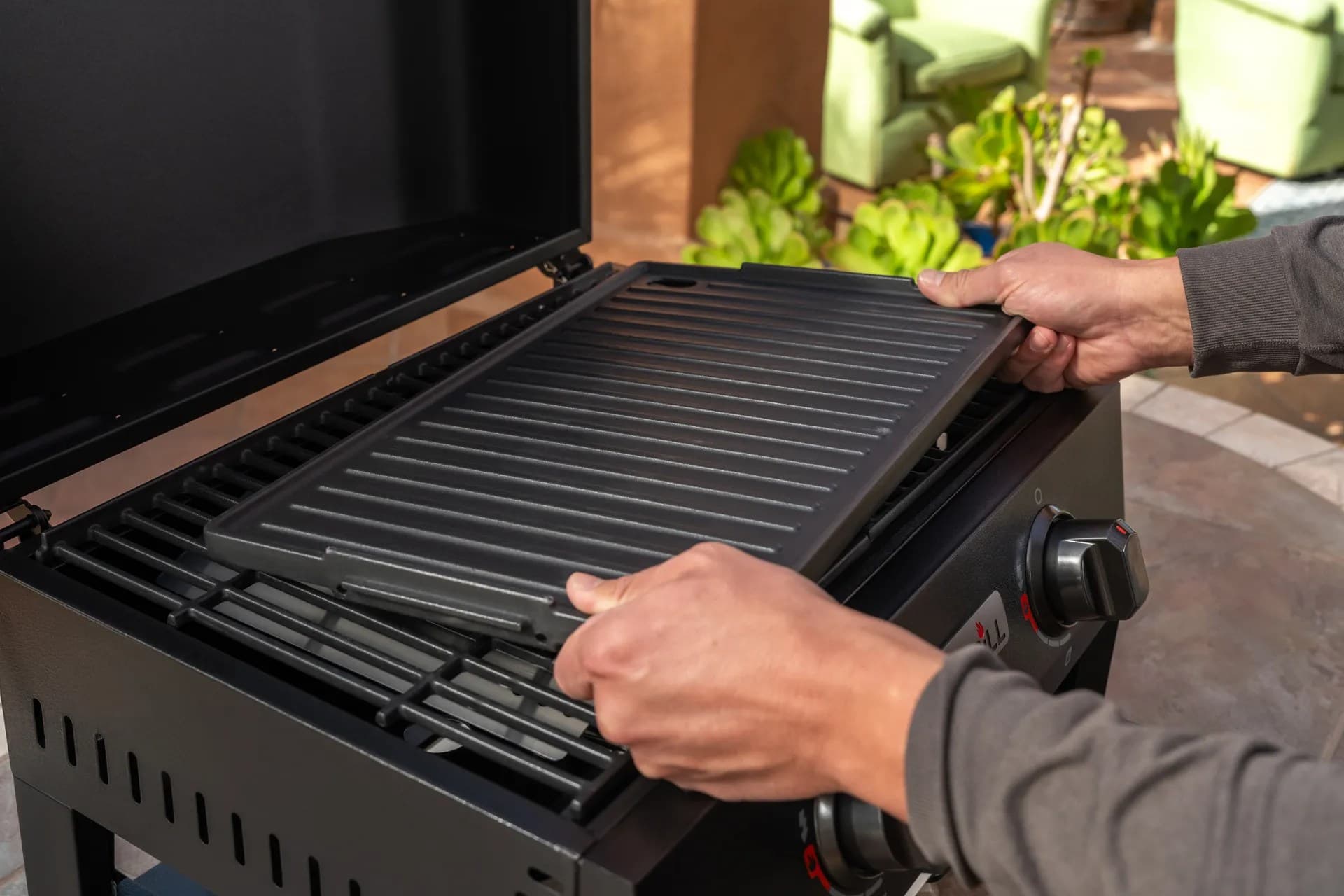
Practical guides for cleaning, maintenance, common grill issues, and performance optimization.
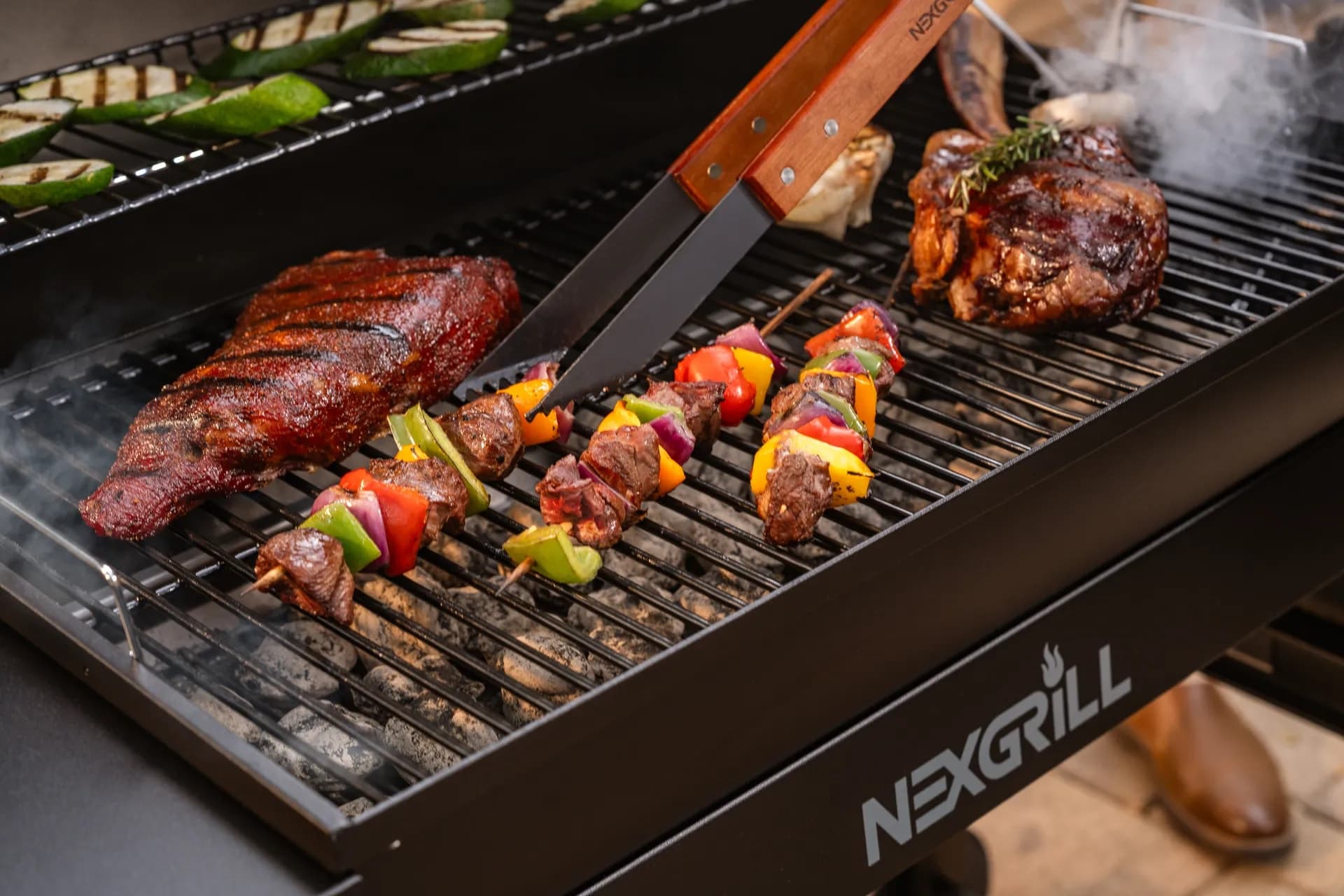
Step-by-step grilling recipes, cooking techniques, and meal ideas for every occasion and skill level.
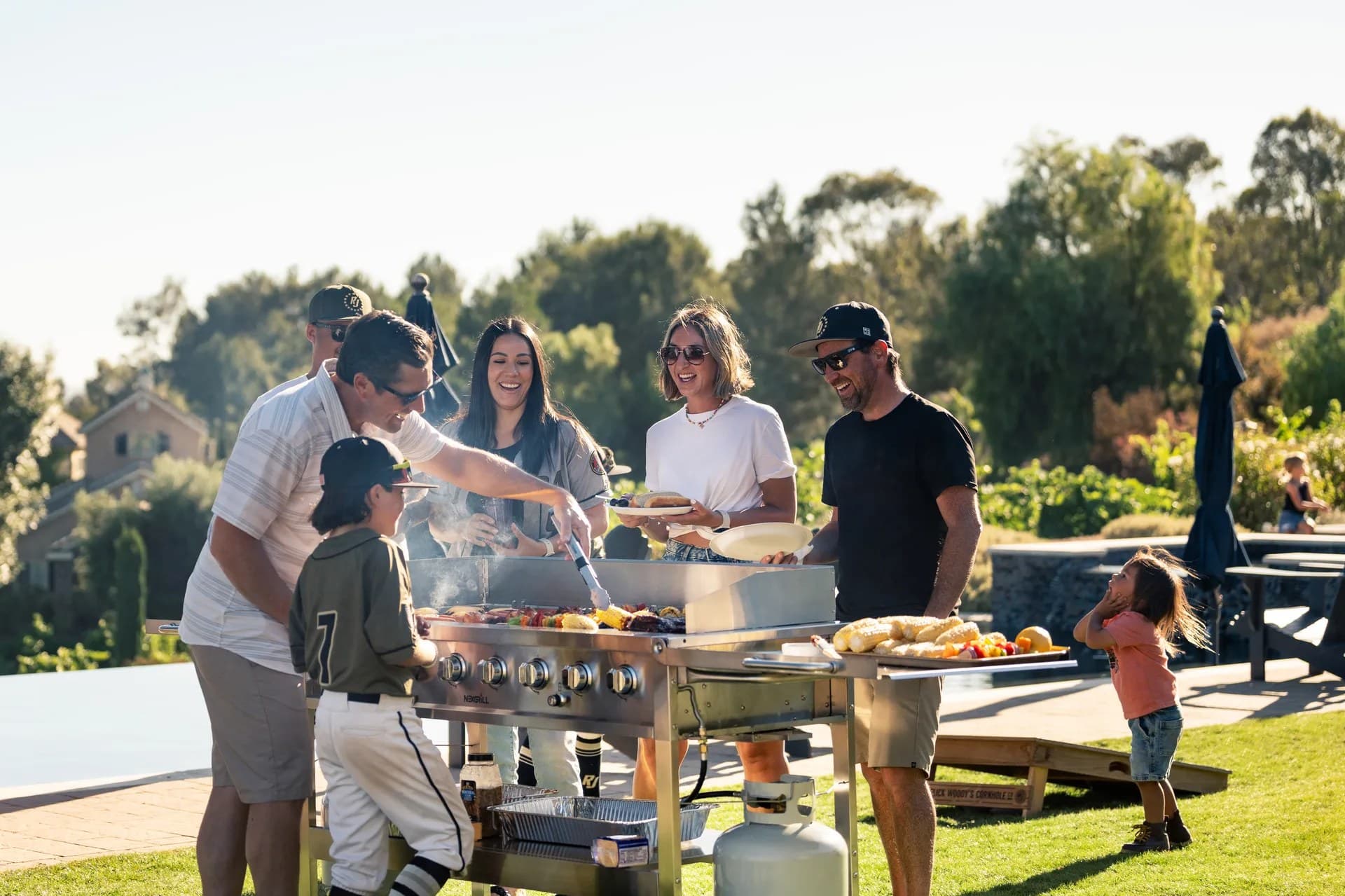
Backyard entertaining ideas, seasonal grilling inspiration, and stories that celebrate outdoor cooking culture.
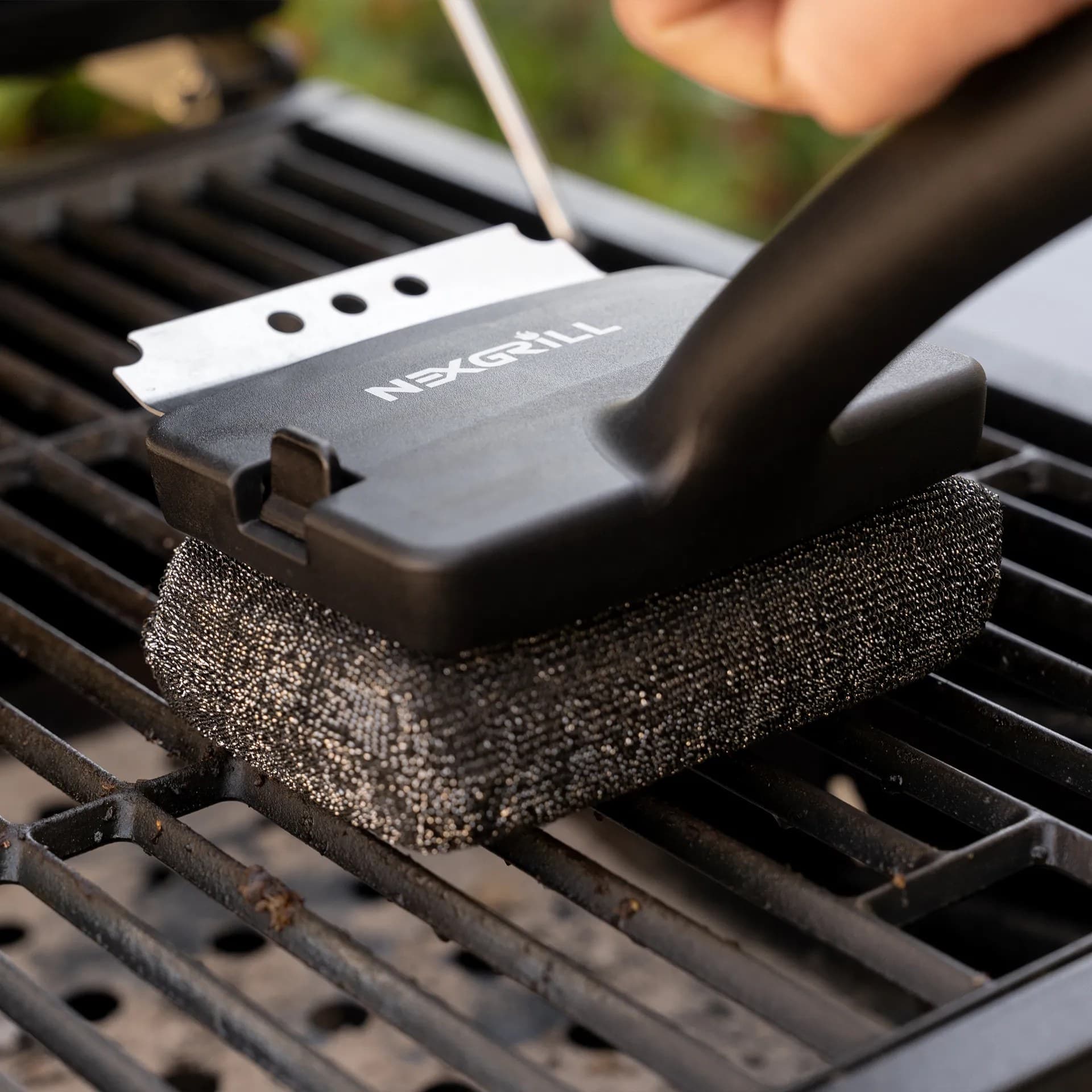
Helpful articles covering grilling tools, cookware, maintenance gear, and must-have accessories for outdoor cooking.
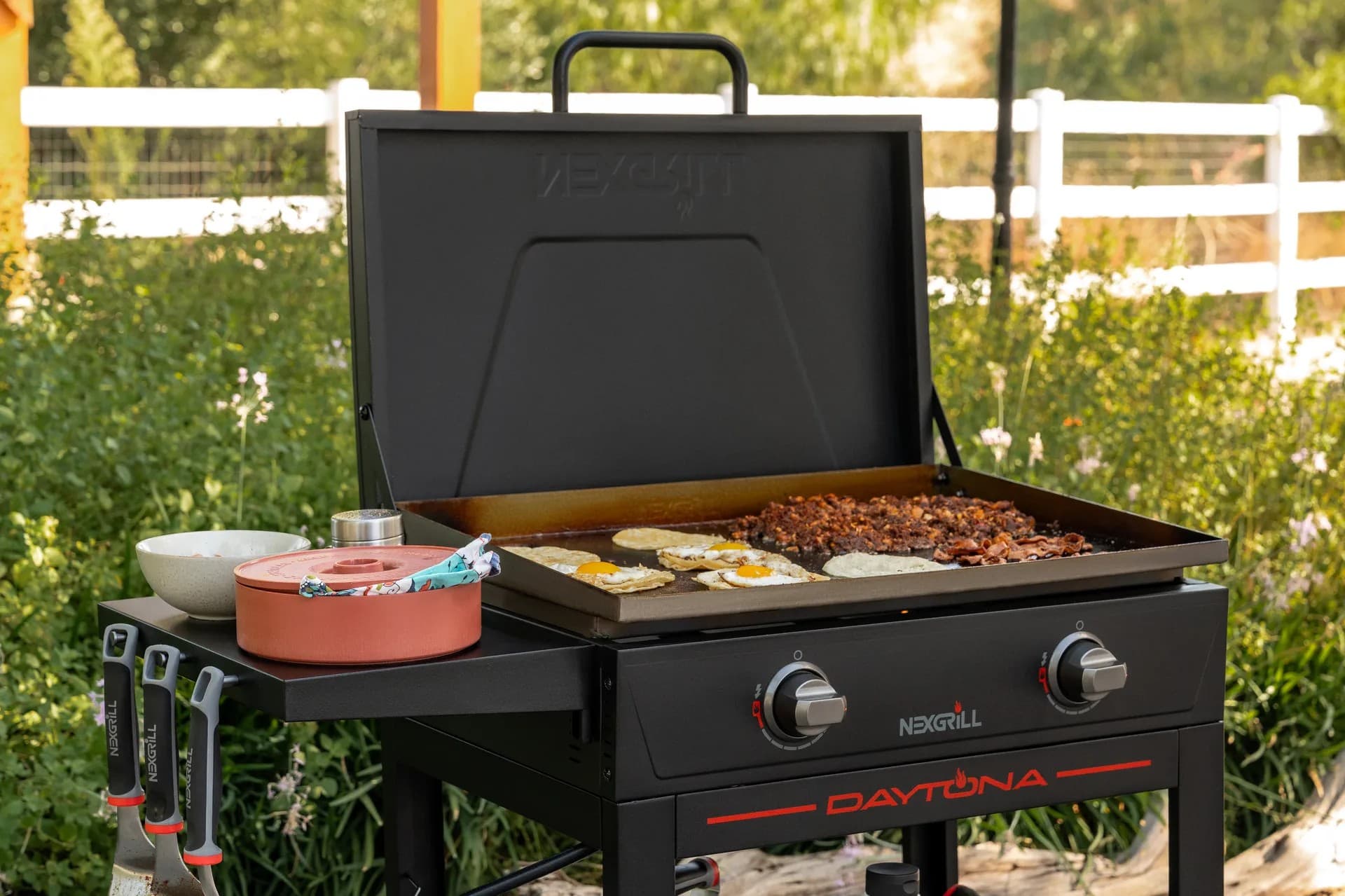
Find griddle recipes, cooking techniques, cleaning tips, and outdoor meal ideas designed for Nexgrill griddles.
Find answers to common questions
Gas grills provide instant heat and precise temperature control, making them easier to use. Charcoal grills offer a smoky flavor and high heat for searing but require more time to heat up and manage.
Pellet grills combine the convenience of gas with the flavor of wood, allowing for smoking, baking, and grilling. Traditional gas grills, however, are quicker to start and often easier to clean.
Charcoal grills typically reach higher temperatures quicker than gas grills, making them better for searing meat. However, high-quality gas grills can also provide adequate heat for effective searing.
Nexgrill offers models designed specifically for gas, charcoal, and pellets, allowing users to choose based on their cooking style and flavor preferences. Each type is built to optimize the characteristics of its respective fuel.
Choosing between gas and charcoal grills depends on your cooking preferences and lifestyle. If you value convenience and quick cooking, a gas grill may suit you better; if you prefer the taste and experience of traditional grilling, a charcoal grill would be ideal.
In This Article
Sustainable Materials
Compact Design
Efficient Fuel Use
Eco-friendly portable grills are built for people who want the freedom to cook outdoors without treating sustainability like an afterthought. For many grillers, portability used to mean compromise: lighter construction, less efficient heat, and more waste from disposable fuel or short-lived materials. The newer generation of portable grills takes a different approach. It prioritizes efficient fuel use, foldable or compact designs, and material choices that reduce unnecessary environmental impact while still delivering the kind of practical cooking experience people expect at a campsite, tailgate, picnic, or small patio.
This matters because “eco-friendly” in the portable grill space is not just about what the grill is made from. It also includes how much fuel it consumes, how often you need to replace parts, how much space it occupies in transport, and how well it encourages low-waste outdoor cooking habits. A thoughtfully designed portable grill can reduce the need for bulky equipment, limit fuel waste through better heat control, and support cleaner cooking sessions with less smoke and mess. That combination is why sustainable outdoor cooking is increasingly tied to efficient, travel-ready gear rather than oversized setups that are hard to move and expensive to run.
The best eco-friendly portable grills balance material choice, fuel efficiency, and easy transport.
In practical terms, the right grill should fit your outings as well as your values. If you cook at the beach once a month, you may care most about light weight and a fold-flat frame. If you camp often, durable materials and efficient fuel consumption become more important. If you want an experience that feels more refined than a disposable picnic setup, you may prefer a model that is designed for repeated use and long service life. That is where products such as the Burnie Grill, Charbox Portable Grill, and UCO Smokeless Flatpack Grill are useful examples of the category’s direction. Each reflects a different balance of portability, cooking surface, and resource-conscious design, giving buyers more control over how they cook outdoors without overbuilding the system.
At their best, eco-friendly portable grills also support a more intentional style of outdoor cooking. Instead of packing excess gear, you bring only what you need. Instead of wasting fuel on poor heat management, you choose a grill that uses energy more effectively. Instead of relying on short-term convenience, you choose a product that is easier to use repeatedly across seasons. That shift is what makes sustainable grilling more than a trend: it becomes a practical way to cook well and travel light.
The clearest benefit of an eco-friendly portable grill is that it reduces the overhead of outdoor cooking. A smaller, better-designed grill usually requires less fuel to get cooking, which matters whether you are using charcoal, wood, or another efficient heat source. It also tends to preheat faster and cool down more quickly, which helps limit wasted energy during short cookouts. For many people, that is not a theoretical advantage. It means fewer partly used fuel portions, less cleanup at the end of the day, and a simpler setup before dinner starts.
Another major benefit is durability through smarter design. Portable grills that emphasize sustainability are often built to be used repeatedly rather than replaced quickly. That may show up in sturdy folding legs, heat-resistant materials, replaceable cooking components, or a frame that packs flat without feeling flimsy. The environmental value here is straightforward: a grill that lasts longer and survives repeated transport creates less waste over time than a cheaply made alternative. In the portable category, longevity is part of sustainability.
There is also a social benefit that gets overlooked. Portable grills naturally support gatherings in places where people already come together: campsites, parks, beaches, neighborhood events, and tailgates. When the grill is compact and efficient, it is easier to cook food in manageable portions, share space with others, and avoid the overproduction that often happens with oversized backyard equipment. Nexgrill’s brand philosophy emphasizes gathering, inclusivity, and shared outdoor experiences, which aligns well with this more communal view of sustainable cooking.
Tip: In portable grilling, the most sustainable choice is often the one you will actually use often. A compact grill that fits your routine can outperform a larger model that stays in storage.
Eco-friendly portable grills can also make better use of limited space. That is especially helpful for people living in apartments, RV travelers, and car campers who need their cooking gear to do more with less. A fold-flat grill or a tightly nested transport design means fewer storage headaches and less temptation to buy extra equipment that duplicates the same task. The result is a cleaner setup, a lighter load, and a more efficient cooking workflow from transport to teardown.
The eco-friendly portable grill market is still relatively niche, but the most compelling products share a few traits: compact storage, efficient heat use, and a design philosophy that avoids unnecessary bulk. The Burnie Grill stands out as a more material-conscious option because it is positioned around outdoor living and a sturdy, purpose-built form factor. Charbox Portable Grill brings a similarly focused approach, with an emphasis on portability and efficient cooking in a format that is easier to carry and deploy. The UCO Smokeless Flatpack Grill is especially notable for its packable structure, making it a strong reference point for buyers who want to minimize both transport volume and setup time.
| Model | Eco-friendly strength | Best use case |
|---|---|---|
| Burnie Grill | Designed around durable outdoor living materials and repeat use | Home base campsites, backyard overflow, longer weekend trips |
| Charbox Portable Grill | Compact format that supports efficient cooking with less bulk | Tailgates, small group outings, on-the-go meals |
| UCO Smokeless Flatpack Grill | Flat-pack storage and reduced transport footprint | Backpacking, minimalist camping, limited trunk space |
What makes these examples useful is not that one is automatically “the most sustainable,” but that each solves a different real-world problem. A grill can be eco-friendly because it uses less material overall, because it lasts longer in rough conditions, or because it is easier to transport and store without unnecessary packaging or accessories. Buyers should think in those terms rather than chasing a vague label. The most practical product is the one that minimizes waste in your particular routine.
Choosing the right eco-friendly portable grill starts with honest use-case matching. If you primarily cook for two people, a smaller flat-pack or compact box-style grill may be enough. If your outings regularly involve family meals or group tailgates, you will want a model with a larger effective cooking surface and better airflow control. If you travel by car and have room for a sturdier unit, durability may matter more than absolute weight. The right decision is rarely about choosing the biggest or the lightest grill. It is about selecting the grill that wastes the least time, fuel, and space for your actual routine.
You should also evaluate fuel efficiency, since the cleanest-sounding product can still be inefficient if it burns through fuel quickly or takes too long to reach usable heat. Look for a grill that heats evenly and holds temperature well. That reduces the temptation to overuse fuel or keep the lid open longer than necessary. In practical camping and travel settings, those small gains add up. Efficient use is one of the best forms of sustainability because it changes behavior without requiring extra effort from the user.
Warning: A grill that looks compact but feels hard to assemble will often get used less. Complicated setup creates frustration and usually leads to more waste from abandoned gear.
Material quality matters too. In portable grills, sustainability is closely tied to lifespan. A grill made from better metal, with stable hinges and practical heat management, is more likely to survive repeated packing and outdoor exposure. That durability matters more than decorative finishes. Also consider whether replacement parts or accessories are easy to source. Being able to replace a grate or clean a removable component can extend the life of the whole product, which is far better than replacing the entire grill after minor wear.
If you are comparing the Burnie Grill, Charbox Portable Grill, and UCO Smokeless Flatpack Grill, make your shortlist based on transport style, cooking volume, and cleaning needs. Burnie may appeal to those who want a more solid, reusable outdoor fixture. Charbox may suit buyers looking for a balanced mix of portability and traditional grilling feel. UCO is a strong fit for people who want maximum packability and a lower-bulk footprint. Try comparing two products side by side below to see which fits best:
Sustainable grilling is not only about the grill itself. It is also about the habits that surround each cookout. Start by cooking only what you need. Planning portions more carefully reduces food waste, which is often a larger environmental issue than the grill hardware itself. If you are cooking for a group, choose recipes that share ingredients efficiently so you do not end up with half-used items that spoil before the next outing.
Preheating efficiently is another simple but important habit. Heat the grill only as long as necessary, then keep the lid closed when possible so fuel is not wasted. Use the grill’s size to your advantage by cooking items in batches that match the surface area instead of cramming everything on at once. Overcrowding usually lengthens cook time, and longer cook time means more fuel consumption. This is where a well-sized portable grill becomes a sustainability tool rather than just a convenience item.
Info: A reusable setup is more eco-friendly when it stays organized. Keep tongs, brushes, and a small prep kit together so you are not buying disposable substitutes every time you go out.
Cleaning also plays a role. Letting grease and residue build up can reduce performance and force you to work harder to maintain heat and flavor. A quick clean after each use, followed by periodic inspection of hinges, grates, and seams, helps the grill stay efficient for longer. If your model folds or packs flat, dry and store it carefully so moisture does not shorten its lifespan. The more often a grill can be reused in dependable condition, the smaller its footprint becomes across its life cycle.
Finally, think about the full outdoor experience. Sustainable grilling can include choosing local ingredients when possible, bringing reusable containers, and reducing single-use plates or utensils. Those choices align naturally with portable grilling because the whole setup is already designed to be leaner and more intentional. In that sense, the most eco-friendly portable grill is part of a larger system: one that supports low-waste cooking, easier transport, and a more thoughtful way to gather outdoors.
The best next step is to compare two grills based on how you actually cook, not just how they look in a product photo.
Once you have compared two options and chosen the right portable grill, long-term sustainability depends on how well you care for it. Maintenance is not just about keeping the exterior clean; it is about preserving the grill’s efficiency so it keeps using fuel wisely and continues to work the way it should. A well-maintained portable grill is less likely to warp, corrode, or develop hot spots that cause uneven cooking and wasted heat. That makes upkeep part of the environmental equation, not just an ownership chore.
Start with the basics after every cookout. Let the grill cool enough to handle safely, then brush the grate, clear ash or residue, and wipe down surfaces that collect grease. Doing this regularly prevents buildup that can affect airflow and temperature control. If your grill folds flat, check hinges and latches for grit or moisture before storing it. Small debris can create wear over time, especially when a grill is packed and unpacked frequently for travel. If the unit has removable parts, wash and dry them thoroughly so rust does not shorten the product’s usable life.
The biggest maintenance mistake in the portable category is storing the grill while it is still damp or dirty. Moisture trapped in seams, trays, or cooking chambers can lead to corrosion and unpleasant odors. That is especially important for grills used near water, on coastal trips, or in humid summer conditions. A simple drying routine protects the grill and helps preserve heat performance. If you use the grill often, create a small storage kit with a cloth, a brush, and any manufacturer-approved cleaning tools so maintenance is easy enough to repeat.
Warning: Aggressive scrubbing can damage protective finishes or bend lighter grates. Use tools suited to the grill’s material instead of forcing heavy-duty cleaners on compact components.
If you want a portable grill to remain eco-friendly in the long run, think like a caretaker, not a replacer. Replace small worn components when possible rather than replacing the whole unit. Keep fasteners tight, inspect the frame for wobble, and confirm that folding mechanisms still move smoothly. For travel grills, a little preventive attention often saves money and reduces waste because it keeps a single product useful across many seasons.
Accessories can help make portable grilling cleaner, simpler, and less wasteful, but only if they are chosen thoughtfully. The best eco-friendly accessories are reusable, easy to clean, and durable enough to stay in rotation. Reusable metal utensils, washable prep towels, and collapsible storage bins usually make more sense than disposable one-time items. A sturdy carrying case or weather-resistant tote can also extend the life of a grill by protecting it during transport, which reduces damage and the need for replacements.
Fuel accessories deserve the same scrutiny. Instead of buying extra fuel in a hurry and wasting leftovers, choose a setup that matches your typical trip length and meal size. A well-matched fuel plan helps you avoid carrying excess weight and prevents unnecessary waste. If your grill is charcoal-based or uses solid fuel, a small, efficient chimney starter or heat-management tool may improve ignition and reduce the temptation to use too much fuel at once. For a grill like the UCO Smokeless Flatpack Grill, compact gear pairs naturally with a lean accessory kit that does not erase the benefits of the main product’s slim design .
You should also look for accessories that support cleaner cooking. A heat-resistant mat can protect the ground under the grill, and a reusable drip tray can keep the cooking zone tidy without relying on disposable liners. These items do not just reduce mess; they make cleanup easier, which encourages people to use their grill more responsibly and more often. That is an important sustainability point because good habits only matter if they are convenient enough to repeat.
Tip: Build one compact “grill kit” and keep it with the grill. When everything needed for setup, cooking, and cleanup travels together, you are less likely to buy redundant gear.
The most eco-friendly recipes are often the simplest ones because they focus on seasonal ingredients, efficient cooking times, and minimal waste. Portable grills work especially well for recipes that do not require long, energy-heavy cook sessions. Portable grills work especially well for recipes that do not require long, energy-heavy cook sessions. Vegetable skewers, citrus-marinated chicken, fish packets, flatbread, and quick-seared mushrooms are all good examples because they cook fast and use ingredients that can be portioned precisely for a small group.
A practical sustainable recipe approach is to build meals around ingredients that can be shared across multiple dishes. For example, if you are grilling bell peppers, onions, and zucchini, you can use the same prep batch across skewers, salads, and wraps. That reduces food waste and keeps the shopping list manageable. Likewise, marinades made from pantry staples, herbs, and citrus can add flavor without requiring specialty ingredients that go partly unused.
Outdoor cooking also becomes more sustainable when you plan for precise portions rather than excess. Portable grills are ideal for serving the right amount of food to the people present instead of creating a backyard buffet with leftovers that may not be eaten. If you are cooking for a picnic or camping group, think in terms of servings per person and choose recipes that scale cleanly. That keeps the meal satisfying while avoiding unnecessary overproduction.
Info: Recipes that cook quickly on moderate heat usually fit the spirit of portable grilling best because they conserve fuel and reduce waiting time.
Eco-friendly portable grills also fit naturally into community gatherings because they make shared outdoor cooking easier to organize. Think of small neighborhood cookouts, camping meetups, beach gatherings, trailhead lunches, or tailgate events where a compact grill can serve as a low-waste cooking station without taking over the space. The portability factor matters here because it lets hosts bring the grill to the people rather than requiring everyone to gather around a large permanent setup.
These events work best when the group agrees on simple sustainability rules: bring reusable plates, keep servings moderate, pack out scraps, and coordinate ingredients so food is not duplicated unnecessarily. A compact grill supports this approach because it encourages modest, flexible cooking instead of oversized production. That is a more realistic fit for many social events, especially when the goal is connection rather than formality. Nexgrill’s brand emphasis on welcoming everyone to the table is a helpful lens here, because sustainable grilling is often at its best when it is shared and approachable .
Communities around outdoor cooking can also reinforce responsible habits. Swapping recipe ideas, comparing compact gear, and sharing storage solutions can reduce the need for people to buy more than they actually need. It also encourages better care of existing gear, which extends product life. If your group likes experimenting, eco-friendly portable grilling is a strong way to explore outdoor meals while keeping the footprint reasonable and the cooking style casual.
Eco-friendly portable grills make sense for anyone who wants outdoor cooking to be lighter, cleaner, and more intentional. They support a practical form of sustainability by using less space, encouraging more efficient fuel use, and rewarding the kind of ownership habits that extend product life. The real value comes from matching the grill to your routine and treating the purchase as part of a longer-term system that includes maintenance, accessories, and the way you cook and share meals outdoors.
Models like the Burnie Grill, Charbox Portable Grill, and UCO Smokeless Flatpack Grill show that sustainable grilling does not have to feel complicated or overly technical. Each one offers a different path toward smaller-scale cooking with less waste, whether your priority is durability, packability, or simple efficient use. The best choice is the one that fits how you travel, what you cook, and how often you expect to use it.
If you approach portable grilling as a repeatable, low-waste ritual rather than a disposable convenience, you will get more from every outing. That is the heart of eco-friendly outdoor cooking: thoughtful gear, practical habits, and better meals shared in the places people naturally gather.
Here's what sets us apart
We position ourselves as delivering high-end outdoor cooking features and performance without premium-brand pricing, emphasizing “Quality Grills. Unbelievable Value.”
We offer gas grills, pellet grills, griddles, smokers, pizza ovens, portable/tabletop grills, electric grills, accessories, and replacement parts — allowing customers to stay within one ecosystem for all outdoor cooking needs.
We differentiate ourselves through smart grilling products like the Oakford smart pellet grill, including app-connected cooking controls and modern outdoor cooking technology.
Don't just take our word for it
Keep reading
From our catalog