Expert tips and techniques to keep your grill in top condition for years of delicious meals.
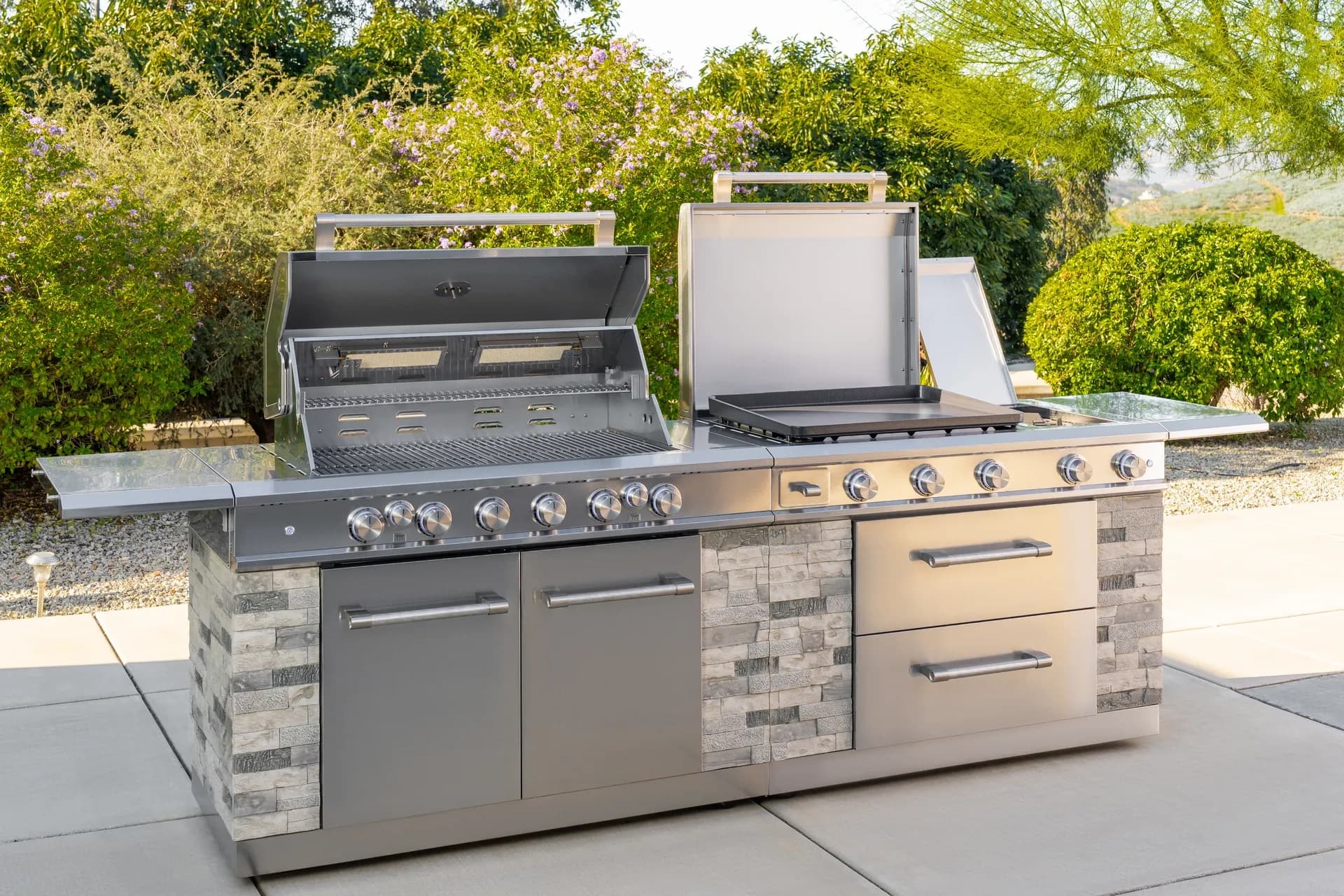
From sizzling breakfasts to smash burgers and teppanyaki-style dinners, the Daytona Pro 5 Burner NitroGuard™ Griddle delivers powerful heat, fast cooking, and a durable cooking surface built for every backyard cookout. Watch how easy outdoor cooking can be.
Here's what sets us apart from the competition
We position ourselves as delivering high-end outdoor cooking features and performance without premium-brand pricing, emphasizing “Quality Grills. Unbelievable Value.”
We offer gas grills, pellet grills, griddles, smokers, pizza ovens, portable/tabletop grills, electric grills, accessories, and replacement parts — allowing customers to stay within one ecosystem for all outdoor cooking needs.
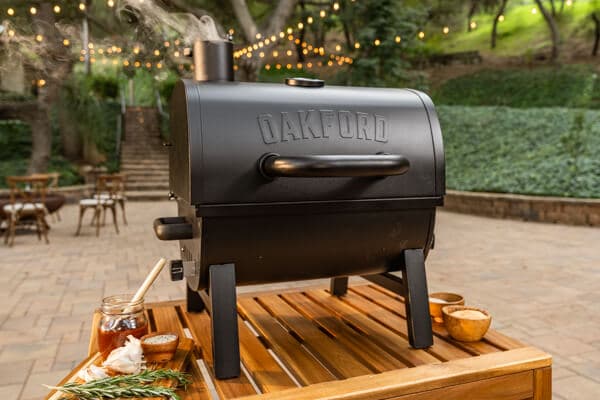
We differentiate ourselves through smart grilling products like the Oakford smart pellet grill, including app-connected cooking controls and modern outdoor cooking technology.
Expert tips, buying guides, comparisons, and inspiration for choosing and getting the most out of your grill.
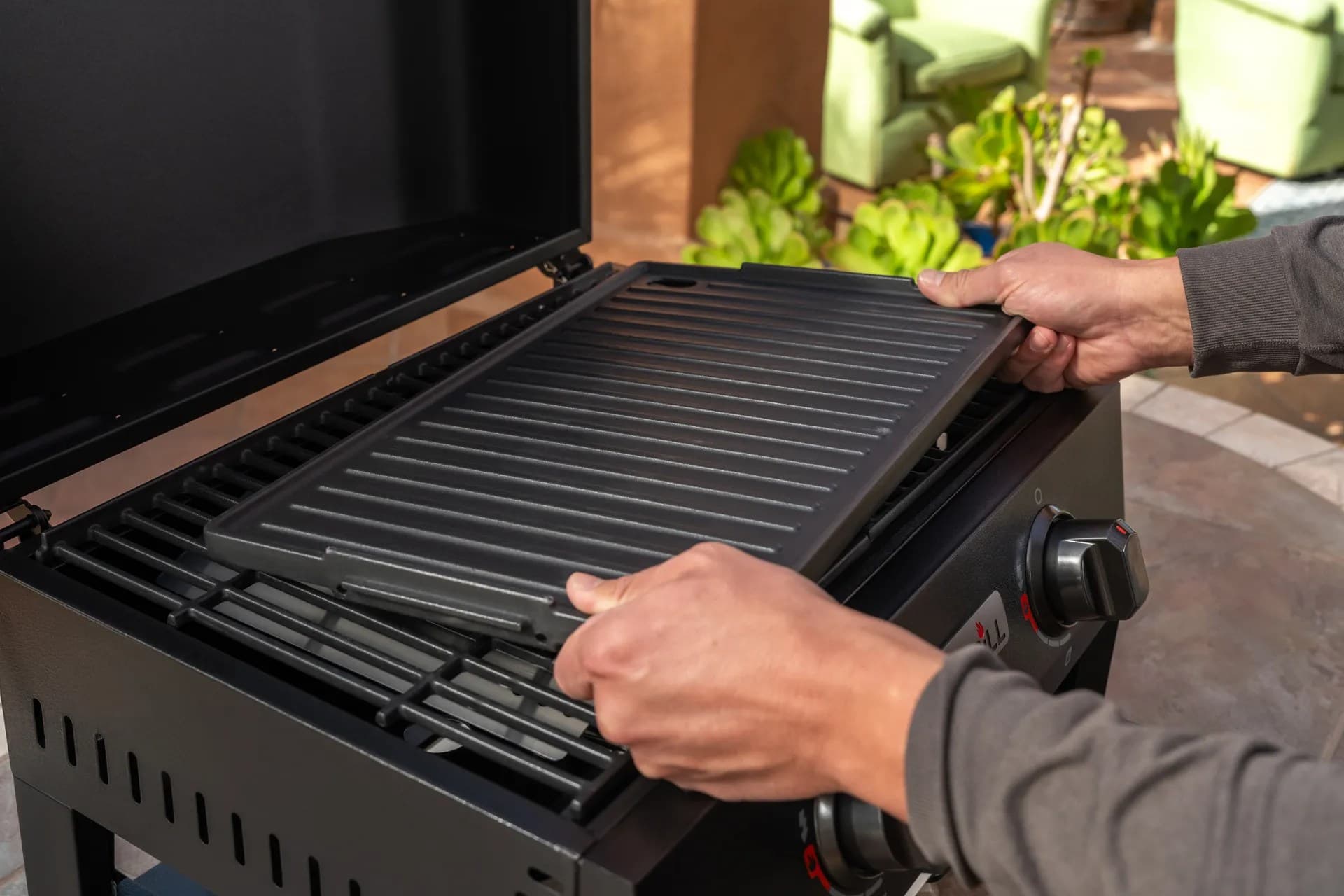
Practical guides for cleaning, maintenance, common grill issues, and performance optimization.

Step-by-step grilling recipes, cooking techniques, and meal ideas for every occasion and skill level.

Backyard entertaining ideas, seasonal grilling inspiration, and stories that celebrate outdoor cooking culture.
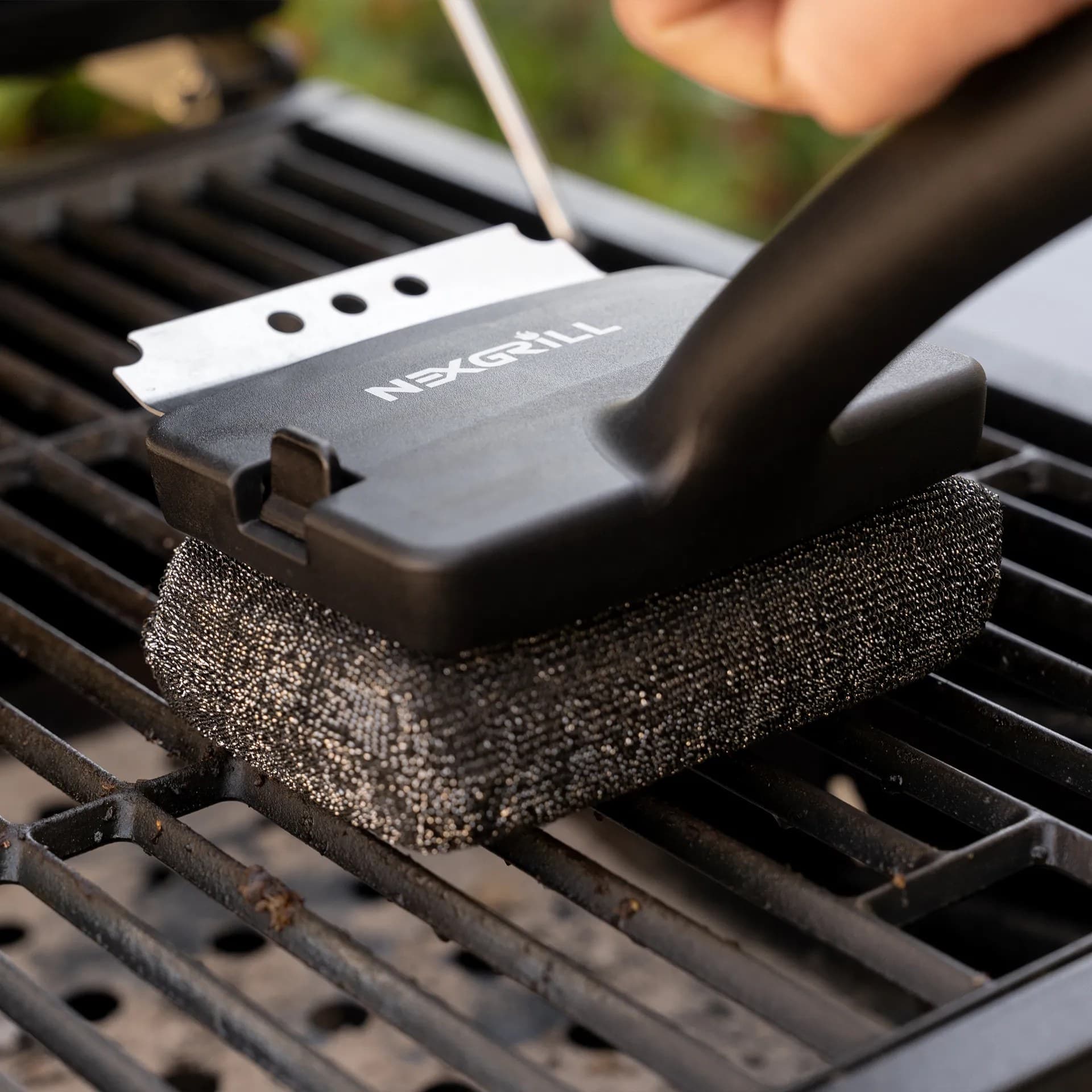
Helpful articles covering grilling tools, cookware, maintenance gear, and must-have accessories for outdoor cooking.
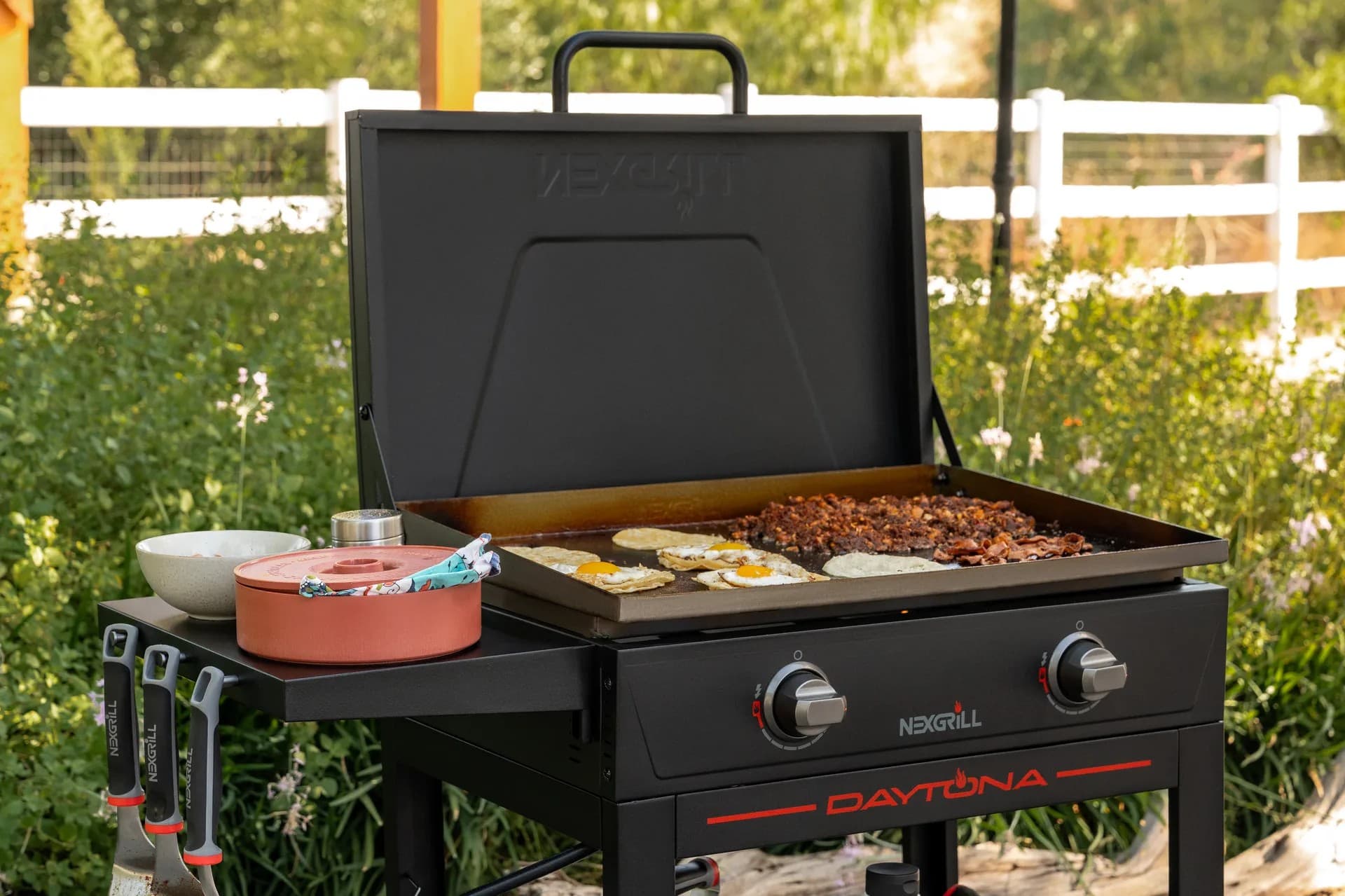
Find griddle recipes, cooking techniques, cleaning tips, and outdoor meal ideas designed for Nexgrill griddles.
Find answers to common questions
Gas grills provide instant heat and precise temperature control, making them easier to use. Charcoal grills offer a smoky flavor and high heat for searing but require more time to heat up and manage.
Pellet grills combine the convenience of gas with the flavor of wood, allowing for smoking, baking, and grilling. Traditional gas grills, however, are quicker to start and often easier to clean.
Charcoal grills typically reach higher temperatures quicker than gas grills, making them better for searing meat. However, high-quality gas grills can also provide adequate heat for effective searing.
Nexgrill offers models designed specifically for gas, charcoal, and pellets, allowing users to choose based on their cooking style and flavor preferences. Each type is built to optimize the characteristics of its respective fuel.
Choosing between gas and charcoal grills depends on your cooking preferences and lifestyle. If you value convenience and quick cooking, a gas grill may suit you better; if you prefer the taste and experience of traditional grilling, a charcoal grill would be ideal.
In This Article
Regular Cleaning
Seasonal Maintenance
Safety Checks
Keeping a grill in good condition is less about one big annual cleanup and more about a repeatable system. A well-maintained grill heats more evenly, lights more predictably, and gives you better flavor because old grease, carbonized residue, and blocked airflow do not get in the way of the cook. For Nexgrill owners, that matters whether you are using a compact two-burner setup for weeknight dinners, a larger propane model for family gatherings, or a pellet smoker for longer weekend sessions. The goal is not to make grill care complicated. The goal is to make it automatic enough that your equipment performs the way you expect every time you lift the lid.
There is also a practical cost angle. Replacing a worn burner tube, rusted grate, or clogged ignition part usually costs more than basic routine care, and poor upkeep can turn a dependable grill into a frustrating one long before the cabinet or firebox actually wears out. In everyday use, the difference often shows up in the small things: hotspots on one side of the grate, flare-ups caused by buildup under the heat deflectors, or longer preheat times because the grill is dirty enough to interfere with airflow. When those problems start, cooks tend to blame the grill itself. In reality, maintenance is usually the first place to look.
A simple cleaning and inspection habit can prevent most performance problems before they start.
Tip: think of grill maintenance in three layers: after-cook cleanup, seasonal servicing, and safety checks before every ignition. That structure keeps the work manageable and catches issues early.
A good maintenance plan also depends on grill type. Gas grills, griddles, charcoal cookers, and pellet smokers all collect residue in different places, so the right approach is not identical across the board. A gas grill needs attention around burners, grates, flavorizer-style shields, igniters, and grease management. A charcoal model needs ash removal, vent inspection, and rust prevention after moisture exposure. A pellet grill adds the need to keep pellets dry, clear the fire pot, and make sure the auger path stays free of sawdust buildup. If you own more than one outdoor cooker, the smartest habit is to assign a quick end-of-session routine to each one instead of trying to remember a generic checklist later.
Regular cleaning is the foundation of reliable grilling because grease and food residue do more than look messy. They alter airflow, create uneven heating, increase flare-up risk, and can affect the taste of the next meal. A grill that is cleaned often usually preheats faster and behaves more consistently because heat can move through the system without being blocked by charred buildup. That is especially important for owners who like to sear steaks, cook chicken thighs over medium heat, or use indirect heat for larger cuts. Clean surfaces and clear burners make those temperature changes easier to control.
The simplest habit is to clean while the grill is still warm, not hot enough to be unsafe but warm enough that residue releases more easily. A grill brush or scraper can remove food particles from the grate before they harden. After the grill cools, the drip tray or grease cup should be emptied and wiped as needed. For gas grills, this small routine matters because excess grease can build up in places you cannot see until the first flare-up of the next cook. For griddles, cleaning between batches matters even more because thin layers of residue can affect the seasoning and make future food stick.
| Task | When to do it | Why it matters |
|---|---|---|
| Brush grates | After each cook while warm | Removes residue before it hardens and improves searing consistency |
| Empty grease tray | After every few uses or sooner if full | Reduces flare-ups and keeps the firebox cleaner |
| Wipe exterior surfaces | Weekly or as needed | Prevents grime from baking onto lids and shelves |
One overlooked detail is matching the cleaning tool to the surface. Cast iron grates and stainless steel grates may both benefit from brushing, but aggressive tools can be too harsh on coatings, seasoned griddle surfaces, or delicate interior parts. A plastic scraper or soft nylon pad is often safer for exterior panels and painted surfaces. On a pellet grill, vacuuming ash from the fire pot after several cooks can make the difference between a smooth ignition and a stubborn startup. Cleaning is not only about appearance; it is a performance habit that protects heat consistency and reduces surprises when dinner is already on the line.
Seasonal maintenance is where a grill goes from merely clean to truly ready for a long stretch of use. In the United States, many owners grill heavily in spring and summer, then store equipment or use it less often through cooler months. That rhythm creates two important transition points: one before the busy season starts and one before the grill sits unused for an extended period. At those times, a deeper inspection pays off. The focus should move beyond wiping surfaces and into the parts that influence heat delivery, safety, and weather resistance.
For gas grills, seasonal maintenance usually means checking burners for blockages, examining ignition performance, looking over hose connections, and verifying that heat shields and grates are seated correctly. If you use a propane model, inspect the tank connection and look for wear in any visible rubber components. If you are preparing for summer cookouts, this is also the best time to remove the grates and inspect the burner ports for corrosion or spider-web obstructions. Even when the grill has been covered, the inside can collect debris that affects airflow. For charcoal grills, seasonal prep centers on ash removal, interior wiping, vent movement, and rust prevention. For pellet grills, seasonal care should include dry storage for pellets, cleaning out the burn pot, and checking that the temperature probe is free of soot.
Warning: do not store a grill with leftover grease, damp ash, or partially used fuel. Moisture plus residue is one of the fastest ways to create corrosion and odor problems during the next season.
A practical seasonal schedule helps here. Early spring is the right time for a full inspection before entertaining ramps up. Mid-summer is a good moment for a deeper clean if you notice slower ignition or uneven heating. Before fall storage, remove food residue, protect the exterior, and make sure every component is dry. If you live in a region with high humidity, coastal air, or frequent storms, seasonal upkeep should be more aggressive because moisture can shorten the life of metal parts much faster than heat alone. The point is to think ahead of the weather rather than react to the damage it leaves behind.
Safety checks are part of maintenance, not a separate task. Before every grilling session, take a moment to confirm that the grill is stable, the cooking area is clear, and the fuel system is working the way it should. This takes very little time, but it can prevent the most avoidable problems. For gas grills, look for cracks in the hose, loose connections, or obvious wear around the regulator and tank area. Make sure the grill sits on a level surface away from overhanging branches, siding, or anything that should not be exposed to heat. For charcoal grills, confirm that vents are unobstructed and that the unit is positioned safely before lighting. For pellet grills, check that cords, outlets, and surrounding surfaces are dry and secure.
A safety check should also include the fire management parts of the grill. Grease trays, drip cups, ash catchers, and fire pots should be cleaned regularly enough that they do not become hidden ignition hazards. If you smell gas, stop and investigate before lighting. If a burner does not light normally, do not keep clicking the igniter endlessly; diagnose the issue and clean or inspect the component first. A healthy grill should light predictably and behave consistently. If it does not, the problem is telling you something useful.
Tip: make pre-cook safety checks part of your prep rhythm, right alongside preheating and oiling the grates. The habit is quick, and it reduces stress once the food is on.
One more caution: never ignore a recurring ignition issue just because the grill eventually lights. Slow starts can point to a blocked burner, weak battery in the igniter, or buildup inside the firebox. Likewise, repeated flare-ups often mean the grease path is clogged or the grill has not been cleaned well enough underneath the cooking surface. Safety and performance are linked; when one slips, the other usually follows.
Many grill problems are caused less by age than by habits that seem harmless at first. One of the biggest mistakes is cleaning too aggressively with the wrong tool. Harsh scrapers, wire brushes in poor condition, or abrasive pads can damage grates and leave behind fragments or scratches that make future cleaning harder. Another common mistake is waiting until the grill looks bad before doing anything. By that point, grease has often hardened in areas that are much harder to reach, especially around burners, beneath heat shields, and inside drip management components.
A second mistake is skipping the inside of the grill and only wiping the outside. Shiny side shelves do not matter if the burner tubes are clogged or the fire pot is full. Owners also tend to forget the underside of grates, the corners of the cookbox, and the channels where grease flows away from the fire. These are the places where buildup becomes a functional problem. Finally, avoid storing a grill without drying it fully. Even a small amount of moisture trapped under a cover can create rust spots, especially on exposed steel parts or in climates with regular rain and humidity.
A better mindset is to treat maintenance as part of ownership, not a chore you only do when something breaks. That means keeping a brush, scraper, soft cloth, and any model-appropriate cleaning tools near the grill so quick cleanup is easy. It also means logging small issues when you notice them: a burner that takes longer to light, a grate that shifts, a lid that no longer seals the same way, or a knob that feels different. Small issues are much cheaper and easier to handle when you catch them early. Try comparing two products side by side below to see which fits best:
Once you have weighed two grill options against each other, the next step is understanding how advanced maintenance protects the features you are paying for. Routine cleaning keeps a grill usable, but the deeper tasks are what preserve cooking consistency over the long haul. That includes degreasing hidden surfaces, checking heat transfer parts, and restoring components before corrosion spreads. For owners who grill often, this level of care is not overkill; it is what keeps the unit performing like a dependable outdoor appliance rather than a short-term purchase.
Advanced maintenance starts with a more deliberate inspection of the grill’s interior. Remove cooking grates, warming racks, and any heat shields or flame tamers that are designed to be taken out. Look underneath those parts for grease tracks, carbon buildup, and discoloration that may signal hot spots. On a gas grill, the burner ports should be clean and open, because even partial blockage can create uneven flames and temperature drift. On a pellet grill, the fire pot and auger area deserve attention so the feed system stays reliable. On a charcoal grill, the airflow path from intake vents to exhaust vents should remain unobstructed because airflow is what lets you control heat. The more you cook, the more useful it is to view the grill as a system of moving air, fuel, and residue rather than a simple box with grates.
| Maintenance area | What to inspect | Common symptom if neglected |
|---|---|---|
| Burner system | Ports, alignment, ignition response | Uneven flames, slow lighting, cold spots |
| Grease management | Tray, cup, channels, drains | Flare-ups, smoke, stubborn residue |
| Airflow path | Vents, openings, fan areas on pellet units | Poor temperature control, dirty burn behavior |
Info: when a grill starts needing repeated ignition attempts or produces uneven heat, advanced maintenance is usually cheaper than replacing the whole appliance. The issue is often a blocked path, not a dead grill.
For exterior care, use the right method for the finish. Stainless steel needs cleaning in the direction of the grain when possible, and painted or powder-coated surfaces should be handled with non-abrasive cloths. If a cover is used, check underneath it periodically. A cover protects against rain and dust, but trapped moisture can still form if the grill is stored while damp. Advanced maintenance is about prevention as much as repair, so the better the surfaces are protected, the less restoration work you will need later.
Rust on grates does not automatically mean the grill is finished, but it does mean the surface needs attention before the next cook. The right restoration approach depends on how deep the corrosion goes. Light surface rust can often be removed with a stiff brush, a scraper, or a cleaning pad designed for grill use. After the loose rust is removed, wash the grate, dry it completely, and re-season if the material calls for it. For cast iron, that seasoning step matters because it helps rebuild a protective layer that resists moisture and improves cooking performance.
If rust is more advanced, the grate may need repeated cleaning cycles. Soak-and-scrub methods can help loosen stubborn buildup, but the part must be thoroughly dried afterward or the problem returns quickly. A common mistake is to clean rust and then immediately put the grates back into service without removing all moisture. In a humid climate, that can undo the work in a day or two. If a grate has flaking material, deep pitting, or structural weakness, replacement is usually safer and smarter than trying to rescue it indefinitely. The value of restoration is in extending life, not forcing a compromised part to continue beyond reason.
Warning: never season or re-season damp cast iron. Even a little hidden moisture can lock in rust under the protective coating and shorten the life of the grate.
A practical way to slow rust after restoration is to keep the grates lightly oiled when appropriate for the material and to store the grill in a dry environment whenever possible. If your grill lives on an uncovered patio, consider how wind-driven rain reaches it and whether a repositioning would help. Rust is as much about environment as cleaning frequency. A grill near a pool, in a coastal area, or under tree cover may face more moisture exposure than one in a dry, sheltered spot.
Different grill types ask for different habits, and maintenance works best when it reflects the equipment in front of you. Gas grills need burner and grease-path attention because fuel and flame are centralized in a fairly contained system. Pellet grills need dryness, clean feed components, and careful ash management because the fuel is small, dry, and mechanically moved. Charcoal grills are simpler in some ways, but they rely heavily on airflow and ash removal to maintain clean burns. Griddles need consistent surface care because the cooking area itself is the primary performance surface.
For gas grills, check burner tubes, igniters, grates, and grease trays regularly. If your model includes side burners or a sear zone, inspect those areas separately because they often collect residue faster than the main cook surface. For pellet grills, keep pellets in a sealed, dry container and empty the hopper if the grill will sit unused for a long stretch. Moist pellets can swell and cause feeding problems. For charcoal grills, remove ash after the grill is fully cool, then close the vents only when the unit is dry enough to avoid trapping moisture. For flat-top griddles, the main maintenance job is preserving the seasoning layer while still removing stuck food and carbon build-up after use.
Tip: write your maintenance routine around the fuel system, not the brand name. Fuel type tells you where the grill is most likely to fail first, and that is where your attention should go.
This is where Nexgrill’s range is helpful for different households. A classic multi-burner propane grill suits cooks who want straightforward cleanup and rapid heating. A pellet smoker like the Oakford line benefits from careful ash and pellet management because low-and-slow cooking depends on stable feed and airflow. A griddle setup is ideal for families that cook breakfast, smash burgers, vegetables, and stir-fry style meals in one session, but it also requires disciplined surface care after each use so the cooking surface stays seasoned and responsive. One maintenance routine will never fit all of those equally well.
Extending grill lifespan is mostly about reducing stress on the components that wear out first. Heat, moisture, and residue are the three main enemies, so every maintenance habit should help control at least one of them. Covering the grill when it is fully cool and dry helps with moisture and dust. Cleaning the grease system helps with residue and flare-ups. Checking ignition and burners helps reduce heat stress caused by poor combustion. Over time, those habits do more than keep the grill presentable; they slow the kinds of deterioration that shorten service life.
One of the smartest habits is to keep a small written checklist for the start and end of the season. At the start of grilling weather, check the grates, fuel connections, igniters, probes, vents, and fasteners. At the end of the season, deep-clean the interior, empty fuel or pellets if recommended for your setup, dry every major surface, and store accessories in a way that prevents rust. The checklist does not have to be formal. Even a note on a phone can keep you from forgetting the same step every year. If you share the grill with family members, the checklist also makes maintenance consistent instead of dependent on one person’s memory.
The biggest lifespan mistake is ignoring small changes because the grill still works. A lid that closes a little differently, a grate that has developed a wobble, or an igniter that needs an extra click may seem minor now. But those are the early signals that let you act before the issue spreads. In practice, a grill lasts longer when owners treat it like a working tool rather than yard furniture. That mindset leads to better storage, quicker cleanup, and fewer expensive surprises. Nexgrill’s accessible lineup is strongest when paired with this kind of ownership habit: buy the grill that fits your cooking style, then keep it performing through regular care rather than waiting for a breakdown.
Good grill maintenance is not about perfection. It is about protecting the parts of the grill that do the hard work so you can keep getting reliable heat, cleaner flavor, and safer operation. A few minutes after each cook, a deeper seasonal inspection, and a habit of noticing early warning signs can dramatically improve how long your grill stays useful. That is true whether you use a propane grill, charcoal model, pellet smoker, or griddle. The better your maintenance habits, the less likely you are to spend your weekend fighting hotspots, rusty grates, or an ignition problem that could have been avoided.
When you are ready to compare maintenance demands across different grill styles, use the product comparison tool below to see how two options stack up in real-world ownership.
Here's what sets us apart
We position ourselves as delivering high-end outdoor cooking features and performance without premium-brand pricing, emphasizing “Quality Grills. Unbelievable Value.”
We offer gas grills, pellet grills, griddles, smokers, pizza ovens, portable/tabletop grills, electric grills, accessories, and replacement parts — allowing customers to stay within one ecosystem for all outdoor cooking needs.
We differentiate ourselves through smart grilling products like the Oakford smart pellet grill, including app-connected cooking controls and modern outdoor cooking technology.
Don't just take our word for it
Keep reading
From our catalog