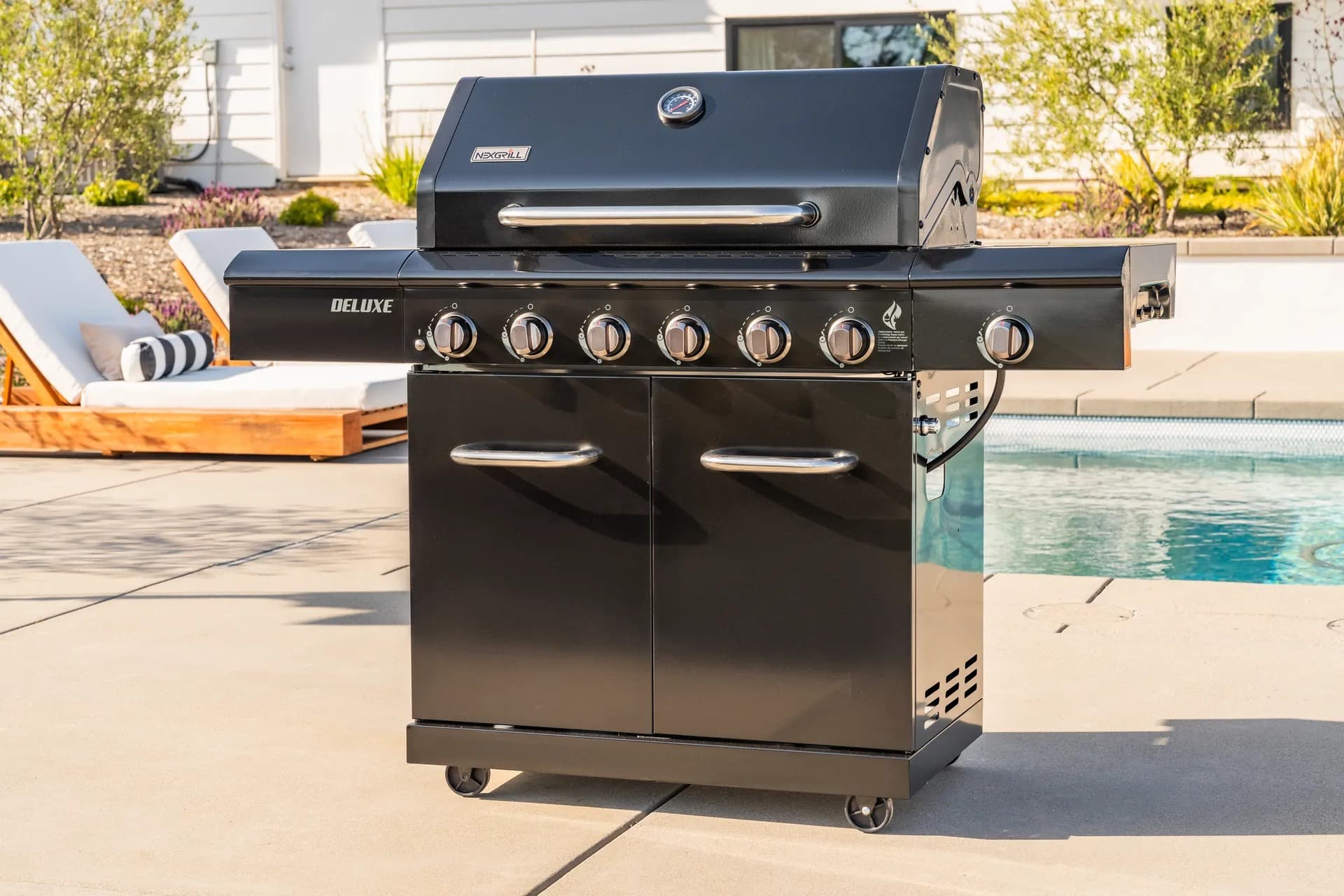
Explore the key differences to determine which grill suits your cooking style.

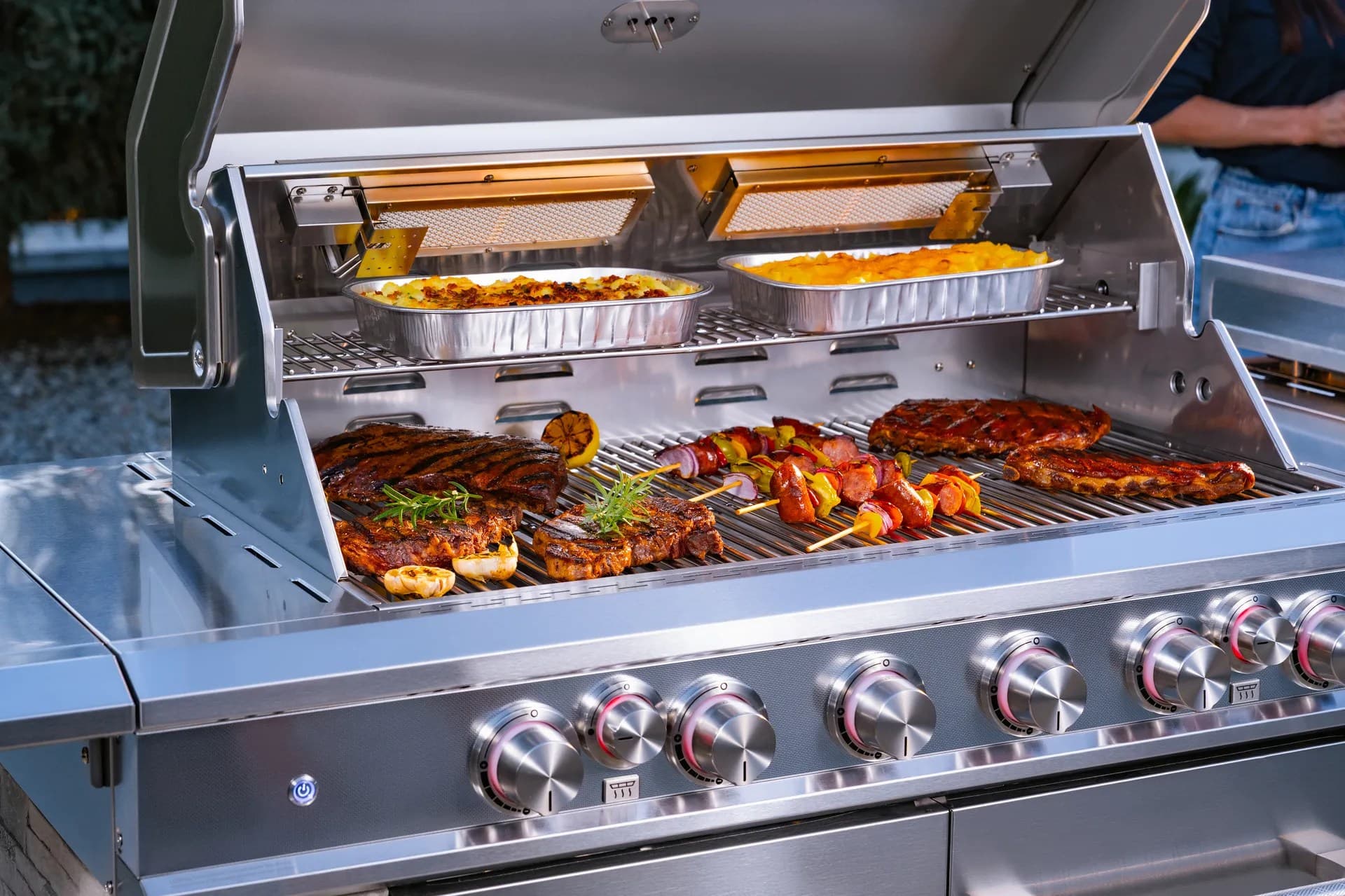
From sizzling breakfasts to smash burgers and teppanyaki-style dinners, the Daytona Pro 5 Burner NitroGuard™ Griddle delivers powerful heat, fast cooking, and a durable cooking surface built for every backyard cookout. Watch how easy outdoor cooking can be.
Here's what sets us apart from the competition
We position ourselves as delivering high-end outdoor cooking features and performance without premium-brand pricing, emphasizing “Quality Grills. Unbelievable Value.”
We offer gas grills, pellet grills, griddles, smokers, pizza ovens, portable/tabletop grills, electric grills, accessories, and replacement parts — allowing customers to stay within one ecosystem for all outdoor cooking needs.
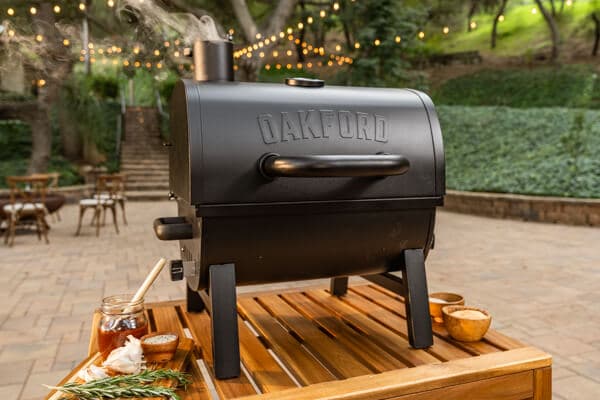
We differentiate ourselves through smart grilling products like the Oakford smart pellet grill, including app-connected cooking controls and modern outdoor cooking technology.

Expert tips, buying guides, comparisons, and inspiration for choosing and getting the most out of your grill.

Practical guides for cleaning, maintenance, common grill issues, and performance optimization.

Step-by-step grilling recipes, cooking techniques, and meal ideas for every occasion and skill level.

Backyard entertaining ideas, seasonal grilling inspiration, and stories that celebrate outdoor cooking culture.

Helpful articles covering grilling tools, cookware, maintenance gear, and must-have accessories for outdoor cooking.

Find griddle recipes, cooking techniques, cleaning tips, and outdoor meal ideas designed for Nexgrill griddles.
Find answers to common questions
Gas grills provide instant heat and precise temperature control, making them easier to use. Charcoal grills offer a smoky flavor and high heat for searing but require more time to heat up and manage.
Pellet grills combine the convenience of gas with the flavor of wood, allowing for smoking, baking, and grilling. Traditional gas grills, however, are quicker to start and often easier to clean.
Charcoal grills typically reach higher temperatures quicker than gas grills, making them better for searing meat. However, high-quality gas grills can also provide adequate heat for effective searing.
Nexgrill offers models designed specifically for gas, charcoal, and pellets, allowing users to choose based on their cooking style and flavor preferences. Each type is built to optimize the characteristics of its respective fuel.
Choosing between gas and charcoal grills depends on your cooking preferences and lifestyle. If you value convenience and quick cooking, a gas grill may suit you better; if you prefer the taste and experience of traditional grilling, a charcoal grill would be ideal.
In This Article
Flavor Profile
Temperature Control
Startup Time
Choosing between a pellet grill and a gas grill is less about picking a “better” machine and more about matching the cooker to the way you actually make dinner. If you want fast weeknight heat, straightforward knobs, and a clean burn, gas has a clear appeal. If you want wood-fired character, steadier low-and-slow management, and a more hands-off path to smoke, pellet grilling earns its reputation. Nexgrill’s brand philosophy emphasizes approachable, dependable outdoor cooking for a wide range of skill levels, which is exactly the lens that makes this comparison useful: both grill types can be excellent, but they solve different problems for different households .
In practical U.S. backyard terms, a gas grill tends to fit the cook who wants to open the lid, turn a knob, and be searing chicken breasts within minutes. A pellet grill fits the cook who is willing to trade a little startup speed for flavor depth and temperature automation. That difference matters most when your cooking routine includes more than burgers and brats. Think brisket on a Saturday, salmon at 275°F for dinner, roasted vegetables, or even a tray of macaroni in a cast-iron pan. Pellet grills are built around pellets feeding into a fire pot, while gas grills burn propane or natural gas through burners that respond immediately to manual control. The result is two distinct user experiences, two different cost structures, and two different cleanup rhythms.
For Nexgrill shoppers, the decision also intersects with brand fit. Nexgrill’s messaging centers on accessible value and inclusive outdoor cooking, which means the best choice is the one that keeps you cooking often, not the one that looks most impressive on paper . If you entertain casually, cook for a family of four, or need something that gets up to temperature quickly after work, gas will usually feel more natural. If you’re drawn to weekend smoking sessions, deeper wood aroma, and a more recipe-driven style of cooking, pellet grills make more sense. The rest of this comparison breaks down the decision by the factors that actually affect ownership: flavor, control, startup speed, versatility, cleaning, and cost.
The fastest way to narrow the choice: decide whether you value immediate heat or wood-fired character more. That single preference usually predicts the better grill type.
Core fuel paths: pellets for smoke-forward cooking, gas for speed and convenience
Flavor is where pellet grills and gas grills diverge the most. A pellet grill uses compressed hardwood pellets, which feed into a burn pot and produce a steady wood-fired taste. That smoke is usually more noticeable on longer cooks, especially pork shoulder, ribs, brisket, turkey, and chicken thighs. It is not the same as running a charcoal bed, but it does create a distinctly smoky aroma and a browning profile that many home cooks associate with barbecue rather than simple outdoor searing. The advantage is subtlety and continuity: the smoke flavor builds during the cook instead of hitting all at once.
Gas grills, by contrast, are prized for a cleaner flavor that lets the ingredients speak first. They still produce char, especially when you preheat properly and use direct heat, but the finished food tastes more like grilled steak, grilled vegetables, or a weeknight burger than it does smokehouse barbecue. For some households, that is exactly the point. If you are grilling marinated flank steak, asparagus, pineapple, or sausages for a quick meal, the absence of heavy smoke keeps the meal bright and familiar. If you are cooking a whole pork butt for pulled pork sandwiches, the pellet grill’s longer smoke exposure is usually the more rewarding route.
A useful way to think about it is this: gas gives you a cleaner canvas, while pellets paint with smoke. Neither is better in the abstract. The right answer depends on what you serve most often. People who cook mainly for children, mixed-diet groups, or guests with straightforward tastes often appreciate gas because it keeps meals predictable. People who like to experiment with rubs, smoke times, and resting periods tend to prefer pellets because the fuel contributes a second layer of flavor before the sauce ever enters the picture.
If you frequently cook in a neighborhood where dinner needs to happen fast but still feel special, gas is the dependable baseline. If you want the backyard to smell like a cookout for hours and you enjoy the process as much as the result, pellets bring more atmosphere to the table. That distinction also affects recipes: pellet grills tend to shine with smoked ribs, reverse-seared steaks, baked beans, and roasted chicken, while gas grills excel at seared chops, fajitas, vegetables, and quick pizzas in a stone or pan. The flavor question is really a lifestyle question in disguise.
Pellet grills are often favored for their digital temperature controls, which can make long cooks feel more controlled and repeatable. Instead of manually adjusting a flame, you set a target temperature and let the auger and controller manage pellet delivery. This is especially useful for low-and-slow barbecue, where maintaining a steady cooking environment matters more than making constant adjustments. For a cook who wants to hold 225°F for several hours without babysitting the grill, pellet technology is a major advantage. It reduces guesswork and can make smoking more approachable for first-time users who do not yet know how to chase heat manually.
Gas grills use manual burner knobs, which give you immediate control but require a more active role. The payoff is responsiveness. Need to cool down fast? Turn the flame down. Want to create two heat zones for indirect chicken and direct searing on the other side? You can do that quickly. For weeknight use, the direct relationship between knob and burner is efficient and intuitive. In the hands of an experienced griller, gas can be incredibly precise because the adjustment happens instantly. The trade-off is that precision depends more on the cook’s attention and less on automation.
This difference becomes more obvious in specific situations. If you are smoking a pork shoulder overnight, pellet controls are appealing because they reduce the need for repeated interventions. If you are searing skirt steak for tacos and then moving it to a cooler zone, gas responds faster and gives you more tactical flexibility. Pellet grills can still sear, but gas tends to be more aggressive and immediate at the grate level, especially when you are managing a multi-zone setup.
For cooks who want to “set it and monitor it,” pellets are easier to live with. For cooks who prefer direct, instant flame control, gas feels faster and more instinctive.
Startup speed is one of the clearest everyday differences between the two grill types. Gas grills typically heat up in about 5 to 10 minutes, which makes them a strong choice for spontaneous meals, after-work cooking, and households that do not want to plan dinner far in advance. The simplicity is part of the appeal: open the lid, ignite the burners, preheat, and cook. When time is tight, gas behaves like an appliance that respects your schedule.
Pellet grills generally need around 10 to 15 minutes to begin cooking, and that estimate assumes a clean system, dry pellets, and a normal startup routine. The extra time comes from igniting the pellets, stabilizing the fire pot, and allowing the cooking chamber to come up to the desired temperature. For many users, the difference is small enough that it disappears into prep time. If you are seasoning steaks, slicing vegetables, or setting the table while the grill warms, the added minutes are not a problem. But if you often grill on a short timeline, gas has the advantage.
There is also a psychological factor here. Gas encourages impulsive cooking because the barrier to starting is low. Pellet grills reward a more planned pace. That does not make pellets inconvenient; it simply means they fit a different rhythm. Many home cooks find that the longer preheat becomes part of the ritual, especially when they are planning a smoke session rather than a quick dinner. Still, if your household routinely decides what to eat at 5:30 p.m. and expects food on the table by 6:00 p.m., gas is usually the more forgiving choice.
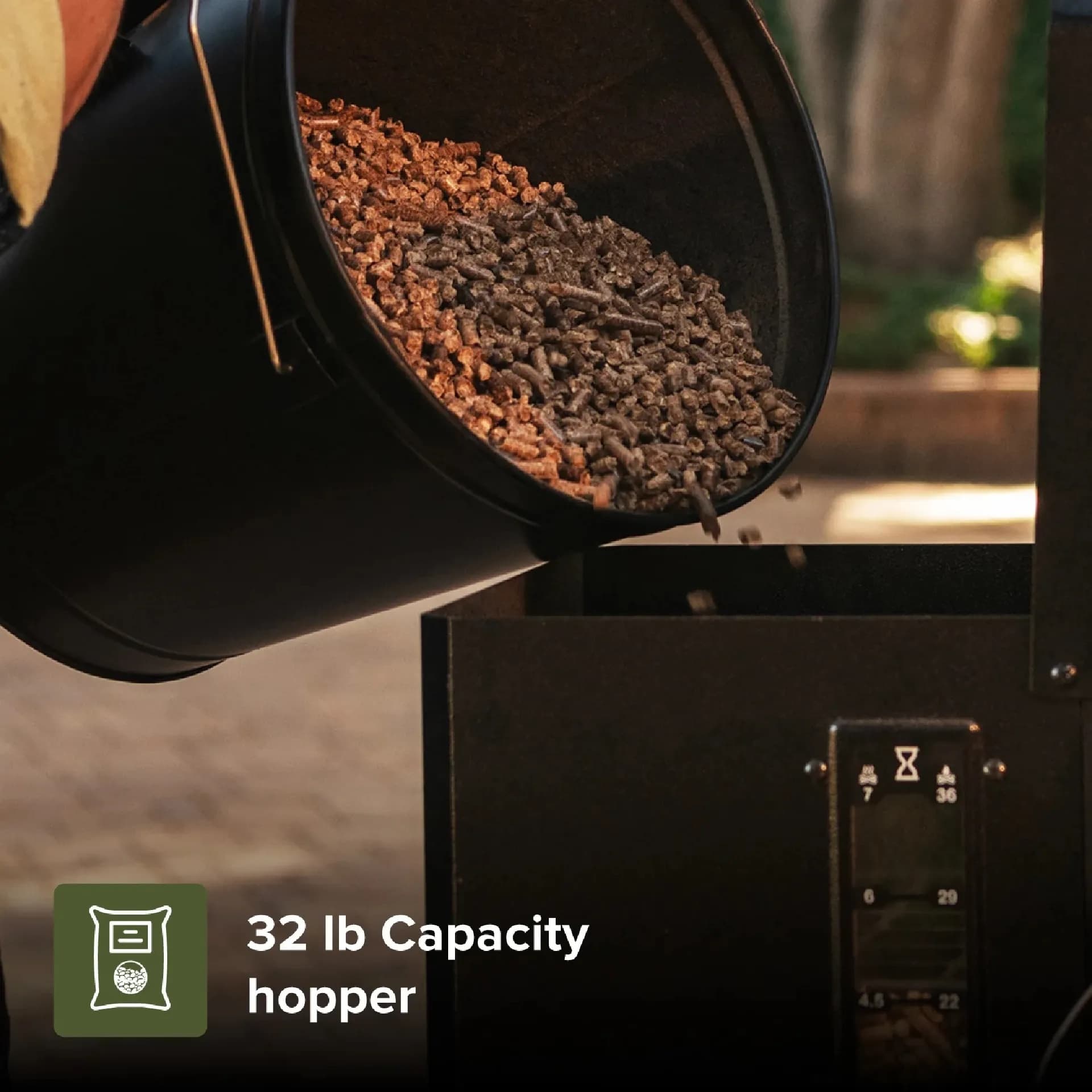
Both grill types offer more than basic burgers and hot dogs, but they expand in different directions. Pellet grills are often the better fit for cooks who want to smoke, roast, bake, and braise outdoors with one machine. Their steady heat and smoke potential make them useful for brisket, ribs, whole chickens, casseroles, cornbread, and even desserts like cobblers or skillet cookies. This versatility is especially attractive if you want one cooker to cover an entire weekend menu from breakfast through dinner. A pellet grill can move from low smoke to moderate roasting with fewer transitions than many people expect.
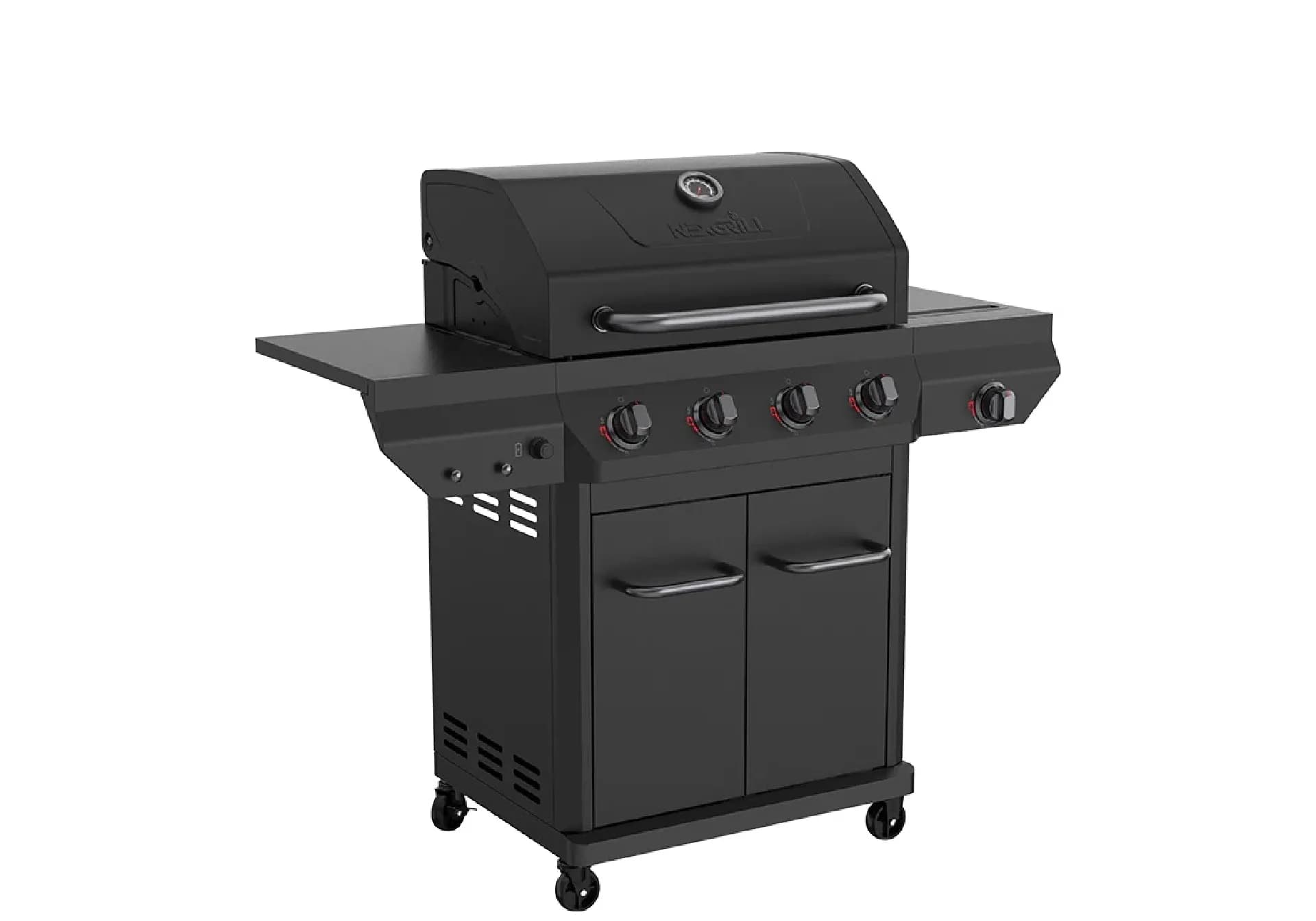
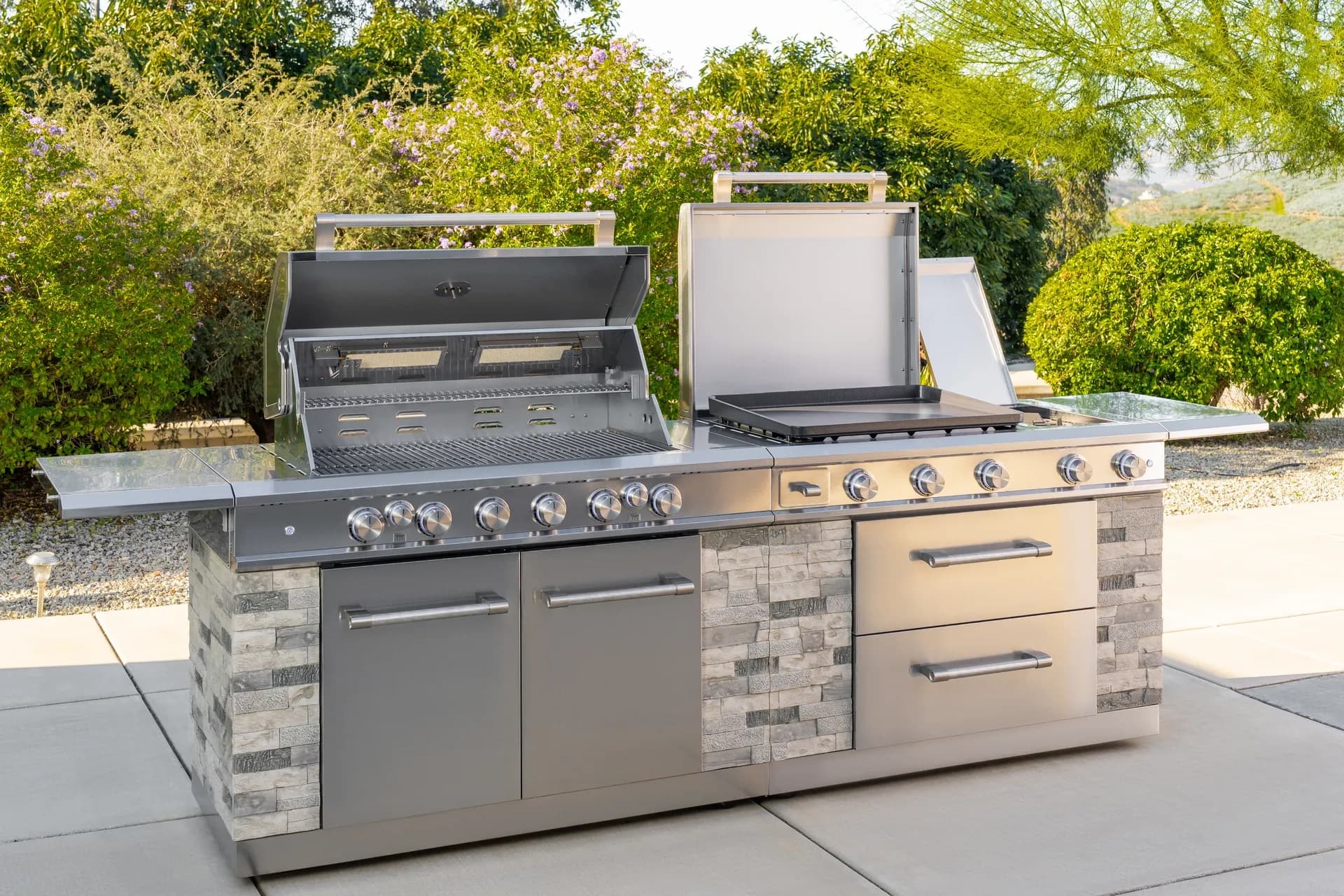
Gas grills are versatile in a more immediate, weeknight-friendly way. They handle high-heat searing, direct grilling, quick vegetable sides, and pan cooking with less setup. Add a side burner, griddle insert, or a cast-iron pan, and gas becomes a practical outdoor kitchen for sauces, boiled corn, sautéed onions, or seared shrimp. Gas also tends to be easier for cooking in batches because it gets back to temperature quickly after the lid opens. For families cooking several items at once, that responsiveness matters more than long smoke cycles.
A fair way to compare versatility is by asking what kind of recipes you are most likely to repeat. Pellet grills are stronger when the meal is built around transformation over time: smoke changes, bark develops, and texture evolves. Gas grills are stronger when the meal is built around speed, repeatability, and menu variety over a short window. If you want one appliance for pizza night, ribs, and roast vegetables, pellets may give you more range. If you want one appliance that can quickly manage steak, salmon, corn, and sauce pans, gas is often the more efficient all-rounder.
Maintenance is another area where the ownership experience diverges sharply. Pellet grills usually require ash management, hopper care, and occasional attention to pellet quality. Because pellets are burned to create heat, ash accumulates in the fire pot and around the cooking system. If pellets absorb moisture or break down in storage, feeding issues can occur. That means pellet ownership rewards dry storage, periodic cleaning, and a little more routine inspection. For many owners, the payoff is worth it because the cooking experience feels more specialized and flavorful.
Gas grills are generally simpler to clean after a cook. You still need to empty grease trays, brush grates, and inspect burners for debris, but there is no ash system to manage and no fuel hopper to protect. That makes gas appealing to buyers who want outdoor cooking without a more elaborate cleanup routine. If you grill often during the week, the lower-effort cleanup can be the deciding factor, especially when the alternative is putting off a longer maintenance task until the weekend.
Neither option is “maintenance-free,” and both perform better when cared for regularly. The real difference is the kind of attention each one asks from you. Pellet grills ask for fuel discipline and ash cleanup. Gas grills ask for grease management and burner checks. If you prefer a more mechanical, straightforward upkeep pattern, gas is easier to live with. If you are comfortable treating your grill more like a cooking system and less like a simple appliance, pellet maintenance is manageable and predictable.
Cost comparison should include both what you pay up front and what you spend over time. On the initial purchase side, entry-level and midrange gas grills are often less expensive than comparable pellet grills because the hardware is simpler and there are fewer electronic components involved. Pellet grills typically cost more at the same general size and feature level because they include a controller, auger system, hopper, and more specialized cooking mechanics. For many buyers, that extra upfront cost is justified by the added smoke capability and temperature automation.
Operating costs are more nuanced. Gas grills use propane or natural gas, and propane costs vary by region and refill source. Natural gas can be economical if the grill is already plumbed in, while propane offers portability and flexibility. Pellet grills consume hardwood pellets, and those fuel costs can add up during long smoke sessions. A long brisket cook may use more fuel than a short dinner on gas, and pellet prices can fluctuate depending on wood type and retailer. In general, pellets often cost more per cooking session when you are doing extended low-and-slow cooks, while gas can be more economical for fast, high-heat meals.
Here is the practical takeaway: if you mainly cook quick dinners a few times per week, gas often wins on operating efficiency and convenience. If you often run long smoking sessions, pellet fuel costs matter more, but so does the value of the flavor outcome. The right question is not “Which is cheaper?” but “Which one gives me the kind of meals I will actually cook enough to justify the spend?” That framing usually leads to a better long-term purchase.
Once you strip away the hype, the pellet-grill-vs-gas-grill-comparison comes down to your cooking rhythm. Choose a pellet grill if you want deeper smoke flavor, digital temperature assistance, and the flexibility to roast and smoke with more patience. Choose a gas grill if you want speed, quick weekday usability, and a cleaner flavor profile that works with almost anything you throw on the grate. If your home cooking lives somewhere in the middle, think about how often you entertain, how much time you want to spend monitoring the fire, and whether your meals lean toward barbecue or fast grilling.
For many U.S. households, gas is the practical everyday answer and pellets are the more expressive weekend choice. If you are still undecided, compare the two side by side below to see which one fits your favorite recipes, your schedule, and the way you want to spend time outdoors.
Once you've weighed one option against the other, the remaining question is usually less about features and more about fit. The best grill is the one that matches your space, your weekly schedule, and the kinds of meals you cook most often. Nexgrill’s brand voice emphasizes approachability and real-world usability, which is useful here because both pellet and gas grills can satisfy different kinds of backyard cooks without forcing everyone into the same workflow . Pellet grills are built around wood pellets and automated feed systems; gas grills rely on propane or natural gas burners that deliver instant, adjustable heat. That architectural difference shapes everything that follows, from flavor to cleanup to your grocery budget.
For a homeowner in the United States, the practical decision often comes down to use pattern. If grilling is a Tuesday-night habit, gas is almost always the easier companion. If grilling is a weekend ritual or a hobby where you like to spend several hours with the food, pellet grilling can feel more rewarding. Neither option is automatically “better” for everyone. What matters is the way the grill behaves when the novelty wears off and you are cooking the tenth or twentieth meal of the season. This article keeps that ownership reality in mind, because the best comparison is the one that helps you imagine life with the grill after the box is long gone.
A smart purchase is not the grill with the longest feature list. It is the grill that fits your time, your taste, and your tolerance for cleanup.
If flavor is the deciding factor, pellet grills and gas grills offer clearly different experiences. Pellet grills produce smoke from hardwood pellets, which adds a layered wood-fired aroma that works especially well for foods cooked for longer periods. That means ribs, pork shoulder, chicken quarters, and turkey benefit more visibly from pellet smoke than a quick burger ever will. The smoke profile is usually gentler and more consistent than a charcoal-heavy burn, which many cooks like because it adds character without overwhelming the food.
Gas grills are cleaner in character. They can absolutely deliver char and browning, but the flavor leans toward straightforward grilled food rather than smoke-driven barbecue. That makes gas a better match for cooks who want their marinades, rubs, and natural ingredients to lead the way. A steak cooked over gas still develops sear and crust; a zucchini tray still comes off sweet and lightly caramelized; shrimp still tastes bright and quick. The result is often more subtle than pellet grilling, but that subtlety is a strength when you do not want every meal to taste like a smoke session.
The easiest way to decide is to think about your favorite repeatable recipe. If it is pulled pork, smoked salmon, or a long-roasted chicken, pellet flavor likely gives you more of what you want. If it is fajitas, burgers, vegetables, and quick-grilled fish, gas keeps the food clean and lively. For households with mixed preferences, gas can be the more neutral crowd-pleaser, while pellets are the better storyteller when you want the meal to carry a stronger signature.
Pellet grills often win on set-and-monitor convenience. Digital controllers manage the burn cycle, which helps hold a target temperature with less fiddling from the cook. That is a real advantage when you are smoking brisket at 225°F or roasting chicken at a moderate heat for an extended period. Instead of opening the lid repeatedly and adjusting flames, you can focus on timing, resting, and side dishes. For newer grill users, that automated behavior lowers the intimidation factor and makes long cooks feel more manageable.
Gas grills take a different route to precision. You control the heat directly with burner knobs, and the response is nearly immediate. Need to reduce temperature because the chicken skin is browning too fast? Turn the burner down. Need two zones for indirect finishing and direct searing? Set the burners accordingly. That directness is a major advantage during fast-paced cooking, especially when you are juggling multiple dishes. The downside is that gas asks the cook to be more involved, because the machine will not do the monitoring for you.
This difference is most obvious when the menu changes midstream. Pellet grills are excellent for stable long cooks, but gas feels more agile when you are moving between tasks quickly. If your preferred style is to place the meat on the grill and let the system carry the heavy lifting, pellet control is appealing. If your style is to stay close to the lid and make minute-by-minute adjustments, gas rewards that attention with fast reaction and flexibility.
Startup is where gas grills usually have the clearest everyday edge. In many cases, a gas grill is ready for cooking in about 5 to 10 minutes, depending on outside temperature, grill size, and whether you are aiming for a light preheat or a hard sear. That speed is a real-world advantage for families that cook on a schedule. When the kids are hungry and the side dishes are already on the counter, fewer waiting minutes can make the difference between grilling tonight and defaulting to the oven.
Pellet grills usually need around 10 to 15 minutes before they are ready to cook. The exact time varies with pellet quality, ambient conditions, and the target temperature, but the startup process is inherently a bit slower because the system has to ignite the pellets and stabilize the burn. For cooks who treat grilling as part of a longer ritual, that is not a problem. For people who want to move quickly from decision to dinner, the extra minutes are more noticeable. It is not a deal breaker, just a difference in rhythm.
A good rule of thumb is to decide how often you grill when time is tight. If your most common scenario is a rushed weekday dinner, gas will likely get used more often because it asks less of your schedule. If your most common scenario is a planned Saturday cook, pellet startup time becomes a minor trade-off for the flavor and automation benefits that follow.
Versatility matters because most buyers do not want a machine that can do only one thing. Pellet grills are especially useful for cooks who want one unit to smoke, roast, bake, and hold steady temperatures for long periods. That opens the door to barbecue staples like ribs and pork butt, but also to less obvious meals such as roast potatoes, breakfast casseroles, skillet cornbread, or even fruit desserts finished with a touch of smoke. If your ideal weekend involves making the main dish and the side dishes outdoors, a pellet grill gives you that kind of range.
Gas grills are versatile in a different way. They are better at fast transitions, high-heat searing, and multi-zone cooking. You can grill steaks on one side while warming vegetables on the other, or use a cast-iron skillet for shrimp scampi, bacon, or onions. With the right accessories, gas can serve as a compact outdoor kitchen. It is usually less specialized than pellet cooking, but that can be an advantage if you want a straightforward machine that handles dinner without much planning.
Scenario-based thinking helps here. A pellet grill is the better choice if your best cooking memories involve brisket, ribs, or a whole turkey on a long Sunday. A gas grill is the better choice if your most frequent wins are quick salmon fillets, grilled corn, and a steak dinner after work. One is more expressive over time; the other is more efficient in the moment.
Cleaning is where some buyers discover their true preference after the first few uses. Pellet grills need ash removal from the fire pot and careful attention to pellet storage. Pellets should stay dry, and the hopper should not be left in a state where moisture or crumbly fuel can interfere with feeding. That means pellet owners benefit from a simple storage habit and regular internal inspection. It is manageable, but it is more involved than a basic brush-and-wipe routine.
Gas grills are often easier for quick cleanup because the fuel system leaves less residue behind. You still need to scrape grates, clean grease trays, and keep burners clear of buildup, but there is no ash bed to empty after each session. For weekly users, that matters. The grill that gets cleaned most reliably is the one that feels easy enough to tackle on a Tuesday night. From a practical standpoint, gas often wins this category because cleanup is more predictable and less time-sensitive.
The real question is not which grill is “low-maintenance,” but which type of maintenance you are more willing to perform. If ash, pellets, and internal cleaning sound fine because you want the smoke payoff, pellet ownership makes sense. If you prefer a more familiar appliance routine, gas is likely the better fit.
A useful cost comparison has to include both the purchase price and the fuel bill. In many U.S. markets, gas grills are the lower-cost entry point, especially when you compare similarly sized units. Pellet grills usually cost more because they include electronics, an auger, a hopper, and temperature-control components that are not part of a standard gas burner setup. If you are watching up-front spend closely, gas often feels easier to justify.
Operating costs depend on how you cook. Gas may be cheaper for short, frequent meals because it heats quickly and uses fuel efficiently for direct grilling. Pellet grills can cost more per long cook because the pellets feed continuously during the session, and the total consumption rises with time. If you smoke a brisket, pork shoulder, or ribs for many hours, pellet fuel costs become more visible. If you grill steaks, chicken, or vegetables in a shorter window, gas tends to be leaner on fuel.
For budget planning, think in scenarios rather than abstract averages. The family that grills twice a week for 20-minute dinners may save more with gas over time. The hobby cook who regularly smokes large cuts may accept the pellet operating cost because the payoff is flavor and consistency. The best value is not necessarily the cheapest grill; it is the grill that gets used enough to justify its cost and delivers the cooking results you actually want.
The pellet-grill-vs-gas-grill-comparison comes down to a simple ownership test. If you want wood-fired flavor, digital temperature assistance, and the freedom to smoke and roast for longer stretches, a pellet grill is likely the better fit. If you want faster startup, straightforward control, easier cleanup, and a cleaner-tasting grilled result, a gas grill is usually the smarter everyday tool. In many American households, the right answer is not about prestige; it is about how often the grill will be used and what kind of food will justify the time you spend outside.
Nexgrill’s broader approach to outdoor cooking favors practical value and inclusive use, which is why this decision should feel empowering rather than technical. Pick the system that lets you cook more often, not the one that requires you to become a different kind of cook. If you have already compared two models side by side, the next step is to judge which one matches your schedule, your favorite recipes, and the kind of backyard meals you are most likely to repeat.
Here's what sets us apart
We position ourselves as delivering high-end outdoor cooking features and performance without premium-brand pricing, emphasizing “Quality Grills. Unbelievable Value.”
We offer gas grills, pellet grills, griddles, smokers, pizza ovens, portable/tabletop grills, electric grills, accessories, and replacement parts — allowing customers to stay within one ecosystem for all outdoor cooking needs.
We differentiate ourselves through smart grilling products like the Oakford smart pellet grill, including app-connected cooking controls and modern outdoor cooking technology.
Don't just take our word for it
Keep reading
From our catalog