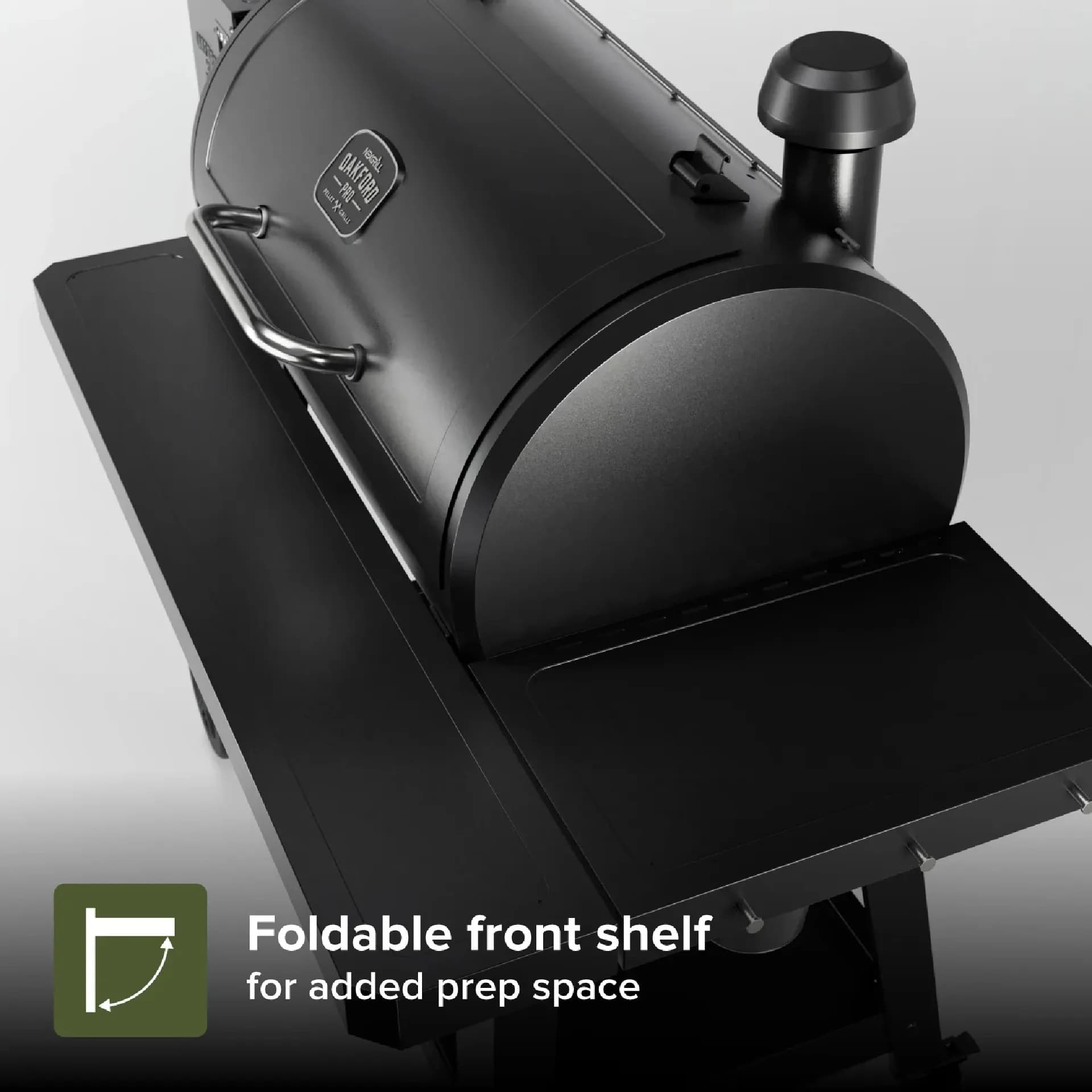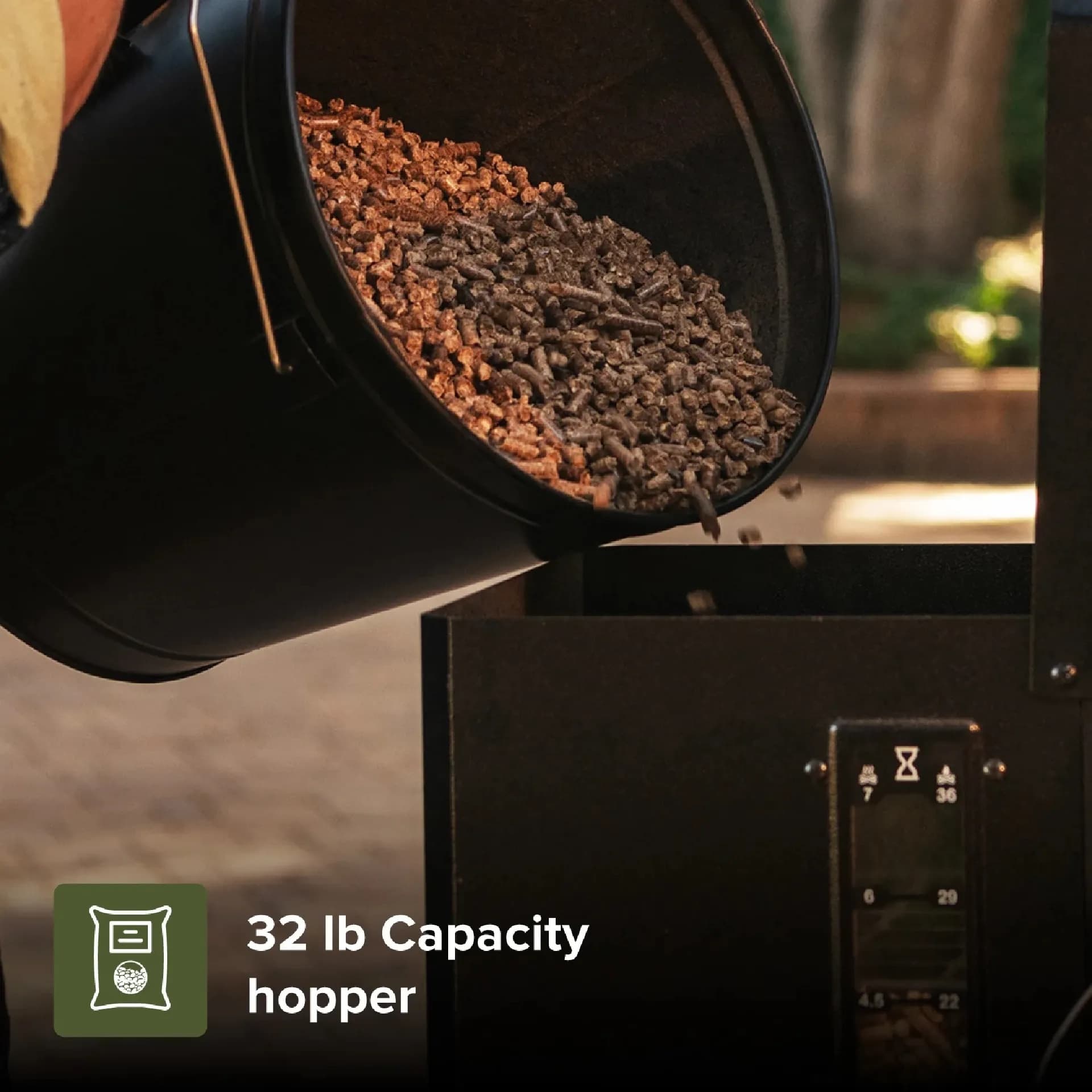
A comprehensive guide to the limitations and considerations of using pellet grills for outdoor cooking.
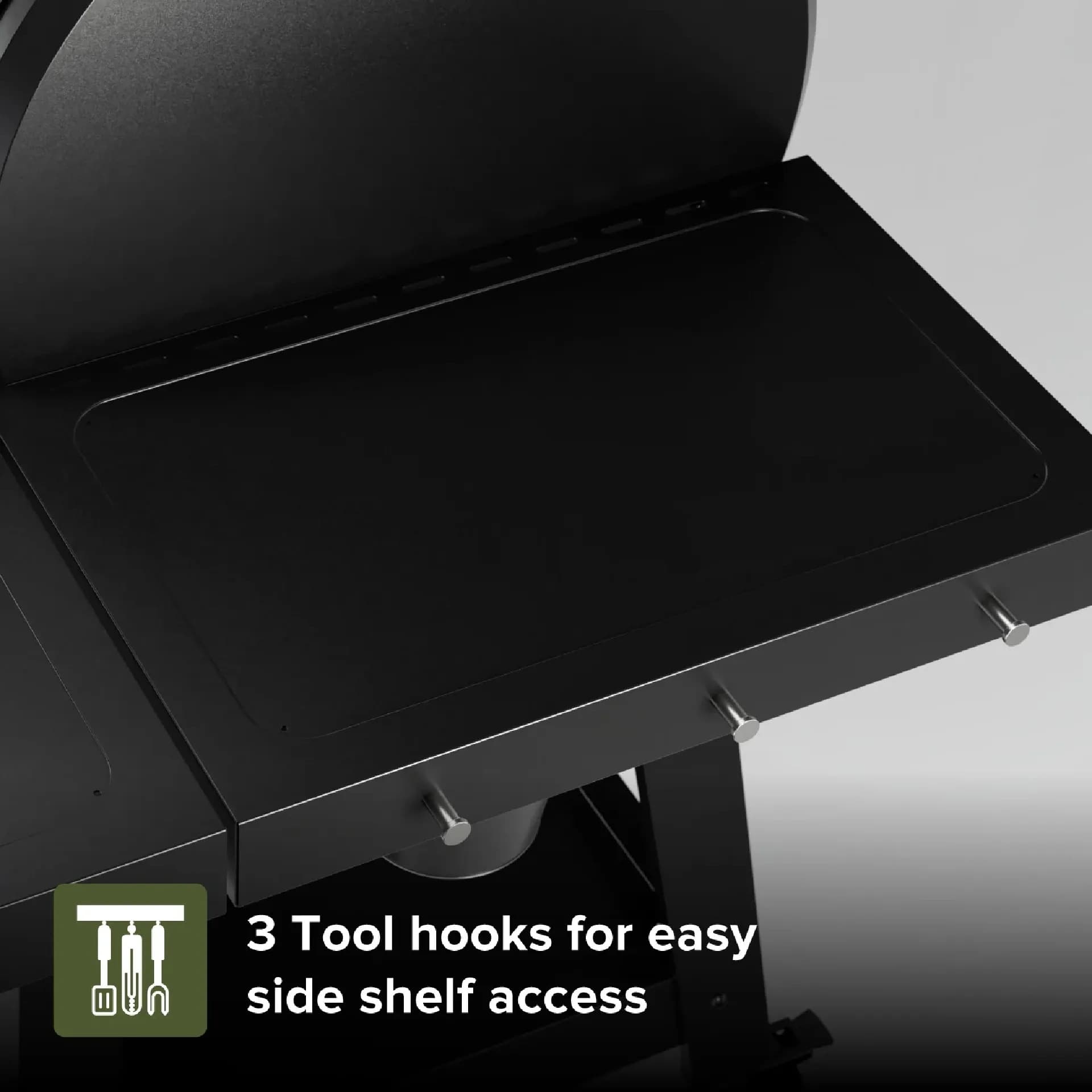
Here's what sets us apart from the competition
We position ourselves as delivering high-end outdoor cooking features and performance without premium-brand pricing, emphasizing “Quality Grills. Unbelievable Value.”
We offer gas grills, pellet grills, griddles, smokers, pizza ovens, portable/tabletop grills, electric grills, accessories, and replacement parts — allowing customers to stay within one ecosystem for all outdoor cooking needs.
We differentiate ourselves through smart grilling products like the Oakford smart pellet grill, including app-connected cooking controls and modern outdoor cooking technology.
Expert tips, buying guides, comparisons, and inspiration for choosing and getting the most out of your grill.
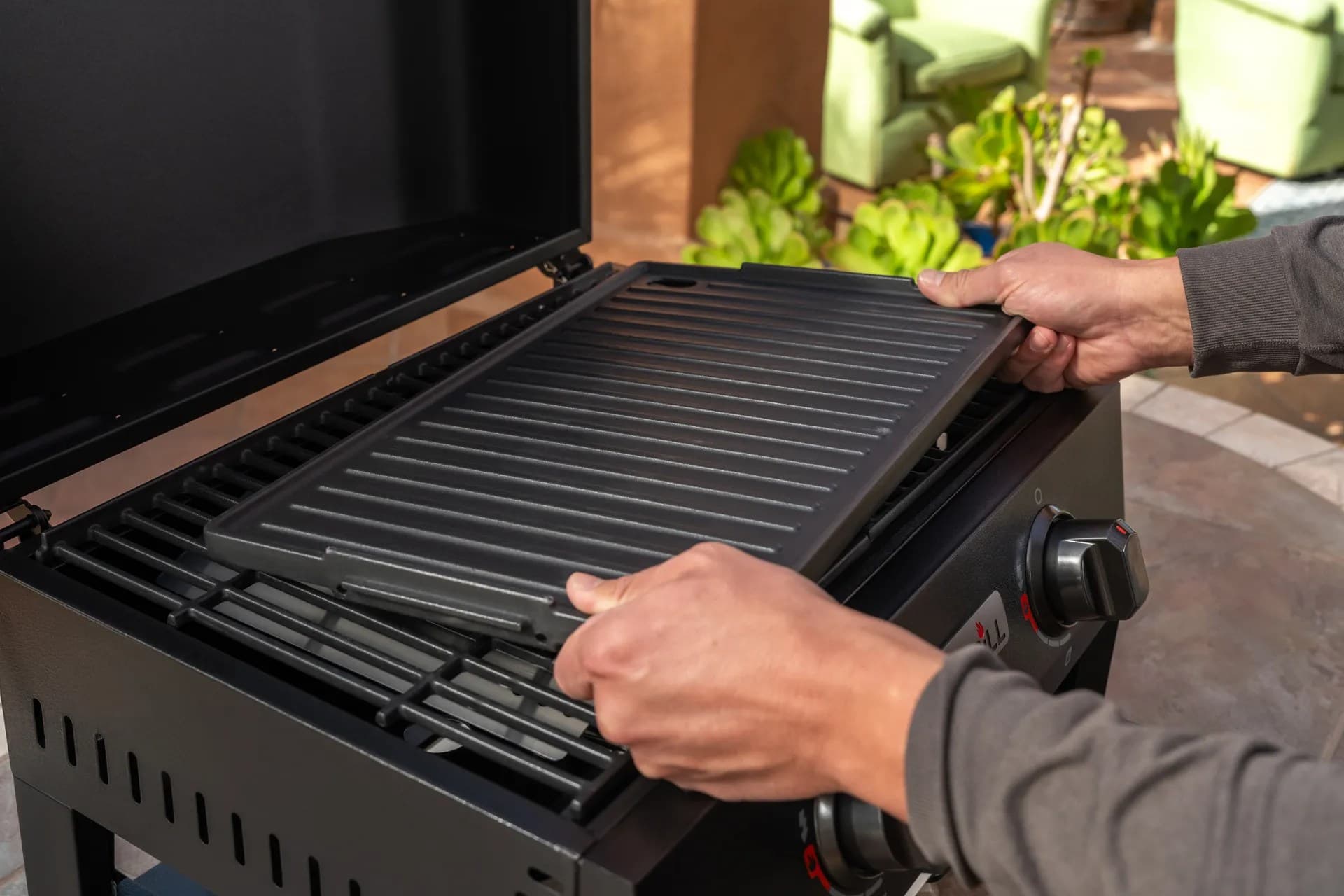
Practical guides for cleaning, maintenance, common grill issues, and performance optimization.
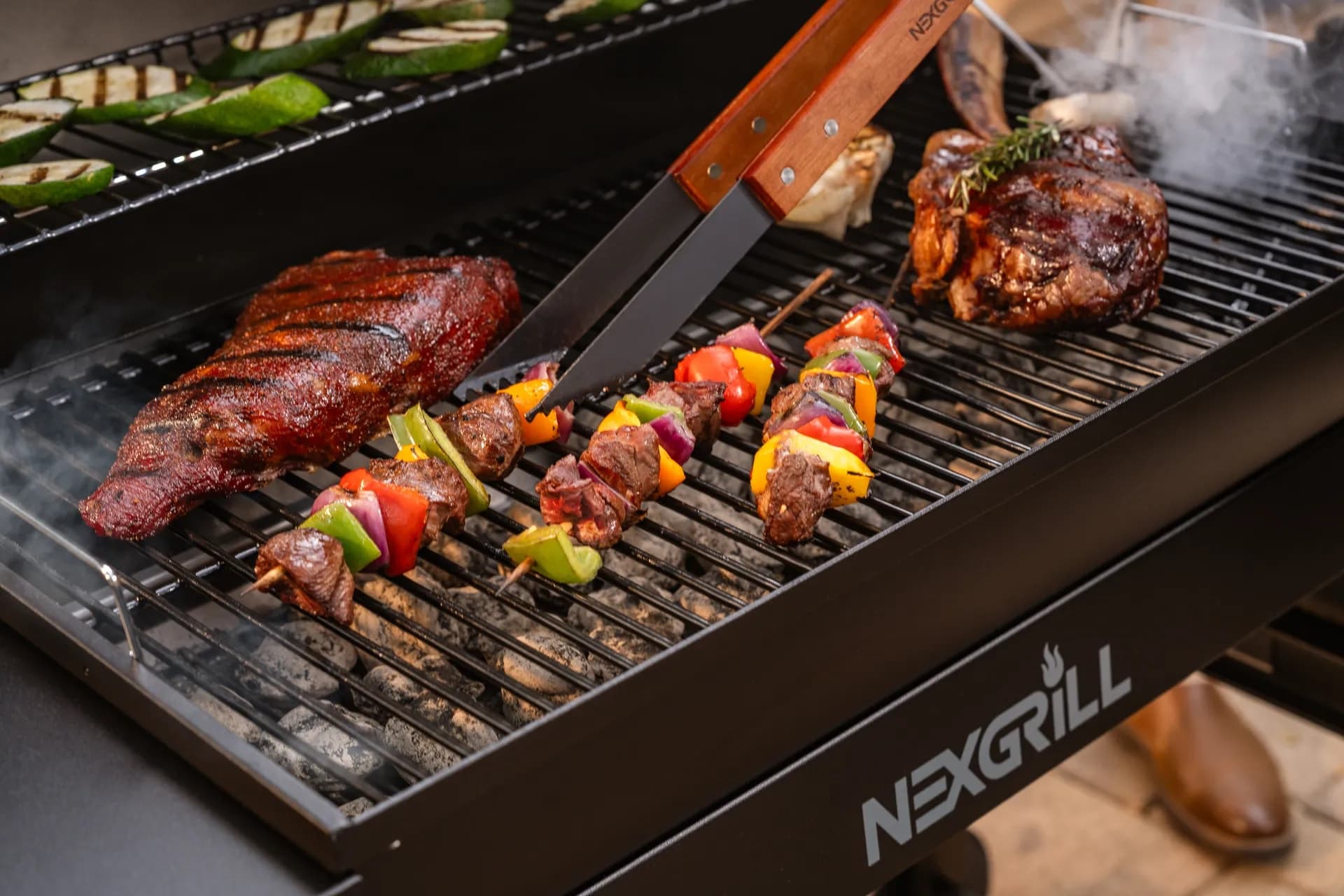
Step-by-step grilling recipes, cooking techniques, and meal ideas for every occasion and skill level.

Backyard entertaining ideas, seasonal grilling inspiration, and stories that celebrate outdoor cooking culture.
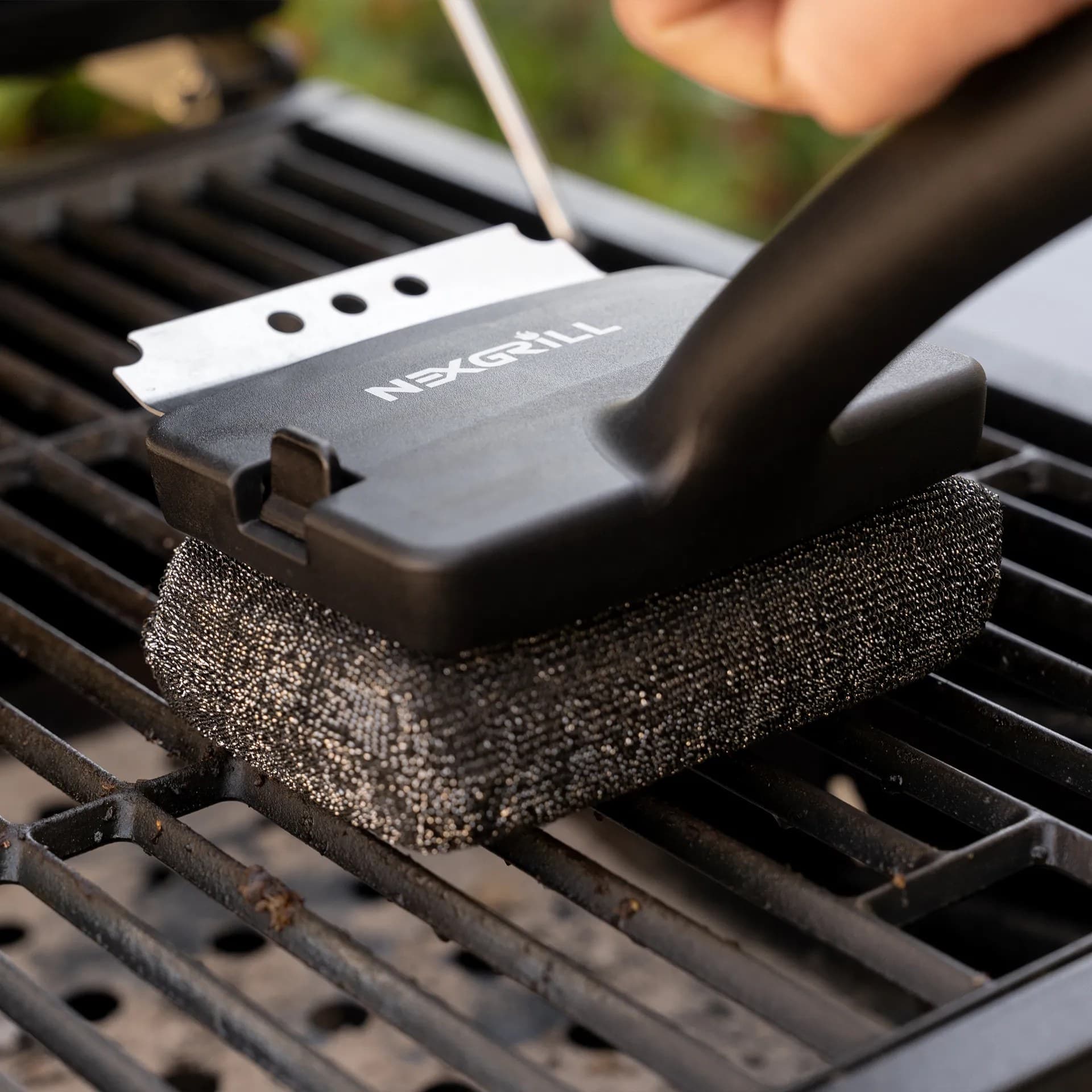
Helpful articles covering grilling tools, cookware, maintenance gear, and must-have accessories for outdoor cooking.
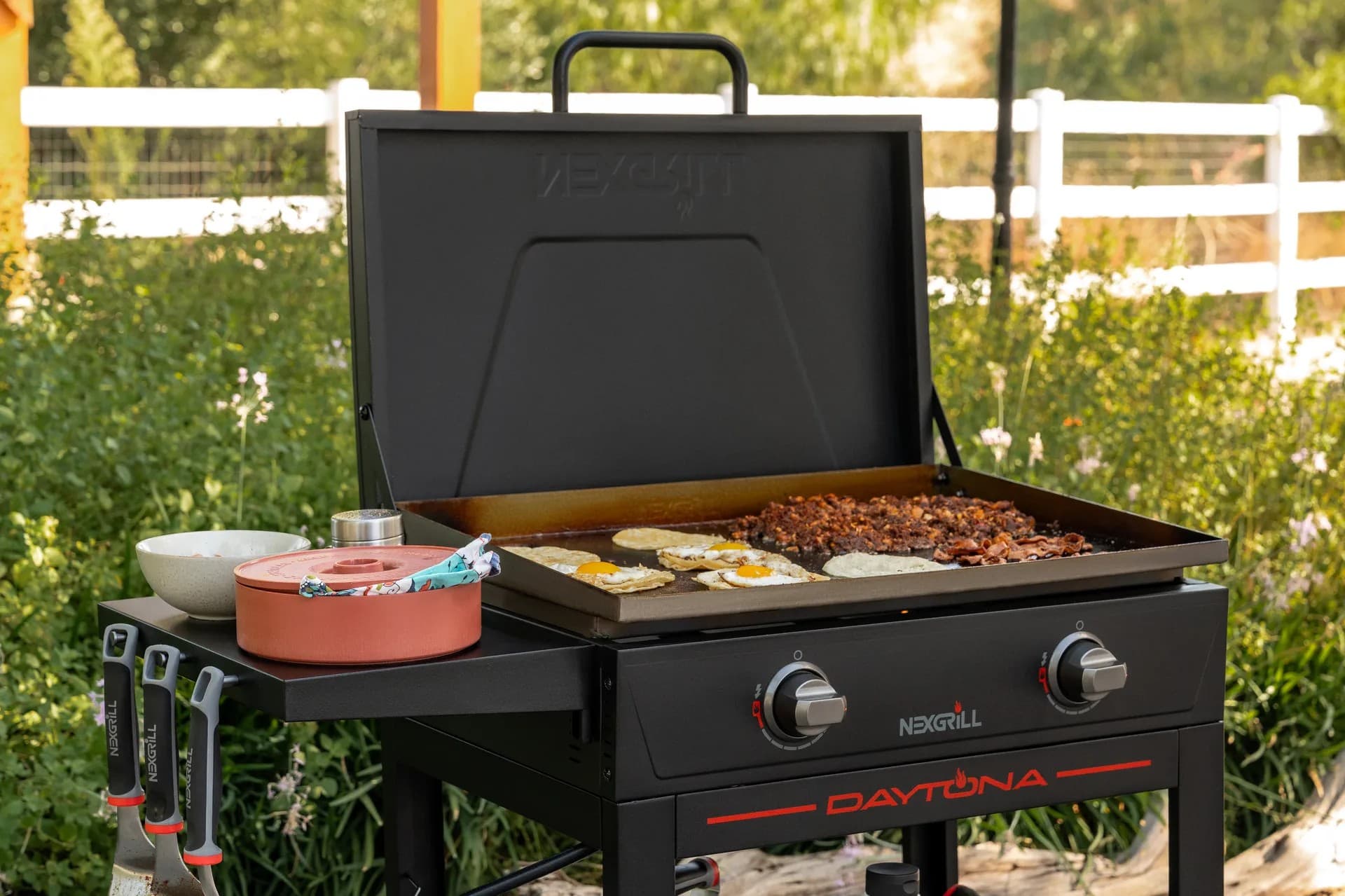
Find griddle recipes, cooking techniques, cleaning tips, and outdoor meal ideas designed for Nexgrill griddles.
Find answers to common questions
Pellet grills offer versatility by allowing you to smoke, grill, and bake with precise temperature control. They use wood pellets as fuel, providing a unique flavor to your food that is difficult to achieve with other types of grills.
Consider factors such as cooking capacity, temperature range, and additional features like digital controls or Wi-Fi connectivity. Assessing your cooking habits and space availability can also help in selecting a suitable model.
You can use a variety of food-grade wood pellets, including oak, hickory, mesquite, cherry, and apple. Each type of wood imparts a different flavor to your food, allowing for a unique grilling experience.
Regular cleaning involves emptying the ash pan, cleaning the heat diffusers, and wiping down the exterior. It's also important to check for any pellet obstructions in the hopper and ensure the grill's components are in good working order.
Nexgrill pellet grills are designed to smoke effectively, offering low-temperature settings to infuse food with rich, smoky flavors. They also provide adjustable temperature controls to suit various cooking styles.
In This Article
Electric Dependency
Limited High-Temperature Searing
Higher Initial Investment
One of the least discussed pellet grill downsides is that the entire cooking system depends on electricity. A pellet grill does not simply burn wood pellets and work like a charcoal cooker; it uses electricity to power the auger, the ignition rod, the controller, and often the fan that helps regulate airflow. That means the grill is only as dependable as the power source behind it. For many backyard cooks, that is a small inconvenience. For others, especially people who want to cook on a deck without easy outlet access, tailgate, or use the grill during an outage, it becomes a real limitation.
This matters because the appeal of pellet cooking is its set-it-and-forget-it convenience. The grill’s controller meters pellets into the fire pot, and that process requires consistent power. If electricity is interrupted, the grill cannot keep feeding fuel in a controlled way. In practical terms, you may lose temperature stability right when you want it most. A long brisket cook, for example, can run beautifully for hours and then become stressful if the power flickers or a cord gets unplugged. That is not the same failure mode as a traditional charcoal grill, where heat management is manual but not dependent on a wall outlet.
Needed for the controller, auger, and ignition system on a pellet grill
For United States homeowners, the electricity requirement also affects where the grill can realistically live. A pellet grill on a finished patio with outdoor outlets is easy to manage. A grill farther from power may require an extension cord, and that introduces its own issues: tripping hazards, weather exposure, and the need to use the correct outdoor-rated cord. If your cooking space is already crowded with lighting, fans, or patio heaters, adding another powered appliance can make the setup less elegant than a gas or charcoal option.
Tip: if your outdoor space does not have convenient power, think through cord routing before buying. The best pellet grill in the world is still awkward if it cannot be placed where you actually cook.
Electric dependence also changes how pellet grills perform in off-grid scenarios. Campgrounds, cabins, and remote properties may not support easy plug-in use, which removes one of the biggest benefits of outdoor cooking flexibility. If your ideal weekend involves moving the cooker around the yard or bringing it to a gathering, pellet models tend to be less mobile than people expect. They may have wheels, but they are not truly free-form portable in the same way a small charcoal kettle or a compact propane unit can be.
That said, the electricity requirement is not automatically a dealbreaker. It is a tradeoff. If your main goal is repeatable smoking at home, and your patio setup already includes power, the dependency may feel invisible most of the time. But when judging pellet-grill-downsides honestly, you should count that dependency as part of the ownership experience rather than as a minor technical detail.
Another common issue is that pellet grills can struggle to deliver the intense, immediate heat many people want for a steakhouse-style sear. Pellet cookers excel at controlled smoking and medium-temperature roasting. They are built for steady heat, clean combustion, and even cooking, not necessarily for the blast-furnace conditions that create a fast, dark crust on a ribeye or burger. Some models advertise high maximum temperatures, but maximum temperature and practical searing performance are not the same thing.
The challenge comes from how pellet grills are engineered. The heat source is usually offset from the cooking grate, and the fire is moderated by software and airflow rather than by direct, open flame in the cooking zone. That design is excellent for consistency, but it can reduce the radiant heat needed for fast browning. A steak may reach safe temperature, yet still lack the aggressive crust that many grillers expect from direct gas or charcoal heat. If your family loves burgers with a hard sear or chicken skin with pronounced crackle, you may notice the difference immediately.
| Cooking Goal | Pellet Grill Fit | Why It Matters |
|---|---|---|
| Low-and-slow smoking | Strong | Stable heat is the grill’s core strength. |
| Weeknight chicken breasts | Strong | Even cooking helps avoid drying out lean meat. |
| Hard sear on steaks | Mixed | Can be achieved, but often with more effort and less intensity. |
| Rapid burger crust | Mixed | May not match the direct flame feel of gas or charcoal. |
For some cooks, this limitation is solved by using a separate tool, such as a cast-iron skillet, sear box, or a final finish on another heat source. But that workaround is exactly the point: pellet grills often ask you to add extra steps if your ideal meal depends on intense searing. If you want one machine to do everything with zero compromise, this can be frustrating.
Warning: pellet grills are often at their weakest when users judge them like a direct-flame grill. They are better understood as precision smokers that can also roast well, not as pure searing machines.
Cost is another meaningful drawback. Pellet grills often cost more upfront than simple charcoal grills and many entry-level gas grills. That higher price usually reflects the controller, auger system, fan, heavier construction, and added electronics required for pellet cooking. You are not just buying a firebox and grates; you are buying a motorized cooking appliance. For buyers comparing budget-friendly outdoor cooking options, that difference is easy to feel at checkout.
The bigger question is whether the added investment matches your cooking habits. If you smoke food often, host long weekend cooks, and appreciate temperature automation, the premium may be justified by convenience. But if you grill only a few times a month and mostly cook quick items like burgers, sausages, or vegetables, the extra money may not translate into extra value. In that case, the premium can be harder to defend, especially when you factor in the cost of pellets over time.
Pellet grills usually require a larger initial budget than basic charcoal options
A useful way to think about the purchase is to separate desire from usage. Many people love the idea of smoking ribs, pork shoulder, and brisket on a pellet grill, but their real-life schedule may not support those long cooks often enough to make the investment feel efficient. If you already own a good gas grill or charcoal cooker, a pellet model may become a specialty appliance rather than your primary outdoor cooker. That is not bad, but it changes the economics.
From a buyer profile standpoint, the strongest case for paying more is a household that values repeatable smoking results and is willing to spend on convenience. The weakest case is the casual griller chasing trend-driven features without a clear use pattern. In the latter scenario, a more affordable grill from Nexgrill’s broader outdoor cooking lineup may provide better everyday value. A grill purchase works best when the equipment matches the way you actually cook, not just the recipes you imagine making once or twice a year.
Pellet grills are often described as low-stress, but they are not maintenance-free. In fact, the maintenance profile can surprise people because the work is different from what they expect. You are not just cleaning grates and grease trays; you are also managing ash, checking the burn pot, keeping pellets dry, and watching for feed issues. Pellet systems are mechanical, and whenever food-grade fuel moves through a small delivery system, routine care matters.
Ash buildup is one of the most important realities. Even clean-burning pellets leave residue, and that residue can accumulate in the fire pot and airflow passages. Over time, it can affect ignition and temperature stability. Grease management is another consideration, especially on long cooks where rendered fat and sauces can collect in places that are not visible at first glance. The grill may look clean from the outside while hidden buildup slowly changes performance inside.
Tip: store pellets indoors or in a sealed bin. Moisture is one of the fastest ways to turn a reliable pellet grill into a frustrating one.
Pellet storage itself is part of maintenance. Unlike gas, where fuel is sealed in a tank, pellets can absorb moisture from humid garages, damp patios, and seasonal temperature swings. Wet or swollen pellets can break apart, jam the auger, or burn inconsistently. That means the grill’s performance depends not only on cleaning the appliance but also on managing the fuel supply with some care. For households in wet or humid parts of the United States, that extra storage discipline is not optional if you want reliable operation.
There is also a learning curve around shutdown routines, startup times, and temperature recovery after lid openings. Pellet grills are designed to be user-friendly, but they still reward owners who understand how they breathe and feed. If you open the lid often, for example, you may notice slower recovery than on a hot direct-flame grill. That is not a defect; it is part of the system. The takeaway is simple: pellet grills reduce some kinds of labor while adding different kinds of upkeep.
Flavor is where the debate becomes personal. Pellet grills produce a cleaner, milder smoke profile than many people expect. That can be a benefit for long cooks because the smoke is usually balanced and less likely to overwhelm food. But if you are used to the heavier charcoal character or the unmistakable direct-flame taste of a gas sear, the flavor may seem gentler. For some eaters, that is a plus. For others, it feels like the food is missing a note.
Traditional grills often create more obvious contrasts: charcoal gives a pronounced carbon-and-wood edge, gas gives speed and convenience with less smoke influence, and pellet grills sit somewhere in between while leaning toward control and consistency. On chicken, salmon, vegetables, and pork, that balanced smoke can be excellent. On a steak cooked hot and fast, however, some people miss the aggressive browning and smoke punch that direct heat delivers. The flavor difference is not about better or worse in a universal sense; it is about what kind of finished plate you want.
| Grill Type | Smoke Intensity | Best Flavor Strength |
|---|---|---|
| Pellet grill | Moderate | Balanced smoke, steady results, approachable flavor |
| Charcoal grill | High | Bold grilled character and stronger fire taste |
| Gas grill | Low | Quick cooking and clean, familiar results |
This flavor gap is one reason some grillers own more than one outdoor cooker. A pellet grill may become the dedicated smoker, while a gas or charcoal model handles searing, weeknight meals, or high-heat finish work. That combination can be ideal for experienced cooks, but it also reinforces the central drawback: a pellet grill may not fully replace every other outdoor cooking method. If you buy one expecting it to mimic everything else, you may feel underwhelmed.
A balanced conclusion is the most honest one. Pellet grills bring convenience, steady heat, and clean smoke, but the downsides are real enough to matter. Electricity dependence, searing limits, upfront cost, maintenance demands, and flavor differences all shape the experience. If those tradeoffs fit your cooking style, a pellet grill can be an excellent tool. If not, the smarter move may be to compare it side by side with other outdoor cooking formats below.
Once you’ve weighed a pellet grill against another option, the first thing to revisit is the power requirement, because it affects everything else. A pellet grill runs on a combination of pellets and electricity. The controller regulates temperature, the auger moves fuel, and the fan helps maintain combustion. If that electrical system is interrupted, the cooking experience changes immediately. That is a meaningful downside for anyone who imagines pellet cooking as the most flexible way to smoke food outdoors.
In a typical United States backyard, electricity is not usually a problem when the grill stays near the house. But real-world use is messier than that. People cook on patios with limited outlet access, carry food to second homes, or host gatherings where the best cooking spot is farther from power. Once a long extension cord enters the picture, the setup becomes less simple. You have to think about cord length, outdoor ratings, weather protection, and whether the cord will cross a walkway or create a tripping hazard. Those are practical concerns, not theoretical ones.
This also affects outage scenarios. A gas grill can continue functioning during a power failure because its heat source is self-contained. A charcoal grill is even more self-sufficient. A pellet grill, by contrast, becomes limited the moment the power does. That matters if you live in an area that sees summer storms, winter ice, or utility interruptions. If the power dips in the middle of a cook, you may lose temperature stability and need to monitor the food more closely. The system is still usable, but not in the carefree way that promotional language sometimes suggests.
Pellet grills trade fuel convenience for an electrical dependency that changes where and how you can cook
That dependency is not automatically a flaw; it is a design choice. If you want automated temperature control and are willing to keep the grill near a reliable outlet, the power requirement may be a fair exchange. But if your outdoor cooking lifestyle values mobility, spontaneity, or off-grid flexibility, this becomes one of the strongest pellet-grill-downsides. The best way to judge it is to imagine the exact place you would roll the grill, then ask whether electricity will still be convenient a year from now, not just on delivery day.
Warning: if the grill’s power source becomes an afterthought, the grill may end up parked in the wrong place or used less often than planned.
After the power question, the next big tradeoff is heat intensity. Pellet grills are very good at holding moderate temperatures and producing repeatable results over long cooks, but that is not the same as delivering a punishing sear. Many people buy a pellet grill expecting smoking and steakhouse-style browning in the same appliance. The reality is more nuanced. You can cook a steak on a pellet grill, but the crust may not resemble what you get from direct flame, cast iron over charcoal, or a powerful gas burner.
The reason comes down to physics and design. Pellet grills typically use indirect heat and controlled airflow. That setup helps create even cooking, but it also softens the direct radiant energy needed for fast surface browning. When food takes longer to brown, moisture can continue escaping without building the same crust. That is why pellet grill users sometimes report “good but not great” steaks, burgers, or chops. The food is cooked properly, but the exterior texture does not always match the expectation created by the grill’s versatility.
For certain foods, the searing limitation is a real concern. Burgers that should arrive with a crisp, smoky edge may come off more gently browned. Skin-on chicken may lack the aggressive blistering you get from stronger direct heat. Even when the grill reaches a high set temperature, the cooking experience can still feel more like roasting than true searing. If your favorite meals depend on that crust, the pellet grill may need help from another tool.
| Food | Pellet Grill Result | Typical Tradeoff |
|---|---|---|
| Ribeye steak | Even doneness, softer crust | Needs a finishing sear for best texture |
| Burger patties | Reliable cooking, modest browning | Less char than direct flame |
| Chicken thighs | Very good moisture retention | Skin can be less crisp than expected |
For many households, this is where a pellet grill becomes part of a two-tool strategy rather than a standalone answer. You smoke on the pellet unit, then finish on a hotter surface if you want more color. That can work well, but it adds steps and makes the cooking process less seamless. If your main goal is quick weeknight burgers or fast steaks, you may find a gas grill more natural. If your main goal is brisket or pork shoulder, the pellet grill’s strengths shine more clearly.
Tip: judge pellet grilling by the foods it does best first. Long-smoked cuts, roasts, and evenly cooked poultry tell you more than one steak test ever will.
Cost becomes more persuasive when you think about ownership over time instead of only the purchase day. Pellet grills usually ask for a larger initial budget than basic charcoal carts or many simple gas grills because they are motorized, electronically controlled appliances. You are paying for a controller, an auger feed system, a combustion fan, and a more complex build. That extra hardware brings convenience, but it also raises the price floor.
The important question is whether the added value matches your habits. If you smoke food regularly, the automation can feel worth the money because it saves time and attention on long cooks. If you only grill occasionally, the same premium may seem excessive. A household that cooks steaks and vegetables once a week may not benefit as much from pellet automation as a household that smokes ribs every other Saturday. The more irregular your pellet usage, the harder it is to justify the upfront cost.
There is also the matter of fuel and accessory spending. Pellets are a consumable, and over a season they add to ownership cost. Some cooks also end up buying supplementary tools to solve the searing issue, which further increases the real price of the setup. That does not make pellet grills poor value by default. It means the true cost includes more than the sticker price. For budget-conscious buyers, that distinction matters more than brand positioning or feature lists.
Upfront price, pellets, and any finishing tools all shape the real cost of ownership
A fair way to evaluate the purchase is to map it to your actual cooking calendar. If you host summer weekends, holiday gatherings, or long family meals and want hands-off smoking, the premium may be reasonable. If you primarily want a quick, dependable cooker for burgers and chicken, a simpler outdoor grill may deliver a better return. Nexgrill’s broader lineup is useful here because it reminds buyers that value is not only about automation; it is about choosing the right tool for the type of cooking you do most.
Pellet grill ownership looks easy from the outside, but the maintenance profile deserves close attention. The grill itself needs routine care, and the fuel does too. Ash has to be managed, the fire pot needs attention, the grease path should stay clear, and pellets should be stored in dry conditions. None of that is unusually difficult, but it is more involved than the “just turn it on” image some buyers have in mind.
Ash buildup is one of the most practical concerns. Even quality pellets leave residue, and residue can affect how consistently the fire pot lights and feeds. If a grill is used heavily for several long cooks, that residue can accumulate faster than new owners expect. Likewise, grease from fatty cuts can collect in hidden places and should not be ignored just because the exterior still looks tidy. The maintenance workload is manageable, but only if the owner is willing to stay ahead of it.
Pellet storage also affects reliability. Pellets absorb moisture, and humid storage can cause swelling, crumbling, or inconsistent feeding. That can lead to jams or uneven combustion. In many United States climates, especially during wet seasons or in garages that are not climate controlled, the fuel itself becomes part of the maintenance plan. You are not simply buying a grill; you are creating a small fuel-management routine around it.
Tip: keep a dry, sealed container for pellets and make cleanup part of the same habit as shutdown. The grill performs better when fuel and ash are managed consistently.
For owners who enjoy routine, this is fine. For those who want a low-thinking appliance they can ignore between uses, it can be annoying. The grill may not demand constant work, but it does demand regular attention. That is especially true if you cook often or use the grill year-round. In other words, maintenance is not a reason to avoid pellet grills entirely, but it is a reason to be realistic about the kind of ownership they require.
Flavor is where expectations can become the biggest source of disappointment. Pellet grills create a cleaner, more controlled smoke profile than charcoal, and often a more layered result than basic gas cooking. But that does not mean they taste the same as a traditional fire. If you love the deeper, louder smoke character of charcoal, pellet flavor may seem restrained. If you love the immediacy and direct heat of gas, pellet cooking may feel slower and less bold. Neither judgment is wrong; they reflect different cooking philosophies.
Traditional charcoal grilling usually gives food a more assertive grilled identity. The smoke, heat, and direct exposure all contribute to a flavor that feels rustic and immediate. Gas grilling, meanwhile, is often valued for speed and control, but it tends to contribute less of its own flavor. Pellet grills sit between these worlds. They offer smoke without the same intensity as charcoal, and they offer precision without the raw speed of gas. For many dishes, that middle ground is attractive. For others, it is simply less exciting.
| Option | Flavor Character | Best Use Case |
|---|---|---|
| Pellet grill | Balanced smoke, clean finish | Brisket, pork shoulder, poultry, vegetables |
| Charcoal grill | More pronounced fire and smoke | Steaks, burgers, classic barbecue flavor |
| Gas grill | Clean, neutral, fast | Weeknight meals, quick sears, simple prep |
This difference becomes very visible when cooking for mixed tastes. A household that includes both barbecue enthusiasts and casual eaters may appreciate the gentler profile of a pellet grill because it does not overwhelm the plate. On the other hand, a dedicated charcoal fan may view the same dish as underpowered. That is why flavor is such a personal drawback. It is not just about quality; it is about the flavor identity you want the grill to create in the first place.
The most honest conclusion is that pellet grills are excellent at what they are designed to do, but they are not flavor clones of every other outdoor cooker. If your favorite bites depend on the char and drama of direct fire, the pellet experience may feel muted. If you value balance, consistency, and smoke that supports rather than dominates the food, the flavor profile may be a strength instead of a compromise.
Here's what sets us apart
We position ourselves as delivering high-end outdoor cooking features and performance without premium-brand pricing, emphasizing “Quality Grills. Unbelievable Value.”
We offer gas grills, pellet grills, griddles, smokers, pizza ovens, portable/tabletop grills, electric grills, accessories, and replacement parts — allowing customers to stay within one ecosystem for all outdoor cooking needs.
We differentiate ourselves through smart grilling products like the Oakford smart pellet grill, including app-connected cooking controls and modern outdoor cooking technology.
Don't just take our word for it
Keep reading
From our catalog