A comprehensive guide to the unique benefits of pellet grills for outdoor cooking enthusiasts.
Here's what sets us apart from the competition
We position ourselves as delivering high-end outdoor cooking features and performance without premium-brand pricing, emphasizing “Quality Grills. Unbelievable Value.”
We offer gas grills, pellet grills, griddles, smokers, pizza ovens, portable/tabletop grills, electric grills, accessories, and replacement parts — allowing customers to stay within one ecosystem for all outdoor cooking needs.
We differentiate ourselves through smart grilling products like the Oakford smart pellet grill, including app-connected cooking controls and modern outdoor cooking technology.

Expert tips, buying guides, comparisons, and inspiration for choosing and getting the most out of your grill.

Practical guides for cleaning, maintenance, common grill issues, and performance optimization.

Step-by-step grilling recipes, cooking techniques, and meal ideas for every occasion and skill level.

Backyard entertaining ideas, seasonal grilling inspiration, and stories that celebrate outdoor cooking culture.

Helpful articles covering grilling tools, cookware, maintenance gear, and must-have accessories for outdoor cooking.

Find griddle recipes, cooking techniques, cleaning tips, and outdoor meal ideas designed for Nexgrill griddles.
Find answers to common questions
Pellet grills offer versatility by allowing you to smoke, grill, and bake with precise temperature control. They use wood pellets as fuel, providing a unique flavor to your food that is difficult to achieve with other types of grills.
Consider factors such as cooking capacity, temperature range, and additional features like digital controls or Wi-Fi connectivity. Assessing your cooking habits and space availability can also help in selecting a suitable model.
You can use a variety of food-grade wood pellets, including oak, hickory, mesquite, cherry, and apple. Each type of wood imparts a different flavor to your food, allowing for a unique grilling experience.
Regular cleaning involves emptying the ash pan, cleaning the heat diffusers, and wiping down the exterior. It's also important to check for any pellet obstructions in the hopper and ensure the grill's components are in good working order.
Nexgrill pellet grills are designed to smoke effectively, offering low-temperature settings to infuse food with rich, smoky flavors. They also provide adjustable temperature controls to suit various cooking styles.
In This Article
Effortless Operation
Versatile Cooking Methods
Consistent Results
Pellet grilling has moved from a niche outdoor cooking method to a mainstream choice for people who want the flavor of wood fire without the constant babysitting that traditional stick-burning can demand. For many home cooks in the United States, that shift has been driven by a simple idea: if a grill can smoke a brisket overnight, roast chicken on a weeknight, and bake a pan of cornbread for a backyard gathering, it stops feeling like a single-purpose appliance and starts feeling like an outdoor kitchen. That versatility is exactly why pellet grills have become such a strong fit for families, hosts, and anyone who wants dependable results with less effort.
Nexgrill’s brand perspective fits that same spirit of bringing people together around practical, approachable outdoor cooking. The company describes itself as a brand built around belonging, accessibility, and shared meals, and pellet grilling lines up naturally with that mindset because it lowers the barrier to cooking outdoors more often. Instead of requiring advanced fire management skills, pellet grills use automated controls to help users focus on food, timing, and guests rather than constant adjustments. That matters whether you are cooking a small dinner for two or planning a weekend cookout with a full table of sides. To enhance the experience, you might consider upgrading your pellet grill accessories.
Pellet grills are valued because they can smoke, roast, bake, and grill with wood-fired flavor in one setup.
The modern buyer is also looking for convenience that does not feel compromised. In that sense, pellet grills occupy a useful middle ground between traditional charcoal cooking and pure set-it-and-forget-it appliances. They still deliver the aroma and taste associated with hardwood fuel, but they do it through a system that is more repeatable and easier to learn. For households that want fewer variables on busy evenings, that consistency can be more valuable than chasing dramatic, high-maintenance cooking rituals. Pellet grills are especially appealing to people who enjoy cooking brisket, ribs, chicken, salmon, vegetables, or even baked desserts outdoors, because they can move between methods without changing equipment. Best pellet grills are often highlighted for their flexibility and performance.
This article takes a practical look at the benefits of pellet grilling from the perspective of real ownership: how the machines work, what they do well, where they require trade-offs, and which buyers are best suited to them. If you are comparing different outdoor cooking styles, the most helpful question is not whether pellet grills are impressive in the abstract. It is whether their strengths match how you actually cook, how often you entertain, and how much convenience you want built into the process.
A pellet grill runs on compressed hardwood pellets that feed from a hopper into a burn pot by way of an auger. An ignition system starts the fire, and a controller manages how many pellets are delivered so the grill can hold a target temperature. In everyday terms, that means the grill is doing the work of regulating fuel flow for you. Once the unit is set, it can maintain a steady cooking environment far more consistently than a basic open-fire setup, which is one reason pellet grills appeal to people who want confidence without a steep learning curve.
The process is more structured than a charcoal cook and less hands-on than a live-wood fire. You fill the hopper, select a temperature, wait for the grill to come up to heat, and then place food on the cooking grates. Because the system meters pellets continuously, the fire can be adjusted in small increments rather than through dramatic swings. That matters for long cooks, where even modest fluctuations can affect texture, moisture retention, and timing. It also matters for weeknight cooking, where a busy household may want dinner started quickly and managed with less attention.
Info: Pellet grills depend on electricity to power the controller, auger, and ignition system, so they are best treated as outdoor appliances rather than purely off-grid cookers.
That electrical dependency is not a dealbreaker, but it is important to understand before buying. It means a pellet grill needs access to an outlet, extension cord planning, and a little more setup discipline than a purely manual grill. It also means the user is getting the benefit of automated temperature management in exchange for less independence from power. For most suburban patios and backyard kitchens, that trade-off is easy to accept because the payoff is reliable cooking behavior and less guesswork during longer sessions.
Another useful feature of pellet grills is the way they create wood-fired flavor without forcing the cook to choose a single smoking wood every time. Pellet blends can support different flavor profiles, and the controlled burn helps produce a steady smoke character that is often easier for new users to manage. For someone who has struggled with overly aggressive smoke or inconsistent heat on other fuel types, that steadiness can make the entire outdoor cooking experience feel more approachable. In Nexgrill’s category, that accessibility aligns with a broader brand promise that grilling should be inviting, not intimidating.
The biggest benefit of pellet grilling is ease of use, but the real value comes from how that ease affects the whole cooking experience. Push-button ignition and automatic temperature control reduce the amount of skill required to start cooking. For new grill owners, that lowers friction. For experienced cooks, it frees up attention for food preparation, sauces, sides, and timing. The grill becomes a tool that supports the meal rather than a project that demands constant supervision.
Versatility is the second major advantage. Pellet grills can handle slow smoking for brisket or pork shoulder, moderate roasting for chicken, and even baking or warming for pizza, casseroles, and bread. That flexibility is useful for families who do not want to buy separate equipment for each cooking style. A single grill can support a Saturday smoke session, a Sunday roast, and a Wednesday dinner of vegetables and salmon. When people talk about value, that kind of use-case range matters because it increases the number of meals the grill can genuinely serve.
| Benefit | What it means in practice | Best for |
|---|---|---|
| Automated heat control | Less fiddling with fire management and fewer temperature swings | Beginners and busy households |
| Wood-fired flavor | Adds smoke character without a full charcoal workflow | Flavor-focused cooks |
| Multi-method cooking | Supports smoking, roasting, and baking on one machine | Families and entertainers |
| Repeatable results | Helps recreate successful cooks with less trial and error | Anyone who values consistency |
Consistency is another reason pellet grilling has become popular. Reliable temperature monitoring helps reduce the guesswork that often makes outdoor cooking stressful. When a grill can stay closer to the intended temperature, cooks can better predict finish times and improve repeatability from one session to the next. That is especially valuable for long smokes, where a brisket that takes 10 hours on one weekend should not turn into a completely different experience the next weekend simply because the fire was hard to manage.
Pellet grills also fit the social side of Nexgrill’s brand identity. They encourage cooking that is unhurried enough to include conversation, appetizers, and shared prep. A host can start a pork roast, move on to side dishes, and still be present with guests instead of watching vents and coals. In practical terms, that makes pellet grilling a good match for people who want a more relaxed hosting style. You are still cooking outdoors, but the grill is doing more of the heavy lifting.
Tip: Pellet grills are often at their best when used for meals that benefit from time and control, such as ribs, chicken thighs, roasts, vegetables, and baked sides.
Pellet grills are not the right choice for every shopper, and understanding the trade-offs makes the purchase smarter. The first consideration is initial cost. Pellet grills often require a larger upfront investment than basic gas or charcoal models because of the controller, auger system, hopper, and overall build complexity. That added expense may be worth it if you plan to use the grill often, but occasional users should think carefully about whether they need all of the functionality.
The second consideration is electricity dependency. Because the system uses power to run essential components, it is not ideal for truly off-grid use. If your usual grilling setup includes tailgating, remote cabins, or places without easy outlet access, the convenience of pellet grilling can become harder to enjoy. For a patio kitchen or backyard deck, however, electricity is usually easy to manage and quickly becomes part of the normal routine.
Maintenance is the third major factor. Pellet grills are not difficult to care for, but they do require attention. Ash removal, hopper management, and occasional checks of the fire pot and grease system are part of responsible ownership. Compared with the cleanup complexity of some other cooking styles, this is still manageable, but it is not zero-effort. Buyers who want truly minimal upkeep should evaluate whether they are comfortable with a little regular cleaning in exchange for better cooking control and flavor.
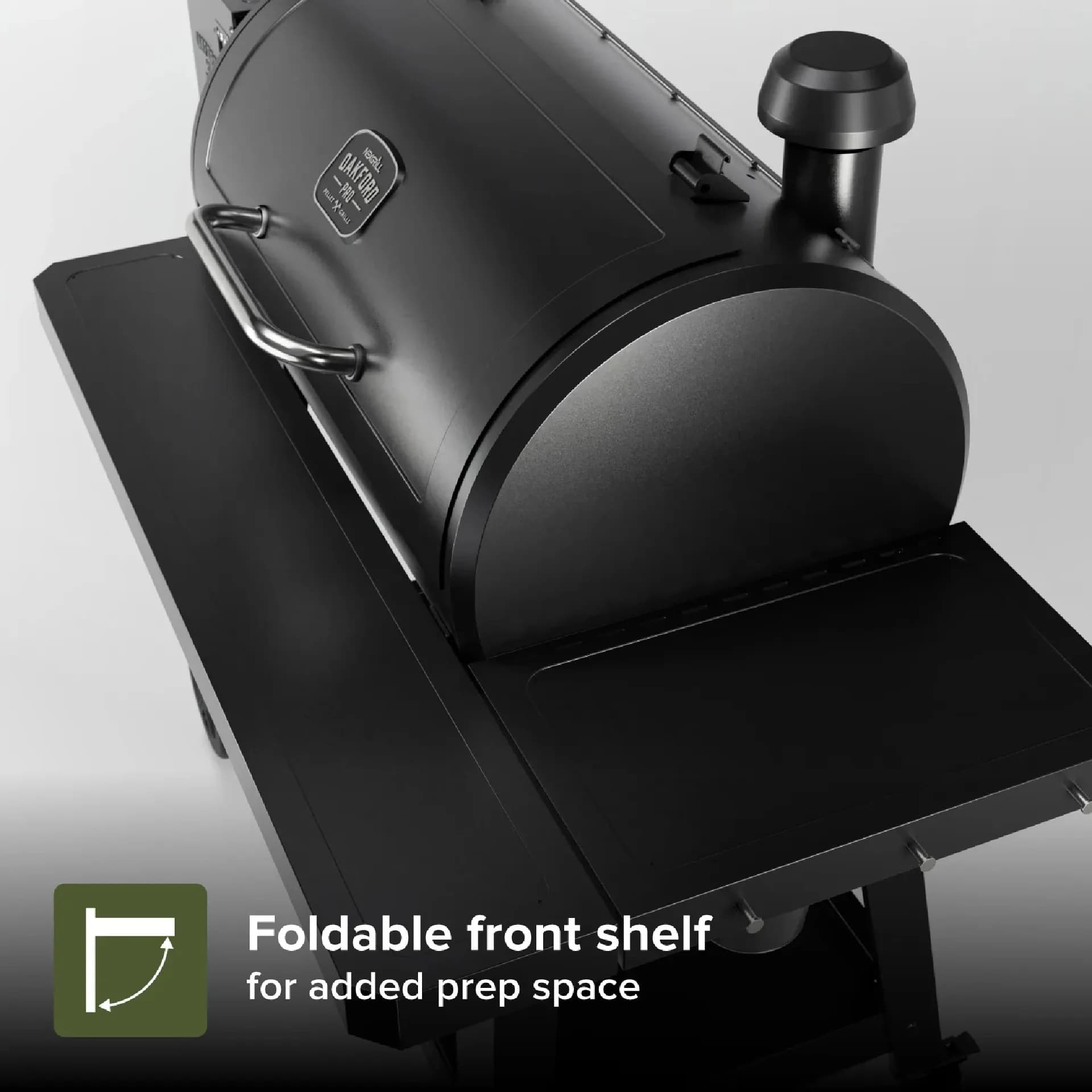
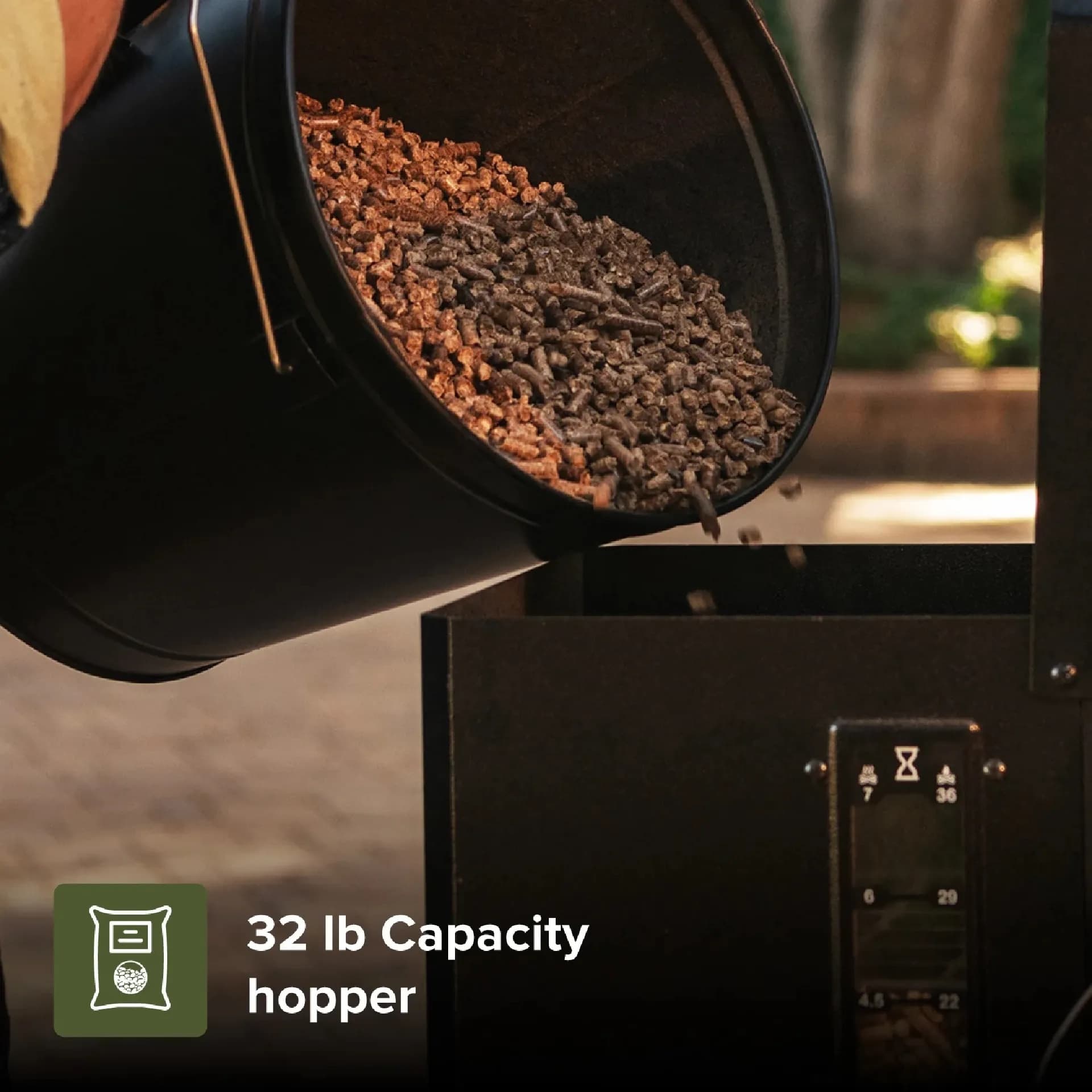
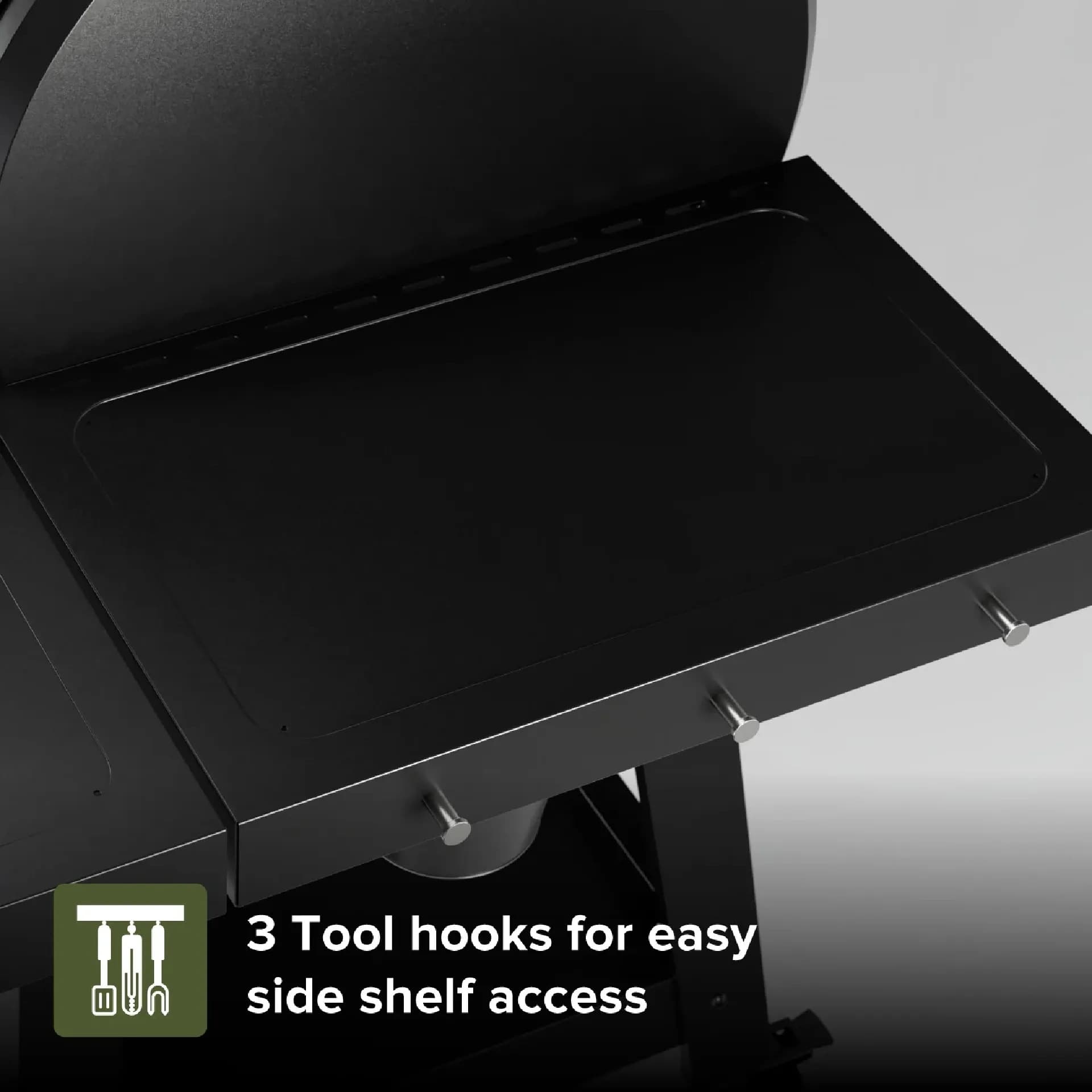
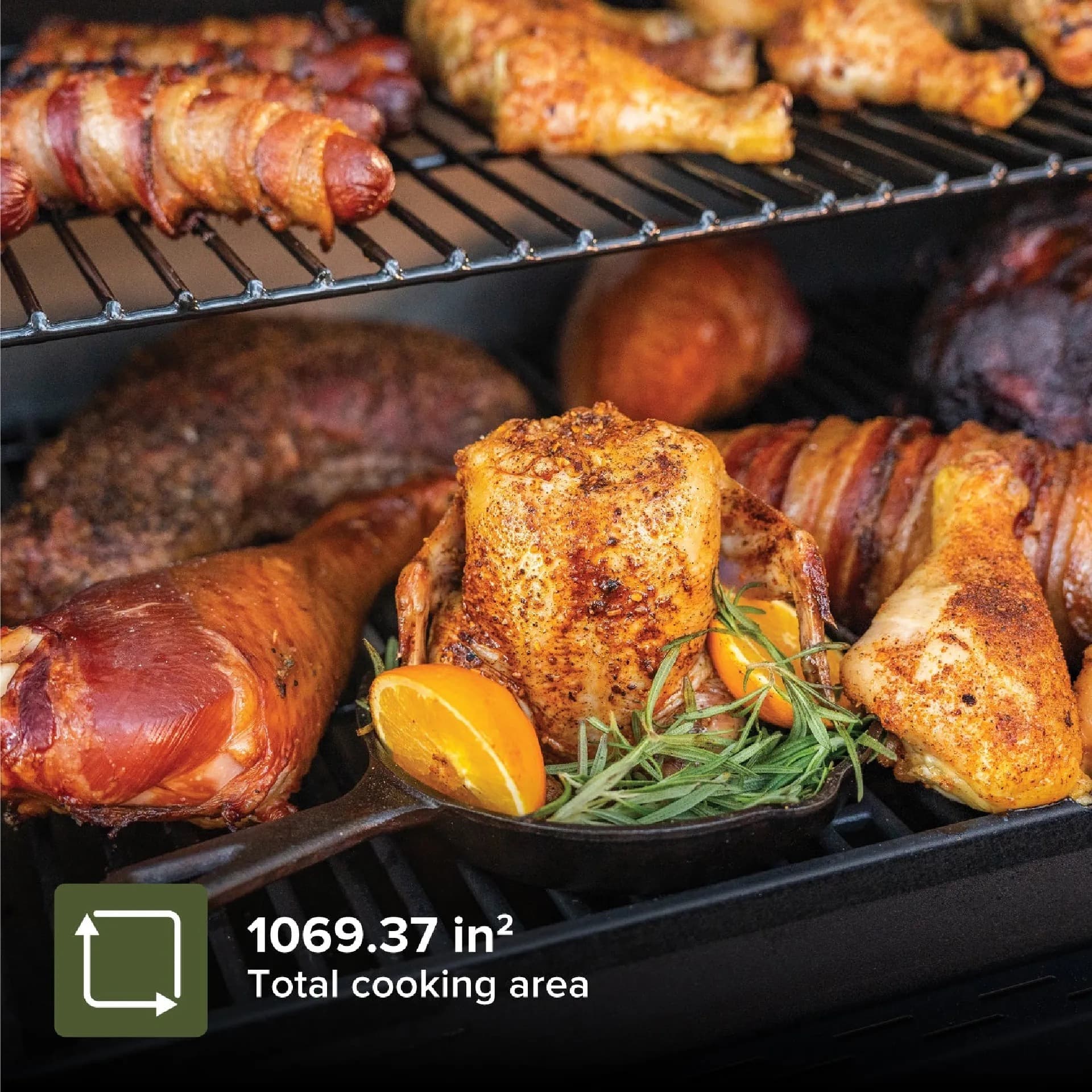
A practical buying approach is to match the grill to your actual cooking habits. If you mostly cook quick steaks and burgers and want immediate high heat, a pellet grill may feel like more appliance than you need. If you enjoy low-and-slow barbecue, weeknight roasting, and experimenting with different recipes, it can be a strong fit. Pay attention to hopper capacity, temperature range, cooking surface, and available accessories because those details determine how easy the grill will be to live with over time. The best pellet grill is not the one with the most features on paper; it is the one that fits how often you cook, how many people you feed, and how much hands-on control you want to give up.
Pellet grilling is a smart choice for cooks who want wood-fired flavor, repeatable heat, and enough flexibility to handle multiple cooking styles without switching equipment. Its strengths are clearest for people who value convenience and consistency, especially households that cook for family, friends, and larger gatherings. It is also a compelling option for cooks who want to improve outdoor cooking results without mastering the more technical aspects of fire management.
At the same time, pellet grills ask for a few compromises: a higher starting cost, access to electricity, and regular maintenance. Those trade-offs are reasonable for many buyers, but they should be acknowledged honestly. If your main priority is simple weekday meals with the least possible setup, another grill style may be better. If your priority is versatile outdoor cooking with a more polished, consistent result, pellet grilling deserves serious consideration.
Try comparing two products side by side below to see which fits best:
Once you've weighed two options against each other, the broader question is what kind of outdoor cooking experience you want to live with every week. Pellet grilling has become popular because it answers a very practical need: people want the taste and atmosphere of wood-fired cooking, but they do not always want the time commitment that comes with manually managing a live fire. That shift has made pellet grills especially attractive for households that cook often, host casually, or want a single appliance that can cover many different meals.
Nexgrill’s brand philosophy emphasizes accessibility, togetherness, and dependable outdoor cooking, which makes pellet grilling a natural extension of the category. A pellet grill supports the kind of cooking that brings people to the patio without requiring the cook to stand over the fire the entire time. It allows the host to spend more time with guests and less time adjusting vents, coals, or flames. For that reason, pellet grilling is not just about flavor. It is also about how the grill changes the rhythm of a meal and the way people gather around it.
The rise of pellet grilling also reflects how many buyers now evaluate value. They are not only asking what a grill can cook today; they are asking how many methods it can support over the long term. A pellet grill can smoke a holiday turkey, roast vegetables on a Tuesday, bake a pan of cornbread, and help with weekend meal prep. That kind of range matters because it spreads the value across more occasions. For families in the United States who cook at home regularly, that added flexibility can make the grill feel like part of the kitchen rather than a separate hobby machine.
The operating system behind a pellet grill is what makes the category distinctive. Hardwood pellets sit in a hopper, then an auger feeds them into a burn pot as needed. An ignition rod starts the fire, and the controller monitors temperature so the grill can add fuel in measured amounts. Instead of making the cook manage a fire directly, the grill handles the fuel delivery in a controlled way. That system gives pellet grills their reputation for easy startup and predictable heat.
In practice, this means the owner can set the temperature, let the grill come up to heat, and focus on food prep. The machine keeps working in the background to preserve the target range. That is a major advantage for long cooks because stable temperature is one of the biggest variables in barbecue success. It is also useful for cooks who are not trying to become fire experts. A novice can still get respectable results without the steep learning curve associated with charcoal or stick-burning techniques.
Info: A pellet grill is an outdoor appliance with moving parts and an electrical control system, so safe placement, dry storage, and routine checks are part of ownership.
That electrical aspect is worth repeating because it shapes how the grill fits into real life. If you have a patio outlet or a reliable outdoor power setup, a pellet grill can be extremely convenient. If you frequently cook where power is not available, the same system becomes harder to use. Buyers should also consider weather exposure, since protecting the controller, hopper, and internal components from unnecessary moisture helps preserve performance over time.
Pellet fuel itself also influences the cooking experience. Because the pellets are compressed hardwood, they offer a different flavor profile than gas and a more controlled burn than loose wood chunks. That makes them appealing to people who want recognizable smoke character without a lot of extra fire management. The result is a cooking style that feels both modern and traditional, which helps explain why pellet grills have found such a wide audience among backyard cooks.
Ease of use is the headline benefit, but the more important story is how that ease changes who can enjoy outdoor cooking. Pellet grills reduce the number of moving parts in the cook. There is less time spent coaxing a fire, less guessing about airflow, and less need to constantly adjust fuel. That makes the category friendlier to beginners and more efficient for experienced grillers who simply want a smoother workflow. If you want to start dinner, step away for a few minutes, and return to a grill that is still on track, pellet cooking offers a clear advantage.
Versatility is the other major reason buyers choose pellet grills. The same machine can support smoked brisket, roasted chicken, vegetables, baked potatoes, and even pizza-style cooks depending on the model and temperature capability. That broad usefulness creates real household value because it expands the kind of meals that can be handled outdoors. Instead of tying one appliance to a narrow menu, you can treat it as a flexible cooking station that handles different preparations throughout the week. For many shoppers, that is more persuasive than any single feature specification.
| What buyers value | Why pellet grills help | Typical real-world payoff |
|---|---|---|
| Repeatable results | Temperature control keeps cooks on a steadier track | Less guesswork for family dinners and weekend smokes |
| Wood-fired taste | Pellets create smoke character during the cook | More flavor depth than many standard gas setups |
| Multi-use cooking | One grill can smoke, roast, and bake | Better use of patio space and budget |
| Lower effort hosting | Automation leaves more time for guests | Less time hovering over the fire during gatherings |
Consistent temperature control is especially important in long-form barbecue, where small shifts in heat can translate into moisture loss, uneven bark, or unpredictable timing. Pellet grills are often chosen because they reduce those swings. That does not mean every model performs identically, but the category itself is built around dependable thermal management. For cooks who care about reliability, this may be the most practical benefit of all. A grill that behaves more predictably makes learning easier and meal planning less stressful.
The social side of pellet grilling should not be ignored either. Nexgrill’s brand voice centers on inclusion and gathering, and pellet grilling reinforces that by making outdoor cooking feel approachable to a broader range of users. A person who has never felt comfortable with charcoal can still host a backyard meal confidently. A more experienced cook can still experiment with smoke levels, wood varieties, and recipe planning. In both cases, the grill supports the occasion rather than overwhelming it. That is part of why pellet grills feel modern: they reduce friction without removing the fun.
Tip: Pellet grills shine when you cook meals that reward steady heat and time, such as ribs, pork shoulder, whole chickens, and vegetables that benefit from gentle smoke.
A balanced buying decision starts with acknowledging the trade-offs. Pellet grills usually cost more upfront than very basic gas or charcoal units because you are paying for the controller, auger, hopper, and more elaborate internal design. For a buyer who grills only a few times a year, that can be hard to justify. For someone who cooks regularly and wants a more capable outdoor kitchen tool, the higher entry price may be easier to accept because the grill can support a wider range of meals.
Electricity dependency is another key factor. A pellet grill needs power to operate its main systems, so you should think about where it will live and how it will be powered. For a fixed backyard setup, this is rarely a problem. For campsites, tailgates, or very remote spaces, it becomes a meaningful limitation. That does not make pellet grills less useful; it simply means they are best matched to home-based cooking environments where power access is simple.
Maintenance also deserves attention because any grill that uses real fuel and mechanical feed systems will require routine care. Ash removal, grease management, pellet storage, and periodic component checks are part of the ownership experience. Buyers should expect low-maintenance, not no-maintenance. That distinction matters because the easiest way to enjoy a pellet grill long-term is to treat it like a serious cooking appliance that benefits from regular cleaning and thoughtful storage.
When you compare models, look at hopper capacity, temperature range, cooking area, and the quality of the controller. Those details shape how the grill feels in everyday use. A larger hopper may reduce how often you refill during long cooks, while a broader temperature range can make the grill more useful for both smoke and roast-style cooking. Build quality also matters because outdoor appliances live with heat, grease, weather, and repeated use. If your goal is to make the grill part of your weekly routine, those practical details are more important than flashy marketing language.
Pellet grilling is right for people who want an easier path to wood-fired cooking without giving up versatility. It is a strong option for families, hosts, and curious home cooks who would like one grill that can do more than a single kind of meal. The category’s core strengths are clear: automated temperature management, broad cooking capability, and a user experience that is far less demanding than traditional fire-based methods.
The best pellet grill buyer is someone who will use those strengths often enough to justify the cost and power requirements. If you cook outdoors regularly, enjoy low-and-slow recipes, and want more consistency from one cook to the next, pellet grilling can be a smart fit. If your priority is maximum portability or the lowest possible purchase price, another category may be more practical. Neither answer is wrong; the key is matching the tool to the job.
For many Nexgrill shoppers, pellet grills represent a very appealing middle ground: enough technology to simplify cooking, enough wood flavor to make the results feel special, and enough flexibility to support real family meals. That combination is why the category continues to grow. It solves more than one problem at once, and in outdoor cooking, that is often what makes a product worth owning.
Here's what sets us apart
We position ourselves as delivering high-end outdoor cooking features and performance without premium-brand pricing, emphasizing “Quality Grills. Unbelievable Value.”
We offer gas grills, pellet grills, griddles, smokers, pizza ovens, portable/tabletop grills, electric grills, accessories, and replacement parts — allowing customers to stay within one ecosystem for all outdoor cooking needs.
We differentiate ourselves through smart grilling products like the Oakford smart pellet grill, including app-connected cooking controls and modern outdoor cooking technology.
Don't just take our word for it
Keep reading
From our catalog