Discover how different wood pellets enhance your grilling experience.
Here's what sets us apart from the competition
We position ourselves as delivering high-end outdoor cooking features and performance without premium-brand pricing, emphasizing “Quality Grills. Unbelievable Value.”
We offer gas grills, pellet grills, griddles, smokers, pizza ovens, portable/tabletop grills, electric grills, accessories, and replacement parts — allowing customers to stay within one ecosystem for all outdoor cooking needs.
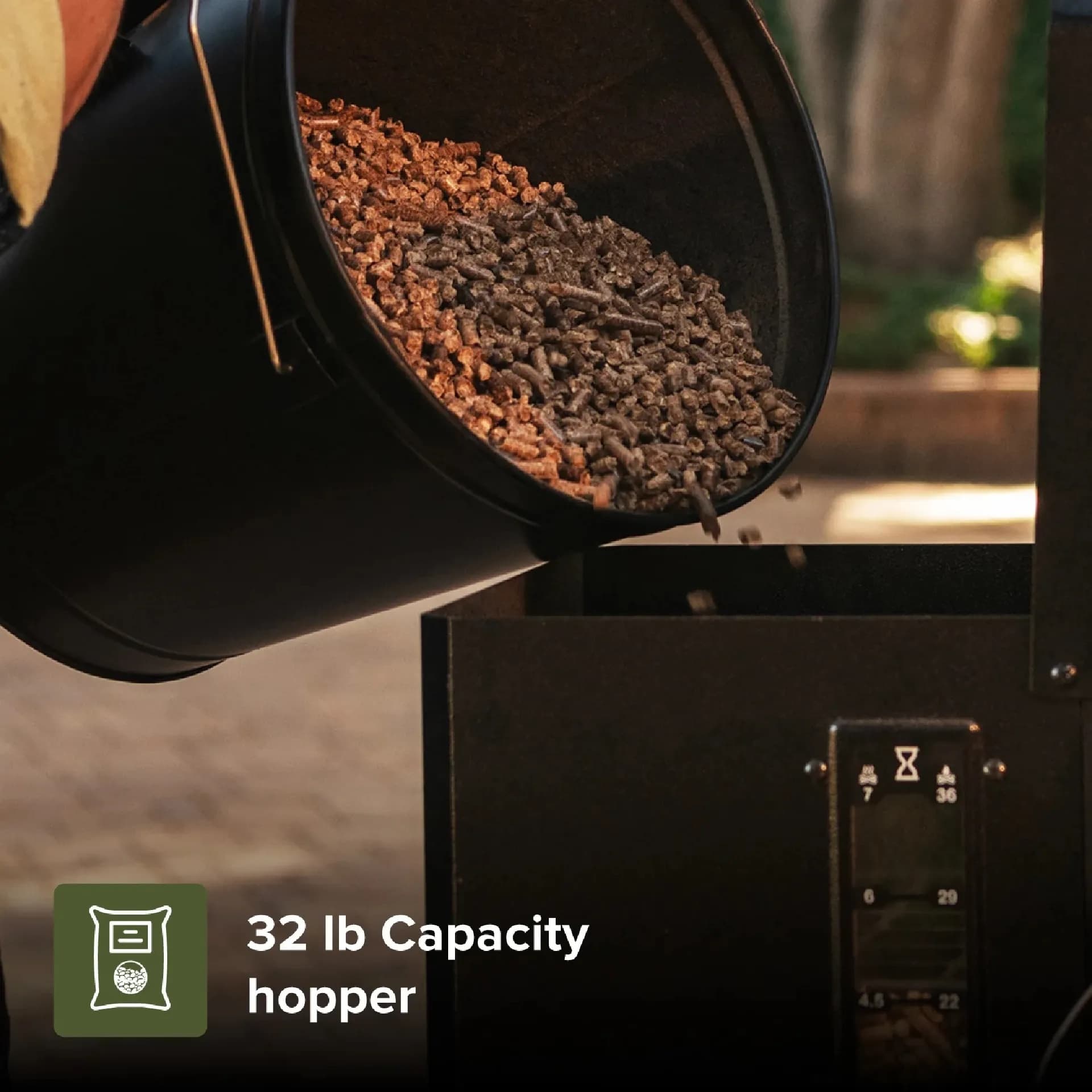
We differentiate ourselves through smart grilling products like the Oakford smart pellet grill, including app-connected cooking controls and modern outdoor cooking technology.
Expert tips, buying guides, comparisons, and inspiration for choosing and getting the most out of your grill.

Practical guides for cleaning, maintenance, common grill issues, and performance optimization.
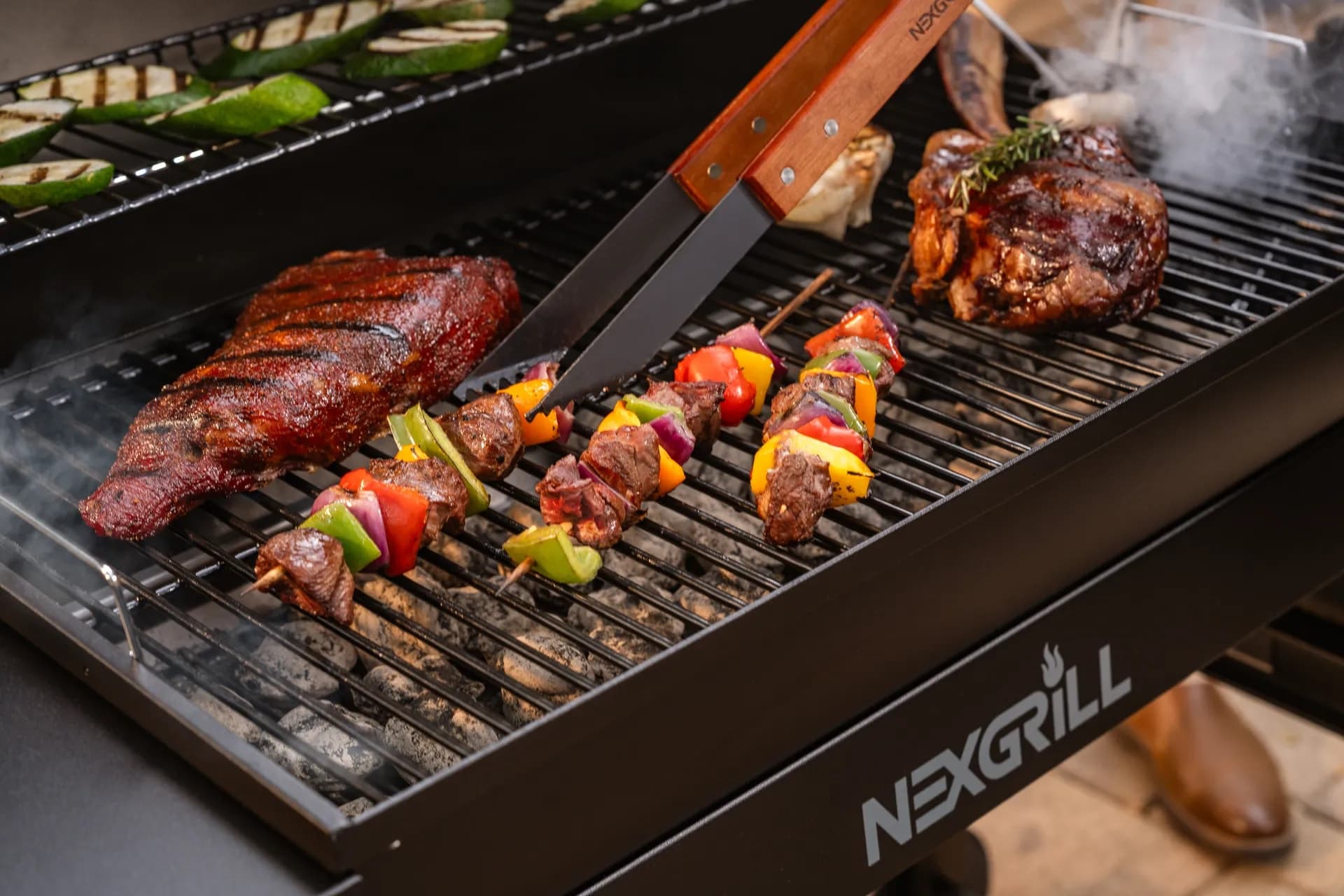
Step-by-step grilling recipes, cooking techniques, and meal ideas for every occasion and skill level.

Backyard entertaining ideas, seasonal grilling inspiration, and stories that celebrate outdoor cooking culture.
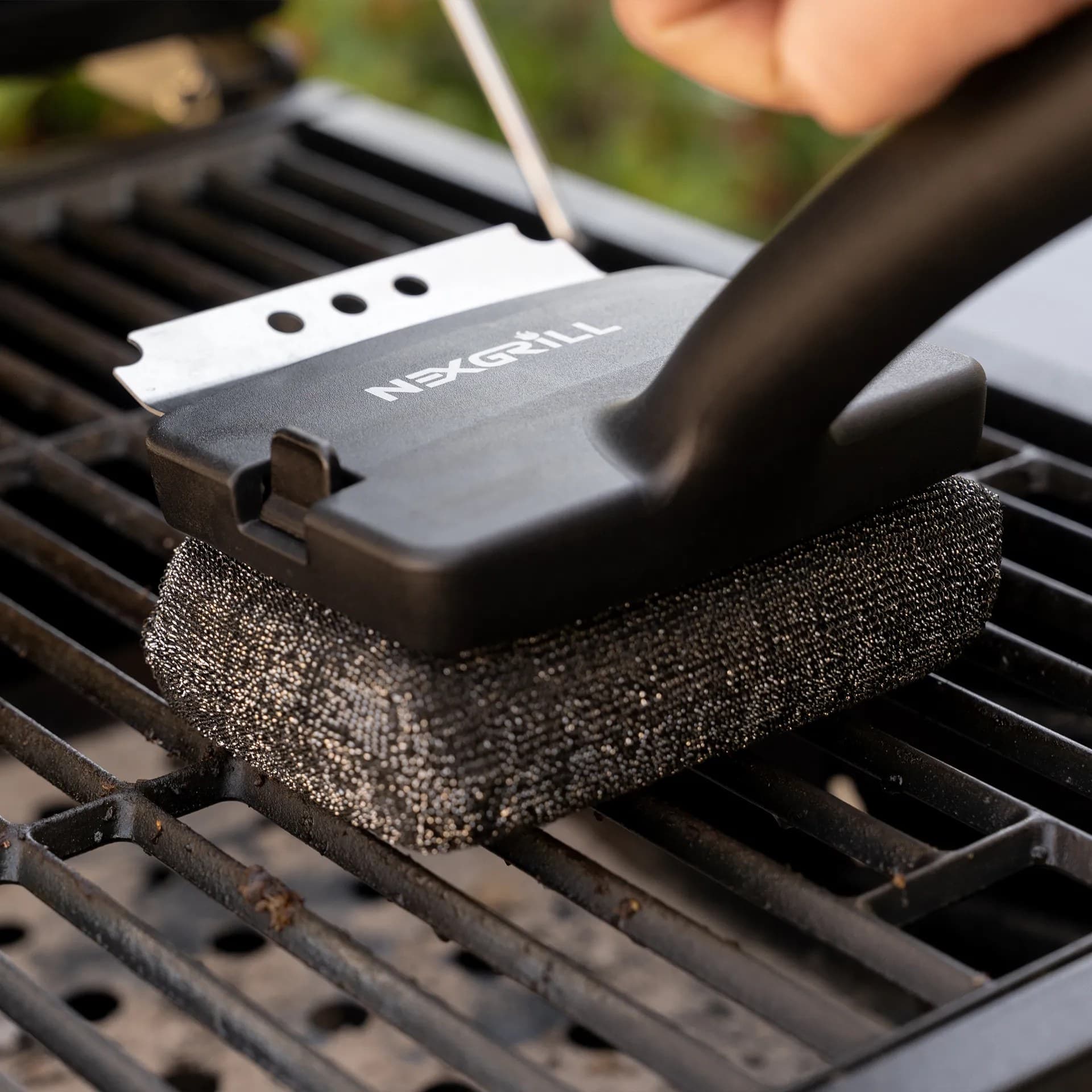
Helpful articles covering grilling tools, cookware, maintenance gear, and must-have accessories for outdoor cooking.
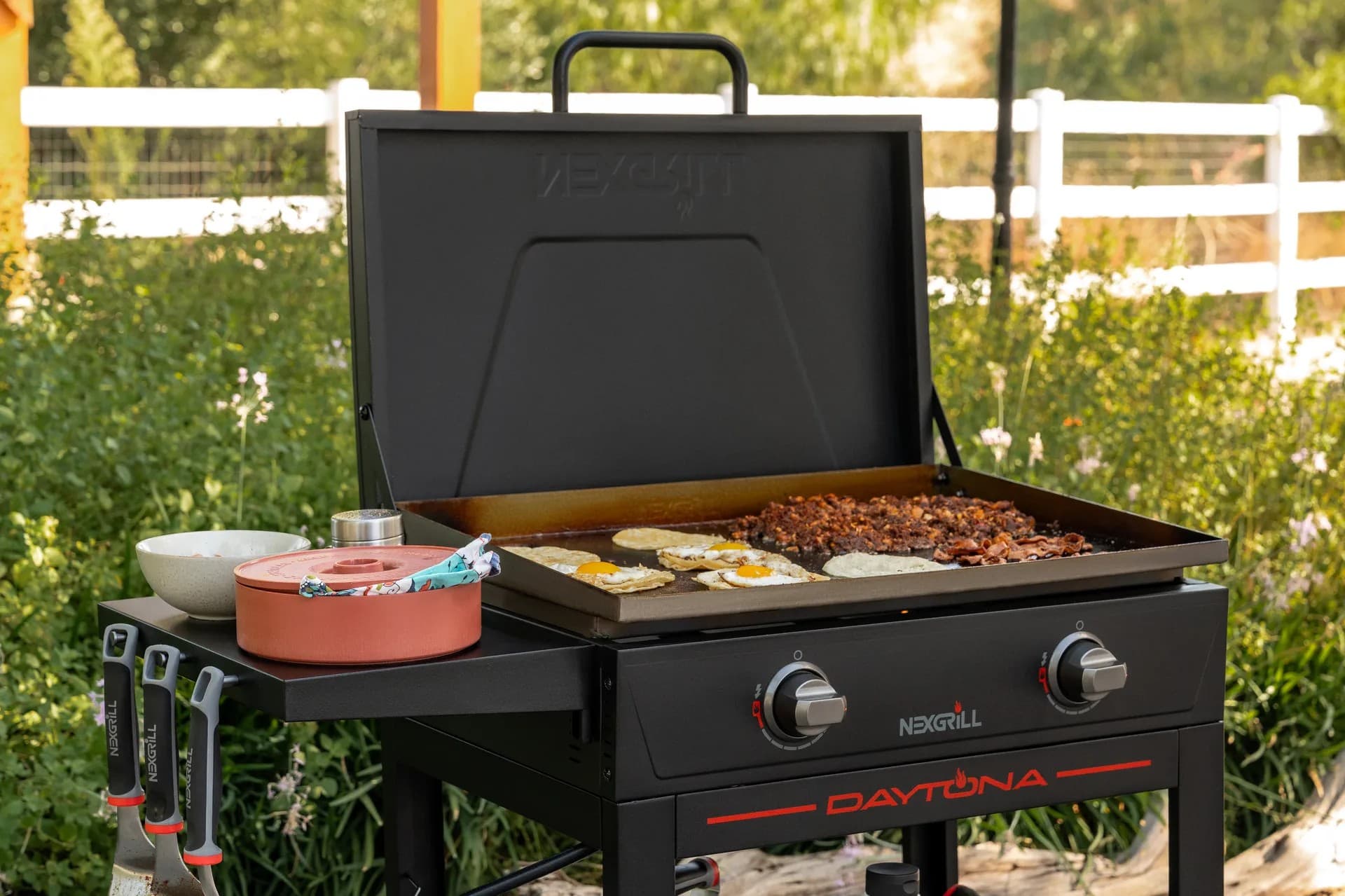
Find griddle recipes, cooking techniques, cleaning tips, and outdoor meal ideas designed for Nexgrill griddles.
Find answers to common questions
Pellet grills offer versatility by allowing you to smoke, grill, and bake with precise temperature control. They use wood pellets as fuel, providing a unique flavor to your food that is difficult to achieve with other types of grills.
Consider factors such as cooking capacity, temperature range, and additional features like digital controls or Wi-Fi connectivity. Assessing your cooking habits and space availability can also help in selecting a suitable model.
You can use a variety of food-grade wood pellets, including oak, hickory, mesquite, cherry, and apple. Each type of wood imparts a different flavor to your food, allowing for a unique grilling experience.
Regular cleaning involves emptying the ash pan, cleaning the heat diffusers, and wiping down the exterior. It's also important to check for any pellet obstructions in the hopper and ensure the grill's components are in good working order.
Nexgrill pellet grills are designed to smoke effectively, offering low-temperature settings to infuse food with rich, smoky flavors. They also provide adjustable temperature controls to suit various cooking styles.
In This Article
Types of Wood Pellets
Flavor Benefits
Choosing the Right Pellet
Wood pellet flavor is one of the easiest ways to shape the personality of a pellet grill meal, but it is often misunderstood as a simple matter of “smoke vs. no smoke.” In practice, the flavor you get from pellets depends on the wood species, how intensely the pellets burn, the food’s fat content, cooking time, and even how much airflow the cooker maintains. Nexgrill’s brand approach emphasizes accessible, approachable outdoor cooking, and that matters here because pellet flavor should feel manageable, not mysterious. The goal is not to overwhelm a steak, chicken breast, or tray of vegetables with smoke. The goal is to build a clean, layered taste that supports the food and the people eating it.
A useful way to think about wood pellet flavor is in three layers. First is aroma, which you notice immediately when smoke rises from the grill. Second is surface flavor, the light smokiness that clings to the outer crust of the food. Third is finish, the aftertaste that lingers after the first bite. Mild woods usually add a subtle, sweet aroma and a gentle finish. Stronger woods create more assertive smoke and can stand up to heavier proteins. This is why the same pellet that works beautifully for salmon may overpower a delicate vegetable medley if used too aggressively.
Pellet flavor is not only about the wood itself. Time, temperature, and airflow all influence how much smoke actually reaches the food.
For a pellet grill owner, understanding flavor also means understanding expectations. Pellet grills are known for steady heat and convenience, and the smoke profile is typically cleaner and more controlled than a traditional stick burner. That makes pellet cooking especially good for cooks who want consistency from backyard chicken dinners to weekend pork ribs. If your idea of great barbecue is a balanced smoke profile that does not dominate the plate, pellets are a smart fit. If you want extremely intense smoke, you may need longer cook times, a lower starting temperature, or a wood choice with more assertive character.
Core flavor layers to evaluate: aroma, surface smoke, and finish.
The best part is that wood pellet flavor can be matched to the meal and the moment. A mild fruitwood can make a weeknight dinner feel polished without effort. A stronger hardwood can turn an ordinary brisket into something more memorable. That flexibility is why pellet grilling works so well for households that cook both casually and enthusiastically. It supports quick meals, long smoking sessions, and hybrid cooks where the goal is a crisp sear followed by a steady smoke finish. When you know what each pellet category contributes, you stop choosing pellets by habit and start choosing them by intention.
Different pellet woods bring different flavor signatures, and the most useful way to compare them is by strength, sweetness, and best-fit foods. In a Nexgrill-style outdoor cooking setup, that means picking a pellet the same way you would choose a seasoning: based on the dish, not just the package. The common wood categories can be grouped into mild fruitwoods, medium hardwoods, and bolder smoking woods. Each has a distinct role.
| Wood pellet type | Flavor profile | Best use cases |
|---|---|---|
| Apple | Mild, slightly sweet, fruity | Chicken, pork loin, turkey, vegetables |
| Cherry | Sweet, gentle, with a warm color payoff | Pork, poultry, salmon, glazed dishes |
| Hickory | Classic, smoky, moderately strong | Ribs, pork shoulder, beef, burgers |
| Mesquite | Bold, earthy, intense | Steaks, fajitas, short cooks at high heat |
| Maple | Soft sweetness, rounded smoke | Pork, nuts, baked sides, poultry |
| Oak | Balanced, medium smoke, versatile | Brisket, beef roast, mixed barbecue cooks |
Fruitwoods like apple and cherry are popular because they are forgiving. They add flavor without demanding advanced technique, which is helpful for newer pellet grill owners or cooks preparing lighter proteins. Apple pellets tend to read as clean and slightly sweet, making them a natural partner for chicken thighs, turkey breast, and pork tenderloin. Cherry is similar in strength but often gives food a richer, more rounded feel and can help the bark or surface color appear deeper. For many home cooks, cherry is a reliable “middle ground” pellet because it offers more presence than apple without getting harsh.
Hickory and oak sit in the heart of traditional barbecue flavor. Hickory is the wood many people associate with classic smoked meat. It can give pork ribs and shoulders a familiar barbecue identity, but it needs balance; too much hickory on a delicate cut can become heavy. Oak is one of the most versatile options because it tends to sit between gentle and bold. That makes it a smart everyday pellet for cooks who want a dependable smoke note that works across beef, pork, and larger poultry cuts. If you only want to stock one workhorse pellet, oak is often the easiest choice to live with.
Mesquite is the most assertive of the common choices. It shines when you want a strong, savory smoke in a short cooking window, especially for steak, skirt steak, or Tex-Mex style grilling. But its intensity can become a drawback if you cook it low and slow for too long. The smoke can turn sharp or bitter if overused, especially on foods that absorb smoke quickly. That is why mesquite is best treated as a precision wood rather than an all-purpose pellet. Maple, meanwhile, brings a softer sweetness and works well when you want a subtle finish that supports, rather than defines, the dish.
The biggest benefit of wood pellets is control. Pellets let you add smoke flavor in a more measured way than logs or chunks, and that consistency is valuable for home cooks who want repeatable results. You can pair the same pellet with different cuts, adjust cook time, and still get dependable smoke character. That matters especially when cooking for family gatherings, because people tend to notice when barbecue tastes balanced and confident. Wood pellet flavor also gives you flexibility across different cuisines, from classic barbecue to glazed salmon, roasted vegetables, or even baked side dishes cooked on the grill.
Another benefit is convenience. Pellet grilling makes it easier to cook with wood flavor without constantly managing a fire. The result is less babysitting and more time spent actually cooking or enjoying the meal. For many households, that is the difference between grilling once in a while and using the grill as a regular weeknight tool. Pellets also make it easier to create layered menus. A cook can smoke chicken breasts, roast vegetables, and finish cornbread or potatoes in the same session while keeping flavor themes coherent.
If you want smoke flavor that is noticeable but not overpowering, pellets are often the most approachable entry point into wood-fired cooking.
Pellets also support experimentation without major risk. Because flavor intensity changes by wood type, you can start mild and work toward stronger profiles as your confidence grows. That is useful for cooks who are still learning how smoke interacts with different meats. It also helps when entertaining diverse groups. One guest may love a strong hickory profile on ribs, while another prefers a lighter apple smoke on chicken. With pellets, you can plan meals around those differences instead of forcing one flavor style on every dish.
For Nexgrill owners and shoppers exploring pellet grilling, the practical advantage is that flavor is part of the equipment’s versatility, not an afterthought. Pellet grilling is well suited to weeknight cooking, weekend gatherings, and recipes that need a consistent, controllable smoke note. That makes wood pellets an appealing choice for both beginners and experienced backyard cooks. Try comparing two products side by side below to see which fits best:
Once you have compared two pellet grill options, the next decision is usually the pellets themselves. Choosing the right wood pellets starts with the food you cook most often and the smoke intensity you enjoy. A smart pellet choice does not force every meal into the same flavor lane. Instead, it gives you a dependable base that can either stay subtle or be pushed toward a stronger profile when the recipe calls for it. In practical terms, that means your best pellet is not always the boldest one. It is the one that makes your most common meals taste better without making them taste crowded.
For chicken, turkey, pork tenderloin, and vegetables, fruitwoods such as apple and cherry are usually the easiest starting point. They add character while preserving the food’s natural flavor. For beef, ribs, and pork shoulder, oak and hickory often provide the right backbone because they can stand up to richer meat without disappearing. If you cook steaks, fajitas, or fast-seared foods, mesquite can be a useful accent when you want a sharper smoke note in a shorter cook. If your style changes often, oak is the best “middle lane” pellet because it is versatile enough for mixed menus and less likely to clash with sauces or rubs.
| Cooking goal | Best pellet direction | Why it works |
|---|---|---|
| Subtle everyday grilling | Apple, maple, or cherry | Adds light smoke without overwhelming simple weeknight meals |
| Classic barbecue flavor | Hickory or oak | Delivers a familiar smoke backbone for ribs, pork, and beef |
| Bold Texas-style profile | Mesquite or oak-mesquite blend | Creates a sharper, more assertive smoke finish |
| Flexible all-purpose use | Oak | Balanced enough for frequent use across many recipes |
A helpful way to narrow your choice is to think about frequency. If you grill several times a week, choose a pellet that is versatile and friendly to different recipes. If you mostly smoke one or two signature dishes, choose a pellet that shines specifically with those foods. Another factor is sauce and rub intensity. Sweet or heavily seasoned sauces pair best with pellets that do not add too much own-character, such as apple, cherry, or oak. Pepper-heavy rubs and savory bark benefit from stronger woods that can keep the final bite from feeling flat.
If you are unsure, start with oak or cherry before moving to mesquite. It is easier to add smoke character later than to correct an overly bold profile.
Combining pellets is a practical way to create a signature flavor profile without being locked into a single wood. Blending works best when you treat one pellet as the base and one as the accent. The base wood sets the overall tone, while the accent adds personality. For example, oak can anchor a blend and apple can soften it, or hickory can be balanced by cherry to make the smoke rounder and less aggressive. This approach is especially useful for cooks who enjoy adjusting flavor from one session to the next rather than using the same note every time.
A simple blend strategy is to combine equal parts of a mild wood and a medium-strength wood. Oak plus cherry can create a balanced smoke that works well for ribs, pork chops, and roast chicken. Apple plus hickory can make poultry taste more substantial without becoming too heavy. If you want a bolder profile, use a stronger wood as a smaller accent instead of the base. That helps keep the smoke readable rather than muddy. For instance, a mostly oak blend with a smaller amount of mesquite can work well for beef cooks where you want extra punch but not an all-mesquite profile.
Blending also lets you tailor smoke to the cut. Lean foods, such as chicken breast or white fish, need a lighter hand because they absorb smoke quickly and can be overpowered. Fatty or collagen-rich foods, such as brisket and pork shoulder, tolerate stronger smoke over long cooks. If your grill sessions often include multiple foods at once, a blend can be more useful than a single-variety pellet because it keeps the whole menu in balance. That matters for family-style cooking where one cook might span vegetables, protein, and a side dish on the same grill.
Blends are most effective when you keep one wood dominant. Equal parts is a starting point, not a rule.
To get the best wood pellet flavor, start with dry pellets that are stored in a sealed container away from moisture. Pellets that absorb humidity can swell, break apart, and burn inconsistently, which can affect both heat stability and smoke quality. It also helps to keep different pellet types labeled so you know exactly what you are loading into the hopper. That sounds simple, but it prevents accidental blends and makes it easier to replicate a result you liked.
Temperature choice matters too. Lower and slower cooks generally produce more noticeable smoke, while higher temperature cooks lean more toward clean heat than pronounced smoke. If you want a deeper smoke profile, start early in the cook when the meat surface is cooler and more receptive to flavor. Once the exterior sets, smoke uptake naturally slows. That is why many pellet cooks notice the strongest flavor in the first part of the session. It is also why preheating properly is important: a stable cooker gives you a more predictable flavor result.
Airflow and cleanliness are equally important. Grease buildup or ash accumulation can interfere with combustion quality and create off flavors. Regularly cleaning the fire pot, drip areas, and cooking chamber helps preserve the clean profile that pellet grilling is known for. If you cook frequently, rotate between pellet types intentionally rather than mixing leftovers in the hopper without a plan. This makes it easier to learn which flavor profile works best for your go-to recipes.
Best habit: keep pellets dry, labeled, and matched to the cut you are cooking.
For more detailed pellet-flavor comparisons, you can review established pellet flavor guides from barbecue and grill specialists, including Smoking Meat, Grilling Companion, and Traeger, which discuss common wood types and their flavor tendencies. See the Sources below for reference material on pellet flavor profiles and selection guidance. The main takeaway is simple: the right pellet is the one that complements your food, your frequency of use, and your comfort level with smoke. When you treat pellets as a flavor tool instead of a one-size-fits-all fuel, your pellet grill becomes far more flexible and rewarding.
Here's what sets us apart
We position ourselves as delivering high-end outdoor cooking features and performance without premium-brand pricing, emphasizing “Quality Grills. Unbelievable Value.”
We offer gas grills, pellet grills, griddles, smokers, pizza ovens, portable/tabletop grills, electric grills, accessories, and replacement parts — allowing customers to stay within one ecosystem for all outdoor cooking needs.
We differentiate ourselves through smart grilling products like the Oakford smart pellet grill, including app-connected cooking controls and modern outdoor cooking technology.
Don't just take our word for it
Keep reading
From our catalog