A comprehensive guide to understanding the unique benefits of pellet grills in your backyard.
Here's what sets us apart from the competition
We position ourselves as delivering high-end outdoor cooking features and performance without premium-brand pricing, emphasizing “Quality Grills. Unbelievable Value.”
We offer gas grills, pellet grills, griddles, smokers, pizza ovens, portable/tabletop grills, electric grills, accessories, and replacement parts — allowing customers to stay within one ecosystem for all outdoor cooking needs.
We differentiate ourselves through smart grilling products like the Oakford smart pellet grill, including app-connected cooking controls and modern outdoor cooking technology.
Expert tips, buying guides, comparisons, and inspiration for choosing and getting the most out of your grill.
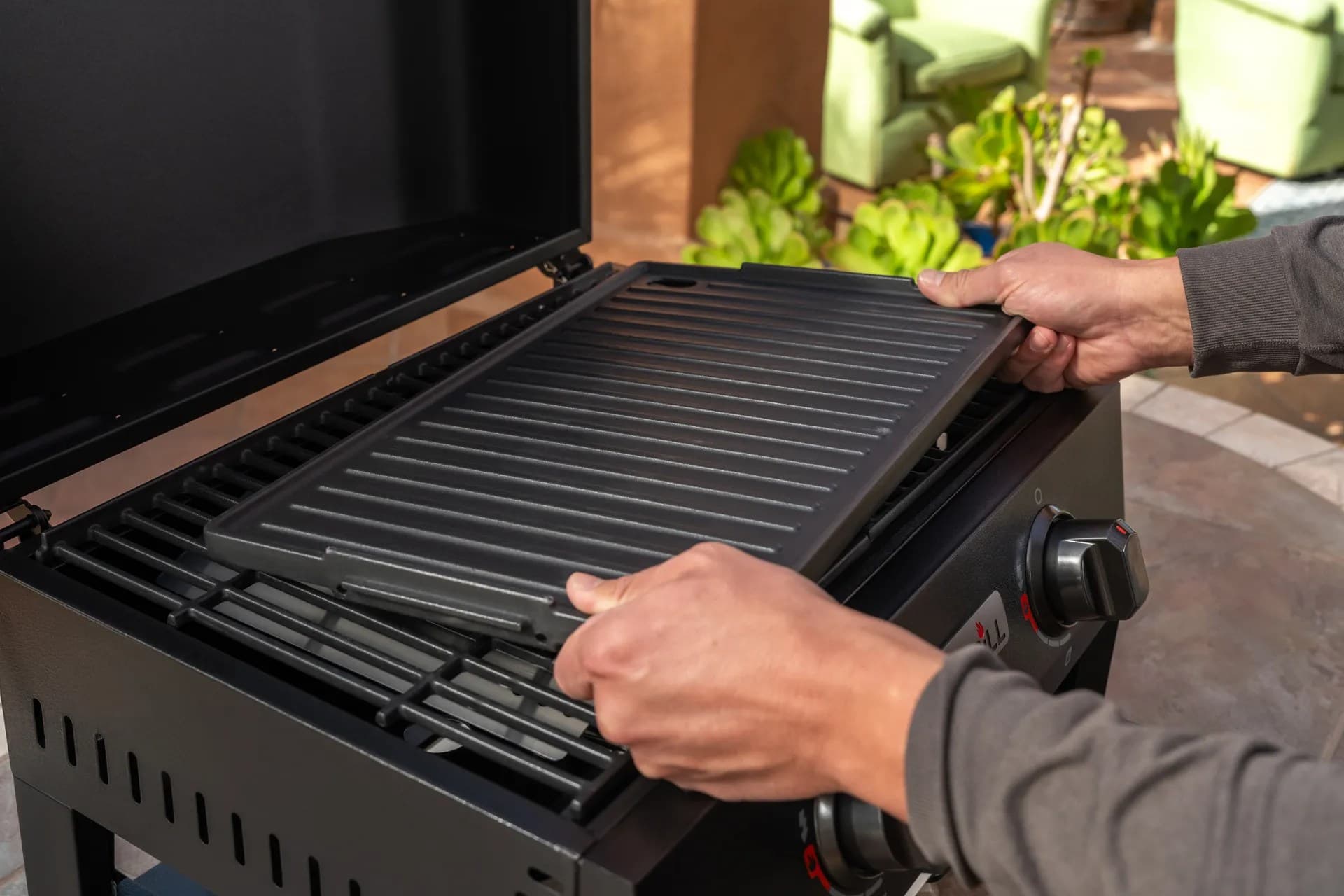
Practical guides for cleaning, maintenance, common grill issues, and performance optimization.
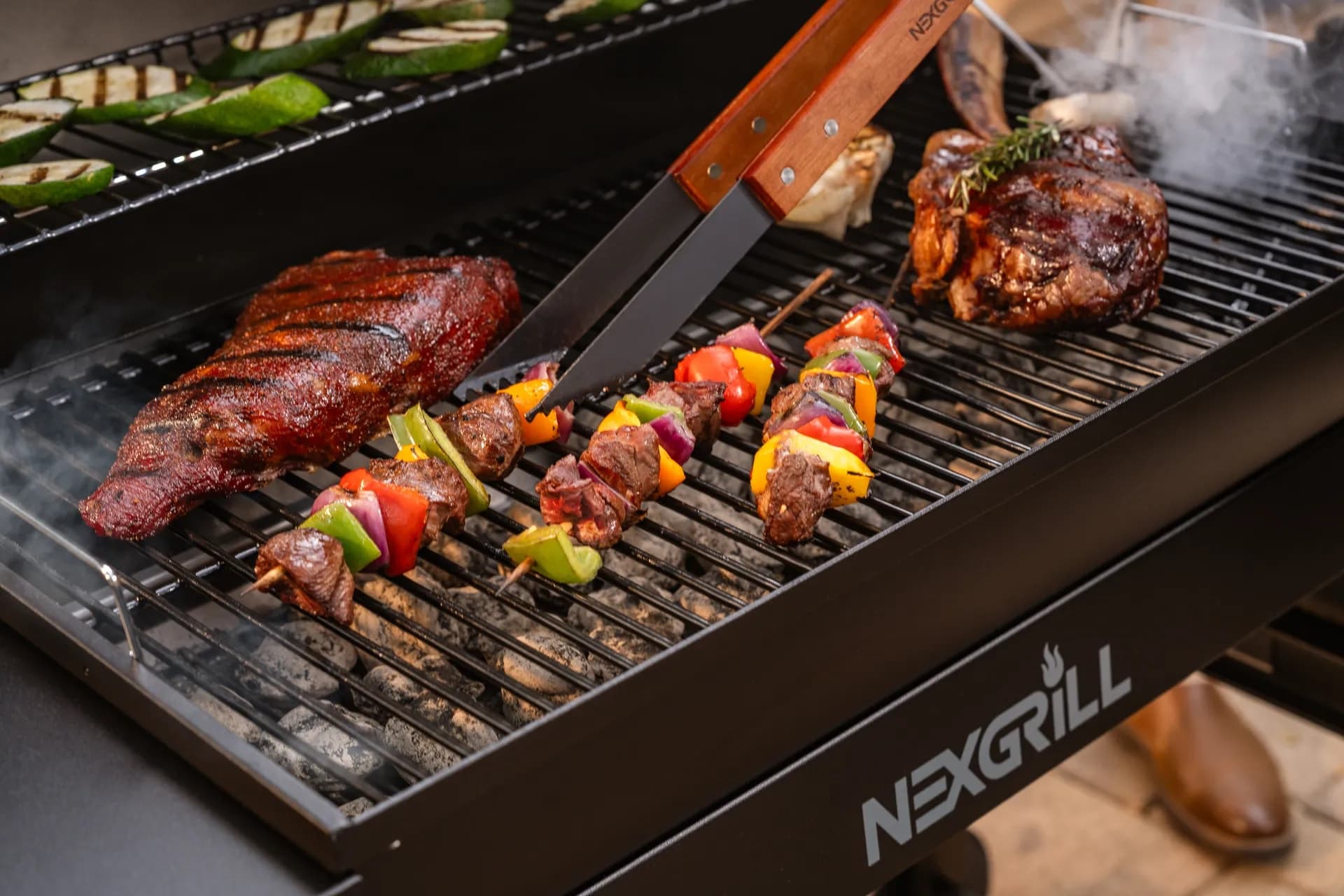
Step-by-step grilling recipes, cooking techniques, and meal ideas for every occasion and skill level.

Backyard entertaining ideas, seasonal grilling inspiration, and stories that celebrate outdoor cooking culture.
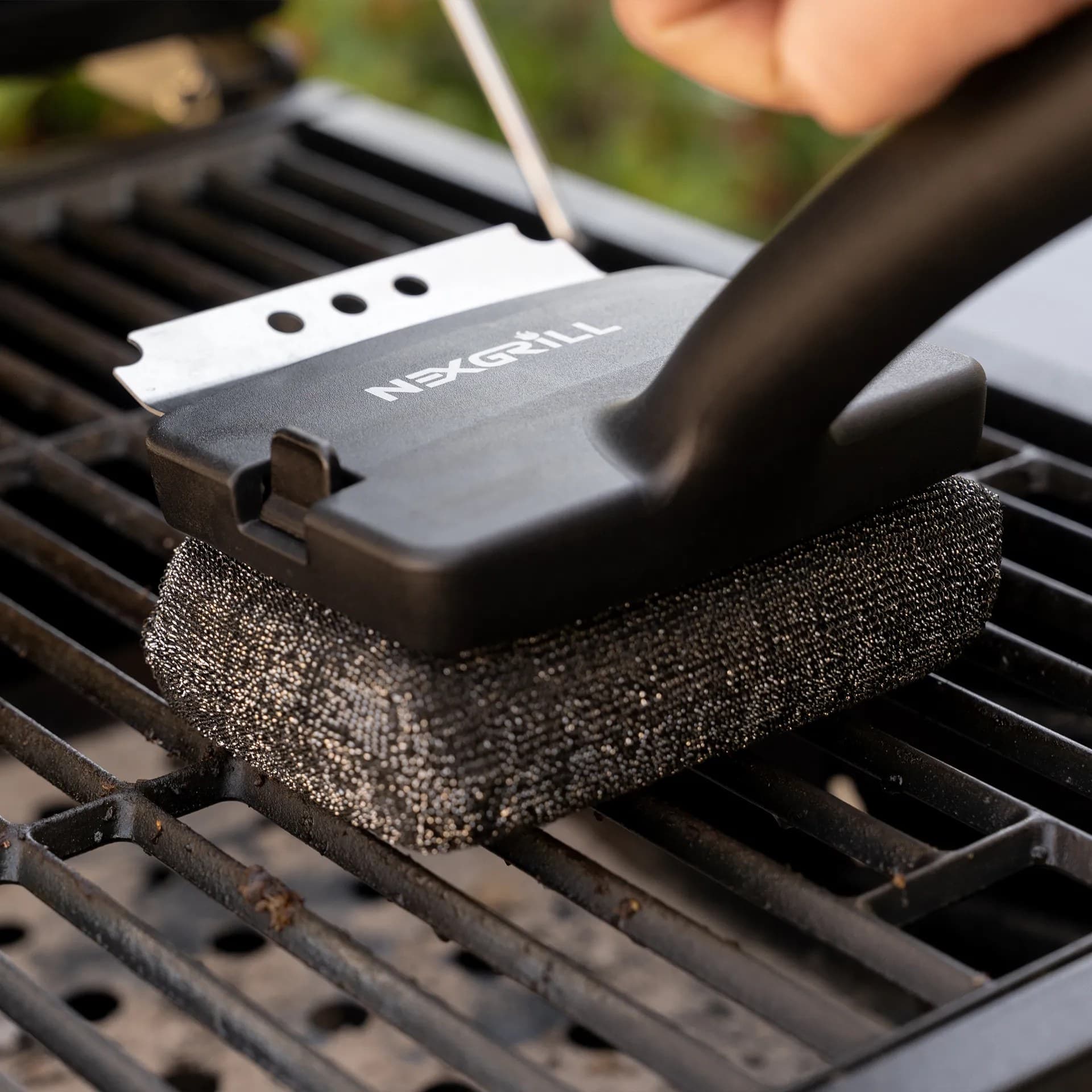
Helpful articles covering grilling tools, cookware, maintenance gear, and must-have accessories for outdoor cooking.
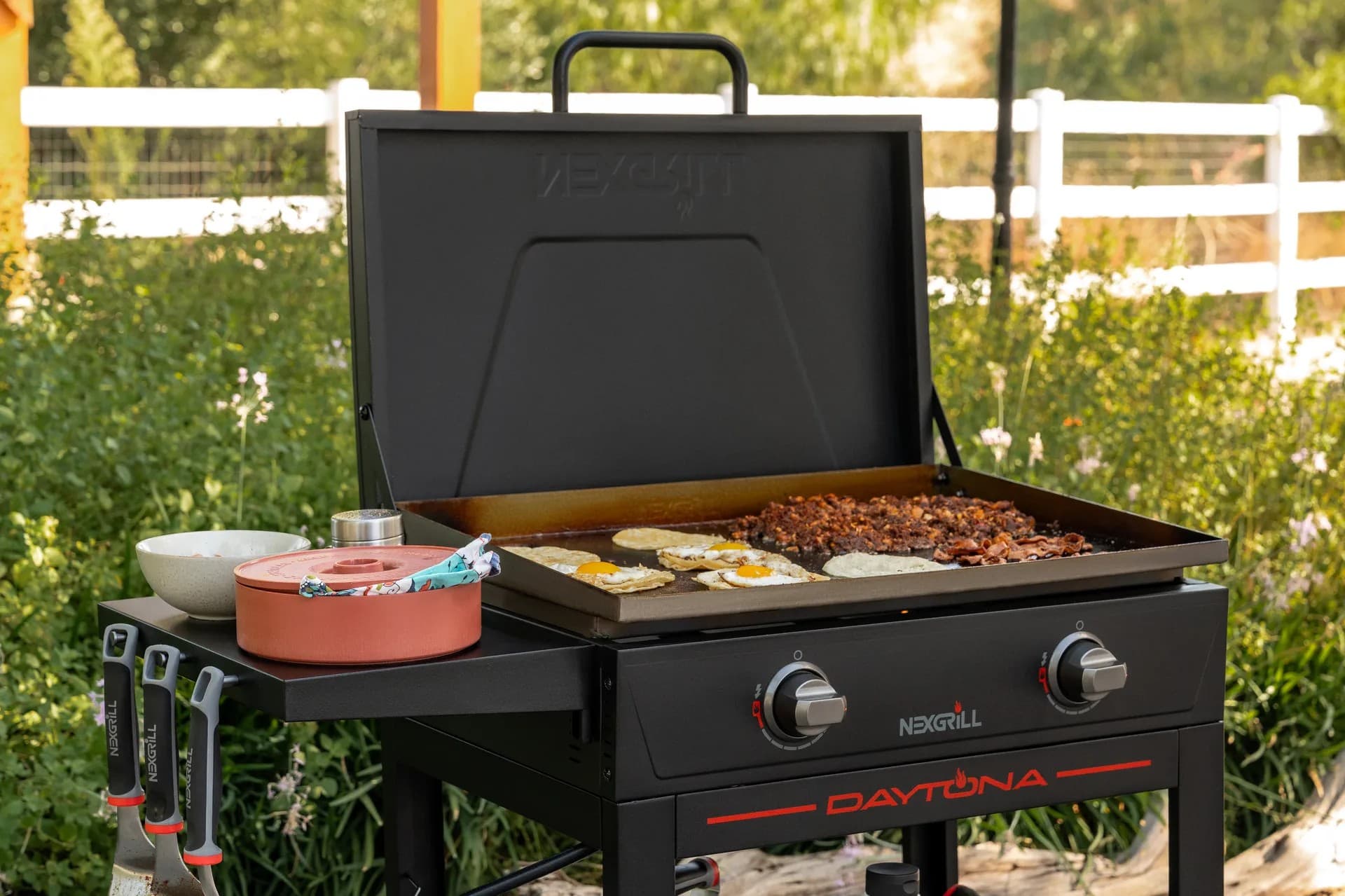
Find griddle recipes, cooking techniques, cleaning tips, and outdoor meal ideas designed for Nexgrill griddles.
Find answers to common questions
Pellet grills offer versatility by allowing you to smoke, grill, and bake with precise temperature control. They use wood pellets as fuel, providing a unique flavor to your food that is difficult to achieve with other types of grills.
Consider factors such as cooking capacity, temperature range, and additional features like digital controls or Wi-Fi connectivity. Assessing your cooking habits and space availability can also help in selecting a suitable model.
You can use a variety of food-grade wood pellets, including oak, hickory, mesquite, cherry, and apple. Each type of wood imparts a different flavor to your food, allowing for a unique grilling experience.
Regular cleaning involves emptying the ash pan, cleaning the heat diffusers, and wiping down the exterior. It's also important to check for any pellet obstructions in the hopper and ensure the grill's components are in good working order.
Nexgrill pellet grills are designed to smoke effectively, offering low-temperature settings to infuse food with rich, smoky flavors. They also provide adjustable temperature controls to suit various cooking styles.
In This Article
Effortless Cooking
Versatile Cooking Methods
Consistent Results
Pellet grills have earned their place in backyards because they solve a problem many home cooks recognize: how to get real wood-fired flavor without turning every cook into a project. In the simplest terms, pellet grills combine the hands-off convenience of an automated cooker with the flavor profile people expect from wood fuel. That combination has made them especially appealing to families who want dependable weeknight dinners, weekend hosts who cook for a crowd, and newer grillers who want better results without a steep learning curve.
What makes pellet grills stand out is not that they do one thing better than every other grill type. It is that they let you do several kinds of cooking well on one appliance. A pellet grill can smoke ribs low and slow, roast chicken with crisp skin, bake a pan of cornbread, or sear a steak after a long preheat. For many buyers, that flexibility matters more than owning separate tools for smoking, roasting, and baking. Nexgrill’s Oakford line reflects that idea by focusing on smoke-forward, user-friendly outdoor cooking that fits into real routines rather than demanding restaurant-level babysitting. Nexgrill’s brand approach centers on making outdoor cooking more approachable and communal, which lines up naturally with the way pellet grills are used for relaxed gatherings and shared meals
The rise of pellet grills also fits a larger shift in how people cook outdoors. Many households want more repeatable results than charcoal alone can deliver, but they do not want to give up the taste dimension that live fire provides. Pellet grills bridge that gap. They are not about chasing hype or complicated technique; they are about consistency, clean temperature control, and wood smoke that can be tailored to the food. That practical positioning is why pellet grills keep showing up in buying guides and consumer research as a serious option for everyday outdoor cooking, not just a niche smoker for competition cooks or barbecue hobbyists.
Can cover smoking, roasting, baking, and everyday grilling in one backyard setup.
If you are deciding whether a pellet grill belongs in your outdoor setup, the most useful question is not “Can it replace everything?” It is “Does it make the kinds of meals I actually cook easier and better?” For many households, the answer is yes, especially when the goal is dependable flavor with less effort and more control.
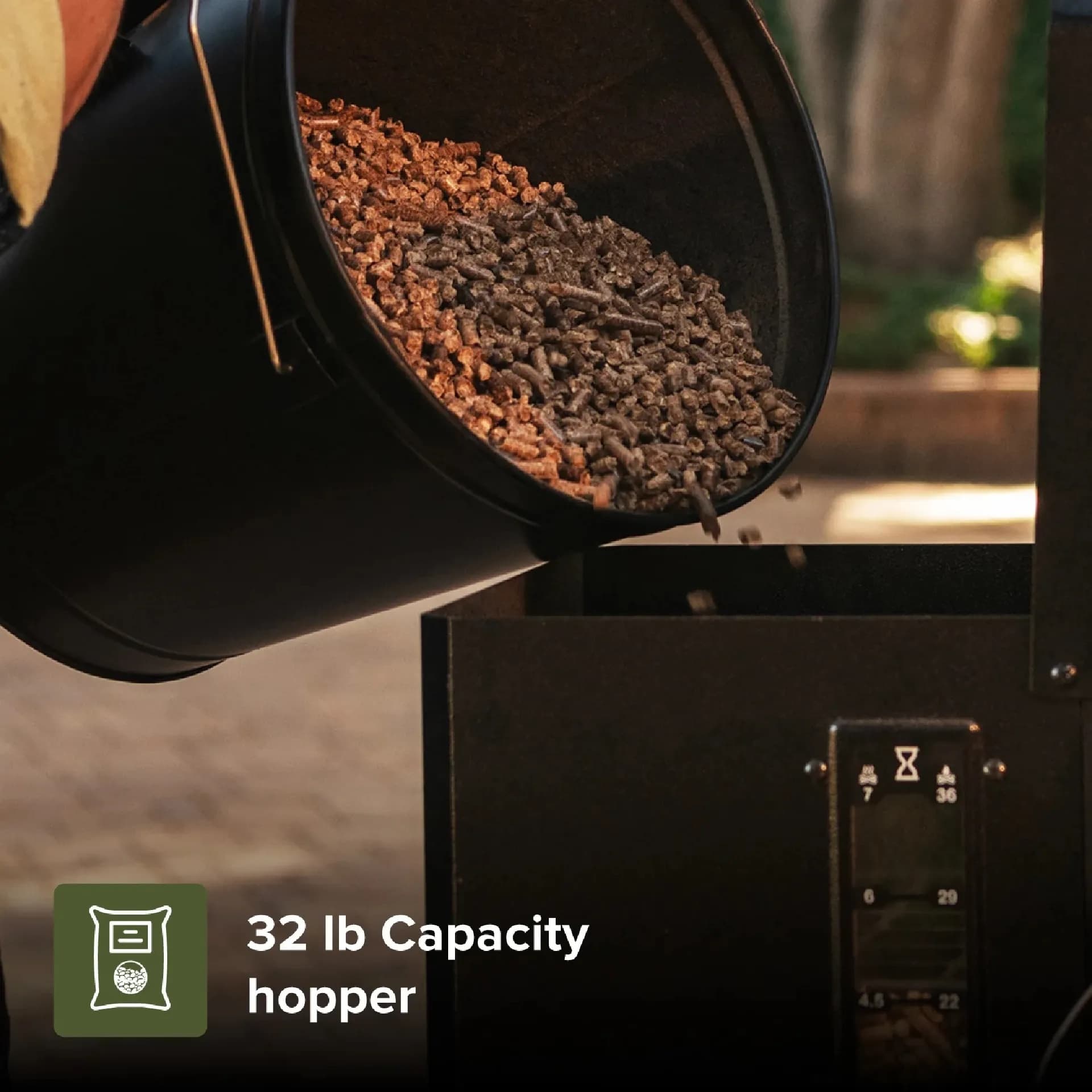
A pellet grill works through a simple but effective loop. Wood pellets are stored in a hopper, then fed by an auger into a fire pot at a controlled rate. An ignition system lights the pellets, and a controller adjusts how many pellets are delivered based on the temperature you select. A fan helps circulate heat and smoke through the cook chamber, which is part of what gives pellet grills their even cooking characteristics. That automated fuel delivery is the core of the “set it and monitor it” appeal. You choose a temperature, and the grill does much of the regulation work for you.
This system matters because temperature control is the difference between a stressful cook and a manageable one. On a charcoal setup, you often manage vents, fuel placement, and time more actively. On a pellet grill, the controller does the heavy lifting. The result is especially helpful for long cooks such as pork shoulder, brisket, or ribs, where holding steady heat for hours is more important than dramatic flare-ups or raw intensity. A pellet grill does require electricity for the auger, controller, and fan, so it behaves more like a smart outdoor appliance than a purely mechanical cooker. That electrical dependency is worth noting for buyers who want to use it in places without ready power access or during outages.
The wood-pellet format also influences the flavor experience. Pellets are typically made from compressed hardwood, and the type of pellet chosen affects the aroma and smoke profile. That means you can tailor the cook with different woods in a way that is more precise than simply adding a chunk or two to an open fire. A maple pellet can lend a milder sweetness, while hickory or mesquite can push the smoke profile more assertively. For households that like experimenting, that flexibility becomes part of the fun. For those who want reliability, it means they can settle into a favorite pellet blend and get predictable results week after week.
Pellet grills are best understood as controlled wood-fired cookers: they still deliver smoke flavor, but the controller and airflow system make temperature management far easier than traditional fire tending.
In practical terms, that design lets a busy parent start dinner before helping with homework, or lets a host prepare ribs while focusing on guests instead of constantly checking vents and fuel. The mechanism is not flashy, but it is the reason pellet grills feel so approachable once people actually use them.
The biggest benefit of pellet grills is convenience, but the real story is how convenience translates into better cooking habits. When a grill is easy to start and easy to regulate, people use it more often. That means more weeknight salmon, more roasted vegetables, more chicken thighs on a Tuesday, and more confidently cooked brisket on a Saturday. A pellet grill removes some of the friction that keeps great outdoor cooking from becoming part of a normal routine.
Another major advantage is versatility. Pellet grills can handle low-and-slow smoking, moderate roasting, and even baking-style cooks in a way that makes them feel closer to an outdoor oven with smoke capabilities than a single-purpose smoker. That matters for families who do not have room for multiple cookers or do not want to maintain separate equipment for different methods. A single grill can move from breakfast casserole to smoked turkey to dessert, which is one reason pellet grills appeal to households that like hosting but do not want to overcomplicate the setup.
Consistency is the third pillar. If you have ever struggled to keep a charcoal fire where you want it, you know how valuable steady heat can be. Pellet grills excel at holding target temperatures because the controller continuously adjusts fuel feed. That makes them a strong fit for cooks who value repeatable outcomes. You do not have to be a pitmaster to produce respectable ribs or pulled pork; you need to understand your recipe, your target temperature, and your timing.
| Benefit | What it means in practice | Why buyers care |
|---|---|---|
| Automated temperature control | The grill feeds pellets as needed to stay near the selected setting. | Less babysitting, fewer temperature swings, easier long cooks. |
| Wood smoke flavor | Pellets add layered smoke notes without managing logs or chunks. | More depth than a plain gas-cooked meal, with less work than traditional smoking. |
| Multi-method cooking | One grill can smoke, roast, and bake depending on the settings. | Better value for buyers who want one appliance to do more. |
| Repeatable results | Similar temperatures and fuel delivery make outcomes easier to reproduce. | Helpful for meal planning and for cooks who want less guesswork. |
Pellet grills also fit a social style of cooking. Because they can hold a steady temperature for hours, they are ideal for gathering friends without turning the cook into the center of constant manual labor. That aligns well with Nexgrill’s broader idea that outdoor cooking should feel welcoming, practical, and shared rather than intimidating or overly technical
Pellet grills are appealing, but they are not the right answer for every household. The first trade-off is cost. In general, pellet grills can carry a higher initial price than some basic gas grills, especially once you factor in the controller, auger system, and heavier construction needed to support controlled smoking. Buyers should think in terms of total ownership value rather than sticker price alone. If a grill gets used often and replaces other appliances or takeout meals, the upfront cost can feel much more reasonable over time.
The second consideration is power. Because pellet grills need electricity, your setup must have an outlet available. That is rarely an issue on a typical patio or deck, but it is a real planning factor for tailgating, remote camping, or any space where power access is limited. If portability matters more than automation, another grill style may be easier to live with.
Maintenance deserves attention too. Pellet grills are not difficult to care for, but they do ask more of the owner than a bare-bones gas cooker in some areas. Ash accumulates, pellets can absorb moisture if left exposed, and the fire pot needs periodic cleaning to keep ignition reliable. Grease management also matters because smoke-heavy cooking can produce residue that should be cleaned out before it builds up. These are manageable tasks, but they are part of the ownership experience.
If your outdoor space is damp, uncovered, or exposed to frequent weather changes, pellet storage and grill protection matter as much as the grill itself.
It is also worth considering cooking style. Pellet grills shine when you want smoke flavor, temperature steadiness, and flexibility. They are less ideal if your only goal is ultra-fast high-heat searing every single time. Some models handle hotter finishing better than others, but buyers should be clear about whether they want a smoke-first cooker or a sear-first machine. That clarity prevents disappointment and helps you choose a grill that matches your habits instead of forcing you to adapt to the equipment.
For many shoppers, the decision comes down to whether convenience and flavor can coexist in the same appliance. Pellet grills make a strong case that they can, but only if the buyer values steady, wood-fired cooking over absolute simplicity or ultra-portable design.
A pellet grill is a strong choice if you want outdoor cooking to feel more repeatable, versatile, and approachable. It is especially well suited to households that like smoking meats but do not want to spend all afternoon managing fire, as well as to cooks who want one appliance that can handle more than burgers and brats. The appeal is not just flavor; it is the way pellet grills turn a once-special-event skill into something you can use regularly.
If you are the kind of buyer who enjoys learning a system and then trusting it, pellet grills offer a very satisfying balance. They reward good technique without demanding constant attention. They are also a good fit for people who host often, because they let the cook participate in the gathering instead of standing apart from it. That social, low-stress rhythm lines up with Nexgrill’s broader outdoor cooking philosophy, which emphasizes connection, accessibility, and enjoyable shared meals .
If you want to compare pellet grills against other Nexgrill options, try comparing two products side by side below to see which fits best:
Once you have weighed a few options side by side, the next step is to think about how a pellet grill would actually fit into your weekly cooking routine. That question is more useful than asking whether pellet grills are trendy. Trends fade; habits stick. Pellet grills have stayed relevant because they solve real backyard problems: inconsistent heat, limited versatility, and the time cost of managing a live fire. For many households, that is enough to justify the move from a basic grill to a more controlled wood-fired cooker.
The modern pellet grill appeals to three kinds of buyers in particular. First are busy cooks who still want real smoke flavor but do not have time to monitor a fire every ten minutes. Second are curious grillers who want to branch out from direct grilling into smoking and roasting without buying separate gear. Third are hosts who want the food to finish reliably while they stay present with family and friends. That social, lower-stress style of cooking is a strong match for Nexgrill’s brand perspective, which treats outdoor cooking as a shared experience rather than a solo technical exercise.
Pellet grills also represent a kind of middle ground in the outdoor cooking world. Gas is convenient, charcoal is flavorful, and pellet grills try to bring the best parts of both together: the control of an appliance and the character of wood smoke. That is why they continue to attract buyers who are not looking for a novelty product but for a dependable way to cook more often outdoors. Consumer-facing buying guides consistently frame pellet grills around ease of use, versatility, and flavor, which is exactly where their value shows up in the real world appliances.
The heart of a pellet grill is its feed-and-control system. Hardwood pellets sit in a hopper, an auger moves them into a burn pot, and an electronic controller regulates the rate of feed to maintain the temperature you select. A fan pushes heat and smoke through the cook chamber, which helps distribute heat more evenly than many first-time buyers expect. In practice, that means the grill behaves more like a temperature-managed oven than a fire you have to constantly tend. The exact numbers vary by model, but the experience is fairly consistent: set the temperature, let the grill come up to heat, and monitor the food rather than the fire.
This operating style is the reason pellet grills feel less intimidating than some other live-fire methods. When someone wants to smoke a pork shoulder overnight or cook a whole chicken with wood character, the thought of constantly adjusting vents and refueling can be a barrier. Pellet grills reduce that barrier. They still ask for good judgment, and they still need care, but they make temperature management far more approachable. That is important for buyers who are not chasing competition-level precision but do want enough consistency to trust a recipe.
There is, however, a practical trade-off: pellet grills depend on electricity. The controller, fan, and auger all need power, so if you plan to cook far from an outlet, you need to account for that. They also depend on the quality and dryness of the pellets themselves. Damp pellets can swell or break down, affecting feed consistency and ignition. These details are part of pellet-grill ownership and are worth understanding before you buy.
The automation in a pellet grill is only as useful as the fuel and power setup behind it, so storage and outlet access are part of the cooking system, not afterthoughts.
Pellet grills are popular because they make outdoor cooking feel easier without making it feel lesser. That distinction matters. The goal is not to remove all craft from the process; it is to remove unnecessary friction. If you want to prepare dinner after work and still get wood-fired character, pellet grills make that realistic. If you want to cook ribs for a Sunday gathering while keeping the rest of the afternoon free, pellet grills make that manageable too.
Convenience is the most obvious benefit. Many pellet grills can be started with the push of a button, and from there the controller takes over much of the temperature regulation. This is especially useful for long smokes, when the cook’s biggest job should be checking food and making small adjustments, not constantly rebuilding the fire. For busy households, that convenience can mean the difference between using the grill once a month and using it weekly.
Versatility is the next major advantage. A pellet grill can support smoking brisket, roasting vegetables, baking pizza-style breads, or finishing chicken at a higher heat depending on the model and recipe. That range is valuable in homes where outdoor cooking is not limited to burgers and steaks. It also helps justify the purchase because the appliance gets used for more than one cooking style. For buyers who like to experiment, the ability to introduce different wood flavors through the pellets adds another layer of control. Hickory, apple, cherry, and mesquite pellets each bring different aroma and taste cues to the table, which gives the cook a way to shape the result without changing the entire process.
| What you gain | Why it matters | Real-world example |
|---|---|---|
| Stable heat | Makes long cooks easier to manage. | Pork shoulder can run for hours with less intervention. |
| Smoke flavor control | Lets you tailor the wood profile to the food. | Use apple for chicken, hickory for ribs, mesquite for bolder flavor. |
| Cooking flexibility | One appliance handles several techniques. | Smoke salmon, then bake cornbread, then roast vegetables for the same meal. |
There is also a lifestyle advantage that often gets overlooked: pellet grills let the host stay connected to guests. Because the grill is doing more of the work in the background, the cook is not as tied to the firebox. That is a practical benefit for family gatherings, backyard parties, and weekend dinners where conversation matters as much as the food. Nexgrill’s emphasis on togetherness and accessible outdoor cooking fits that reality well cooking.
A balanced buying decision means understanding the trade-offs. Pellet grills are convenient, but convenience usually comes with higher upfront cost than a very basic charcoal or entry-level gas option. That does not make them expensive in every context; it means buyers should think about whether they will use the extra capability enough to justify the investment. For many families, the answer is yes because the grill becomes a frequent part of meal planning rather than a special-occasion machine.
Another factor is operating environment. Pellet grills need electricity, so they are best suited to patios, decks, or outdoor kitchens with easy outlet access. They can also be sensitive to pellet storage conditions. Pellets should be kept dry and protected from humidity because moisture can compromise feeding and burn consistency. If your backyard storage situation is not ideal, you may need sealed containers or a covered area to keep the fuel in good shape.
Maintenance is manageable, but it is real. Ash needs to be removed periodically, grease should be cleaned out, and the hopper should not be left with old, moisture-damaged pellets sitting in it for long stretches. This is not difficult work, but it is part of owning a pellet grill. Buyers who want the lowest possible upkeep may prefer a simpler gas grill. Buyers who are willing to do light, regular care usually find pellet grills very rewarding.
Think beyond the grill box itself: electricity access, pellet storage, and cleaning habits all affect whether a pellet grill will feel effortless or inconvenient.
Temperature expectations also matter. Pellet grills are excellent for steady cooking and smoke infusion, but they are not always the best fit for buyers whose top priority is instant high-heat searing at the absolute extreme. Some models are better at finishing hot than others, but the category as a whole is built around controlled cooking rather than aggressive flare-driven grilling. Knowing that upfront prevents disappointment and helps you match the grill to your real habits.
A pellet grill is right for you if you want outdoor cooking to become easier to repeat, easier to share, and easier to trust. It is especially compelling for households that like the flavor of wood smoke but not the labor of fire management. It is also a smart fit for cooks who want more than one cooking method in a single appliance, from smoking and roasting to baking and finishing.
For a first-time buyer, the biggest benefit is confidence. Pellet grills reduce the technical barrier that often keeps people from trying longer cooks or more varied recipes. For an experienced griller, the biggest benefit is efficiency: you can get predictable results with less attention, which frees you to focus on seasoning, timing, and the people around the table. That practical, shared-meal philosophy mirrors Nexgrill’s broader approach to outdoor cooking, where the goal is not just to cook food but to make the experience feel welcoming and enjoyable.
If your ideal grill is one that helps you cook more often, with more consistency and a more flexible flavor profile, a pellet grill deserves a serious look. If you prefer the simplest possible setup or you need a cooker that does not rely on power, another grill style may be a better match. Either way, the best choice is the one that fits your habits, your space, and the kind of backyard cooking you actually want to do.
Here's what sets us apart
We position ourselves as delivering high-end outdoor cooking features and performance without premium-brand pricing, emphasizing “Quality Grills. Unbelievable Value.”
We offer gas grills, pellet grills, griddles, smokers, pizza ovens, portable/tabletop grills, electric grills, accessories, and replacement parts — allowing customers to stay within one ecosystem for all outdoor cooking needs.
We differentiate ourselves through smart grilling products like the Oakford smart pellet grill, including app-connected cooking controls and modern outdoor cooking technology.
Don't just take our word for it
Keep reading
From our catalog