Discover how pellet grills can transform your outdoor cooking experience.
Here's what sets us apart from the competition
We position ourselves as delivering high-end outdoor cooking features and performance without premium-brand pricing, emphasizing “Quality Grills. Unbelievable Value.”
We offer gas grills, pellet grills, griddles, smokers, pizza ovens, portable/tabletop grills, electric grills, accessories, and replacement parts — allowing customers to stay within one ecosystem for all outdoor cooking needs.
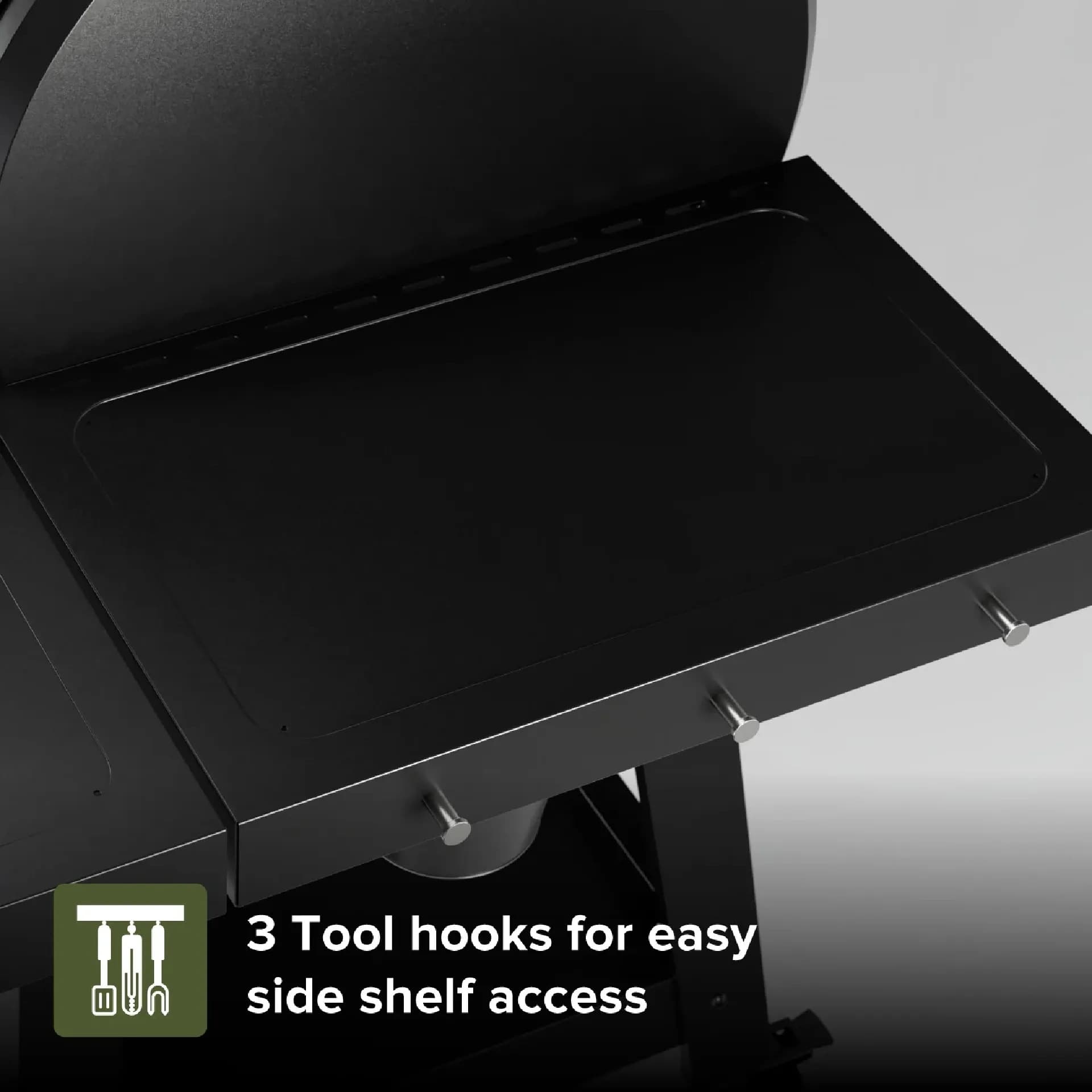
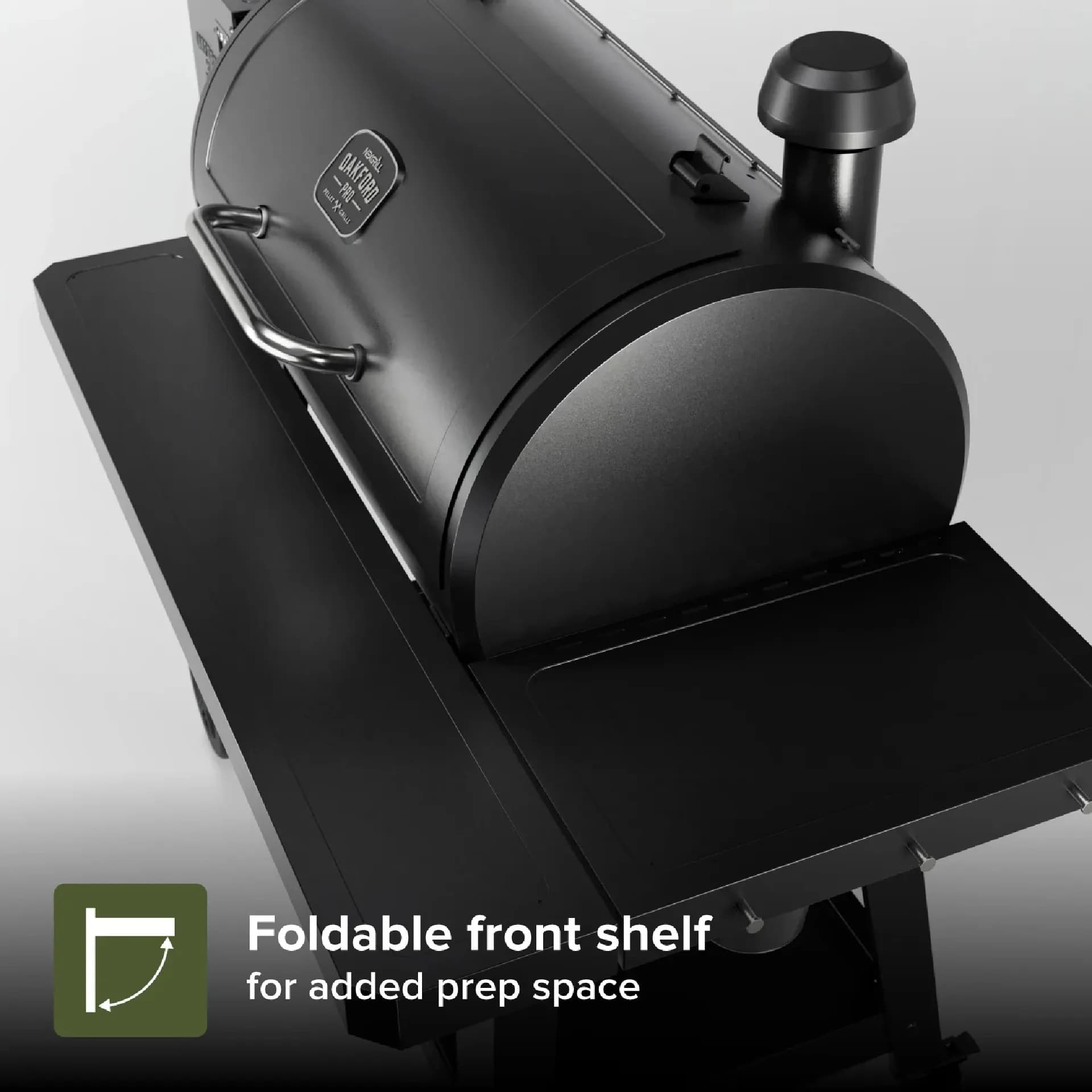
We differentiate ourselves through smart grilling products like the Oakford smart pellet grill, including app-connected cooking controls and modern outdoor cooking technology.
Expert tips, buying guides, comparisons, and inspiration for choosing and getting the most out of your grill.
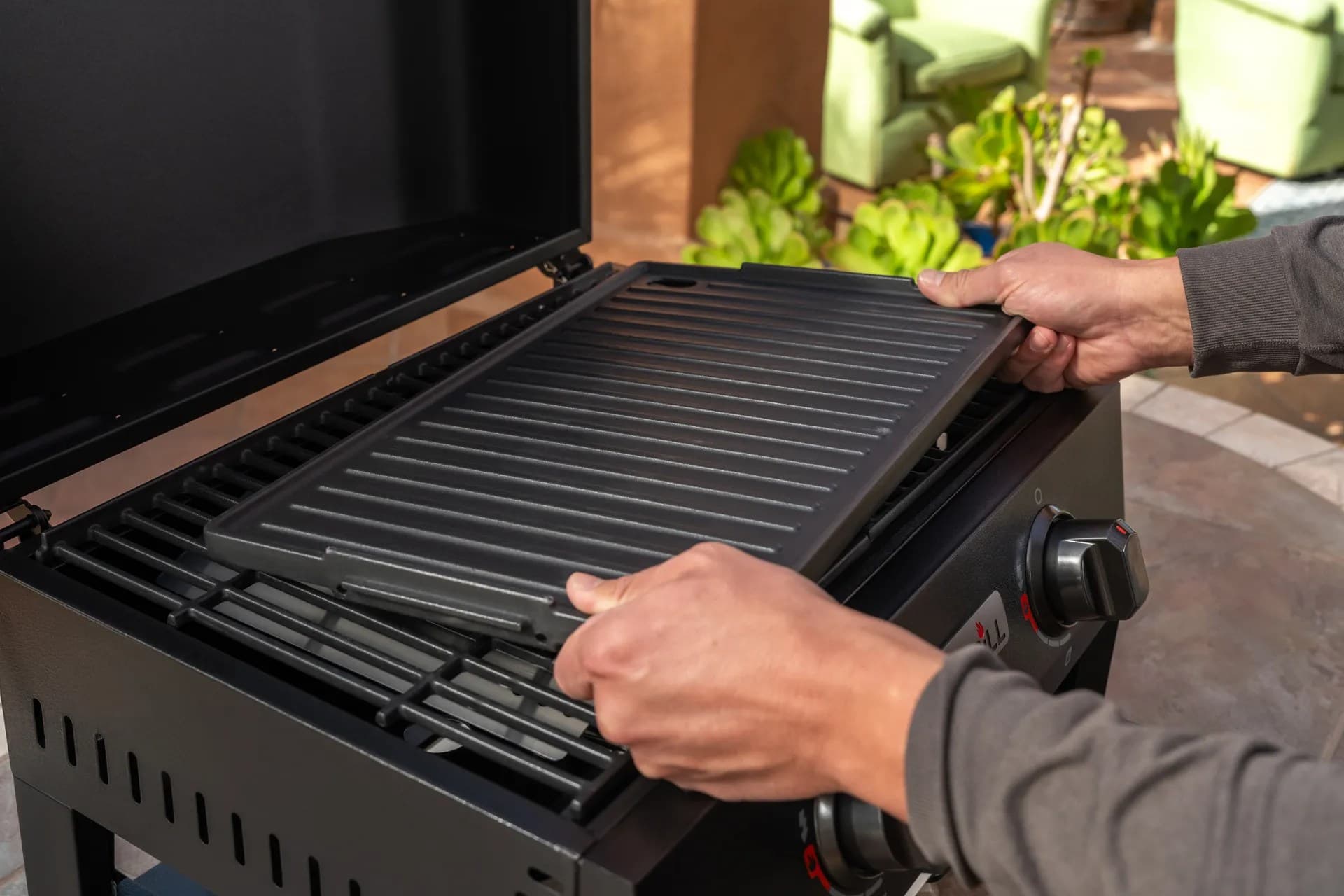
Practical guides for cleaning, maintenance, common grill issues, and performance optimization.
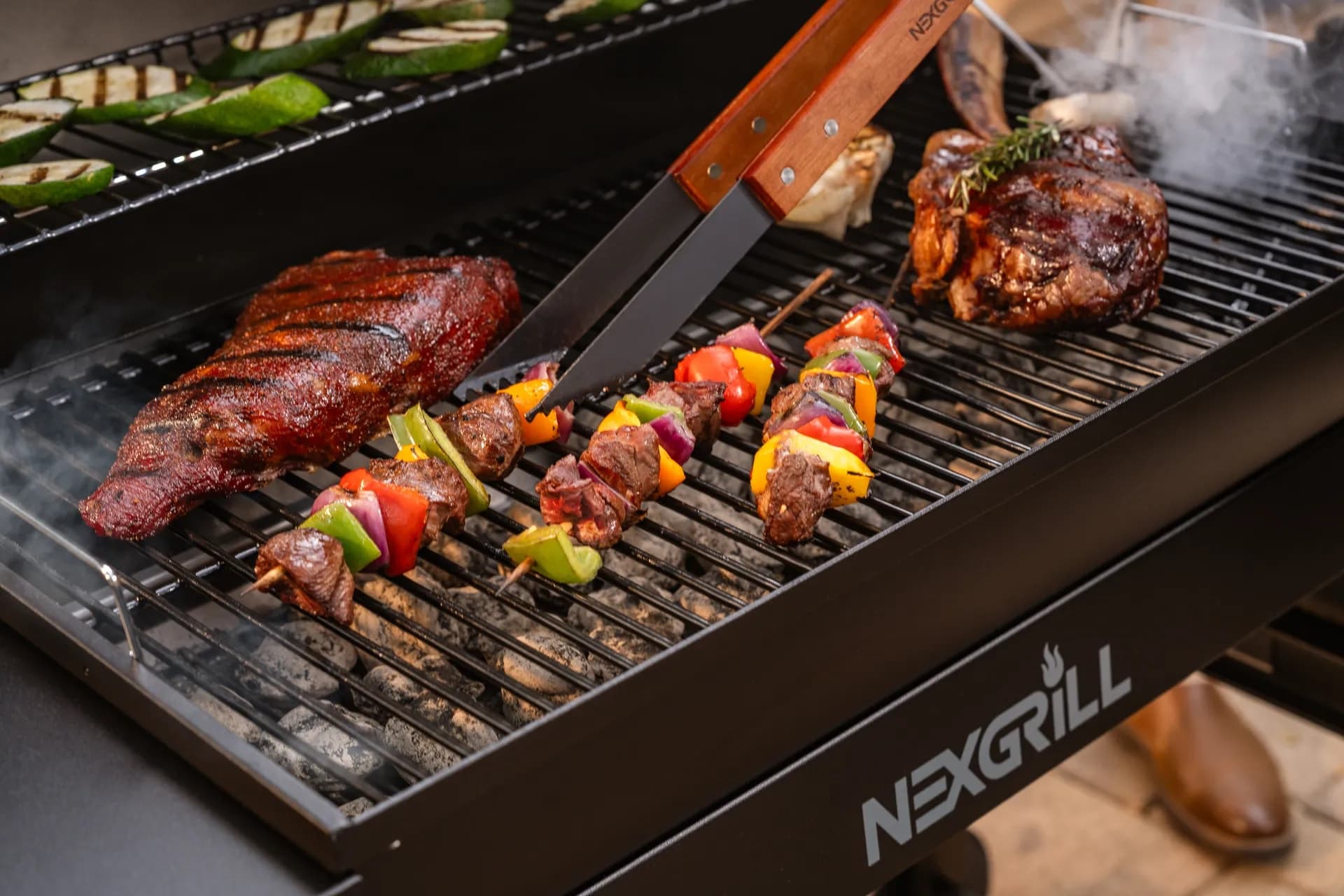
Step-by-step grilling recipes, cooking techniques, and meal ideas for every occasion and skill level.

Backyard entertaining ideas, seasonal grilling inspiration, and stories that celebrate outdoor cooking culture.
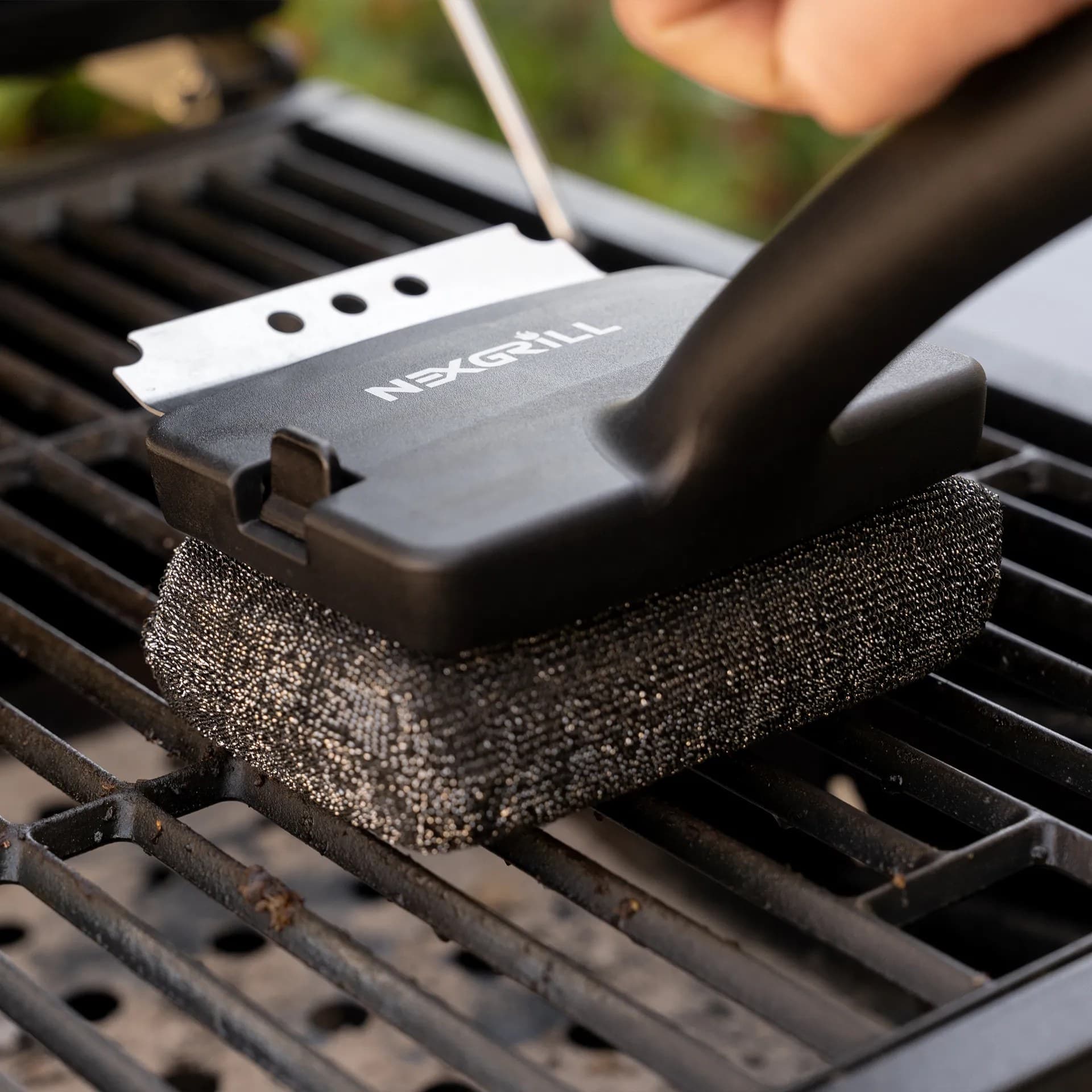
Helpful articles covering grilling tools, cookware, maintenance gear, and must-have accessories for outdoor cooking.
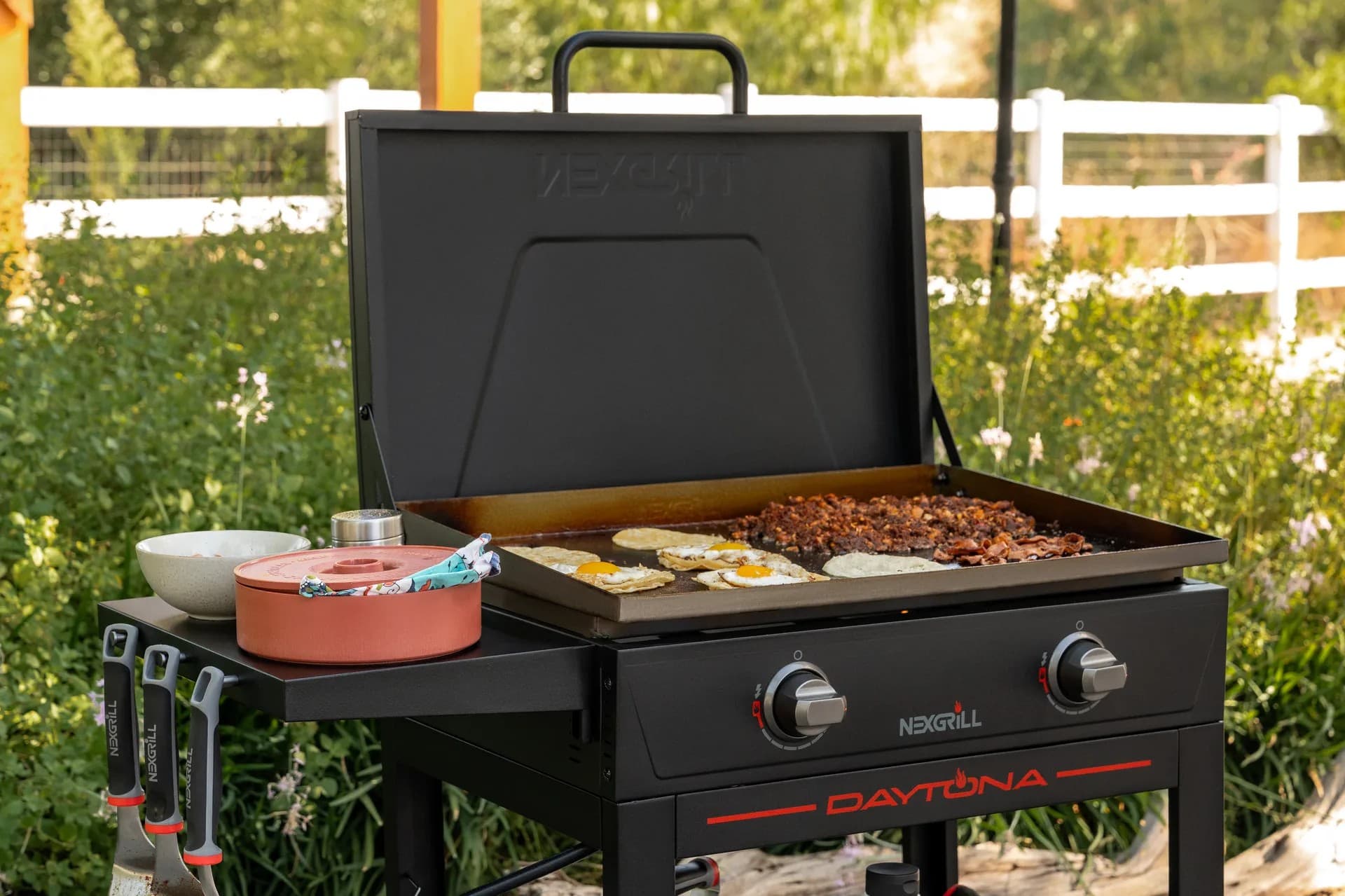
Find griddle recipes, cooking techniques, cleaning tips, and outdoor meal ideas designed for Nexgrill griddles.
Find answers to common questions
Pellet grills offer versatility by allowing you to smoke, grill, and bake with precise temperature control. They use wood pellets as fuel, providing a unique flavor to your food that is difficult to achieve with other types of grills.
Consider factors such as cooking capacity, temperature range, and additional features like digital controls or Wi-Fi connectivity. Assessing your cooking habits and space availability can also help in selecting a suitable model.
You can use a variety of food-grade wood pellets, including oak, hickory, mesquite, cherry, and apple. Each type of wood imparts a different flavor to your food, allowing for a unique grilling experience.
Regular cleaning involves emptying the ash pan, cleaning the heat diffusers, and wiping down the exterior. It's also important to check for any pellet obstructions in the hopper and ensure the grill's components are in good working order.
Nexgrill pellet grills are designed to smoke effectively, offering low-temperature settings to infuse food with rich, smoky flavors. They also provide adjustable temperature controls to suit various cooking styles.
In This Article
Effortless Cooking
Flavorful Results
Versatile Cooking Methods
Pellet grills have earned their place in backyard cooking because they lower the barrier between wanting a great meal and actually getting one on the table. Instead of asking you to babysit a fire, they let you set a target temperature, feed compressed hardwood pellets automatically, and keep cooking with far less hands-on adjustment than a traditional charcoal setup. That convenience is the core benefit, but it is only part of the story. For many home cooks in the United States, the bigger win is how pellet grills combine everyday usability with wood-fired flavor and a broader menu of cooking methods than most people expect from a single appliance.
At Nexgrill, the appeal is especially practical. Pellet cooking fits the way many families actually grill: a weeknight salmon dinner, a batch of chicken thighs for meal prep, then a Sunday brisket or baked side dish when friends come over. That flexibility matters because the grill does not need to be reserved for special occasions. It can become the appliance you use most often, which is exactly where a well-designed outdoor cooker should prove its value. In brand terms, pellet grills fit the same welcoming, approachable spirit that Nexgrill emphasizes across its outdoor cooking lineup, where confidence should come from the equipment rather than years of experience.
can handle smoking, roasting, baking, and high-heat finish work when you understand its strengths.
The most useful way to think about pellet-grill-benefits is not as a list of features, but as a change in the cooking process. A grill that regulates heat for you reduces decision fatigue. You still make the important calls, like choosing the wood flavor, deciding when to wrap a brisket, or whether to finish vegetables over direct heat, but you are no longer chained to constant vent adjustments or repeated fuel additions. That means more predictable results for busy households, newer grillers, and experienced cooks who want consistency across repeat cooks.
If you are evaluating whether pellet cooking fits your routine, the first question is simple: do you want more control or less work? Pellet grills actually give you both in different ways. They reduce the physical labor of tending a fire, yet they increase your control over temperature and smoke because you can hold a cooking environment steady for longer periods. That combination is why pellet grills are often described as user-friendly without being limiting. A beginner can use one to make ribs without learning a deep charcoal fire discipline, while an experienced griller can use the same machine to manage longer smokes with more repeatability.
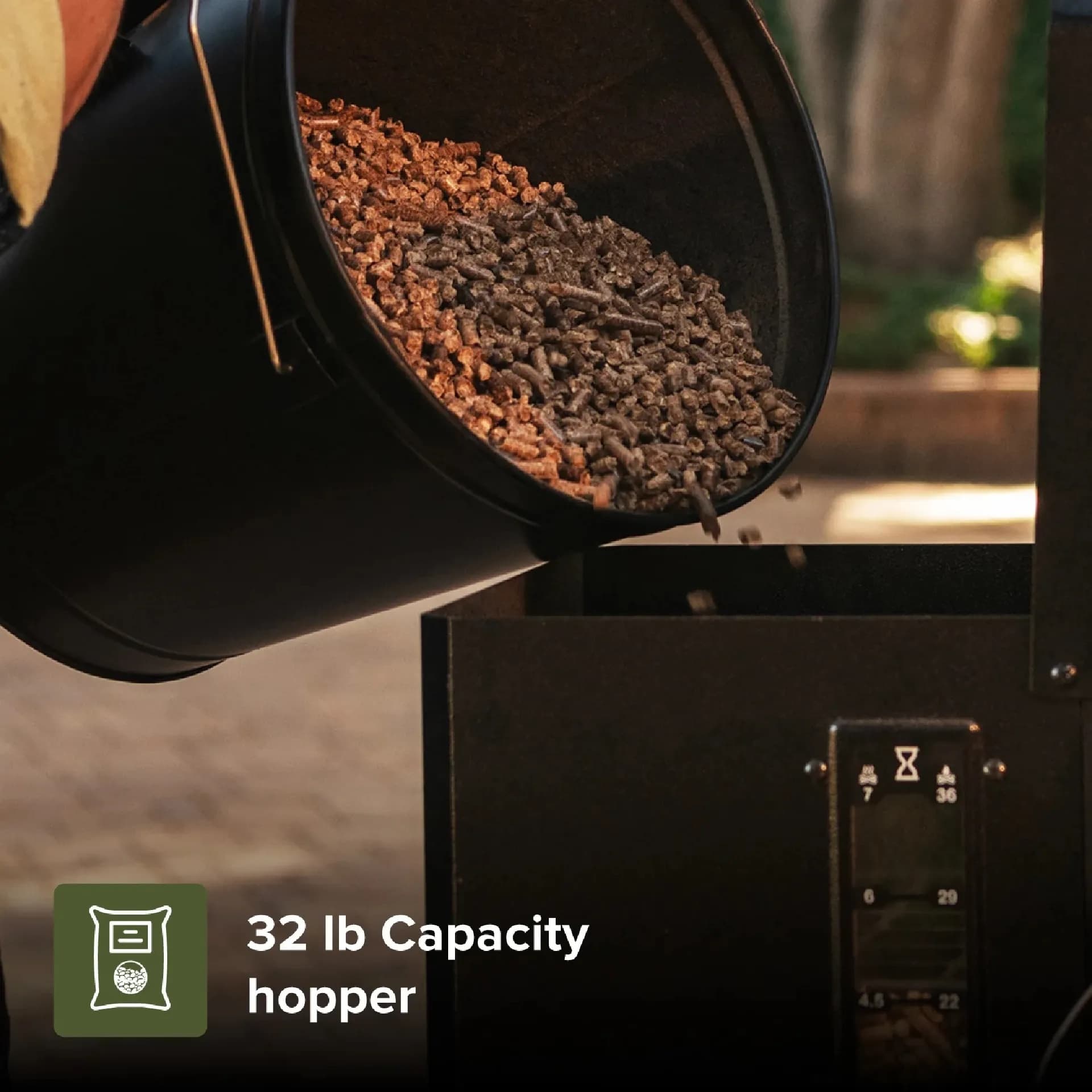
The mechanism is straightforward enough to feel approachable, but it is worth understanding because the system explains nearly every advantage pellet grills offer. Hardwood pellets sit in a hopper, an auger moves them into a fire pot, and an igniter starts the burn. A controller monitors temperature and adjusts pellet feed to maintain the cooking zone you selected. In practical terms, that means the grill is constantly making small corrections for you. Instead of opening vents, shifting coals, or guessing at fuel intake, you are using a feedback loop to hold heat more consistently.
That process also influences flavor and texture. Because pellets are made from compressed wood, the combustion produces wood-smoke character that many home cooks want in barbecue without the steep learning curve of a stick-burning pit. The smoke profile is generally cleaner and more controlled than what a novice may generate with an unstable charcoal fire. For weeknight cooking, that matters because you can move from searing to smoking to finishing in a more repeatable way. For larger cooks, it matters because long-duration recipes are easier to pace when the heat source stays steady.
Pellet grills are best understood as temperature-management machines with smoke as part of the payoff, not as set-it-and-forget-it ovens. You still get better results when you check your food, rest proteins, and learn how your specific grill responds.
The other important part of how pellet grills work is airflow. Heat and smoke circulate through the cook chamber, which is why they can handle more than one style of cooking. Low-and-slow ribs benefit from the gentle, even environment, while chicken thighs, vegetables, and baked casseroles benefit from steady surrounding heat. Some cooks are surprised that pellet grills can also produce respectable sear marks when used correctly, although the method may differ from a dedicated direct-flame grill. The key is to cook with the machine’s strengths instead of expecting every pellet grill to behave like a gas burner or charcoal kettle.
A good mental model is this: the hopper is your fuel reservoir, the controller is your traffic cop, and the cook chamber is your oven with smoke. Once you understand that relationship, the benefits become easier to maximize. You can plan longer cooks without repeatedly feeding the fire, you can dial in a stable target for delicate foods, and you can use hardwood flavor as a seasoning layer rather than as a separate project. That is why pellet cooking often feels less like managing equipment and more like guiding the meal.
To get the full value from pellet cooking, start before the grill is even lit. The first step is choosing the right pellets for the job. Fruitwoods like apple or cherry are excellent for chicken, pork, and vegetables when you want a gentler smoke note. Oak and hickory bring a bolder profile that can stand up to brisket, ribs, or richly seasoned meats. This choice is not cosmetic; it is the quickest way to tune the final flavor without changing your cooking method. If you buy pellets in bulk, store them in a dry space so moisture does not compromise feed consistency or burn quality.
Next, preheat the grill long enough to stabilize the cooking chamber. Pellet grills reward patience during startup because the controller needs time to settle the temperature and the cooking grates need time to absorb heat. For many meals, a short preheat can lead to uneven early results, especially if you are trying to sear or build bark on a roast. Once the grill is steady, place food with a purpose: use hotter zones for finishing and cooler areas for longer cooking when the layout allows it. Even when a pellet grill is not built around dramatic zone cooking, you can still make smart use of grate position and timing.
A third step is to treat smoke like a timing tool. Many cooks want maximum smoke for the entire session, but that is not always ideal. Food often absorbs smoke most effectively in the earlier stages of cooking, when the surface is moist and receptive. That means the first half of the cook can matter more than the last hour. If you are making a roast or brisket-style cook, focus on the beginning phase, then switch to temperature management and texture. If you are baking or roasting, use the smoke as a subtle accent rather than trying to overpower the dish.
For better consistency, let the grill finish its startup cycle before loading food. Pellet grills perform best when the controller has already stabilized and the fire pot is burning cleanly.
The fourth step is to match cooking method to food type. Pellets are great for more than brisket and ribs. Vegetables can roast beautifully with light smoke, and baked items like cornbread or skillet desserts benefit from an outdoor oven-like environment. For families who want one appliance to do more, this versatility is where the value becomes obvious. A single afternoon can produce smoked chicken, roasted corn, and a baked side without moving to a second cooking station. That is particularly helpful for homeowners with limited patio space or for cooks who prefer one central setup instead of multiple specialty tools.
If you want a simple planning framework, use this approach: choose pellets for flavor, preheat for stability, place food based on the cook’s needs, and adjust your smoke expectations to the food itself. That sequence turns the grill from a novelty into a dependable routine tool.
The most common mistake is expecting pellet grills to solve every cooking problem automatically. They are convenient, but they still require attention to fundamentals. If the food is not seasoned well, if the meat is removed too early, or if the grill never fully heats before loading, the final result can feel underwhelming. Convenience is not a substitute for cooking judgment. It simply makes good judgment easier to apply consistently.
Another frequent error is using damp or low-quality pellets. Because the fuel system depends on a steady feed, compromised pellets can cause temperature swings, poor ignition, or excessive ash. The same issue applies to overfilling the hopper and forgetting old pellets after humid weather. Store fuel the same way you would protect any ingredient that affects the final dish: dry, sealed, and organized. Pellet cooking rewards clean inputs.
A third mistake is over-smoking food. It is easy to think that more smoke always means more flavor, but heavy smoke can create bitterness or mask the ingredient itself. This is especially true for delicate foods such as fish, vegetables, and lean poultry. The better approach is to treat smoke as an accent that supports the main ingredient. That is one reason pellet grills are attractive to a wider audience: they make wood flavor accessible without forcing everything into the same intensity level.
Avoid opening the lid repeatedly during long cooks. Every lift dumps heat and smoke, which works against the steady environment pellet grills are designed to create.
Finally, some owners ignore cleanup until performance drops. Ash buildup, greasy drip areas, and neglected grates can all affect airflow and temperature stability. Pellet grills are easier to manage than many traditional wood fires, but they are not maintenance-free. A small, regular care routine protects the main advantage you bought the grill for: consistent cooking without drama.
If you are just getting started, try comparing two products side by side below to see which fits best:
Once you've weighed two options against each other, the next thing that matters is how you want the food to taste. Pellet grills are only as expressive as the fuel you load into them, which makes wood selection one of the most practical decisions in the entire cooking process. The right pellet choice can highlight sweetness in pork, add depth to beef, or keep vegetables from tasting flat. The wrong choice can overpower a delicate dish or make a strong cut taste muddy. That is why pellet flavor is not a side note; it is part of the recipe.
A useful way to think about pellets is to match intensity with the food. Apple and cherry typically create a lighter profile that works well with chicken breasts, turkey, salmon, and vegetables because the smoke supports the ingredient instead of dominating it. Hickory is more assertive, which many cooks prefer for ribs, pork shoulder, and richer cuts of beef. Oak usually sits in the middle and serves as a versatile base wood when you want broader compatibility across a menu. Mesquite can be punchy and is often best used with restraint, especially if you are cooking for people who prefer a more balanced smoke level.
When planning a meal, consider pairing smoke flavor with sauce and seasoning. Sweet rubs often work beautifully with fruitwoods, while pepper-heavy or coffee-forward rubs can pair well with oak or hickory. If you are making a mixed menu for a backyard gathering, you do not need one pellet flavor to solve every item. In fact, it is often smarter to choose a neutral wood for the main protein and let sides or finishing sauces create contrast. That kind of menu design feels more intentional and usually produces a better table experience for guests.
For U.S. backyard cooks, pellet bags are often sold in 20-pound increments, so flavor planning can also be a storage plan. Buy what you will actually use before the season changes.
Pellet grills shine when cooks stop treating temperature as a rough suggestion and start using it as a strategy. The simplest technique is to give the grill enough time to stabilize before the first food goes on. If you are roasting chicken at a moderate setting, the chamber should have settled into a consistent rhythm. If you are trying to build crust on steak or crisp skin on poultry, the grill must be fully hot so the food meets an established surface rather than a warming-up chamber.
Another important technique is zone awareness. Even if a pellet grill is more even than many fuel systems, there can still be areas that cook slightly faster depending on airflow, grate position, and heat reflection from the body. You can use those differences to your advantage. Put thicker items where they can cook more slowly and move smaller or finishing items into hotter spots. This becomes especially useful when cooking mixed trays of vegetables, seafood, and protein at the same time.
If your recipe requires low-and-slow heat, resist the temptation to chase a number on the display every few minutes. Fluctuations can happen while the grill recovers from lid openings or wind exposure, but the point of pellet cooking is that the controller will usually correct course. Let the system do its job unless the pattern clearly shows a problem. When you do need to intervene, make one change at a time so you can see what actually improved the cook.
For best results, use an instant-read thermometer and judge food by internal temperature, not by the clock alone. Pellet grills make timing more predictable, but food still varies based on thickness, starting temperature, and moisture content. A temperature-based finish is especially helpful for chicken thighs, pork tenderloin, and roasts, where a few degrees can mean the difference between juicy and dry. The more you pair the grill’s stable environment with accurate temperature checks, the more repeatable your meals become.
A pellet grill earns its keep by staying reliable over time, and that means maintenance is part of the benefit equation. The grill’s convenience can disappear quickly if ash accumulates, grease pathways clog, or the hopper is left with damp pellets after a wet weekend. A short maintenance routine protects both performance and the flavor of your food.
Start by cleaning out ash from the fire pot and interior areas at the intervals recommended by the manufacturer. Ash can interfere with ignition and airflow, which are both essential to stable operation. Next, keep the grease management system clear so drippings do not become a smoke or flare-up problem. Wipe grates after each cook while they are still warm enough to release residue without becoming unsafe to handle. If your grill includes a hopper cover or weather protection, use it whenever the grill is not in service so pellets stay dry and components are shielded from the elements.
It also helps to inspect moving parts and electrical components periodically. Pellet grills depend on motors, controllers, and ignition systems, so regular checks are worth the effort. If you notice irregular startup behavior, temperature swings that seem unusual, or inconsistent pellet delivery, address the issue early rather than waiting for a full breakdown. Preventive care is usually less expensive and far less frustrating than troubleshooting a cook that fails mid-session.
A clean pellet grill is not just nicer to use; it is more likely to hold steady temperature, burn pellets efficiently, and preserve the flavor profile you are paying for.
If you want a simple way to turn pellet grilling into a repeatable routine, use this checklist before each cook. First, confirm that the hopper has dry pellets of the flavor you want. Second, make sure the fire pot and grates are clean enough for stable airflow. Third, preheat long enough for the grill to settle before loading food. Fourth, position food according to whether you want more smoke, more heat, or a more gradual cook. Fifth, verify doneness with a thermometer, especially on poultry and large roasts. Sixth, let meats rest before slicing so the moisture stays where it belongs.
For families in the United States who want a grill that can handle weeknight convenience and weekend projects, pellet grills offer a strong middle path. They are easier to live with than a high-maintenance firebox, but they still deliver the wood-forward flavor many cooks want from outdoor cooking. They also fit naturally into a more social style of cooking, where food can smoke while guests gather, sides can finish alongside the main course, and the cook is free to join the conversation instead of standing guard over the fire.
| Success factor | What it improves | Why it matters |
|---|---|---|
| Dry pellets | Ignition and feed consistency | Moisture can disrupt the burn cycle and weaken flavor. |
| Full preheat | Temperature stability | Helps the grill settle before food is added. |
| Thermometer check | Doneness accuracy | Prevents overcooking and improves repeatability. |
| Regular ash cleanup | Airflow and reliability | Keeps the fire pot operating the way it should. |
Here's what sets us apart
We position ourselves as delivering high-end outdoor cooking features and performance without premium-brand pricing, emphasizing “Quality Grills. Unbelievable Value.”
We offer gas grills, pellet grills, griddles, smokers, pizza ovens, portable/tabletop grills, electric grills, accessories, and replacement parts — allowing customers to stay within one ecosystem for all outdoor cooking needs.
We differentiate ourselves through smart grilling products like the Oakford smart pellet grill, including app-connected cooking controls and modern outdoor cooking technology.
Don't just take our word for it
Keep reading
From our catalog