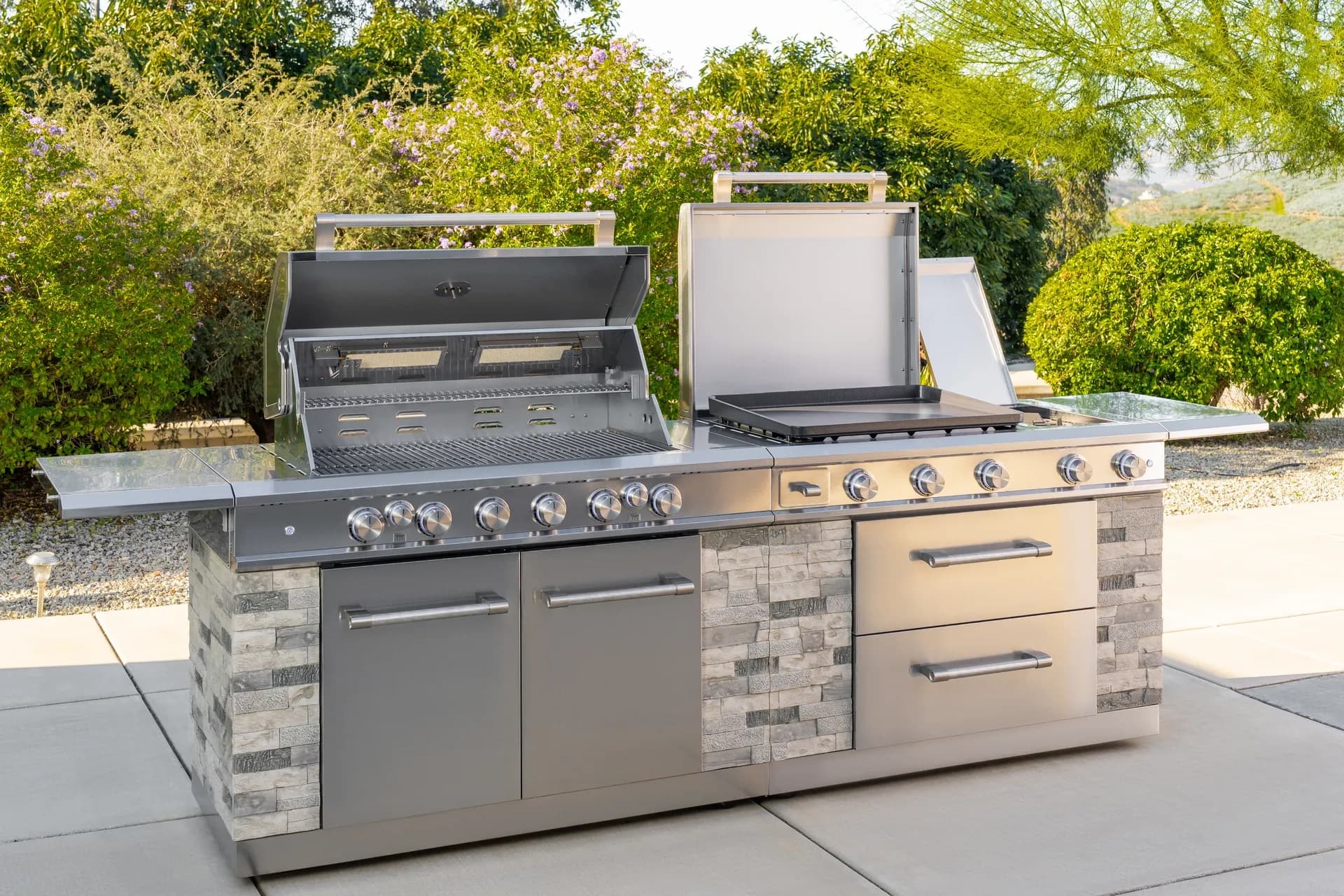
From sizzling breakfasts to smash burgers and teppanyaki-style dinners, the Daytona Pro 5 Burner NitroGuard™ Griddle delivers powerful heat, fast cooking, and a durable cooking surface built for every backyard cookout. Watch how easy outdoor cooking can be.
Here's what sets us apart from the competition
We position ourselves as delivering high-end outdoor cooking features and performance without premium-brand pricing, emphasizing “Quality Grills. Unbelievable Value.”
We offer gas grills, pellet grills, griddles, smokers, pizza ovens, portable/tabletop grills, electric grills, accessories, and replacement parts — allowing customers to stay within one ecosystem for all outdoor cooking needs.
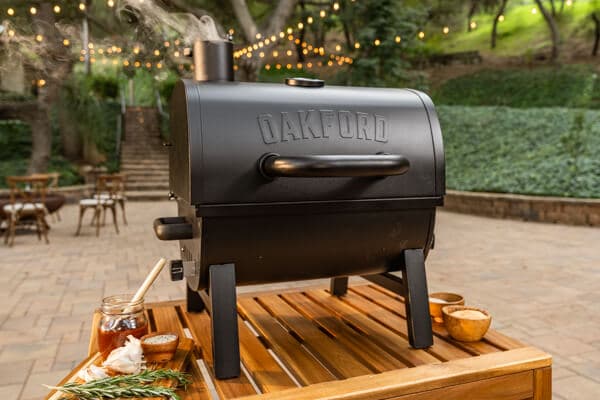
We differentiate ourselves through smart grilling products like the Oakford smart pellet grill, including app-connected cooking controls and modern outdoor cooking technology.
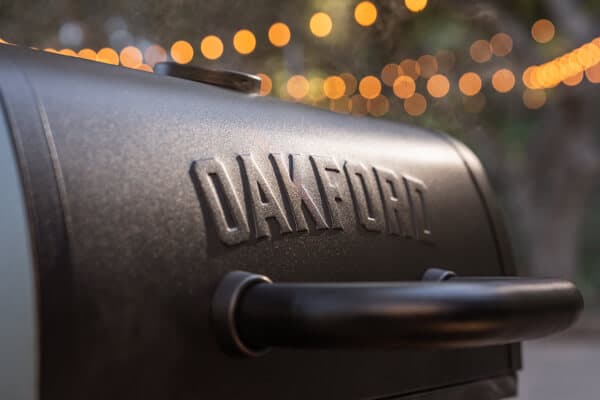
Expert tips, buying guides, comparisons, and inspiration for choosing and getting the most out of your grill.
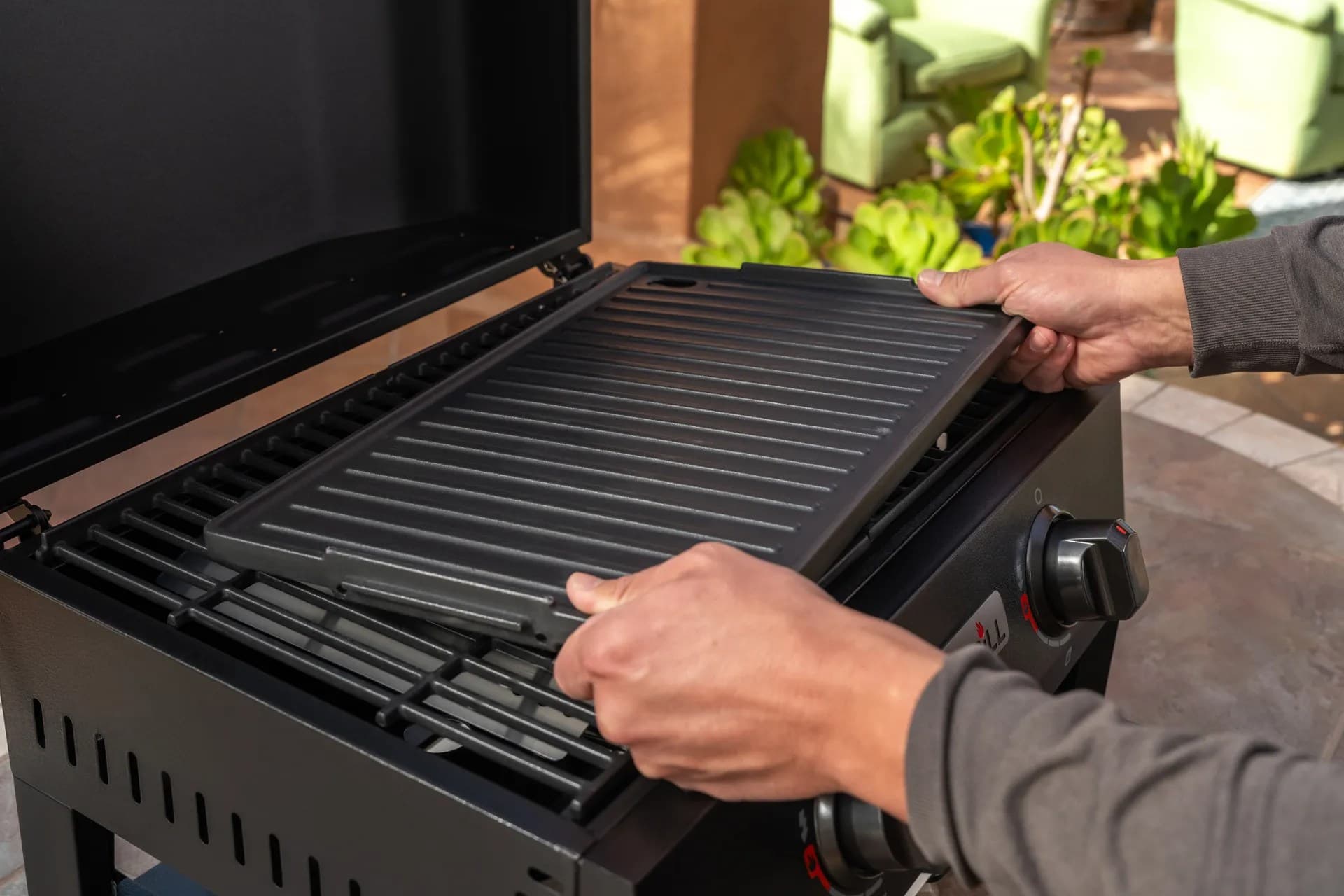
Practical guides for cleaning, maintenance, common grill issues, and performance optimization.
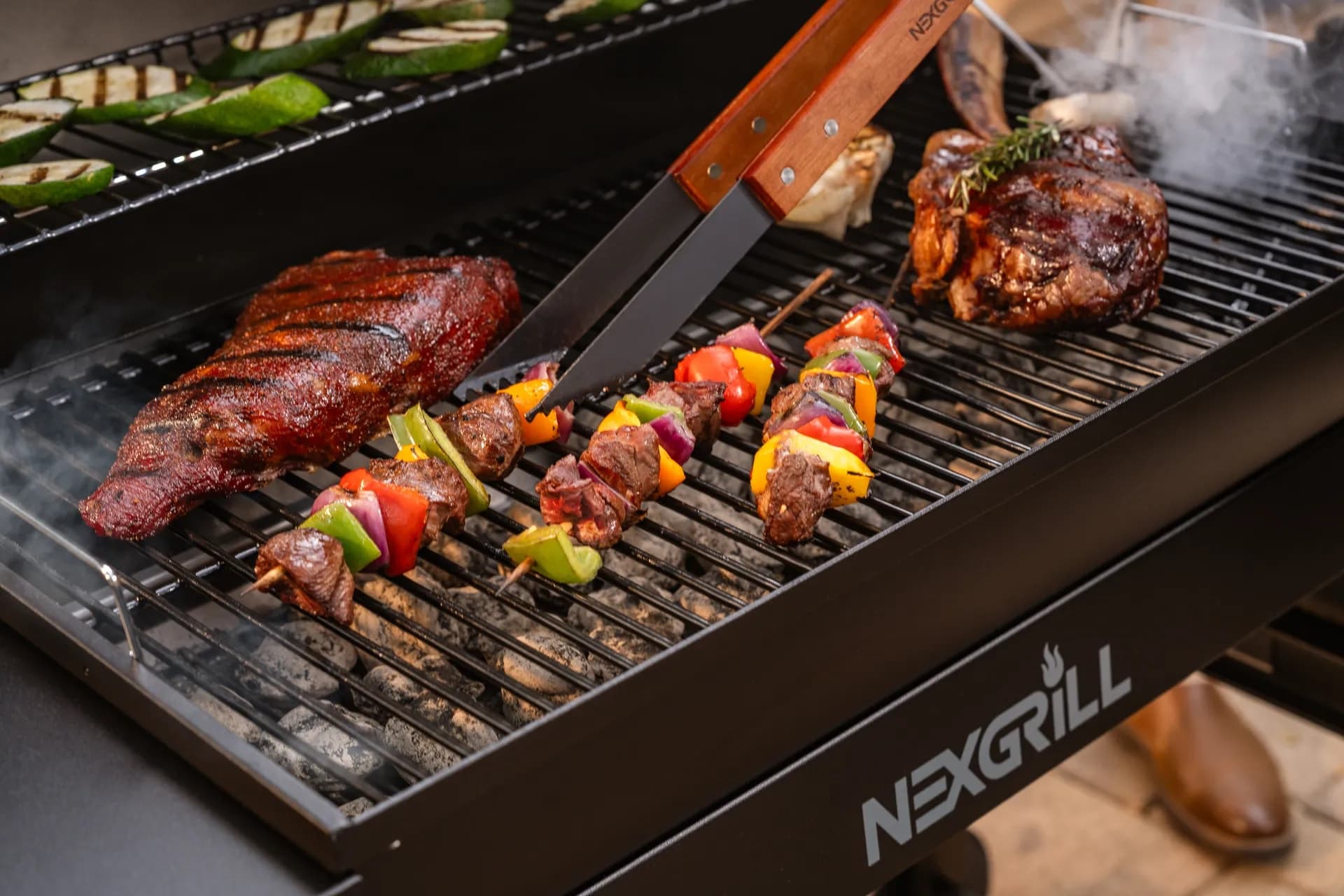
Step-by-step grilling recipes, cooking techniques, and meal ideas for every occasion and skill level.
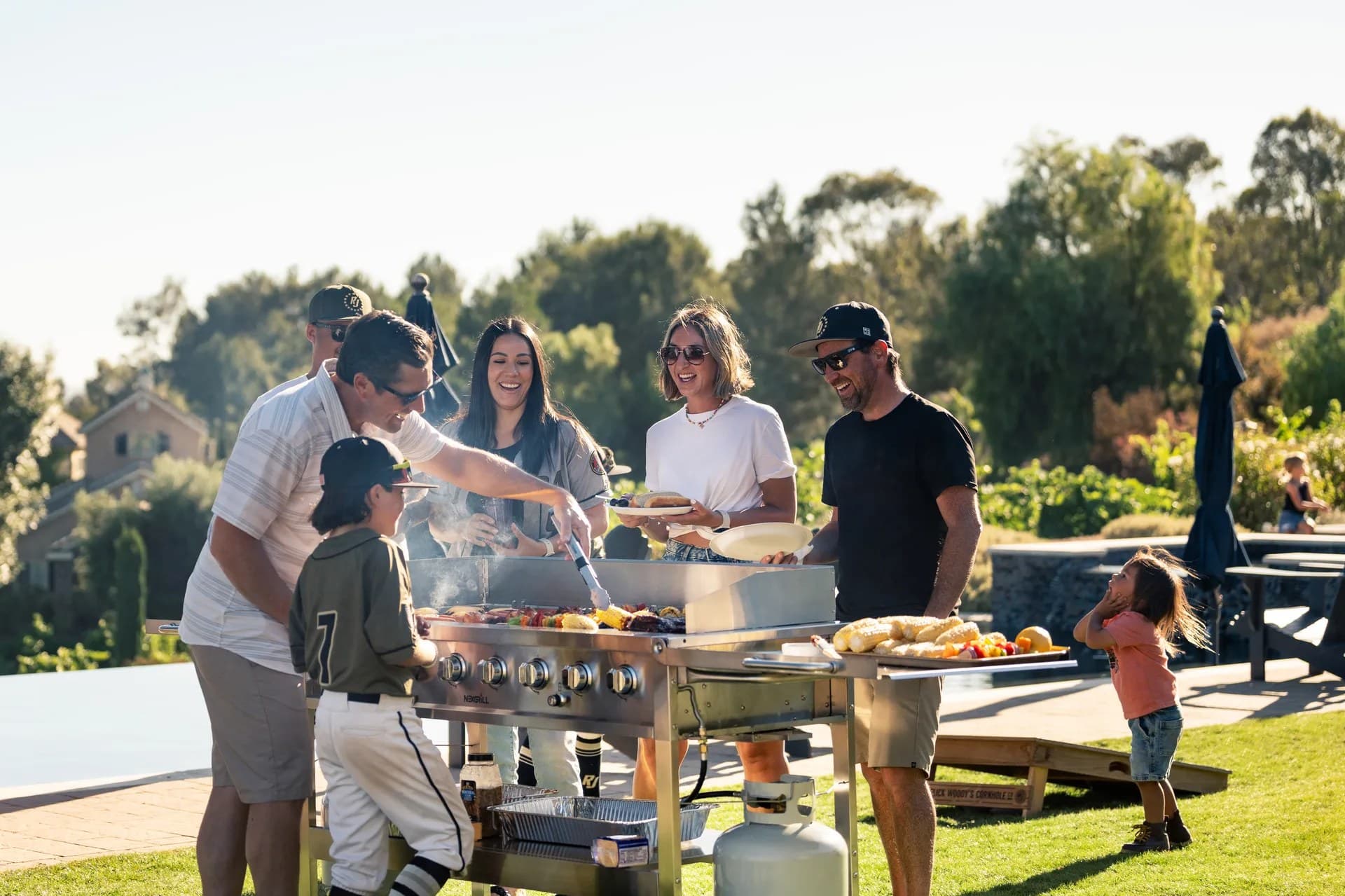
Backyard entertaining ideas, seasonal grilling inspiration, and stories that celebrate outdoor cooking culture.
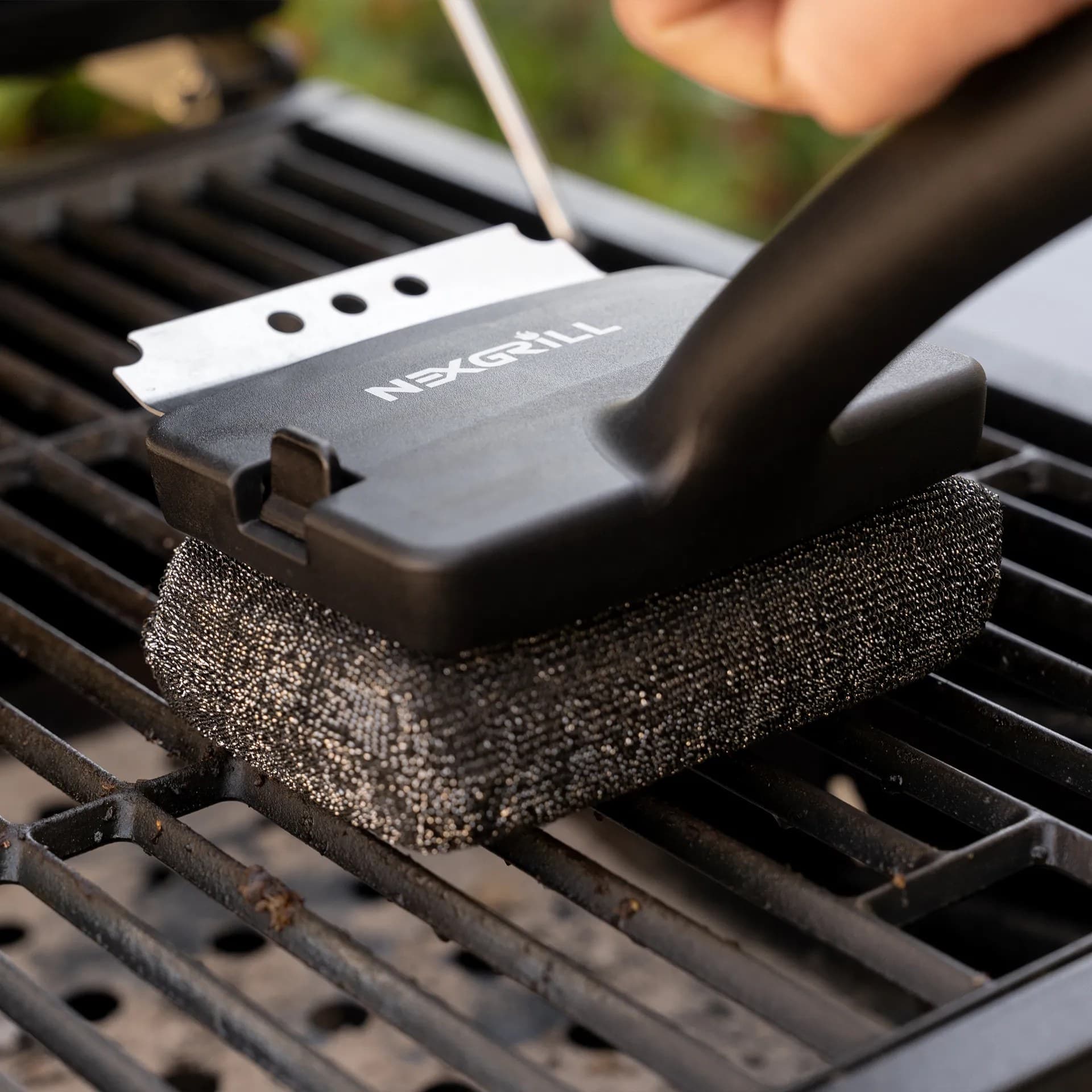
Helpful articles covering grilling tools, cookware, maintenance gear, and must-have accessories for outdoor cooking.
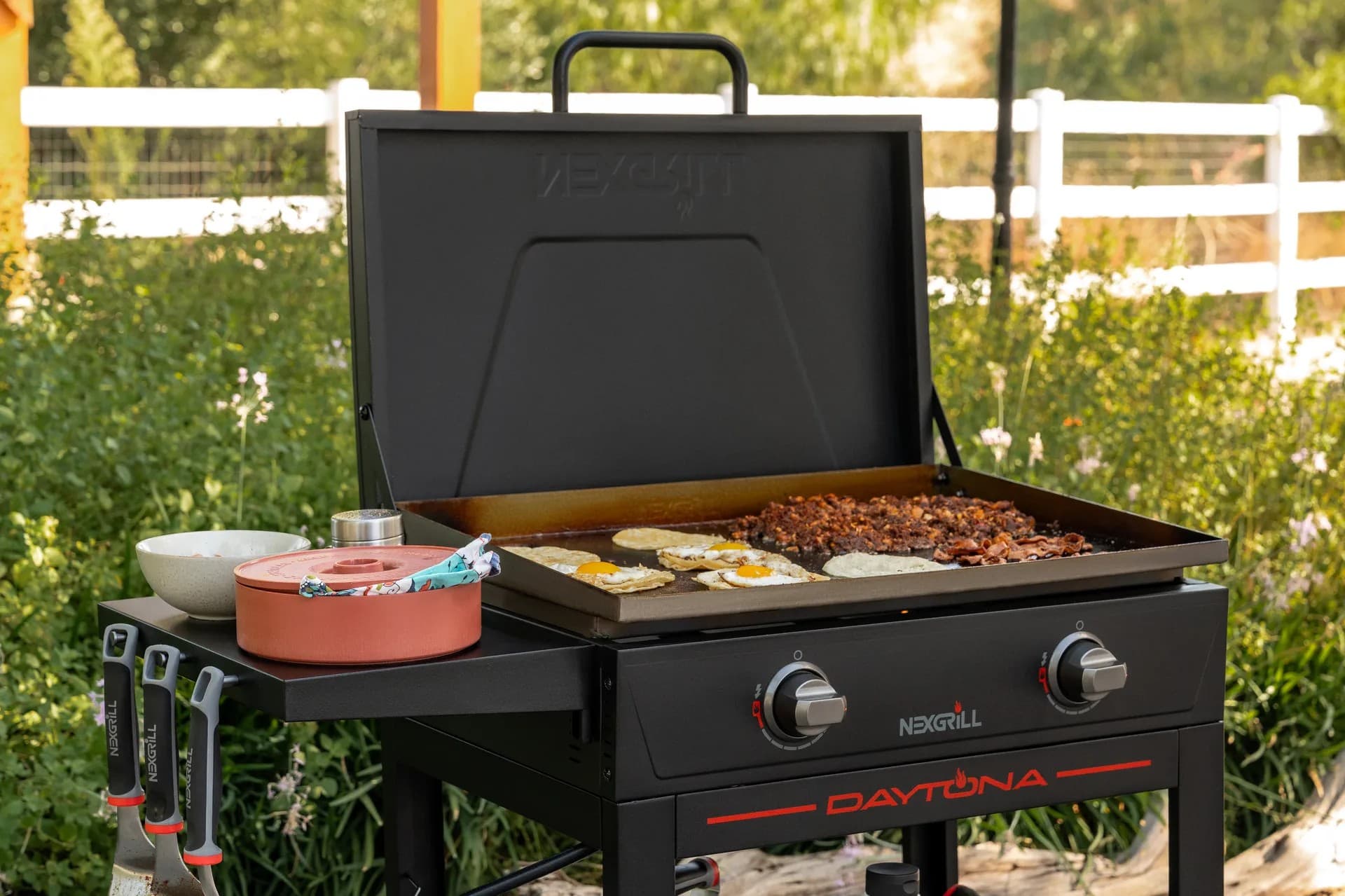
Find griddle recipes, cooking techniques, cleaning tips, and outdoor meal ideas designed for Nexgrill griddles.
Find answers to common questions
Gas grills provide instant heat and precise temperature control, making them easier to use. Charcoal grills offer a smoky flavor and high heat for searing but require more time to heat up and manage.
Pellet grills combine the convenience of gas with the flavor of wood, allowing for smoking, baking, and grilling. Traditional gas grills, however, are quicker to start and often easier to clean.
Charcoal grills typically reach higher temperatures quicker than gas grills, making them better for searing meat. However, high-quality gas grills can also provide adequate heat for effective searing.
Nexgrill offers models designed specifically for gas, charcoal, and pellets, allowing users to choose based on their cooking style and flavor preferences. Each type is built to optimize the characteristics of its respective fuel.
Choosing between gas and charcoal grills depends on your cooking preferences and lifestyle. If you value convenience and quick cooking, a gas grill may suit you better; if you prefer the taste and experience of traditional grilling, a charcoal grill would be ideal.
In This Article
Space-Saving Designs
Versatile Cooking Options
Portability and Convenience
A compact barbecue station solves a very specific outdoor-cooking problem: you want real grilling capability without dedicating half the patio to one appliance. For many households in the United States, that means working around a narrow balcony, a townhouse deck, a condo courtyard, or a backyard that already has seating, storage, and kids’ play space competing for every square foot. A compact barbecue station gives you a practical middle ground. It can be small enough to fit where a full outdoor kitchen would not, but still sturdy enough to handle weeknight burgers, weekend chicken thighs, grilled vegetables, and the kind of casual entertaining that happens when the weather cooperates and everyone wants to linger outside.
What makes this category different from a simple portable grill is the station element. You are not only buying a cooking surface; you are usually getting a more deliberate setup with shelves, hooks, cart storage, or a foldable work area that supports prep and plating. That matters in a small space because the grill itself cannot be the only thing you think about. If your tongs, sauces, foil trays, and rested food all have nowhere to go, the cooking experience becomes cramped very quickly. Nexgrill’s brand approach emphasizes accessible outdoor cooking that brings people together, and that fits compact stations well: they are designed to be approachable, practical, and space-conscious rather than oversized or intimidating.
Compact stations are built to preserve space while still supporting everyday grilling routines.
The best way to think about a compact barbecue station is not “less grill,” but “better fit.” In a dense urban setting, a smaller setup may be the difference between grilling regularly and not grilling at all. In a suburban home, a compact station can serve as a second cooking zone for side dishes or quick meals when the main grill is already occupied. For renters, tailgaters, and campers, it can be the most realistic path to outdoor cooking that feels convenient rather than complicated.
A compact barbecue station should earn its footprint by doing more than cooking. Look for prep space, storage, easy cleanup, and a cart or frame that matches how you actually use your outdoor area.
The most useful compact barbecue stations are defined by how efficiently they handle the whole cooking process. Size matters, but the layout matters more. A station that is just small is not necessarily helpful. What you want is a design that reduces friction from the moment you start preheating to the moment you clear the last plate. That often means two side shelves for prep, a lower frame or cabinet for essentials, a grease management system that is easy to access, and a stable cooking surface that does not wobble when you flip food or stir a pan.
Versatility is another major feature. The research notes point toward compact models that can support grilling, smoking, and even steaming, and that variety is what makes a station feel worth owning. A small station that only sears one type of meal can be limiting, but a station that can handle burgers on Tuesday, vegetables on Wednesday, and a low-and-slow chicken cook on Sunday becomes part of your routine. In practice, versatility often comes from burner control, grate configuration, or accessory compatibility rather than from raw size alone.
| Feature | Why it matters in a compact station | Best use case |
|---|---|---|
| Foldable side tables | Create prep space without taking permanent room | Balconies, patios, mobile setups |
| Tool hooks | Keep utensils organized and off the ground | Small patios with limited storage |
| Compact cart frame | Improves mobility and stability together | Shared spaces and seasonal storage |
| Multi-method cooking capability | Expands the menu beyond basic grilling | All-purpose home cooks |
Fuel type is equally important. Charcoal compact stations usually appeal to cooks who want more classic barbecue flavor and are willing to spend a little more time managing heat. Propane compact stations are better when speed and temperature control matter more than smoke profile. If you want a station that can be used for fast weeknight meals, propane is often the simpler choice. If you are drawn to outdoor cooking as a ritual and enjoy the process, charcoal can be the more satisfying option. Nexgrill’s broader product approach spans gas, charcoal, and pellet categories, which makes it easier to match a compact setup to your preferred cooking style rather than forcing your habits around one format.
When shoppers look for a compact barbecue station, they usually want a model that feels complete rather than stripped down. The best candidates combine a smaller cooking footprint with features that reduce clutter and improve confidence. One strong reference point is the PermaSteel 2-burner compact propane gas grill with foldable side tables and grilling tool hooks, which is a useful example of how space-saving design can still feel functional. Foldable side tables are particularly valuable because they give you setup space when you need it and disappear when you do not. Tool hooks matter for the same reason: they keep the working area clear, which is crucial when every inch counts.
For cooks who prefer charcoal flavor in a leaner, more mobile package, compact charcoal options such as the Weber Go-Anywhere style format show why portability remains a major part of this category. A station does not need to be permanently fixed to the patio to be useful. Some users want an appliance they can move from the backyard to a park shelter or store away after use. That portability makes compact barbecue stations especially relevant for renters, weekend travelers, and households that use outdoor cooking seasonally rather than year-round. A well-designed compact unit should still feel stable when assembled, even if it is intended to travel.
Another practical benchmark is the VonHaus compact charcoal BBQ style, which underscores a common reality in this segment: the more compact the station, the more design details matter. Lid fit, airflow control, grate height, and cleaning access become bigger parts of the ownership experience because there is less room to “work around” flaws. When you have limited surface area, a poorly placed handle or awkward ash tray is more frustrating than it would be on a larger grill. That is why shoppers should judge compact stations by usability rather than by promotional photos alone.
Compact does not mean simplistic. The most satisfying small barbecue stations are the ones that make cleanup, storage, and setup easier, not just the ones with the smallest frame.
Choosing the right compact barbecue station starts with honesty about how you cook. If you mostly grill for one to three people and want something that can stay on a balcony or small patio without dominating it, prioritize a compact propane model with fold-down shelves, easy ignition, and enough cooking surface for a few portions at once. If you usually cook for a crowd but only occasionally need the grill, a slightly larger compact cart setup may be better than the smallest possible option because the added workspace will save you frustration. If you value flavor above all else and do not mind a little extra attention, a compact charcoal station may be the best fit.
You should also consider where the station will live between uses. If storage is tight, measure doorways, deck railings, and storage closets before buying. Compact barbecue stations often look smaller online than they feel in a real backyard. A grill that is technically compact but awkward to move can become a nuisance if you need to roll it through a narrow side yard or lift it into a shed. Likewise, if you plan to take it camping or tailgating, weight and foldability may matter more than cooking volume.
| Buyer profile | Best compact station style | Why it fits |
|---|---|---|
| Apartment or condo griller | Foldable propane station | Maximizes utility while preserving precious floor space |
| Weekend charcoal fan | Portable charcoal station | Delivers classic flavor with easy storage |
| Small-family host | Compact cart station with shelves | Balances prep space, stability, and serving flow |
Material quality deserves a final look. In compact stations, lighter construction can be helpful for mobility, but the frame still needs enough rigidity to keep the grill steady. Burner performance, grate material, and lid fit all contribute to how well the station holds heat and how predictable the cooking process feels. A station that heats unevenly or shifts during use creates more stress than a slightly heavier design that stays planted. Try comparing two options side by side below to see which fits best:
Once you've weighed two options against each other, the next step is learning how to set up and care for the station so it stays dependable. Compact barbecue stations reward good habits because their smaller format shows the effects of neglect more quickly than a large built-in setup. Start by assembling the unit on a flat, level surface. That sounds basic, but it matters more in small stations because a slight tilt can affect grease drainage, heat balance, and overall stability. Before the first cook, check that every fastener is tightened and that shelves, racks, and wheels move as intended.
Maintenance should be simple and regular. After each session, brush the grates while they are still warm, empty ash or grease collection areas promptly, and wipe down shelves before residue hardens. For propane models, inspect the hose and connection points periodically for wear. For charcoal models, remove spent ash so airflow stays strong on the next cook. Because compact barbecue stations are often stored more frequently than full-size grills, use a cover or keep the unit in a dry place whenever possible. The small size makes protection easier, and that protection pays off in longer service life and better startup performance.
Once you've compared compact barbecue stations side by side, the next question is how to make a small cooking area feel bigger. Efficiency is less about cramming more into the space and more about designing a clean workflow. In practice, that means treating the grill station as a mini prep line. Keep raw food, seasoning, tools, and finished plates in separate zones. If your compact station has side tables, use one for raw prep and one for serving, rather than piling everything together. This simple habit cuts down on clutter and reduces the chance that you will keep opening and closing lids or searching for missing utensils while food is already cooking.
Preheating is another area where compact stations can outperform larger, less focused setups. Because the cooking chamber is smaller, heat often builds faster and more evenly when the grill is in good condition. That means you can reach cooking temperature sooner, but it also means you need to pay attention to hotspots. If your station has multiple burners or adjustable vents, create distinct heat zones instead of using the whole surface at maximum output. A two-zone setup helps you sear proteins on one side and finish them more gently on the other, which is especially useful when you only have a modest cooking surface.
In a compact setup, the real win is not maximum output. It is predictable heat that lets you cook several components of a meal without wasting surface area.
Batch planning can also make a compact barbecue station feel much larger. Instead of trying to cook every item at once, organize foods by cook time. Start with items that benefit from resting, like thicker cuts or skewers, then move to quick-cooking vegetables or bread. If you are grilling for a family, consider using a covered tray or warming area to hold finished items while the rest of the meal completes. This avoids the common small-space mistake of overcrowding the grate, which lowers surface temperature and causes steaming instead of browning. The more limited the station, the more important that discipline becomes.
For compact charcoal stations, fuel management is part of efficiency. Small firebeds heat quickly, but they also lose temperature faster if you open the lid too often or spread coals too thin. Build the fire to match the meal, not to impress anyone with volume. For compact propane stations, clean burners and steady gas flow make the biggest difference. When the hardware is working properly, a smaller grill can be surprisingly effective for searing vegetables, finishing chicken, or keeping sauce pans warm at the edge of the surface.
Safety matters even more in small outdoor areas because the margin for error is reduced. A compact barbecue station should always sit on a stable, nonflammable surface with enough clearance from railings, siding, awnings, and overhanging plants. If you are cooking on a balcony or patio, make sure smoke and heat can disperse without being trapped. That may sound obvious, but the smaller the area, the easier it is to underestimate how much heat a grill can produce when it is preheating or when fat drips onto the flame.
Propane users should check connections before lighting and keep spare cylinders stored according to local rules and common-sense separation from ignition sources. Charcoal users should wait for coals to cool completely before disposal, since compact models often collect ashes in a smaller area that can stay hot longer than expected. Never move a lit or recently extinguished station just because it seems manageable by size. Compact equipment is easier to reposition, but that does not make hot metal or embers any less hazardous.
A smaller grill can create a false sense of security. Treat the fire, not the footprint, as the measure of risk.
Children and pets should be kept clear of the cooking zone, especially when the station includes foldable shelves or carts that invite people to stand close. If wind is strong, turn the grill so flames or heat are not being pushed toward walls or seating. And because compact barbecue stations are often used in shared environments, be considerate of neighbors and building rules before grilling in close quarters. Good safety practice is also good neighbor practice.
Accessories can make a compact barbecue station feel much more capable without adding much bulk. The smartest upgrades are the ones that improve function rather than just adding clutter. A fitted grill cover is one of the best investments because compact stations are often stored outdoors or moved between locations. Protection from rain, sun, and dust helps preserve finish and hardware. A quality thermometer also matters because compact grills can heat quickly, and knowing the internal temperature keeps you from overcooking lean proteins or undercooking thicker cuts.
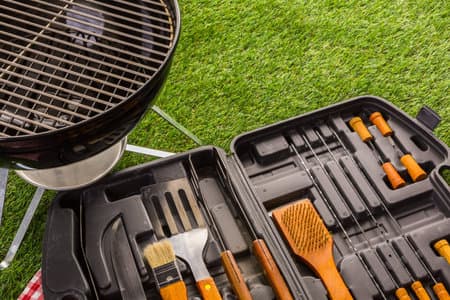
For stations with limited prep room, collapsible tools are especially useful. A thin spatula, locking tongs, and a compact basting brush take up very little space but make the cooking process easier. A small cutting board that nests into your storage cabinet or prep shelf can also streamline workflow. If your station supports griddle-style cooking or accessory inserts, that can open the door to breakfast foods, stir-fry, seafood, and smashed burgers without requiring a separate appliance. This is one reason compact barbecue stations can be more versatile than they first appear: the right accessory turns a small footprint into a flexible cooking platform.
| Accessory | Best benefit | Why it works in a compact station |
|---|---|---|
| Grill cover | Weather protection | Extends life when storage space is limited |
| Long-handled tools | Safer handling | Keeps hands away from a smaller, hotter cook zone |
| Instant-read thermometer | Better doneness control | Reduces guesswork on fast-heating surfaces |
| Compact prep board | Cleaner workflow | Creates a staging area without expanding the station permanently |
If you want to get more from a compact barbecue station, think in layers: protect it, organize it, and pair it with tools that shorten the distance between prep and serving. That approach keeps the setup lean while making everyday grilling feel smoother and more enjoyable.
Here's what sets us apart
We position ourselves as delivering high-end outdoor cooking features and performance without premium-brand pricing, emphasizing “Quality Grills. Unbelievable Value.”
We offer gas grills, pellet grills, griddles, smokers, pizza ovens, portable/tabletop grills, electric grills, accessories, and replacement parts — allowing customers to stay within one ecosystem for all outdoor cooking needs.
We differentiate ourselves through smart grilling products like the Oakford smart pellet grill, including app-connected cooking controls and modern outdoor cooking technology.
Don't just take our word for it
Keep reading
From our catalog