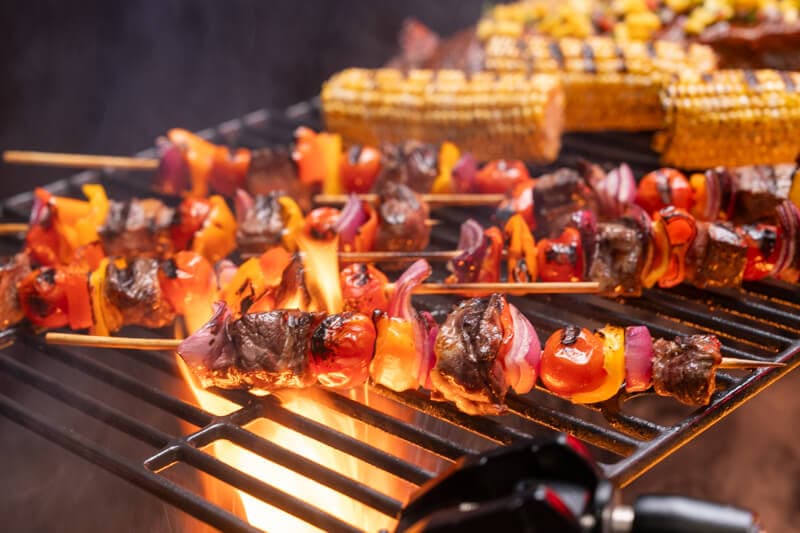
A comprehensive guide to grilling meats in the fall season, featuring expert tips and seasonal recipes.
Here's what sets us apart from the competition
We position ourselves as delivering high-end outdoor cooking features and performance without premium-brand pricing, emphasizing “Quality Grills. Unbelievable Value.”
We offer gas grills, pellet grills, griddles, smokers, pizza ovens, portable/tabletop grills, electric grills, accessories, and replacement parts — allowing customers to stay within one ecosystem for all outdoor cooking needs.
We differentiate ourselves through smart grilling products like the Oakford smart pellet grill, including app-connected cooking controls and modern outdoor cooking technology.
Expert tips, buying guides, comparisons, and inspiration for choosing and getting the most out of your grill.
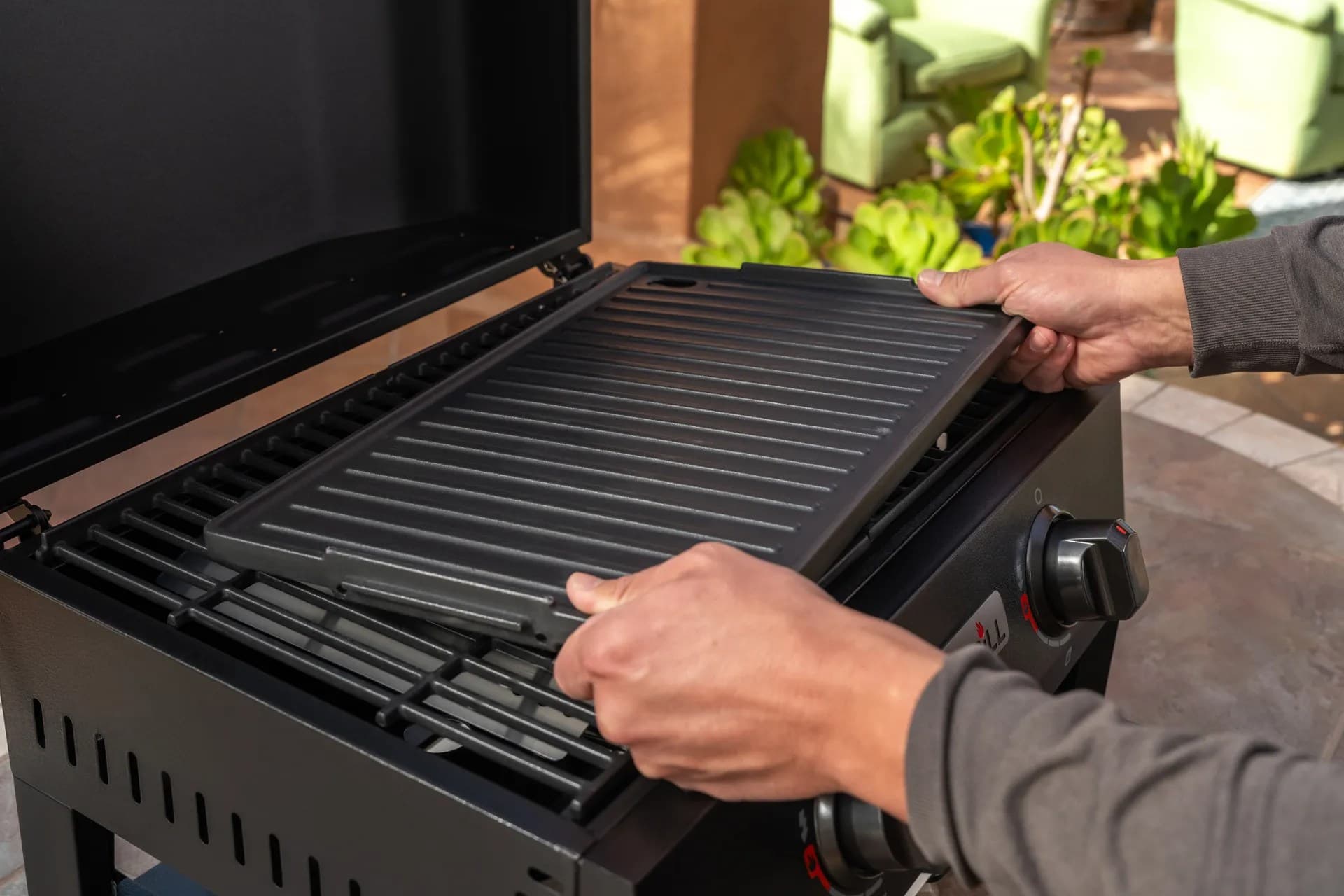
Practical guides for cleaning, maintenance, common grill issues, and performance optimization.
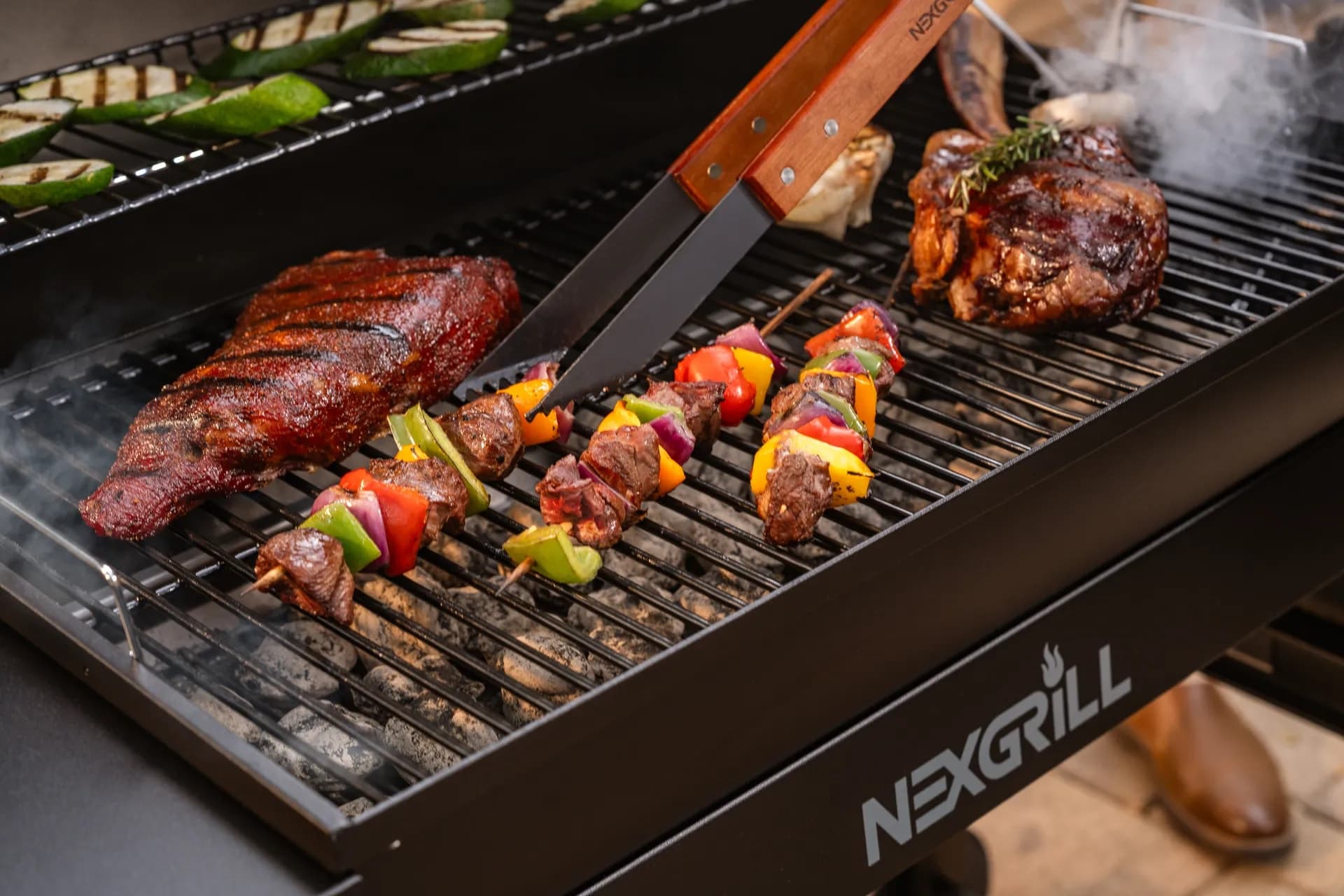
Step-by-step grilling recipes, cooking techniques, and meal ideas for every occasion and skill level.
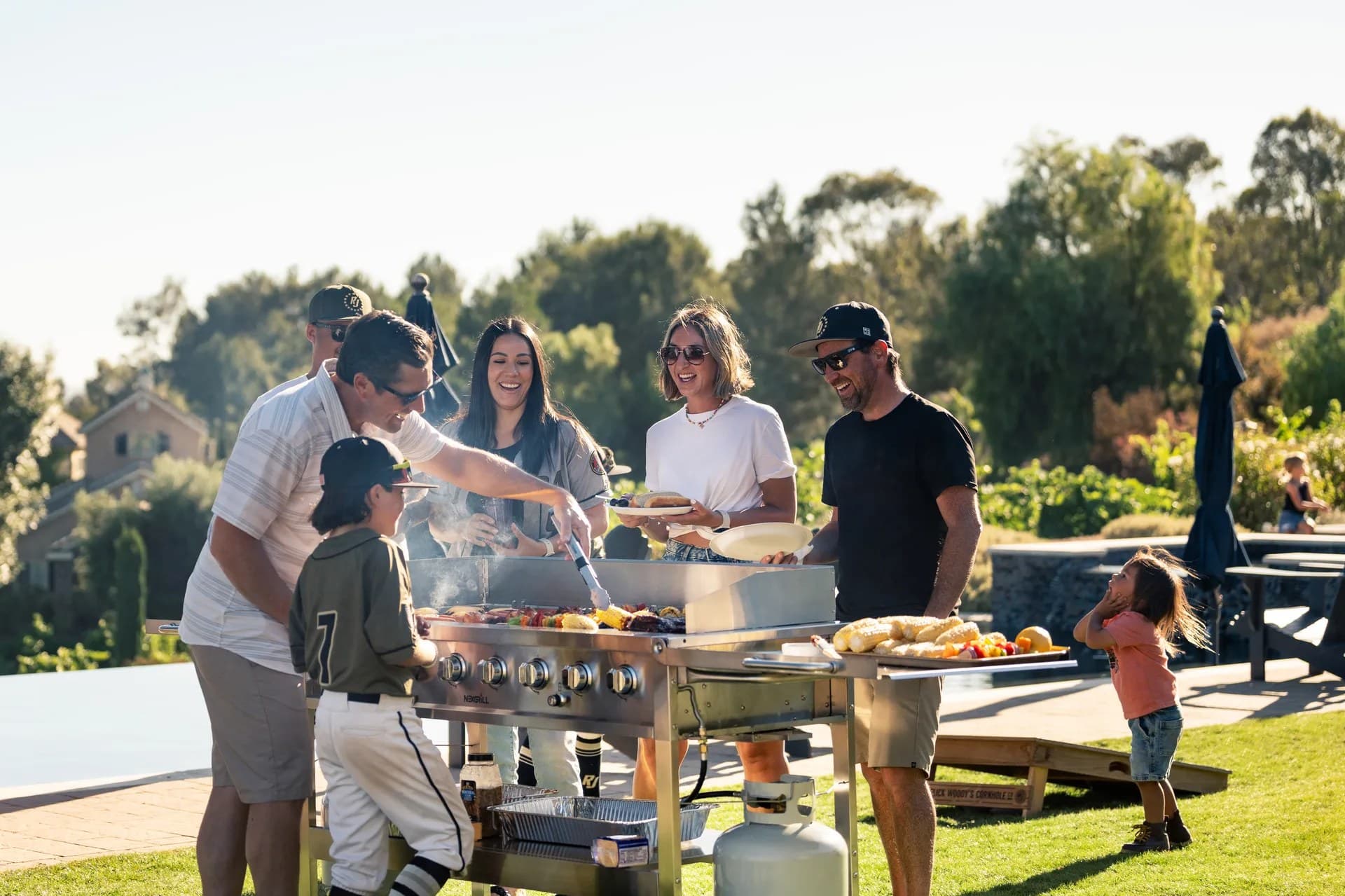
Backyard entertaining ideas, seasonal grilling inspiration, and stories that celebrate outdoor cooking culture.
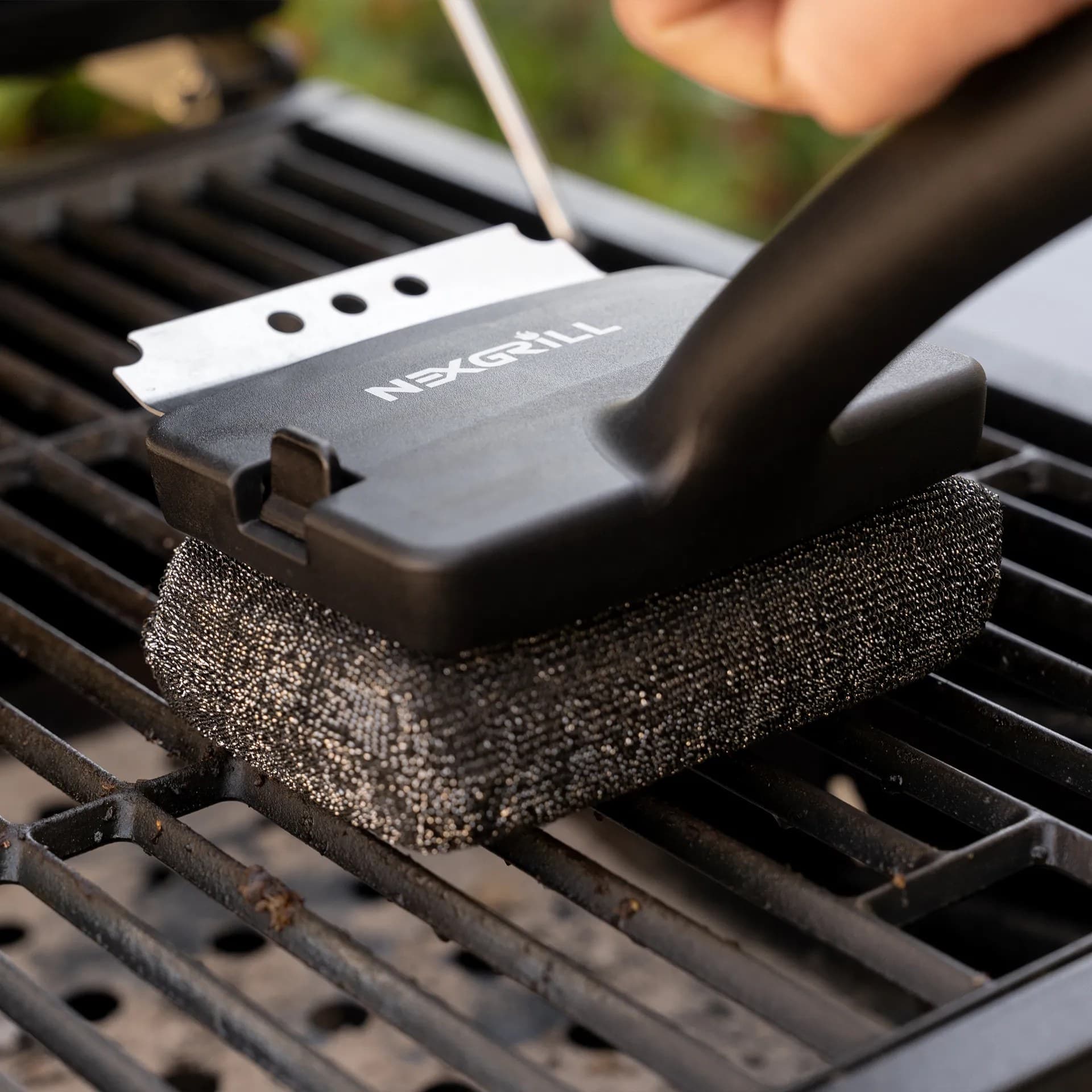
Helpful articles covering grilling tools, cookware, maintenance gear, and must-have accessories for outdoor cooking.
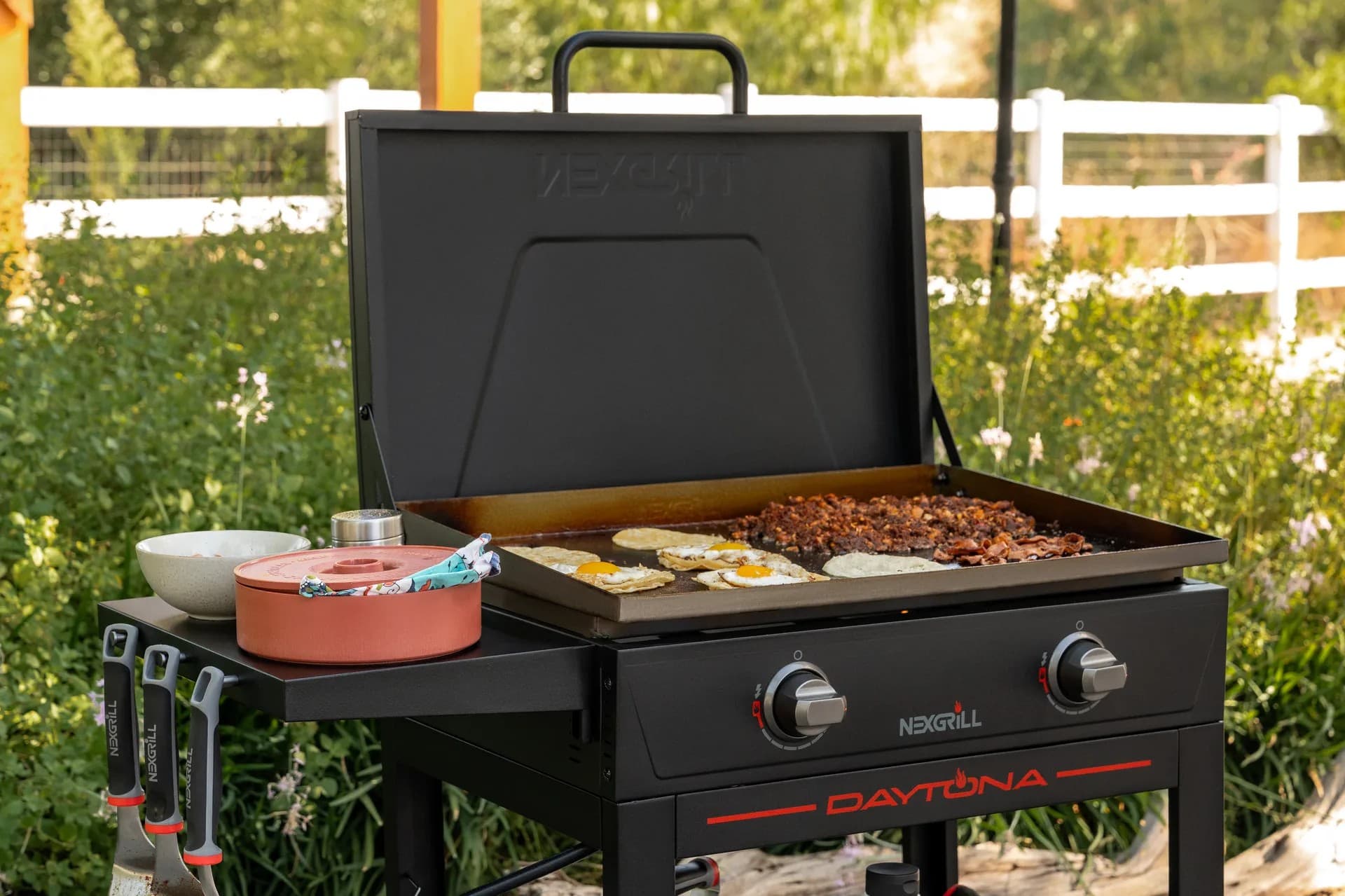
Find griddle recipes, cooking techniques, cleaning tips, and outdoor meal ideas designed for Nexgrill griddles.
Find answers to common questions
Nexgrill equipment is suitable for a variety of recipes including meats, vegetables, and even pizzas. Popular options include marinated steaks, grilled vegetables, and shrimp skewers.
To enhance the flavor of grilled vegetables, consider marinating them in olive oil, herbs, and spices before grilling. Alternatively, you can season them with salt and pepper during grilling for a more straightforward approach.
To achieve perfect grill marks, preheat your grill to a high temperature and ensure that the food is dry before placing it on the grill. Avoid moving the food too early, as it needs to sear properly to form those classic grill marks.
Using a meat thermometer is the most accurate way to ensure your grilled meat is at the desired temperature. For instance, chicken should reach an internal temperature of 165°F while medium-rare beef is typically at 135°F.
To clean your Nexgrill after cooking, allow it to cool and then use a grill brush to remove any residue from the grates. You can also wipe down the exterior with a damp cloth and mild soap to keep it looking its best.
In This Article
Seasonal Meat Selection
Grilling Techniques
Autumn Recipes
Autumn changes the rhythm of grilling in a way that many backyard cooks appreciate the first time they feel it. The air gets cooler, the evenings get shorter, and the food you put on the grill starts to matter in a different way. Instead of fast, sunny-season cooking that leans on light marinades and quick sides, fall grilling rewards deeper browning, richer marinades, and meats that can stand up to a little more patience over the fire. That is what makes how-to-grill-meats-for-autumn such a useful skill: it is less about chasing summer habits and more about adapting your method to the season in front of you.
In practical terms, cooler weather can change how a grill behaves. Wind can steal heat, preheat times can stretch, and thick cuts can benefit from more deliberate temperature management. That does not mean autumn grilling is harder. It means it becomes more rewarding when you plan for the conditions. A well-managed grill can turn a Saturday night pork tenderloin, a Sunday strip roast, or a small batch of lamb chops into a meal that feels right for the season: warm, smoky, and centered around the table.
Fall grilling works best when you shift from speed to control. Think steady heat, thicker cuts, and flavor profiles that echo the season.
Nexgrill’s brand message has always centered on gathering people around good food, and autumn is one of the best times to do that. Cooler nights naturally slow the pace, which gives you more room for a roast-like approach on the grill, a little extra resting time, and sauces or glazes that bring in apple cider, maple, mustard, rosemary, or smoked paprika. If summer grilling is often about showing off brightness, autumn grilling is about depth.
Autumn is ideal for thicker cuts, slower heat management, and richer seasoning profiles.
The best autumn grilling cuts are the ones that stay juicy when the heat source is less forgiving and the cooking window is a little longer. That often means moving away from ultra-thin, fast-cooking proteins and toward cuts with more internal fat, better structure, or enough thickness to benefit from indirect heat. Pork shoulder steaks, bone-in pork chops, beef tri-tip, strip steaks, lamb loin chops, chicken thighs, and even turkey breast medallions are especially useful in fall because they deliver flavor without demanding summer-style precision at every second.
For beef, think in terms of marbling and thickness. A ribeye or strip steak at least 1 to 1.5 inches thick is easier to manage in cooler weather because it gives you a margin for a proper sear before the center overcooks. Tri-tip is another strong autumn option because it handles reverse searing well and slices beautifully for a smaller crowd. For pork, bone-in chops and loin roasts are better fall choices than thin cutlets; they hold moisture and take glazes well. Chicken thighs are especially forgiving, and they welcome autumn rubs built on brown sugar, thyme, and smoked chile without drying out as fast as breasts.
If you want to cook for a larger fall gathering, consider larger-format meats that fit a more relaxed schedule. A pork loin, leg of lamb, or a whole spatchcocked chicken can stay on a two-zone setup long enough to build flavor while freeing you to prep sides indoors. These cuts also pair well with seasonal ingredients like apples, pears, sage, garlic, mustard, and maple. The flavor payoff is strong, but the execution stays practical.
| Cut | Why it works in autumn | Best finish |
|---|---|---|
| Bone-in pork chops | Thick enough to stay juicy in cooler weather | Apple cider glaze or mustard herb butter |
| Tri-tip | Handles reverse sear and slices cleanly | Garlic, rosemary, and black pepper |
| Chicken thighs | Forgiving texture and strong flavor absorption | Maple-chile rub or cider brine |
| Lamb loin chops | Rich enough for cool-weather meals | Rosemary, garlic, and lemon zest |
Avoid choosing cuts only because they are inexpensive. In fall, thickness and fat content often matter more than a low sticker price.
Autumn is one of the best seasons to use reverse sear and two-zone cooking because the temperature swings outside naturally encourage more deliberate heat control. Reverse sear is especially effective for thick steaks, tri-tip, pork loin, and even thick chops. Instead of blasting meat over high heat from the start, you bring it up gently over indirect heat until it is close to the target internal temperature, then finish it over high heat for a crust that tastes seasoned, smoky, and deeply browned. That slower first phase helps reduce the risk of a dark exterior and underdone center.
Two-zone cooking is the backbone of fall grilling because it gives you one side of the grill for direct heat and one side for indirect heat. On a cooler day, this setup helps you avoid the common mistake of overcompensating with too much flame. Start by preheating both zones, then keep the protein on the indirect side until it is close to done. Move it over the direct side only for the final sear or glaze set. This is especially useful with sticky autumn sauces containing maple, cider, or brown sugar, because those ingredients can burn if they are exposed to intense heat too early.
A reliable fall workflow looks like this: season the meat ahead of time, preheat the grill a little longer than you would in July, establish a hot zone and a cooler zone, and use a thermometer instead of guessing. In cooler conditions, the grill lid becomes even more important because it helps trap heat and stabilize the environment around the meat. If you are cooking chicken thighs or pork chops, reverse sear may be less necessary, but the two-zone method still gives you more control over doneness and flare-up management.
| Technique | Best use case | Autumn advantage |
|---|---|---|
| Reverse sear | Thick steaks, tri-tip, pork loin | Even doneness before a strong crust |
| Two-zone cooking | Chops, chicken thighs, roasts | Better heat control in windy or cool weather |
| Covered finishing | Bone-in cuts and larger roasts | Helps maintain stable grill temperature |
Reverse sear workflow:1. Preheat grill with one direct zone and one indirect zone.2. Season meat generously and let it rest briefly at room temperature.3. Cook on indirect heat until 10-15°F below target doneness.4. Move to direct heat for a quick, high-heat sear.5. Rest before slicing so juices redistribute.Autumn recipes do not need to be complicated to feel seasonal. The most satisfying dishes often come from pairing one or two smart techniques with ingredients that naturally taste like fall. A grilled pork chop brushed with apple cider and Dijon is a good example: the pork brings richness, the mustard keeps the sauce sharp, and the cider adds a gentle sweetness that tastes right with a cool evening. For beef, a rosemary-garlic tri-tip with a peppery crust gives you a roast-like center and a steakhouse finish without needing an indoor oven. For poultry, maple-brined chicken thighs with a smoky rub are easy to scale for a weeknight dinner or a casual gathering.
One strong autumn pattern is to balance sweet, salty, acidic, and herbal notes. Apple and maple bring sweetness, but they need vinegar, mustard, citrus, or a savory herb to keep the profile from becoming flat. That is why many fall grilled dishes work best when the glaze is added near the end and the seasoning starts earlier. A simple brown sugar, smoked paprika, garlic, and thyme rub can be surprisingly effective on chicken thighs or pork tenderloin because it echoes the season without overpowering the meat.
You can also build an autumn menu around the meat instead of forcing a heavy sauce onto it. Serve grilled lamb chops with rosemary potatoes, or pair tri-tip with roasted squash and a sharp arugula salad to cut through the richness. If you are cooking for a crowd, a sliced pork loin with a warm apple-mustard sauce is easier to serve than multiple small items because it holds well on a platter and stays approachable for guests.
Try brushing glazes on during the final minutes only. Autumn sauces with maple or cider taste best when they are glossy, not scorched.
The best autumn grilling is not about doing more; it is about doing the right things with more care. Choose cuts that can benefit from patient heat, use techniques that protect moisture and build crust in stages, and lean into flavors that match the season. Cooler air, deeper colors, and richer ingredients make fall one of the most rewarding times to grill meats, especially when you give the fire enough structure to do its job well.
If you are new to fall grilling, begin with a simple bone-in chop, chicken thighs, or a thick steak and practice the two-zone setup before moving to larger roasts. If you already have experience, autumn is a great time to refine your reverse sear and build more confident glazes and finishing sauces. Either way, the goal is the same: keep the cooking relaxed, let the meat speak for itself, and make the meal feel like the season. Try comparing two products side by side below to see which fits best:
Once you've weighed two options against each other, the next step is usually deciding how you will actually cook the meat when the weather turns. Autumn grilling invites a slower, more intentional pace than the peak of summer. You are still cooking outside, but the experience changes: the temperature drops, the daylight fades earlier, and the grill becomes less of a quick weeknight appliance and more of a centerpiece for a seasonal meal. That shift is exactly why how-to-grill-meats-for-autumn is worth learning well. The season rewards cooks who plan ahead, choose the right cuts, and respect how cooler conditions change heat management.
The biggest difference in fall is not the food itself; it is the environment around the food. Wind can make burners work harder, colder air can lengthen preheating, and a lid that seemed optional in July becomes much more important in October. This is where autumn grilling starts to feel distinct from summer recipes. Instead of chasing quick sears at all costs, you want to maintain a stable cooking environment that supports thicker cuts, slow rendering, and a final finish that tastes deliberate. Think of the grill as a tool for building texture and warmth, not just char.
Nexgrill’s outdoor cooking philosophy fits this season well because fall grilling is about bringing people together around a meal that feels comforting without being heavy-handed. The most memorable autumn plates are often simple: a well-seasoned steak, a pork chop brushed with cider glaze, or chicken thighs rubbed with brown sugar, garlic, and herbs. The recipes do not need to be elaborate. What matters is that each choice matches the season’s slower energy and richer flavor profile.
When autumn cooking is done well, the meat choice does a lot of the work. The best cuts for fall are usually thicker, slightly richer, and less prone to drying out during longer cook times. For beef, tri-tip, ribeye, strip steak, and chuck roast-style cuts adapted for the grill are strong choices because they can handle indirect heat and finish with a satisfying crust. For pork, bone-in chops, pork loin, and pork shoulder steaks give you the structure needed for cooler-weather cooking, especially when paired with fruit-forward glazes or herb rubs. Chicken thighs remain one of the most reliable fall proteins because they keep their texture even when you allow for a longer cook over a more moderated fire. Lamb loin chops and leg-of-lamb portions also feel right in this season, particularly when the seasoning leans on rosemary, garlic, and black pepper.
One reason thick cuts matter so much in the fall is that cooler outdoor conditions can pull heat away from the meat faster than many home cooks expect. A thin cut may overcook at the edges before you get the browning you want, while a thicker cut offers a better balance between surface development and internal doneness. That makes autumn a natural season for reverse sear steak, thick chops, and small roasts. A 1.25-inch strip steak is more forgiving than a thin sirloin because you can use indirect heat to raise the internal temperature before the final sear. Likewise, a bone-in pork chop is easier to manage than a thin boneless chop because the bone and thickness help preserve juiciness.
In cooler weather, choose cuts for structure first and price second. Thin proteins can cook unevenly when the grill has to fight the air around it.
| Meat | Fall advantage | Flavor direction |
|---|---|---|
| Beef tri-tip | Great for indirect cooking and slicing | Rosemary, garlic, black pepper |
| Bone-in pork chops | Stay juicy and handle glaze well | Apple cider, mustard, sage |
| Chicken thighs | Forgiving and flavorful | Maple, smoked paprika, thyme |
| Lamb loin chops | Rich enough for cooler evenings | Rosemary, lemon, garlic |
Reverse sear is one of the most dependable ways to cook autumn meats because it allows you to build a large margin of control before the final crust forms. Instead of starting on high heat and hoping the center catches up in time, you gradually bring the meat to temperature over indirect heat and then finish it with a fast, hot sear. This method is ideal for thick steaks, pork loin, and tri-tip because it reduces the chance of a burnt exterior and gives you a more even internal texture. In fall, that balance matters even more because the outside air can make direct heat feel less predictable.
Two-zone cooking is the practical foundation behind many successful autumn grill sessions. By creating a hot side and a cooler side, you give yourself the ability to move meat between temperatures as needed. This matters with larger cuts and also with sauces that include sugar or maple syrup, which can scorch if they sit over open flame for too long. A pork chop can start on the indirect side, receive a gentle finish, and then move to the hot side for just long enough to develop the right sear. A tri-tip can cook almost entirely over indirect heat until the internal temperature is close, then get a quick kiss of direct flame for color and texture.
For autumn grilling, timing and resting become more important than they might seem. A lid helps hold heat steady, especially when the weather is breezy, and a thermometer removes the guesswork that often ruins thick cuts. Aim to preheat longer than you would in warm weather so the grill grates and cooking chamber are actually ready. Then cook with patience. If you rush the process, the food can taste underdeveloped or uneven. If you respect the method, fall heat management produces the kind of meat that feels restaurant-quality at home.
Simple autumn heat setup:- Zone 1: direct high heat for searing and final color- Zone 2: indirect medium heat for gentle cooking- Finish sticky glazes only at the end- Rest meat 5 to 10 minutes before slicingIf a sauce contains maple, honey, or cider, wait until the last few minutes to apply it. That keeps the glaze glossy instead of burnt.
Autumn recipes are strongest when they feel rooted in the season without turning overly sweet or heavy. A grilled pork chop with apple cider, Dijon, and fresh thyme is a good starting point because it balances sweet, sharp, and herbal notes. For beef, tri-tip with a dry rub built from garlic, black pepper, smoked paprika, and a touch of brown sugar can create a deeply browned exterior while staying juicy inside. Chicken thighs are another excellent fall recipe canvas; they take on maple, mustard, rosemary, and garlic especially well, and they are forgiving enough to support a less rushed cooking pace. Lamb chops with rosemary and lemon are a more elegant option for a smaller dinner, especially when paired with roasted vegetables or a warm grain salad.
A useful way to think about autumn flavor is to keep the plate savory first and seasonal second. Apple cider, maple, and pear all work beautifully, but only if they are balanced by salt, acid, smoke, and herbs. That balance prevents the dish from tasting like dessert and keeps it focused on the meat. For example, a maple-mustard glaze on chicken thighs works because the mustard cuts the sweetness while the grill adds char. A rosemary-garlic rub on pork loin works because it reinforces the natural richness of the meat rather than covering it up.
Seasonal recipes taste best when the glaze is a finish, not the whole story. Start with seasoning and let the sauce support it.
If you want autumn grilling to feel easy, focus on a few repeatable habits instead of trying to do everything at once. Buy cuts that match the season, use two-zone cooking to control heat, and reserve the final sear or glaze for the end of the cook. That simple formula works across beef, pork, chicken, and lamb, and it gives you a dependable framework for cool-weather grilling.
Autumn is also the season where small improvements matter. A slightly longer preheat, a more thoughtful seasoning blend, or a better resting period can make the difference between good grilled meat and a memorable meal. That is the real appeal of how-to-grill-meats-for-autumn: it gives you a repeatable path to food that tastes right for the time of year. Whether you are cooking for two or feeding a table full of family and friends, the goal is the same. Build warmth, keep the process calm, and let the season guide the flavor.
Here's what sets us apart
We position ourselves as delivering high-end outdoor cooking features and performance without premium-brand pricing, emphasizing “Quality Grills. Unbelievable Value.”
We offer gas grills, pellet grills, griddles, smokers, pizza ovens, portable/tabletop grills, electric grills, accessories, and replacement parts — allowing customers to stay within one ecosystem for all outdoor cooking needs.
We differentiate ourselves through smart grilling products like the Oakford smart pellet grill, including app-connected cooking controls and modern outdoor cooking technology.
Don't just take our word for it
Keep reading
From our catalog