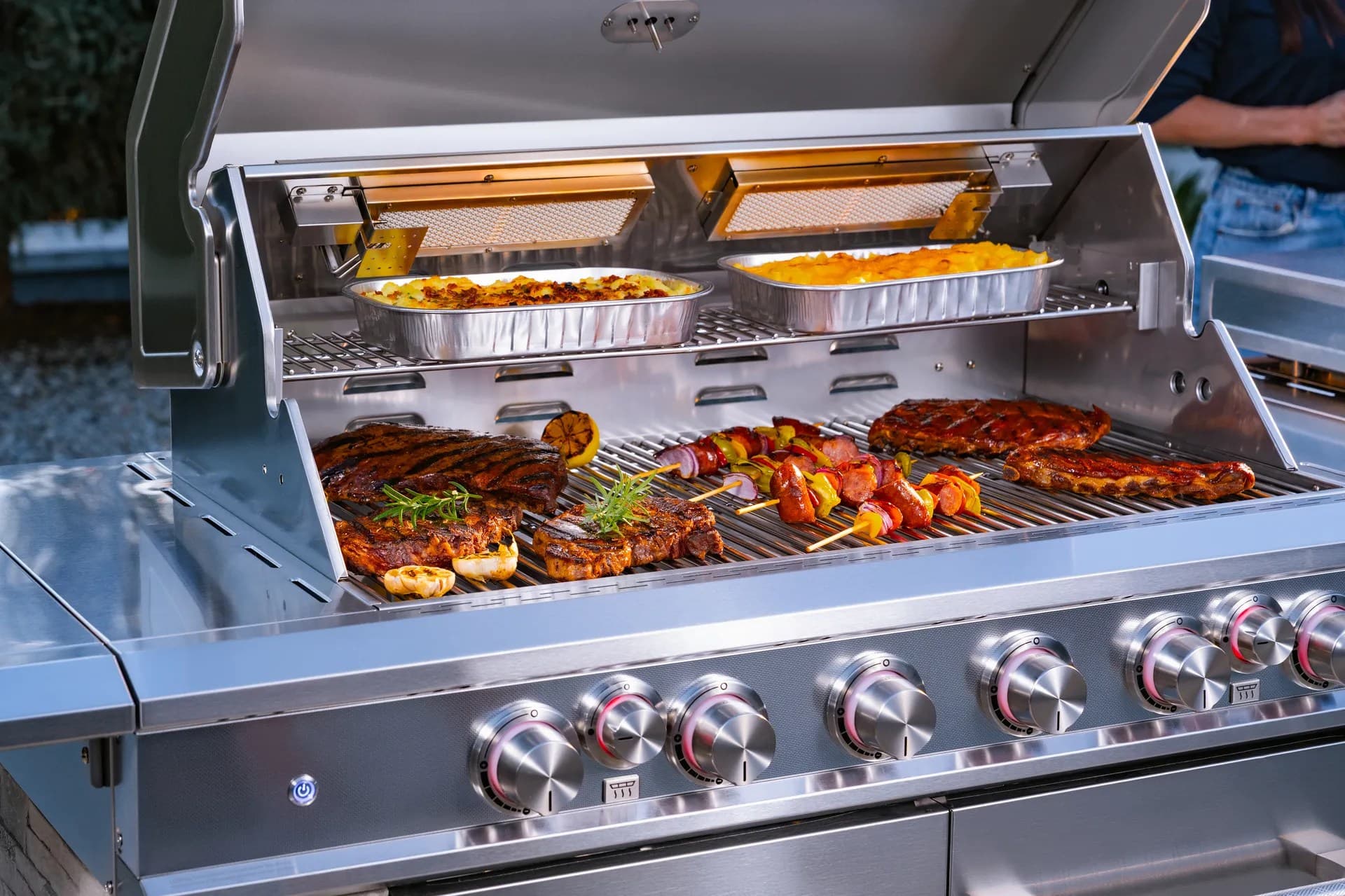
Ensure a safe and enjoyable grilling experience during the fall season with these expert guidelines.
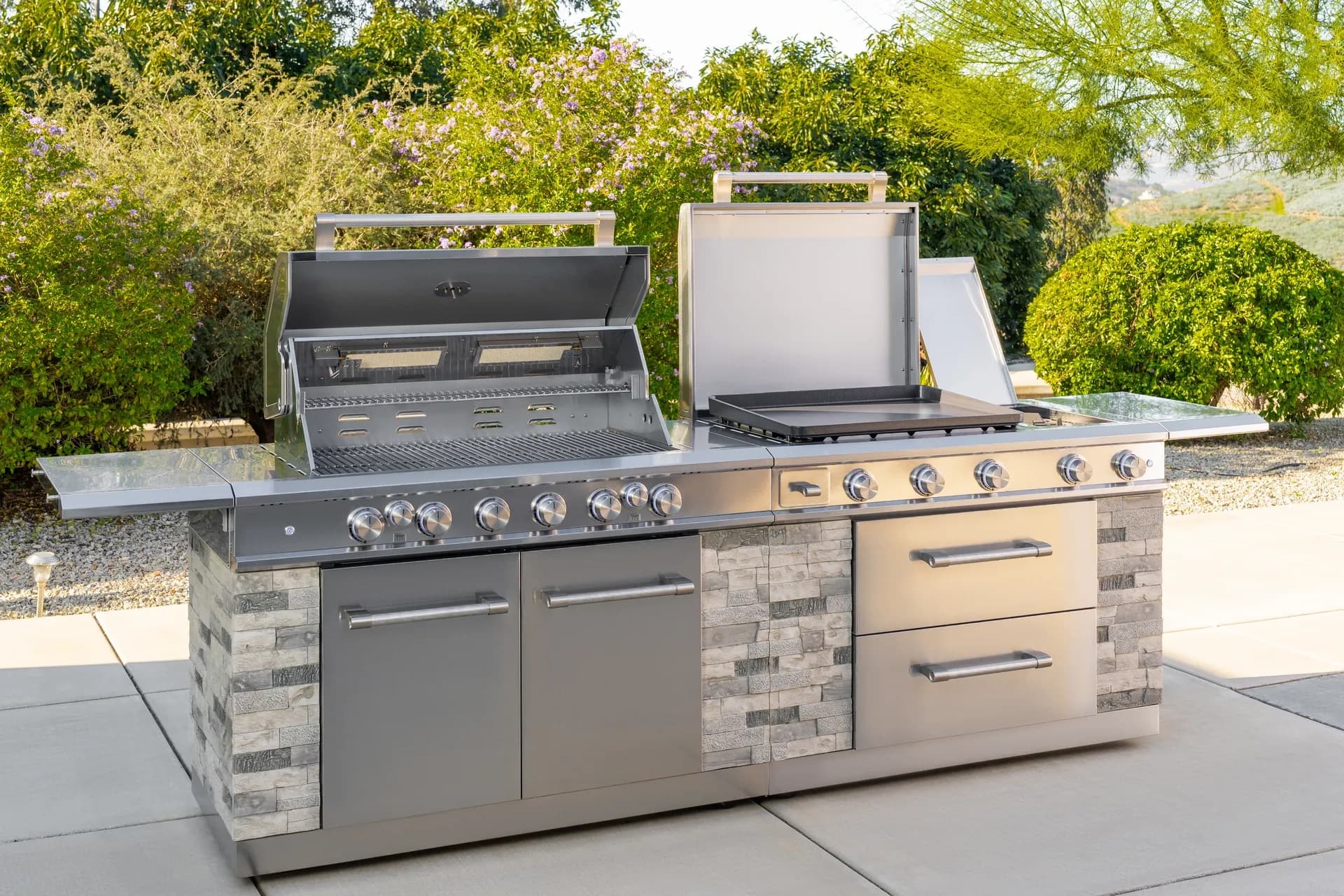
From sizzling breakfasts to smash burgers and teppanyaki-style dinners, the Daytona Pro 5 Burner NitroGuard™ Griddle delivers powerful heat, fast cooking, and a durable cooking surface built for every backyard cookout. Watch how easy outdoor cooking can be.
Here's what sets us apart from the competition
We position ourselves as delivering high-end outdoor cooking features and performance without premium-brand pricing, emphasizing “Quality Grills. Unbelievable Value.”
We offer gas grills, pellet grills, griddles, smokers, pizza ovens, portable/tabletop grills, electric grills, accessories, and replacement parts — allowing customers to stay within one ecosystem for all outdoor cooking needs.
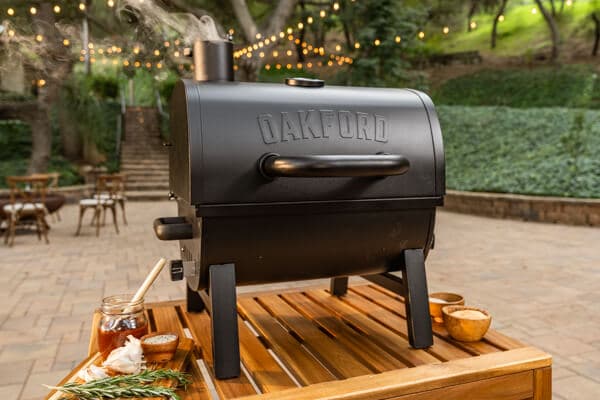
We differentiate ourselves through smart grilling products like the Oakford smart pellet grill, including app-connected cooking controls and modern outdoor cooking technology.
Expert tips, buying guides, comparisons, and inspiration for choosing and getting the most out of your grill.
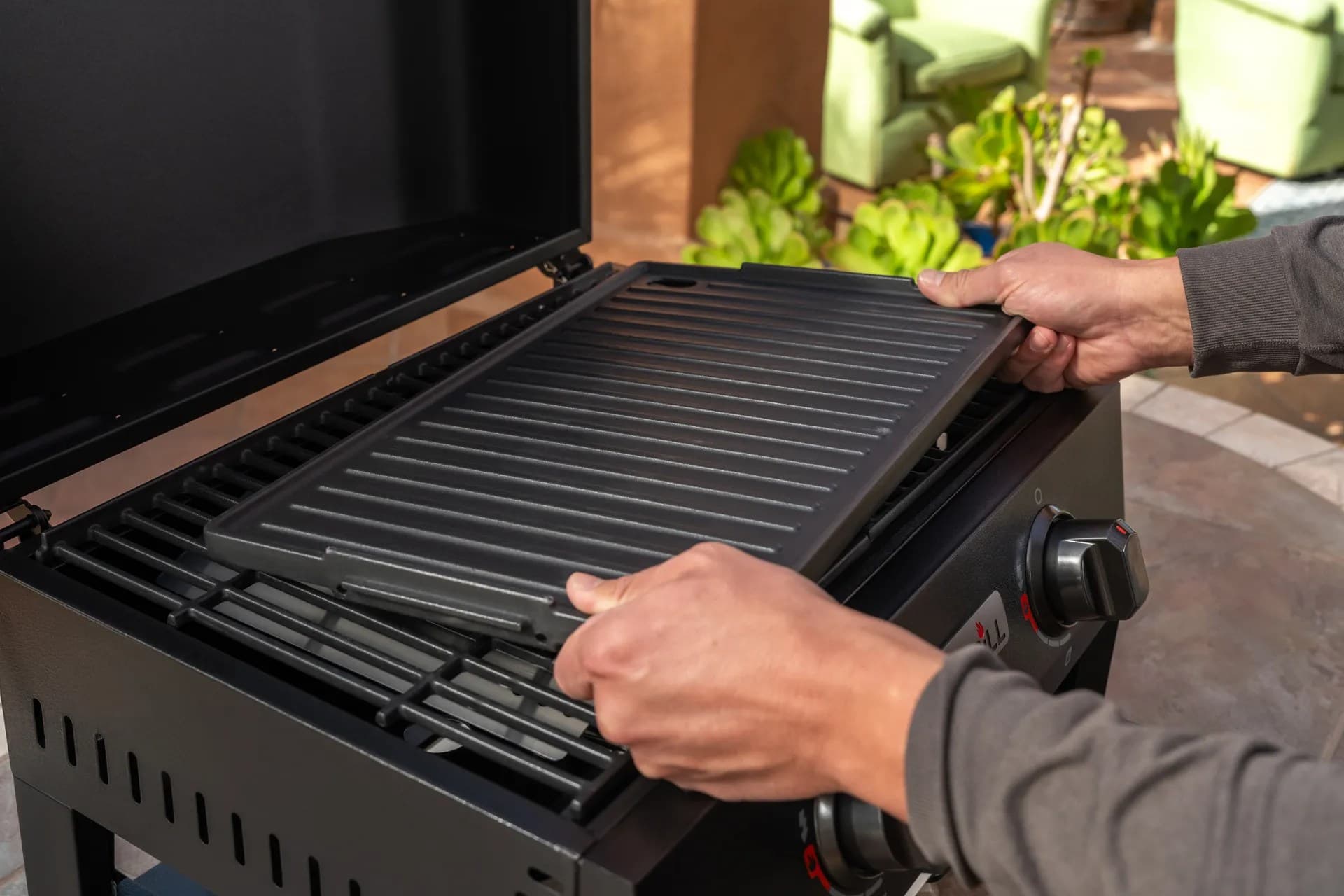
Practical guides for cleaning, maintenance, common grill issues, and performance optimization.
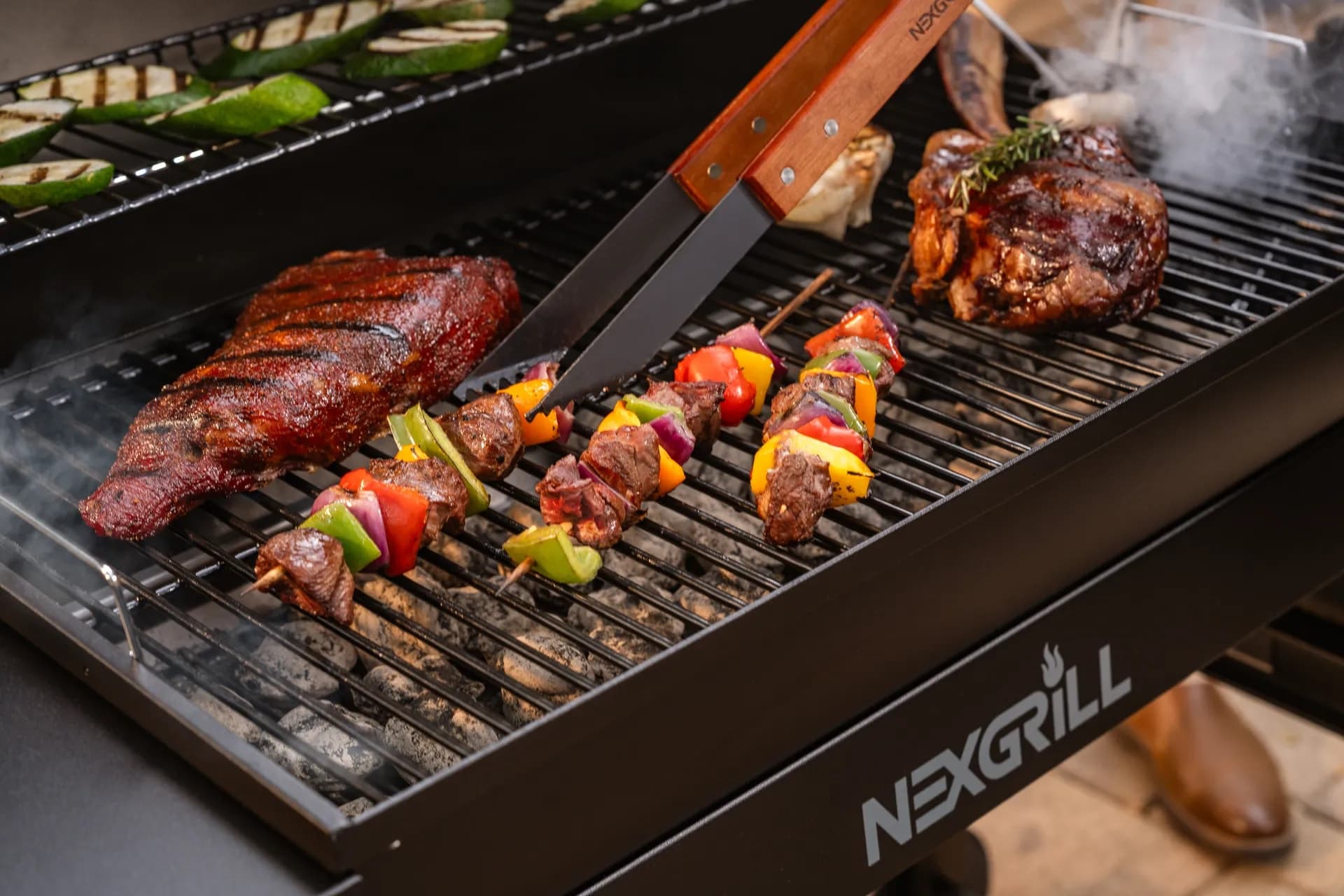
Step-by-step grilling recipes, cooking techniques, and meal ideas for every occasion and skill level.
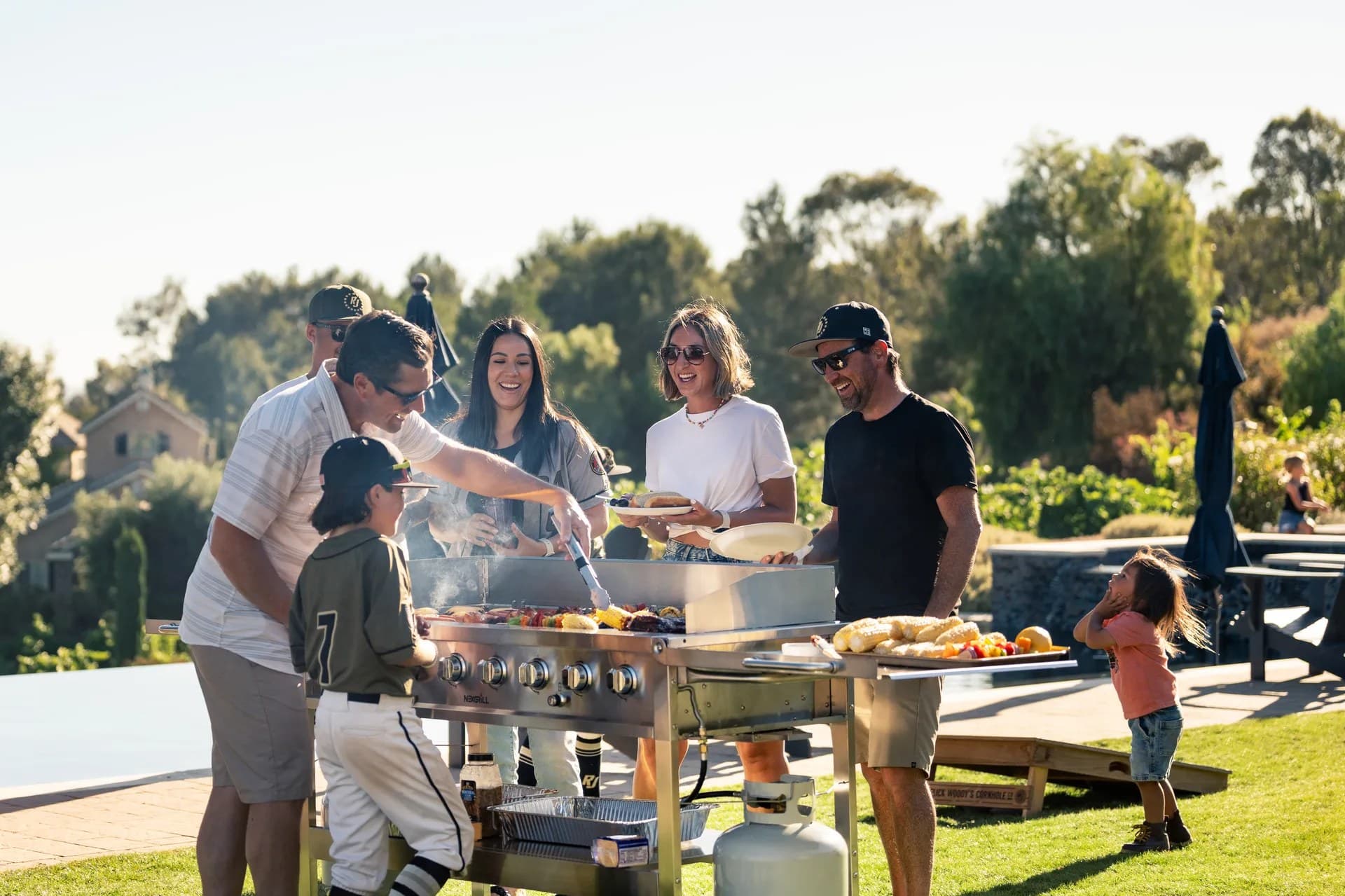
Backyard entertaining ideas, seasonal grilling inspiration, and stories that celebrate outdoor cooking culture.
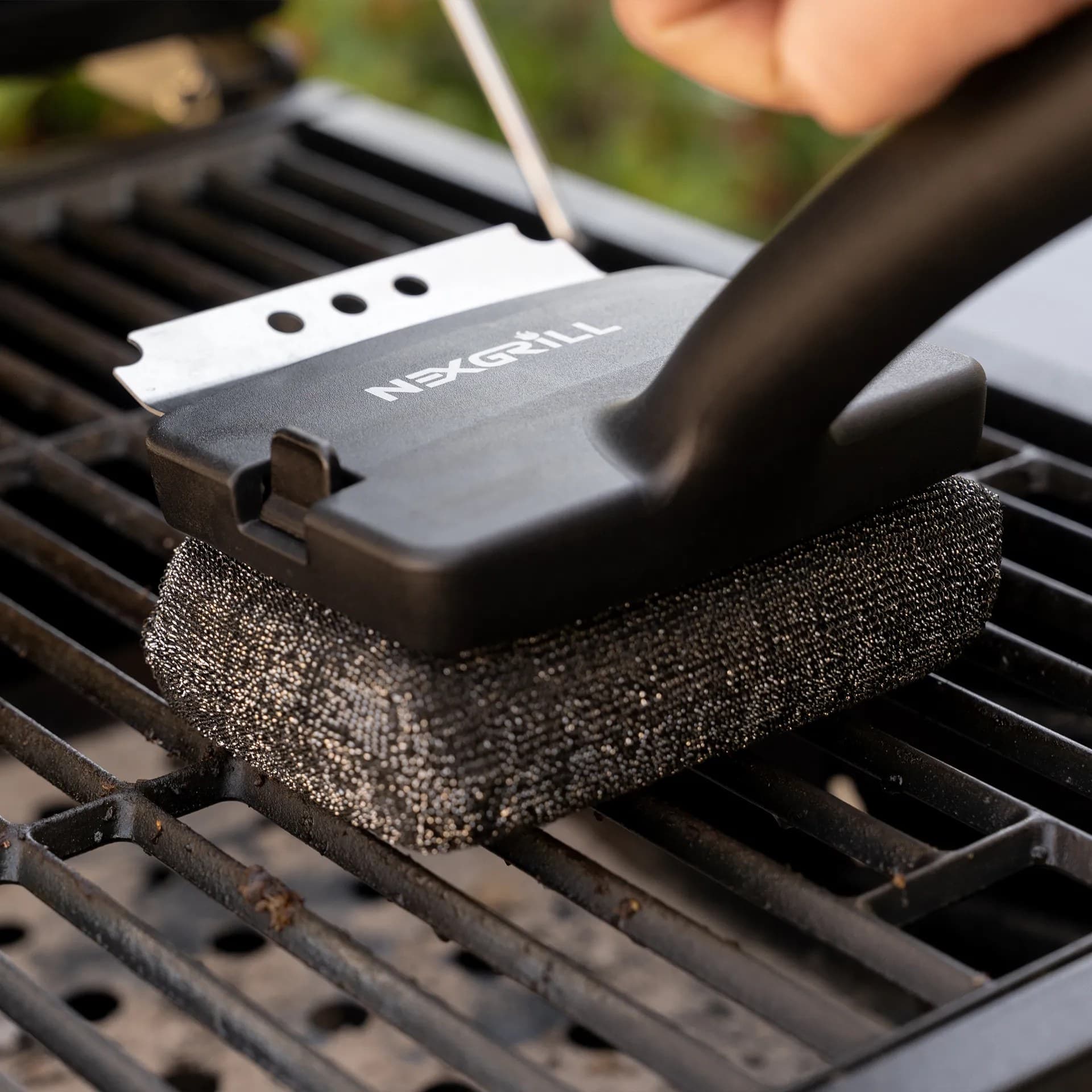
Helpful articles covering grilling tools, cookware, maintenance gear, and must-have accessories for outdoor cooking.
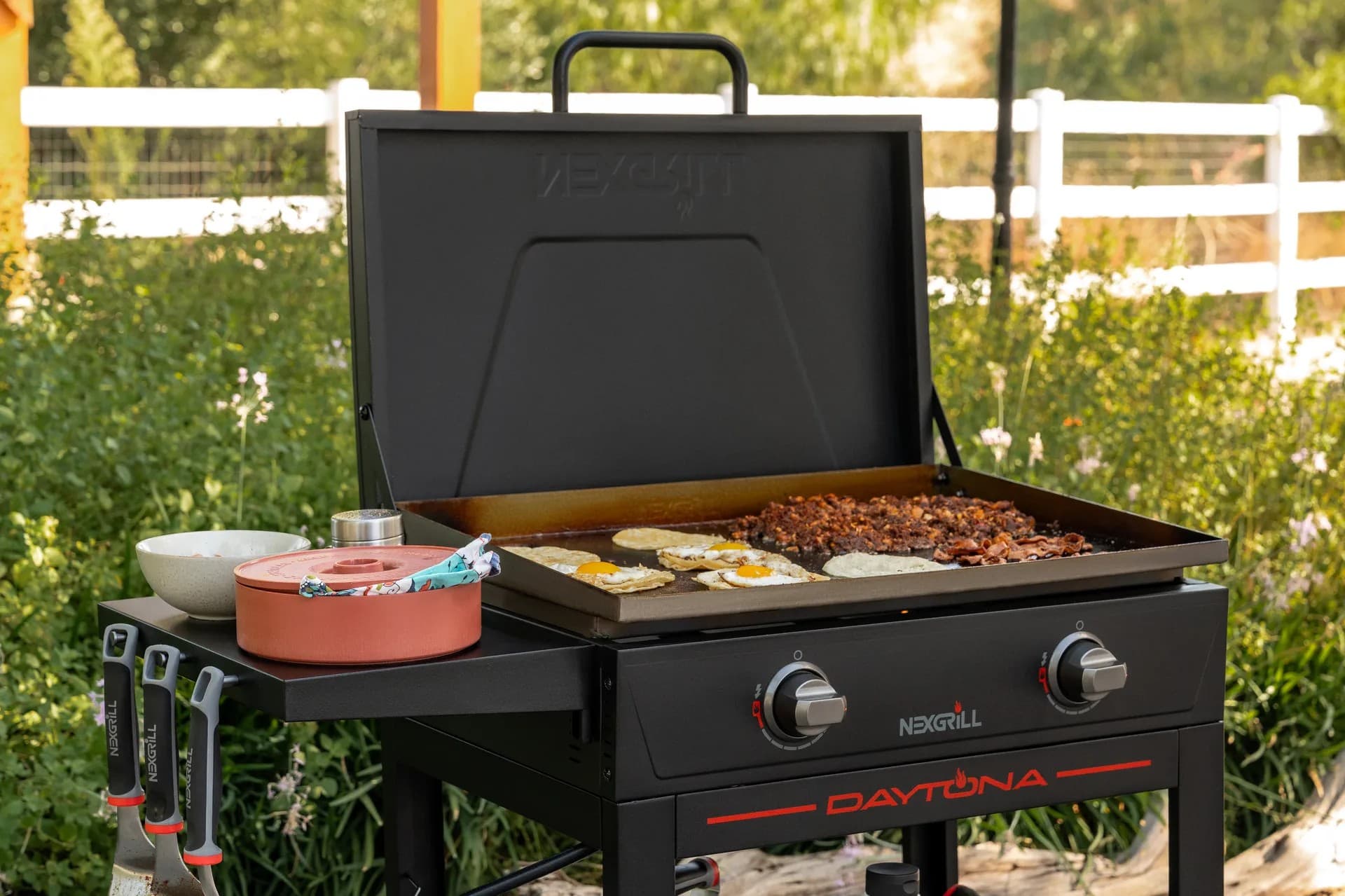
Find griddle recipes, cooking techniques, cleaning tips, and outdoor meal ideas designed for Nexgrill griddles.
Find answers to common questions
Gas grills provide instant heat and precise temperature control, making them easier to use. Charcoal grills offer a smoky flavor and high heat for searing but require more time to heat up and manage.
Pellet grills combine the convenience of gas with the flavor of wood, allowing for smoking, baking, and grilling. Traditional gas grills, however, are quicker to start and often easier to clean.
Charcoal grills typically reach higher temperatures quicker than gas grills, making them better for searing meat. However, high-quality gas grills can also provide adequate heat for effective searing.
Nexgrill offers models designed specifically for gas, charcoal, and pellets, allowing users to choose based on their cooking style and flavor preferences. Each type is built to optimize the characteristics of its respective fuel.
Choosing between gas and charcoal grills depends on your cooking preferences and lifestyle. If you value convenience and quick cooking, a gas grill may suit you better; if you prefer the taste and experience of traditional grilling, a charcoal grill would be ideal.
In This Article
Grill Placement
Grill Maintenance
Weather Considerations
Autumn changes the way a grill behaves, even when the equipment itself has not changed at all. Cooler air, earlier sunsets, windier afternoons, damp leaves, and sudden rain showers can all alter how heat moves around the cooking area and how comfortably you can supervise the fire. That means fall grilling is not just summer grilling with a sweater on; it calls for a different mindset. The safest cooks in this season are usually the ones who treat the patio like an active work zone, not a casual hangout spot, and who plan for weather, footing, lighting, and cleanup before the first burner is lit or the charcoal is stacked.
For Nexgrill readers, autumn is often the season when the backyard becomes more active again. Weeknight dinners feel more manageable, football gatherings pop up, and holiday prep begins. But the same conditions that make fall comfortable for people can make grilling less predictable. A breeze that feels refreshing to you can push flames, move hot grease vapors, and cool the cooking chamber faster than expected. A dark patio at 6 p.m. can hide a spill or a misplaced tool. A wet deck or patio mat can create a slipping hazard right when you are carrying a tray of hot food. The goal of autumn grilling safety is simple: keep the setup stable, the fuel managed, and your attention on the grill instead of on avoidable risks.
Fall safety starts before ignition: check the site, clear the area, and think through weather changes before you cook.
is safer than reacting to surprises once the grill is hot.
The most important fall safety decision is where the grill sits. Autumn patios often collect leaves, seed pods, pine needles, and other dry debris that can ignite quickly if they land near a burner or fall beneath a charcoal grate. Start by placing the grill on a stable, level surface and keeping the surrounding area clean enough that you could walk around it without stepping over clutter. The setup should give you enough room to open the lid fully, turn with a tray in hand, and move away from the heat without bumping furniture or railings. If you use a grill cart or side shelves, make sure they are not positioned where wind can knock utensils, foil pans, or seasoning containers onto the cooking surface.
In fall, overhead hazards matter more than many people realize. Branches that were harmless in summer may now drop dry leaves directly into the cook zone. Hanging string lights, low awnings, and patio umbrellas can all become problems if the grill is placed too close. When you are grilling on a breezy day, position the grill so the prevailing wind does not blow directly into the firebox or across the cooking surface. That reduces flare-ups, helps the burners stay steadier, and prevents smoke from pushing into your face every time you lift the lid. If you are using a charcoal model, protected placement is even more important because a strong gust can feed the fire unexpectedly or spread ash.
A practical autumn approach is to think in three zones: the heat zone, the working zone, and the no-go zone. The heat zone includes the grill body and the immediate area where grease, sparks, or embers could fall. The working zone is where you stand, set down tools, and move food to and from the grill. The no-go zone is everything else within reach of children, pets, furniture cushions, trash bins, or dry décor. This mental map helps you notice problems quickly, especially when guests arrive and the patio fills up. If your setup feels tight, move the furniture rather than compromising the distance around the grill.
For autumn cookouts, do a quick ground check before lighting up. Wet leaves and debris can hide uneven flooring or slick spots, and they are easy to overlook if you are carrying trays or fuel. If the grill is on a wooden deck, confirm that grease and stray embers cannot fall into a cramped corner or near a storage bin. If you are cooking in a garage doorway or under a covered overhang, stop and reassess the airflow and clearance first. The safest setup is the one that gives heat room to behave naturally instead of forcing it into a confined space.
Avoid placing the grill near dry leaves, low branches, patio umbrellas, or tightly enclosed spaces where heat and smoke can accumulate.
A fall grilling session is a poor time to discover that a burner is clogged or that grease has accumulated under the firebox. Autumn maintenance matters because cooler weather often makes people cook more slowly and keep the lid closed longer, which can hide small mechanical issues until they become larger ones. Before each cook, inspect the grill for visible grease buildup, blocked burners, loose knobs, cracked hoses, or worn ignition parts. Even if the grill performed perfectly in summer, the change in season is a good reminder to look at the equipment with fresh eyes. That extra minute of inspection can prevent a flare-up or an uneven burn later in the meal.
Grease management is especially important for gas grills. When residue accumulates in drip trays, catch cups, or below the grates, it can ignite if heat builds in one area. Clean those components regularly and empty them before they overflow. For charcoal grills, remove excess ash after the unit has fully cooled, because ash can block airflow and make temperature control less predictable the next time you cook. If your fall menu includes longer cooks such as chicken quarters, roasts, or whole vegetables, steady airflow and a clean firebox help you maintain a safer, more even heat profile.
Lighting systems deserve attention too. Shorter days mean more evening grilling, and that means you are more likely to rely on ignition systems or flashlights when starting up. Check that the igniter works before your guests are waiting, and keep spare batteries available if your grill uses them. If you use a propane grill, verify that the tank is connected securely and that the line is free of damage. A soapy-water leak test is a simple, practical step whenever you reconnect a cylinder or suspect a gas smell. For charcoal users, inspect the fire grate and vents to ensure that air can move freely. If airflow is restricted, the fire may behave inconsistently and tempt you to over-handle the grill, which increases risk.
Another overlooked fall issue is equipment storage. As the weather changes, people often move covers, tools, and fuel around quickly. Keep charcoal, lighter fluid, propane cylinders, and long-handled utensils in places where they will not be knocked over or exposed to moisture. Moist fuel or corroded components are not only frustrating; they can make starting and controlling the fire less predictable. A clean, inspected grill is easier to trust, and trust matters when the air is cooler and your focus may be split between the food, the guests, and the weather.
A quick inspection before every autumn cookout helps you catch grease, airflow, and ignition problems before they turn into flare-ups.
Fall weather can change the cooking environment in a matter of minutes. Wind is the most obvious variable, but it is not the only one. Cooler air can pull heat from the grill faster than you expect, especially if you are cooking with the lid open repeatedly. That loss of heat can make food take longer to finish and can tempt people to crank burners too high, which often creates more uneven cooking rather than better results. Rain adds another layer of caution because wet surfaces around the grill are slippery, and moisture around electrical components, fuel storage, or lighting equipment should be kept to a minimum. Even light drizzle can make it harder to monitor the fire and easier to rush decisions.
The safest autumn strategy is to choose days and times that let you manage the grill without fighting the environment. If the forecast calls for gusty wind, think carefully before using a setup near an exposed corner of the yard. If the patio is already damp from morning rain, dry the walking area thoroughly and keep towels or a mop nearby. If you grill after sunset, add lighting before you need it. A headlamp, lantern, or patio light placed away from the heat source helps you see grease buildup, tongs, and food color without leaning too close to the fire.
Temperature swings are also worth planning for. A brisk evening can make the exterior of the grill feel cooler even while the cooking surface remains very hot. That contrast can lead to accidental contact if someone assumes the grill body is safe to touch. Remind everyone in the area that the metal surfaces, lid handles, side shelves, and nearby tools can retain heat long after the food comes off. Keep children and pets away from the setup until the grill has fully cooled. In the fall, people naturally gather closer to warmth, so it is especially important to establish a boundary around the cooking area.
Autumn also means more debris in motion. Leaves can blow across your work area and land in the fire zone. A quick sweep before cooking is not cosmetic; it is part of fire prevention. If you are using a grill cover, remove it carefully and store it so it cannot blow back toward the flame. The best weather response is not overcomplication. It is simply adapting your setup so that wind, rain, and cooler air do not control the cook. That kind of preparation makes every other safety habit easier to maintain.
Cooler weather changes how you cook, but the core safety habits stay the same: stay attentive, keep tools organized, and avoid rushing. One of the biggest autumn mistakes is opening the lid too often to check progress. Each lift sends heat out and can make you work the grill harder than necessary. Instead, plan your timing with a little extra margin and use a reliable thermometer so you can check internal doneness without repeatedly exposing the fire. This is especially helpful for thicker foods such as bone-in chicken, pork chops, or roasts that benefit from controlled heat rather than aggressive flames.
Dress for the weather without dressing like fuel. Loose scarves, dangling hoodie strings, and oversized sleeves can brush hot metal if you lean in to adjust food. Choose snug layers and sturdy shoes with good traction so you can move safely on damp ground. Keep a pair of heat-resistant gloves nearby for lid handles, grates, and pans. It is also smart to stage everything you need before igniting the grill: food, utensils, thermometer, sauces, serving tray, and a clean landing space for cooked items. That reduces the number of times you step away and lowers the chance of leaving a hot surface unattended.
Fuel handling should be deliberate in autumn, because cold hands and evening distractions make mistakes more likely. For propane grills, turn valves off in the proper sequence and never store cylinders in places where they can be tipped, covered, or exposed to heat. For charcoal grilling, allow coals to cool completely before disposal and use a metal container for ash. Never assume ash is cold just because the flames are gone; hidden heat can linger much longer than expected. If you use lighter fluid, store it safely and follow the product directions carefully, since over-application can create sudden flare-ups when the fire catches.
Perhaps the most important cooler-weather habit is pacing. Autumn gatherings often blend indoor and outdoor movement, which can make you feel less anchored to the grill than you should. Decide in advance who is watching the fire, who is carrying food, and who is responsible for keeping kids and pets clear. If you need to step away, shut down the heat rather than assuming the grill can wait unattended for a few minutes. That discipline is what turns a cozy fall cookout into a safe one.
Use thermometers, close-fitting layers, and staged tools to reduce distractions when the air is cool and the cook is moving slowly.
Autumn grilling works best when safety is treated as part of the recipe, not a separate chore. A stable setup, a clean grill, an eye on the forecast, and a few disciplined habits can make the difference between a relaxed evening and a preventable problem. Cooler weather may slow the cook and wind may test your patience, but those conditions also give you a chance to become more intentional about the way you grill. When you prepare for the season instead of reacting to it, fall becomes one of the most rewarding times to cook outside.
If you are comparing different grills or reviewing outdoor cooking habits before your next seasonal cookout, try comparing two products side by side below to see which fits best:
Once you've weighed two options against each other, the next safety question is where the grill will actually live during the autumn season. The right location is not just about convenience. In fall, placement affects how wind interacts with the flame, how easily you can move around while carrying hot food, and how quickly a small problem can spread if leaves or paper debris are nearby. A good setup starts with distance from the home, fences, railings, umbrellas, low branches, and any storage area containing cushions or seasonal décor. Even if your yard feels open in summer, autumn clutter can change the risk profile almost overnight.
If your grilling area is close to a deck or patio door, make sure the open lid will not block traffic or encourage guests to stand in the working lane. The safest arrangement gives the cook a clear path from prep space to grill to serving surface. In practical terms, that means you should not have to pivot around children, pets, lawn equipment, or a rolling cooler while holding tongs or a pan. In cooler weather, people tend to gather near the warmth of the grill, but the cook still needs breathing room. A crowd may feel festive; it is not necessarily safe.
A grill that feels “close enough” in good weather can become unsafe when wind, leaves, and tighter fall traffic patterns are added to the same space.
You should also think about the ground underfoot. Wet leaves are slippery, and so are smooth pavers after a light mist or early sunset dew. Before cooking, clear the landing area, especially where you will be stepping with raw food, finished trays, or hot cookware. If you must grill on a slightly uneven surface, make sure the grill itself is level and stable so grease does not pool on one side or the lid does not close unevenly. This is one of those unglamorous details that prevents problems later, because a stable appliance is easier to monitor and less likely to shift when you open or close it quickly.
For fuel safety, keep propane cylinders upright and away from direct heat sources, and never store them where falling leaves or yard tools can pile up against valves or lines. If you use charcoal, keep the charcoal bag and starter materials far enough away that a stray ember cannot reach them. Autumn is a season of dry organic debris, so the area around your grill should be treated like a fire lane. Clear it before every cook, not just once at the start of the season. That habit protects your setup every time the weather shifts.
A fall inspection should look beyond surface cleanliness. Start with the grates, then work down to the grease tray, burner tubes, ignition parts, vents, and exterior surfaces. If you see heavy buildup on or under the grates, remove it before the next cook. Grease can become more dangerous in cooler weather because people often compensate for slower heating by leaving the grill on longer or running it hotter. That extra heat can ignite residue in places you had not noticed during summer grilling. A grill that is clean from top to bottom is easier to trust when you are cooking with less daylight and more weather variation.
For gas grills, check the burners for obstructions. In fall, insects, dust, and drifting debris can block ports, causing uneven flames or ignition issues. If one side of the grill is performing differently than the other, do not ignore it. Uneven flame patterns are not merely a cooking inconvenience; they can indicate a maintenance issue that deserves attention before your next meal. Likewise, inspect hoses and fittings for cracks, brittleness, or looseness, especially if the grill has been sitting unused between seasonal events. Cold air can make older parts feel less forgiving, so a visual check is a good habit before any autumn cookout.
Charcoal grills need their own kind of inspection. Remove ash after the grill is fully cold, because ash buildup restricts airflow and can make the next fire harder to control. Check that the vents open and close smoothly. If they stick, the grill may not respond the way you expect when the temperature changes outdoors. Seasonally, it is also worth looking for rust or worn fasteners, particularly if fall moisture has already started to set in. Rust does not always mean the grill is unusable, but it does mean you should pay closer attention to stability and cleanup.
Treat every autumn cook as a quick inspection day: clean the grease path, confirm airflow, and test ignition before the food goes on.
Good inspection habits also include your accessories. Check your thermometer batteries, grill brush, tongs, mitts, and drip pans. If you have a grill cover, make sure it is dry before you reinstall it, because trapping moisture against metal can accelerate corrosion. The point is not to over-maintain everything; it is to remove the small variables that become more annoying and more dangerous when the weather turns cold and unpredictable.
Autumn weather rarely stays still long enough to be ignored. A calm afternoon can become a windy evening, and a dry yard can turn slick after a few drops of rain. That variability matters because wind changes flame behavior, cools the cooking area, and makes lid management more difficult. If you are using gas, strong gusts can affect how the burners feel and can push heat away from the food. If you are using charcoal, the same gusts can intensify the fire in pockets and make temperature control less even. Either way, weather is part of the cooking equation, not an afterthought.
When wind is present, the safest move is to make the grill as sheltered as possible without enclosing it in a dangerous way. You want protection from direct gusts, but you still need open airflow around the cooking area. That balance can be easier to miss in fall because people often think of wind as a comfort issue instead of a fire-control issue. If the wind is strong enough to move napkins, outdoor tablecloths, or lightweight chairs, it is strong enough to change how the grill behaves. Shift the cook to another time or position if you cannot create a stable working environment.
Rain introduces another set of concerns. Wet hands, slick shoes, and reduced visibility all make it easier to slip or misjudge distance from the grill. If you are cooking in mist or drizzle, keep the pathway between the door and the grill clear and dry. Bring utensils out in a covered bin or tray so you are not juggling more items than necessary. If lightning or a heavier storm develops, stop the cook and let the weather pass. Autumn storms can move quickly, and no meal is worth forcing through unsafe conditions.
Daylight is also a weather-related safety issue in the broader sense of fall conditions. Shorter days mean more evening grilling, and lower light makes it harder to see flare-ups, grease, and the edges of trays or tools. Add lighting before darkness falls, not after you are squinting at the grill. A well-lit workspace reduces errors and keeps everyone from leaning too close to inspect the food. The more clearly you can see, the more calmly you can cook.
If wind, rain, or fading daylight makes it hard to supervise the grill confidently, postpone the cook rather than forcing it.
Cooler air changes the pace of grilling, but it should not change your discipline. The biggest temptation in autumn is to keep opening the lid or to keep turning the food because the grill seems to be taking longer. In reality, you are often just losing heat faster than in summer. To stay safe and efficient, preheat fully, keep the lid closed as much as possible, and use a thermometer so you can verify doneness without creating unnecessary heat loss. That approach reduces the urge to rush or over-handle the food, which is where a lot of preventable mistakes happen.
Dress smartly for the weather. Keep sleeves close to the wrist, avoid dangling accessories, and choose footwear that grips well on potentially damp surfaces. Cooler evenings can make people lean in closer to the grill for warmth, so be deliberate about personal space. You should never have to step over, around, or past the heat source to reach the food or your tools. Stage everything before ignition: seasonings, trays, tongs, thermometer, serving plate, and a safe place for raw and cooked food separation. In fall, when the clock is shorter and the air is colder, pre-staging is one of the simplest ways to stay calm and safe.
Fuel handling deserves extra care in autumn because distractions can multiply. For propane, confirm that the cylinder is set securely and that valves are turned off when the cook is complete. For charcoal, do not dispose of ashes until they are fully cold, and keep them in a metal container rather than a plastic bin or paper bag. Ash can hold heat far longer than many people expect, especially when the surrounding air is cool. Treat all residue as if it could still ignite, because in practice that is the safest assumption.
Finally, keep the cook organized by assigning roles when you are entertaining. One person can monitor the grill, another can manage the side dishes, and a third can keep kids and pets clear of the area. Autumn gatherings often move between indoors and outdoors, and that movement can create split attention. If no one is clearly responsible for the grill, problems go unnoticed. A safe fall cookout is usually a coordinated one, where the fire has one focused caretaker and everyone else respects the boundary around the heat.
Here's what sets us apart
We position ourselves as delivering high-end outdoor cooking features and performance without premium-brand pricing, emphasizing “Quality Grills. Unbelievable Value.”
We offer gas grills, pellet grills, griddles, smokers, pizza ovens, portable/tabletop grills, electric grills, accessories, and replacement parts — allowing customers to stay within one ecosystem for all outdoor cooking needs.
We differentiate ourselves through smart grilling products like the Oakford smart pellet grill, including app-connected cooking controls and modern outdoor cooking technology.
Don't just take our word for it
Keep reading
From our catalog