Unlock the Art of Smoking Meat with Nexgrill's Expert Tips
Here's what sets us apart from the competition
We position ourselves as delivering high-end outdoor cooking features and performance without premium-brand pricing, emphasizing “Quality Grills. Unbelievable Value.”
We offer gas grills, pellet grills, griddles, smokers, pizza ovens, portable/tabletop grills, electric grills, accessories, and replacement parts — allowing customers to stay within one ecosystem for all outdoor cooking needs.
We differentiate ourselves through smart grilling products like the Oakford smart pellet grill, including app-connected cooking controls and modern outdoor cooking technology.
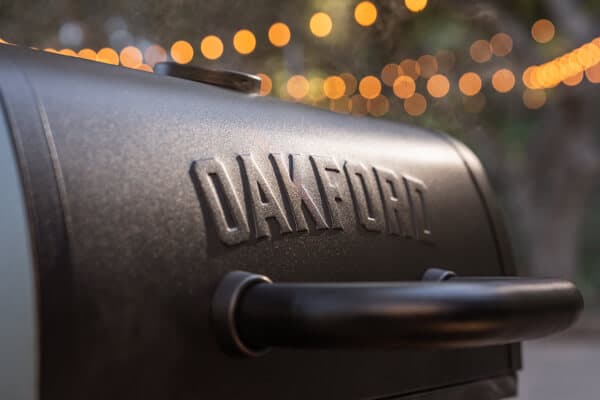
Expert tips, buying guides, comparisons, and inspiration for choosing and getting the most out of your grill.
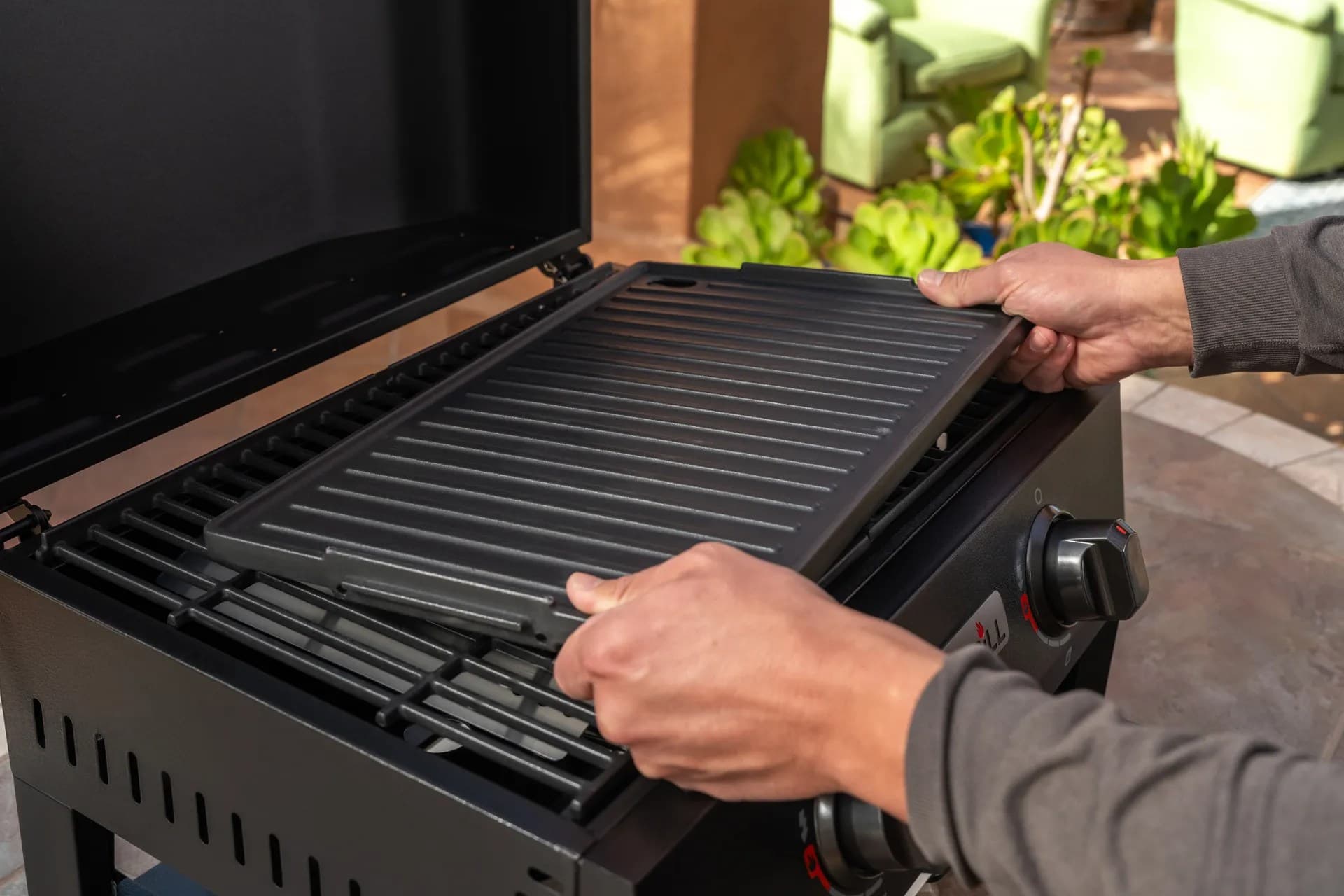
Practical guides for cleaning, maintenance, common grill issues, and performance optimization.
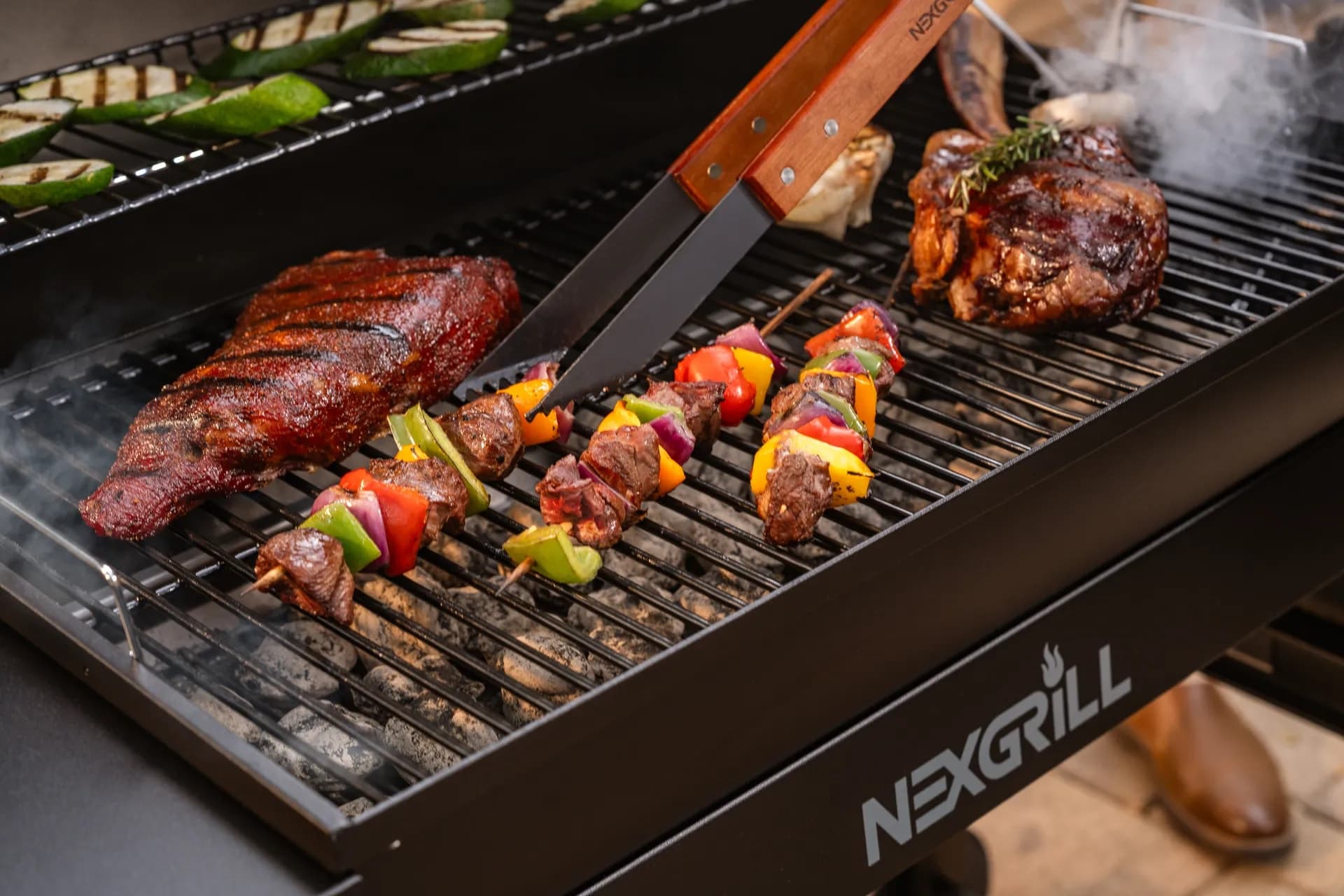
Step-by-step grilling recipes, cooking techniques, and meal ideas for every occasion and skill level.

Backyard entertaining ideas, seasonal grilling inspiration, and stories that celebrate outdoor cooking culture.
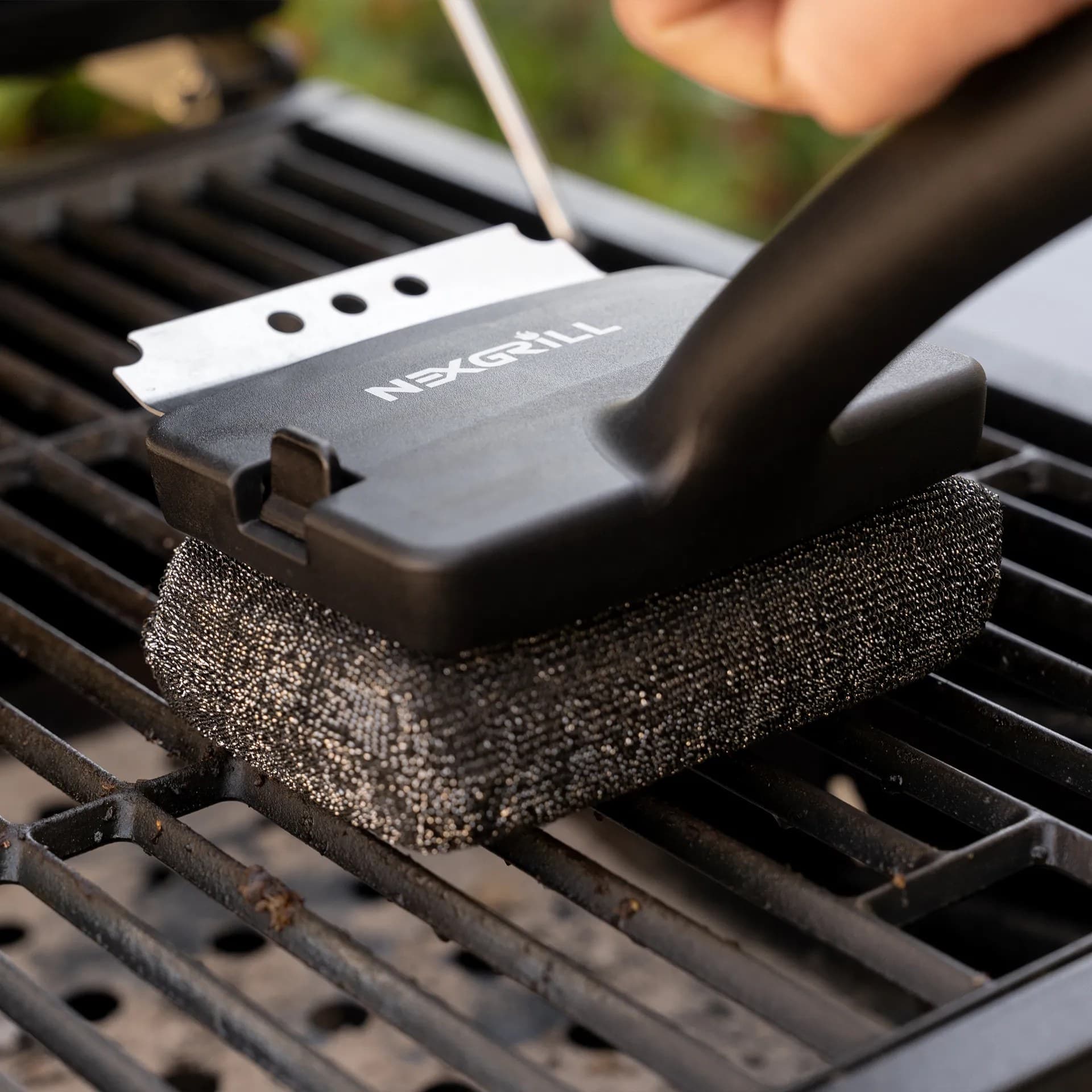
Helpful articles covering grilling tools, cookware, maintenance gear, and must-have accessories for outdoor cooking.
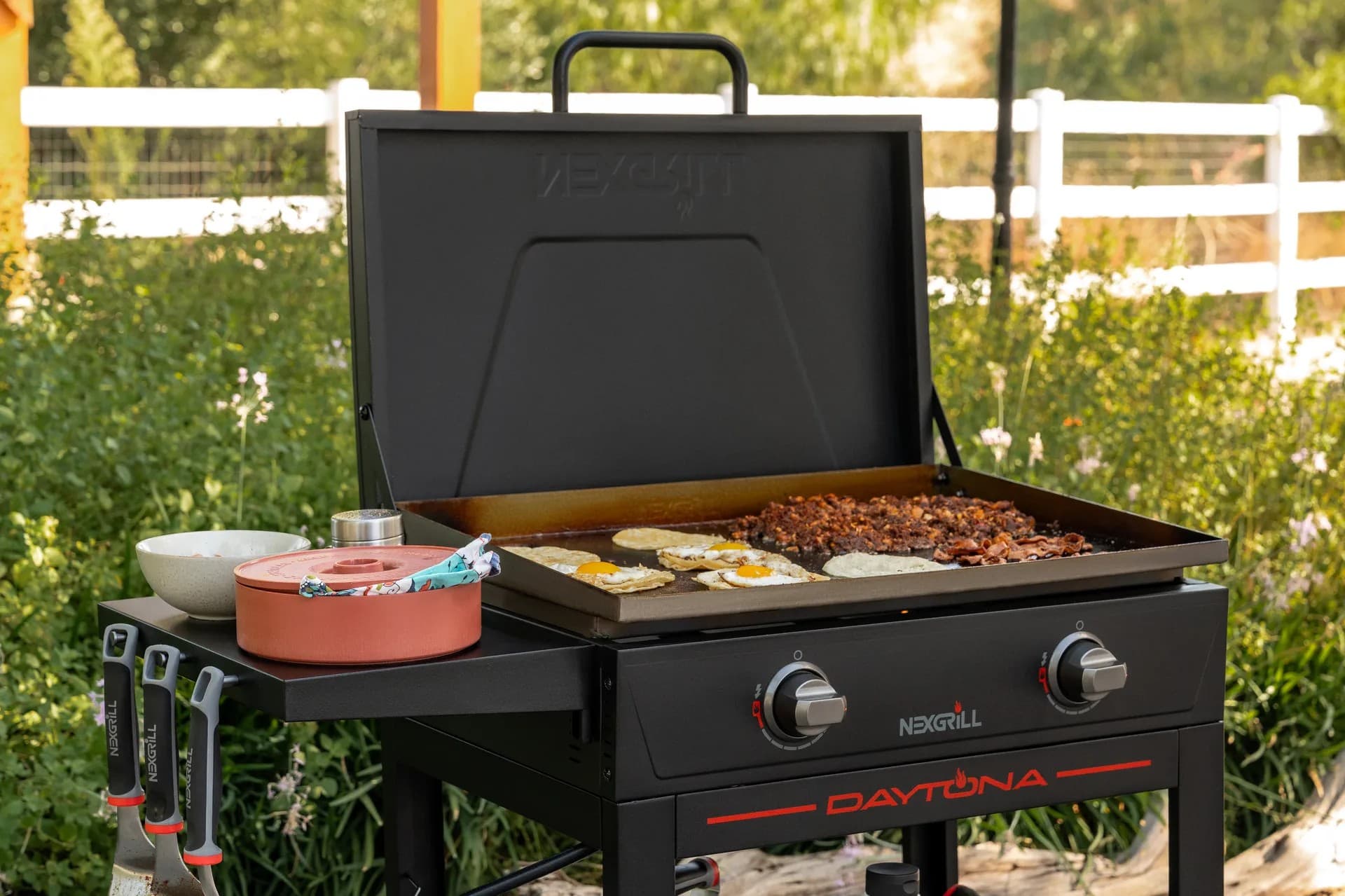
Find griddle recipes, cooking techniques, cleaning tips, and outdoor meal ideas designed for Nexgrill griddles.
Find answers to common questions
Nexgrill equipment is suitable for a variety of recipes including meats, vegetables, and even pizzas. Popular options include marinated steaks, grilled vegetables, and shrimp skewers.
To enhance the flavor of grilled vegetables, consider marinating them in olive oil, herbs, and spices before grilling. Alternatively, you can season them with salt and pepper during grilling for a more straightforward approach.
To achieve perfect grill marks, preheat your grill to a high temperature and ensure that the food is dry before placing it on the grill. Avoid moving the food too early, as it needs to sear properly to form those classic grill marks.
Using a meat thermometer is the most accurate way to ensure your grilled meat is at the desired temperature. For instance, chicken should reach an internal temperature of 165°F while medium-rare beef is typically at 135°F.
To clean your Nexgrill after cooking, allow it to cool and then use a grill brush to remove any residue from the grates. You can also wipe down the exterior with a damp cloth and mild soap to keep it looking its best.
In This Article
Beginner-Friendly Tips
Wood Selection
Temperature Control
Smoking meat is a time-honored tradition that transforms ordinary cuts into extraordinary culinary delights. For beginners, the process may seem daunting, but with the right guidance, anyone can master this technique. Smoking involves cooking meat slowly at a low temperature using indirect heat. This method infuses the meat with rich flavors from the wood smoke, resulting in a tender and flavorful dish.
The two main types of smokers are wood-fired and electric smokers. Wood-fired smokers use charcoal or wood as fuel, offering an authentic flavor but requiring more attention to maintain temperature. Electric smokers, on the other hand, provide a more controlled environment, making them ideal for beginners.
Tip: Start with an electric smoker for a more manageable experience.
Wood selection is crucial as different woods impart distinct flavors to the meat. Common options include hickory, mesquite, apple, and cherry. Hickory provides a strong, smoky taste, while apple and cherry offer a milder, sweeter flavor. Beginners should experiment with different woods to find their preferred taste. Choosing the right wood chips can enhance the smoking experience.
| Wood Type | Flavor | Best Used With |
|---|---|---|
| Hickory | Strong, smoky | Pork, ribs |
| Apple | Mild, sweet | Poultry, pork |
| Cherry | Mild, sweet | Beef, poultry |
Preparation is key to successful smoking. Begin by selecting high-quality cuts of meat. Trim excess fat, but leave enough to keep the meat moist. Season with a dry rub or marinade to enhance flavor. Allow the meat to rest and absorb the seasonings before smoking.
Once your meat is prepared, preheat your smoker to the desired temperature, usually between 225°F and 250°F. Place the meat in the smoker and monitor the temperature consistently.
Info: Use a meat thermometer to ensure the internal temperature reaches safety standards.
The smoking process requires patience and precision. Keep the smoker's lid closed as much as possible to maintain a consistent temperature and prevent heat loss. Adjust the vents to control airflow and temperature. Regularly check the fuel and wood chips to ensure a steady smoke supply.
Temperature control is crucial in smoking meat. Invest in a reliable meat thermometer to check both the smoker's temperature and the internal temperature of the meat. Different meats have different safe temperature thresholds. For instance, poultry should reach an internal temperature of 165°F, while pork is safe at 145°F. Understanding grill temperatures is key here.
| Meat Type | Safe Internal Temperature |
|---|---|
| Poultry | 165°F |
| Pork | 145°F |
| Beef | 145°F (medium rare) |
Time management is essential for smoking. The duration depends on the type and size of the meat. As a rule of thumb, plan for 1.5 hours of smoking per pound of meat. Keep in mind that some cuts, like brisket, might require longer smoking times to achieve the desired tenderness. For more information, you can check BBQ basics to better manage your time.
Warning: Avoid rushing the process by increasing the temperature, as it can make the meat tough.
Enhance the flavor profile by spritzing the meat with apple juice or vinegar every hour. This not only adds moisture but also complements the smoky taste. Additionally, using a water pan in the smoker helps maintain humidity levels. Consider mastering how to enhance meat flavor for the best results.
Once the smoking process is complete, allow the meat to rest for at least 15 minutes before slicing. This step helps retain juices, ensuring a succulent result.
Smoking meat is as much about the journey as it is about the destination. With practice, patience, and these expert tips, beginners can transform into skilled pitmasters. Remember, each smoking session is an opportunity to refine your skills and discover new flavors.
The best results come to those who wait.
Here's what sets us apart
We position ourselves as delivering high-end outdoor cooking features and performance without premium-brand pricing, emphasizing “Quality Grills. Unbelievable Value.”
We offer gas grills, pellet grills, griddles, smokers, pizza ovens, portable/tabletop grills, electric grills, accessories, and replacement parts — allowing customers to stay within one ecosystem for all outdoor cooking needs.
We differentiate ourselves through smart grilling products like the Oakford smart pellet grill, including app-connected cooking controls and modern outdoor cooking technology.
Don't just take our word for it
Keep reading
From our catalog