The Ultimate Guide to Grilling Vegetables: Enhance Your BBQ Experience
Discover the best vegetables to grill and how to perfect them for flavorful outdoor cooking.

In This Article
Top Vegetables to Grill
Grilling Techniques
Nutritional Benefits
Why Grill Vegetables?
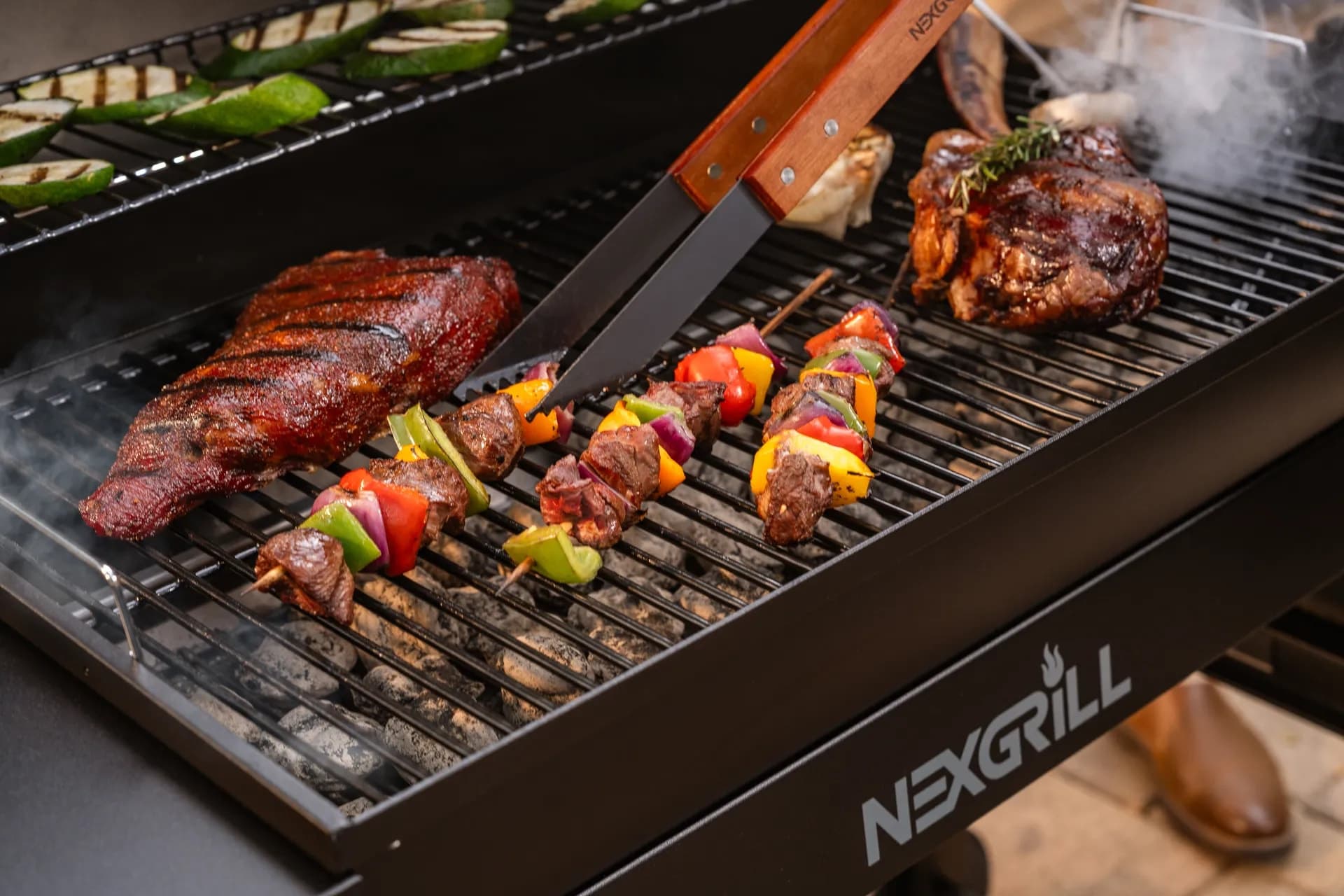
Grilling vegetables transforms their natural flavors, adding a smoky depth that can elevate any meal. Whether you're a seasoned griller or a backyard enthusiast, adding vegetables to your grill can enhance your culinary repertoire. Not only do they complement the main dish, but they also provide a nutritious alternative to traditional side dishes.
Top Vegetables to Grill
Selecting the right vegetables for grilling is crucial to achieving the best flavor and texture. Here are some top choices:
- Bell Peppers: Their natural sweetness is intensified through grilling, making them a vibrant addition to any plate.
- Asparagus: Quick to grill and full of flavor, asparagus is ideal for those seeking a light side dish.
- Zucchini: Its mild taste absorbs marinades well, providing versatility in taste.
- Corn: Grilled corn on the cob is a classic favorite, offering a sweet and smoky taste.
- Eggplant: Known for its ability to absorb flavors, eggplant becomes tender and delicious on the grill.
Preparing Vegetables for Grilling
Proper preparation is key to perfect grilling results. For most vegetables, a light coating of olive oil and a sprinkling of salt and pepper are sufficient. This not only prevents sticking but also enhances the natural flavors. Cutting vegetables into uniform pieces ensures even cooking. For vegetables like corn, soaking in water before grilling can prevent the husks from burning.
Tip: Use a grill basket for smaller vegetables to prevent them from falling through the grates.
Grilling Techniques for Vegetables
Mastering the art of grilling vegetables involves understanding the right techniques. Direct heat is perfect for vegetables that cook quickly, like bell peppers and zucchini. Use indirect heat for larger vegetables such as potatoes or whole corn cobs, allowing them to cook through without burning. A good rule of thumb is to grill vegetables over medium heat until they are tender and have noticeable grill marks.
| Vegetable | Grill Time | Heat Level |
|---|---|---|
| Bell Peppers | 6-8 minutes | Medium |
| Asparagus | 5-7 minutes | Medium |
| Zucchini | 5-7 minutes | Medium |
| Corn | 10-15 minutes | Medium |
| Eggplant | 8-10 minutes | Medium |
Adding Flavor to Grilled Vegetables
Enhancing the taste of grilled vegetables can be achieved through marinades, spices, and herbs. A simple marinade of olive oil, garlic, lemon juice, and herbs like thyme or rosemary can add depth to your vegetables. Additionally, sprinkling a bit of feta cheese or balsamic glaze before serving can create a delightful contrast in flavors.
Grilled vegetables not only serve as a healthy side dish but also stand alone as a main course. By using these tips and techniques, you can perfect your vegetable grilling skills, making every BBQ a hit.
Try a Variety of Options
Experiment with different vegetables to discover new flavors and textures. Grilling offers an opportunity to explore and enjoy the bounty of the season. So fire up your Nexgrill and let the creativity flow.
Nutritional Benefits of Grilled Vegetables
Incorporating grilled vegetables into your diet offers numerous health benefits. Vegetables are packed with essential vitamins, minerals, and antioxidants that support overall health. The grilling process helps retain these nutrients, making grilled vegetables a nutritious choice. For instance, bell peppers are rich in vitamin C, while zucchini provides fiber and vitamin A.
Info: Grilling vegetables can enhance their natural sweetness while maintaining their nutritional integrity.
Choosing the Right Grill for Vegetables
Selecting the right grill can significantly impact the outcome of your grilled vegetables. Gas grills, like those offered by Nexgrill, provide consistent heat and are ideal for achieving even cooking. Charcoal grills, on the other hand, offer a distinct smoky flavor that many grill enthusiasts prefer. Consider the type of grill that best suits your flavor preference and cooking style.
Common Mistakes to Avoid When Grilling Vegetables
To achieve the best results, avoid these common mistakes:
- Overcrowding the Grill: This can lead to uneven cooking and steaming rather than grilling.
- Skipping Preheating: A preheated grill ensures that vegetables cook quickly and evenly.
- Ignoring Marinades: Marinades add flavor and help prevent vegetables from drying out.
Pairing Grilled Vegetables with Main Dishes
Grilled vegetables are versatile and can pair well with a variety of main dishes. Whether you're serving them alongside grilled chicken, fish, or a plant-based protein, they add color and nutrition to your meal. Consider using grilled vegetables in salads, sandwiches, or as a topping for pizzas and flatbreads. For more insights, check out Essential BBQ Techniques for Beginners.
Exploring Global Flavors
Don't shy away from experimenting with global flavors. Incorporate spices and herbs from different cuisines to create unique grilled vegetable dishes. For example, adding cumin and coriander can give your vegetables a Middle Eastern twist, while soy sauce and sesame oil can lend an Asian flair.
Warning: Be mindful of grill temperatures to avoid burning delicate vegetables.
Conclusion
Grilling vegetables can be a delightful addition to your outdoor cooking experience. By understanding the best techniques and flavors, you can create dishes that are both healthy and delicious. Explore different vegetables, seasonings, and grilling styles to find your perfect combination. For expert advice, consider reading Master the Grill: Unique Tips and Tricks for Every Griller.