Mastering Summer Grilling: A Comprehensive Guide to Vegetables
Unlock the secrets to perfectly grilled vegetables with our expert tips and recipes.

In This Article
Essential Grilling Techniques
Top Vegetables for the Grill
Flavorful Marinades and Seasonings
Introduction: The Art of Grilling Vegetables
Grilling vegetables is one of the simplest ways to make summer cooking feel more intentional. Heat concentrates sweetness, softens bitterness, and adds the kind of char that makes even familiar produce taste brand-new. The key is not to treat vegetables like a side note. They deserve their own timing, their own heat strategy, and their own seasoning approach. When you do that well, grilled vegetables can move from supporting role to the part of the plate people talk about after dinner.
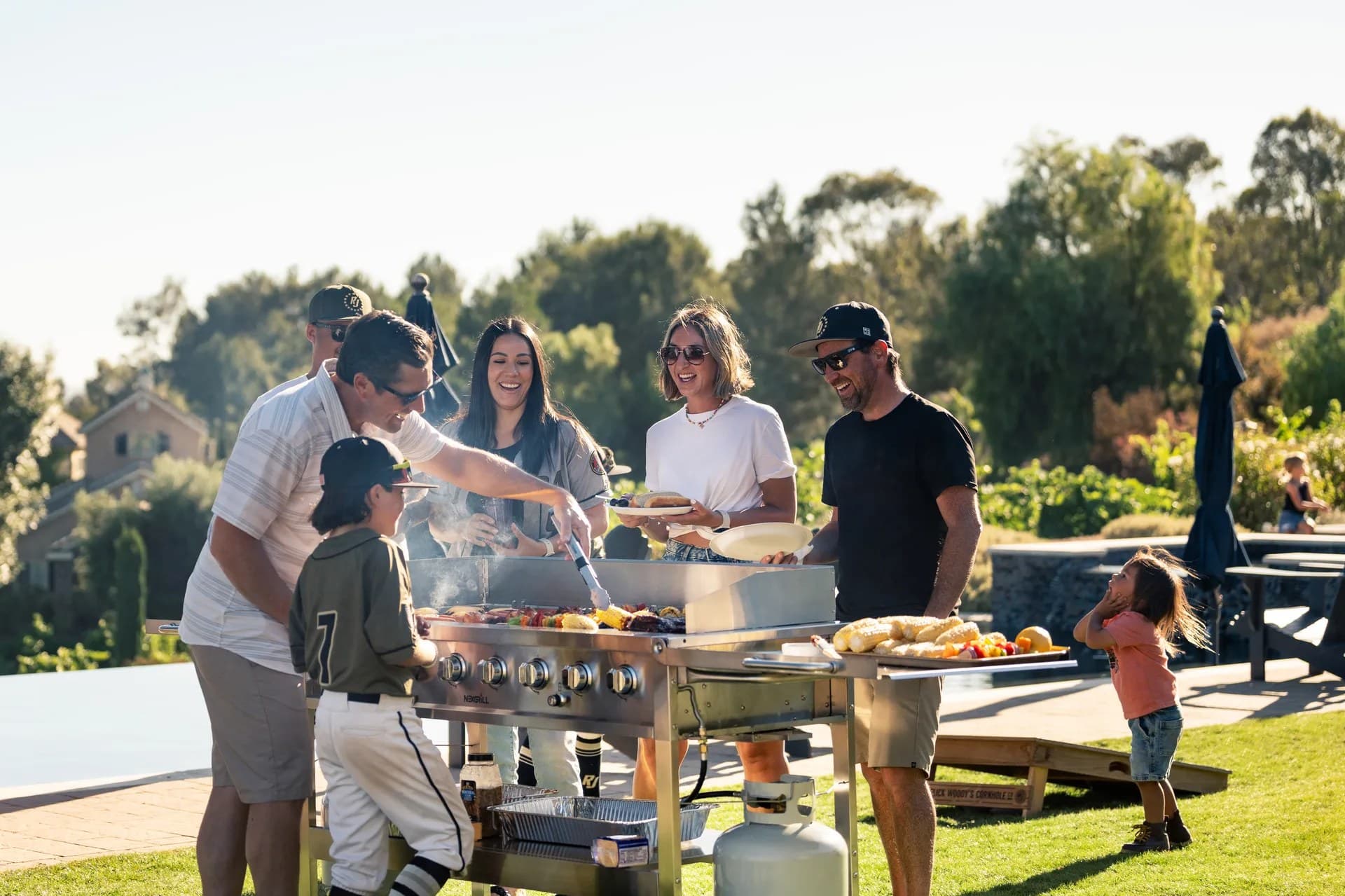
What makes vegetable grilling especially satisfying is how flexible it is. You can cook a basket of zucchini and bell peppers alongside a steak, or build an entire meal around corn, mushrooms, eggplant, onions, and asparagus. That flexibility fits Nexgrill’s approach to outdoor cooking: practical, approachable, and designed for real gatherings, whether the group is two people on a weeknight or a full backyard table. The best summer meals often happen when the grill is doing more than one job at once, and vegetables are ideal for that kind of cooking.
core things determine great grilled vegetables: cut size, heat control, and finishing seasoning.
Info: Most vegetables are better when cooked over medium-high heat, but the exact setting depends on moisture content and thickness. Delicate items like asparagus need faster attention, while dense vegetables like potatoes or carrots benefit from pre-cooking before they hit the grate.
If you are new to grilling vegetables, start by thinking in categories rather than individual produce. Tender vegetables such as zucchini, squash, peppers, onions, mushrooms, and tomatoes usually cook quickly and reward direct heat. Denser vegetables such as corn, carrots, potatoes, and cauliflower need a longer path to tenderness. That difference matters because the goal is not simply to mark the outside; it is to get the inside to the right texture before the exterior dries out. A useful summer grilling vegetables guide mindset is to match the vegetable to the method, not the other way around.
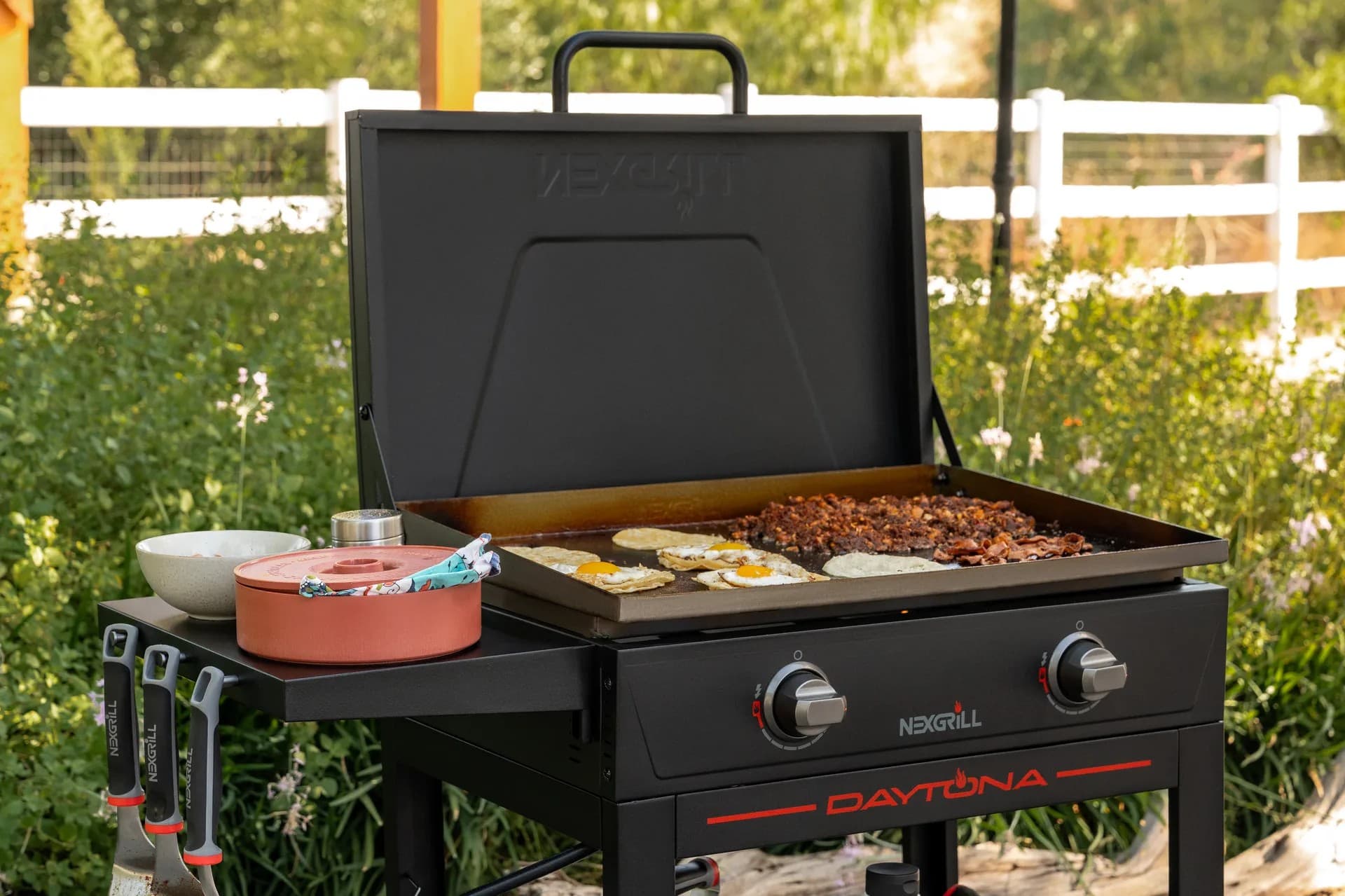
Nexgrill’s lineup makes that easier in real life because broader cooking surfaces, griddles, and multi-burner setups give you zones to work with. For example, a 4-burner gas grill lets you keep one side hotter for quick-searing peppers and onions while another side runs a little cooler for thicker vegetables. A flat-top griddle can be just as useful when you want smaller pieces, slices, or mixed vegetable medleys that would otherwise fall through a grate. That kind of setup is practical for home cooks who want consistency without overcomplicating dinner.
Essential Grilling Techniques for Vegetables
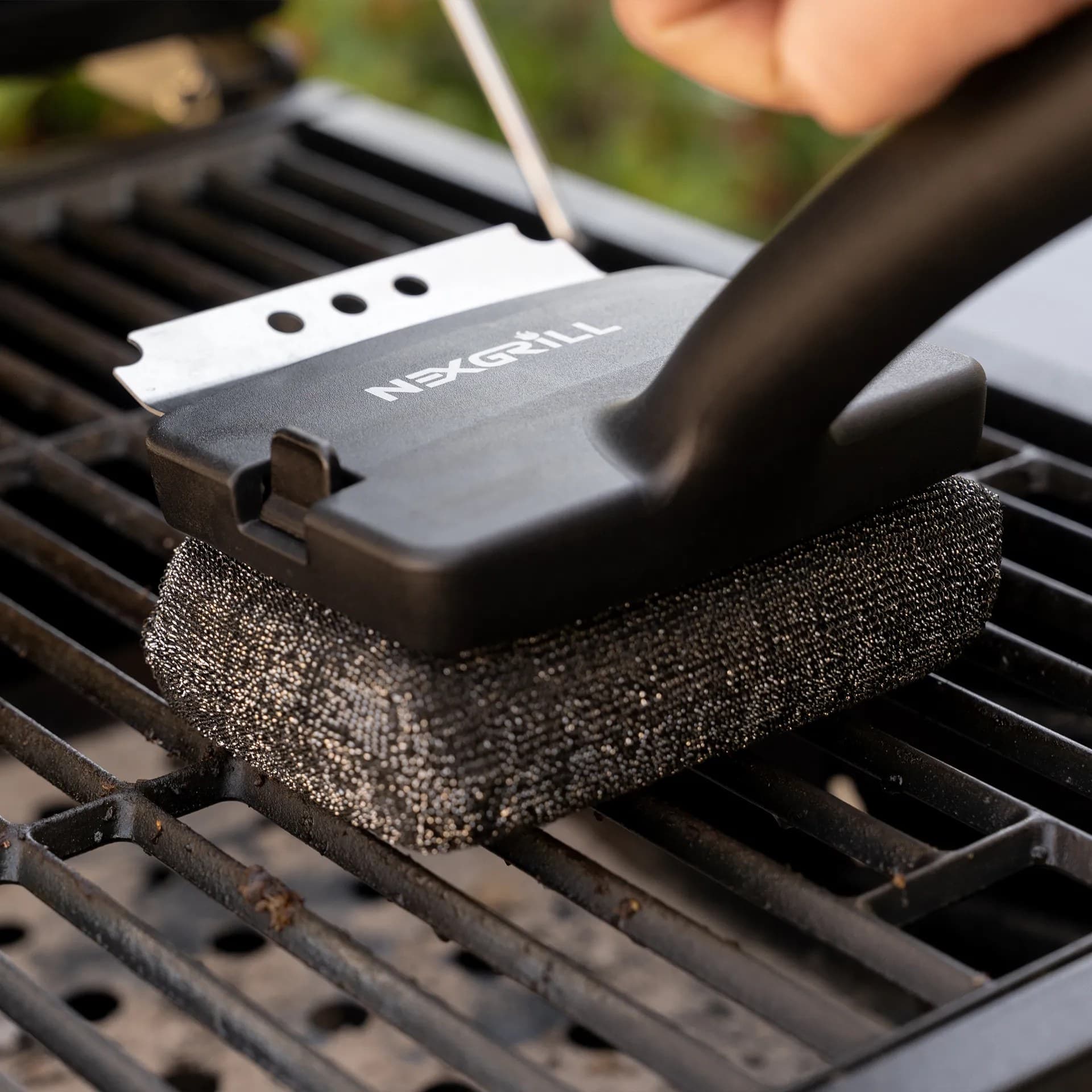
The best vegetable grilling technique starts before the food reaches the grate. Preheat the grill for 10 to 15 minutes so the cooking surface is hot enough to sear instead of steam. A clean, well-oiled grate also reduces sticking, which is especially important for softer vegetables like eggplant or sliced onions. If you are using a gas grill, create one hot zone and one moderate zone so you can move vegetables as needed. That simple setup gives you more control than trying to force every ingredient to cook in the same spot.
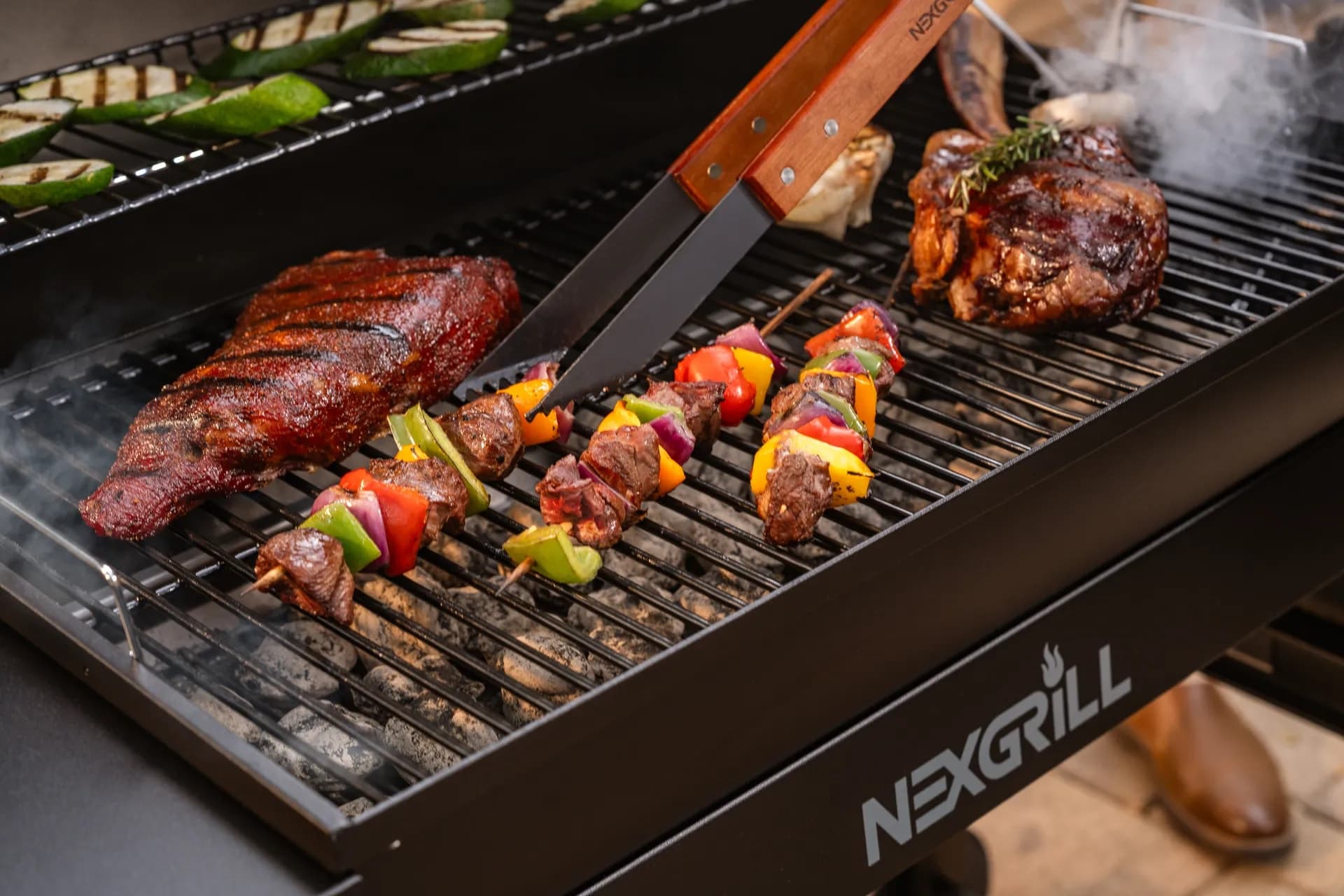
Direct grilling works best for vegetables that are already tender or cut into pieces that will cook quickly. Skewering peppers, mushrooms, and onions can make them easier to turn, but a grill basket is often better for smaller cut pieces because it keeps them in contact with heat while preventing loss through the grates. For thicker items, use indirect heat first to soften the interior, then move them over the flame to finish with color. This two-stage method is particularly effective for corn, carrots, and cauliflower steaks.
| Vegetable | Best Heat | Approx. Time | Notes |
|---|---|---|---|
| Asparagus | Medium-high direct | 4 to 7 minutes | Turn once; pull when lightly blistered. |
| Zucchini slices | Medium-high direct | 3 to 5 minutes | Slice lengthwise for fewer fall-throughs. |
| Corn on the cob | Medium indirect to direct finish | 12 to 18 minutes | Rotate often for even color. |
| Bell peppers | Medium-high direct | 6 to 10 minutes | Use whole halves or wide strips. |
Warning: Wet vegetables and sugary glazes can burn quickly. Pat produce dry before oiling, and add sweet sauces near the end of cooking instead of at the start.
A practical detail that many cooks miss is carryover heat. Vegetables keep softening after they come off the grill, especially if they were cooked on a very hot surface. That means you should remove them just before they seem fully done. A slightly firm center in zucchini or a touch of crunch in peppers can be exactly right by the time they reach the table. If you wait until they look completely finished on the grill, they may become mushy during plating.
Top Vegetables to Grill and How to Prepare Them
The vegetables that grill best are usually the ones with enough structure to hold shape under heat. Corn, mushrooms, peppers, onions, zucchini, eggplant, asparagus, and portobello mushrooms all perform well because they can take on char without collapsing. That said, the preparation is what makes the difference between decent results and memorable ones. Thick slices create better contact with the grate, while uniform cuts help everything finish at the same time. If one piece is much thicker than the others, the thinner piece will dry out before the thicker one is ready.
Corn benefits from the most planning. You can grill it in the husk for a steamed, lightly smoky result, or shuck it first for stronger caramelization. On a Nexgrill gas grill or griddle, shucked corn brushed with oil and cooked over medium heat gives you the fastest path to color. Asparagus needs very little work beyond trimming the woody ends and applying a light coating of oil. Zucchini and yellow squash should be cut lengthwise into slabs rather than tiny rounds, because larger pieces are easier to handle and less likely to overcook. Bell peppers are best when cut into wide strips or left in large halves so they can blister on the outside while staying juicy inside.
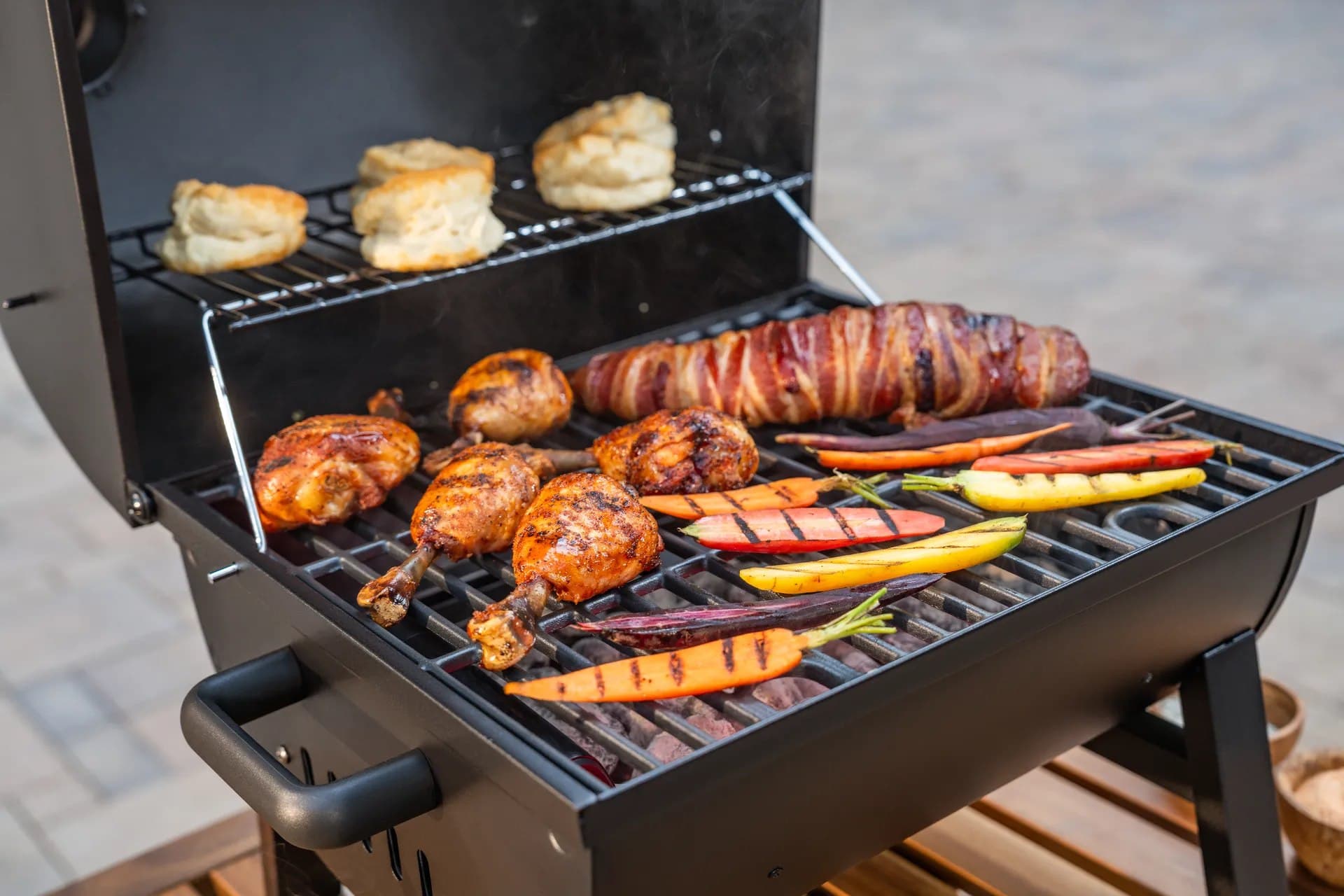
More structured vegetables need a slightly different plan. Cauliflower florets can be threaded onto skewers, parboiled briefly, or roasted indirectly before grilling. Carrots can be blanched first if you want tenderness with visible grill marks. Potatoes are best when partially cooked before they hit the grill, otherwise the exterior can overbrown before the center is ready. This is one reason griddles are so useful: a flat cooking surface lets you manage a wider variety of sizes without losing pieces through the grate. For cooks who like mixed vegetable platters, a Daytona-style griddle or a flat-top surface gives you room to work in batches and keep vegetables separated by doneness level.
| Vegetable | Prep Method | Grill Time | Best Use |
|---|---|---|---|
| Eggplant | Slice 1/2-inch rounds, salt lightly | 4 to 6 minutes per side | Great for layered sandwiches or salads. |
| Mushrooms | Brush clean, keep whole or halved | 5 to 8 minutes | Ideal for skewers or topping burgers. |
| Tomatoes | Use firm, halved tomatoes | 2 to 4 minutes | Best as a quick finishing element. |
| Cauliflower | Steak slices or blanched florets | 8 to 12 minutes | Works well with smoky spice rubs. |
Flavorful Marinades and Seasonings for Grilled Vegetables
Vegetables need less seasoning than meat, but that does not mean seasoning is an afterthought. In summer, the best flavor often comes from a light oil base, a little acid, and enough salt to wake up the natural sweetness of the produce. Olive oil helps with heat transfer and browning. Lemon juice, vinegar, or citrus zest can brighten richer vegetables like eggplant and mushrooms. Garlic, herbs, smoked paprika, and chile flakes add depth without overwhelming delicate vegetables.
For a simple everyday blend, mix olive oil, kosher salt, black pepper, minced garlic, and chopped parsley or oregano. For a stronger profile, try olive oil with balsamic vinegar, Dijon mustard, and thyme for mushrooms and onions. If you are grilling corn, a chili-lime butter brushed on after cooking creates a restaurant-style finish without heavy sauce. In a Nexgrill outdoor cookout, these finishes work well because they can be added table-side, keeping the grill itself focused on clean heat and color.
Tip: If you want deeper browning, season vegetables 10 to 20 minutes before grilling so the salt has time to draw out a little surface moisture.
Marinades should be brief. Unlike meat, vegetables can become waterlogged if they sit too long in a wet mixture. Ten to thirty minutes is usually enough for sliced vegetables, while firmer vegetables can handle a little longer. If the marinade contains sugar, apply it near the end of the cook or use it as a finishing glaze. A soy-ginger marinade works beautifully on mushrooms and peppers, while a lemon-herb marinade suits zucchini and asparagus. For a smoky summer profile, use olive oil, smoked paprika, cumin, garlic powder, and a small splash of lime juice.
Grilling Tips and Tricks for Perfect Results
The difference between good and great grilled vegetables is usually in the handling. Do not overcrowd the surface, because too many pieces trap steam and prevent browning. Use tongs instead of a fork so you do not lose moisture. Keep a small tray nearby for vegetables that finish at different times; asparagus will be ready long before thick carrot planks, and that is normal. If you are cooking on a Nexgrill gas grill with multiple burners, reserve one cooler zone where finished vegetables can rest without overcooking while the rest catch up.
A useful rule is to grill vegetables in order of density. Start with anything that needs the longest time, then add quicker-cooking produce as you go. For example, begin with blanched carrots or cauliflower, then move to corn and onions, then finish with zucchini, asparagus, and tomatoes. This sequence helps you serve a mixed platter at the same time instead of plating each ingredient separately. If you want more char without overcooking, close the lid for part of the cook so heat circulates, then open it at the end for visible grill marks. That technique works especially well on thicker vegetables where the interior needs time to soften.
Vegetables also make excellent building blocks for meals beyond the obvious side dish. Grilled zucchini can be chopped into pasta, layered into wraps, or folded into grain bowls. Charred peppers and onions become taco fillings or pizza toppings. Grilled corn can be cut off the cob and mixed into salsa, pasta salad, or avocado toast. These are not just leftovers; they are high-value ingredients with a stronger flavor profile than raw produce. In other words, grilling vegetables once can create several meals, which is exactly why this method feels so efficient in summer.
If you like equipment that makes these jobs easier, a 2-burner grill is ideal for smaller households, while a 4-burner or griddle setup gives you more control when you want to cook vegetables alongside proteins. Nexgrill’s product range includes both compact and larger-format outdoor cooking options, which matters because the right surface often matters more than brute heat. Try comparing two products side by side below to see which fits best:
Conclusion: Elevate Your Summer Grilling with Vegetables
Grilled vegetables are at their best when they are treated with the same care you would give any main dish. Once you learn how to match vegetable type to heat, prep, and seasoning, the results become easy to repeat. You can build a summer menu around a mix of charred corn, peppers, zucchini, and mushrooms, or use vegetables to add color and balance to a broader cookout spread. Either way, the payoff is a table that feels abundant without requiring complicated steps.
Nexgrill’s open, practical approach to outdoor cooking fits this style of food especially well. Whether you are using a griddle for smaller pieces, a multi-burner gas grill for heat zones, or a larger backyard setup for a full spread, the goal is the same: make the grill work harder for more kinds of food. Summer vegetables are one of the easiest places to start because they respond so well to straightforward technique, and they reward you with flavor that feels fresh, smoky, and built for sharing.
Introduction: The Joy of Grilling Vegetables
Once you have compared a few grill setups, the next question is how to turn that equipment into reliably great vegetable cooking. The joy of grilling vegetables comes from how quickly the transformation happens: a few minutes over heat can turn firm produce into something sweeter, softer, and more complex. In summer, that matters because vegetables are at their peak and outdoor cooking feels naturally social. A plate of charred asparagus, corn, mushrooms, and peppers can stand on its own or support everything else on the table, which makes it one of the most efficient ways to feed a group well.
For Nexgrill households, vegetable grilling also fits the idea of flexible outdoor cooking. You do not need a specialized setup to do it well, but the right surface makes the job easier. A gas grill with separate burners helps you manage a hot zone for quick searing and a cooler zone for delicate items. A flat-top griddle is especially useful for chopped vegetables, halved cherry tomatoes, sliced zucchini, and anything small enough to benefit from a contained cooking surface. That versatility is why grilled vegetables work across casual weeknight cooking, holiday weekend gatherings, and laid-back backyard meals with mixed dietary preferences.
Info: If you are cooking for a mixed crowd, grilled vegetables are one of the easiest ways to make the menu feel inclusive. They pair naturally with meats, seafood, grains, and plant-based mains without requiring separate equipment.
This guide focuses on the practical side of vegetable grilling: how to prepare the grill, which vegetables deserve a place on it, how long they need, and how to season them so they taste intentional rather than simply heated. The goal is to help you cook vegetables in a way that feels confident, not complicated. That means clear temperature ranges, realistic timing, and preparation details you can use whether you are cooking for two or setting up a summer spread for a larger group.
Preparing Your Grill for Vegetable Cooking
Vegetables are more sensitive than most proteins to uneven heat and dirty grates. That is why prep matters so much. Start by brushing the grates clean, then preheat the grill for 10 to 15 minutes so the surface reaches a stable temperature. For most vegetables, medium to medium-high heat is the sweet spot, roughly 375 to 450 degrees Fahrenheit. Too cool, and the vegetables steam. Too hot, and the outside burns before the inside softens. A steady preheat gives you a cleaner sear and reduces sticking, which is especially important for mushrooms, eggplant, and sliced squash.
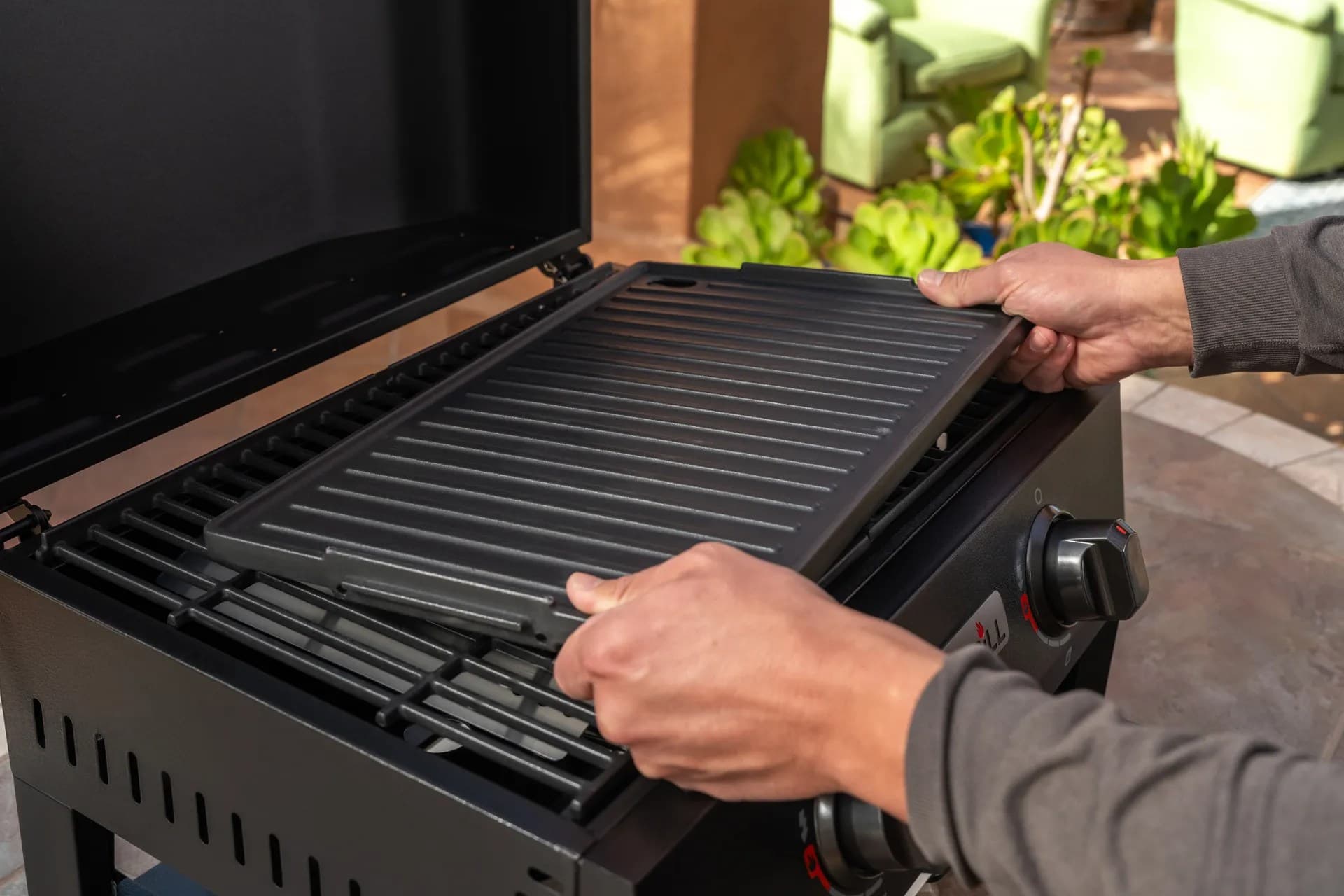
If you are using a Nexgrill multi-burner gas grill, set up at least two zones. One burner area can stay hotter for quick color, while another stays moderate for vegetables that need more time. This is not just a technique for meat. It is one of the best ways to handle vegetables that finish at different speeds. On a griddle, keep one side slightly hotter than the other if the model allows it, or move cooked pieces to a cooler resting area while the rest catch up. For smaller vegetables or chopped mixes, a griddle can prevent the chaos that happens when pieces slip through a conventional grate.
Oil should be used lightly, not heavily. A thin coating helps promote browning, but too much oil can cause flare-ups and make vegetables soft rather than crisp at the edges. Use a neutral oil with a higher smoke point if you want a cleaner finish, or olive oil when you want a more aromatic result. Season with salt after oiling so it adheres evenly. If you are grilling vegetables like peppers, zucchini, and onions together, cut them into similarly sized pieces so they finish within the same general window. That simple move keeps you from overcooking the smaller pieces while waiting for the larger ones.
Warning: Overloading the cooking surface lowers the temperature quickly. If vegetables are crowded, they will release moisture and lose the roasted, charred flavor you want.
If you are working with a charcoal setup, wait until the coals are ashed over and the fire is steady before adding vegetables. The same principles apply, but charcoal can be a bit less forgiving if you need frequent temperature changes. In that case, keep the vegetables on the outer edge or raise them briefly on a cooler part of the grate once they are mostly tender. For most home cooks, however, a gas grill offers the easiest control for vegetable-specific cooking because you can dial the heat up or down in seconds.
Best Vegetables for Grilling and Their Preparation
Not every vegetable behaves the same on a grill, and that is part of the fun. The best candidates are the ones with enough structure to hold up under heat and enough natural sugar to develop color. Corn, zucchini, squash, onions, mushrooms, eggplant, asparagus, bell peppers, carrots, cauliflower, and even romaine hearts can all work well when prepared thoughtfully. The common thread is that they either benefit from direct exposure to flame or can be pre-softened and then finished on the grill for smoke and char.
Corn on the cob is the classic example. Shucked corn grills quickly and gets strong caramelized flavor in about 12 to 18 minutes over medium heat, while corn cooked in the husk takes a little longer and develops a more steamed texture. Zucchini and yellow squash should be split lengthwise into planks or thick slices, then grilled for about 3 to 5 minutes per side. Asparagus, once the woody ends are trimmed, usually needs only 4 to 7 minutes. Mushrooms cook in roughly 5 to 8 minutes, and portobello caps can be grilled whole for a satisfying main-dish texture.
Denser vegetables need more planning. Cauliflower florets can be blanched briefly or skewered in smaller pieces to improve even cooking, then grilled until the edges are browned and the interior is tender. Thick carrot planks may need a short simmer or steam before grilling, because raw carrots take too long to soften on the grate alone. Potatoes are best par-cooked before they are grilled, especially if you want both a crisp surface and a soft interior. This is where a griddle can offer a real advantage: it lets you maintain better contact with the heat and prevents small pieces from falling away or cooking unevenly.
| Vegetable | Prep | Heat/Time | Best Result |
|---|---|---|---|
| Bell peppers | Halve or cut into wide strips | Medium-high, 6 to 10 minutes | Blistered skin and juicy flesh |
| Onions | Thick rings or wedges | Medium, 8 to 12 minutes | Soft centers and sweet edges |
| Cauliflower | Steaks or blanched florets | Medium-high, 8 to 12 minutes | Nutty flavor with browned edges |
| Romaine hearts | Halved lengthwise | Very hot, 1 to 2 minutes | Quick char for salads and wedges |
A good rule is to match the cut to the final use. Long planks are better for sandwiches and wraps. Halves and wedges are better for presentation. Smaller pieces are better for bowls, pasta, tacos, and grain salads. Once you think of grilled vegetables as building blocks rather than a side dish, it becomes much easier to make them useful in several meals. That is also where the Nexgrill approach of flexible cooking surfaces pays off: the more control you have, the easier it is to turn one batch of vegetables into multiple serving styles.
Creating Delicious Marinades and Seasonings
Marinades for vegetables should support, not bury, the ingredient. Because vegetables release moisture quickly, a short marinating window works best. Ten to thirty minutes is usually enough. A good base often includes oil, salt, acid, and a flavoring note such as garlic, herbs, chile, or smoked spice. From there, you can adjust the profile depending on the vegetable. Eggplant and mushrooms welcome bolder flavors like soy sauce, balsamic vinegar, garlic, or miso. Asparagus and zucchini often do better with lemon, dill, parsley, thyme, or basil.
For a bright summer blend, whisk olive oil, lemon zest, minced garlic, black pepper, and chopped herbs. For a deeper profile, use olive oil, balsamic vinegar, Dijon mustard, and rosemary. If you want a smoky finish that feels especially good on cauliflower or corn, combine olive oil with smoked paprika, cumin, coriander, and a pinch of brown sugar. The sugar adds sheen and mild caramelization, but it should be used carefully so it does not scorch. That is why sweet glazes are best added at the end of grilling rather than at the start.
Tip: Season vegetables earlier than you think if you want a drier surface and better browning. Salt pulls out moisture, which helps create those crisp charred edges.
Dry rubs are often underrated for vegetables. A mixture of salt, pepper, garlic powder, onion powder, and smoked paprika can be all you need. When grilling at home on a Nexgrill setup, dry seasoning also keeps the cooking area cleaner and reduces the chance of sugars burning onto the grate. If you want a finishing sauce, keep it light and add it after grilling. Pesto, chimichurri, herb yogurt, or a citrus vinaigrette can turn plain charred vegetables into something that feels complete without masking their natural flavor.
Advanced Grilling Techniques for Vegetables
Once you are comfortable with the basics, you can start using more advanced methods to improve texture and flavor. One of the most useful techniques is staged cooking: start dense vegetables on indirect heat or in a covered section of the grill, then finish them briefly over direct flame. This gives you a tender interior and a stronger exterior without overcooking the center. Cauliflower steaks, thick carrot planks, and halved potatoes all benefit from this approach.
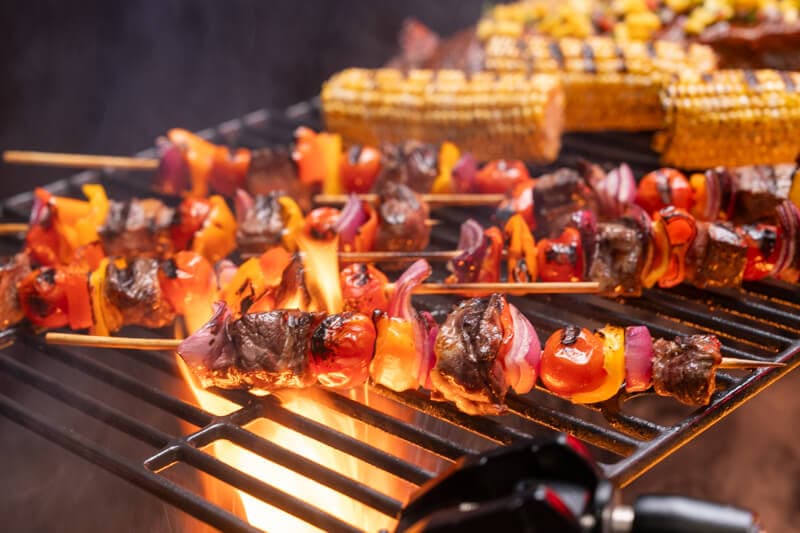
Another useful method is skewering mixed vegetables by cooking speed, not by category. Threading onions with peppers works well because they finish at similar rates. Threading mushrooms with cherry tomatoes creates a different effect, but you need to keep an eye on them because tomatoes burst sooner. If you use wooden skewers, soak them first. If you use metal skewers, preheat them lightly so they are not cold against the food. A flat-top griddle can also be an advanced tool here because it makes it easier to toss, move, and finish vegetable medleys without managing separate skewers.
For more visual appeal, try grilling vegetables in layers. Char the cut side of onions first, then let the second side soften. Sear asparagus briefly, then finish with a touch of lemon and flaky salt. Grill halved romaine or radicchio cut-side down just long enough to create contrast, then serve with cheese, nuts, or citrus. These methods bring out more than smoke; they add texture contrast, which is often what makes grilled vegetables memorable at the table. It is a small detail, but texture is what keeps vegetable dishes from feeling repetitive.
For meal planning, think beyond the plate. Grilled vegetables can be turned into salsa, sandwich fillings, pizza toppings, pasta mix-ins, breakfast hashes, and chilled salads. The leftovers keep their flavor well because the grill’s char adds a stable, smoky base. This makes summer vegetable cooking especially efficient for households that want to cook once and eat well more than once. If you are preparing food for a crowd, this is where a larger Nexgrill grill or griddle becomes especially helpful because you can batch-cook without losing timing control. Once you have weighed two options against each other, here’s what else matters when you want vegetables to come off the grill with the right texture every time.
Conclusion: Enjoying the Fruits of Your Grilling Labor
Grilled vegetables are one of the easiest ways to make summer cooking feel abundant, colorful, and balanced. They require less precision than many proteins, but they still reward attention to heat, cut size, and seasoning. If you start with the right grill prep, use a sensible temperature range, and learn which vegetables deserve direct heat versus a staged approach, you can build a repeatable method that works all season long.
The real payoff is versatility. Grilled vegetables can be a side dish, a topping, a wrap filling, a salad base, or the main event. That makes them especially valuable for home cooks who want to stretch one cookout into several meals or satisfy guests with different preferences. Nexgrill’s flexible outdoor cooking options support that style of cooking well, whether you are working on a compact grill, a larger multi-burner setup, or a flat-top surface that keeps smaller pieces neatly contained.