Unlock the secrets to richer, more flavorful meats in your next grilling session.

Here's what sets us apart from the competition
We position ourselves as delivering high-end outdoor cooking features and performance without premium-brand pricing, emphasizing “Quality Grills. Unbelievable Value.”
We offer gas grills, pellet grills, griddles, smokers, pizza ovens, portable/tabletop grills, electric grills, accessories, and replacement parts — allowing customers to stay within one ecosystem for all outdoor cooking needs.
We differentiate ourselves through smart grilling products like the Oakford smart pellet grill, including app-connected cooking controls and modern outdoor cooking technology.

Expert tips, buying guides, comparisons, and inspiration for choosing and getting the most out of your grill.

Practical guides for cleaning, maintenance, common grill issues, and performance optimization.

Step-by-step grilling recipes, cooking techniques, and meal ideas for every occasion and skill level.

Backyard entertaining ideas, seasonal grilling inspiration, and stories that celebrate outdoor cooking culture.

Helpful articles covering grilling tools, cookware, maintenance gear, and must-have accessories for outdoor cooking.

Find griddle recipes, cooking techniques, cleaning tips, and outdoor meal ideas designed for Nexgrill griddles.
Find answers to common questions
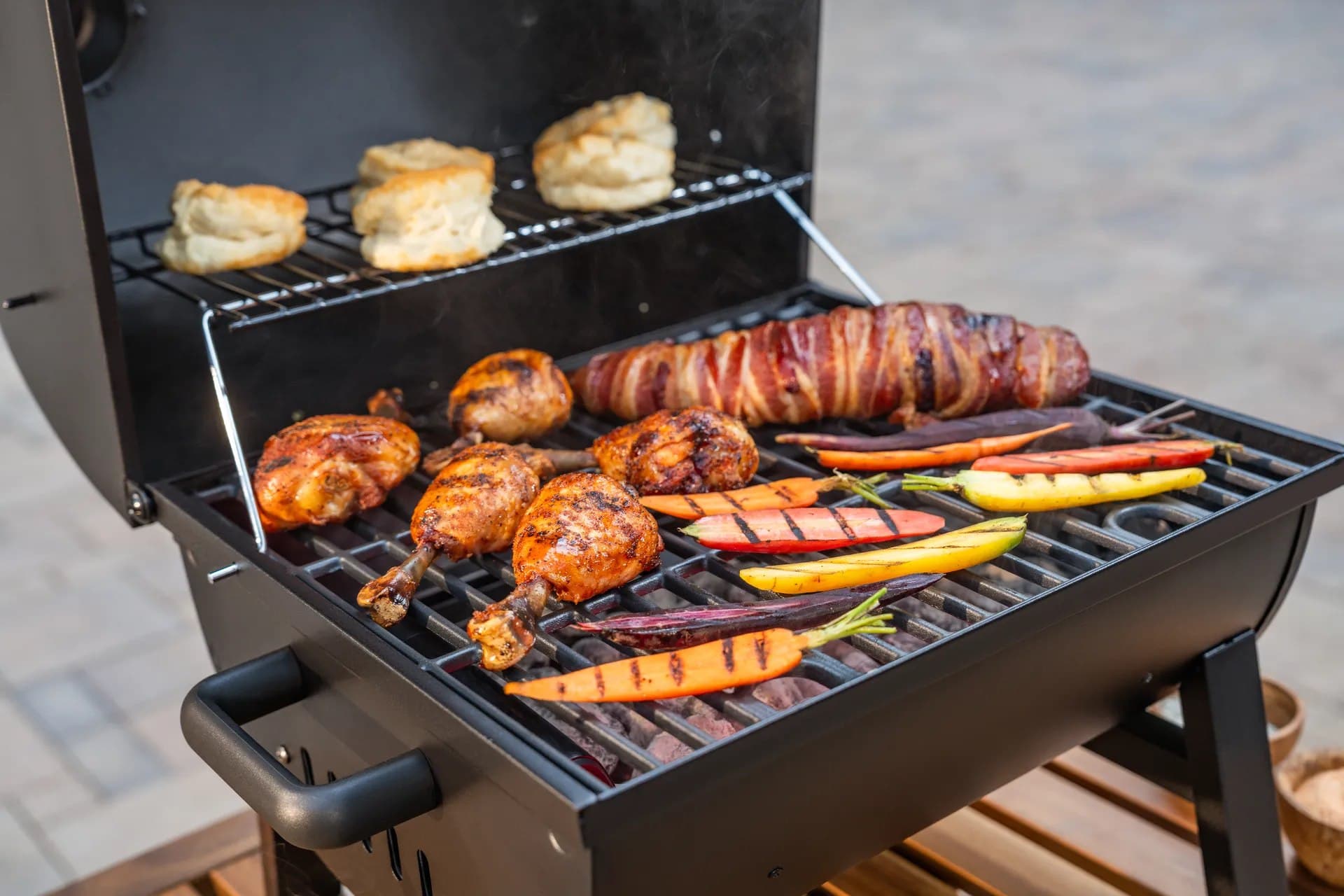
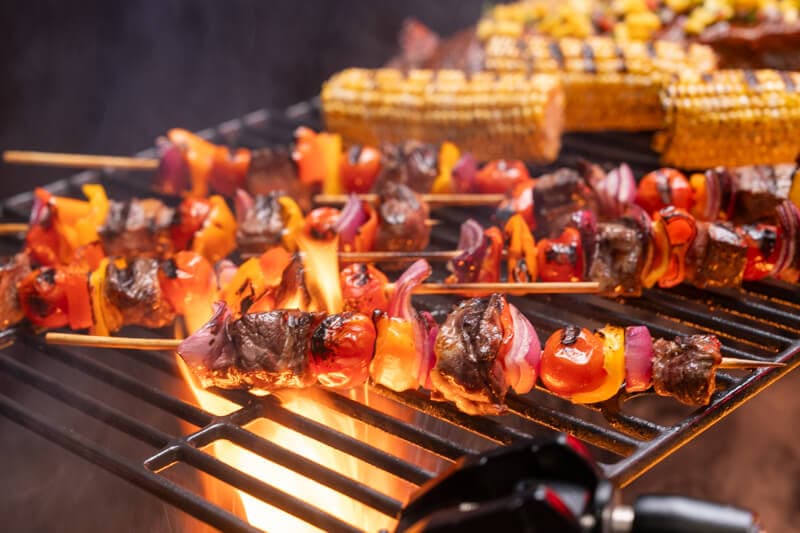
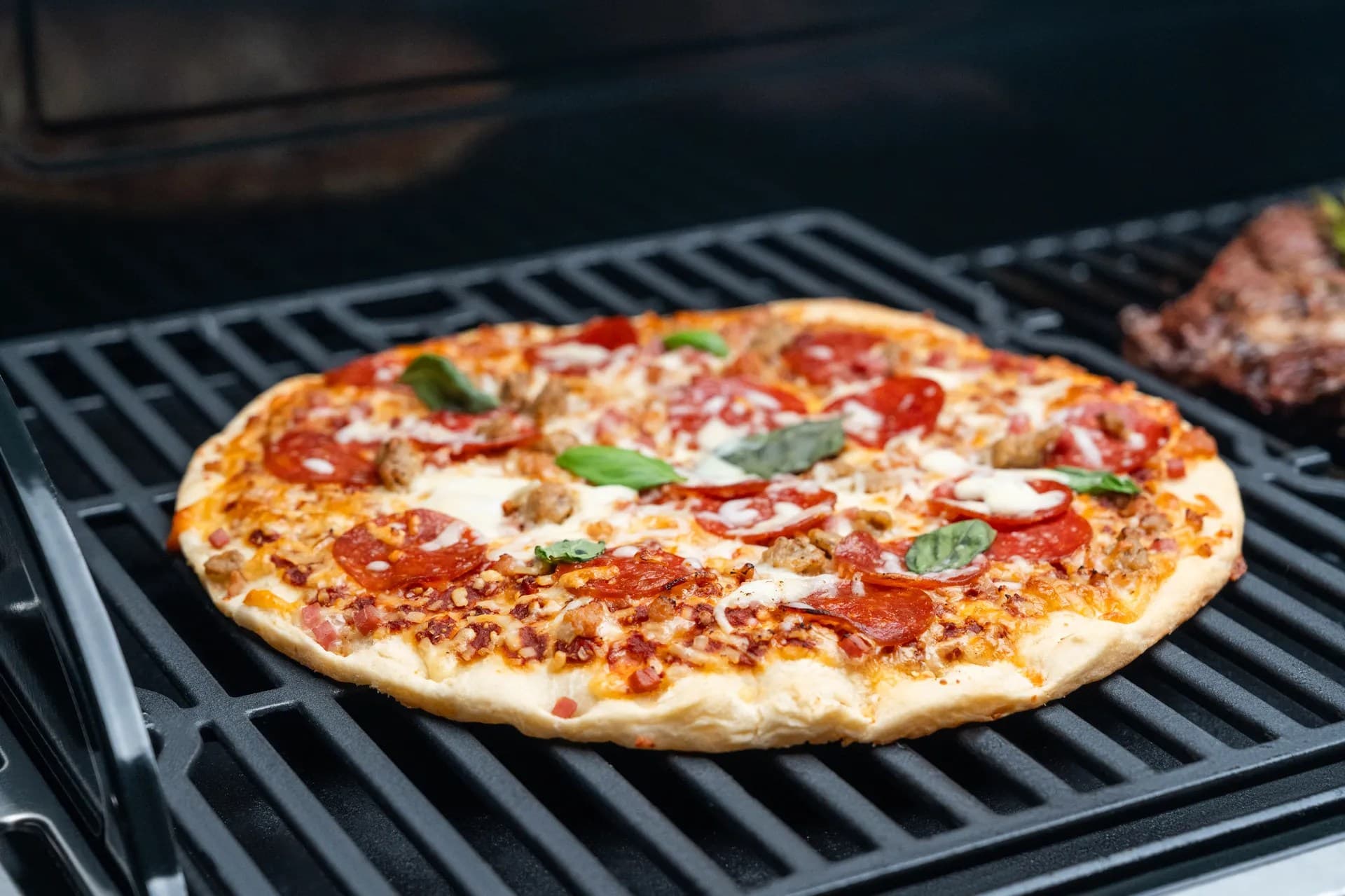
Nexgrill equipment is suitable for a variety of recipes including meats, vegetables, and even pizzas. Popular options include marinated steaks, grilled vegetables, and shrimp skewers.
To enhance the flavor of grilled vegetables, consider marinating them in olive oil, herbs, and spices before grilling. Alternatively, you can season them with salt and pepper during grilling for a more straightforward approach.
To achieve perfect grill marks, preheat your grill to a high temperature and ensure that the food is dry before placing it on the grill. Avoid moving the food too early, as it needs to sear properly to form those classic grill marks.
Using a meat thermometer is the most accurate way to ensure your grilled meat is at the desired temperature. For instance, chicken should reach an internal temperature of 165°F while medium-rare beef is typically at 135°F.
To clean your Nexgrill after cooking, allow it to cool and then use a grill brush to remove any residue from the grates. You can also wipe down the exterior with a damp cloth and mild soap to keep it looking its best.
In This Article
Understanding Meat Flavor
Flavor Infusion Techniques
Advanced Cooking Methods
Enhancing meat flavor starts with understanding what contributes to taste. The primary flavors in meat come from fats, proteins, and the Maillard reaction-a chemical reaction that occurs when heat transforms the amino acids and sugars in meat, creating a complex flavor profile.
Different meats have distinct flavor profiles. For instance, beef is rich and robust, while chicken is milder and absorbs marinades well. Recognizing these differences is crucial for flavor enhancement.
To enhance the natural flavors of meat, you need to consider the cut, cooking method, and seasoning. Each cut of meat offers different characteristics that can be highlighted through proper preparation and cooking techniques.
Dry aging is a technique used primarily for beef that deepens flavor by allowing enzymes to break down tissues slowly. This process not only tenderizes the meat but also intensifies its flavor. Typically, dry aging is done in controlled environments with specific temperature and humidity levels, making it a more advanced method used by enthusiasts and professionals.
It's important to note that dry aging is not suitable for all meats. While beef benefits significantly from this process, poultry and pork do not gain the same flavor enhancements and may even spoil if aged under similar conditions.
For the adventurous home cook, it is possible to dry age beef at home using a dedicated refrigerator or a specially designed dry-aging bag. Ensure that the environment is sanitary and temperature-controlled to prevent spoilage.
Tip: Always start with high-quality beef cuts like ribeye or strip loin for the best dry-aging results.
Marinades and rubs are essential tools for enhancing meat flavor. Marinades typically consist of acidic components, such as vinegar or citrus juice, combined with herbs and spices, which help tenderize the meat while infusing it with flavor. On the other hand, rubs are dry mixtures of spices and herbs applied to the meat's surface, creating a flavorful crust when grilled.
| Marinade Component | Purpose | Example Ingredients |
|---|---|---|
| Acid | Tenderizes meat | Lemon juice, vinegar |
| Oil | Moisturizes and binds flavors | Olive oil, sesame oil |
| Herbs/Spices | Adds flavor complexity | Garlic, rosemary, cumin |
To maximize the effectiveness of a marinade, allow the meat to soak for at least 2-4 hours, or preferably overnight, in the refrigerator. Rubs can be applied shortly before cooking or left to rest on the meat to develop deeper flavors.
Info: Avoid using too much salt in marinades as it can draw moisture out of the meat, leading to dryness.
Smoking is an ancient technique that enhances meat flavor by exposing it to smoke from burning wood. Different wood types impart unique flavors; hickory provides a strong, bacon-like taste, while applewood offers a sweeter, milder flavor.
When smoking, maintain a low and steady temperature to allow the smoke to penetrate the meat slowly. This method works well with larger cuts like briskets or pork shoulders, which benefit from prolonged cooking times to absorb maximum flavor.
Warning: Ensure adequate ventilation when smoking to prevent buildup of potentially harmful gases.
Experimenting with different wood chips and adjusting smoking times can yield a wide variety of flavors, allowing for a customized taste profile that suits your preferences.
Herbs and spices are vital for enhancing meat flavor, providing depth and complexity that can transform a dish. Fresh herbs like basil, thyme, and cilantro offer vibrant flavors, while spices such as black pepper, paprika, and coriander add warmth and richness.
Combining herbs and spices into a blend can create signature flavors that resonate with different cuisines. For example, a Mediterranean blend might include oregano and garlic, while a Mexican-inspired rub could feature cumin and chili powder.
Tip: Toasting whole spices before grinding can intensify their flavors, bringing out essential oils that enhance the meat's taste.
Brining is a process that involves soaking meat in a solution of water, salt, and sugar, often with added herbs and spices. This method not only adds flavor but also helps retain moisture, making it especially useful for lean meats like chicken and turkey.
The salt in the brine helps the meat absorb water, while sugar enhances the natural sweetness. Spices and herbs infuse the meat with additional flavors, creating a juicy, tender result. Enhance your skills with basic grilling techniques.
| Brine Component | Purpose | Example Ingredients |
|---|---|---|
| Salt | Enhances flavor and moisture | Kosher salt |
| Sugar | Balances flavors | Brown sugar |
| Herbs/Spices | Infuses flavor | Bay leaves, peppercorns |
For best results, immerse the meat in the brine for several hours or overnight in the refrigerator. This process not only enhances flavor but also improves the overall texture of the meat.
Sous vide is a modern cooking technique that involves vacuum-sealing meat in a bag and cooking it to a precise temperature in a water bath. This method ensures even cooking and retains juices, allowing for the infusion of flavors through the use of aromatic herbs and spices within the bag.
Once cooked, a quick sear on high heat adds a flavorful crust that complements the tender interior. Sous vide is ideal for achieving restaurant-quality results at home, ensuring that the meat is cooked to perfection every time. Explore more by checking how to grill frozen meat.
Info: Experiment with different flavor combinations by adding garlic, rosemary, or lemon zest into the sous vide bag.
Here's what sets us apart
We position ourselves as delivering high-end outdoor cooking features and performance without premium-brand pricing, emphasizing “Quality Grills. Unbelievable Value.”
We offer gas grills, pellet grills, griddles, smokers, pizza ovens, portable/tabletop grills, electric grills, accessories, and replacement parts — allowing customers to stay within one ecosystem for all outdoor cooking needs.
We differentiate ourselves through smart grilling products like the Oakford smart pellet grill, including app-connected cooking controls and modern outdoor cooking technology.
Don't just take our word for it
Keep reading
From our catalog