A comprehensive guide to start your grilling journey without breaking the bank.

From sizzling breakfasts to smash burgers and teppanyaki-style dinners, the Daytona Pro 5 Burner NitroGuard™ Griddle delivers powerful heat, fast cooking, and a durable cooking surface built for every backyard cookout. Watch how easy outdoor cooking can be.
Here's what sets us apart from the competition
We position ourselves as delivering high-end outdoor cooking features and performance without premium-brand pricing, emphasizing “Quality Grills. Unbelievable Value.”
We offer gas grills, pellet grills, griddles, smokers, pizza ovens, portable/tabletop grills, electric grills, accessories, and replacement parts — allowing customers to stay within one ecosystem for all outdoor cooking needs.
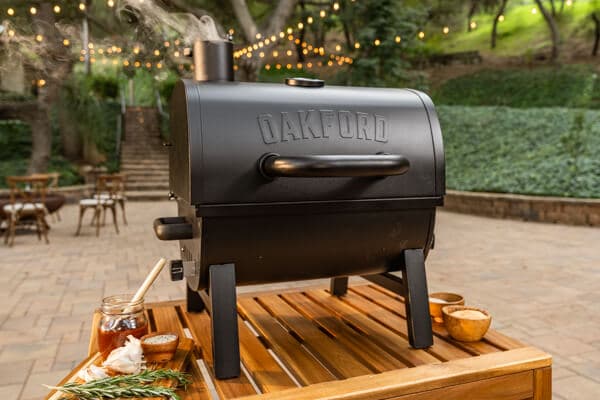
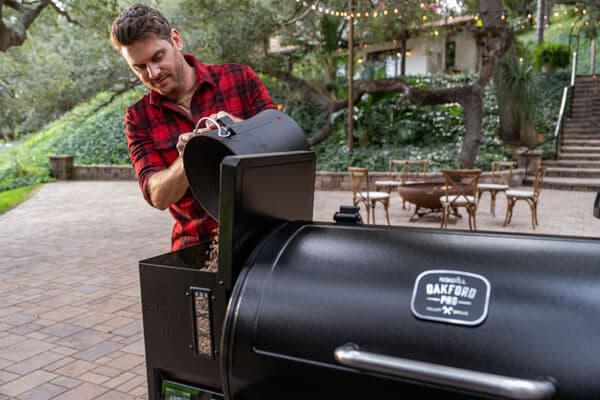
We differentiate ourselves through smart grilling products like the Oakford smart pellet grill, including app-connected cooking controls and modern outdoor cooking technology.

Expert tips, buying guides, comparisons, and inspiration for choosing and getting the most out of your grill.

Practical guides for cleaning, maintenance, common grill issues, and performance optimization.

Step-by-step grilling recipes, cooking techniques, and meal ideas for every occasion and skill level.

Backyard entertaining ideas, seasonal grilling inspiration, and stories that celebrate outdoor cooking culture.

Helpful articles covering grilling tools, cookware, maintenance gear, and must-have accessories for outdoor cooking.

Find griddle recipes, cooking techniques, cleaning tips, and outdoor meal ideas designed for Nexgrill griddles.
Find answers to common questions
Gas grills provide instant heat and precise temperature control, making them easier to use. Charcoal grills offer a smoky flavor and high heat for searing but require more time to heat up and manage.
Pellet grills combine the convenience of gas with the flavor of wood, allowing for smoking, baking, and grilling. Traditional gas grills, however, are quicker to start and often easier to clean.
Charcoal grills typically reach higher temperatures quicker than gas grills, making them better for searing meat. However, high-quality gas grills can also provide adequate heat for effective searing.
Nexgrill offers models designed specifically for gas, charcoal, and pellets, allowing users to choose based on their cooking style and flavor preferences. Each type is built to optimize the characteristics of its respective fuel.
Choosing between gas and charcoal grills depends on your cooking preferences and lifestyle. If you value convenience and quick cooking, a gas grill may suit you better; if you prefer the taste and experience of traditional grilling, a charcoal grill would be ideal.
In This Article
Choosing the Right Grill
Essential Grilling Tools
Easy Grilling Recipes
Grilling is one of the easiest ways to turn a simple meal into something people remember. For beginners, that appeal is part of the challenge: you want the food to taste good, but you also do not want to spend too much before you know whether outdoor cooking will become part of your routine. That is why the best first purchase is not always the biggest grill or the one with the most features. It is the grill that fits your space, your budget, and the way you actually cook on weeknights and weekends.
At Nexgrill, grilling is about making outdoor cooking feel welcoming and practical rather than intimidating. A beginner does not need to master every technique on day one. What matters most is starting with a setup that is easy to light, easy to clean, and affordable enough that you can practice without feeling like every meal has to be perfect. That mindset is especially important when shopping for a first grill in the United States, where price ranges can vary widely depending on fuel type, cooking area, and materials. A solid entry-level grill often costs less than a premium model with heavy steel construction and advanced features, but it should still give you stable heat, usable cooking space, and reliable ignition.
For most beginners, the learning curve is less about recipes and more about fundamentals: how to preheat, how to manage direct heat, how to avoid sticking, and how to tell when food is done. Once those basics click, grilling becomes much easier and much more enjoyable. If you think of your first grill purchase as a tool for learning rather than a one-time splurge, you will usually make a smarter decision and spend less on features you may not use yet.
A common beginner-friendly price range in the United States for simple gas or charcoal grills, before accessories
That range is not a rule, but it is a practical starting point. At the lower end, you will usually find compact charcoal grills or basic two-burner gas grills. In the middle, you may see larger cooking surfaces, side shelves, and more durable construction. The right choice depends on whether you want fast weeknight cooking, smoky flavor, or the simplest possible path to getting dinner on the table.
The most important first decision is fuel type. Gas and charcoal both work well for beginners, but they reward different priorities. Gas grills are typically easier to start and quicker to control, which helps when you are still learning temperature management. Charcoal grills usually cost less up front and deliver a flavor profile many people love, but they ask for more patience and practice before dinner is on the plate. If you want the least complicated path, gas is usually the safer starting point. If you enjoy the ritual of fire management and want a lower entry price, charcoal can be a very good fit.
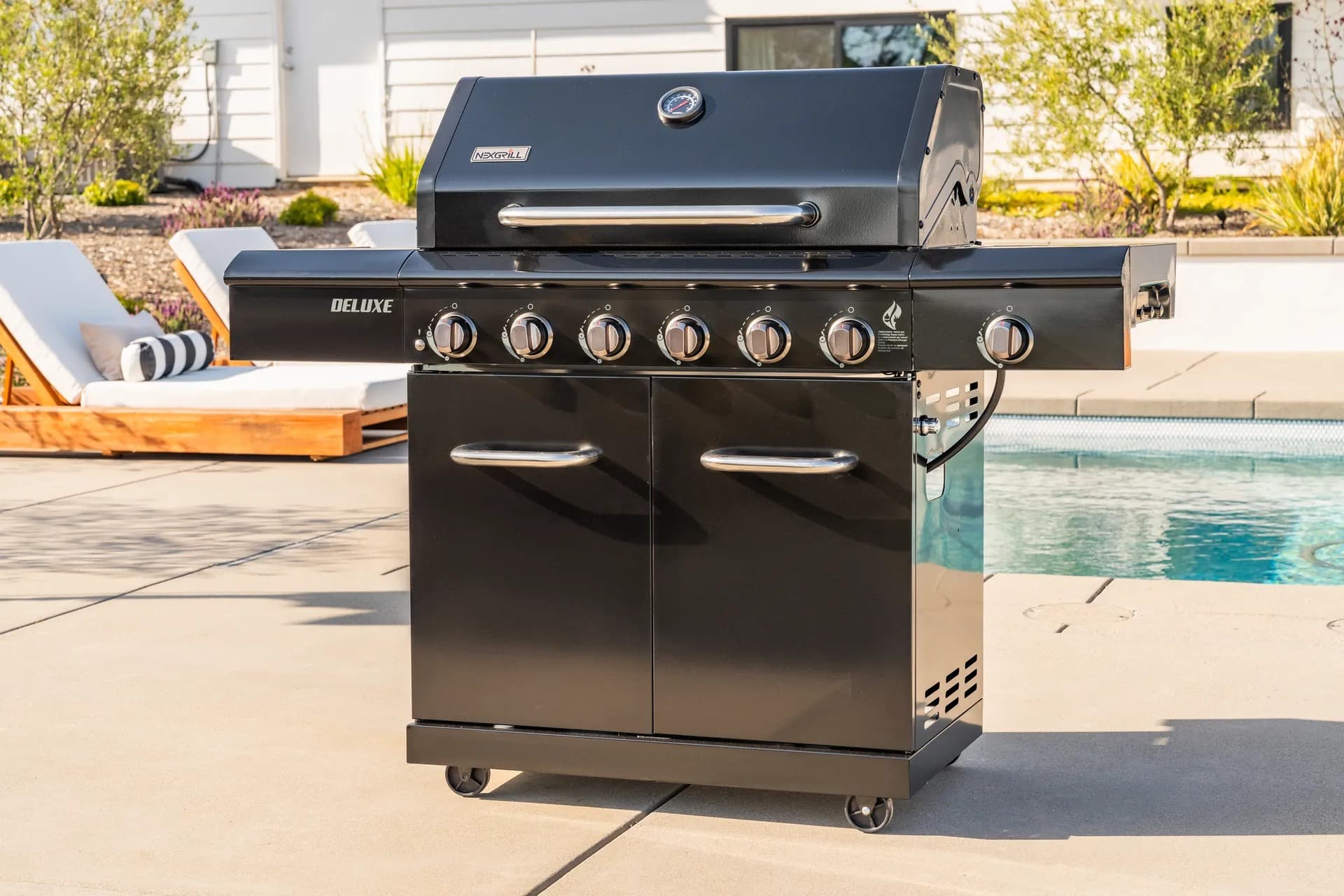
A two-burner gas grill is often enough for a beginner household because it supports simple zone cooking: one side can run hotter for searing, while the other side can stay medium or low for finishing. That matters if you want to grill chicken breasts and vegetables at the same time without overcooking one of them. Charcoal grills, on the other hand, tend to require more setup time. You need to light the coals, wait for them to ashy over, and learn how to spread them for different heat zones. The payoff is strong, classic charcoal flavor and a cooking style that many people find satisfying once they learn the rhythm.
| Type | Typical beginner price | Best for | Main trade-off |
|---|---|---|---|
| Gas grill | $180-$500 | Fast, predictable cooking | Usually costs more than basic charcoal |
| Charcoal grill | $60-$300 | Flavor and lower entry cost | Slower start and more cleanup |
Tip: if your main goal is to cook burgers, chicken, vegetables, and fish with minimal guesswork, choose gas first. If you care more about flavor and do not mind learning fire control, charcoal is a strong value choice.
When comparing cost, do not just compare the sticker price. A gas grill may cost more to buy, but it can save time every time you cook because you do not have to wait for coals. A charcoal grill may look cheaper at checkout, but you will spend on charcoal, starters, and possibly replacement grates over time. Beginner buyers should also think about the size of the grill. A compact grill is often enough for two to four people, while a larger family may appreciate extra surface area even if they do not need a big six-burner model.
The right tools make grilling feel easier from the first cook. You do not need a full cart of accessories, but a few basics will make a noticeable difference in control, safety, and cleanup. For most beginners, the best place to spend money is on a reliable thermometer, sturdy tongs, and a good grill brush. Those three items help you cook more accurately, handle food more safely, and clean up faster after the meal.
A digital instant-read thermometer is one of the smartest purchases you can make because beginners often overcook food while trying to be safe. Instead of guessing when chicken is done, you can check internal temperature directly. Long-handled tongs are another must-have because they help you move food without puncturing it, which keeps juices inside meats and reduces flare-up risk. A spatula with a wide, thin edge is useful for fish, burgers, and vegetables. Heat-resistant gloves are worth considering if you plan to adjust grates or move hot pans.
| Tool | Typical price in USD | Why it matters |
|---|---|---|
| Instant-read thermometer | $15-$40 | Helps prevent undercooking and overcooking |
| Long-handled tongs | $10-$25 | Keeps hands away from heat |
| Grill brush or scraper | $8-$20 | Helps remove residue after cooking |
| Heat-resistant gloves | $15-$35 | Protects hands when handling hot parts |
| Grill cover | $20-$60 | Helps protect the grill between uses |
Start small: buy the thermometer first, then tongs and a brush. You can add baskets, skewers, and specialty tools later once you know what you actually cook.
For seasoning and prep, a simple squeeze bottle, a pastry brush, and a sheet pan can be more useful than novelty gadgets. The sheet pan lets you move vegetables or marinated foods from kitchen to grill without spilling, while a brush helps with oiling grates or applying sauce near the end of cooking. If budget is tight, focus on durable basics rather than large accessory bundles that include items you may rarely use.
Safety should be part of your routine before the first flame is lit. Start by placing the grill on a stable, level surface away from railings, siding, dry plants, or anything that could catch heat. Give yourself enough room to move around the grill comfortably, especially if you are carrying raw food, hot trays, or a plate of finished food. If you are using propane, check the tank connection before each cook and make sure the valve and hose are secure.
Never rush the ignition process. Follow the lighting instructions for your specific grill, and keep the lid in the position recommended by the manufacturer while starting. If the grill does not light immediately, turn it off and wait before trying again. For charcoal, avoid lighter fluid overuse and keep starter materials away from children and pets. A chimney starter is often the cleanest and most beginner-friendly method for lighting coals because it reduces the chance of uneven ignition and unpleasant flavor from excess accelerant.
Warning: do not grill in enclosed spaces, under low overhangs, or in garages. Outdoor ventilation and clear clearance around the grill are essential for safe cooking.
Food safety matters too. Keep raw and cooked foods separated, use different plates when possible, and wash your hands after handling raw meat. If you are making chicken, pork, or burgers, a thermometer is the most reliable way to avoid guessing. For beef steaks, you can use temperature guidance and visual cues, but beginners should still check internal temperature if they are unsure. Finally, keep a small fire extinguisher or a bucket of sand nearby when appropriate, and never leave a lit grill unattended.
The safest beginners are the ones who build simple habits from the start: preheat properly, keep tools close, manage flare-ups calmly, and stay focused on the grill while food is cooking. That routine lowers stress and makes the entire experience more enjoyable.
Try comparing two products side by side below to see which fits best:
Once you've compared a few starter options, the next step is learning the handful of techniques that make a beginner cook look much more confident. Grilling is easiest when you simplify the process: preheat fully, create heat zones, place food carefully, and use a thermometer instead of relying on guesswork. Those habits do more for your results than any fancy accessory ever will.
Start by preheating the grill for enough time that the grates are hot and the cooking surface is stable. On gas, this usually means closing the lid and letting the burners run for several minutes. On charcoal, wait until the coals are mostly covered with gray ash. A hot cooking surface helps food release more easily, which is especially helpful for beginners who are still learning how long to leave food untouched before flipping. If you try to turn food too early, it tends to stick and tear.
The next lesson is zone cooking. On a gas grill, you can set one side hotter and the other side lower. On charcoal, you can pile more coals on one side and fewer on the other. This lets you sear food over direct heat and finish it more gently on the cooler side. That approach is ideal for bone-in chicken, thicker pork chops, and vegetables that need more time than burgers. Beginners often try to cook everything over the hottest area, then wonder why the outside burns before the inside is ready.
| Technique | How to do it | Best beginner use |
|---|---|---|
| Direct heat | Cook food directly over the flame or coals | Burgers, thin steaks, vegetables |
| Indirect heat | Move food away from the hottest zone and close the lid | Chicken thighs, thicker chops, sausages |
| Resting | Let food sit briefly after cooking before slicing | Steaks, chicken, pork |
Another useful habit is to leave the lid closed more often. Beginners sometimes open the grill repeatedly, which slows cooking and makes temperatures less predictable. Use the lid as part of the cooking system, not just as a cover. For most foods, you only need to open it when you are checking doneness, moving the food, or adding sauce near the end. If you are cooking vegetables or delicate items, a grill basket can make handling easier, but even then the same principle applies: let heat do the work instead of constantly moving the food around.
Tip: the first time you grill a new cut of meat, write down the burner setting, approximate time, and internal temperature. That simple note-taking habit saves money by helping you repeat successful cooks.
For beginners, the best foods to grill are forgiving foods. That means items that do not dry out immediately, do not require complicated flipping, and do not depend on exact timing down to the second. Boneless chicken thighs, sausages, shrimp, zucchini, bell peppers, corn, and salmon fillets are all good starter choices because they cook quickly and can still taste great even if your timing is not perfect. Thick steaks can also be beginner-friendly if you use a thermometer and let them rest after cooking.
A simple beginner dinner could be chicken thighs seasoned with salt, pepper, garlic powder, and a little oil, cooked over medium heat until they reach a safe internal temperature. Another easy meal is sausage links with bell peppers and onions cooked in a grill basket or on a cooler section of the grates. If you want something even simpler, corn on the cob brushed with butter or oil and grilled until lightly charred is hard to mess up and pairs well with almost any main course.
If you're looking for a first-weekend project, try skewers. Thread chunks of chicken, onion, and peppers onto soaked wooden skewers or metal skewers, season lightly, and grill them over medium heat. Skewers are helpful because they teach beginners how to manage small pieces of food without making the job overly complicated. You can also make vegetable skewers using mushrooms, zucchini, cherry tomatoes, and peppers for a low-risk side dish.
Tip: begin with foods that finish at similar speeds. Mixing very thick chicken pieces with quick-cooking shrimp on the same grill session can make timing harder than it needs to be.
A realistic beginner grilling budget in the United States often falls into two parts: the grill itself and the starter kit of tools. If you are buying carefully, you can set up a functional first grilling station without overspending. A basic charcoal grill may start around $60 to $150, while a practical beginner gas grill often starts around $180 and can go up to $400 or more depending on size and build quality. If you are looking at a more feature-rich model with side shelves, better burners, or larger cooking area, you may move closer to the upper end of that range.
Accessories add up faster than many first-time buyers expect. A thermometer, tongs, spatula, brush, gloves, and a cover can easily add another $60 to $150 depending on brand and quality. If you use charcoal, you should also factor in the recurring cost of fuel. A beginner should think about total ownership cost, not just the price tag on the box. Gas tends to cost more initially but may be easier to use more often because there is less setup. Charcoal is often cheaper to buy, but the learning curve and fuel expense over time can offset some of that savings.
| Starter item | Estimated price | Budget note |
|---|---|---|
| Basic charcoal grill | $60-$150 | Lowest entry cost |
| Beginner gas grill | $180-$400 | Higher upfront cost, easier day-to-day use |
| Basic tool set | $35-$90 | Thermometer, tongs, brush, spatula |
| Cover and gloves | $35-$95 | Helps protect your investment |
If you want to keep costs down, spend first on the grill, then the thermometer and tongs. The brush and cover can come next. Specialty items like rotisserie kits, fancy skewers, or pizza stones can wait until you know what you enjoy cooking most. That approach keeps you from overbuying before you build a routine.
A beginner-friendly grill is one that stays reliable long enough for you to learn on it. That is why maintenance should be part of the buying decision. After each cook, brush the grates while they are still warm enough to release residue, then empty or clean out excess grease and ash as appropriate for your grill type. This simple step helps preserve flavor and makes the next cook easier. A grill that is cleaned regularly also tends to heat more predictably because air and flame can move the way they are supposed to.
For gas grills, check burners and ignition components regularly, and keep the grease management system clear. For charcoal grills, remove ash after it cools fully so airflow stays open. In either case, a fitted cover is a good low-cost investment if your grill sits outdoors year-round. It helps reduce weather exposure, which matters in many United States climates where humidity, rain, and seasonal temperature swings can accelerate wear.
Warning: do not store a grill wet or full of ash. Moisture and residue are common reasons beginner grills age faster than expected.
The best maintenance habit is consistency. Ten minutes after cooking is usually enough to protect a grill far better than a long deep-clean once a year. Clean it lightly after each use, inspect the parts you touch most often, and store accessories where they stay dry. If you do that, your first grill can remain a dependable tool long after you have moved past beginner meals and into more ambitious cookouts. Sources
Here's what sets us apart
We position ourselves as delivering high-end outdoor cooking features and performance without premium-brand pricing, emphasizing “Quality Grills. Unbelievable Value.”
We offer gas grills, pellet grills, griddles, smokers, pizza ovens, portable/tabletop grills, electric grills, accessories, and replacement parts — allowing customers to stay within one ecosystem for all outdoor cooking needs.
We differentiate ourselves through smart grilling products like the Oakford smart pellet grill, including app-connected cooking controls and modern outdoor cooking technology.
Don't just take our word for it
Keep reading
From our catalog