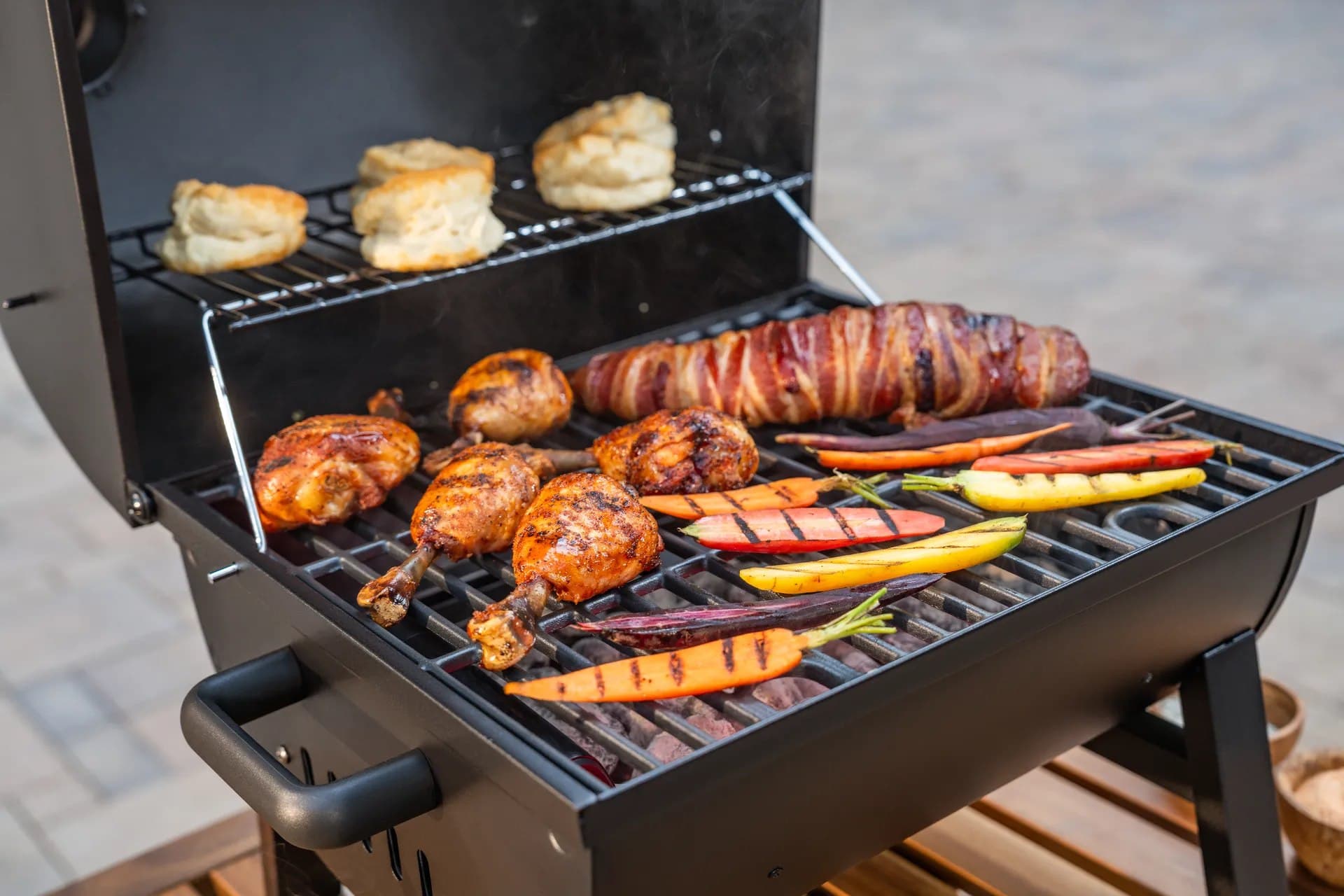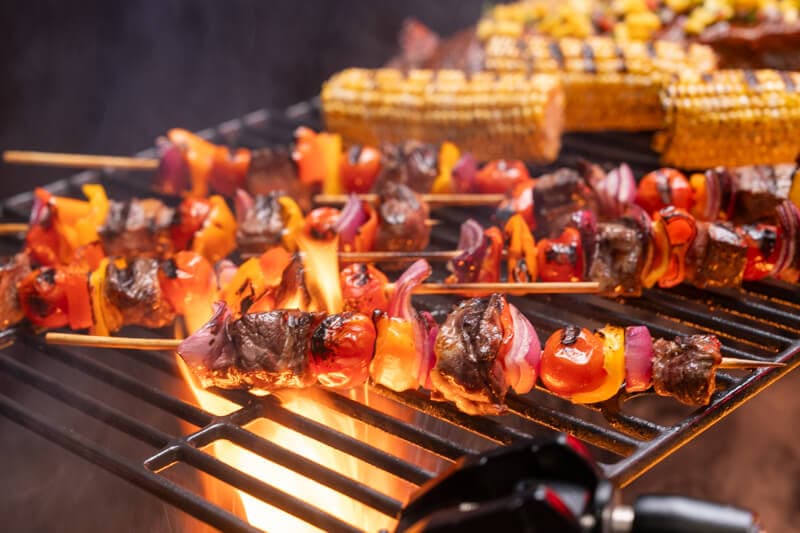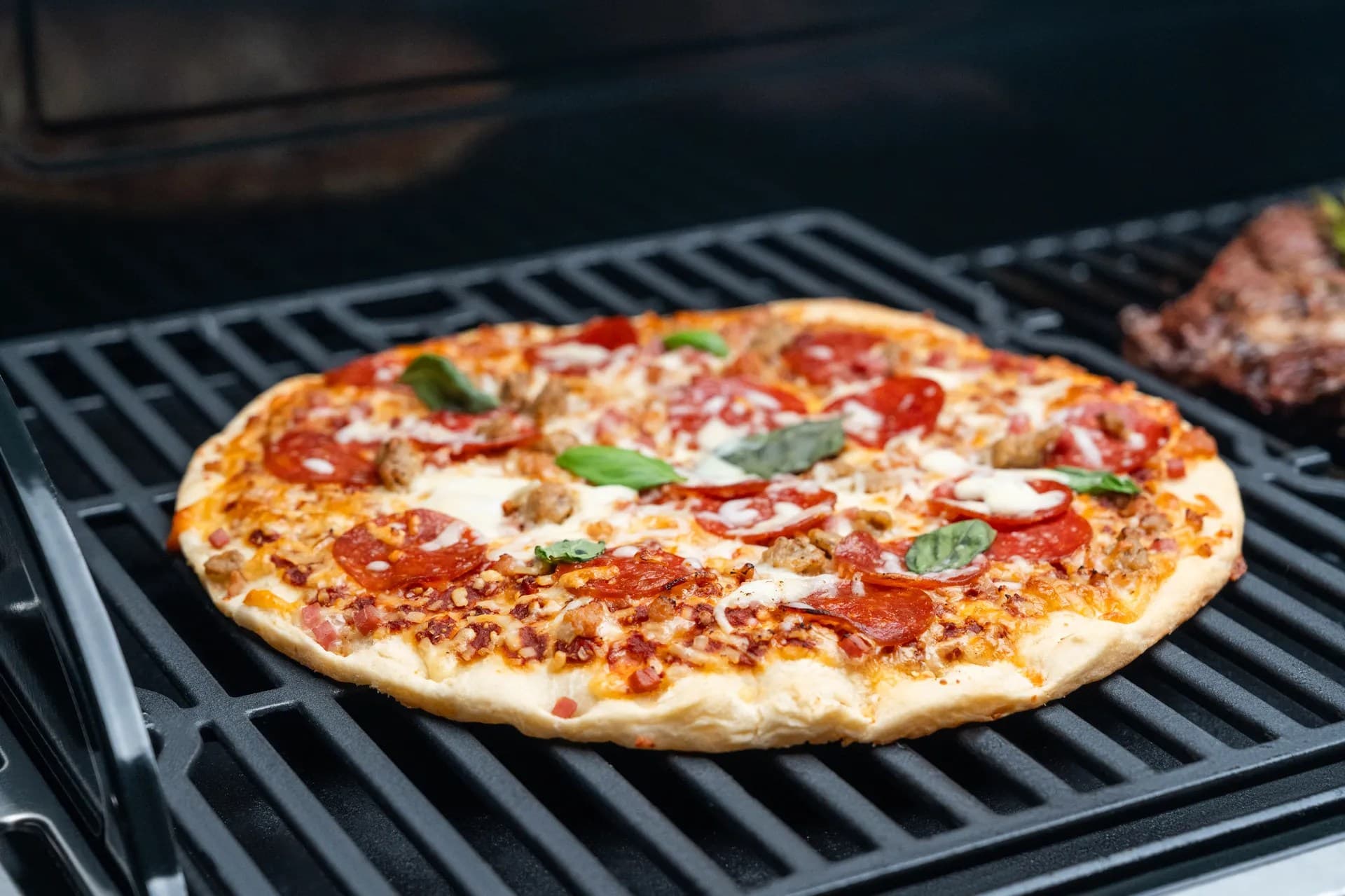
Explore unique recipes, techniques, and tips to make your summer barbecues unforgettable.
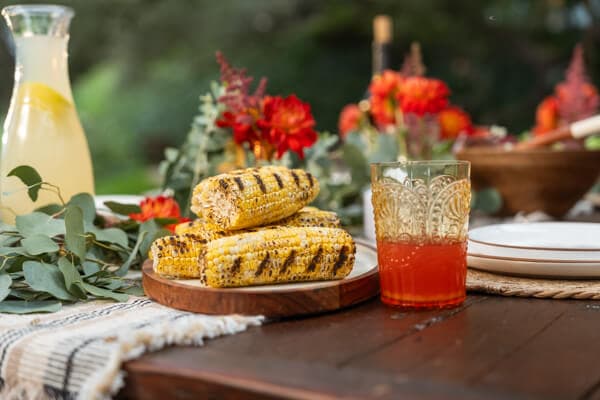
Here's what sets us apart from the competition
We position ourselves as delivering high-end outdoor cooking features and performance without premium-brand pricing, emphasizing “Quality Grills. Unbelievable Value.”
We offer gas grills, pellet grills, griddles, smokers, pizza ovens, portable/tabletop grills, electric grills, accessories, and replacement parts — allowing customers to stay within one ecosystem for all outdoor cooking needs.
We differentiate ourselves through smart grilling products like the Oakford smart pellet grill, including app-connected cooking controls and modern outdoor cooking technology.
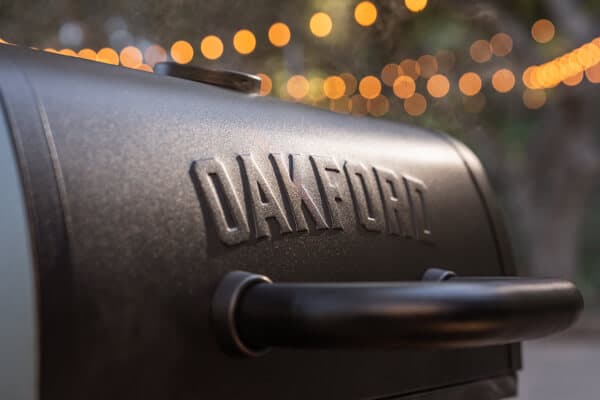
Expert tips, buying guides, comparisons, and inspiration for choosing and getting the most out of your grill.
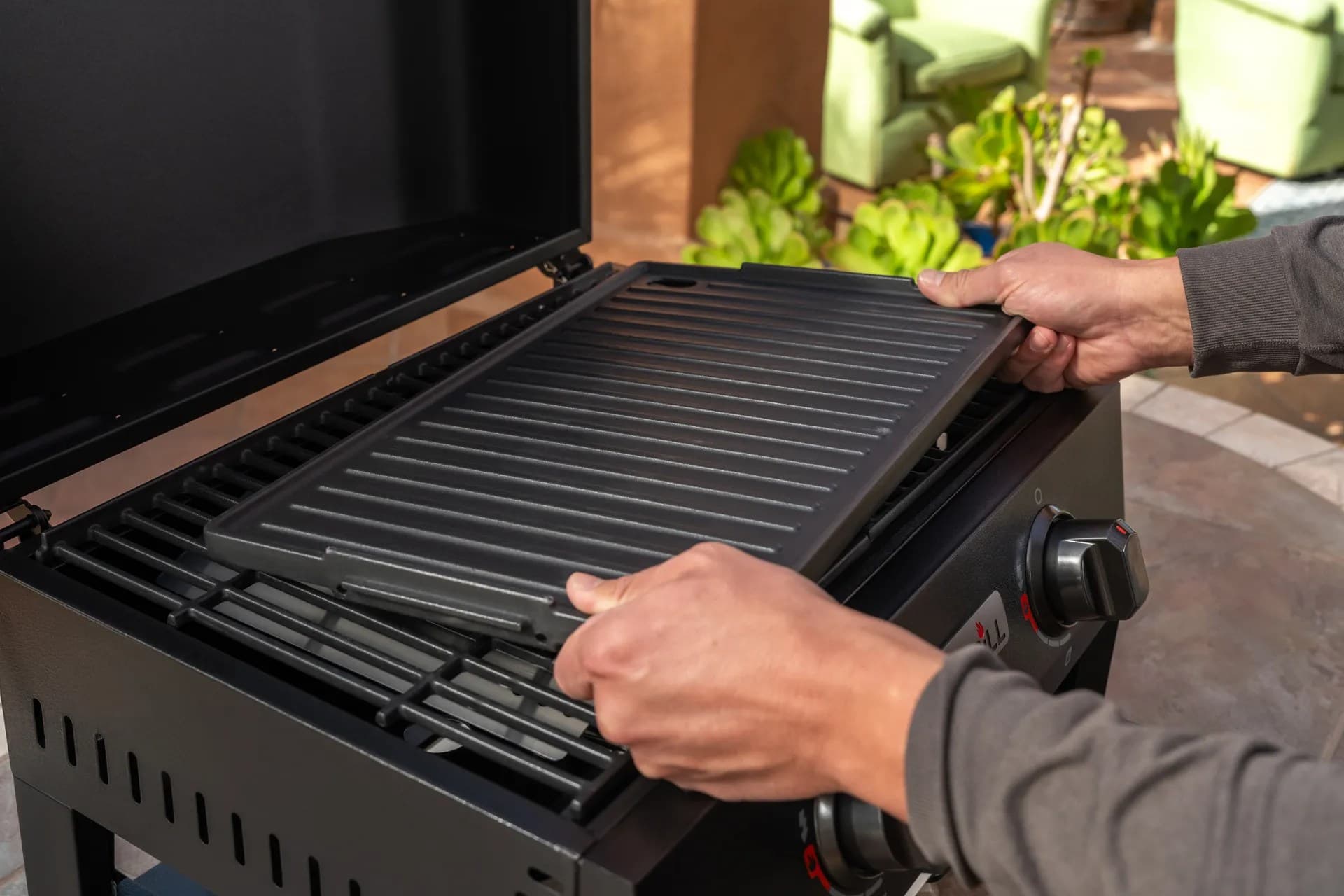
Practical guides for cleaning, maintenance, common grill issues, and performance optimization.
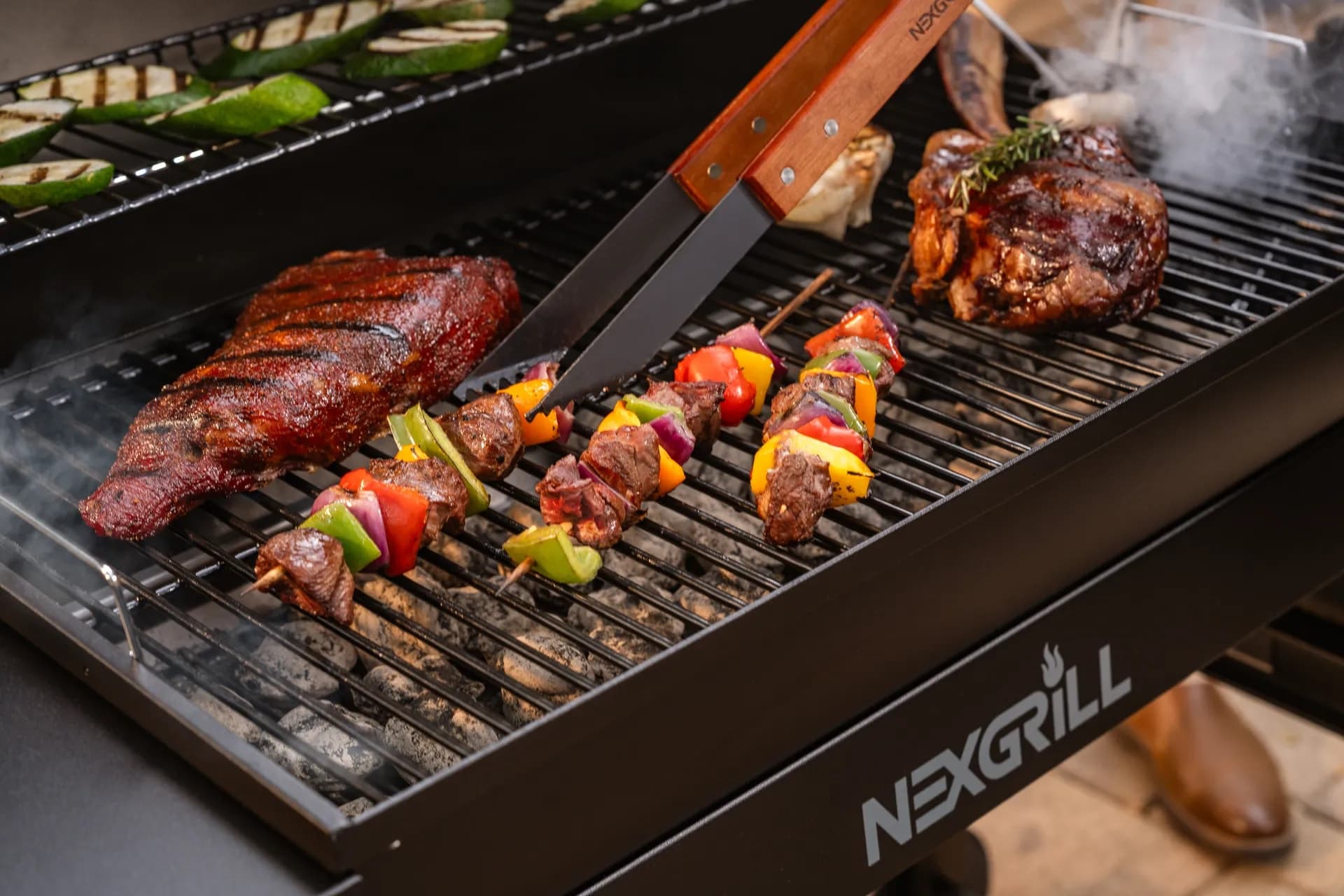
Step-by-step grilling recipes, cooking techniques, and meal ideas for every occasion and skill level.
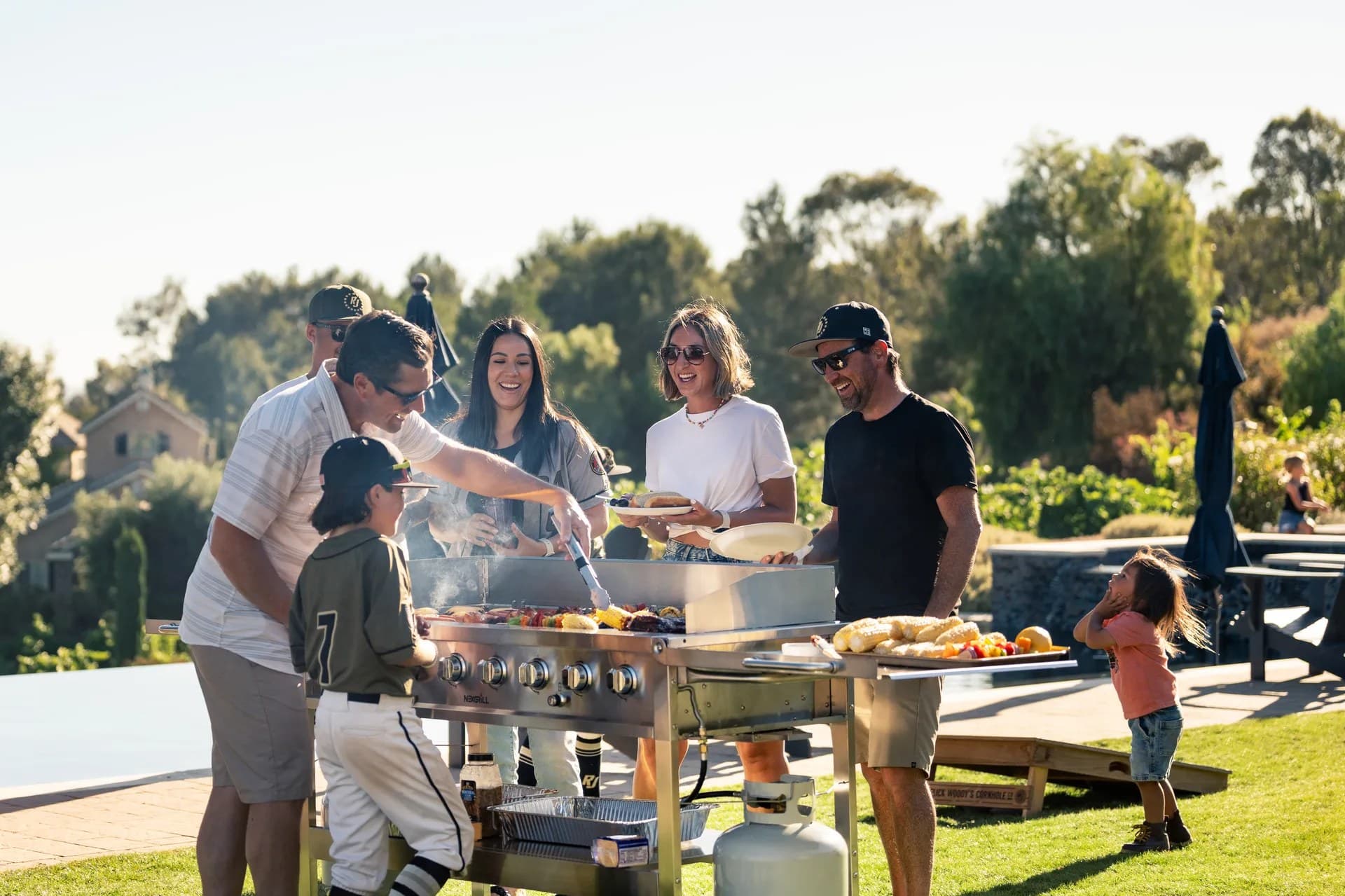
Backyard entertaining ideas, seasonal grilling inspiration, and stories that celebrate outdoor cooking culture.
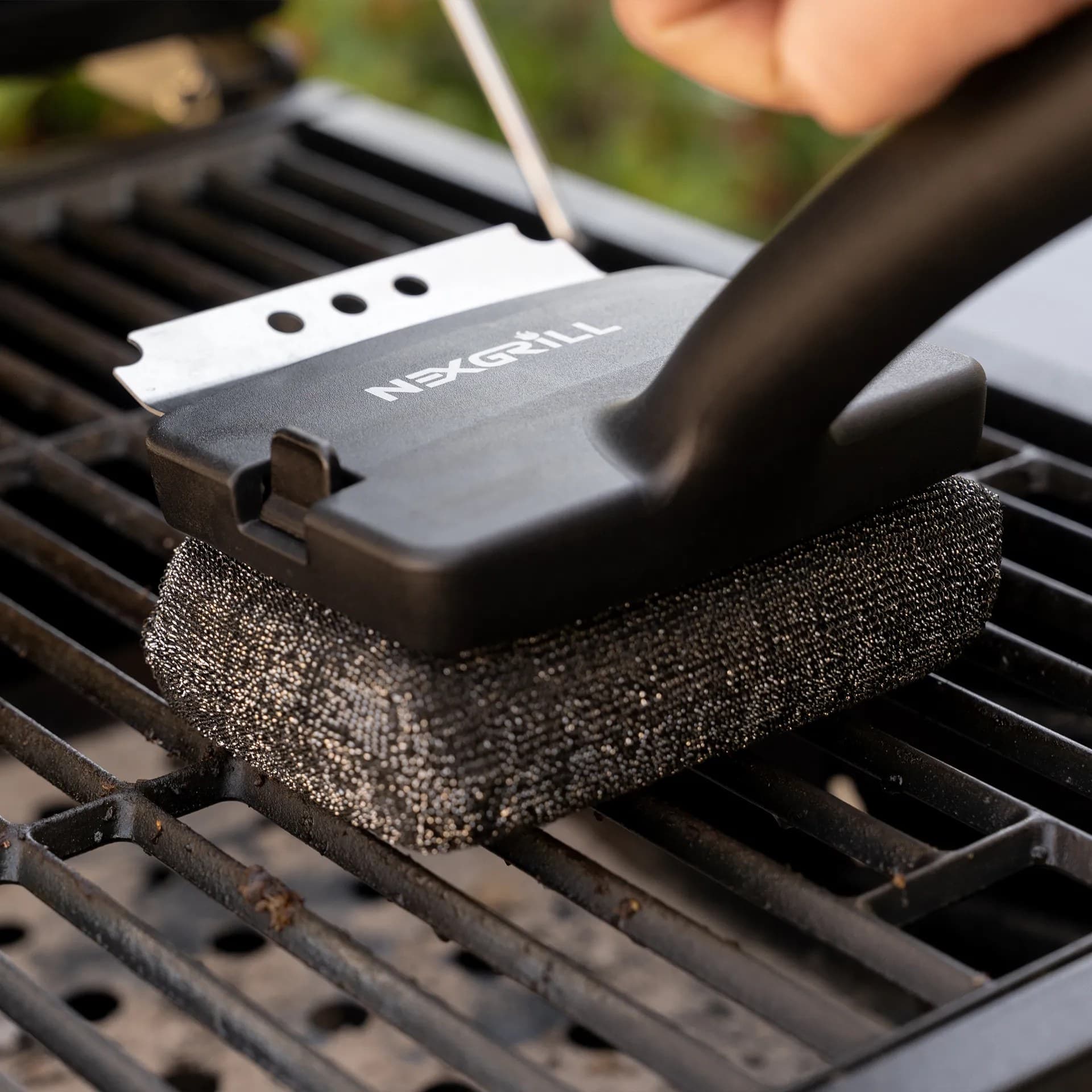
Helpful articles covering grilling tools, cookware, maintenance gear, and must-have accessories for outdoor cooking.
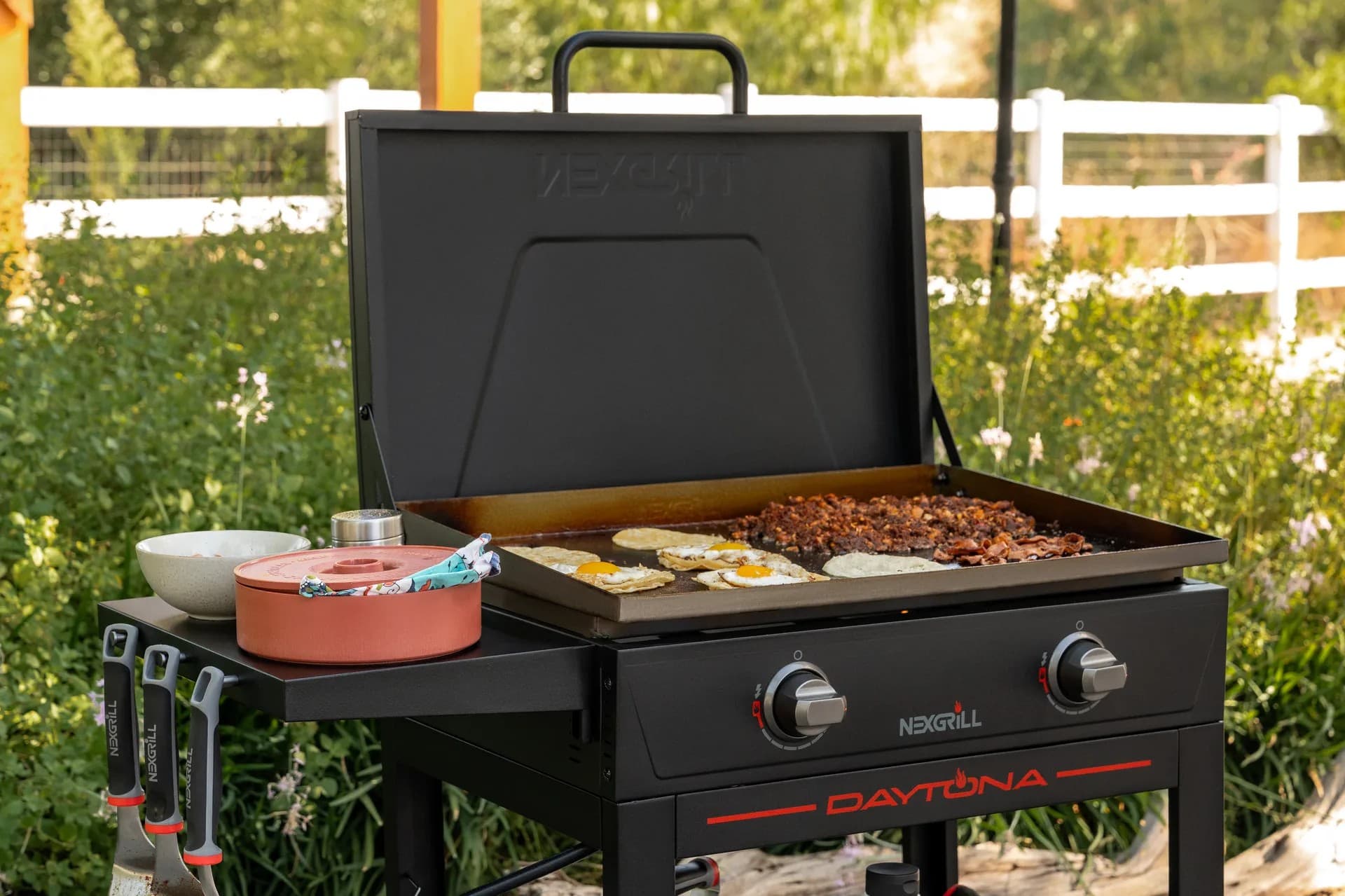
Find griddle recipes, cooking techniques, cleaning tips, and outdoor meal ideas designed for Nexgrill griddles.
Find answers to common questions
Nexgrill equipment is suitable for a variety of recipes including meats, vegetables, and even pizzas. Popular options include marinated steaks, grilled vegetables, and shrimp skewers.
To enhance the flavor of grilled vegetables, consider marinating them in olive oil, herbs, and spices before grilling. Alternatively, you can season them with salt and pepper during grilling for a more straightforward approach.
To achieve perfect grill marks, preheat your grill to a high temperature and ensure that the food is dry before placing it on the grill. Avoid moving the food too early, as it needs to sear properly to form those classic grill marks.
Using a meat thermometer is the most accurate way to ensure your grilled meat is at the desired temperature. For instance, chicken should reach an internal temperature of 165°F while medium-rare beef is typically at 135°F.
To clean your Nexgrill after cooking, allow it to cool and then use a grill brush to remove any residue from the grates. You can also wipe down the exterior with a damp cloth and mild soap to keep it looking its best.
In This Article
Grilled Watermelon and Mint
Cedar Plank Salmon with Herb Oil
Elote-Inspired Grilled Zucchini
Summer barbecue ideas work best when they do more than fill a plate. The most memorable cookouts feel like a small event with a point of view: a menu that surprises people, a cooking method that adds texture and aroma, and a host who makes the whole gathering feel easy. Nexgrill’s brand philosophy centers on inclusivity and shared experiences around the grill, which is a strong fit for summer entertaining because the best backyard meals are rarely about one “perfect” dish. They are about variety, conversation, and the kind of food that gets passed around the table. Nexgrill’s own brand language emphasizes that “everyone’s invited,” and that spirit translates well to summer menus that welcome different tastes, diets, and comfort levels without making the cookout feel complicated.
If your usual summer spread leans heavily on burgers and hot dogs, this is the season to widen the lens. Think grilled fruit that can become a salsa or dessert, vegetables that hold their shape and take on char, fish cooked on cedar for a gentle smoky note, and side dishes that can be prepared ahead so the grill stays focused on the main event. Nexgrill’s food and lifestyle guidance also leans toward bright, realistic, and inviting presentations rather than the same repetitive grill standards, which is a useful clue for planning a menu that looks as good as it tastes. That means the best barbecue ideas are not necessarily the most elaborate ones; they are the ones that create contrast, seasonality, and a clear sense of occasion.
Can feel new when it mixes smoke, freshness, and texture.
A useful way to rethink summer barbecue planning is to stop asking what food “goes on the grill” and start asking what the grill can improve. A cast-iron sear can deepen watermelon. Direct heat can turn peaches into a topping for pork, yogurt, or ice cream. A cooler side zone can protect delicate vegetables while you finish skewers. Even a simple herb oil becomes more interesting when it touches warm charred food. This shift matters because it opens the door to cooking that feels creative without requiring a whole new skill set.
One of the easiest ways to make a summer barbecue feel different is to grill ingredients that many people serve only raw. Watermelon is the classic example. A quick kiss of heat concentrates its sweetness and creates a firmer edge that pairs well with mint, lime, feta, or chile. It can become a starter, a side salad ingredient, or even a dessert component. The key is to use thick slices or wedges so the fruit doesn’t collapse before it picks up those grill marks. This is the kind of detail that makes a recipe feel intentional rather than gimmicky, and it aligns with Nexgrill’s recipe-forward approach to food storytelling, where the ingredient, the cooking method, and the final presentation all matter.
Stone fruit is another category worth expanding. Peaches, nectarines, and plums gain a caramelized surface when cut in half and placed cut-side down over medium heat. That surface can be paired with ricotta, burrata, basil, or a drizzle of honey. You can also use grilled fruit to balance richer proteins: peaches alongside pork chops, pineapple with jerk seasoning, or grilled apricots tucked into a grain salad. For hosts looking to serve a crowd, fruit offers a practical advantage because it can be prepared in batches and doesn’t demand the same timing precision as steak or seafood.
Vegetables can be just as interesting. Zucchini, corn, eggplant, scallions, mushrooms, and fennel all respond well to flame. The trick is to season them in a way that supports their natural character instead of burying them under heavy sauces. For example, an elote-inspired zucchini works because the vegetable mimics the sweet, savory, and spicy profile of Mexican street corn without trying to copy it exactly. Split zucchini lengthwise, brush with oil, grill until lightly charred, then finish with cotija, chili powder, lime, and cilantro. That gives you the brightness of a summer side with enough personality to stand on its own.
| Ingredient | Best Heat | Why it works |
|---|---|---|
| Watermelon wedges | Medium-high | Quick sear adds texture without drying the fruit |
| Peaches and nectarines | Medium | Caramelization amplifies sweetness |
| Zucchini | Medium-high | Holds shape and takes seasoning well |
| Salmon on cedar | Medium | Gentle smoke protects a delicate fillet |
Technique is what separates a novelty from a memorable barbecue idea. Once you move beyond standard grilling, the main goal is to control heat so the ingredient’s best qualities come through. Direct heat is ideal for building surface char on fruit, vegetables, and skewers. Indirect heat is better for thicker fish fillets, bone-in chicken, or anything that needs time to cook through without losing moisture. When you are working with ingredients that are naturally delicate or sugar-rich, the difference between success and disappointment is often only a minute or two.
Cedar plank salmon is a perfect example of a technique-driven dish that feels special without being difficult. Soak the plank, preheat the grill, and place the salmon on the wood so the fish cooks in a fragrant stream of smoke rather than over aggressive direct flame. Finish with herb oil made from parsley, dill, chives, garlic, lemon zest, and olive oil. The plank does the quiet work of flavoring while the herb oil provides the bright, fresh finish that summer cooking needs. This is especially useful for hosts who want a recipe that looks impressive but doesn’t tie them to the grill for the entire party.
Skewers also reward technique. The best summer skewers are built with ingredients that cook at similar rates or are grouped intentionally. If you mix shrimp, onions, and bell peppers, keep the shrimp large enough to avoid overcooking and cut the vegetables to a size that allows a similar finish. For fruit skewers, use sturdier items like pineapple or stone fruit rather than very soft berries. A light brush of oil and a final glaze after grilling can keep sugars from burning before the interior warms through.
Tip: Preheat the grill fully before adding fruit or vegetables. A hot grate creates better marks and reduces sticking, which matters more when the food is soft or high in natural sugar.
Nexgrill’s own emphasis on practical, well-lit, and authentic food presentation also suggests another technique priority: cook for color and contrast. Charred edges, glossy glazes, and fresh finishing herbs make a plate feel complete. That matters at a summer barbecue because your guests are eating with both their eyes and appetite. A plate of grilled zucchini finished with lime and cotija feels more celebratory than the same zucchini served plain, even if the core effort is nearly identical.
A good barbecue menu should move in layers rather than competing for attention. If the main dish is rich and smoky, your sides should bring brightness, crunch, or acidity. That is why grilled watermelon and mint works so well next to spiced chicken or pork: it cools the palate and resets the table. The same logic applies to grilled corn salads, cucumber-heavy slaws, tomato salads with herbs, and vinaigrettes that lean acidic rather than creamy.
For beverages, think about balance. Citrus-forward mocktails, iced tea with herbs, sparkling water with cucumber or lime, and lighter summer beers all sit naturally alongside flame-kissed food. If you are serving cedar plank salmon, a crisp white wine or a citrus spritz works better than something heavy and oaky. For elote-inspired zucchini or other spicy vegetable dishes, tart drinks with a little sweetness help offset chile heat. A barbecue becomes easier to remember when the drinks and sides are chosen as carefully as the main protein.
It can also help to map the menu by temperature. Cold sides can be assembled ahead of time, grilled items can be rotated onto the platter in waves, and desserts can be kept simple. This structure lowers host stress and keeps guests fed continuously instead of waiting for everything to finish at once. If you serve a grilled fruit salad, a chilled bean salad, and a smoked protein, your spread feels intentional without requiring a restaurant-level production schedule.
Creative barbecue ideas still need disciplined prep. The grill should be clean, the grates preheated, and the cooking tools ready before food comes out of the kitchen. Grease buildup can cause flare-ups, which are especially troublesome when cooking fruit or sugary glazes. Keeping a cooler zone on the grate gives you a safety buffer if something starts to darken too quickly. For delicate recipes like salmon on cedar, that margin of control is essential.
Seasoning and oiling matter too, but not in excess. Too much oil on fruit or vegetables can cause slipping and uneven browning. A thin coating is usually enough. If you are using cedar planks, follow soak guidance and place the plank on the grill only after preheating so it warms gradually rather than shocking the fish. As a rule, use clean utensils for raw and cooked foods, keep marinades that touched raw proteins separate from finishing sauces, and move cooked dishes to a clean platter immediately.
Warning: Sugary sauces and fruit glazes can burn fast. Brush them on near the end of cooking instead of at the start.
Finally, remember that a successful summer barbecue is partly about pacing. If your menu is built around one standout grilled item and several easy supporting dishes, you will spend less time fighting the grill and more time hosting. That approach matches the spirit of Nexgrill’s inclusive, food-centered brand voice: welcoming, practical, and centered on real shared moments around the table. When the food is thoughtful and the workflow is simple, the barbecue feels relaxed from the first plate to the last.
Try comparing two products side by side below to see which fits best:
Once you’ve weighed two options against each other, the next step is deciding how to make the menu feel rooted in the season. Summer barbecue ideas are strongest when they lean into what is abundant and naturally flavorful in the United States during warm weather: tomatoes, sweet corn, berries, peaches, zucchini, cucumbers, basil, mint, peppers, and stone fruit. These ingredients do not need much help, but they benefit from heat in different ways. The point is not to force everything onto the grate. It is to use the grill as a finishing tool that deepens sweetness, adds texture, or gives a dish a smoky edge.
Local produce markets and farm stands are especially valuable because summer ingredients are often at their peak in both flavor and price. In practical terms, that means a backyard cookout in July can be built around ripe tomatoes, fresh herbs, and peak zucchini without needing expensive specialty items. A simple tomato salad with grilled scallions and basil can sit beside charred corn and black bean salsa. A grilled peach can top a salad of bitter greens and goat cheese. Chilled melon can be cut into wedges and briefly grilled to create contrast before serving. This is a distinctly summer approach: bright, fast, and anchored in produce that tastes like the season itself.
| Seasonal ingredient | Best use on the grill | Serving idea |
|---|---|---|
| Sweet corn | Char the husked kernels or grill in husk | Slice into elote-inspired salad with lime and cotija |
| Peaches | Grill halved fruit cut-side down | Serve with yogurt, honey, and herbs |
| Zucchini | Slice lengthwise for direct heat | Top with chili powder, lime, and cheese |
| Tomatoes | Use firm varieties briefly over heat | Build bruschetta or grilled salsa |
| Berries | Best in baskets or as a quick finish | Pair with shortcake or whipped cream |
A summer barbecue feels more inviting when every guest can find at least one dish that feels designed for them rather than adapted as an afterthought. That is where vegetarian and vegan grilling earn their place. The grill is excellent at building smoky depth into vegetables, tofu, fruit, and grains, and these dishes often become the first ones to disappear because they are bright, textured, and easy to eat alongside everything else. Nexgrill’s brand messaging is built around welcome and togetherness, and that makes inclusive menu planning more than a courtesy; it is part of the experience .
For vegetarian guests, skewers of halloumi, mushrooms, peppers, and zucchini offer a satisfying mix of salt, char, and softness. Halloumi is especially useful because it holds its shape on the grill and gives a savory contrast to fruit-based sides. For vegan guests, marinated tofu, tempeh, or large portobello mushrooms can serve as the centerpiece. A good marinade should balance acid, oil, salt, and aromatics so the protein or vegetable absorbs flavor without becoming soggy. Pineapple-ginger glaze, miso-lime dressing, or a cumin-coriander oil can each push the dish in a different direction.
If you want a crowd-pleasing vegan plate that still feels festive, build around grilled vegetables plus a grain or legume base. Farro, rice, lentils, or chickpeas can anchor a bowl that includes charred corn, tomatoes, herbs, and avocado. The grill does not have to do all the work; it can provide the flavor accent that makes the bowl feel complete. That is a useful mindset for hosts because it keeps vegetarian dishes practical instead of performative. The same approach helps with summer barbecue ideas for mixed groups, where some guests want a steak and others want a lighter plate.
Tip: Mark vegetarian skewers or platters clearly before cooking so they do not get mixed with meat on the tray or tongs.
Summer barbecue planning becomes much easier when you think in components instead of rigid recipe categories. That approach makes it simpler to accommodate gluten-free, low-carb, dairy-light, and higher-protein preferences without turning dinner into a separate menu for each person. A grilled protein, a herb sauce, a charred vegetable side, and a flexible starch or salad can be mixed and matched across dietary needs. For example, grilled salmon with herb oil is naturally gluten-free, while elote-inspired zucchini can be made low-carb by keeping the topping focused on cheese, lime, and spices rather than breaded add-ons.
For gluten-free guests, the main risk is not usually the grill itself but cross-contact from sauces, marinades, and shared tools. That means you should read labels carefully for seasoning blends, soy sauce, and bottled glazes. Use a separate brush or spoon for finishing sauces, and keep buns or wraps on a different tray than grilled proteins and vegetables. For low-carb menus, vegetables can be the star rather than the side: grilled asparagus, cauliflower steaks, portobellos, and zucchini all work well when seasoned simply and finished with acid or herbs. If you want more body on the plate, avocado, eggs, and cheeses can add richness without relying on bread, pasta, or sugary sauces.
If you are hosting people who eat differently, your goal should be a menu that feels unified. One marinade can support both shrimp and mushrooms if you reserve part of it before adding raw protein. One herb oil can finish fish, vegetables, and bread. One bright salad can fit almost any plate. The easiest cookouts are not the ones with the fewest options; they are the ones where every option is built from overlapping ingredients and a clear flavor direction. That is what makes the barbecue feel generous rather than fragmented.
A memorable barbecue is shaped as much by the host’s rhythm as by the menu. Good hosting starts before the grill is lit. Set out tongs, platters, napkins, and serving spoons early so people can move naturally between the grill and table. Arrange the space so guests can see the food but are not crowding the cooking area. Summer barbecues work best when the host can cook, talk, and refill drinks without disappearing into the kitchen for long stretches. The atmosphere should feel relaxed enough for conversation but organized enough that the food arrives while it is still at its best.
A strong layout usually includes one self-serve drink station, one main food landing area, and one “fresh finish” station for herbs, lime wedges, sauces, or flaky salt. These little stations reduce bottlenecks and let guests customize plates without waiting. Background music, string lights, and simple tableware can make even a modest patio feel like an event. More important, the menu should reflect the tone you want to set. If you want the cookout to feel playful, serve grilled fruit and smaller shareable plates. If you want it to feel relaxed and plentiful, build a family-style spread with bowls, platters, and multiple textures on the table.
Nexgrill’s lifestyle and messaging focus on community, inclusion, and the idea that people gather around the flame for connection, not just food . That makes the little hosting details more meaningful than they first appear. When guests can tell that different preferences were anticipated - a plant-based dish, a gluten-free option, a lighter beverage, a tray of grilled fruit - the gathering feels considered and generous. That is often what people remember most after they leave: not just the food, but the feeling that they were expected and welcomed.
The best summer barbecue ideas are the ones that make the grill feel like a creative tool rather than a repeat button. Grilled watermelon, cedar plank salmon, elote-inspired zucchini, and other seasonal combinations can turn a familiar cookout into something guests talk about afterward because the menu feels fresh, not forced. The trick is to build around ingredients that already taste good in summer, then use heat to sharpen texture, deepen aroma, and create contrast. That approach keeps the food approachable while still offering something new.
As a host, your job is to make the whole experience feel welcoming and easy to join. That means planning for different dietary needs, choosing sides and drinks that balance the grill, and keeping safety and timing in mind so the barbecue flows naturally. If you use the grill to support the food instead of overpower it, you create room for all kinds of guests and all kinds of flavors. And that is the real strength of a great summer barbecue: it brings people together around a table that feels personal, generous, and worth repeating.
Here's what sets us apart
We position ourselves as delivering high-end outdoor cooking features and performance without premium-brand pricing, emphasizing “Quality Grills. Unbelievable Value.”
We offer gas grills, pellet grills, griddles, smokers, pizza ovens, portable/tabletop grills, electric grills, accessories, and replacement parts — allowing customers to stay within one ecosystem for all outdoor cooking needs.
We differentiate ourselves through smart grilling products like the Oakford smart pellet grill, including app-connected cooking controls and modern outdoor cooking technology.
Don't just take our word for it
Keep reading
From our catalog