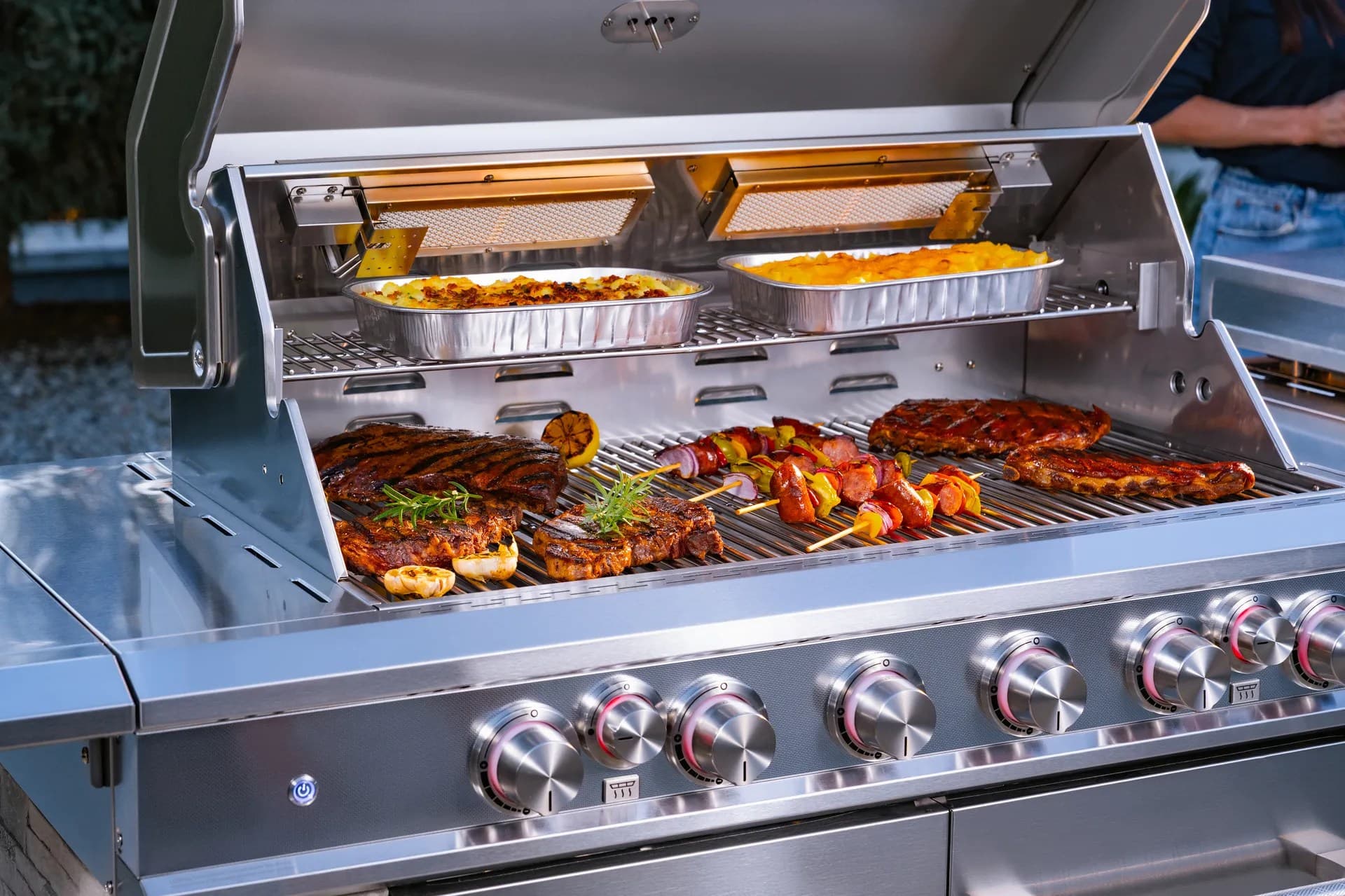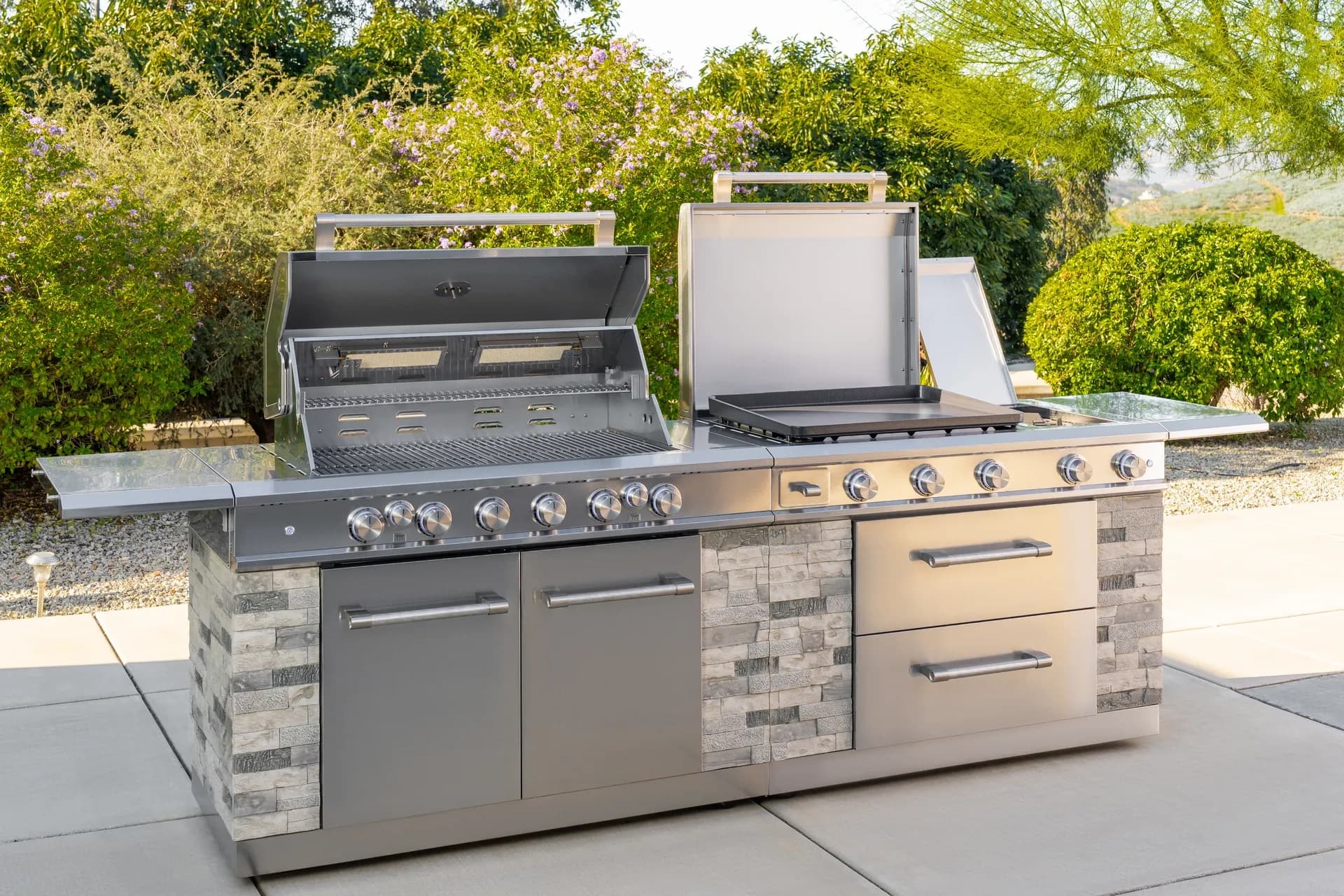
A comprehensive guide to ensuring safety while grilling this summer.
From sizzling breakfasts to smash burgers and teppanyaki-style dinners, the Daytona Pro 5 Burner NitroGuard™ Griddle delivers powerful heat, fast cooking, and a durable cooking surface built for every backyard cookout. Watch how easy outdoor cooking can be.
Here's what sets us apart from the competition
We position ourselves as delivering high-end outdoor cooking features and performance without premium-brand pricing, emphasizing “Quality Grills. Unbelievable Value.”
We offer gas grills, pellet grills, griddles, smokers, pizza ovens, portable/tabletop grills, electric grills, accessories, and replacement parts — allowing customers to stay within one ecosystem for all outdoor cooking needs.
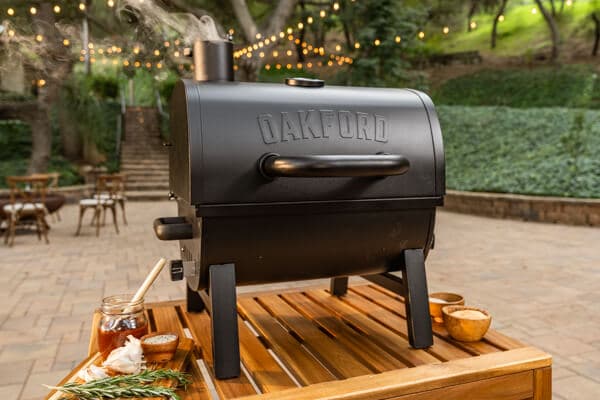
We differentiate ourselves through smart grilling products like the Oakford smart pellet grill, including app-connected cooking controls and modern outdoor cooking technology.
Expert tips, buying guides, comparisons, and inspiration for choosing and getting the most out of your grill.
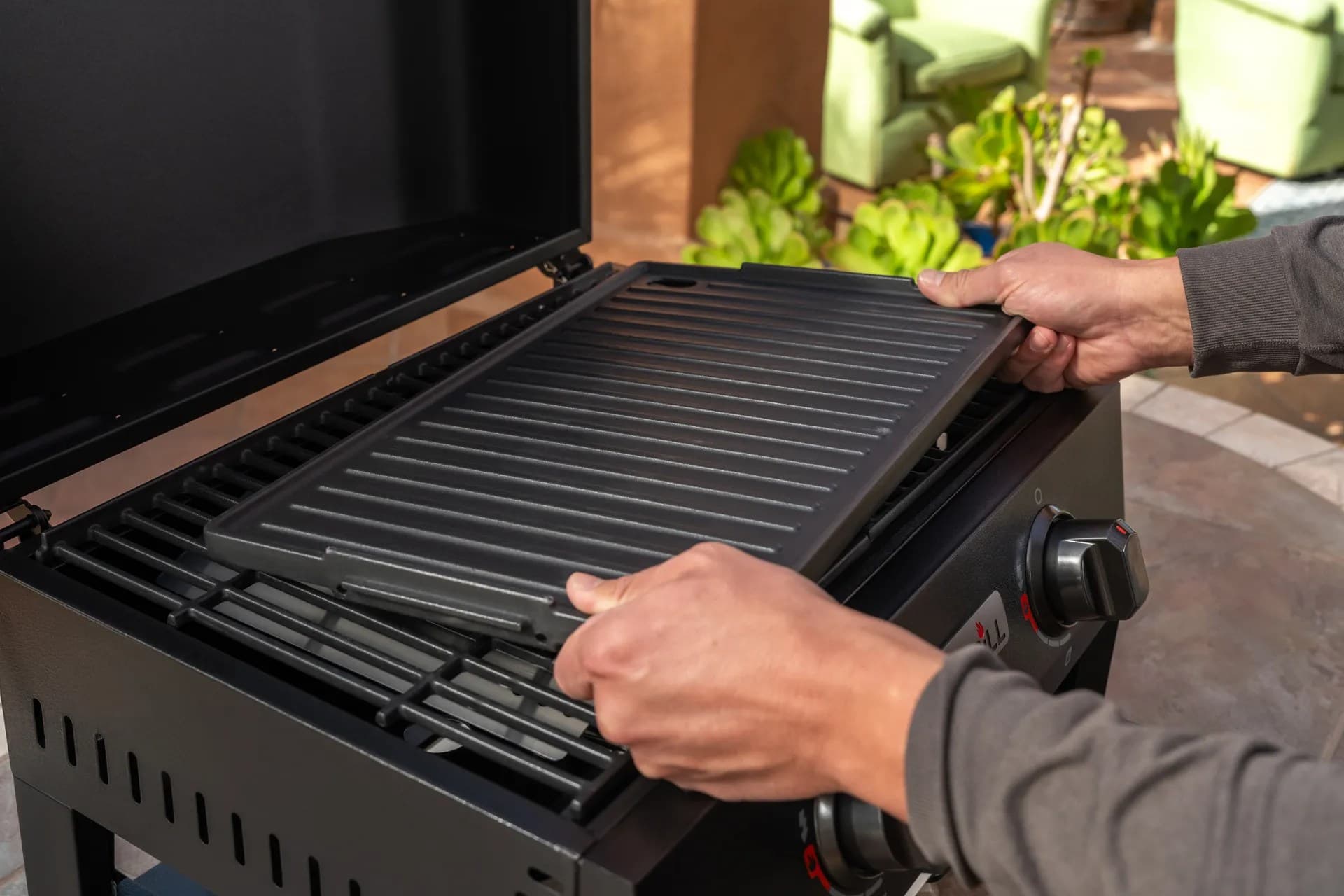
Practical guides for cleaning, maintenance, common grill issues, and performance optimization.
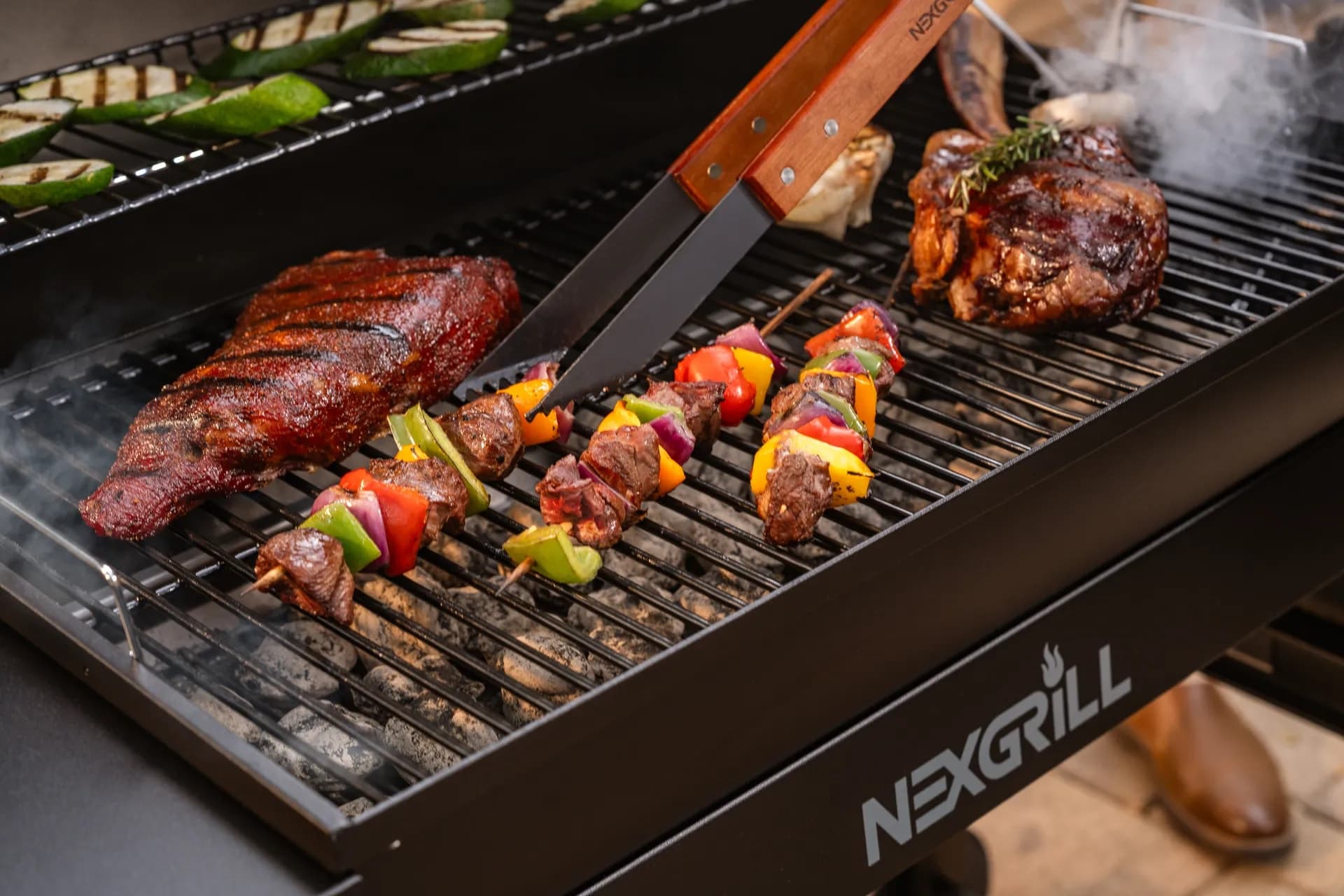
Step-by-step grilling recipes, cooking techniques, and meal ideas for every occasion and skill level.
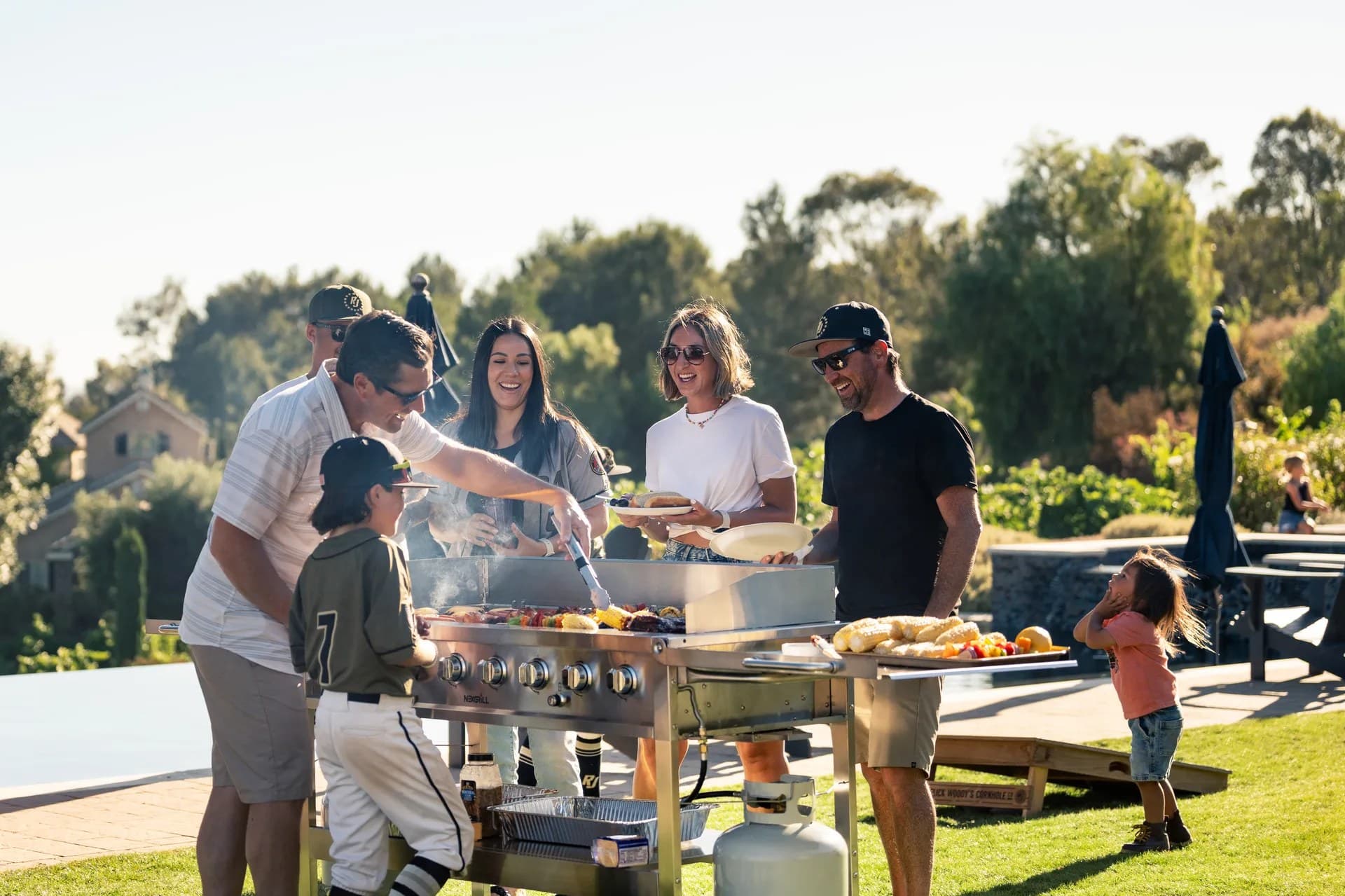
Backyard entertaining ideas, seasonal grilling inspiration, and stories that celebrate outdoor cooking culture.
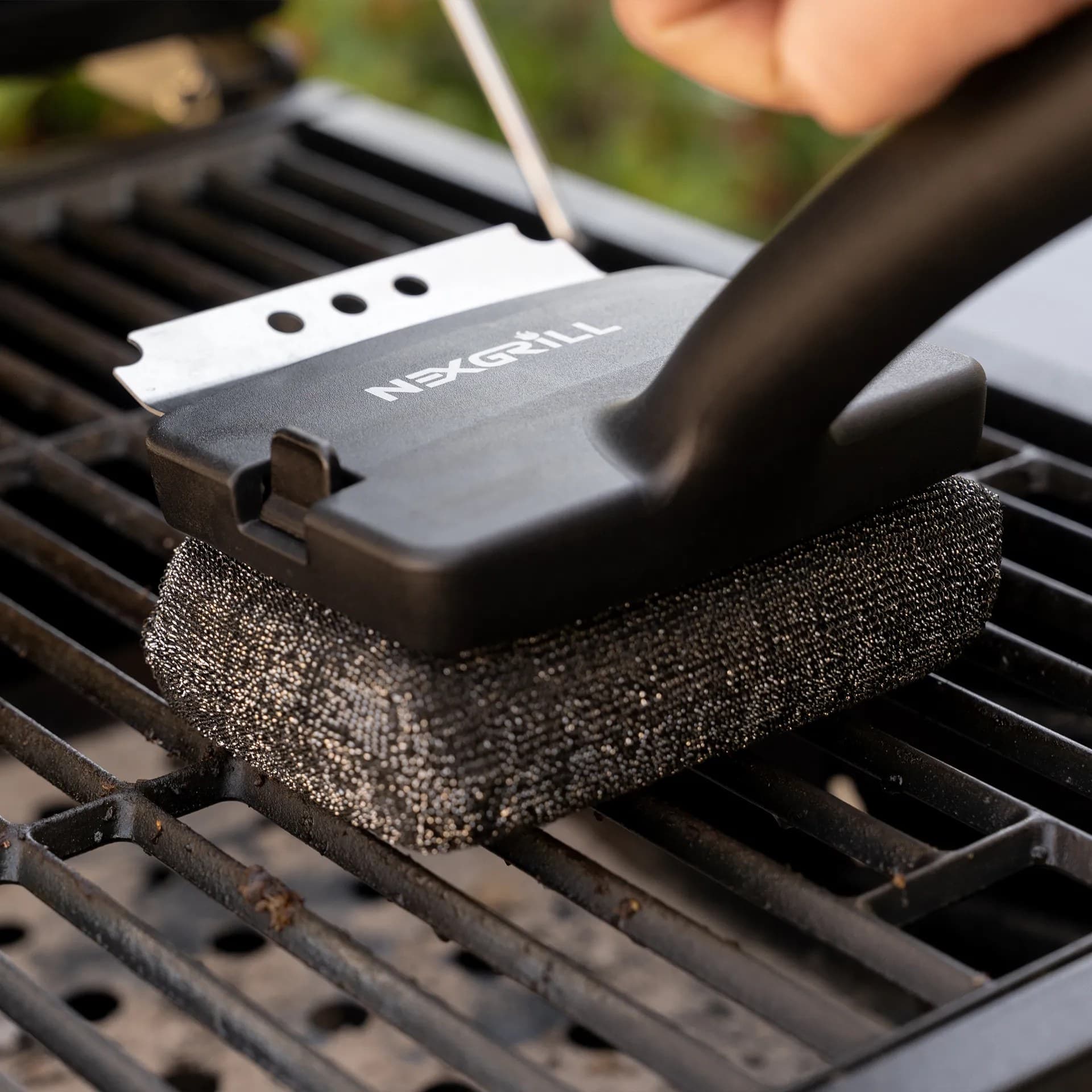
Helpful articles covering grilling tools, cookware, maintenance gear, and must-have accessories for outdoor cooking.
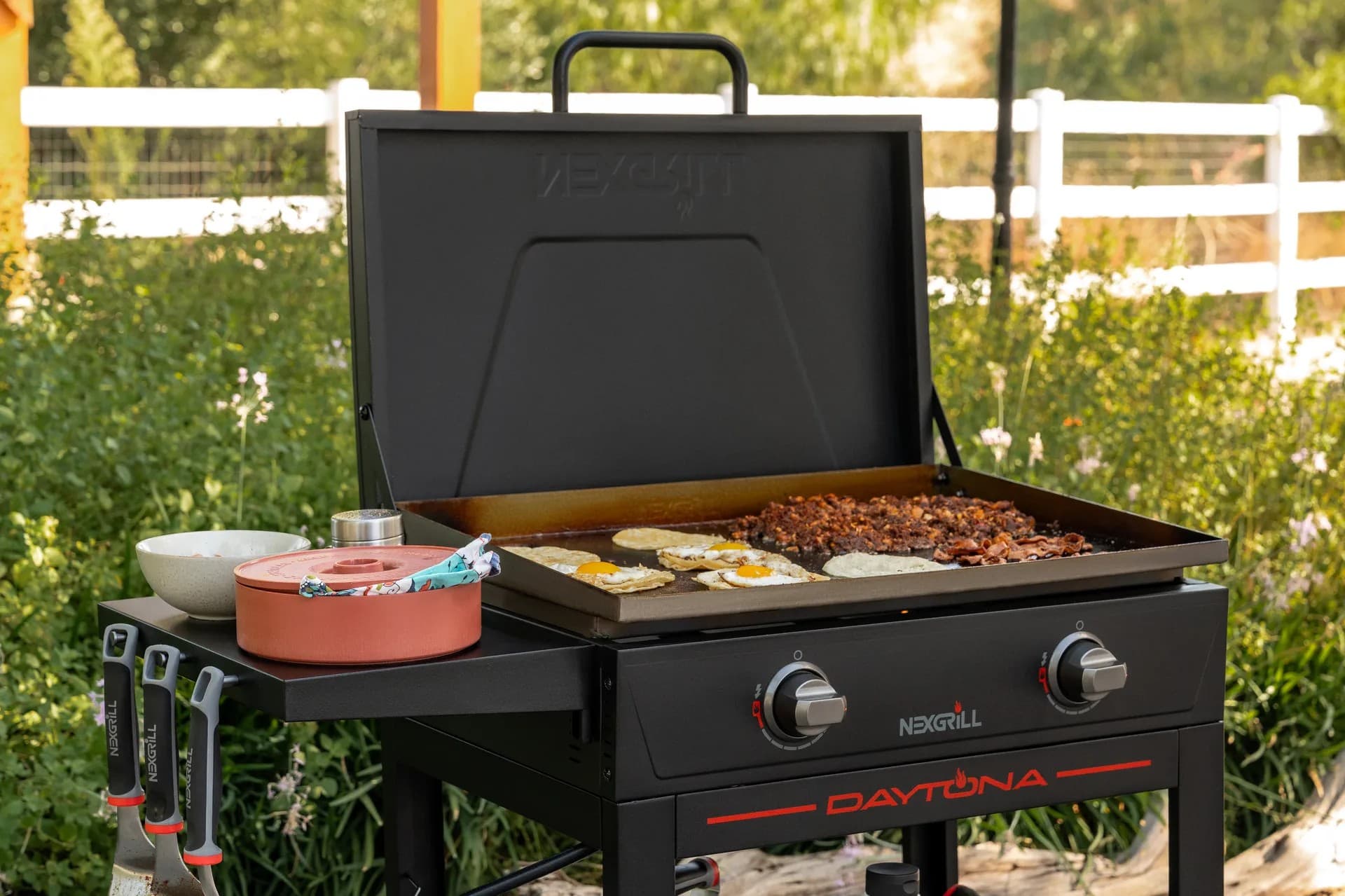
Find griddle recipes, cooking techniques, cleaning tips, and outdoor meal ideas designed for Nexgrill griddles.
Find answers to common questions
Gas grills provide instant heat and precise temperature control, making them easier to use. Charcoal grills offer a smoky flavor and high heat for searing but require more time to heat up and manage.
Pellet grills combine the convenience of gas with the flavor of wood, allowing for smoking, baking, and grilling. Traditional gas grills, however, are quicker to start and often easier to clean.
Charcoal grills typically reach higher temperatures quicker than gas grills, making them better for searing meat. However, high-quality gas grills can also provide adequate heat for effective searing.
Nexgrill offers models designed specifically for gas, charcoal, and pellets, allowing users to choose based on their cooking style and flavor preferences. Each type is built to optimize the characteristics of its respective fuel.
Choosing between gas and charcoal grills depends on your cooking preferences and lifestyle. If you value convenience and quick cooking, a gas grill may suit you better; if you prefer the taste and experience of traditional grilling, a charcoal grill would be ideal.
In This Article
Grill Placement
Equipment Inspection
Food Safety
Summer grilling should feel relaxed, social, and easy to repeat all season long, but that only happens when the basics are handled carefully. A safe barbecue is not just about avoiding a flare-up in the moment. It starts before the lid opens, continues while food is cooking, and carries through to cleanup. That means paying attention to where the grill sits, whether the equipment is in good condition, how food is handled before it touches the grate, and what you would do if a flame or grease issue gets out of hand. Nexgrill’s brand voice centers on gathering people safely and confidently around the fire, and that same mindset applies here: when the setup is thoughtful, everyone at the table can focus on the meal instead of worrying about preventable hazards.
One reason grill safety matters more in summer is that use often increases right when distractions also increase. Guests arrive, kids move around the yard, coolers get opened and closed, and people naturally cluster near the cook. A grill that is placed too close to a wall, deck railing, patio umbrella, dry planter, or low branch turns a normal cookout into a risk. The safest approach is to treat the grill as its own workspace with clear space around it, stable footing underneath it, and a path that keeps traffic from cutting behind the cook. That simple setup prevents many of the accidents that happen when someone bumps into a hot surface or reaches across active burners.
A safe cookout begins before ignition: choose a stable, open location, inspect the grill, and plan your food workflow before the first flame comes on.
The minimum safe internal temperature for poultry and leftovers when checking doneness with a food thermometer
This guide is designed for real backyard use in the United States, where summer barbecues often involve propane gas grills, charcoal cookers, griddles, and pellet smokers. The practical questions are familiar: How far from the house should the grill sit? What should you inspect before each cook? Which foods need the most attention? How do you keep the meal moving without creating unsafe habits? Answering those questions well matters because many grilling mistakes come from routine, not from rare events. A loose hose, a greasy catch pan, raw chicken on the same plate as cooked food, or a grill left too close to siding can all create problems that are easy to prevent.
Nexgrill’s focus on accessible outdoor cooking is especially useful here because safe grilling should be practical, not complicated. A careful setup does not require special tools or professional training. It requires a consistent checklist and a few habits you can repeat every time you cook. In the sections below, the emphasis stays on actions you can use immediately: where to place the grill, how to inspect the equipment, how to cook food safely, and how to be ready if conditions change quickly during a summer cookout.
The safest grill location is open, level, and away from anything that can catch heat, smoke, or stray sparks. In practical terms, that means positioning the grill on a flat surface where it will not wobble, slide, or tilt when you open the lid or move food around. Concrete patios are usually easier to manage than uneven grass or loose pavers, but the surface matters less than stability and clearance. What matters most is that the grill is not under eaves, near garage doors, beside vinyl siding, next to dry brush, or directly beneath a patio umbrella or tree canopy. Wind can also matter more than people expect, because even a modest breeze can shift heat toward nearby surfaces or blow a paper plate, napkin, or decoration toward an open flame.
A useful rule for summer setup is to think in zones. The first zone is the hot zone, which includes the grill itself and the immediate space needed to open the lid, turn food, and move tools. The second zone is the traffic zone, where guests walk, where kids might play, and where serving trays are passed around. Those two zones should not overlap. If you are cooking on a deck, make sure the grill is not pressed against railings, awnings, or furniture. If you are on a driveway or patio, keep the area around the grill free from hoses, toys, coolers, and extension cords. If you are in a park or campsite, choose a spot with enough distance from tents, dry grass, and picnic shelters. The goal is to reduce the chance that a hot lid, flare-up, or accidental bump becomes an injury.
| Location factor | Safer choice | Why it matters |
|---|---|---|
| Surface | Flat concrete, paved patio, or stable outdoor pad | Prevents tipping and makes lid or grate handling safer |
| Overhead clearance | Open sky, away from branches and awnings | Reduces fire and heat exposure above the grill |
| Side clearance | Open space with no siding, railings, or furniture nearby | Limits heat transfer and keeps traffic away from hot surfaces |
| Path of movement | Out of main foot traffic | Prevents bumping, spills, and accidental contact |
If your gathering includes multiple cooks, assign one person to the grill station and keep tools within arm’s reach. That single step lowers the chance that someone will lean over the heat while reaching for tongs or a tray. In smaller spaces, this matters even more. A backyard cookout can feel casual, but the grill should still be treated like a working appliance that needs its own buffer zone. The safest summer barbecue often looks simple from a distance, yet the setup behind it is deliberate and disciplined.
Never place a grill inside a garage, shed, or enclosed porch, even if the door is open. Fuel-burning grills belong outdoors with full ventilation.
A fast pre-cook inspection is one of the most effective summer safety habits because it catches problems before they become expensive or dangerous. For gas grills, inspect hoses, regulator connections, burner ports, and the propane tank area before lighting. Look for cracks, brittleness, rust, or loose fittings. If you smell gas when the grill is off, stop and move away from the unit until the source is identified and corrected. A soapy-water leak test is a practical homeowner check: apply a mild soap-and-water solution to the connection points, turn on the gas without lighting the grill, and watch for growing bubbles that indicate a leak. That small diagnostic step is much safer than trying to troubleshoot by smell alone.
For charcoal grills, inspection looks a little different but is just as important. Make sure the bowl is stable, the vents move freely, ash is fully cooled before disposal, and the charcoal grate or firebox has not warped. Excess ash can choke airflow and make temperature control unpredictable, while buildup of old grease or debris can lead to sudden flare-ups. Pellet and griddle users should be equally careful about grease management, burner cleanliness, and clear cooking surfaces. Grease trays and catch systems should be emptied as needed so that drippings do not accumulate and ignite later in the cook.
Before summer entertaining begins, do one deep inspection and then repeat a shorter check before each cook. A few minutes can prevent a major interruption.
Cleaning is not only about appearance. A clean grill is easier to control, heats more predictably, and produces less smoke from old residue. Wipe down exterior surfaces, brush cooking grates while they are warm, and remove food buildup from surrounding areas where grease can hide. If a burner flame looks uneven, weak, or yellow instead of strong and steady, shut the grill down and investigate before using it again. That kind of irregular flame pattern often signals blockage or wear that should not be ignored. For households that grill often during summer, building inspection into the routine means fewer surprises during a party and better performance on ordinary weeknights too. Optimal Grill Maintenance Schedule is essential for keeping your grill in top shape.
Maintenance also includes knowing when to replace worn parts rather than making them last one more season. Hoses that have become stiff, cracked, or discolored should not be pushed into another summer. Likewise, damaged ignition systems, broken thermometer faces, or severely rusted grates can interfere with safe cooking. The best time to address those issues is before a gathering, not after guests are already waiting for dinner. Summer grilling goes much more smoothly when the grill is reliable enough that you can focus on the food, not on making do with equipment that is past its best condition.
Food safety is part of grill safety because the heat can be perfect while the handling is still risky. Summer gatherings often involve coolers, outdoor prep tables, and food moving between kitchen and patio, so it helps to keep raw and cooked items physically separated from the start. Use one tray or plate for raw meat and a different clean tray for finished food. Never place cooked burgers, chicken, or kebabs back on the same platter that held them before cooking. That simple mistake is one of the most common ways cross-contamination happens in backyard cooking.
A food thermometer removes guesswork and is especially important when cooking chicken, turkey, mixed skewers, stuffed foods, or thick cuts that can look done on the outside before they are safe inside. Poultry should reach 165°F, ground meats 160°F, and whole cuts of beef, pork, veal, and lamb should generally rest at least 3 minutes after reaching 145°F. Fish is commonly cooked to 145°F as well. These numbers are not just technical details; they are the difference between food that merely looks ready and food that is actually safe to serve. In a real summer setting, a steak may come off the grill with beautiful grill marks while still being under the desired internal temperature, especially if it is thick or cooked over indirect heat.
| Food type | Safe internal temperature | Practical note |
|---|---|---|
| Poultry | 165°F | Check the thickest part without touching bone |
| Ground beef, pork, lamb, veal | 160°F | Use a thermometer rather than color alone |
| Steaks, chops, roasts | 145°F with 3-minute rest | Let rest before slicing to preserve juices and safety |
| Fish | 145°F | Should flake easily and look opaque |
Use marinades and sauces carefully. If a marinade touched raw meat, do not brush it on finished food unless it has been boiled first. Keep cold foods chilled until they are ready to be cooked or served. On a hot day, food left out on a patio table for too long can enter unsafe temperature zones faster than people realize, especially dairy-based sides, cut fruit, and raw salad components. Good timing matters as much as good seasoning. If the grill is hot but the serving line is not ready, you can end up with finished food sitting out while everyone scrambles for plates.
A thermometer is the most reliable tool on the cookout table. Color, texture, and grill marks help, but temperature tells the truth.
Even well-run summer grilling can produce sudden flare-ups, so emergency readiness should be part of the plan from the beginning. Keep the grill lid open when lighting according to the manufacturer’s directions, and never walk away while the burners are on. If a grease flare-up happens, avoid splashing it with water if that could spread the flame or scatter grease. Instead, turn off the burners or heat source if it is safe to do so and close the lid briefly if the grill design allows it and the fire is contained. The best response is always the one that reduces oxygen and fuel rather than adding more movement and panic.
A fire extinguisher rated for household use should be nearby whenever grilling outdoors, and adults in the household should know how to use it before it is ever needed. If you do not keep an extinguisher in the grilling area, at least have a clear plan for turning off gas, moving people away, and calling emergency services if flames spread beyond the grill. For charcoal setups, never dump still-hot coals into trash or a planter. Ash can stay hot long after the meal ends, so use a metal container for disposal only when everything is fully cooled. This is one of the most overlooked summer hazards because cleanup often happens when the party is winding down and attention is lower than it was at the start.
If a fire becomes larger than a brief flare-up, do not try to be heroic. Shut down if you can, move people back, and get emergency help fast.
Emergency preparedness also includes simple household habits. Keep long-handled tools available so hands stay away from heat, use heat-resistant gloves when moving grates or lids, and avoid loose clothing that can catch flame. Sunglasses and summer hats are helpful, but they should not be so floppy that they interfere with vision or awareness near the grill. In practical terms, the safest cook is usually the one who stays alert, keeps the area uncluttered, and treats the grilling station like a small outdoor workspace with a clear purpose. Try comparing Cleaning Your Charcoal Grill to see which fits best.
Once you've compared two options side by side, the next step is to think about the weather, because summer grilling safety changes more than many people expect when conditions shift. Heat, humidity, wind, and sudden storms can all affect how a grill behaves and how a cookout should be managed. A calm evening on a sheltered patio is very different from a breezy afternoon in an open yard, and the safest grilling plan should adapt to that reality rather than treating every cookout the same way. The goal is not to avoid grilling whenever the forecast looks less than perfect. It is to recognize what changes and adjust accordingly.
In hot weather, both the cook and the equipment work harder. Propane tanks, metal lids, and side shelves can become very hot to the touch under direct sun, so keep a towel or heat-resistant gloves handy for handling surfaces that may be uncomfortable or unsafe without protection. Heat can also accelerate food spoilage, which means cold-side ingredients and raw proteins should stay chilled until the moment they are needed. If you are preparing a long menu, consider staging food in smaller batches so fewer items sit out at once. This reduces exposure and helps keep the workflow orderly. High heat also makes people more likely to rush, and rushing is one of the easiest ways to skip thermometer checks or cross-contaminate serving trays.
On very hot days, the safest cookout is the one with a slower pace, more shade for guests, and less time that food spends waiting at room temperature.
Wind deserves special attention because it can move heat, embers, and even lightweight serving items. A light breeze might seem harmless, but it can fan a charcoal fire, push flame toward a nearby structure, or make a paper menu or napkin drift into the hot zone. If the wind is gusty, reposition the grill if possible so the cook is not forced to fight the weather while also managing the food. When a storm is approaching, turn off the grill and move people inside well before rain begins. Wet surfaces make slips more likely, and lightning makes any outdoor cooking setup a poor place to stay. If you grill on a covered patio, remember that overhead shelter is not automatically safe shelter. The grill still needs open-air ventilation and clearances away from combustible material.
Humidity can make a cookout feel less intense, but it does not reduce the need for care. In fact, high humidity can make sweat, grease, and condensation create slippery surfaces around the prep area. Wipe down side tables and keep the deck or patio clear of spills. If the weather is unstable, simplify the menu so you are not juggling multiple pans, trays, and side dishes while checking the sky. The safest summer grillers respect the weather rather than trying to outpace it.
Children and pets are naturally drawn to outdoor gatherings, which makes them part of the safety plan whether or not they are interested in the menu. The most effective rule is to create a no-crossing boundary around the grill and make sure everyone in the household understands it. Children should know that the grill is not a place to stand, run past, or help with unless an adult has assigned a specific safe task away from the heat. Pets should be kept on a leash, behind a gate, or inside during active grilling if they tend to wander toward food, dropped scraps, or moving feet around the cooking area.
It helps to think about the cookout in layers. The grill itself is the inner layer and should be accessible only to the designated cook. The serving area is the middle layer, where adults can gather once plates are ready. The outer layer is the play and relaxation area, where children and pets can be comfortable without being near heat or tools. If you are hosting, tell guests where those boundaries are at the start rather than after someone drifts too close. A short, friendly announcement is often enough to prevent mistakes: the grill zone stays clear, hot trays travel only by the handle, and kids are welcome near the table but not beside the burners.
A grill may look harmless to a child or pet from a distance, but the outer surfaces and handles can stay dangerously hot long after food is served.
Another helpful practice is to manage food access. Dogs and cats are often tempted by dropped meat, and children may reach for skewers or utensils without understanding that metal handles and sauce bowls can be hot. Serve smaller portions more frequently if needed, and keep the pathway from grill to table as direct as possible so hot items spend less time in transit. If there are young children present, consider using a visual cue such as a chair, mat, or cone to mark the boundary. You do not need elaborate equipment. You need consistency. In a busy backyard, the repeated message that the grill area is for adults only is often what keeps a casual gathering safe.
Sustainable grilling and safe grilling work well together because the habits that reduce waste often also reduce hazards. Start with fuel management: use only the amount of charcoal, pellets, or propane that you actually need for the meal. Overshooting fuel can create unnecessary heat, longer cleanup, and more leftover material to store or dispose of later. Keep reusable tools, trays, and thermometers in good condition so they do not need to be replaced frequently. When food is planned carefully, there is less overcooking, less spoilage, and less waste leaving the table at the end of the night.
A practical sustainability habit is to cook with portion awareness. If you know the group is small, avoid loading the grill with more food than can be served promptly. Extra food left sitting out may end up in the trash if it is not safely held or refrigerated in time. That is both wasteful and unsafe. Likewise, if you are using aluminum trays, disposable plates, or paper goods, keep them away from direct heat and flames. Choose sturdy serving materials that will not collapse or blow into the hot zone. A tidy station also supports sustainability because it reduces accidental spills, dropped food, and one-time-use cleanup items.
The most sustainable cookout is usually the least wasteful one: plan portions, control heat well, and keep the setup organized enough that food is actually eaten.
Grease disposal should be handled carefully and responsibly. Do not pour grease into a storm drain, onto the ground, or into a trash bag while it is still hot. Let it cool and dispose of it according to local household waste guidance. For charcoal, wait until ashes are fully cooled before disposal. These steps are not just environmentally sensible; they are also fire prevention habits. Reuse and care can also extend to accessories. Clean grill tools last longer, and a well-maintained thermometer is more dependable than one that has been dropped, bent, or stored wet. Over a whole summer, those small choices save money and create less clutter in the grilling space.
Most summer grilling mistakes are not dramatic. They are small lapses that stack up: lighting the grill with the lid closed when the model does not call for it, walking away while the burners are on, skipping the pre-cook inspection, or assuming food is done because it looks done. Another common error is crowding the grill with too much food, which makes it harder to flip items safely and slows down cooking so people start making guesses instead of checking temperatures. A safer approach is to leave enough room to work, keep tools organized, and cook in batches when needed.
Cross-contamination deserves its own warning because it often happens after the food looks perfect. Using the same tongs for raw and cooked meat, setting a finished platter on the same counter space that held raw chicken, or letting sauces that touched raw proteins go straight onto served food are all avoidable errors. Another mistake is ignoring residual heat. Even after burners are turned off, grates, lids, and side shelves can stay hot enough to burn skin. This matters during cleanup, when people are relaxed and reaching in without gloves. If the grill was used with oil or fatty food, lingering grease can also smoke or flare unexpectedly while the unit cools.
| Common mistake | Why it is risky | Safer habit |
|---|---|---|
| Leaving the grill unattended | Small flare-ups can spread before anyone notices | Keep one adult assigned to the grill at all times |
| Guessing doneness | Looks can be misleading, especially with poultry and burgers | Use a thermometer for every high-risk protein |
| Working in a cluttered area | Trips, bumps, and spills become more likely | Keep the grill station clear and organized |
| Skipping cleanup | Grease and ash increase future fire risk | Clean after cooking while residue is still manageable |
The best way to avoid these mistakes is to establish a repeatable routine. Before every summer cookout, check the location, inspect the grill, preheat properly, separate raw and cooked food, and keep emergency tools nearby. Those steps are simple enough to become habit, which is exactly why they work. They protect the food, the guests, and the person standing closest to the heat. When safety becomes part of the rhythm of the cookout, grilling feels easier rather than more complicated.
A safe summer barbecue does not rely on luck. It comes from a sequence of smart choices made before, during, and after the meal. Choose a location with real clearance, inspect the grill each time you use it, handle food with thermometers and separate trays, and keep children, pets, weather, and emergency response in mind while you cook. Those habits may seem straightforward, but together they create the kind of outdoor meal that feels relaxed because the important risks were already addressed. That is the sweet spot for summer grilling: enough structure to keep everyone protected, enough freedom to enjoy the moment, and enough confidence to make the next cookout even better than the last.
For more practical grill guidance and product information, explore the Nexgrill homepage at Nexgrill, where the brand’s approach to outdoor cooking reflects the same inclusive, dependable spirit seen throughout its brand guidance.
Here's what sets us apart
We position ourselves as delivering high-end outdoor cooking features and performance without premium-brand pricing, emphasizing “Quality Grills. Unbelievable Value.”
We offer gas grills, pellet grills, griddles, smokers, pizza ovens, portable/tabletop grills, electric grills, accessories, and replacement parts — allowing customers to stay within one ecosystem for all outdoor cooking needs.
We differentiate ourselves through smart grilling products like the Oakford smart pellet grill, including app-connected cooking controls and modern outdoor cooking technology.
Don't just take our word for it
Keep reading
From our catalog