A comprehensive guide to maintaining your grill for peak performance and longevity.
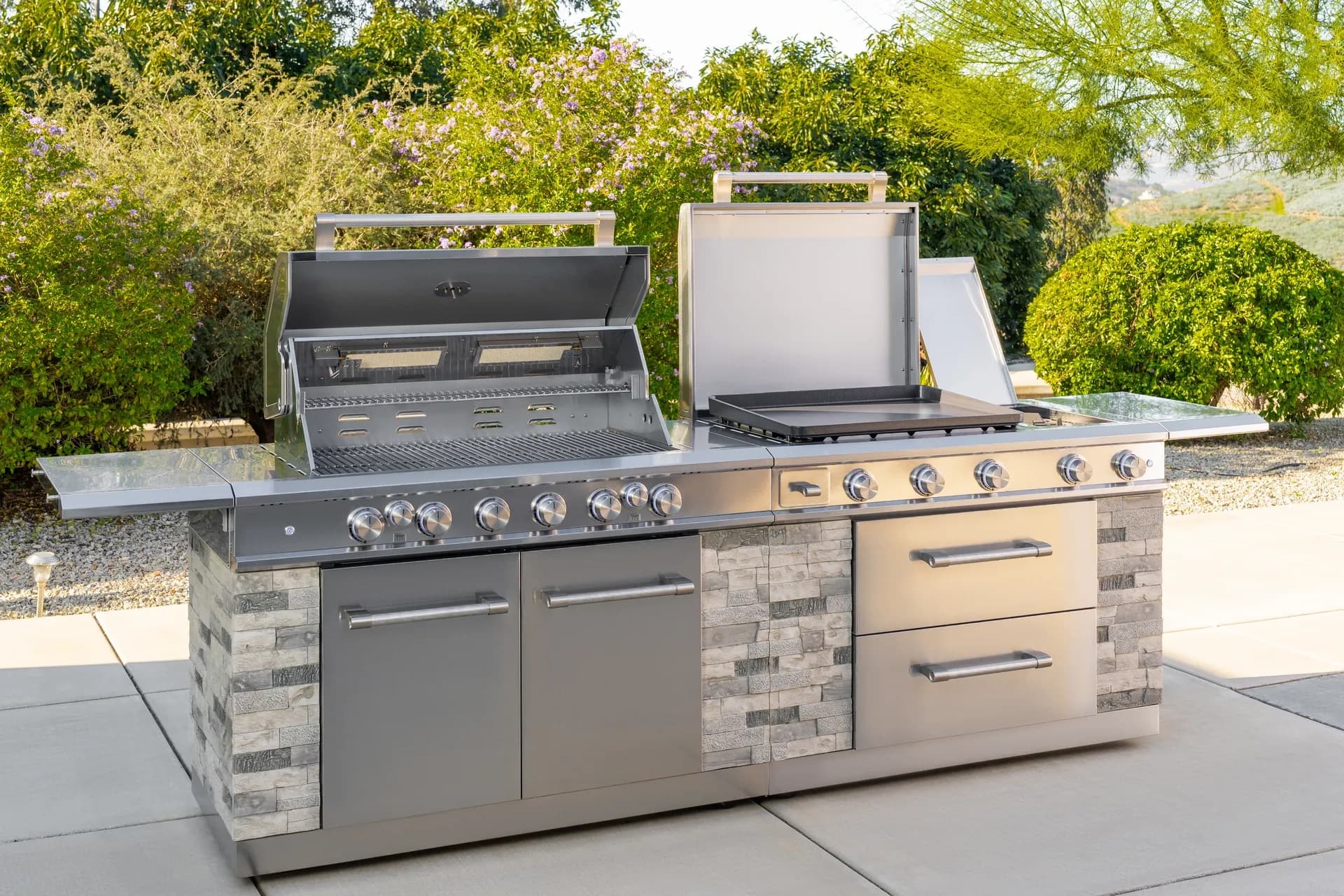
From sizzling breakfasts to smash burgers and teppanyaki-style dinners, the Daytona Pro 5 Burner NitroGuard™ Griddle delivers powerful heat, fast cooking, and a durable cooking surface built for every backyard cookout. Watch how easy outdoor cooking can be.
Here's what sets us apart from the competition
We position ourselves as delivering high-end outdoor cooking features and performance without premium-brand pricing, emphasizing “Quality Grills. Unbelievable Value.”
We offer gas grills, pellet grills, griddles, smokers, pizza ovens, portable/tabletop grills, electric grills, accessories, and replacement parts — allowing customers to stay within one ecosystem for all outdoor cooking needs.
We differentiate ourselves through smart grilling products like the Oakford smart pellet grill, including app-connected cooking controls and modern outdoor cooking technology.
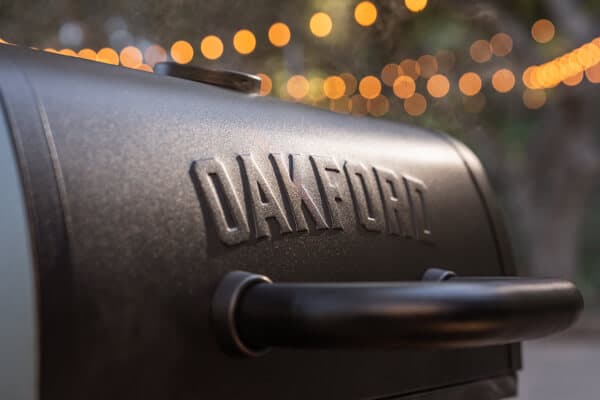
Expert tips, buying guides, comparisons, and inspiration for choosing and getting the most out of your grill.
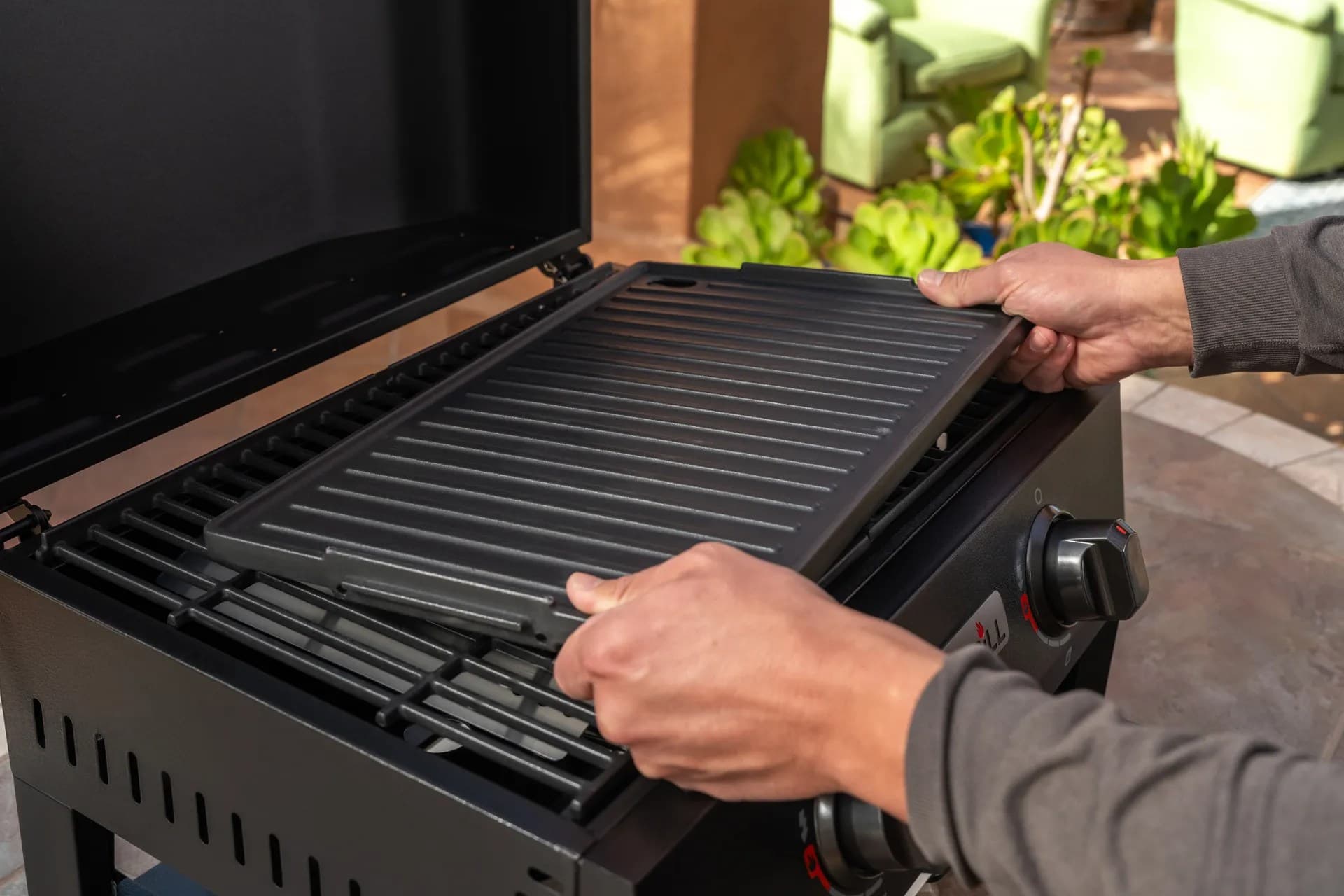
Practical guides for cleaning, maintenance, common grill issues, and performance optimization.
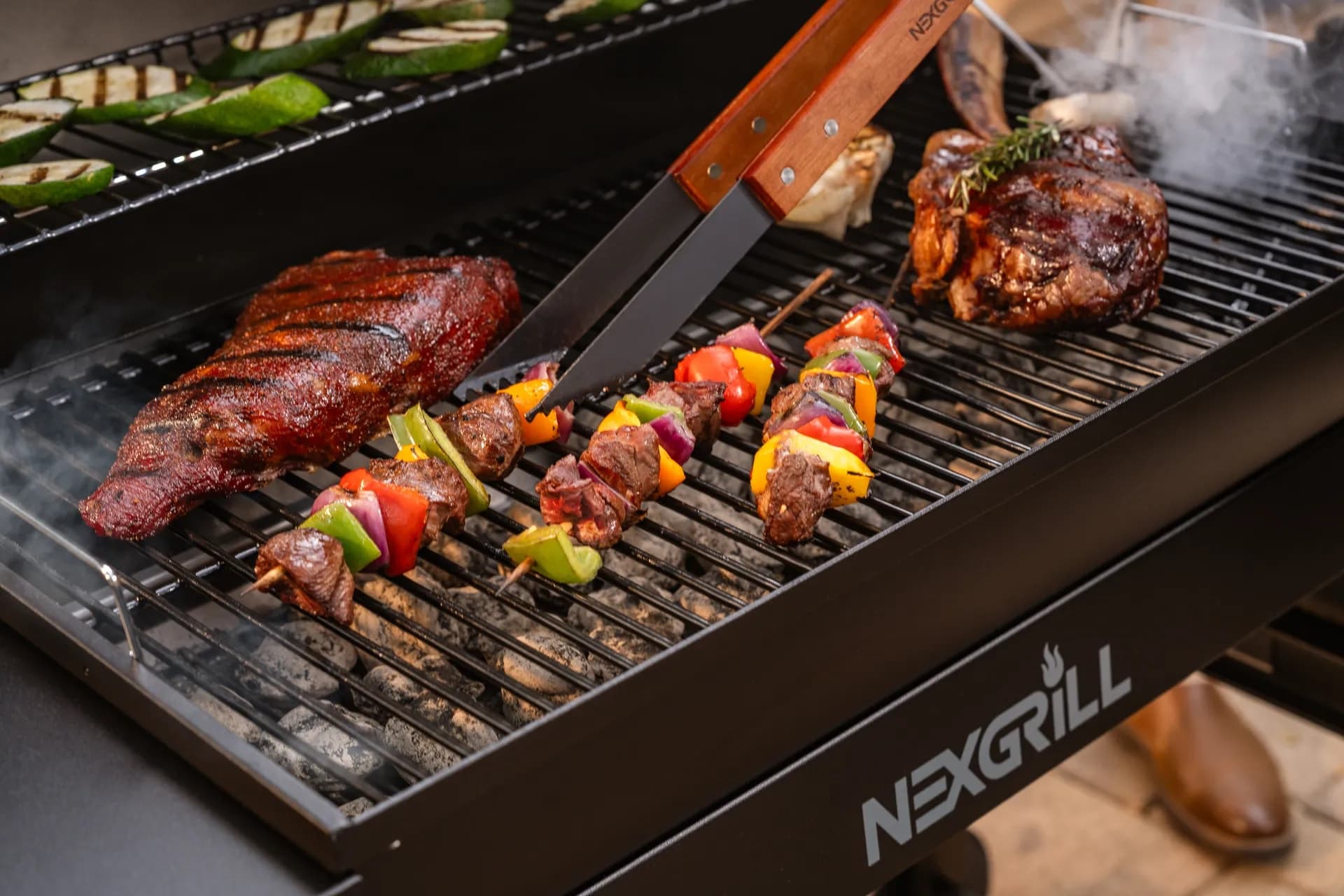
Step-by-step grilling recipes, cooking techniques, and meal ideas for every occasion and skill level.

Backyard entertaining ideas, seasonal grilling inspiration, and stories that celebrate outdoor cooking culture.
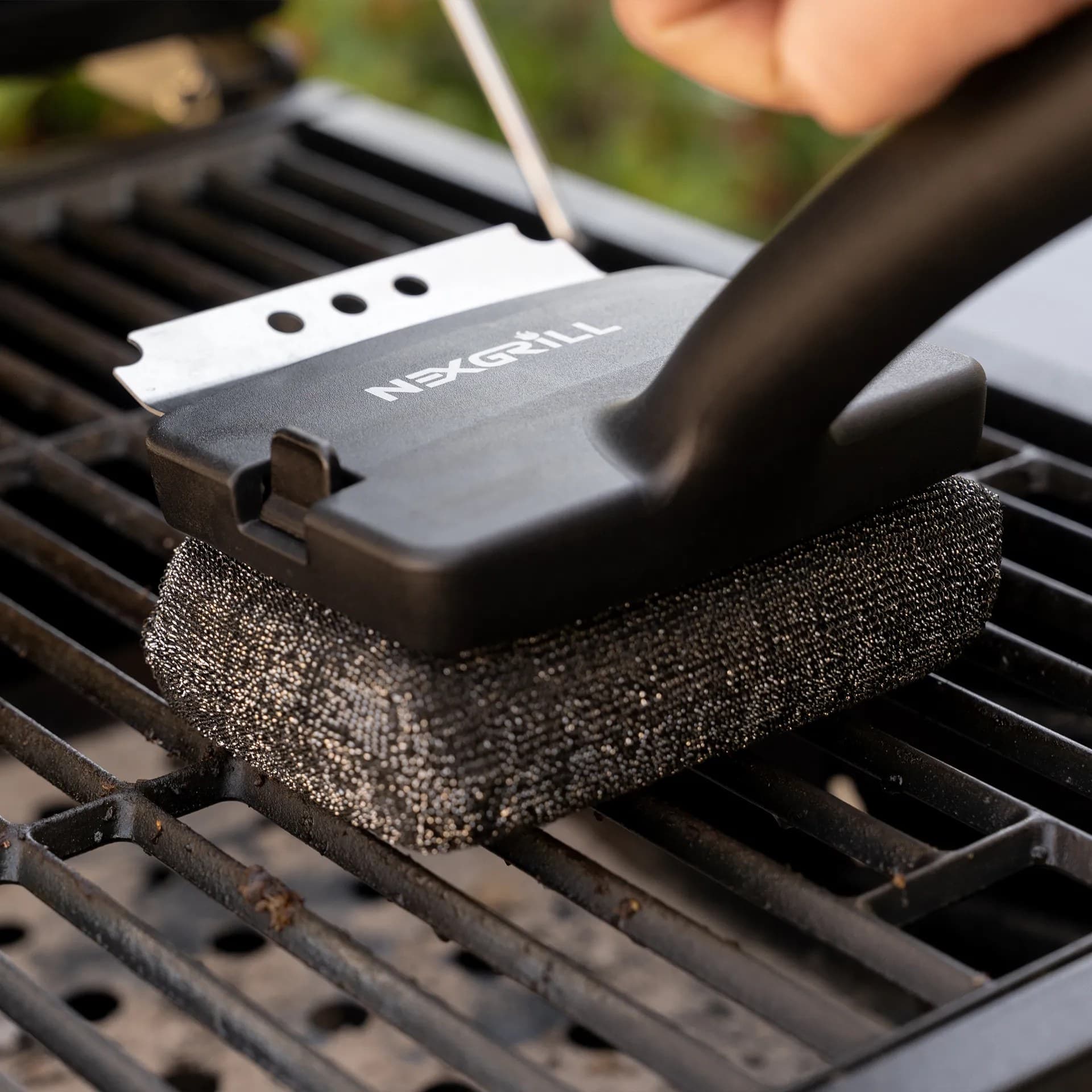
Helpful articles covering grilling tools, cookware, maintenance gear, and must-have accessories for outdoor cooking.
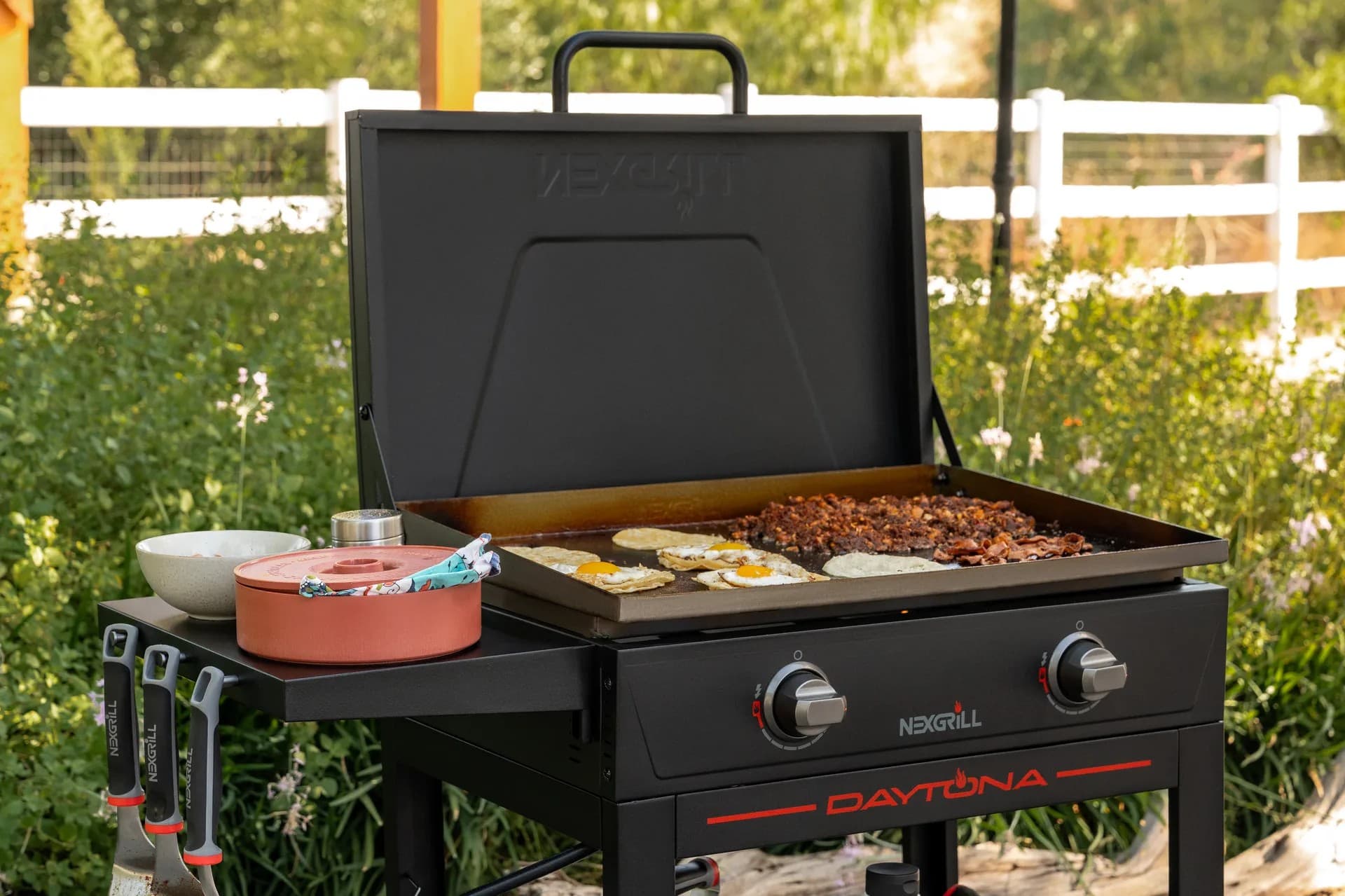
Find griddle recipes, cooking techniques, cleaning tips, and outdoor meal ideas designed for Nexgrill griddles.
Find answers to common questions
Gas grills provide instant heat and precise temperature control, making them easier to use. Charcoal grills offer a smoky flavor and high heat for searing but require more time to heat up and manage.
Pellet grills combine the convenience of gas with the flavor of wood, allowing for smoking, baking, and grilling. Traditional gas grills, however, are quicker to start and often easier to clean.
Charcoal grills typically reach higher temperatures quicker than gas grills, making them better for searing meat. However, high-quality gas grills can also provide adequate heat for effective searing.
Nexgrill offers models designed specifically for gas, charcoal, and pellets, allowing users to choose based on their cooking style and flavor preferences. Each type is built to optimize the characteristics of its respective fuel.
Choosing between gas and charcoal grills depends on your cooking preferences and lifestyle. If you value convenience and quick cooking, a gas grill may suit you better; if you prefer the taste and experience of traditional grilling, a charcoal grill would be ideal.
In This Article
After Each Use
Every 5-10 Cooks
Seasonal Maintenance
Knowing the best times to service your grill is less about following a rigid calendar and more about understanding how your cooking habits, fuel type, and local weather affect the machine. A grill that gets used every weekend for burgers, vegetables, and reverse-seared steaks will need a very different service rhythm than a grill that only comes out for holiday gatherings. The goal is simple: keep heat flowing evenly, keep grease where it belongs, and catch small issues before they turn into expensive repairs or frustrating cookouts.
At Nexgrill, grill ownership is meant to feel approachable and dependable, not fussy. That means maintenance should fit into real life. A quick post-cook wipe, a deeper clean every handful of sessions, and seasonal inspections are usually enough for most households to keep performance steady. This article is built around that practical cadence so you can decide when to do a light touch-up, when to do a deeper service, and when it makes sense to call in a professional rather than forcing a repair yourself. It also reflects Nexgrill’s broader brand focus on accessible outdoor cooking for people who value both value and reliability, which is consistent with the company’s “Everyone’s Invited” approach to grilling culture .
maintenance rhythms matter most: after each use, every 5-10 cooks, and each season
The best service schedule is not the same for every grill style. A gas grill with multiple burners, a side burner, and a grease-management tray will need different attention than a pellet grill with an auger, fire pot, and hopper, or a flat-top griddle that collects food residue across a large cooking surface. That difference matters because each system creates its own wear points. Grease buildup affects gas grills differently than pellet ash accumulation affects smokers. A flat-top can look clean from a distance while still hiding polymerized oil at the edges or under the wind guard. The right service schedule prevents those invisible problems from becoming the reason a grill heats unevenly or starts hard on the next cook.
Regular servicing does three jobs at once: it protects performance, reduces safety risk, and preserves the value of the grill. A well-maintained burner system lights more consistently and reaches temperature faster. Clean grates sear better because food contacts a hotter, more even cooking surface. A clear grease tray and unobstructed flame path also reduce flare-ups, which is important when you are cooking fatty cuts like chicken thighs, ribs, or burgers. In practical terms, maintenance is not just about keeping the appliance neat; it changes how the grill cooks.
For many owners, the biggest payoff is consistency. A grill that is cleaned on schedule is easier to preheat, easier to hold at target temperature, and easier to trust when you are cooking for guests. That reliability becomes more valuable over time because it delays the kinds of failures that push people toward replacement instead of repair. Small service tasks also help you notice wear early, such as a loose igniter wire, a clogged burner port, or corrosion beginning near a fastener. Catching those issues early usually means a simpler fix.
If your grill takes longer to light, has hotter spots than usual, or produces a weaker flame pattern, those are maintenance clues, not just “normal aging.”
The cadence below is especially useful for households that grill seasonally but not constantly. Many people do a few heavy summer months of cooking, then store the grill for fall and winter. That pattern can hide the difference between light cleaning and true service. A grill may look ready after one wipe-down, but hidden grease, ash, or moisture can still interfere with the next cook. Seasonal servicing resets the appliance so it is ready for the next stretch of use rather than just looking presentable on the patio.
Your maintenance schedule should be adjusted around four main factors: usage frequency, fuel type, climate exposure, and the kinds of food you cook. A family that grills three or four nights a week will naturally need more frequent service than a household that only uses the grill for summer parties. High-use grills accumulate grease, carbon, and ash faster, which means burner inspections and deep cleaning should happen sooner. By contrast, light-use grills still need attention, but the service interval can be stretched as long as the grill stays dry, covered, and clean.
Fuel type matters because each system has distinct wear patterns. Gas grills often need more attention around burners, flame tamers, ignition parts, and grease trays. Pellet grills need consistent hopper cleaning, ash management, and fire pot checks. Charcoal grills require ash disposal and airflow cleaning because ash can choke ventilation and trap moisture. Griddles demand attention to the cooking plate itself, where seasoning, residue removal, and oil buildup determine how evenly food cooks. The maintenance clock should reflect those differences rather than forcing one universal rule onto every grill type.
Climate is the third major factor. Humid coastal conditions, heavy rainfall, freezing winters, and dusty inland environments each create different problems. Moisture accelerates corrosion and can affect ignition systems. Dust and pollen can clog vents and burner openings. Freezing temperatures can make stored components brittle or expose gaps in weather protection. If your grill lives outdoors year-round, the seasonal service should be more thorough, even if you do not cook constantly.
The final factor is food style. Sugary marinades, fatty meats, and sauce-heavy cooks create more residue than dry-heat grilling. Searing steaks at high heat leaves carbon on grates faster than cooking vegetables at moderate temperature. Pellet smoking sessions that run for hours create more ash and more grease vapor than a quick weeknight cook. A household that loves sticky ribs and rotisserie chicken should expect to clean more often than one that mostly cooks fish and vegetables. In other words, the grill’s workload should shape the service schedule more than the calendar alone.
After each use, the task is not to fully deep-clean the grill. The goal is to stop buildup while it is still soft, warm, and easy to remove. Once the grill has cooled enough to handle safely, brush the grates, empty obvious drips, and check whether grease has collected in the tray or cup. This quick routine keeps residue from hardening into a stubborn layer that later affects taste and airflow. It also makes the next preheat more efficient because the cooking surface is not fighting yesterday’s leftover carbon.
For a gas grill, check the grates, wipe the lid interior if there is heavy soot, and make sure the grease management area is clear. For a pellet grill, a post-cook check should include verifying that ash is not accumulating near the fire pot and that the hopper area is dry. For a charcoal grill, remove ash once it is fully cold so the bowl and vents can breathe properly. For a griddle, scrape food particles, wipe the surface, and apply a light layer of oil if the cooking plate is meant to stay seasoned. These steps take only a few minutes, but they dramatically reduce how much work the deeper cleaning will require later.
A fast cleanup right after cooking is usually easier than a major scrub later. Warm residue lifts more easily than cooled, baked-on buildup.
Every 5-10 cooks, the grill deserves a deeper service pass. This is where you move beyond wiping the obvious surfaces and start addressing the parts that affect airflow, ignition, and heat consistency. On a gas grill, remove and clean the grates more thoroughly, inspect burner ports for blockage, check flame tamers or heat shields for grease buildup, and clear the grease tray completely. On a pellet grill, vacuum ash from the fire pot area if the manufacturer allows it, inspect the burn pot for clogs, and check the hopper for sawdust fines that can affect feed consistency. On a charcoal grill, empty the ash catcher and inspect vents for airflow obstruction. On a griddle, scrub off carbonized spots, inspect the edges and corners, and re-season any thin or patchy areas.
This is also the right time to inspect wearable parts before they surprise you during a big cook. Look at ignition buttons, batteries if used, burner tubes, gaskets, and knobs for looseness or stiffness. If a griddle cart folds or locks in place, make sure hinges and fasteners are secure. If the grill has a side burner, test that it lights evenly and that the flame pattern is stable. A deeper service every 5-10 cooks helps you stay ahead of parts that fail gradually rather than suddenly.
Because this article focuses on the timing of service rather than only the how, the key point here is judgment. If your last few cooks were greasy, sugary, or unusually smoky, treat the grill as if it has already reached the deeper-service threshold even if the count is not yet 10. If your cooking has been light and the grill still looks clean after use, you may be able to wait closer to 10. The number is a guide, not a rule.
Seasonal maintenance is the most important service of the year because it prepares the grill for a change in weather, storage, and use pattern. At the end of a heavy summer stretch, or just before the first major cook of spring, clean the grill thoroughly, inspect all visible hardware, and protect the appliance from moisture. This is when you should remove long-term buildup from hidden areas such as burner channels, under-grate zones, drip paths, and the underside of lids and lids liners. Seasonal servicing is the difference between a grill that is merely wiped down and one that is truly reset for the next chapter.
If your grill has been sitting unused, seasonal service should start with a visual inspection before you even try to light it. Check for spider webs, rust spots, loose wire connections, rodent damage, and water intrusion. Then clean the cooking system from top to bottom based on the fuel type. Gas grills benefit from burner inspection and grease-path cleaning. Pellet grills need hopper, auger, and fire pot attention. Charcoal grills need ash removal and vent cleaning. Griddles need a full scrape, wipe, and reseasoning. Once the mechanical side is clean, use a properly fitted cover and keep the grill on a stable surface so water does not pool underneath.
This seasonal pass is also the right moment to decide whether the grill still matches your needs. If a three-burner unit has started to feel cramped for your family, or your pellet smoker now serves as the centerpiece for backyard gatherings, seasonal maintenance can be paired with a planning review. You are not just cleaning the appliance; you are evaluating whether it still supports the way you cook now, not the way you cooked two summers ago. Try comparing two products side by side below to see which fits best:
Some maintenance can be handled at home, but certain symptoms point to a deeper issue that may need professional attention. If a gas grill repeatedly fails to ignite, shows uneven flames after cleaning, or has burners that continue to flare or sputter, the problem may be beyond simple upkeep. If you smell gas, see persistent yellow flames, or notice that heat output has dropped sharply without an obvious cause, stop using the grill and have it inspected. On pellet grills, repeated ignition failures, auger jams, and unexplained temperature swings can also signal a mechanical issue rather than routine buildup.
Professional servicing is also worth considering if structural parts are corroded, if the grill has electrical components that seem unreliable, or if a prior repair has not solved the issue. A professional can test parts, confirm whether a component should be replaced, and ensure the grill is safe to use. The key is not to wait until a small repair becomes a complete cooking interruption. If you are seeing recurring problems after a thorough home clean, that is usually the point where expert help pays off.
The best times to service your grill are the moments that prevent problems from building up: after each cook, every 5-10 cooks, and at the change of season. Those three checkpoints give most grill owners a practical rhythm that protects heat performance, reduces wear, and keeps outdoor cooking enjoyable rather than frustrating. If you match the schedule to your grill type, your climate, and how often you cook, you will get more reliable results and a longer-lasting appliance.
The easiest way to think about grill care is this: light maintenance keeps the present cook clean, deeper maintenance protects the next several cooks, and seasonal maintenance protects the whole appliance. Keep that rhythm, and your grill is far more likely to stay ready whenever the table fills up.
Once you've compared how different grills respond to wear, the maintenance schedule becomes easier to apply in real life. The smartest approach is not to overdo every session or ignore the grill until something breaks. Instead, treat service as a layered routine: a fast touch-up after cooking, a deeper inspection every 5-10 uses, and a seasonal reset before long storage or high-use months. That rhythm gives you enough structure to prevent buildup while still respecting the way people actually grill in the United States, where usage often spikes on weekends, holidays, and during warmer months.
A useful maintenance schedule should be based on cooking intensity, not just dates on a calendar. If you host family cookouts twice a month, your service needs will be different than if you use the grill three times a week for chicken thighs, vegetables, and flat-top breakfasts. A pellet grill running long smoke sessions will need ash management sooner than a gas grill used for a quick weeknight dinner. A griddle used for bacon and smash burgers will need more frequent surface cleaning than a grill used mostly for lean foods. The best schedule is the one that tracks residue, airflow, and burner condition-not just elapsed time.
| Service Window | What to Do | Why It Matters |
|---|---|---|
| After each use | Brush grates, empty obvious grease, remove cold ash, wipe surface residue | Prevents buildup and keeps the next cook predictable |
| Every 5-10 cooks | Deep-clean grates, check burners or fire pot, inspect trays and vents | Restores airflow and catches wear early |
| Seasonal | Inspect for corrosion, clean hidden areas, test ignition, protect from weather | Prepares the grill for storage, storms, or a new cooking season |
If you want a simple rule of thumb, think in terms of “visible residue” and “hidden residue.” Visible residue is the grease and char you can see on the grate or cooking plate. Hidden residue is what settles in the grease tray, under the heat shields, inside the fire pot, or around vents and fasteners. Once visible residue starts affecting taste or sear marks, you are already late. Once hidden residue starts affecting ignition or airflow, you are in repair territory. Regular service keeps those two forms of residue from feeding each other.
The post-cook routine should be short, repeatable, and easy enough that you will actually do it every time. For most owners, the right sequence is: let the grill cool slightly, brush or scrape the grates while they are still warm, empty the grease collection point if it is safe and accessible, and check for food debris around the cooking chamber. On a gas grill, wipe any visible splatter from the lid and control area. On a pellet grill, inspect whether ash is starting to collect near the burn area. On a charcoal grill, once the coals are completely cold, remove the ash so moisture does not turn it into a corrosive paste. On a griddle, scrape, wipe, and lightly oil if the surface is supposed to remain seasoned.
The real value of this step is that it takes only a few minutes and pays off immediately. A grate brushed while warm is easier to clean than one scrubbed the next day. A grease tray emptied before it hardens is less likely to overflow later. A griddle wiped after a breakfast cook is less likely to develop sticky caramelized spots. This is the maintenance version of putting tools away as soon as you are done with them: simple, boring, and extremely effective.
Do not flood hot components with water to “speed up” cleaning. Sudden temperature changes can stress metal parts and make residue harder to manage.
Every 5-10 cooks is the point where you stop doing surface upkeep and start restoring the system. For gas grills, remove the grates and heat shields, clean grease and carbon from protected areas, and check burner holes for consistent opening. For pellet grills, vacuum ash if the manufacturer permits, inspect the fire pot for hardened debris, and make sure the auger area stays dry and free-flowing. For charcoal grills, clear ash from the bowl and check whether vents are moving freely. For griddles, this is a good time to strip away stubborn residue and re-season if the finish has gone patchy or dull.
This is also the right time to test the parts that people tend to forget. Turn knobs through their full range and see whether they move smoothly. Check ignition response before a busy weekend. Inspect fasteners on carts, shelves, and lids. Look at the underside of the cooking chamber where grease and heat often work together to loosen deposits. If your grill includes side burner features, test that flame separately, because side burners are frequently used for sauces and side dishes right before guests arrive, which is the worst time to discover a weak ignite.
One practical way to keep this interval useful is to pair it with a recurring habit. Many households find it easiest to schedule deeper service every two to three weekends during the active grilling season. That way, the task lines up with actual use instead of becoming a forgotten chore. If you grill heavily during summer and very little in winter, your “every 5-10 cooks” cadence may happen quickly in July and almost never in January. That is normal. The right schedule flexes with the season.
| Grill Type | Best 5-10 Cook Tasks | Common Problem Prevented |
|---|---|---|
| Gas grill | Clean burners, inspect ignition, clear grease tray | Uneven flame and flare-ups |
| Pellet grill | Remove ash, inspect fire pot, check hopper dryness | Startup failures and temperature swings |
| Charcoal grill | Empty ash, clear vents, inspect grate support | Poor airflow and lingering moisture |
| Griddle | Deep scrape, remove carbon, restore seasoning | Sticking and uneven browning |
Seasonal maintenance is where ownership becomes proactive instead of reactive. Before the first cook of spring or before putting the grill away for colder months, give the unit a complete inspection. Start with the outside: remove dust, wipe down surfaces, and look for chipped coatings, corrosion spots, and loose hardware. Then move inside and clean the cooking system thoroughly. The point is not only appearance; it is to make sure the grill begins the next season with clear airflow, clean ignition points, and no hidden damage from moisture or pests.
For gas grills, seasonal service usually means removing and inspecting burners, checking the ignition path, clearing grease channels, and making sure the lid and body are dry before storage. For pellet grills, emptying old pellets is a smart seasonal habit because pellets can absorb moisture and break down into sawdust-like material that feeds poorly. For charcoal grills, remove all ash and confirm that vents move freely. For griddles, complete a full scrape, season the plate, and store it with a protective layer of oil if the manufacturer recommends that approach. If the grill will sit unused for weeks or months, a fitted cover and a dry storage location matter just as much as the cleaning itself.
Seasonal maintenance is also where you assess whether a grill is still being used the way it was intended. If your cooking style has shifted, you may notice that your current setup is no longer the best fit. For example, someone who started with quick burgers may now want a larger flat-top surface for breakfast service, or a pellet grill may now be carrying most of the workload for ribs and roasts. Seasonal service is a natural checkpoint to compare those needs before the next purchase.
Before storage, make sure every part is fully dry. Trapped moisture is one of the easiest ways to create off-season problems that show up later as corrosion or sticky residue.
One of the most common mistakes is waiting until the grill is visibly dirty before servicing it. By then, residue has already hardened and hidden buildup may be affecting performance. Another mistake is assuming that a grill is clean because the cooking grate looks acceptable. Grease paths, vent openings, burner ports, ash catchers, and fire pots often matter more than the visible cooking surface. Preventing rust and deterioration is just as crucial as keeping the visible parts clean.
A second mistake is using the wrong cleaning approach for the fuel type. Scraping a griddle like a gas grate can damage seasoning. Vacuuming pellet ash too aggressively or at the wrong time can spread fine debris into other parts of the grill. Soaking parts that should stay dry can introduce moisture where it does not belong. The better approach is to match the method to the grill’s design and manufacturer guidance, which is especially important when comparing gas, pellet, charcoal, and griddle maintenance.
A third mistake is skipping the inspection step entirely. Cleaning without checking fasteners, burners, and igniters removes surface dirt but misses the real service opportunity. A loose wire or a rusting bracket may not stop the grill today, but it can create a failure during peak season. Maintenance should always include a look at the parts that actually make the grill work.
Professional help makes sense when the problem is no longer just dirt, ash, or grease. If a gas grill repeatedly fails to light after you have cleaned the burner area and checked the fuel connection, a technician may need to inspect the ignition system or internal components. If you notice persistent yellow flames, weak output, or a smell that suggests a fuel issue, stop using the grill until it has been checked. For pellet grills, frequent auger jams, ignition failures, or control problems may also justify outside service if simple cleaning does not fix them.
It is also smart to get help when corrosion, damage, or electrical problems appear. If a grease fire has warped parts, if a control panel behaves erratically, or if a lid, body panel, or frame shows structural damage, a professional can help determine whether repair is safe and economical. In many cases, expert help is the right move because it protects both the grill and the person using it.
Climate can change your service schedule more than people expect. In humid or coastal regions, give extra attention to dry storage, rust checks, and cover use because moisture lingers and metal parts corrode faster. In dry, dusty regions, inspect vents, burner openings, and intake paths more often because fine particles can clog airflow and affect ignition. In areas with hard winters, seasonal service should include a more careful drying process and an inspection for freeze-related wear on seals, wheels, and moving parts. If your grill is kept on an exposed patio, wind-driven rain and pollen may also mean more frequent wipe-downs and cover checks.
A climate-aware schedule is not complicated; it simply means you look at the local conditions and adjust your maintenance interval before those conditions do the damage. If the grill lives in a wet environment, service it a little more often. If it sits in dust and heat, inspect its openings a little more often. If it cycles between freeze and thaw, check hardware and moisture pathways more often. The grill does not need dramatic attention. It needs attention that matches reality.
The best times to service your grill are built around use, not guesswork: after each use for quick cleanup, every 5-10 cooks for deeper inspection, and each season for a full reset. That schedule works because it reflects how grills actually fail, through buildup, blocked airflow, moisture, and overlooked wear. If you adapt the cadence to your grill type and your climate, you will get better cooking results and a much easier ownership experience.
Nexgrill’s brand philosophy emphasizes practical outdoor cooking that feels welcoming and dependable, which makes maintenance part of the overall experience rather than a chore to avoid . Keep the rhythm steady, and your grill stays ready for weeknight dinners, weekend gatherings, and the big meals that make outdoor cooking worth the effort.
Here's what sets us apart
We position ourselves as delivering high-end outdoor cooking features and performance without premium-brand pricing, emphasizing “Quality Grills. Unbelievable Value.”
We offer gas grills, pellet grills, griddles, smokers, pizza ovens, portable/tabletop grills, electric grills, accessories, and replacement parts — allowing customers to stay within one ecosystem for all outdoor cooking needs.
We differentiate ourselves through smart grilling products like the Oakford smart pellet grill, including app-connected cooking controls and modern outdoor cooking technology.
Don't just take our word for it
Keep reading
From our catalog