Ensure optimal performance and longevity of your charcoal grill with these expert cleaning techniques.

From sizzling breakfasts to smash burgers and teppanyaki-style dinners, the Daytona Pro 5 Burner NitroGuard™ Griddle delivers powerful heat, fast cooking, and a durable cooking surface built for every backyard cookout. Watch how easy outdoor cooking can be.
Here's what sets us apart from the competition
We position ourselves as delivering high-end outdoor cooking features and performance without premium-brand pricing, emphasizing “Quality Grills. Unbelievable Value.”
We offer gas grills, pellet grills, griddles, smokers, pizza ovens, portable/tabletop grills, electric grills, accessories, and replacement parts — allowing customers to stay within one ecosystem for all outdoor cooking needs.
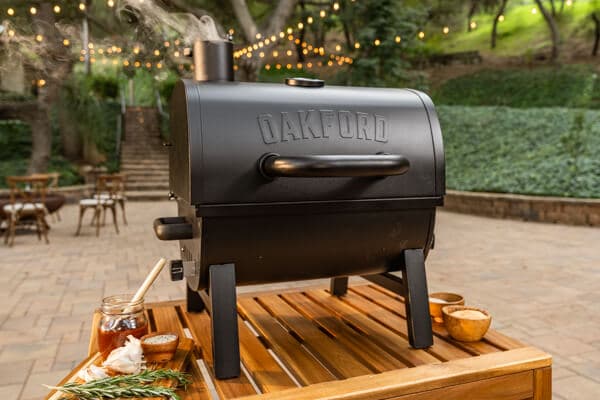
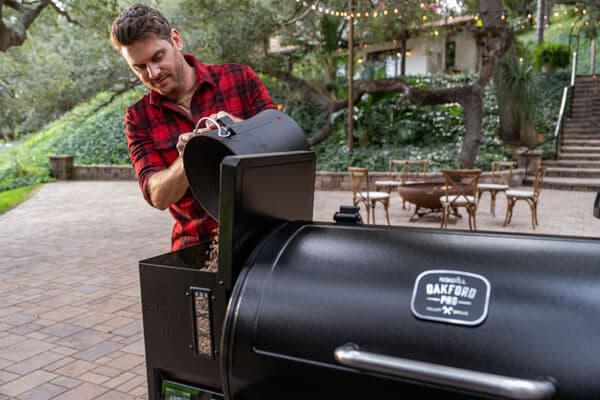
We differentiate ourselves through smart grilling products like the Oakford smart pellet grill, including app-connected cooking controls and modern outdoor cooking technology.

Expert tips, buying guides, comparisons, and inspiration for choosing and getting the most out of your grill.

Practical guides for cleaning, maintenance, common grill issues, and performance optimization.

Step-by-step grilling recipes, cooking techniques, and meal ideas for every occasion and skill level.

Backyard entertaining ideas, seasonal grilling inspiration, and stories that celebrate outdoor cooking culture.

Helpful articles covering grilling tools, cookware, maintenance gear, and must-have accessories for outdoor cooking.

Find griddle recipes, cooking techniques, cleaning tips, and outdoor meal ideas designed for Nexgrill griddles.
Find answers to common questions
Gas grills provide instant heat and precise temperature control, making them easier to use. Charcoal grills offer a smoky flavor and high heat for searing but require more time to heat up and manage.
Pellet grills combine the convenience of gas with the flavor of wood, allowing for smoking, baking, and grilling. Traditional gas grills, however, are quicker to start and often easier to clean.
Charcoal grills typically reach higher temperatures quicker than gas grills, making them better for searing meat. However, high-quality gas grills can also provide adequate heat for effective searing.
Nexgrill offers models designed specifically for gas, charcoal, and pellets, allowing users to choose based on their cooking style and flavor preferences. Each type is built to optimize the characteristics of its respective fuel.
Choosing between gas and charcoal grills depends on your cooking preferences and lifestyle. If you value convenience and quick cooking, a gas grill may suit you better; if you prefer the taste and experience of traditional grilling, a charcoal grill would be ideal.
In This Article
Regular Maintenance
Deep Cleaning Techniques
Safety Precautions
A charcoal grill earns its keep by delivering high heat, real fire, and a flavor profile that many backyard cooks love, but that same live-fire experience also creates ash, soot, grease, and carbon buildup after every cook. Cleaning is not just about making the grill look nicer before the next weekend; it is about preserving airflow, keeping temperatures more predictable, and preventing old residue from affecting the taste of new food. When a grill is left dirty, ash can clog vents, leftover grease can smoke in unwanted ways, and grate surfaces can become rough enough to make delicate foods stick.
For Nexgrill owners, the most practical mindset is to treat charcoal grill care as part of the cooking process rather than a separate chore. A quick wipe-down and ash removal after the grill cools, followed by periodic deeper care, usually works better than waiting until buildup becomes stubborn. That rhythm fits both casual weekend cooks and people who use their charcoal grill often for searing steaks, roasting vegetables, or slow-cooking larger cuts. It also keeps the grill ready for the next use without turning cleaning into an all-day project.
Ash and residue can interfere with heat control long before the grill looks severely dirty.
The good news is that charcoal grill cleaning does not require complicated products or specialty equipment. Most of the job comes down to timing, heat awareness, and a consistent sequence: clear the ash, loosen debris while the grill is warm but safe to handle, clean the grates, and wipe exposed surfaces before storage. The rest of this guide focuses on methods that are simple enough for routine use, but thorough enough to keep your grill performing the way it should.
Regular maintenance protects the parts of a charcoal grill that do the hardest work. Ash is more than a cosmetic issue. It can trap moisture, restrict airflow, and make it harder to bring the grill up to temperature cleanly on the next cook. Grease left behind on grates or around the firebox can also create smoke that tastes stale rather than fresh. By staying ahead of those issues, you make it easier to control heat, clean faster, and avoid the kind of buildup that turns a 10-minute wipe-down into a much longer scrub session.
There is also a durability angle. Charcoal grills are built for repeated exposure to heat, soot, and weather, but residue acts like a multiplier on wear. Ash that sits in the bottom of the kettle or firebox can hold moisture after a humid evening or a passing rain shower. Left alone, that combination can shorten the life of components and create surfaces that are harder to restore later. Consistent cleaning gives you a better chance of spotting small issues early, such as warped grates, loose fasteners, or blocked vents, before they become bigger problems.
Tip: a short cleanup after each cook usually saves far more time than waiting for a monthly reset.
Maintenance is also about cooking quality. If you like thick burgers, chicken thighs, ribs, or vegetables that need steady heat, you want a grill that responds the same way each time you light it. A clean charcoal bed, open vents, and residue-free grates help create that repeatable experience. Even small habits, such as emptying ash once the grill is fully cool and brushing off loose carbon before covering the grill, can make a noticeable difference over the season.
The best tools for cleaning a charcoal grill are the ones that let you work carefully without damaging the cooking surface or spreading ash around your patio. A sturdy grill brush, a non-scratch scraper, a metal or heat-safe ash scoop, microfiber or shop towels, and a bucket for debris are usually enough for most cleaning jobs. If you cook often, it helps to keep those tools near the grill so cleanup becomes part of the normal close-down routine instead of a separate search for supplies.
A brush matters because grates need mechanical cleaning. The best approach is to loosen cooked-on residue while the grates are still warm, then remove the last traces once the grill is cool enough to handle safely. A scraper can be useful for stubborn carbon on cast iron or heavy-duty grates, but it should be used with care so you do not chip seasoning or gouge the surface. For ash removal, choose a tool that lets you collect debris without stirring it into the air, especially if you are cleaning on a breezy day.
| Tool | Primary Use | Why It Helps |
|---|---|---|
| Grill brush | Lifts residue from grates | Speeds up routine cleaning while food particles are still loose |
| Scraper | Removes baked-on carbon | Helps with stubborn spots without over-wetting the grate |
| Ash scoop | Collects cooled ash | Reduces mess and improves airflow before the next fire |
| Microfiber cloth | Wipes exterior surfaces | Removes soot and fingerprints without scratching finishes |
One often-overlooked item is a bucket or disposable container for ash. Even when ash looks cold on top, hot pockets can remain buried underneath. A dedicated container helps you move debris safely and keep your cleaning area organized. If your grill sits on a deck, patio, or balcony, having a separate mat or drop cloth underneath the work area can also make cleanup simpler and reduce the chance of gray dust settling into cracks and seams.
A reliable charcoal grill cleaning process starts after the fire is completely out and the grill has had enough time to cool. Begin by removing the cooking grates and setting them on a stable surface. Then lift out any ash catcher or pan and empty the ash into a safe disposal container. If ash is clinging to corners, gently tap or brush it free rather than blowing it around. The goal is to clear the firebox enough that fresh airflow will not be blocked next time you light the grill.
Next, attend to the grates. If they are still slightly warm, use a grill brush or scraper to lift off loosened residue. Once cool, wipe the grates with a damp cloth if needed, then dry them thoroughly before reassembly. This is especially important for steel grates, because trapped moisture can encourage corrosion. If the grates are heavily soiled, you can soak removable grates in warm water with a small amount of mild dish soap, then rinse, dry, and re-oil lightly if that fits the manufacturer’s care instructions for the finish.
Warning: never dump ash into a trash bag or bin until you are certain it is fully cool. Hidden embers can stay hot far longer than expected.
After the grates are handled, clean the inside walls, the lid, and the lower bowl with a dry or barely damp cloth to remove loose soot. Avoid drenching the interior with water, since excess moisture can spread grime and leave surfaces damp for too long. Reassemble the grill only when every part is dry. A final check of vents, hinges, and handles is worth the extra minute, because this is when you can notice if something needs tightening or if ash has accumulated in a spot that could affect the next fire.
Think of the process in two layers: routine cleanup, then occasional more thorough cleaning. The routine version keeps the grill ready with minimal effort, while the more deliberate version addresses buildup before it hardens into a bigger problem. That balance is what makes charcoal grilling enjoyable instead of messy. Try comparing two products side by side below to see which fits best:
Safety should guide every step of charcoal grill cleaning because ash, metal, and residue can all stay hot longer than they appear. Always confirm that the fire is fully extinguished before removing ash or handling components directly. Wearing heat-resistant gloves is a smart habit even during a normal cleanup, since grates, ash pans, and metal handles can retain heat after the coals are gone. Good ventilation matters too, especially if you are brushing or sweeping ash in an enclosed garage or tightly screened area.
It is also important to clean in a stable, uncluttered area. Keep cleaning supplies away from the grill’s hot zone, and avoid using flammable sprays or harsh chemicals on cooking surfaces. Mild soap and water are generally enough for removable parts, while dry brushing and careful wiping handle most of the work on the grill body. If you are cleaning after a very large cookout, break the task into smaller steps rather than rushing. That lowers the chance of burns, dropped parts, or accidental ash spills.
Info: if you are unsure whether ash is fully cooled, wait longer. Delaying cleanup is safer than handling a hidden ember.
Finally, respect the grill’s materials. Do not use tools that are too abrasive for coated surfaces, and avoid scraping so aggressively that you remove protective finishes. Careful cleaning preserves both appearance and function, which is exactly what you want from a charcoal grill that gets regular use. When safety, timing, and routine maintenance come together, the grill stays ready for the next cook without unnecessary wear or risk.
Once you've done the everyday cleanup after a cook, a deeper cleaning session helps reset the grill for the season ahead. Deep cleaning is not about making a charcoal grill showroom-perfect; it is about removing the hardened layers that routine brushing does not reach. That usually means working on the grates, the lid, the bowl, the ash area, and any removable components that collect grease or soot over time. A good deep clean can make an older grill feel far more responsive because airflow improves and surfaces stop holding onto stale residue.
A practical deep clean begins with disassembly. Remove the grates, charcoal grate, ash pan, and any other detachable parts the model allows. Brush or scrape loose debris into a container before using warm water and mild soap on removable metal components. Let them soak only as long as needed to loosen buildup. Long soaks are not automatically better, especially on finishes that prefer quicker washing and immediate drying. Once cleaned, dry every piece thoroughly before putting it back together. Moisture left behind in hidden seams is the kind of thing that causes problems later, not immediately.
| Area | Deep Cleaning Method | Best Result |
|---|---|---|
| Cooking grates | Soak, scrub, and dry completely | Restores clean contact points for better searing |
| Lid interior | Brush soot, then wipe lightly | Reduces flakes dropping onto food |
| Bowl and firebox | Vacuum or scoop cooled ash, then wipe | Improves airflow and heat consistency |
If your grill has stubborn smoke stains on the lid interior, use a dry brush first before any damp wiping. Many cooks worry about the dark coating that forms inside the lid, but a light layer of seasoned soot is normal on charcoal grills. The point is not to strip every trace of it away; the point is to remove flaky buildup that can fall into food or interfere with a clean cooking environment. Keep the cleaning motion controlled and avoid introducing more water than you need.
Stubborn residue often shows up as baked-on grease, carbonized drips, or sticky areas around the grate edges. The safest way to handle it is with patience and repeated light passes rather than a single aggressive attack. A scraper can remove thick deposits, but it works best when the residue has already been loosened with heat or warm water. For grates that still resist, make a paste of mild dish soap and water, apply it to the affected area, and let it sit briefly before scrubbing. That approach softens the buildup without relying on harsh chemicals.
For the inside of the lid and bowl, a nylon brush or cloth is often enough to remove smoke film. If spots remain, use a damp cloth and repeat after the surface is dry. On stubborn carbon, a second pass is usually safer than pushing harder with a rough tool. The key is to protect the metal finish while still restoring clean surfaces. This is especially important on grills that are used frequently for fatty cuts, because grease can polymerize into sticky deposits that take longer to remove once they have hardened.
Tip: working on stubborn residue in stages usually gives a cleaner result than one intense scrub that risks surface damage.
If residue keeps returning in the same place, check whether the grill is set up to allow proper drainage or whether food drippings are falling into a low-ventilation area. Repeating buildup can be a sign that the cleaning routine is fine but the cooking setup needs a small adjustment, such as using a drip tray or giving the coals a more even spread. In other words, the residue is often a clue, not just a mess.
The interior and exterior of a charcoal grill need different cleaning approaches because they face different kinds of grime. Inside, the main issues are soot, ash, and grease. Outside, it is usually dust, fingerprints, smoke stains, and weather exposure. For the exterior, a soft cloth with mild soapy water is typically enough to clean painted or powder-coated surfaces. Dry the outside afterward so moisture does not sit on seams, handles, or fasteners. Stainless accents benefit from a gentle wipe in the direction of the grain if visible.
Inside the grill, focus first on loose ash and any carbon flakes that have gathered in corners or around vents. A shop vacuum designed for ash can be useful only after confirming the ash is completely cool. If you do not have one, a scoop and brush work fine. Wipe the interior surfaces with minimal moisture, then let the grill air-dry with the lid open before reassembly. This is one of the most important habits because it helps prevent trapped humidity from lingering in enclosed metal areas.
Warning: avoid soaking the grill body or hosing it down. Excess water can move residue into seams and leave metal damp for too long.
After cleaning, a few small habits help preserve the work you just did. Make sure every part is dry before the grill is covered. If your grates are bare steel or cast iron, a light protective wipe can help reduce surface moisture exposure between uses, as long as it is appropriate for the grate finish. Empty the ash catcher regularly rather than letting it fill for multiple sessions, because loose ash is much easier to manage when it has not had time to compact or collect moisture.
It also helps to store the grill in a spot that minimizes weather exposure. Even a well-made charcoal grill benefits from a cover and a dry location, especially in humid or rainy climates common in many United States backyards. If your grill is used weekly, establish a simple close-out routine: brush grates, dump ash after cooling, wipe the exterior, and inspect vents. That sequence takes only a few minutes and prevents the more frustrating kind of buildup later.
Info: the best maintenance routine is the one you can repeat after a weeknight cook, not only after a big holiday barbecue.
If your charcoal grill is hard to light, slow to heat, or produces uneven temperatures after cleaning, the issue is often airflow rather than the charcoal itself. Check the bottom and top vents for ash buildup, and make sure the ash catcher is not blocking movement underneath the fire basket. Poor airflow can make a clean grill behave like a dirty one. If smoke tastes harsh or stale, residue may still be present on the grates or in the lid interior, so repeat the light cleaning steps before your next cook.
Uneven heating can also happen when charcoal is spread too thinly or piled too tightly after a cleanup. Try arranging the coals in a pattern that fits the cooking style you want, such as a centered pile for direct heat or a two-zone arrangement for searing and indirect cooking. If grates continue to rust or discolor quickly after washing, dry them more completely and avoid leaving them exposed to overnight moisture. A grill that has been thoroughly cleaned should light more predictably, vent more freely, and recover faster between temperature adjustments.
Warning: repeated performance problems after cleaning often point to blocked vents, excess ash, or moisture left inside the grill.
Here's what sets us apart
We position ourselves as delivering high-end outdoor cooking features and performance without premium-brand pricing, emphasizing “Quality Grills. Unbelievable Value.”
We offer gas grills, pellet grills, griddles, smokers, pizza ovens, portable/tabletop grills, electric grills, accessories, and replacement parts — allowing customers to stay within one ecosystem for all outdoor cooking needs.
We differentiate ourselves through smart grilling products like the Oakford smart pellet grill, including app-connected cooking controls and modern outdoor cooking technology.
Don't just take our word for it
Keep reading
From our catalog