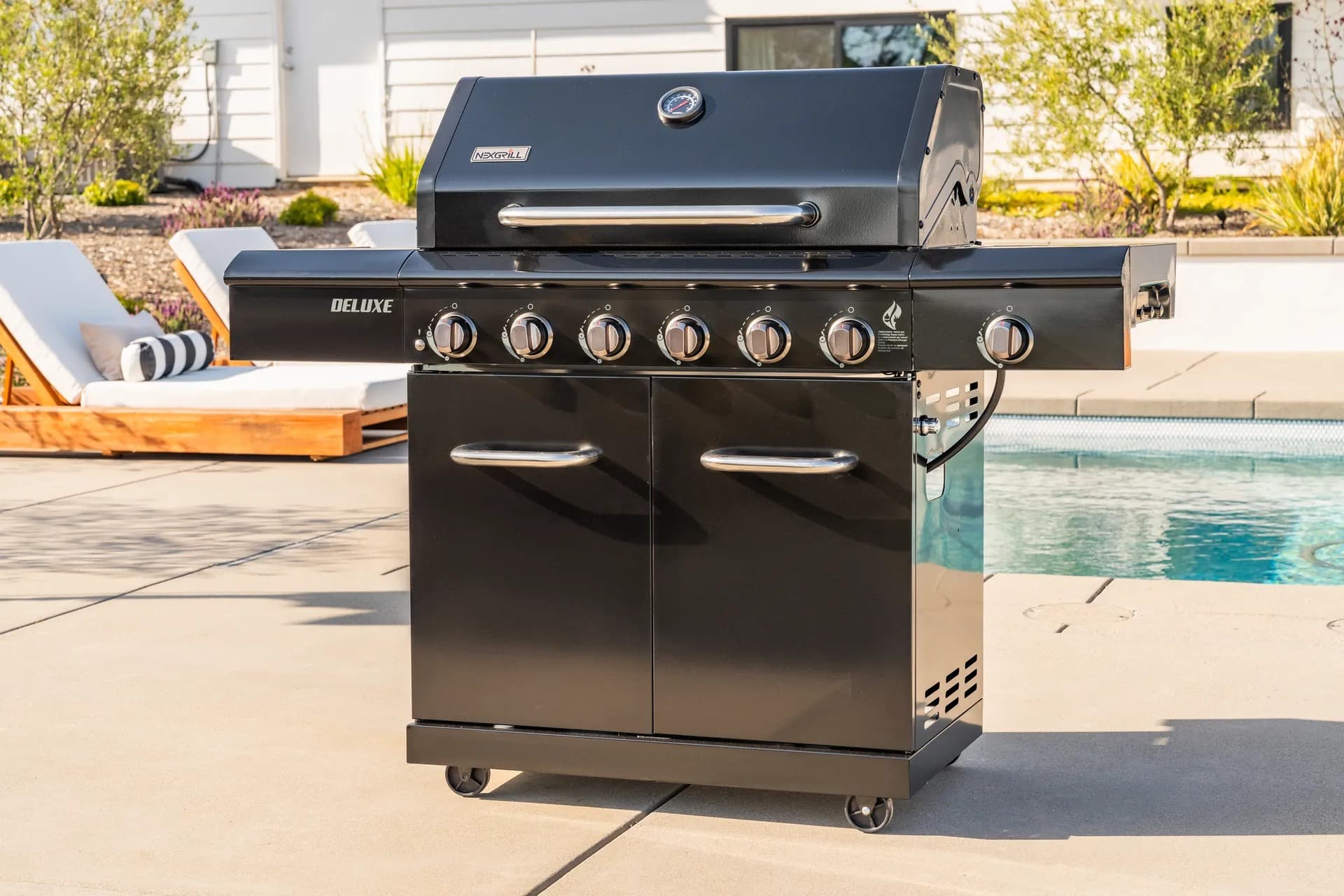
Explore the key differences to determine which grill suits your cooking style and preferences.

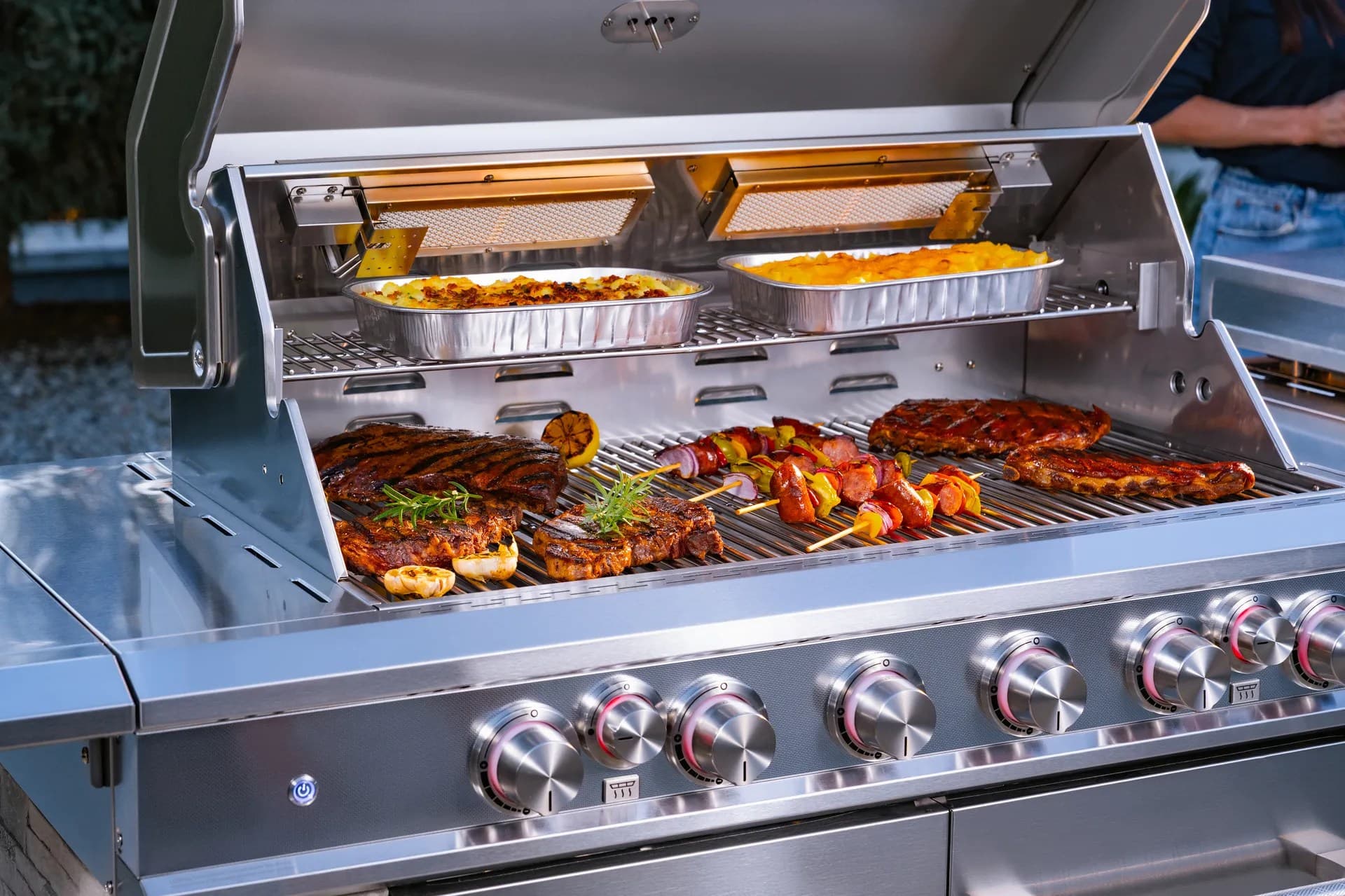
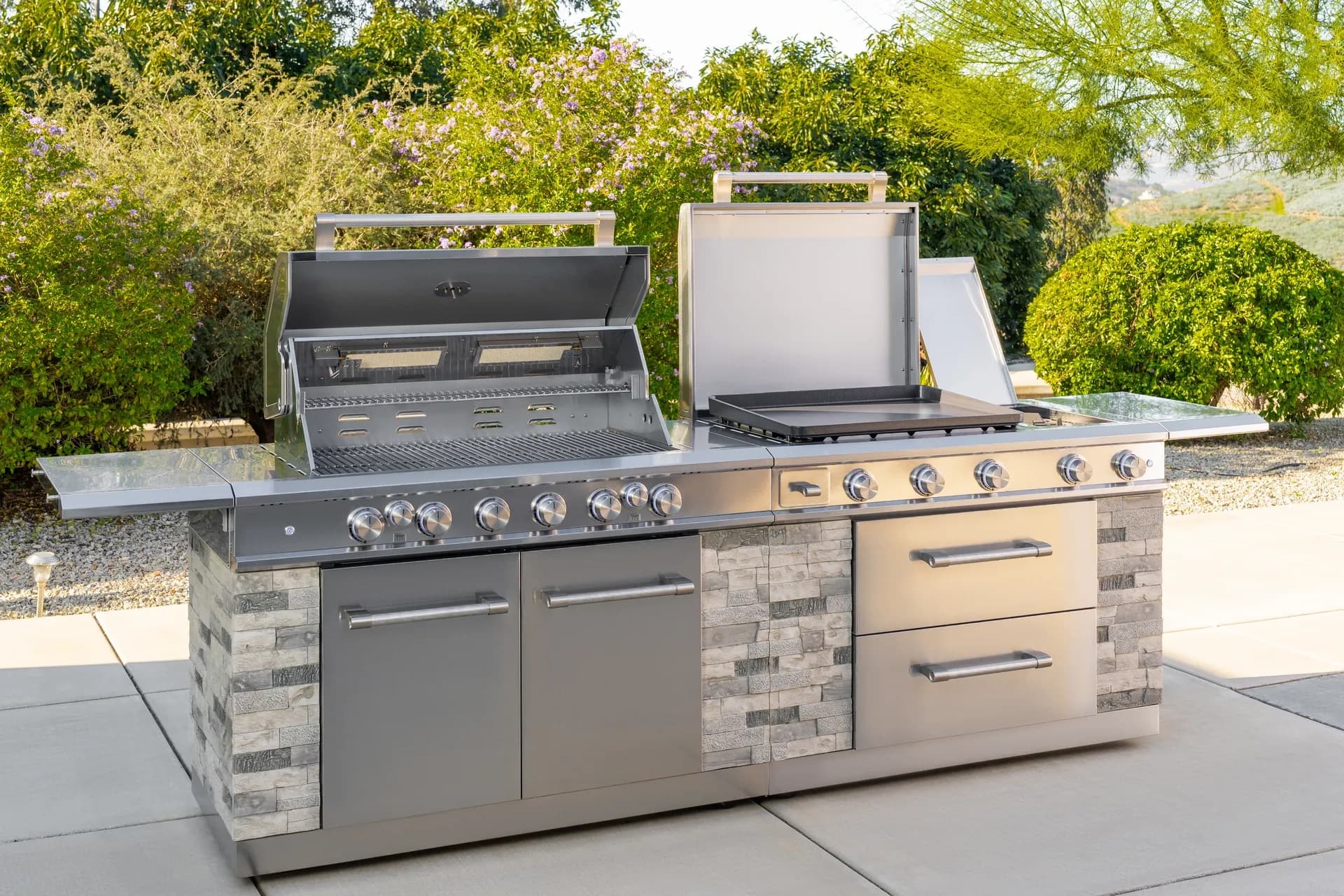
From sizzling breakfasts to smash burgers and teppanyaki-style dinners, the Daytona Pro 5 Burner NitroGuard™ Griddle delivers powerful heat, fast cooking, and a durable cooking surface built for every backyard cookout. Watch how easy outdoor cooking can be.
Here's what sets us apart from the competition
We position ourselves as delivering high-end outdoor cooking features and performance without premium-brand pricing, emphasizing “Quality Grills. Unbelievable Value.”
We offer gas grills, pellet grills, griddles, smokers, pizza ovens, portable/tabletop grills, electric grills, accessories, and replacement parts — allowing customers to stay within one ecosystem for all outdoor cooking needs.
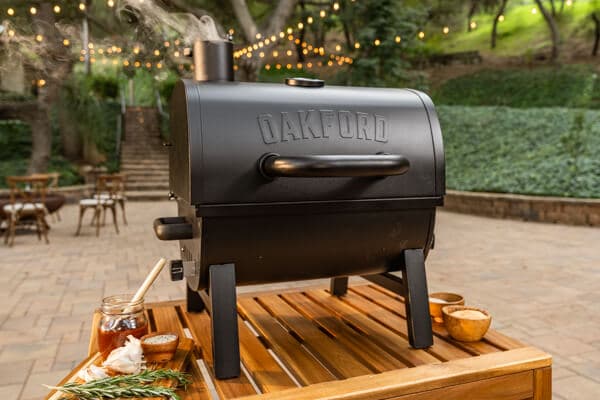
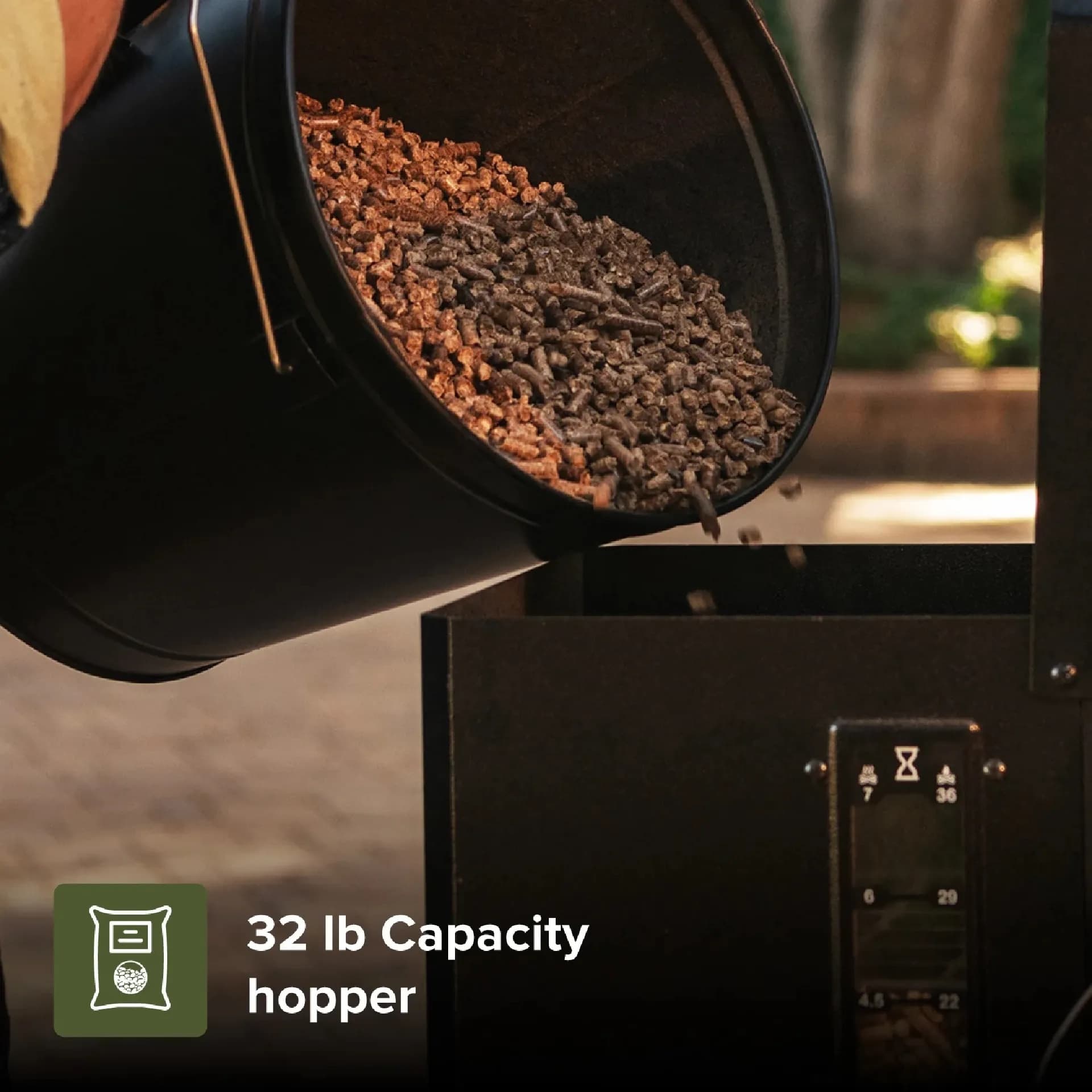
We differentiate ourselves through smart grilling products like the Oakford smart pellet grill, including app-connected cooking controls and modern outdoor cooking technology.

Expert tips, buying guides, comparisons, and inspiration for choosing and getting the most out of your grill.

Practical guides for cleaning, maintenance, common grill issues, and performance optimization.

Step-by-step grilling recipes, cooking techniques, and meal ideas for every occasion and skill level.

Backyard entertaining ideas, seasonal grilling inspiration, and stories that celebrate outdoor cooking culture.

Helpful articles covering grilling tools, cookware, maintenance gear, and must-have accessories for outdoor cooking.

Find griddle recipes, cooking techniques, cleaning tips, and outdoor meal ideas designed for Nexgrill griddles.
Find answers to common questions
Gas grills provide instant heat and precise temperature control, making them easier to use. Charcoal grills offer a smoky flavor and high heat for searing but require more time to heat up and manage.
Pellet grills combine the convenience of gas with the flavor of wood, allowing for smoking, baking, and grilling. Traditional gas grills, however, are quicker to start and often easier to clean.
Charcoal grills typically reach higher temperatures quicker than gas grills, making them better for searing meat. However, high-quality gas grills can also provide adequate heat for effective searing.
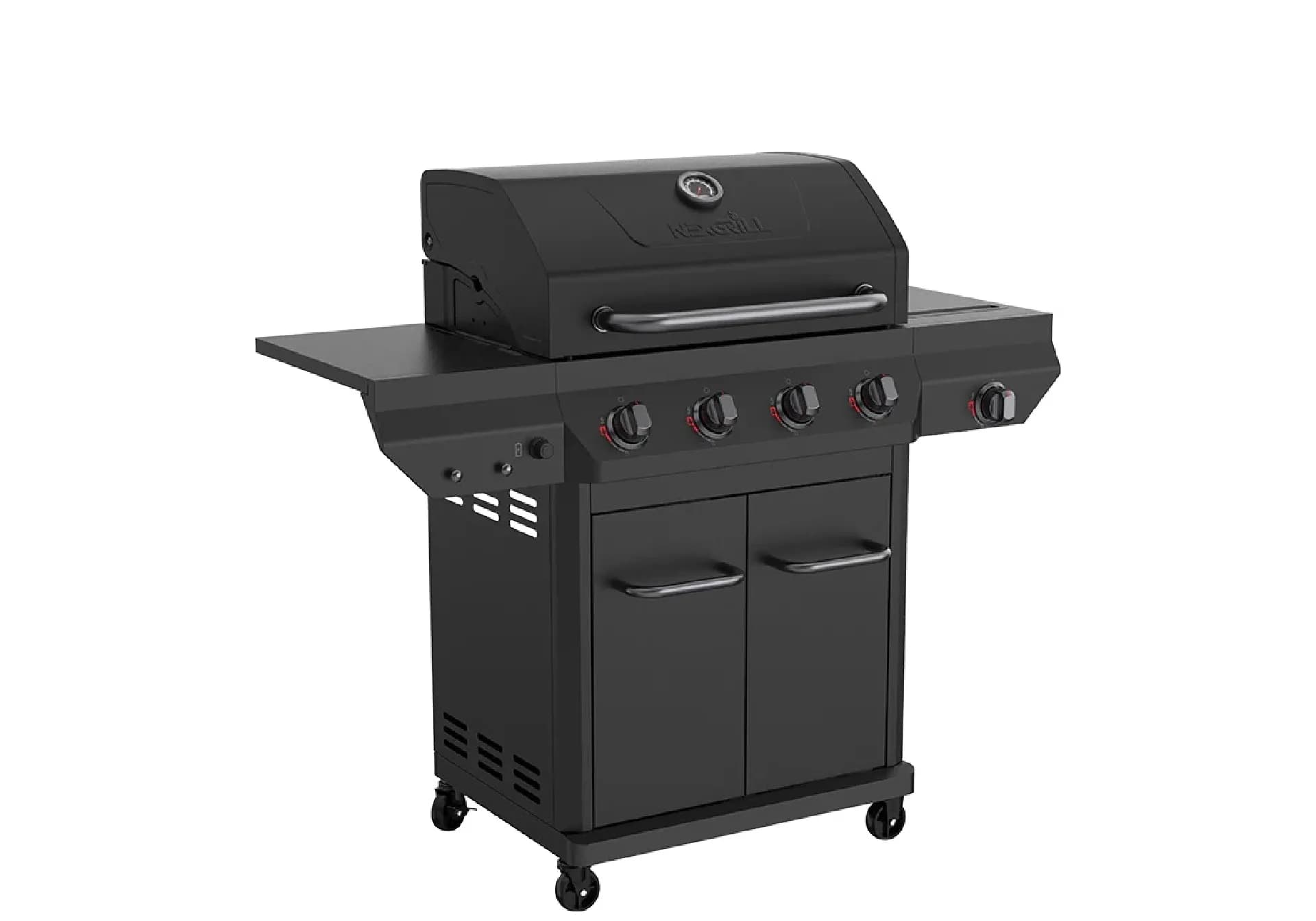
Nexgrill offers models designed specifically for gas, charcoal, and pellets, allowing users to choose based on their cooking style and flavor preferences. Each type is built to optimize the characteristics of its respective fuel.
Choosing between gas and charcoal grills depends on your cooking preferences and lifestyle. If you value convenience and quick cooking, a gas grill may suit you better; if you prefer the taste and experience of traditional grilling, a charcoal grill would be ideal.
In This Article
Flavor Profile
Heat Control
Maintenance
Choosing between a gas grill and a charcoal grill is less about declaring one winner and more about understanding how each fuel changes the way you cook, clean up, and gather around the food. For many backyard cooks in the United States, the decision comes down to a simple question: do you want speed and precision, or do you want ritual and smoke? Both options can produce excellent results, but they do so in very different ways.
Gas grills are usually the practical choice for weeknight cooking, quick family dinners, and anyone who wants to turn the burners on, preheat, and start grilling without much setup. Charcoal grills appeal to people who enjoy a slower process and the deeper flavor that comes from hot coals. The right choice depends on your cooking habits, your tolerance for cleanup, and how much control you want over temperature once the food is on the grates.
The best grill is the one you will actually use often. If convenience keeps you cooking more nights per week, gas may deliver more real value. If flavor ritual is part of the experience, charcoal may be worth the extra effort.
At Nexgrill, that difference matters because outdoor cooking is rarely just about the equipment. It is about the meal you can pull together after work, the Saturday burger batch for the whole family, or the slower Sunday cook when friends stop by and the conversation lasts longer than the prep. This guide compares gas and charcoal in the places where most buyers feel the difference first: flavor, heat control, maintenance, cost, and environmental considerations. It is designed to help you make a confident choice based on your own routine, not on hype or generic claims.
main fuel paths, each with different trade-offs in speed, flavor, and cleanup
Flavor is usually the first thing people mention when they compare gas and charcoal, and for good reason. Charcoal delivers a stronger smoky note because the fuel itself is part of the cooking environment. As the coals burn down, they create a combination of radiant heat, light smoke, and drippings vaporizing off the fire, which can add the kind of aroma many people associate with classic barbecue. That is why charcoal often feels more dramatic when you cook steaks, chicken thighs, ribs, or vegetables that benefit from a kiss of smoke.
Gas produces a cleaner, more neutral flavor profile. That is not a drawback if your goal is to taste the food and your seasoning more clearly. A gas grill can be especially appealing for simple burgers, salmon, kebabs, asparagus, and weeknight chicken breasts, where you may want the ingredients to lead rather than the fire. It can also be easier to repeat results because the heat source is more predictable from one cook to the next.
If you love a distinct smoky finish, charcoal has the edge. If you want the seasoning, marinade, and sauce to stay front and center, gas keeps the flavor cleaner.
The practical way to think about this is by food type. A charcoal grill can be ideal for a thick ribeye cooked hot and fast because the coals create aggressive heat and a more noticeable grilled character. A gas grill may be better for food that you want to cook evenly without overpowering it, such as delicate fish fillets or vegetables you want to char without adding too much smoke. Many home cooks end up preferring one fuel for certain dishes and the other for different occasions, which is why this comparison is more nuanced than it first appears.
Heat control is where gas grills usually separate themselves from charcoal grills. With gas, you can turn knobs to adjust output quickly and create distinct temperature zones. That makes it easier to preheat fast, lower the heat when flare-ups start, or hold one side of the grill at a gentler setting while searing on the other side. For families cooking multiple foods at once, that flexibility can matter more than raw peak heat.
Charcoal can absolutely produce high heat, and many grillers love it for searing. The difference is that charcoal temperature management requires more manual attention. You are controlling airflow, coal arrangement, and fuel load rather than turning a dial. That learning curve is part of the appeal for experienced cooks, but it can feel less forgiving for beginners or for anyone trying to get dinner on the table quickly after a busy day.
| Cooking factor | Gas grill | Charcoal grill |
|---|---|---|
| Startup speed | Fast, usually ready after preheating | Slower, needs time for coals to ash over |
| Temperature adjustments | Immediate and precise | Manual and gradual |
| Best for | Weeknights, mixed menus, repeatable results | Searing, smoke flavor, slower cook sessions |
Cooking performance also depends on how you use the grill, not just the fuel source. A charcoal setup can create excellent crust on steaks and burgers if you manage the fire well. A gas grill can produce great sear marks and even cooking if the burners and grates are designed for consistent heat. In other words, fuel type shapes the experience, but technique still matters every time you cook.
Maintenance is where many people discover their true preference. Gas grills are generally easier to clean because you are dealing mostly with grease, food residue, and occasional burner or drip-tray care. The cleanup routine is often quicker: brush the grates, empty or wipe the drip tray, and check the burners periodically. For busy households, that lower-friction process can make the difference between grilling once a month and grilling every week.
Charcoal grills require more post-cook effort. After the coals cool, there is ash to remove, and ash management matters because buildup can interfere with airflow and future performance. You also need to store charcoal properly and clean around the firebox more often. None of that is difficult, but it is more involved than the typical gas-grill routine.
Ash is not just a cleanup issue. Excess buildup can affect airflow, which in turn can affect how well charcoal burns and how evenly the grill performs.
If you prefer an outdoor cooker that is ready for another round with minimal prep, gas has an obvious advantage. If you enjoy the process of tending the fire and do not mind a slower reset afterward, charcoal may feel perfectly natural. The difference is less about difficulty and more about what kind of ownership routine suits your style.
Cost should be evaluated in two parts: the upfront purchase price and the ongoing fuel cost. In the United States, basic gas grills often cost less to operate on a per-cook basis when you factor in convenience, especially if you grill frequently and want a fast, efficient setup. Charcoal grills may have a lower entry price, but charcoal briquettes or lump charcoal become an ongoing expense that adds up over a grilling season.
That said, price is not just about fuel. A gas grill may include more burners, side shelves, ignition systems, and metal components, which can increase the purchase cost depending on the model. Charcoal grills can be simpler and sometimes cheaper to buy, but premium charcoal models with thicker steel, better airflow design, or larger cooking surfaces can also climb in price. The real question is whether you want to spend more upfront for convenience or accept more labor in exchange for a more hands-on cooking style.
| Cost area | Gas | Charcoal |
|---|---|---|
| Typical start-up expense | Often higher for feature-rich models | Often lower for basic models |
| Ongoing fuel cost | Propane or natural gas, usually predictable | Charcoal purchases over time |
| Time cost | Lower | Higher because of lighting and cleanup |
Environmental impact depends on both fuel and behavior. Gas grills typically burn more cleanly at the point of use than charcoal, which is one reason many buyers see them as the more efficient everyday option. They also avoid ash disposal, which simplifies waste handling. Charcoal, by contrast, produces more smoke and residue during cooking, and that can be part of the appeal for flavor but less appealing if you are trying to minimize mess.
Still, the environmental conversation should stay practical. The most sustainable grill is often the one you use well and maintain correctly, because a durable grill that lasts longer may be preferable to replacing a cheaper one sooner. Efficient fuel use, responsible disposal, and matching the grill size to your real cooking needs all matter. A family that grills several times a week may make a different environmental choice than someone who grills only a few times each summer.
For many households, the best approach is to choose the fuel that fits their actual habits. If gas helps you grill more often with less waste, that may matter more than the romance of the fire. If charcoal is what gets you outside and cooking in the first place, its value can be personal as well as practical.
Gas and charcoal grills each excel in different roles. Gas is usually the stronger choice for convenience, speed, easier cleanup, and precise control. Charcoal stands out for smoky flavor, fire management, and the hands-on cooking experience that many backyard cooks love. Neither option is automatically better; the right grill is the one that fits how you cook, how often you grill, and how much effort you want to put into the process.
If your priority is getting dinner started quickly and making adjustments without breaking your rhythm, gas is hard to beat. If your priority is flavor depth and the satisfaction of cooking over coals, charcoal delivers a different kind of reward. Try comparing two products side by side below to see which fits best:
Once you have compared two grill options side by side, the decision usually becomes clearer because the right choice depends on how you cook in real life, not just on abstract feature lists. Gas and charcoal grills both earn loyal followings for good reasons. One rewards speed, clean control, and easy weeknight cooking. The other rewards patience, smoke flavor, and the ritual of working with live fire. If you are choosing between them for a home in the United States, the smartest approach is to look at your weekly routine, the foods you cook most often, and the amount of effort you want to spend before and after the meal.
This guide is built around that practical question. Rather than treating fuel type like a simple preference, it breaks down the places where gas and charcoal behave differently: how they taste, how they respond to heat adjustments, what cleanup really looks like after a cookout, how cost plays out over time, and what each option means from an everyday use perspective. That matters because a grill can look perfect on paper and still become the wrong fit if it clashes with your lifestyle. A busy parent who grills salmon and vegetables on Tuesday night probably values a different experience than a weekend host who enjoys slow fire management and smoky ribs.
Think beyond the first cook. The grill that saves time, money, and frustration over a whole season is usually the better buy.
Flavor is the most emotionally charged part of the gas-versus-charcoal debate, and it is also the easiest place to misunderstand the trade-off. Charcoal produces the richer smoke character most people associate with classic barbecue because the fire itself contributes aroma, especially when fat or marinade drips onto the coals. That can deepen the flavor of steaks, pork chops, chicken thighs, and vegetables that do well with a bold grilled finish. For people who grew up with backyard cookouts built around a charcoal kettle or a brick fire pit, that flavor can feel like the whole point of grilling.
Gas gives you a cleaner profile. That means less smoke influence and more direct expression of the meat, rub, marinade, sauce, or vegetable you put on the grill. For some foods, that is a better outcome. Shrimp, tender fish, delicate vegetables, or simple seasoned chicken often benefit from a lighter touch because the grill is there to add browning and char without overwhelming the ingredients. The cleaner flavor is also helpful when you want consistency from one cook to the next.
Use charcoal when smoke is part of the recipe. Use gas when the food itself should stay the star.
A useful mental model is to imagine what happens when you season food before it hits the grill. On charcoal, seasoning and smoke tend to work together, creating a fuller barbecue character. On gas, seasoning stays more separate from the fuel source, which can be better when you want sharper control over the final taste. That is why neither option is automatically superior. They simply emphasize different parts of the cooking experience.
Gas grills are built around quick control. Turn the knob, raise or lower the burner output, and the grill responds fast. That immediacy matters when you are moving between burgers, vegetables, and chicken on the same cook, or when you need to reduce heat because flare-ups are starting to char the outside before the center is ready. For households that want predictable timing, gas is usually the easier fuel to manage. It also tends to make preheating and shutdown simpler, which can be a real advantage on busy nights.
Charcoal grilling is more hands-on and, for many people, more satisfying because of it. The heat can be intense and excellent for searing, but it depends on how you build and manage the fire. Airflow, coal quantity, and placement all shape the cooking zone. If you know how to bank coals for indirect cooking or how to spread them for a hotter sear, charcoal can produce excellent results. If you do not want to monitor the fire closely, however, the same flexibility that makes charcoal appealing can also make it less convenient.
| Performance factor | Gas grill behavior | Charcoal grill behavior |
|---|---|---|
| Temperature adjustment | Fast, knob-based control | Slower, fire-based control |
| Searing | Strong when properly preheated | Very strong with a well-built coal bed |
| Consistency | Easier to repeat | More dependent on technique |
For example, if you are grilling a tray of chicken breasts for a weekday meal, gas makes it much easier to hold one side of the grill at a lower heat while finishing the thicker pieces. If you are cooking steak for a weekend dinner and want a blistering crust, charcoal may feel more rewarding because you are working with direct radiant heat. The key difference is not simply the maximum temperature; it is how much effort you want to put into managing that temperature.
Maintenance is one of the clearest dividing lines between the two grill types. Gas grills are usually easier to live with because cleanup is more routine and less messy. After cooking, most owners focus on the grates, the grease tray, and occasional burner inspection. If you use the grill regularly, that smaller cleanup burden can make ownership feel easier and more sustainable over time. A grill that is simple to reset after dinner is more likely to be used again the following weekend.
Charcoal grills ask for more patience after the meal. Once the coals burn out and cool down, you still need to remove ash and tidy the firebox. Ash can build up in ways that affect airflow, so cleanup also matters for future performance, not just appearance. That extra work is not necessarily a downside if you enjoy the charcoal ritual, but it does create a more involved post-cook routine.
If you are comparing grills for a busy household, do not underestimate the value of fast cleanup. Convenience often determines how often the grill gets used.
There is also a storage and preparation difference. Gas requires fuel connection checks and periodic inspection of components, while charcoal requires stocking fuel and handling ash disposal. Neither is especially hard, but the nature of the work changes the ownership experience. Buyers who want less post-meal friction usually lean gas; buyers who enjoy a more traditional fire-based process usually accept the extra cleanup as part of the deal.
Cost is best understood as a balance between what you pay upfront and what you pay every time you cook. In the United States, gas grills can carry a higher purchase price when you move into larger or feature-rich models, especially if you want multiple burners or extra workspace. Charcoal grills can start at a lower price point, which makes them attractive if your budget is tight or you only grill occasionally. But charcoal fuel costs continue over time, and the convenience gap can be just as important as the dollar amount.
A household that grills several times a week may find gas more economical in practice because it shortens prep, reduces cleanup time, and provides predictable operating costs. A household that grills a few times each summer may value charcoal’s lower entry price and accept the extra labor. The right answer depends on volume of use, not just sticker price.
It also helps to think about hidden costs. A grill that is easy to maintain may last longer in good working condition, while a cheaper option that becomes annoying to clean or hard to light can end up underused. For many buyers, the real value of a gas grill is not only convenience but frequency: if it gets used more often, the effective cost per meal can drop over time. Charcoal can still be a smart choice if the experience is what you value most, but it is worth accounting for the recurring fuel purchase and the extra time invested each cook.
| Expense category | Gas | Charcoal |
|---|---|---|
| Initial purchase | Often moderate to high | Often lower for basic models |
| Fuel over time | Propane or natural gas | Bags of charcoal or lump coal |
| Time investment | Lower | Higher |
Environmental impact is not only about emissions while cooking. It also includes how much fuel you use, how often you use the grill, and how much waste the process creates. Gas usually produces less smoke and leaves no ash behind, which simplifies cleanup and reduces one source of post-cook waste. Charcoal creates the classic grilling atmosphere many people love, but it also generates ash and typically requires more fuel handling for the same cooking session.
That said, the most responsible choice is often the one that matches your real-life routine and avoids unnecessary waste. A grill that fits your household size and cooking frequency can be a better long-term decision than a larger model you rarely fire up. Durability matters too, because replacing a grill sooner than necessary can offset short-term gains in fuel efficiency. From a practical standpoint, the best environmental choice may simply be the grill you maintain well and use efficiently.
If you cook often, choose the fuel that encourages efficient use. A smaller, well-matched grill can be a better fit than a bigger one that wastes space and fuel.
For many families, that means gas wins on day-to-day convenience and lower mess, while charcoal wins on flavor-driven occasions when the experience matters more than speed. The environmental decision is not one-size-fits-all, but it should be intentional rather than accidental.
The gas-versus-charcoal decision comes down to how you want outdoor cooking to feel. Gas is the streamlined path: quick preheat, easy temperature changes, less cleanup, and a cleaner flavor profile that works well for many everyday meals. Charcoal is the more hands-on path: slower setup, more manual control, stronger smoke character, and a cooking ritual that many grillers find deeply satisfying. Both can produce great food, but they reward different habits.
If your household values speed, repeatability, and low-friction cleanup, gas is usually the better fit. If you prize smoke flavor, slower cooking, and the satisfaction of managing a live fire, charcoal is worth the extra effort. Once you've weighed two options against each other, here's what else matters…
Here's what sets us apart
We position ourselves as delivering high-end outdoor cooking features and performance without premium-brand pricing, emphasizing “Quality Grills. Unbelievable Value.”
We offer gas grills, pellet grills, griddles, smokers, pizza ovens, portable/tabletop grills, electric grills, accessories, and replacement parts — allowing customers to stay within one ecosystem for all outdoor cooking needs.
We differentiate ourselves through smart grilling products like the Oakford smart pellet grill, including app-connected cooking controls and modern outdoor cooking technology.
Don't just take our word for it
Keep reading
From our catalog