Ensure your grill's longevity and performance by steering clear of these common cleaning errors.

From sizzling breakfasts to smash burgers and teppanyaki-style dinners, the Daytona Pro 5 Burner NitroGuard™ Griddle delivers powerful heat, fast cooking, and a durable cooking surface built for every backyard cookout. Watch how easy outdoor cooking can be.
Here's what sets us apart from the competition
We position ourselves as delivering high-end outdoor cooking features and performance without premium-brand pricing, emphasizing “Quality Grills. Unbelievable Value.”
We offer gas grills, pellet grills, griddles, smokers, pizza ovens, portable/tabletop grills, electric grills, accessories, and replacement parts — allowing customers to stay within one ecosystem for all outdoor cooking needs.
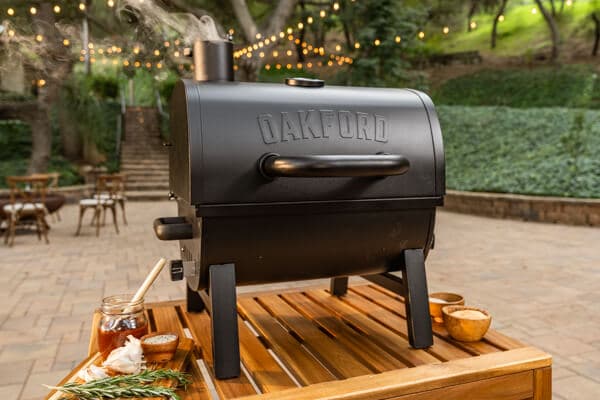
We differentiate ourselves through smart grilling products like the Oakford smart pellet grill, including app-connected cooking controls and modern outdoor cooking technology.

Expert tips, buying guides, comparisons, and inspiration for choosing and getting the most out of your grill.

Practical guides for cleaning, maintenance, common grill issues, and performance optimization.

Step-by-step grilling recipes, cooking techniques, and meal ideas for every occasion and skill level.

Backyard entertaining ideas, seasonal grilling inspiration, and stories that celebrate outdoor cooking culture.

Helpful articles covering grilling tools, cookware, maintenance gear, and must-have accessories for outdoor cooking.

Find griddle recipes, cooking techniques, cleaning tips, and outdoor meal ideas designed for Nexgrill griddles.
Find answers to common questions
Gas grills provide instant heat and precise temperature control, making them easier to use. Charcoal grills offer a smoky flavor and high heat for searing but require more time to heat up and manage.
Pellet grills combine the convenience of gas with the flavor of wood, allowing for smoking, baking, and grilling. Traditional gas grills, however, are quicker to start and often easier to clean.
Charcoal grills typically reach higher temperatures quicker than gas grills, making them better for searing meat. However, high-quality gas grills can also provide adequate heat for effective searing.
Nexgrill offers models designed specifically for gas, charcoal, and pellets, allowing users to choose based on their cooking style and flavor preferences. Each type is built to optimize the characteristics of its respective fuel.
Choosing between gas and charcoal grills depends on your cooking preferences and lifestyle. If you value convenience and quick cooking, a gas grill may suit you better; if you prefer the taste and experience of traditional grilling, a charcoal grill would be ideal.
In This Article
Neglecting Regular Cleaning
Using Harsh Chemicals
Ignoring Grease Trays
Keeping a grill clean is not just about making it look good between cookouts. It is a practical part of protecting heat performance, reducing flare-ups, preserving flavor, and extending the useful life of the equipment. Nexgrill’s brand philosophy centers on sharing good food and good company around the fire, and that only works when the grill underneath the meal is cared for properly. The most common grill cleaning mistakes usually happen for one of three reasons: the owner waits too long, uses the wrong tools or chemicals, or skips parts of the grill that are hidden from view. That is why a useful cleaning guide should focus less on perfection and more on the habits that actually keep a grill working well over time, season after season, in typical U.S. backyard use. Nexgrill’s guidance also emphasizes a welcoming, practical approach to grilling, where beginners and experienced cooks can both maintain their equipment with confidence and avoid expensive preventable issues.
A clean grill is easier to trust. When grates are scraped regularly, grease trays are emptied on schedule, and burner areas stay clear, you get more predictable heating and less smoke from old residue. You also reduce the chance that a simple weeknight burger session turns into a frustrating cleanup project the next day. On the other hand, aggressive scrubbing, soaking the wrong components, or ignoring buildup in grease management areas can shorten the life of finishes and leave behind residue that affects food. This article takes a practical angle: not every cleaning mistake is dramatic, but small mistakes repeated over a season can affect the entire cooking experience. In the context of Nexgrill ownership, that matters because good grill performance is part of the overall value proposition the brand aims to deliver across approachable, durable outdoor cooking products.
Can create grease buildup, uneven heat, and avoidable flare-ups over time.
The first mistake is treating grill cleaning as an occasional deep-clean event instead of a recurring habit. Many owners wait until the grates are visibly blackened or the lid feels sticky, but by that point grease and carbonized residue have already accumulated in places that are harder to reach. That buildup can change how the grill heats, how food tastes, and how much smoke comes off the surface during preheat. It also makes later cleaning harder, because residue bakes into layers that require more effort to remove. For owners who cook often during spring and summer, skipping light cleanups after each use tends to create a compounding problem: what should have taken a few minutes now becomes a much longer task, and the grill can start behaving less predictably. This is especially relevant on gas models where burners, flavorizer areas, and grease channels need to stay clear enough for safe, steady operation.
The second mistake is using harsh chemicals or abrasive products that are too aggressive for grill surfaces. A grill is a cooking appliance, not a garage floor. Strong cleaners can dull stainless steel, damage painted surfaces, and leave residues that require extra rinsing before the next cook. Even when a product is marketed as a heavy-duty cleaner, it should only be used if it is clearly appropriate for the material and if the owner follows the instructions carefully. The safer approach is to match the cleaner to the part: use a warm, food-safe cleaning routine for cooking surfaces, and reserve stronger products for the components that can tolerate them. Nexgrill’s own brand materials emphasize practical, real-world ownership rather than theatrical maintenance, which is the right mindset here. You do not need a chemical assault to keep a grill in good condition; you need consistency and the right tools.
The third mistake is ignoring the grease tray, grease cup, or other grease management parts. This is one of the most common oversights because those components are out of sight and easy to forget. Unfortunately, the grease tray is where a lot of the mess migrates after cooking fatty foods, and if it is not emptied or lined properly, it can become a source of smoke, odors, pests, and flare-up risk. People often assume that because food is cooking above the grates, everything else can wait. In reality, buildup below the cooking surface is just as important as residue on top of it. A full tray can also make later cleaning much harder because grease hardens and sticks to the surface of the tray or cup. On busy households where the grill is used for multiple meals a week, this one skipped step can make the difference between a clean system and a messy surprise during the next preheat.
| Mistake | What usually happens | Why it matters |
|---|---|---|
| Skipping routine cleaning | Grease and carbon build up on grates and internal parts | Creates harder cleanup, uneven heat, and more smoke |
| Using harsh chemicals | Surfaces can dull or residue can remain | May affect finish, food contact areas, and long-term appearance |
| Ignoring grease trays | Grease overflows or hardens out of sight | Increases flare-up risk and nuisance smoke |
Another mistake is cleaning the grill while it is either too hot or completely cold without any in-between approach. When a surface is piping hot, people may scrub too aggressively or use the wrong cloths, which can be unsafe and ineffective. When a grill is stone cold, baked-on debris is often much harder to loosen. The sweet spot is usually after the grill has cooled enough to handle safely but while residue is still easier to remove. That timing matters because it reduces the force needed to clean, which helps preserve surfaces and makes the job less tiring. It also makes it easier to see where residue collects, especially around corners, edges, and grease pathways. For many owners, the problem is not a lack of effort but poor timing. Cleaning is more effective when it follows use, not when it is postponed until the grill is already overwhelmed by buildup.
A final common mistake is forgetting that the inside of the grill matters just as much as the outside. Many people polish the lid and wipe the control panel, but they never inspect the burner area, drip path, or underside of the cooking chamber. That can leave hidden grime in place even though the grill looks clean from ten feet away. A real maintenance habit should include the visible and invisible parts: grates, trays, burner covers where applicable, and the spaces where grease and crumbs naturally settle. This is where a thoughtful cleaning routine becomes part of ownership rather than a chore you dread. If you want the grill to last and perform well, the important question is not whether it sparkles on the outside but whether the cooking system underneath is clear and working as designed. Try comparing two products side by side below to see which fits best:
Avoiding these mistakes starts with building a simple rhythm that fits the way most U.S. households actually grill. You do not need a complicated maintenance calendar. What you need is a repeatable process that happens at the right time and focuses on the parts that matter most. Begin with the grates after every cook. While the grate is still warm, not blazing hot, use a proper grill brush or scraper to remove loose food and grease. That short step prevents residue from hardening and cuts down on the amount of force required later. Next, empty or inspect grease trays and cups before they overflow. If your grill uses liners, replace them before they become saturated. These small tasks are not dramatic, but they are the difference between a manageable routine and a weekend-long restoration project.
Choose tools with the grill material in mind. Nylon brushes, soft scouring pads, microfiber cloths, and plastic scrapers are often better for delicate finishes than harsh metal tools used carelessly. For stubborn residue, heat and patience usually work better than brute force. Let the grill warm up, loosen debris, and then remove it in stages rather than attacking every surface at once. This is particularly important for owners who care about finish quality and long-term appearance, because heavy abrasion can create scratches that trap grime later. It is also wise to keep separate tools for cooking surfaces and exterior surfaces so you do not spread grease around the cabinet, cart, or control area. That separation of tasks makes the cleaning process more organized and reduces the chance of cross-contamination between greasy and clean surfaces.
Tip: A 5-minute cleanup after each cook often saves far more time than one long deep-clean at the end of the season.
Keep chemical use conservative and purposeful. If you use a cleaner, verify that it is intended for grill-safe materials and follow the instructions exactly. Never spray indiscriminately across food-contact areas and then cook immediately afterward. The safer pattern is to apply cleaner where needed, remove residue thoroughly, and then let the surface dry before the next session. For most grill owners, mild soap and warm water are enough for many exterior surfaces, while the food-contact zone benefits more from heat, scraping, and controlled wiping than from strong solvents. That approach better matches the way Nexgrill positions outdoor cooking: practical, approachable, and meant for real families and real schedules, not a special-occasion appliance that needs a complicated maintenance ritual.
Warning: If grease has built up enough to smoke heavily at preheat, do not ignore it. Clean the tray, scrape the grates, and inspect the underside before cooking again.
Make the hidden parts part of the routine. Every few uses, take a closer look at burner areas, drip paths, and lower collection points. A flashlight can help you see what regular daylight misses. If your grill has removable parts that are designed for cleaning, remove them carefully and clean them according to the owner documentation. Reassemble only after the components are dry and properly seated. That level of care helps you avoid one of the most frustrating problems in grill ownership: a grill that looks fine externally but cooks poorly because airflow and grease management are compromised. The best routine is always the one you can actually repeat, so keep the process simple, consistent, and tied to when you finish cooking rather than when the grill starts misbehaving. This mindset supports both safety and the long-term value of the grill, which is exactly the kind of dependable ownership experience Nexgrill aims to support across its outdoor cooking lineup.
Most grill cleaning mistakes are not caused by ignorance alone; they are caused by hurry, habit, and underestimating how quickly residue adds up. The good news is that these mistakes are easy to correct once you know what to watch for. Clean a little after each use, treat chemical cleaners carefully, and never forget the grease management system hiding beneath the cooking surface. Those three habits do more for grill performance than any one-off deep scrub. For Nexgrill owners, that matters because a well-kept grill better reflects the brand’s practical promise of approachable outdoor cooking built for real gatherings, real households, and real seasons of use.
If you want to keep your grill ready for the next backyard meal, the goal is not perfection. The goal is consistency. Small, regular cleaning steps protect flavor, reduce flare-ups, preserve finishes, and make every cook more predictable. Once you get into that rhythm, grill care stops feeling like a burden and starts feeling like part of the cooking experience itself. Compare two products side by side below to see how different grill designs may affect your cleaning routine and long-term ownership.
Once you have compared two grills side by side, the next question is often less about features and more about ownership habits. A grill that is easy to live with can still become frustrating if it is cleaned the wrong way. That is why the most useful conversation about common grill cleaning mistakes is not just about what to scrub, but about where grime hides, when to clean, and which routines protect the grill without wearing it down. Nexgrill’s own brand voice leans into practical, approachable outdoor cooking for real households, and that makes cleaning guidance especially important: the better your care routine, the longer your grill can keep up with weeknight dinners, weekend gatherings, and seasonal cooking.
In typical U.S. backyard use, grill cleaning mistakes usually show up in small ways first. Food sticks a little more than usual. The lid smokes during preheat. One burner area seems hotter than the rest. The grease cup fills faster than expected. These are often not hardware failures; they are signs that cleaning habits need adjustment. This article focuses on the practical side of ownership: what not to do, how to correct it, and which habits matter most for keeping the grill dependable over the long term. It also stays distinct from fire-prevention guidance by emphasizing maintenance, surfaces, and residue management rather than broader ignition risk. The goal is to help grill owners preserve performance and reduce avoidable wear, not to turn every cleaning session into a dramatic safety lecture.
Routine scraping, grease management, and material-safe cleaning solve most preventable grill problems.
One of the biggest mistakes is assuming the grill only needs attention when it looks dirty from across the patio. By then, residue has usually already moved from the cooking surface into more difficult places. Grease drips below the grates, smoke deposits cling to the lid, and crumbs settle around the burn area or lower tray. On gas grills, those hidden layers matter because they interfere with consistency. A grill may still turn on and heat, but it will not cook as cleanly or predictably as it should if residue is constantly cycling through the system. Owners who do frequent burgers, chicken thighs, or sauces with sugar often see this issue faster because those foods leave sticky deposits that carbonize quickly.
Another common mistake is over-relying on harsh cleaners, oven sprays, or abrasive pads. These products can seem efficient because they cut through grime quickly, but they can also strip protective finishes, dull stainless steel, or leave behind residues that are not ideal on food-contact surfaces. Grill owners sometimes use too much product because they want a spotless result, but the better approach is controlled cleaning with the least aggressive method that gets the job done. For most routine maintenance, a warm surface, the right scraper, and a damp cloth are more effective than a chemical heavy-handed approach. If a strong cleaner is ever used, it should be reserved for parts where the instructions explicitly allow it and rinsing or wiping is done thoroughly afterward.
A third mistake is forgetting that grease collection components are part of the cooking system, not just a disposable afterthought. The grease tray, drip cup, and related channels are designed to move residue away from the flame and into a manageable place, but they only work if they are checked regularly. If these areas overflow, the grill can smoke excessively during preheat, create bad odors, and become much harder to clean later. In an average grilling season, this is one of the easiest points to miss because the tray sits below eye level and can be ignored until the first unpleasant smoke cloud appears. Owners who use the grill frequently, especially on weekends, should treat grease management as a normal part of shutdown rather than a rescue operation.
| Where owners slip up | What the grill experiences | Longer-term result |
|---|---|---|
| Cleaning only when buildup is visible | Residue hardens in layers across grates and lid | More difficult cleanup and less consistent cooking |
| Using strong chemicals on everything | Finish damage or lingering residue becomes possible | Shorter cosmetic life and more rinsing required |
| Ignoring the grease tray | Grease pools, thickens, or overflows | More smoke, odors, and cleanup time |
| Scrubbing dry baked-on residue too aggressively | Surfaces get scratched or wear unevenly | Dirt clings more easily in the future |
A less obvious mistake is cleaning without checking the grill manual or part design. Different grills use different grates, tray systems, burner layouts, and finishes, so a technique that works on one model may be too rough for another. That matters in a brand portfolio like Nexgrill’s, where different outdoor cooking products are built for different users and use cases, from compact 2-burner setups to larger multi-burner formats and griddles. A method that is fine for a removable metal tray may not be appropriate for a painted cabinet surface or a coated interior component. The safest practice is to understand what is meant to be removed, what should simply be wiped, and what should stay in place during routine cleaning.
Another common issue is leaving cleaning until after residue has fully cooled and bonded. People think they are being cautious by waiting, but the result can be the opposite: once carbonized drips harden, they take more scraping and more time to remove. A better routine is to clear the grates while they are still warm enough to loosen debris, then finish with a wipe once the grill is safe to touch. This approach reduces stress on both the owner and the equipment. It also fits the practical, everyday style of grilling that Nexgrill’s messaging encourages, where the grill is meant to be part of real life rather than a high-maintenance centerpiece.
The simplest way to avoid most grill cleaning mistakes is to divide cleaning into three levels: after-cook, weekly, and seasonal. After-cook care should be quick and focused. Scrape the grates while still warm, empty or inspect the grease tray, and wipe surfaces where splatter is fresh. Weekly care should be slightly deeper and can include brushing under the lid, checking the drip path, and removing any buildup around the exterior handles or side shelves. Seasonal care should be more complete and include inspecting hidden areas, confirming components are seated correctly, and replacing any liners or consumable parts that are worn. This tiered approach keeps maintenance realistic and prevents the “all or nothing” trap that causes many people to postpone cleaning entirely.
Use the least aggressive tool that still does the job. A proper grill brush, a scraper, soft cloths, and warm water can handle most routine cleaning if used consistently. When grease is sticky, heat and a little dwell time are usually more valuable than harder scrubbing. Let the grill warm, loosen the residue, then remove it in stages. For exterior finishes, especially stainless steel, wipe with the grain if applicable and avoid circular abrasion that can make streaking more visible. If you are cleaning a part that can be removed, such as a tray or cup, clean it separately so you are not moving residue back onto fresh surfaces. Small process choices like this make a major difference in how long the grill looks and performs like new.
Info: For many grills, the fastest way to reduce future cleanup is to clean the grease tray before it becomes visibly full, not after it starts smoking.
Be selective with cleaners. If a product is not clearly intended for grill surfaces, do not assume it is safe because it is strong. Read the label, apply only where appropriate, and avoid soaking areas that should remain dry. For food-contact surfaces, the goal is usually to remove residue, not to sterilize the grill with a harsh spray. In practice, that means food-safe habits matter more than dramatic products. This is also where many owners accidentally create extra work: they spray too much, then spend more time wiping and rinsing than they would have spent scraping and cleaning properly in the first place. A controlled cleaning routine keeps the grill ready without leaving chemical residue behind.
Warning: Never assume a shiny surface means the grill is clean inside. Hidden grease buildup is one of the easiest maintenance problems to miss.
Finally, make the grill easier to care for by setting up the area around it. Keep brushes, wipes, and a grease-safe container nearby so cleanup happens immediately after cooking rather than later when the urge to postpone kicks in. Store a cover on the grill once it is fully cool and dry to help reduce dust and weather exposure between uses. In a typical American backyard, a grill may sit through heat, humidity, pollen, and sudden weather changes, so a consistent care routine matters just as much as the product itself. The more the cleaning process fits your routine, the less likely you are to skip the small tasks that prevent larger problems. That is the practical difference between owning a grill and taking care of one.
Common grill cleaning mistakes are usually easy to name but easy to ignore: waiting too long, using the wrong cleaner, skipping the grease tray, and missing hidden buildup. The good news is that these problems are not difficult to fix once they are treated as part of normal grill ownership rather than a rare deep-clean project. A few minutes after each cook, a careful weekly check, and a more complete seasonal inspection can protect performance and make cooking far more pleasant. That practical mindset fits Nexgrill’s approach to outdoor cooking: dependable, approachable, and designed for real families who want the grill to stay ready for the next meal.
If your grill is starting to take longer to heat, smoke more than usual, or require harder scrubbing than it used to, those are signs to adjust the routine before the problem grows. Cleaning well is not about making the grill look showroom new every time; it is about keeping the cooking system clear enough to work the way it was intended. Compare two products side by side below to see how design and ownership needs may influence the cleaning routine that works best for you.
Here's what sets us apart
We position ourselves as delivering high-end outdoor cooking features and performance without premium-brand pricing, emphasizing “Quality Grills. Unbelievable Value.”
We offer gas grills, pellet grills, griddles, smokers, pizza ovens, portable/tabletop grills, electric grills, accessories, and replacement parts — allowing customers to stay within one ecosystem for all outdoor cooking needs.
We differentiate ourselves through smart grilling products like the Oakford smart pellet grill, including app-connected cooking controls and modern outdoor cooking technology.
Don't just take our word for it
Keep reading
From our catalog