Ensure your grill's longevity and optimal performance with this detailed maintenance guide.

From sizzling breakfasts to smash burgers and teppanyaki-style dinners, the Daytona Pro 5 Burner NitroGuard™ Griddle delivers powerful heat, fast cooking, and a durable cooking surface built for every backyard cookout. Watch how easy outdoor cooking can be.
Here's what sets us apart from the competition
We position ourselves as delivering high-end outdoor cooking features and performance without premium-brand pricing, emphasizing “Quality Grills. Unbelievable Value.”
We offer gas grills, pellet grills, griddles, smokers, pizza ovens, portable/tabletop grills, electric grills, accessories, and replacement parts — allowing customers to stay within one ecosystem for all outdoor cooking needs.
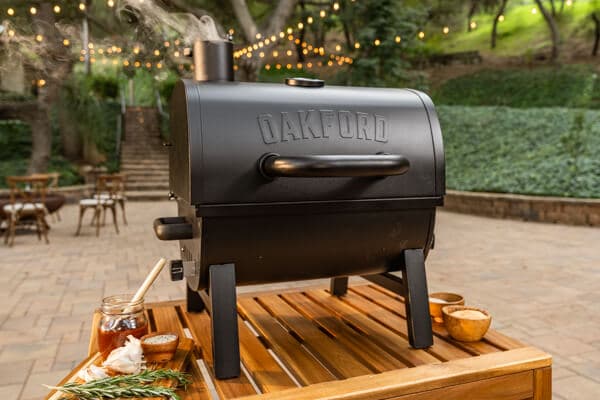
We differentiate ourselves through smart grilling products like the Oakford smart pellet grill, including app-connected cooking controls and modern outdoor cooking technology.

Expert tips, buying guides, comparisons, and inspiration for choosing and getting the most out of your grill.

Practical guides for cleaning, maintenance, common grill issues, and performance optimization.

Step-by-step grilling recipes, cooking techniques, and meal ideas for every occasion and skill level.

Backyard entertaining ideas, seasonal grilling inspiration, and stories that celebrate outdoor cooking culture.

Helpful articles covering grilling tools, cookware, maintenance gear, and must-have accessories for outdoor cooking.

Find griddle recipes, cooking techniques, cleaning tips, and outdoor meal ideas designed for Nexgrill griddles.
Find answers to common questions
Gas grills provide instant heat and precise temperature control, making them easier to use. Charcoal grills offer a smoky flavor and high heat for searing but require more time to heat up and manage.
Pellet grills combine the convenience of gas with the flavor of wood, allowing for smoking, baking, and grilling. Traditional gas grills, however, are quicker to start and often easier to clean.
Charcoal grills typically reach higher temperatures quicker than gas grills, making them better for searing meat. However, high-quality gas grills can also provide adequate heat for effective searing.
Nexgrill offers models designed specifically for gas, charcoal, and pellets, allowing users to choose based on their cooking style and flavor preferences. Each type is built to optimize the characteristics of its respective fuel.
Choosing between gas and charcoal grills depends on your cooking preferences and lifestyle. If you value convenience and quick cooking, a gas grill may suit you better; if you prefer the taste and experience of traditional grilling, a charcoal grill would be ideal.
In This Article
Regular Cleaning
Monthly Deep Clean
Seasonal Tips
A grill maintenance schedule is less about keeping your equipment spotless and more about protecting the way it cooks. A well-timed routine helps you catch grease buildup before it affects flavor, spot burner problems before they become uneven heat, and preserve the finish and hardware through changing weather. For many grill owners, the real challenge is not knowing what to clean; it is knowing when each task belongs. That is why a season-by-season checklist works better than an occasional deep clean. It turns maintenance into a repeatable habit instead of a last-minute repair response.
Nexgrill’s brand approach centers on dependable, approachable outdoor cooking for real households and real schedules, not a polished showroom ideal. That perspective matters here because maintenance should fit the way people actually grill: quick weeknight cooking on gas, smoky weekend sessions on charcoal, or longer low-and-slow cooks on pellet models. The right schedule also needs to account for local conditions. A grill kept on a damp coastal patio, for example, needs more attention to corrosion and cover management than one stored in a dry inland backyard. A grill in the Upper Midwest may need a different winter routine than one used year-round in Southern California.
The most useful maintenance plan is one you can follow consistently: quick care after every cook, a deeper monthly reset, and seasonal adjustments based on heat, humidity, and storage conditions.
Core maintenance layers: after-use cleaning, monthly deep cleaning, and seasonal preparation
This schedule should be tailored to your grill type. Gas grills need burner, ignition, and grease-tray checks. Charcoal grills need ash removal and airflow care. Pellet grills need hopper attention, burn-pot cleaning, and moisture control. The goal is not to treat every grill the same, but to match the routine to the system that creates the heat. That is how you preserve cooking consistency and reduce wear over time.
The most valuable maintenance habit is also the fastest: clean a grill while it is still warm, but not dangerously hot. Residue is easier to remove before it hardens, and this small step keeps grease, ash, and food particles from building up into larger problems. For gas grills, that usually means brushing the grates, checking the grease tray, and giving the burners a visual look for obvious debris. For charcoal grills, it means emptying spent ash after it cools and clearing the firebox so airflow is not restricted. For pellet grills, it means brushing the grates, checking that the burn area is free of excess ash, and wiping away loose grease around accessible surfaces.
A quick after-use routine also improves cooking results. Clean grates release food more easily and sear more evenly. A grease tray that is not overflowing lowers the chance of flare-ups on your next cook. A charcoal grill that is not packed with ash pulls air more efficiently, which makes temperature control easier. A pellet grill that is cleared after each session starts the next cook with a more stable fire. These are small tasks, but they have a big effect on how a grill behaves day to day.
| Grill type | After-each-use task | Why it matters |
|---|---|---|
| Gas | Brush grates, inspect grease tray, glance at burners | Supports cleaner heat and reduces flare-up risk |
| Charcoal | Remove cooled ash, clear firebox, close vents as needed | Maintains airflow and prevents moisture-retaining residue |
| Pellet | Brush grates, clear ash from burn area, wipe grease | Helps ignition and preserves stable burn performance |
Do not hose down hot components. Let the grill cool enough to handle safely, then clean with the right tools for your surface and fuel type.
For households that grill several times a week, this after-use routine can take only a few minutes and still prevent most common buildup issues. Think of it as protecting your next cook while you finish the current one. If you often prepare sticky sauces, fatty cuts, or high-volume meals, this step becomes even more important because those foods create residue faster than a simple dry heat session.
Monthly deep cleaning is where a maintenance schedule moves from surface care to true performance care. This is the time to disassemble the parts you regularly cook over, inspect them more carefully, and remove buildup in places that are easy to miss during quick cleanups. On a gas grill, that often includes grates, flame tamers or heat shields, grease management components, and a close look at burner ports. On a charcoal grill, it usually means removing grates and grates supports, clearing the ash catcher area, and checking the bowl for caked-on residue. On a pellet grill, a monthly routine should include cleaning the burn pot, checking the firebox area, and emptying or vacuuming fine ash if the model and setup call for it.
This monthly work matters because grease and ash do not just look messy; they change how heat moves inside the grill. Grease can create hot spots or cause flare-ups. Ash can limit airflow. Food particles can carbonize and create off flavors. If your grill has stainless components, a monthly wipe-down also helps reduce staining before it becomes harder to remove. If you live in a humid region, this step is especially useful because moisture can combine with residue and accelerate corrosion or stickiness on surfaces and hardware.
| Monthly focus | What to check | Best for |
|---|---|---|
| Gas grill | Burner ports, grease tray, heat shields, igniter area | Even heating and dependable ignition |
| Charcoal grill | Ash buildup, vent movement, bowl residue, grate condition | Airflow control and cleaner smoke profile |
| Pellet grill | Burn pot, hopper condition, ash accumulation, grease path | Consistent startup and stable temperature management |
A practical monthly method is to clean from top to bottom: grates first, then internal shields or diffusers, then the catch system below, and finally the outside surfaces. That order keeps loosened debris from falling onto areas you already cleaned. If you use your grill heavily, or if you cook foods with marinades and sauces often, monthly deep cleaning may need to happen more frequently than once every four weeks. Heavy use is more important than the calendar. A grill used twice a week deserves more attention than one used once a month, even in the same climate.
If you notice uneven flame patterns, slow startups, or persistent smoke from residue rather than food, your monthly routine is overdue and should include a closer inspection.
Seasonal maintenance helps your grill adapt to what the weather is doing to it, not just what the food is doing on it. Spring can bring a long idle period to an end, summer can expose the grill to heavy use and high temperatures, fall can leave behind residue from a busy season, and winter can introduce moisture, snow, cold starts, and storage challenges. A seasonal checklist gives each of those moments a different set of priorities so the grill is ready when you need it.
For gas grills, seasonal care often means inspecting hoses, connections, igniters, and burner openings as the weather changes. For charcoal grills, it means making sure vents still move freely and that the body is not holding damp ash or debris. For pellet grills, seasonal readiness also means checking the hopper for clean, dry fuel and making sure pellets have not absorbed moisture during storage. In coastal or rainy environments, seasonal cleaning may need to be more frequent because salt air and humidity can accelerate corrosion. In dry climates, dust can become the bigger issue, especially around lids, vents, and ignition systems.
A good seasonal routine includes a complete wipe-down of exterior surfaces, a deeper internal clean, a hardware check for loose fasteners, and a review of any accessories or covers you use. If the grill stays outdoors year-round, inspect the protective cover itself. A cover that traps moisture or no longer fits snugly may protect against dust but still allow dampness to sit against the finish. That tradeoff matters, especially during long wet periods.
For many U.S. households, seasonal maintenance is the best time to reset the grill before the months when it will be used the most. In practice, that means spring startup and fall shutdown are the two most important checkpoints. Try comparing two products side by side below to see which fits best:
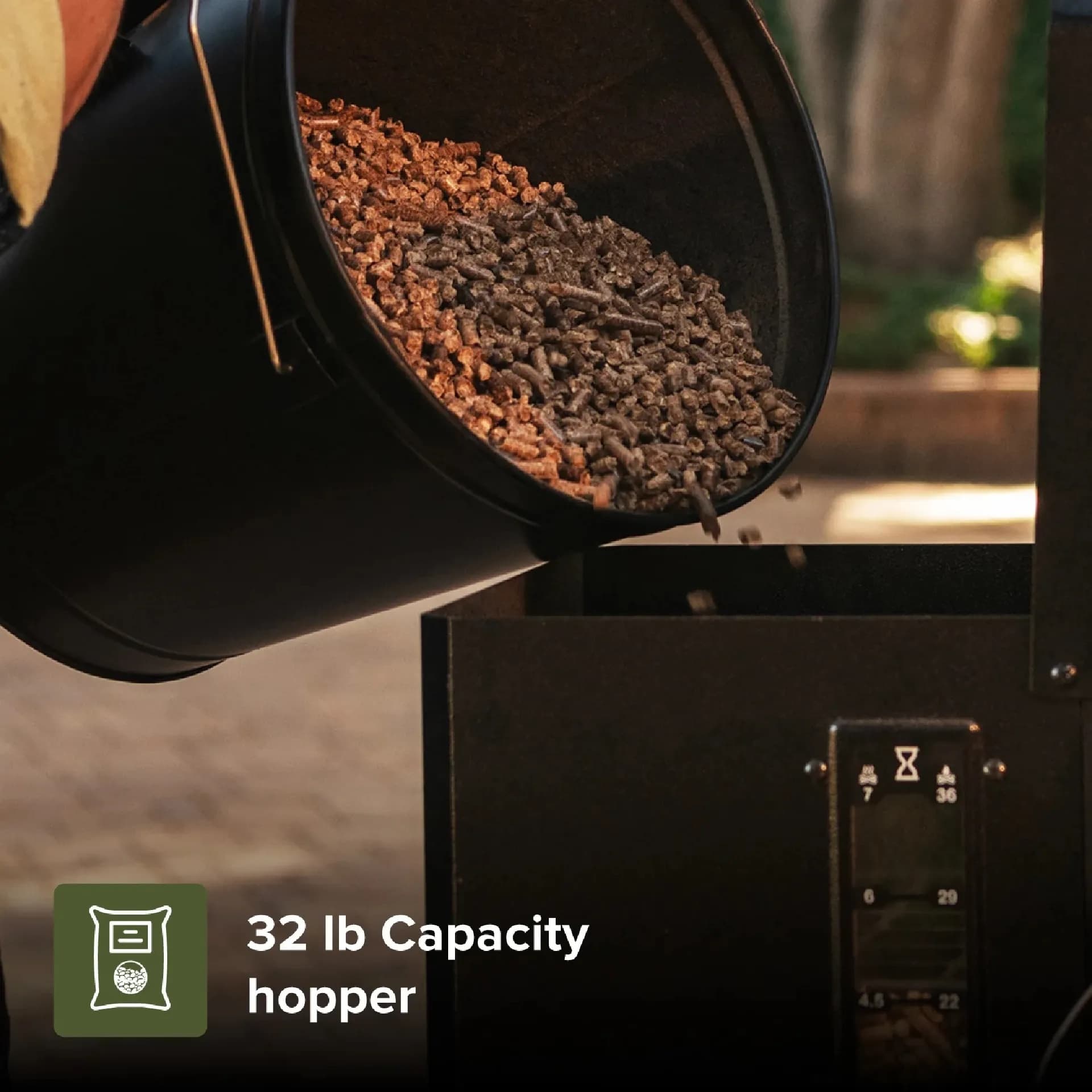
Once you've weighed two options against each other, here's what else matters when the weather warms up: spring startup is the moment to make your grill prove it is ready for another season of work. After months of lighter use, storage, or exposure to cold and moisture, the first startup should be treated like a reset, not a casual light-up. Begin by removing the cover, checking for visible dust, insect nesting, rust spots, or water intrusion, and then cleaning every accessible surface before your first cook. That includes the grates, inside lid, drip path, and any removable trays or pans. For gas grills, inspect hoses and connections, and confirm that burners ignite evenly. For charcoal grills, make sure vents move smoothly and that leftover ash is fully removed. For pellet grills, inspect the hopper, fire pot, and pellets to make sure everything is dry and free-flowing.
Spring is also the best time to evaluate whether your maintenance from last year actually worked. If the grill started unevenly, heated slowly, or developed rust in one area, that is a signal to look at storage conditions, not just the part itself. A grill kept under trees may need more frequent cleaning because pollen and sap can collect on lids and surfaces. A grill on a humid patio may need extra attention to exterior hardware and the underside of the body where condensation collects. If your region has a dramatic temperature swing between day and night, look for moisture inside covered areas before the first use. That small habit can prevent premature wear.
Spring startup is the best time to catch hidden issues, because you can solve them before peak grilling weekends begin.
This is also the right time to restock simple maintenance supplies: grill brush, microfiber cloths, degreasing cleaner appropriate for your surfaces, spare drip liners if your grill uses them, and fresh fuel or pellets stored in a dry area. If you cook with charcoal, verify that your charcoal storage location has stayed dry through the off-season. If you cook with pellets, moisture control is even more important because damp pellets can affect feeding and ignition. The aim is not only to make the grill look clean, but to reduce friction the first time you rely on it for a meal.
Summer usually brings the heaviest grilling load, and maintenance during this period should focus on preventing buildup from turning into performance loss. When the grill is used often, short cleaning cycles are more effective than waiting for a full breakdown. After each cook, remove residue. Weekly, wipe external surfaces and check grease handling areas. Monthly, look deeper into burners, heat shields, ash collection, or pellet airflow pathways. The hotter and more frequent your cooks become, the more important it is to keep the grill from accumulating residue that can alter flavor or create uneven temperatures.
This season also exposes a grill to intense sun, sudden rain, and more frequent lid openings. On a gas grill, that can mean greater wear on exposed igniters and more attention to valve cleanliness. On a charcoal grill, repeated high-heat cooking may leave carbonized residue around the bowl and grates that should be removed before it hardens. On a pellet grill, summer humidity can still affect stored pellets, and long smoking sessions can load the grease path more quickly than a short sear session. If you host frequently, it helps to build a standing routine: clean the cooking surface after use, inspect the grease path before the next cook, and do a more complete inside wipe-down every few sessions.
| Summer issue | Likely cause | Best maintenance response |
|---|---|---|
| Hot spots or uneven cooking | Blocked burners, residue, or airflow restriction | Clean burners, grates, and heat distribution parts |
| Excess smoke from drips | Full grease tray or sticky drip path | Empty and wipe grease management components |
| Startup difficulty on pellet grills | Moist pellets or ash in the burn area | Replace pellets and clear the fire pot |
Another summer consideration is convenience. Because grills are used more often, the best maintenance system is one that is easy to repeat without turning every cook into a project. Keep tools near the grill, maintain a dry storage spot for replacement parts and fuel, and set a reminder for your monthly deep clean. The maintenance schedule should support the season, not fight it. If you make summer care efficient, you are more likely to keep up with it through the busiest months of the year.
In high-use months, grease management is not optional. Emptying trays and wiping drip zones consistently is one of the simplest ways to avoid bigger problems later.
Fall is the ideal time to evaluate your grill after the busiest part of the year has passed. Instead of waiting for spring to discover what summer wear left behind, use the fall inspection to clean more thoroughly, document any needed repairs, and prepare the unit for colder, wetter, or less frequent use. This is especially helpful if your grill stays outside through winter. A fall reset gives you a chance to remove soot, ash, grease, and food residue before they sit through months of damp air or temperature swings.
For gas grills, inspect the burners, ignition system, and grease management components before the weather turns cold enough to discourage routine use. For charcoal grills, remove every trace of ash and confirm that the body is dry before storage. For pellet grills, empty leftover pellets if they are likely to sit in a damp environment, because long storage can affect feeding performance later. Fall is also a good time to look at accessories: cooking grates, thermometer probes, drip pans, and protective covers. If any part has become warped, heavily stained, or hard to clean, replacing it before winter can make spring startup easier.
The maintenance focus in fall should be on condition and readiness. What parts still function properly? Which parts are showing early signs of wear? Is moisture collecting anywhere it should not? Does the lid seal properly? Are wheels, hinges, and moving parts still smooth? Answering these questions now is simpler than after the grill has sat unused for months. This is also a good time to check that the cover you plan to use is clean and dry before putting it back on, because trapping moisture against the grill can be worse than leaving a dry unit uncovered for a short period in ideal conditions.
Winterizing is not only for snow-heavy states. Any region that sees reduced use, prolonged rain, freezing temperatures, or high overnight humidity can benefit from a clear off-season routine. The first priority is complete cleaning. Remove grease, ash, and food residue so those materials do not sit on surfaces for months. The second priority is dryness. Moisture trapped inside or under a cover is one of the most common causes of unpleasant surprises when a grill comes back into service. Let internal components dry completely before storage, and confirm that removable parts are not holding water in seams or crevices.
For gas grills, disconnect and store fuel safely according to the equipment and fuel provider instructions, then close the unit in a way that keeps moisture and debris out. For charcoal grills, make sure the ash system is empty and the vents are open enough to avoid trapping damp air. For pellet grills, remove or protect pellets so they do not absorb moisture during the off-season. If you live in an area with a freeze-thaw cycle, take extra care around rubber, plastic, and lighter-weight accessory parts because repeated temperature shifts can stress them over time. In salty or coastal air, even winter storage benefits from occasional check-ins; a quick visual inspection mid-season can catch corrosion or standing water before it becomes significant.
The best winter storage is dry, covered, and inspected once in a while. A grill that sleeps through the off-season without trapped moisture will usually wake up cleaner and easier to use.
If your grill remains outdoors, keep the cover secure but breathable enough to avoid holding condensation against the finish. If it is stored in a garage or shed, make sure the space is free from standing moisture and that the grill is not pressed against chemicals, lawn equipment, or sharp objects that can damage the body or accessories. A careful winter routine is one of the simplest ways to extend useful life without overcomplicating ownership. It is also the best way to make spring startup feel easy instead of like a repair project.
Here's what sets us apart
We position ourselves as delivering high-end outdoor cooking features and performance without premium-brand pricing, emphasizing “Quality Grills. Unbelievable Value.”
We offer gas grills, pellet grills, griddles, smokers, pizza ovens, portable/tabletop grills, electric grills, accessories, and replacement parts — allowing customers to stay within one ecosystem for all outdoor cooking needs.
We differentiate ourselves through smart grilling products like the Oakford smart pellet grill, including app-connected cooking controls and modern outdoor cooking technology.
Don't just take our word for it
Keep reading
From our catalog