A comprehensive analysis to help you choose the most economical outdoor heating solution.

Here's what sets us apart from the competition
We position ourselves as delivering high-end outdoor cooking features and performance without premium-brand pricing, emphasizing “Quality Grills. Unbelievable Value.”
We offer gas grills, pellet grills, griddles, smokers, pizza ovens, portable/tabletop grills, electric grills, accessories, and replacement parts — allowing customers to stay within one ecosystem for all outdoor cooking needs.
We differentiate ourselves through smart grilling products like the Oakford smart pellet grill, including app-connected cooking controls and modern outdoor cooking technology.
Expert tips, buying guides, comparisons, and inspiration for choosing and getting the most out of your grill.
Practical guides for cleaning, maintenance, common grill issues, and performance optimization.
Step-by-step grilling recipes, cooking techniques, and meal ideas for every occasion and skill level.

Backyard entertaining ideas, seasonal grilling inspiration, and stories that celebrate outdoor cooking culture.
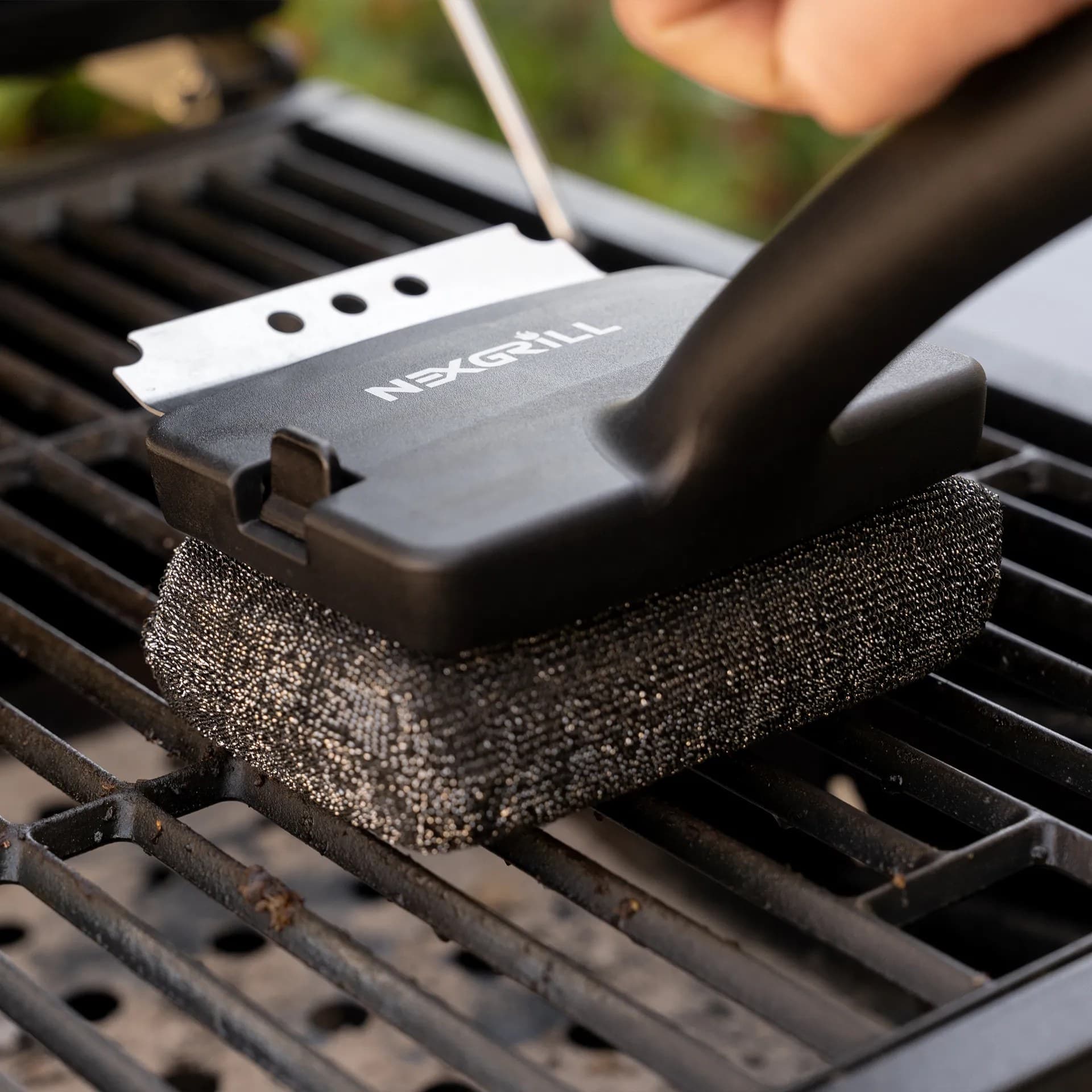
Helpful articles covering grilling tools, cookware, maintenance gear, and must-have accessories for outdoor cooking.
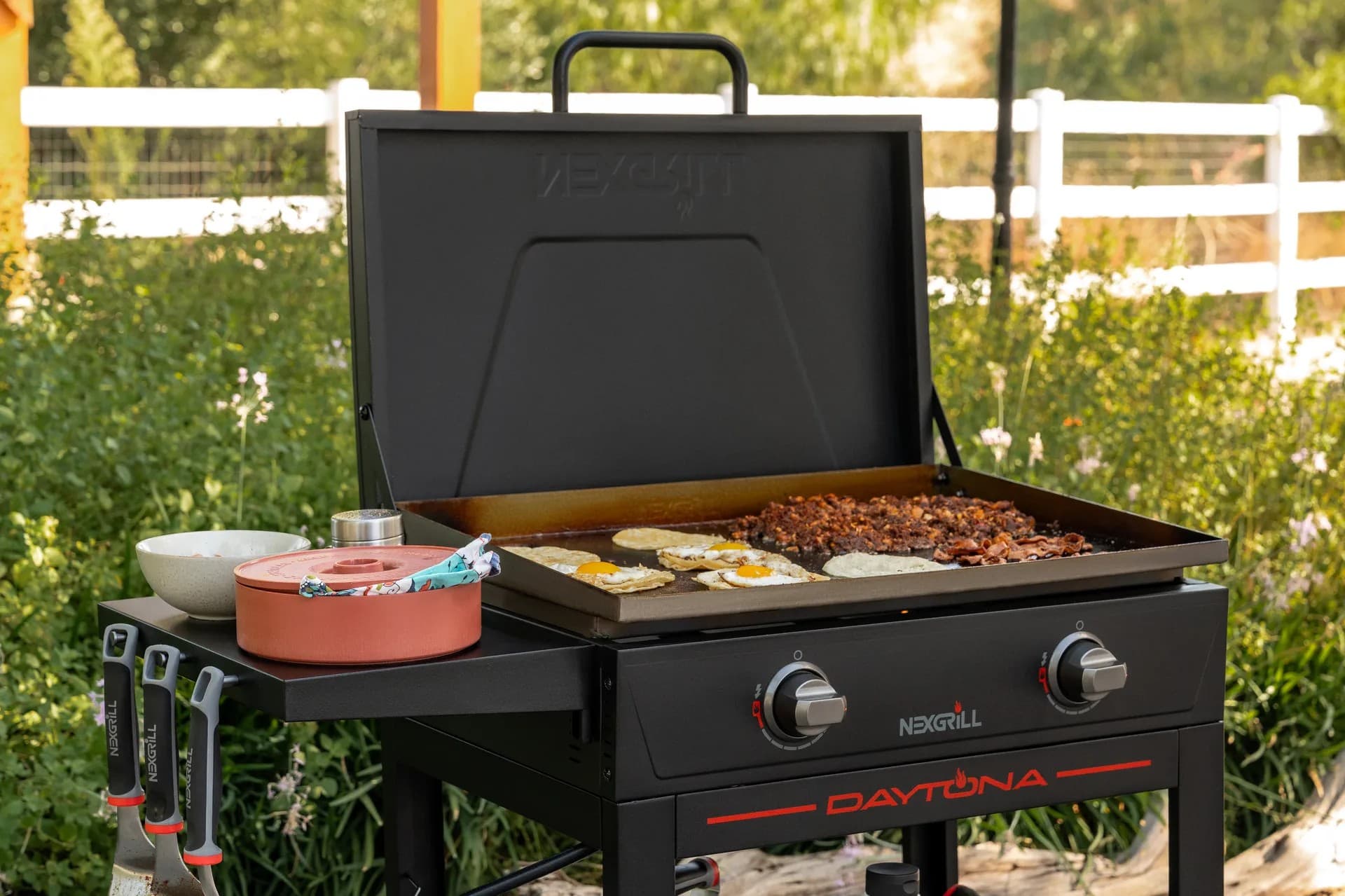
Find griddle recipes, cooking techniques, cleaning tips, and outdoor meal ideas designed for Nexgrill griddles.
Find answers to common questions
Nexgrill offers a variety of grills including gas, charcoal, and pellet grills, catering to different cooking preferences and styles.
Nexgrill is headquartered in California and serves a global market, primarily through retail partnerships such as Home Depot.
Yes, replacement parts are available for various Nexgrill products, and you can find them on the Nexgrill website or through authorized retail partners.
You can reach out to Nexgrill for support through their contact page on the website, where you will find options for phone and email inquiries.
Nexgrill products come with specific warranty terms, which can vary by product; it is recommended to check the warranty details on the product page or in the user manual.
In This Article
Initial Investment
Operating Expenses
Maintenance Costs
When people compare patio heaters and fire pits, they usually start with the obvious question: which one costs less to buy? That is useful, but it is only the first layer of the decision. The more practical question is which option gives you the most usable heat, the least friction, and the lowest total ownership cost over the kind of evenings you actually host. A piece of outdoor heating equipment can look inexpensive on the shelf and still become costly once you factor in fuel, cleaning, replacement parts, and how often you can safely use it. That is why a cost-effectiveness comparison has to look at the full life of the product, not just the checkout price.
For many U.S. homeowners, the choice comes down to lifestyle. If you want to extend a dinner on the deck by an hour or two, a patio heater may be the more efficient spend because it directs warmth where people are seated. If your idea of an outdoor gathering includes a long evening of conversation, marshmallows, and a visible flame, a fire pit may feel like better value because it doubles as ambiance and a heat source. Nexgrill’s brand perspective around togetherness matters here: the best choice is the one that makes it easier for people to gather comfortably without buying more heating than you will realistically use. Nexgrill describes its outdoor cooking and gathering philosophy as inclusive and community-focused, which aligns well with making a purchase based on actual use rather than hype .
To keep the comparison grounded, this guide treats cost-effectiveness as a combination of four factors: initial purchase price, ongoing operating cost, maintenance burden, and the practical value you receive in return. That framing matters because a lower-cost product can be less cost-effective if it is used less often, requires more cleanup, or burns more fuel than expected. Likewise, a higher-priced item can be the smarter buy if it lasts longer, is easier to live with, and better matches the way you entertain.
Cost factors that matter most: purchase price, fuel, upkeep, and usable comfort.
Up-front pricing is where the comparison feels clearest, and in many cases the fire pit wins on entry cost. A simple wood-burning fire pit can be purchased at a relatively modest price point, especially if you are willing to keep the design basic and handle your own fuel. Even gas fire pits can be priced competitively when compared with taller propane patio heaters that include ignition systems, reflectors, and more substantial metal construction. The catch is that the cheapest option is not always the one with the best value for a specific backyard.
Patio heaters often cost more at the start because they are engineered to push warmth into a defined sitting area. Freestanding propane heaters, in particular, use a taller frame, fuel tank housing, and burner assembly that are designed to deliver directed heat above the table or seating circle. That added structure tends to increase price. In return, the heater usually gives you a more predictable comfort zone for dining and conversation, especially when the goal is to warm people instead of the whole patio. Fire pits, by contrast, are often chosen because they create a focal point first and a heating solution second. Their lower purchase price can make sense if you already want a gathering centerpiece and do not need precise heat direction.
The cost difference becomes more meaningful when you look at the use case. A compact backyard setup for two to four people may not justify a larger propane patio heater if a smaller fire pit will serve the same number of guests for less money. On the other hand, a family that hosts regular outdoor dinners may find a patio heater more cost-effective because it reduces the temptation to overbuy a large decorative fire feature that burns more fuel than needed. For shoppers trying to keep the decision objective, it helps to compare price against the number of evenings the product will actually be used, not just the look of the device in the showroom.
| Up-front factor | Patio heater | Fire pit |
|---|---|---|
| Typical entry cost | Usually higher because of tall frame, burner, and reflector assembly | Often lower, especially for basic wood-burning models |
| Installation complexity | Generally straightforward, but needs stable placement and fuel setup | Can be simple, but permanent gas setups may add cost |
| Value at entry level | Best when targeted warmth matters more than atmosphere | Best when ambiance and lower entry price matter most |
If your priority is the lowest possible purchase price, a fire pit is usually the easier entry point. If your priority is heating guests efficiently around a dining table or conversation zone, a patio heater can justify its higher cost more quickly. The right answer depends on whether you value atmosphere or directed comfort more on an average night.
Operating cost is where the long-term math becomes more nuanced. Patio heaters and fire pits can both run on propane, but they use fuel differently. A patio heater is designed to throw heat upward and outward from a relatively tall position, which can make it feel efficient in a small or medium seating area. However, propane models can consume fuel steadily during a long evening, and if you use the heater often, those refills add up. Electric patio heaters, where available, shift the equation again by trading fuel purchases for electricity costs, which can be easier to budget but less portable. For this article’s comparison, the main practical point is that directed heat usually costs more per unit of runtime than a small decorative flame that is used for ambiance as much as warmth.
Fire pits can be cheaper or more expensive to run depending on fuel type and habits. A wood-burning fire pit may seem economical if firewood is readily available, but the true operating cost includes not only wood purchases but also the time spent sourcing, storing, splitting, or stacking fuel. Gas fire pits are easier to start and control, yet they can become expensive if you keep them running at a high output for many evenings. In other words, the cheapest fuel source is not automatically the cheapest way to heat a patio because convenience has value too. The more often you host, the more important it becomes to estimate how much fuel you actually burn per session and whether the heat is reaching the people who need it.
If you only use outdoor heat for short gatherings, fuel efficiency matters less than warm-up speed and control. If you host frequently, recurring fuel purchases should weigh heavily in the decision.
A practical U.S. household example makes the trade-off clearer. Suppose you host one or two evenings a week in fall and want everyone comfortable for about two hours. A patio heater may cost more up front but can give you a consistent comfort radius with fewer worries about smoke, ash, or flame height changes. A fire pit may cost less at the register, but wood or propane consumption plus cleanup can turn the lower entry price into only a modest savings over the season. For shoppers who think in terms of seasonal budgets, the better question is how many nights of use justify the fuel bill, not which item has the lower sticker.
Maintenance is one of the most underrated parts of cost-effectiveness because it affects both money and time. Patio heaters are generally easier to maintain than fire pits. A propane patio heater usually needs periodic inspection of the burner, ignition system, base, and fuel connections, but day-to-day cleanup is light. You are mostly dealing with dust, occasional debris, and safe storage. That means fewer consumables and less post-use labor. For many homeowners, that simplicity is a real economic advantage because time spent cleaning is still a cost, even if it does not show up on a receipt.
Fire pits usually demand more regular attention. Wood-burning models need ash removal, grate cleaning if included, and routine checks for rust or material wear after exposure to heat and weather. Gas fire pits reduce some of that labor, but they still accumulate residue and may need more frequent surface cleaning than a patio heater. If the fire pit is left uncovered or used in wet weather, the chance of corrosion or staining rises. That can translate into replacement parts or a shorter service life, both of which affect the true cost of ownership. A fire pit may still be the smarter buy if you value the experience highly enough, but the maintenance burden should not be ignored.
A simple way to compare maintenance is to think in terms of effort per season. A patio heater usually rewards the owner who wants quick setup, quick shutdown, and minimal cleanup. A fire pit rewards the owner who enjoys the ritual of tending the flame and does not mind regular ash disposal or surface care. Neither is inherently better; they simply distribute cost differently. The real savings come from choosing the product that matches your tolerance for upkeep, because neglected equipment loses value quickly.
Environmental impact is not just a separate ethics question; it is also part of cost-effectiveness because fuel consumption and cleanup waste can shape how sustainably you use the product over time. Wood-burning fire pits create the strongest sensory experience, but they also generate smoke, ash, and particulate emissions that can matter in dense neighborhoods or during fire-restricted periods. From a practical standpoint, that can limit how often you use the fire pit, which lowers its value per purchase. If a backyard feature sits idle because smoke is bothersome to neighbors or guests, it is not cost-effective no matter how low the initial price was.
Patio heaters, especially propane models, do not produce ash and often feel cleaner to use, but they still rely on fuel that must be purchased and transported. Their environmental footprint is tied more to energy use than to visible smoke. Gas fire pits occupy a middle ground: they are generally cleaner than wood-burning versions but still consume fossil fuel. In a suburban U.S. setting, the most environmentally practical choice is often the one you can use reliably and sparingly. A heater that warms people efficiently for a shorter time may be more efficient than a fire pit that burns longer for atmosphere alone.
Environmental cost and dollar cost often move together: the more fuel you burn to get the same comfort, the less efficient the setup tends to be in both senses.
Safety has a direct financial impact because accidents can lead to damaged surfaces, missed use, or replacement purchases. Patio heaters typically offer a more contained heat source when used correctly, especially in open spaces with proper clearance. Their main cost-related advantage is control: if the heater is positioned well, it can warm guests without requiring an open flame at ground level. That reduces some of the common cleanup and monitoring burdens associated with fire pits. Still, the unit must be stable, away from combustibles, and used according to the manufacturer’s directions.
Fire pits demand closer attention because embers, sparks, and hot surfaces can create more opportunities for damage or injury. That does not make them a poor value, but it does mean the owner should account for extras such as fire tools, spark screens, heat-resistant pads, or more careful site preparation. Those items may be small expenses individually, yet together they can narrow the price gap between a fire pit and a patio heater. In neighborhoods with smaller patios or stricter surface protection needs, the safer and more controlled option may actually be the more economical one over time.
From a buyer’s perspective, the cost-effective choice is the one that fits the space without introducing avoidable risk. If you are heating a conversation area close to siding, furniture, or a low deck railing, a patio heater may require more careful planning but can also keep the heat source elevated and more predictable. If you have a dedicated fire zone with noncombustible clearance and enjoy the ritual of tending a flame, a fire pit can be a strong value. The key is to compare not just device price, but the additional spending needed to use it safely in your specific yard.
The most cost-effective choice is not the same for every buyer. A fire pit usually wins on initial purchase price and can deliver strong lifestyle value if you care about atmosphere and have a setup that can handle the open flame. A patio heater often wins on ease of use, directed warmth, and lower cleanup burden, which can make it the better long-term buy for frequent entertainers who want comfort without much hassle. If your goal is the lowest upfront spend, the fire pit usually has the advantage. If your goal is the best balance of usable heat, simplicity, and predictable ownership, a patio heater may deliver stronger value across the season. Try comparing two options side by side below to see which fits best:
Once you've weighed two options against each other, the next question is not which one looks better on the patio, but which one earns its keep over time. That is the real meaning of cost-effectiveness. For outdoor heating, the smartest purchase is the one that matches how you gather, how often you gather, and how much effort you want to spend keeping the unit ready. Nexgrill’s broader brand message centers on bringing people together in a way that feels welcoming and practical, which is a useful lens here: the right heater is the one that gets used, not the one that merely photographs well.
Because patio heaters and fire pits solve slightly different problems, a fair comparison has to look beyond the purchase price. Patio heaters are built to direct warmth toward seated guests; fire pits are often bought for the experience of a visible flame plus heat. That distinction affects not only what you pay at checkout, but how long you use the product, what fuel you buy, and how much cleanup you face afterward. In a U.S. backyard setting, those follow-on costs can matter more than the initial difference. If a product sits unused because it is inconvenient or smoky, then its low price is irrelevant.
For most buyers, fire pits are still the more affordable way to get started. A basic wood-burning model can be a relatively low-cost purchase, and even a simple gas fire pit can undercut a tall patio heater depending on materials and design. That low entry point is a big reason fire pits remain popular: they feel like a complete backyard upgrade without requiring a large budget. However, you should not equate low price with high value automatically. A fire pit that looks inexpensive may still require additional purchases such as a spark screen, cover, or base protection depending on the surface where it will sit.
Patio heaters generally ask for a larger upfront budget because they are purpose-built appliances. Freestanding propane models need a robust frame, burner head, reflector, and fuel housing, all of which add to the manufacturing cost. You are paying for a system that is meant to warm people in a specific zone rather than create a campfire-like centerpiece. That design is not just a feature; it is part of the economic equation. If you frequently host dinner parties or want guests to stay comfortable at a table after sunset, paying more up front can be reasonable because the heater solves a more specific problem with less fuss.
| Buyer scenario | Usually the lower-cost start | Why it matters |
|---|---|---|
| Occasional ambiance nights | Fire pit | Lower entry price is often enough for light use |
| Frequent dining on a deck | Patio heater | Directed heat can justify the extra purchase price |
| Small patio, limited budget | Fire pit, if space allows | Cheap only if you do not need added safety accessories |
Operating costs are where the better-value answer can change. A patio heater that runs on propane can be straightforward to use, but propane refills accumulate quickly if you use the unit often or keep it on a high setting. That said, patio heaters are also efficient in a different way: because the heat is directed toward people rather than spilled into a broad open space, the warmth can feel worthwhile even if the raw fuel use is not minimal. For a family that only needs a few hours of heat at a time, that targeted delivery can mean less wasted energy compared with a larger, more ambient flame source.
Fire pits come with their own operating patterns. A wood-burning fire pit may seem cheap to run if you have access to low-cost wood, but you are paying in other ways: ash disposal, smoke management, and more frequent cleaning of the burn area. Gas fire pits are more convenient, but they still require fuel and can become expensive if they are used as the default source of evening warmth. In practical terms, the cheaper operating option is usually the one you use less wastefully. If you burn fuel mainly to create atmosphere, you may be spending more per hour of actual comfort than a patio heater would cost.
A good rule of thumb is to think in seasonal terms. If you only want to extend a handful of autumn evenings, the recurring expense may stay low enough that either option feels economical. If you use outdoor heat frequently, however, the fuel type starts to matter more than the unit price. Propane costs, wood purchases, and refill logistics all become part of the true budget. For many households, a patio heater is the more predictable operating expense because it is designed around a narrower task: make a specific area feel warmer, faster, and with less ambient waste.
The most economical product is often the one that demands the least attention between uses, and this is where patio heaters usually have an edge. Their upkeep is generally limited to basic cleaning, periodic inspection, and safe storage. You do not have to remove ash after every evening, and you are less likely to deal with soot-covered accessories. That lower maintenance load is worth real money because it saves time and reduces the chance of small neglect becoming bigger repairs later.
Fire pits often require more hands-on care. Wood-burning models need ash removal and a cleaner burn area, while gas versions still need surface cleaning and weather protection. If moisture gets into the structure, rust and corrosion can shorten the product’s life. If you leave a fire pit uncovered through a wet season, the apparent bargain can turn into a replacement expense sooner than expected. Even a modest maintenance kit, cover, or replacement component becomes part of the total cost. That does not mean fire pits are fragile; it means they ask more from the owner.
If you want a lower-effort ownership experience, patio heaters usually cost less in time, cleanup, and routine attention even when the purchase price is higher.
Environmental considerations can affect both your operating cost and your real-world usage. Wood-burning fire pits create visible smoke and ash, which may limit when and how often you use them. In some neighborhoods, that can reduce the practical value of the product because guests may not appreciate smoke drifting toward seating areas. Gas fire pits and propane patio heaters avoid ash, but they still rely on fuel, so their environmental footprint is tied to how long and how often they run. The cleaner the burn and the shorter the runtime, the better the efficiency tends to be.
From a budget perspective, environmental impact also matters when the equipment encourages or discourages use. If a smoky fire pit means you only use it on perfect evenings, then you are spending money on a product with limited utility. If a patio heater lets you comfortably extend ordinary weeknight dinners, its fuel use may be easier to justify. In that sense, cost-effectiveness is not just a math exercise; it is a measure of how many enjoyable evenings you get for the money spent.
Safety has financial consequences because a safer setup is less likely to damage property, require emergency cleanup, or limit how often you feel comfortable using the unit. Patio heaters typically offer a more controlled heat source when they are used with proper clearance and stable placement. Their heat is elevated and directed, which can make them easier to position near a seating area without placing an open flame at ground level. That control can translate into fewer interruptions and less worry during a meal or gathering.
Fire pits can be safe and enjoyable, but they ask for more careful site selection and more active supervision. Embers, sparks, and hot surfaces can all create risk, and those risks may lead to extra purchases like screens, mats, or protective accessories. Those extras are part of the cost equation. If you need them to use the product confidently, they should be counted as part of the real price. For tighter patios or households with kids and pets, that added caution may make a patio heater the more cost-effective choice simply because it is easier to manage responsibly.
If the question is purely about lower upfront price, fire pits usually win. If the question is about the most economical overall ownership experience, patio heaters often have the advantage because they tend to be easier to maintain, more predictable to operate, and better at delivering focused warmth where people are actually sitting. The best value is the option you will use more often, with less frustration, and with fewer surprise costs over the season. For a simple, mood-first backyard, a fire pit can be the smarter bargain. For regular entertaining and a cleaner, more controlled heating zone, a patio heater often proves more cost-effective over time.
Here's what sets us apart
We position ourselves as delivering high-end outdoor cooking features and performance without premium-brand pricing, emphasizing “Quality Grills. Unbelievable Value.”
We offer gas grills, pellet grills, griddles, smokers, pizza ovens, portable/tabletop grills, electric grills, accessories, and replacement parts — allowing customers to stay within one ecosystem for all outdoor cooking needs.
We differentiate ourselves through smart grilling products like the Oakford smart pellet grill, including app-connected cooking controls and modern outdoor cooking technology.
Don't just take our word for it
Keep reading
From our catalog