A comprehensive guide to selecting the ideal outdoor heater for comfort and efficiency.
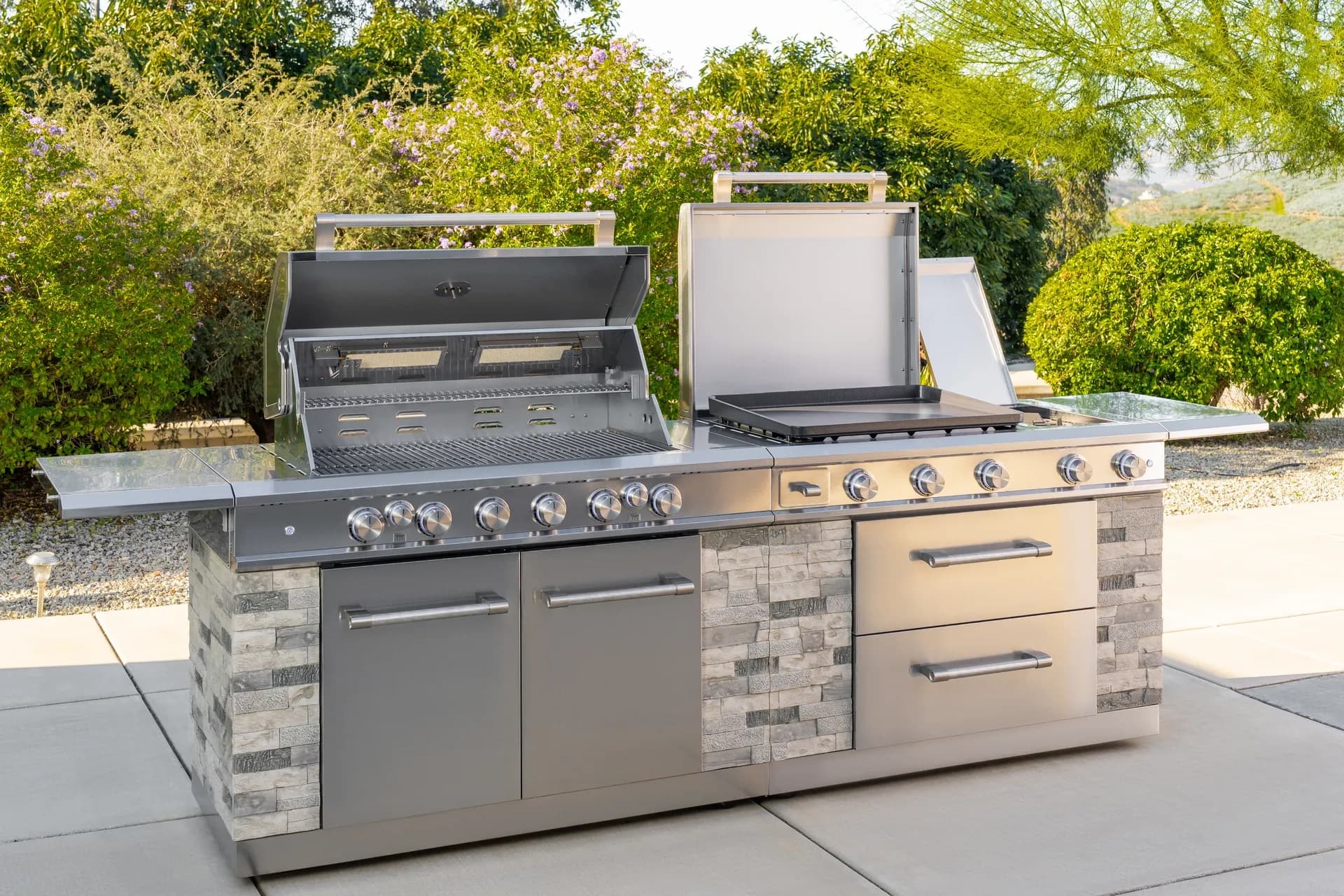
From sizzling breakfasts to smash burgers and teppanyaki-style dinners, the Daytona Pro 5 Burner NitroGuard™ Griddle delivers powerful heat, fast cooking, and a durable cooking surface built for every backyard cookout. Watch how easy outdoor cooking can be.
Here's what sets us apart from the competition
We position ourselves as delivering high-end outdoor cooking features and performance without premium-brand pricing, emphasizing “Quality Grills. Unbelievable Value.”
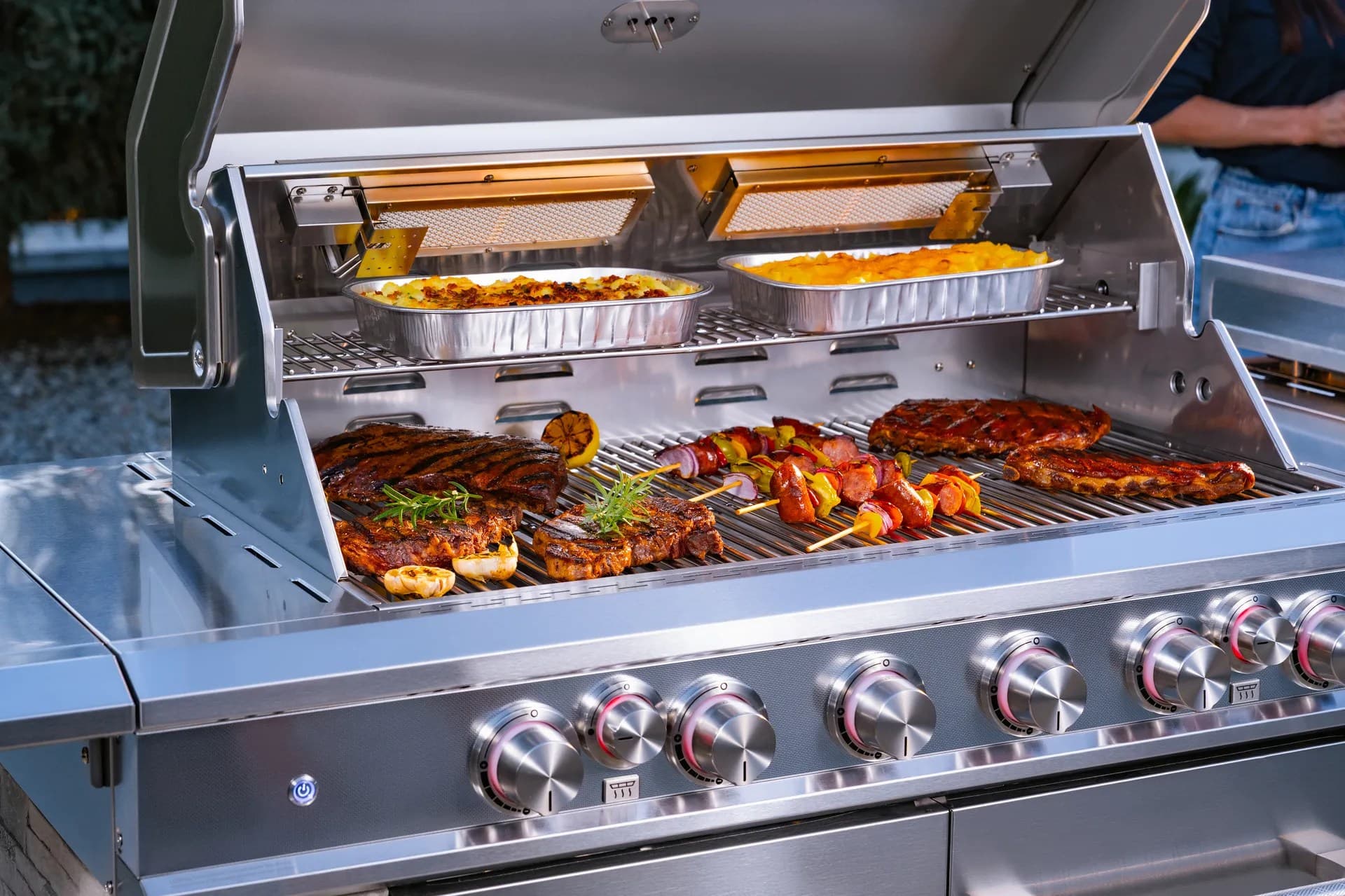
We offer gas grills, pellet grills, griddles, smokers, pizza ovens, portable/tabletop grills, electric grills, accessories, and replacement parts — allowing customers to stay within one ecosystem for all outdoor cooking needs.
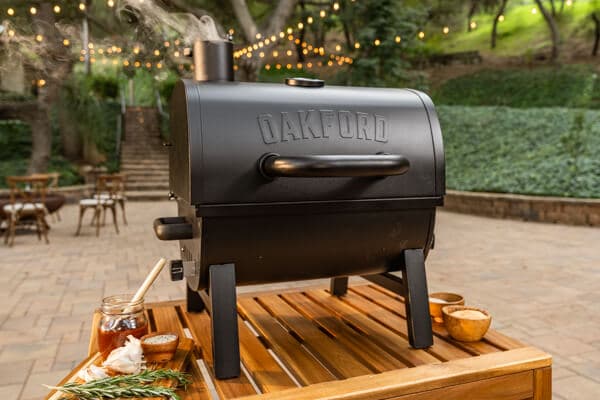
We differentiate ourselves through smart grilling products like the Oakford smart pellet grill, including app-connected cooking controls and modern outdoor cooking technology.
Expert tips, buying guides, comparisons, and inspiration for choosing and getting the most out of your grill.
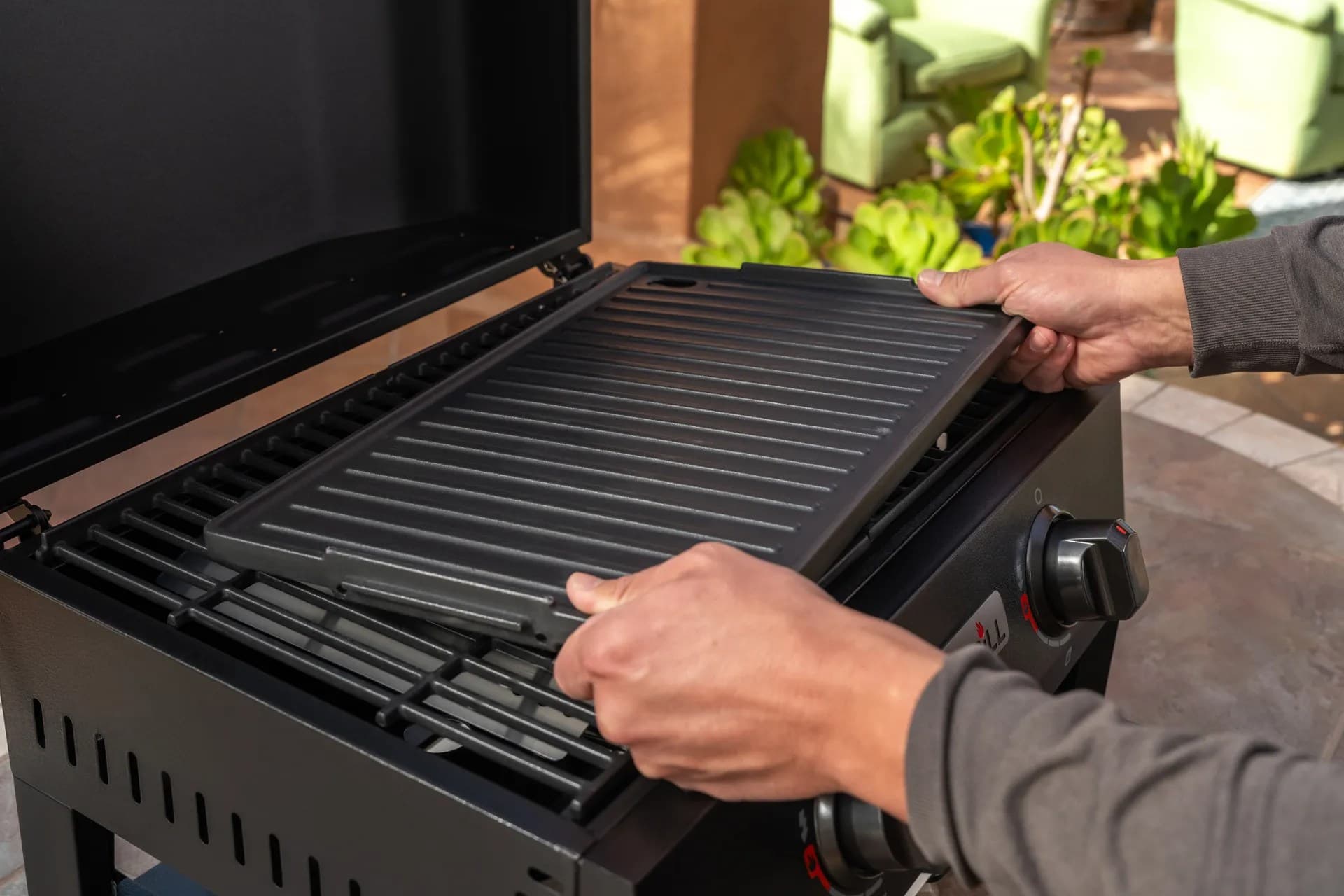
Practical guides for cleaning, maintenance, common grill issues, and performance optimization.
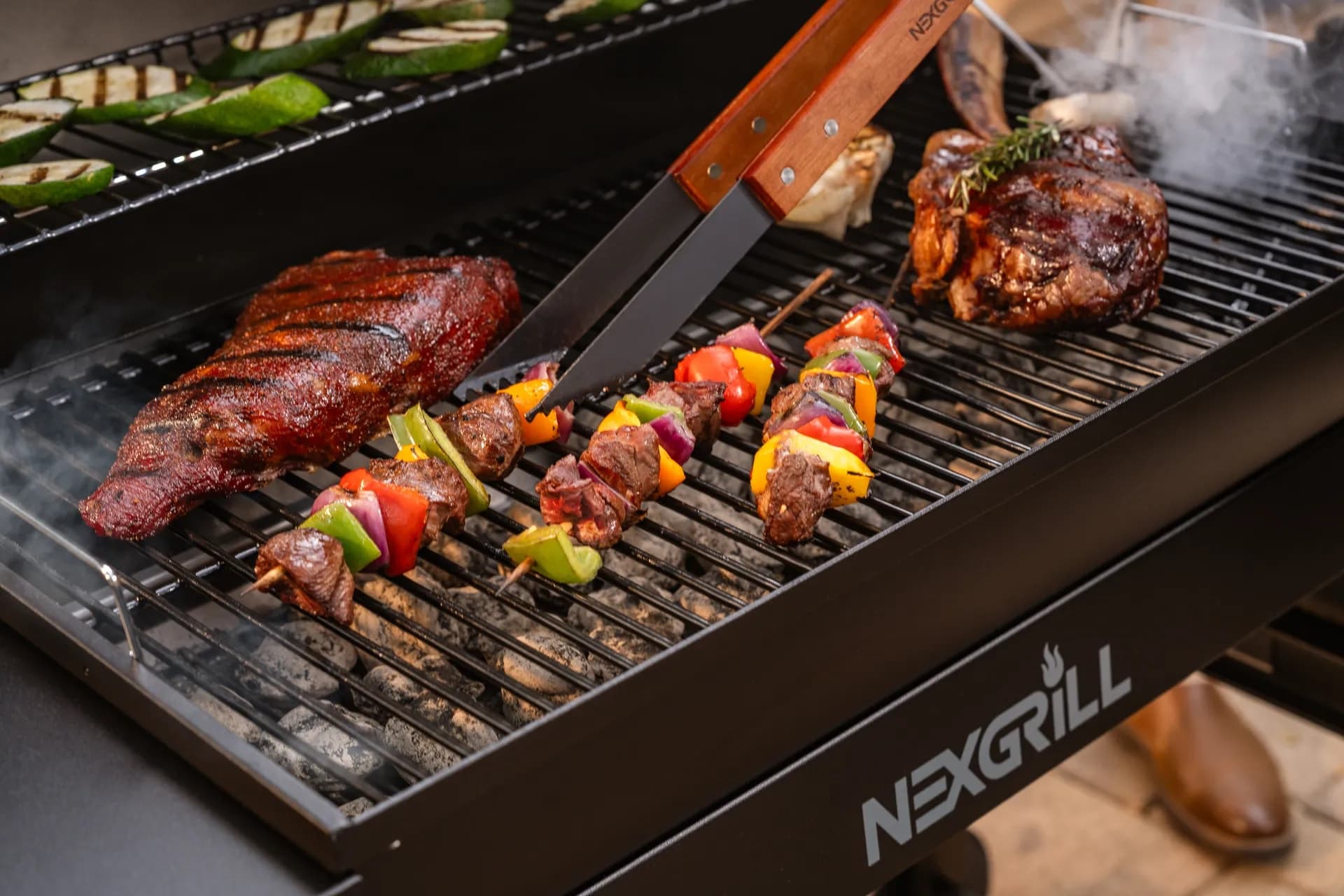
Step-by-step grilling recipes, cooking techniques, and meal ideas for every occasion and skill level.

Backyard entertaining ideas, seasonal grilling inspiration, and stories that celebrate outdoor cooking culture.
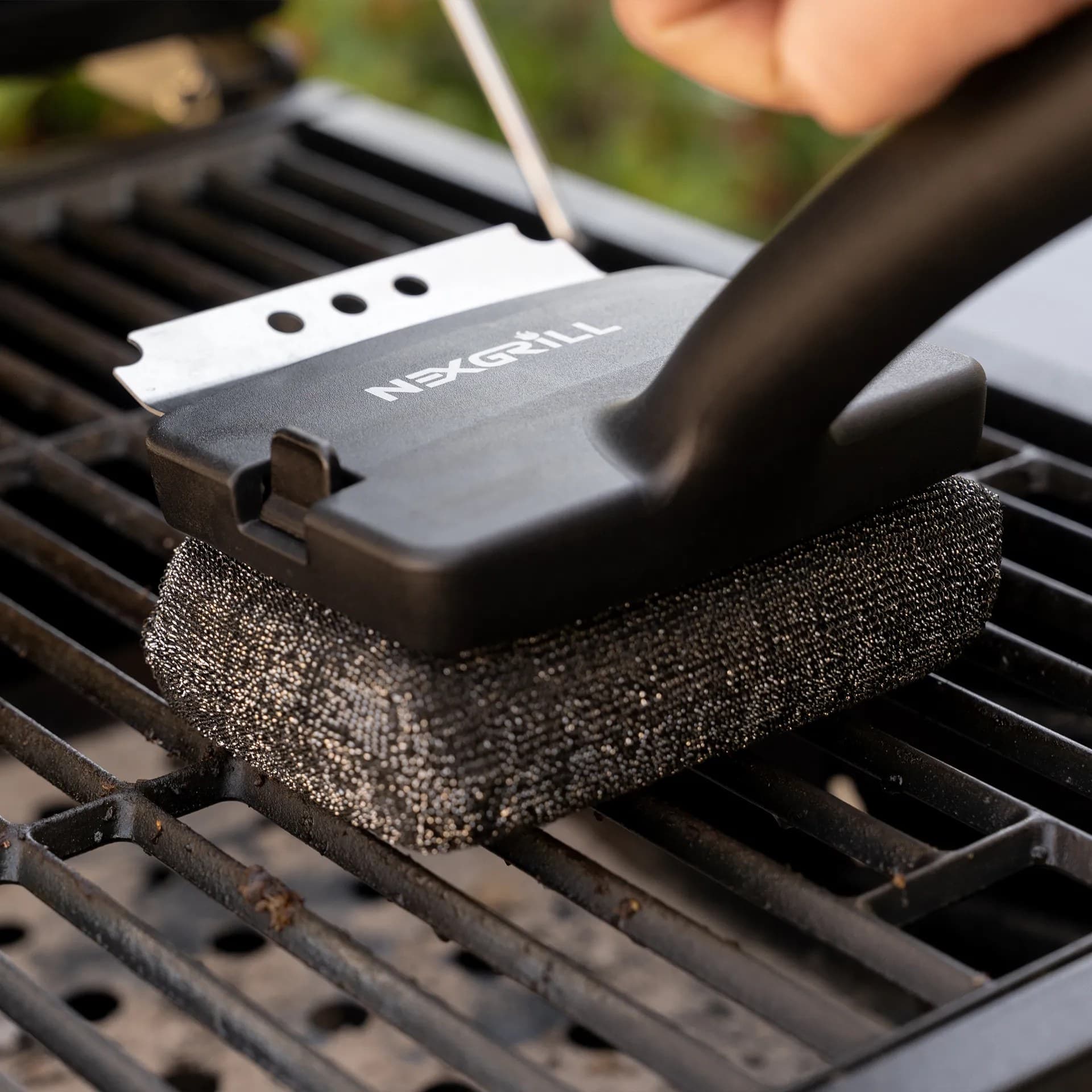
Helpful articles covering grilling tools, cookware, maintenance gear, and must-have accessories for outdoor cooking.
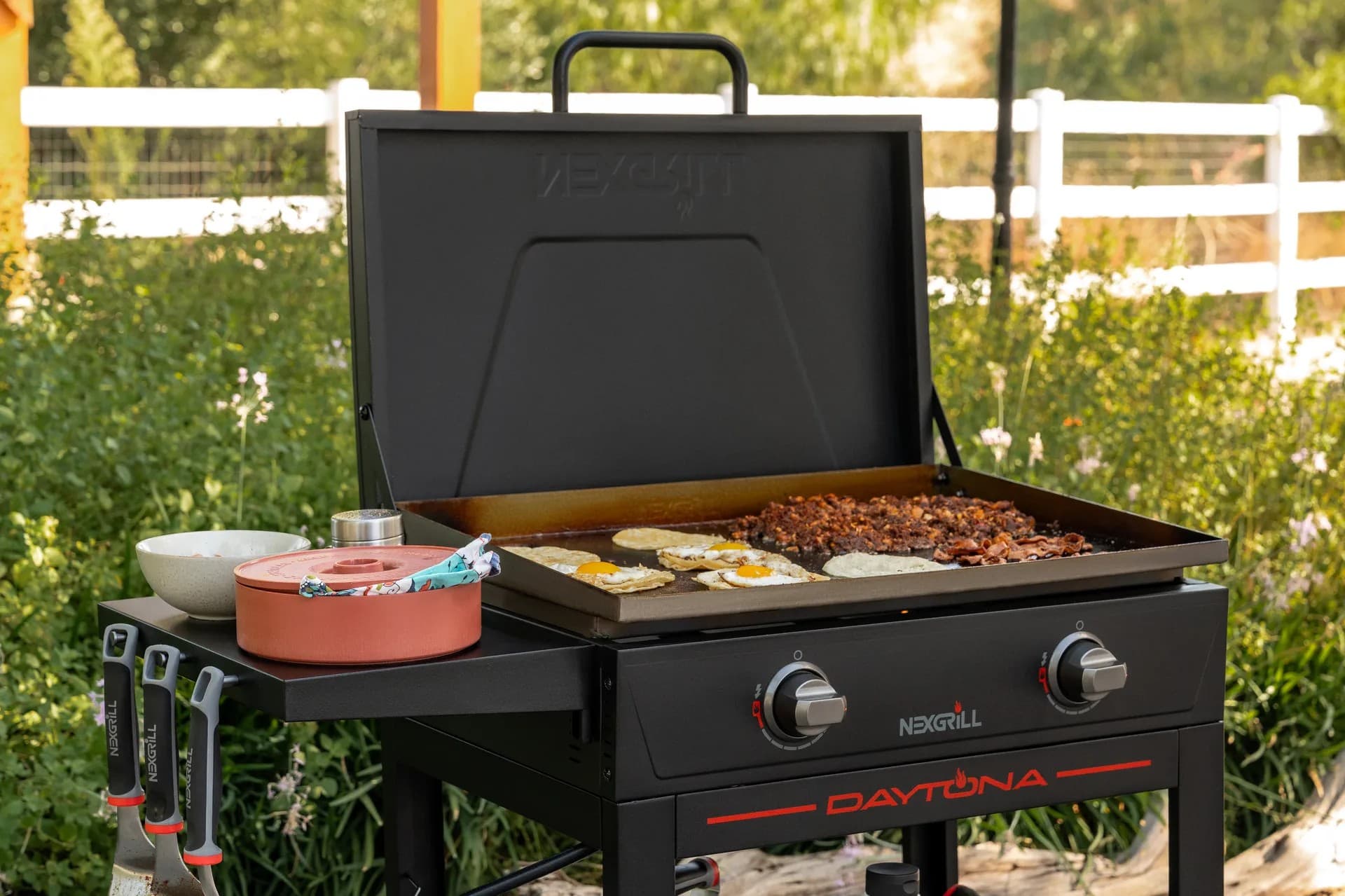
Find griddle recipes, cooking techniques, cleaning tips, and outdoor meal ideas designed for Nexgrill griddles.
Find answers to common questions
Gas grills provide instant heat and precise temperature control, making them easier to use. Charcoal grills offer a smoky flavor and high heat for searing but require more time to heat up and manage.
Pellet grills combine the convenience of gas with the flavor of wood, allowing for smoking, baking, and grilling. Traditional gas grills, however, are quicker to start and often easier to clean.
Charcoal grills typically reach higher temperatures quicker than gas grills, making them better for searing meat. However, high-quality gas grills can also provide adequate heat for effective searing.
Nexgrill offers models designed specifically for gas, charcoal, and pellets, allowing users to choose based on their cooking style and flavor preferences. Each type is built to optimize the characteristics of its respective fuel.
Choosing between gas and charcoal grills depends on your cooking preferences and lifestyle. If you value convenience and quick cooking, a gas grill may suit you better; if you prefer the taste and experience of traditional grilling, a charcoal grill would be ideal.
In This Article
Types of Outdoor Heaters
Energy Efficiency
Safety Considerations
Choosing the right outdoor heater begins with understanding the different types available in the market. Each type offers unique benefits and is suited for specific environments and uses. The three primary types of outdoor heaters are: propane, natural gas, and electric. Propane heaters are popular for their portability and ease of use, making them ideal for patios and areas without a direct gas line. Natural gas heaters, on the other hand, are more permanent solutions and are often used in spaces that have a natural gas line installed. Lastly, electric heaters offer an eco-friendly alternative and are perfect for enclosed spaces where ventilation could be an issue.
| Heater Type | Pros | Cons |
|---|---|---|
| Propane | Portable, Easy setup | Requires tank refills |
| Natural Gas | Cost-effective, Constant supply | Requires installation |
| Electric | Eco-friendly, No emissions | Higher energy costs |
Tip: Consider your outdoor space and heating needs to decide which heater type suits you best.
The heating capacity of an outdoor heater is crucial for ensuring comfort. Measured in British Thermal Units (BTUs), this figure indicates how much heat a heater can produce. For example, an average patio heater with 40,000 BTUs can effectively heat an area of approximately 20 feet in diameter. When choosing a heater, consider the size of the area you wish to heat and the typical weather conditions in your location.
In regions with colder climates, higher BTU models may be necessary to maintain warmth. Conversely, in milder climates, a lower BTU model may suffice. For instance, a 20,000 BTU electric heater might be perfect for a small, enclosed patio, while a 48,000 BTU propane heater would be better suited for an open deck space. Patio heaters can provide an effective solution for outdoor heating.
Warning: Avoid purchasing a heater with a BTU rating too low for your space, as it will have to work harder, reducing efficiency and increasing costs.
The design and material of an outdoor heater can significantly impact its performance and durability. Stainless steel heaters are particularly popular due to their rust-resistant properties and sleek design, making them suitable for various outdoor settings. Powder-coated steel is also a common choice, offering durability and resistance to harsh weather conditions.
When selecting a heater, consider the aesthetic and practical aspects. For instance, a tall, freestanding heater might be ideal for areas with high ceilings or open spaces, while a tabletop model could be a better fit for more intimate settings. The design should complement your outdoor décor while ensuring adequate heat distribution. Patio heater maintenance is also an important factor to consider in order to ensure longevity.
Tip: Choose materials that will withstand your local weather conditions to enhance the longevity of your heater.
Energy efficiency is a critical factor when choosing an outdoor heater. Efficient heaters not only reduce environmental impact but also lower operating costs. Electric heaters are often seen as more energy-efficient as they convert nearly all their energy into heat with minimal waste. However, the cost of electricity can be higher than gas, depending on your location.
Propane and natural gas heaters, while potentially less efficient in energy conversion, can be more economical in areas where gas is inexpensive. Investing in a heater with adjustable heat settings can further enhance efficiency, allowing you to use only the energy you need based on the temperature and number of people present.
| Heater Type | Energy Efficiency | Operating Cost |
|---|---|---|
| Electric | High | Variable |
| Propane | Medium | Moderate |
| Natural Gas | Medium | Low |
Safety is paramount when using outdoor heaters. Look for models with built-in safety features such as automatic shutoff valves, tilt switches, and flame failure devices. These features ensure that the heater will automatically turn off if tipped over or if the flame goes out, reducing the risk of accidents.
Regular maintenance is also crucial to keep your heater running efficiently and safely. For gas heaters, check connections and hoses regularly for leaks or damage. Electric heaters should be inspected for any signs of wear or electrical issues. Keeping the heater clean and free of debris will also prolong its life and performance.
Tip: Always place heaters on a stable, level surface away from flammable materials.
Selecting the right outdoor heater depends on your lifestyle and how you plan to use your outdoor space. If you entertain often, a larger, more powerful heater may be necessary to keep your guests comfortable. For personal or smaller gatherings, a compact heater might suffice.
Consider your local climate as well. In areas with mild winters, a lower BTU heater may be adequate, whereas colder regions might require a more robust heating solution. Additionally, portability might be a factor if you plan to move the heater between different areas.
Info: Assess your heating needs based on typical outdoor activities and your space layout.
Here's what sets us apart
We position ourselves as delivering high-end outdoor cooking features and performance without premium-brand pricing, emphasizing “Quality Grills. Unbelievable Value.”
We offer gas grills, pellet grills, griddles, smokers, pizza ovens, portable/tabletop grills, electric grills, accessories, and replacement parts — allowing customers to stay within one ecosystem for all outdoor cooking needs.
We differentiate ourselves through smart grilling products like the Oakford smart pellet grill, including app-connected cooking controls and modern outdoor cooking technology.
Don't just take our word for it
Keep reading
From our catalog