Explore the price differences, maintenance, and benefits of patio heaters and fire pits.

Here's what sets us apart from the competition
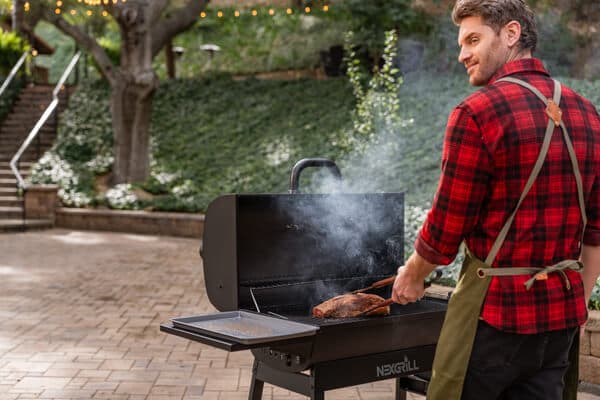
We position ourselves as delivering high-end outdoor cooking features and performance without premium-brand pricing, emphasizing “Quality Grills. Unbelievable Value.”
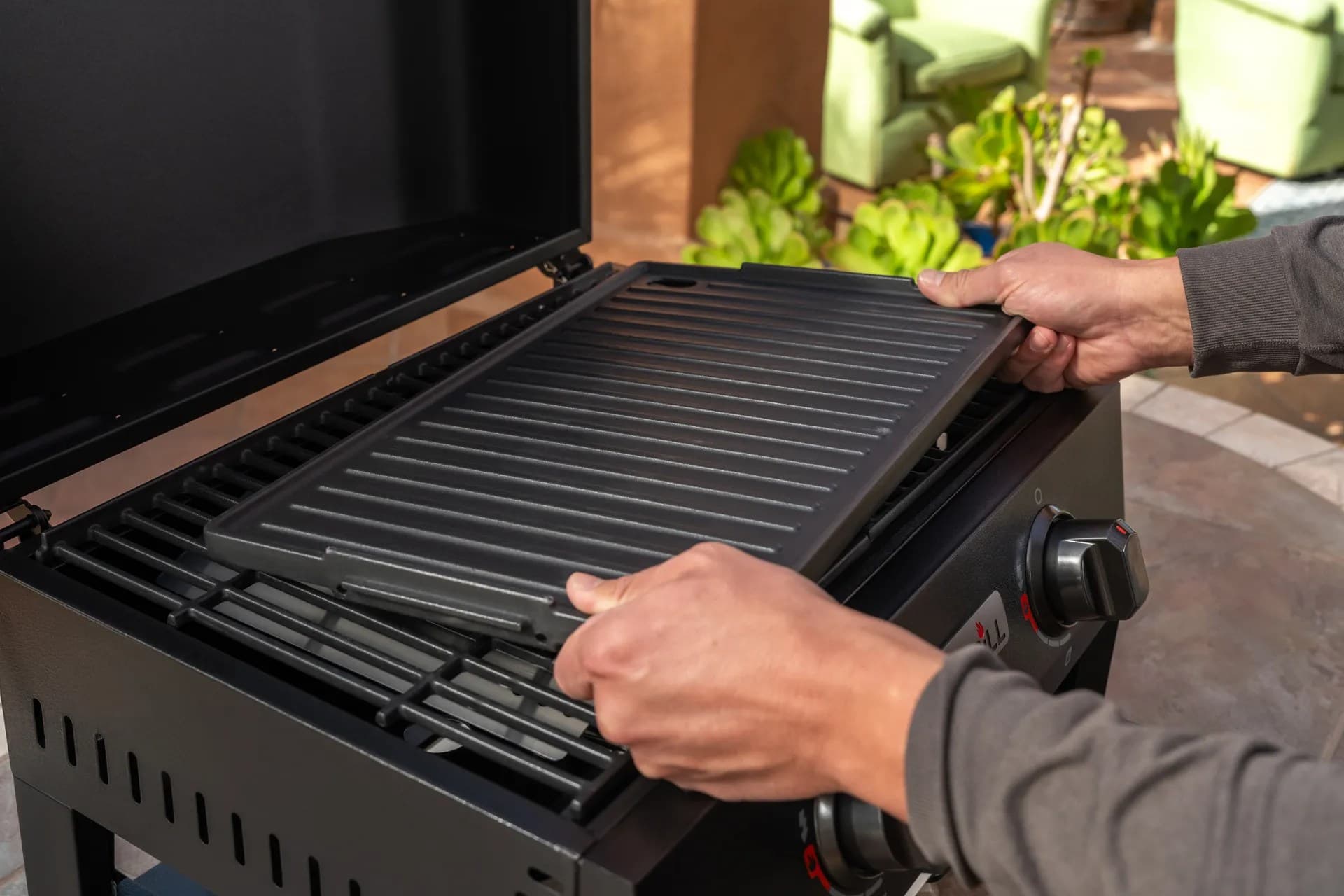
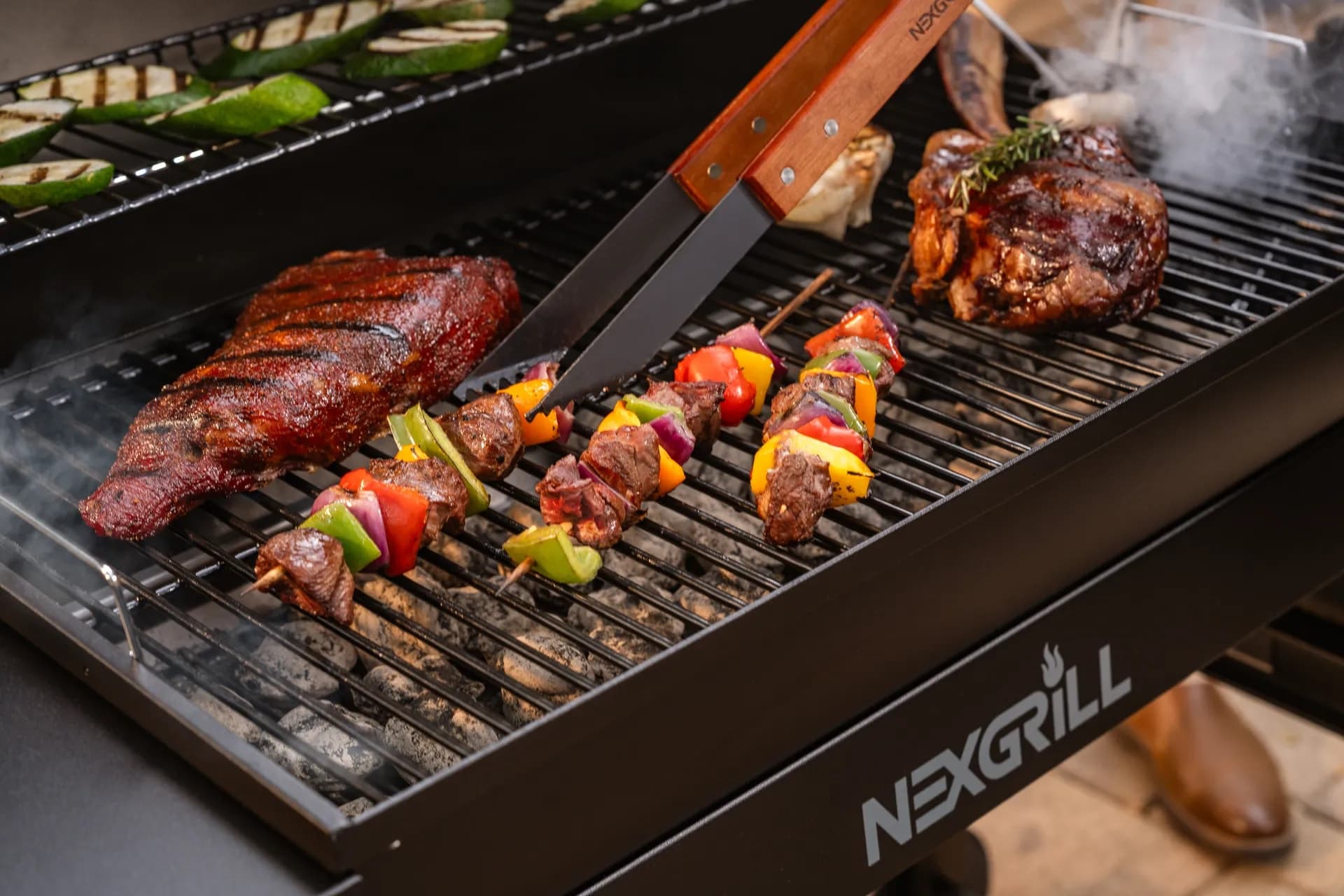
We offer gas grills, pellet grills, griddles, smokers, pizza ovens, portable/tabletop grills, electric grills, accessories, and replacement parts — allowing customers to stay within one ecosystem for all outdoor cooking needs.
We differentiate ourselves through smart grilling products like the Oakford smart pellet grill, including app-connected cooking controls and modern outdoor cooking technology.

Expert tips, buying guides, comparisons, and inspiration for choosing and getting the most out of your grill.

Practical guides for cleaning, maintenance, common grill issues, and performance optimization.

Step-by-step grilling recipes, cooking techniques, and meal ideas for every occasion and skill level.

Backyard entertaining ideas, seasonal grilling inspiration, and stories that celebrate outdoor cooking culture.

Helpful articles covering grilling tools, cookware, maintenance gear, and must-have accessories for outdoor cooking.

Find griddle recipes, cooking techniques, cleaning tips, and outdoor meal ideas designed for Nexgrill griddles.
Find answers to common questions
Nexgrill offers a variety of grills including gas, charcoal, and pellet grills, catering to different cooking preferences and styles.
Nexgrill is headquartered in California and serves a global market, primarily through retail partnerships such as Home Depot.
Yes, replacement parts are available for various Nexgrill products, and you can find them on the Nexgrill website or through authorized retail partners.
You can reach out to Nexgrill for support through their contact page on the website, where you will find options for phone and email inquiries.
Nexgrill products come with specific warranty terms, which can vary by product; it is recommended to check the warranty details on the product page or in the user manual.
In This Article
Initial Costs Explained
Long-Term Savings
Aesthetic Considerations
When homeowners compare a patio heater and a fire pit, the decision usually starts with one practical question: what will this cost me now, and what will it cost me later? That question matters because these two outdoor heating options do more than warm a space. They shape how you use your patio, how much cleanup you are willing to take on, how often you will replace fuel, and even how much visual impact you want from the finished setup. A patio heater is often chosen for predictable warmth and a relatively controlled footprint, while a fire pit is often chosen for atmosphere, gathering, and a stronger decorative presence.
The price comparison is not just about the sticker price in a store. A basic patio heater may appear affordable up front, but the total spend can change once you factor in propane refills, replacement parts, and whether the unit is freestanding or permanently installed. A fire pit can look simple at first glance, but the total price can rise quickly if you choose a gas line, a stone surround, a custom installation, or a higher-end metal design. In other words, the cheapest item on the shelf is not always the least expensive option over the life of the product.
For a fair comparison, look at purchase price, setup cost, fuel use, upkeep, and how often you will actually use the heat in a typical United States backyard season.
This guide focuses on the cost side of the decision while also explaining the practical differences that affect value. If you are comparing options for a small patio, a larger deck, or an outdoor entertaining area, the right choice depends on how you use the space, how much ambience matters to you, and whether you want portable heat or a permanent gathering point. The biggest mistake buyers make is treating patio heaters and fire pits as interchangeable. They are not. They solve different problems, and their costs behave differently over time.
To make this comparison useful, we will break down initial investments, operating costs, maintenance, heat coverage, design impact, safety concerns, and the possible effect on property value. By the end, you should have a clearer picture of which option deserves your budget. Try comparing two products side by side below to see which fits best:
Upfront price is usually the first filter buyers use, and it can vary more than people expect. In the United States, a basic freestanding patio heater typically sits in a lower-to-mid range, while decorative or premium versions with heavier materials, better reflectors, or more refined finishes cost more. Fire pits span an even wider range because the category includes portable wood-burning bowls, propane fire tables, built-in stone designs, and custom outdoor fireplace-style installations. The result is that the average patio heater can be simpler to price, but the average fire pit can be cheaper or far more expensive depending on how ambitious the design is.
| Option | Typical initial purchase range in the United States | Possible setup costs | Best fit |
|---|---|---|---|
| Basic patio heater | About USD 100 to USD 300 | Usually minimal assembly; propane tank sold separately | Simple patios, occasional use, renters |
| Mid-range patio heater | About USD 300 to USD 600 | May include heavier base or replacement parts later | Regular backyard entertaining |
| Portable fire pit | About USD 50 to USD 400 | Fuel source, fire ring, or spark screen may add cost | Casual gatherings, flexible use |
| Fire pit table or built-in fire pit | About USD 400 to USD 3,000+ | Possible gas line, patio prep, professional installation | Designed outdoor living spaces |
A patio heater often wins on lower setup complexity. Many units arrive mostly assembled, and the real add-on is the fuel source if you choose propane. A fire pit can be the budget option if you select a simple wood-burning model, but once you step into gas fire pits or landscape-integrated builds, the starting cost rises fast. A gas fire feature also may require a contractor, a line connection, and surface preparation, which can multiply the total spend. That is why it is important to compare not just product price, but project price.
A low sticker price can still lead to a high total investment once installation and fuel are included.
Long-term cost is where the patio heater vs fire pit debate becomes more nuanced. Patio heaters commonly use propane or electricity, depending on the model, while fire pits may use wood, propane, or natural gas. Each fuel behaves differently. Propane gives both options portability, but it also creates recurring refill costs. Wood can be inexpensive if it is easy for you to source, but it demands more effort and produces ash cleanup. Natural gas is convenient once installed, yet the upfront line work can make the total project more expensive. Electricity offers simple operation for some patio heaters, but it limits placement and may not deliver the same outdoor heating style people expect from a gathering fire.
In practical terms, a patio heater tends to be better at focused warmth. If you are heating a dining table or a seating zone, it may use fuel more efficiently because much of the heat is directed upward and outward in a controlled pattern. A fire pit often radiates warmth in a broader, more casual way, but some of that heat is experienced as ambience rather than direct comfort. That means a fire pit may feel more satisfying to guests but not always more efficient per dollar spent. Efficiency also depends on wind exposure, patio size, and how long you keep the unit on during an evening.
A simple way to think about recurring cost is to ask how many nights per season you will use the unit. A homeowner in a mild climate who uses outdoor heat ten or fifteen nights per year may care less about fuel efficiency than a family that uses the backyard every weekend from fall through early spring. Over time, propane refills can become the main expense for both categories. Wood fire pits may appear cheaper when you already have firewood access, but that advantage disappears if you are buying bundles frequently from a retailer. Natural gas is usually the most convenient for frequent users, yet the installation cost can take a while to pay back.
Maintenance is another place where the two options diverge sharply. Patio heaters usually require less mess but more attention to mechanical parts. A propane patio heater should be inspected for burner cleanliness, gas connection integrity, and ignition performance. The reflector and heat shield may need occasional wiping, and moving parts or wheels can wear over time. In most cases, the routine is manageable, but you do need to check for rust, especially if the heater stays outdoors through humid seasons or near coastal air. Covered storage or a protective cover helps preserve the finish and extend service life.
Fire pits, especially wood-burning ones, are more labor-intensive. Ash must be removed, the bowl or firebox should be cleaned regularly, and surrounding surfaces may need more frequent attention because of soot or smoke residue. Gas fire pits are cleaner than wood-burning versions, but they still need periodic inspection of burners, ignition components, and fuel connections. Built-in fire features also bring maintenance of the surrounding patio materials, which can include stone, concrete, or tile that may discolor or crack if neglected. The more permanent the installation, the more important it becomes to think about long-term upkeep as part of the purchase price.
Wood-burning fire pits create the highest cleanup burden, while patio heaters usually demand less mess but more seasonal inspection of mechanical parts.
For homeowners who want low-fuss weekend use, patio heaters are often easier to live with. For those who enjoy the ritual of tending a fire and do not mind cleanup, a fire pit can feel more rewarding even if it costs more in effort. The maintenance question is not only about time. It also affects replacement frequency. A heater exposed to weather may need parts sooner if it is not protected, while a fire pit with frequent use may require replacement grates, screens, or stones depending on the model.
Heat output is where many shoppers assume the fire pit has the advantage, but the reality depends on how you define effectiveness. Patio heaters are designed to send warmth upward and outward in a more concentrated column, which makes them especially useful for covering a dining table, conversation set, or narrow patio. Fire pits create a 360-degree social heat source, which is excellent for circle seating and a more communal feel. However, the warmth can be less predictable in windy conditions, and the usable comfort zone may shift depending on how close guests sit to the flame.
| Heating factor | Patio heater | Fire pit |
|---|---|---|
| Heat direction | Mostly upward and outward in a defined zone | Radiates around the flame with more ambient spread |
| Best seating layout | Dining tables and rectangular patios | Circle seating and lounge areas |
| Wind sensitivity | Moderate, but directional design helps | Can be more affected by wind and airflow |
| Perceived comfort | Strong for nearby guests | Strong for atmosphere and shared gathering |
The question is not which one is hotter in the abstract. It is which one delivers usable comfort where you sit. If your backyard is organized around a table where people stay in fixed seats, a patio heater can be more efficient. If your space is centered around lounging, storytelling, and a visible focal point, a fire pit can be better even if some warmth is lost to the air. The size of the patio matters too. A small enclosed patio may retain heat better and make either option feel more powerful, while a large open deck may require more output or multiple units to achieve the same effect.
Because the two products deliver heat differently, area coverage should be treated as a layout question as much as a fuel question. Homeowners often overbuy because they assume bigger is always better. In reality, a strategically placed patio heater can outperform a larger fire pit for a small dining set. Likewise, a fire pit can be the better choice for homeowners who want a central gathering point and are willing to trade some precision for mood and openness.
The key takeaway from the first half of the decision is simple: if your priority is lower setup cost and directional warmth, a patio heater often makes sense. If your priority is ambience, flexible seating, and a more dramatic visual centerpiece, a fire pit may justify the higher total spend. Once you have narrowed the field, compare two options side by side below to see where the real value sits.
Once you have weighed two options against each other, design usually becomes the deciding factor. Even when a patio heater and a fire pit cost roughly the same over time, they influence the look of the space in very different ways. A patio heater tends to read as functional equipment. It can blend into a patio, especially in darker finishes or simpler silhouettes, but its main job is to disappear into the background while doing the work of warming the area. A fire pit, by contrast, often acts as a focal point. It can anchor a seating arrangement, define the edge of a lounge area, and make the backyard feel intentionally designed rather than simply equipped.
That visual difference matters because outdoor living spaces are often judged by how cohesive they feel. A slim patio heater can be the better choice for a modern deck with clean lines, a bistro table, or a compact urban patio where clutter would feel out of place. A fire pit may fit better in a suburban backyard built for conversation and entertaining, where a central flame creates a sense of occasion. In many United States homes, the decision comes down to whether you want your heat source to support the room or become the room.
If your outdoor space is already busy with furniture, planters, and decor, a patio heater usually adds less visual weight than a fire pit table or built-in bowl.
Fire pits also offer more variety in styling. You can choose from rustic wood-burning bowls, stone-ring installations, low-profile gas tables, or sculptural metal designs. That range gives homeowners more freedom, but it can also make cost less predictable because premium materials and custom details move the budget upward quickly. Patio heaters are more standardized, which can be helpful if you want to compare price and size without spending too much time on style decisions. In short, the patio heater is often the straightforward utility choice, while the fire pit is the statement piece.
Safety should be part of the price comparison because it affects both what you buy and how you use it. Patio heaters and fire pits each carry different risks, and those risks can shape your real cost through shielding, spacing, installation, and replacement of damaged materials. Patio heaters need stable bases, proper clearance above and around the unit, and attention to tipping hazards. They are generally straightforward to operate, but because they are taller and more exposed, wind and accidental contact can become concerns. A weighted base and automatic shutoff features can be valuable because they reduce the chance of an unsafe incident and may save money by preventing damage.
Fire pits require a different safety mindset. Wood-burning models need enough distance from structures, fences, low branches, and combustible furniture. Gas fire pits still need clearance, even if they avoid open ash and sparks. The surrounding surface also matters. If you place a fire feature on a deck or near sensitive materials, you may need heat-resistant pads, stone surfacing, or other protective measures that add to the overall cost. Smoke, embers, and lingering heat can also create practical limitations that affect where the unit can be used on your property.
Check local fire codes, HOA rules, and city restrictions before purchasing. Installation costs are only worth it if the final setup is allowed where you live.
The strongest safety comparison is this: patio heaters usually create fewer sparks and less residue, while fire pits usually demand more site planning and more caution around flame exposure. If you have children, pets, or a crowded entertaining area, the safety burden can be a deciding cost even if it does not appear on the receipt. The safest option is the one that fits your actual space and can be used without creating a constant checklist every time friends gather.
Neither a patio heater nor a fire pit should be treated as a guaranteed return-on-investment project, but both can improve the appeal of an outdoor living area when chosen well. In resale terms, a fire pit often has more visual impact because it can make the backyard feel like an extension of the home. Buyers browsing a property may respond positively to a built-in fire feature, a finished seating area, or a professionally integrated patio layout because it suggests a lifestyle rather than a single appliance. That said, the value lift depends heavily on quality, design consistency, and local buyer preferences.
A portable patio heater can still add value, but more indirectly. It may not change the appearance of the yard in a dramatic way, yet it can make a patio more usable during cooler evenings, which can help a listing photo or open house feel more inviting. For homeowners who are not planning a major renovation, this kind of value is practical rather than financial. It improves daily enjoyment without requiring the commitment of a built-in feature. A fire pit tends to be more persuasive in a real estate context because it acts like a destination, but a poorly designed or awkwardly placed fire pit can just as easily detract from the appeal of the yard.
A well-matched outdoor feature can support resale appeal; a mismatched one can become a maintenance burden.
For most homeowners, the smarter way to think about value is usability. A feature that turns a patio into a space you use more often has real everyday value, even if it does not produce a measurable appraisal bump. If you entertain in all four seasons, a patio heater can make your square footage feel larger. If you care about ambiance and the emotional appeal of outdoor gatherings, a fire pit may deliver a stronger lifestyle return. In either case, the design should look intentional, durable, and appropriate to the home.
If you are choosing strictly on cost, the answer depends on how broad you want the comparison to be. A basic patio heater is often the lower-friction purchase, especially when you value quick setup, lower visual impact, and directed warmth for a dining area. A simple fire pit can be cheaper than many patio heaters at the shelf level, but the total project may become more expensive once you add fuel, site preparation, and long-term cleanup. On the other hand, a fire pit can feel like a better investment if your goal is atmosphere, shared seating, and a more memorable backyard centerpiece.
Which option suits you best depends on your buyer profile. If you want the most straightforward path to cool-weather comfort, choose a patio heater. If you want the outdoor space to feel inviting and social, choose a fire pit. If you care most about total cost over time, compare fuel use, installation complexity, and how often you will actually use the feature across a typical season in the United States. That is the clearest way to avoid overspending on looks you will rarely use or underbuying a feature that does not match your space.
Best rule of thumb: pick the option that fits your seating layout first, then judge the price. The right layout often saves more money than the cheapest purchase price.
Here's what sets us apart
We position ourselves as delivering high-end outdoor cooking features and performance without premium-brand pricing, emphasizing “Quality Grills. Unbelievable Value.”
We offer gas grills, pellet grills, griddles, smokers, pizza ovens, portable/tabletop grills, electric grills, accessories, and replacement parts — allowing customers to stay within one ecosystem for all outdoor cooking needs.
We differentiate ourselves through smart grilling products like the Oakford smart pellet grill, including app-connected cooking controls and modern outdoor cooking technology.
Don't just take our word for it
Keep reading
From our catalog