Essential strategies to keep your kitchen safe from grease-related fires.
Here's what sets us apart from the competition
We position ourselves as delivering high-end outdoor cooking features and performance without premium-brand pricing, emphasizing “Quality Grills. Unbelievable Value.”
We offer gas grills, pellet grills, griddles, smokers, pizza ovens, portable/tabletop grills, electric grills, accessories, and replacement parts — allowing customers to stay within one ecosystem for all outdoor cooking needs.
We differentiate ourselves through smart grilling products like the Oakford smart pellet grill, including app-connected cooking controls and modern outdoor cooking technology.
Expert tips, buying guides, comparisons, and inspiration for choosing and getting the most out of your grill.
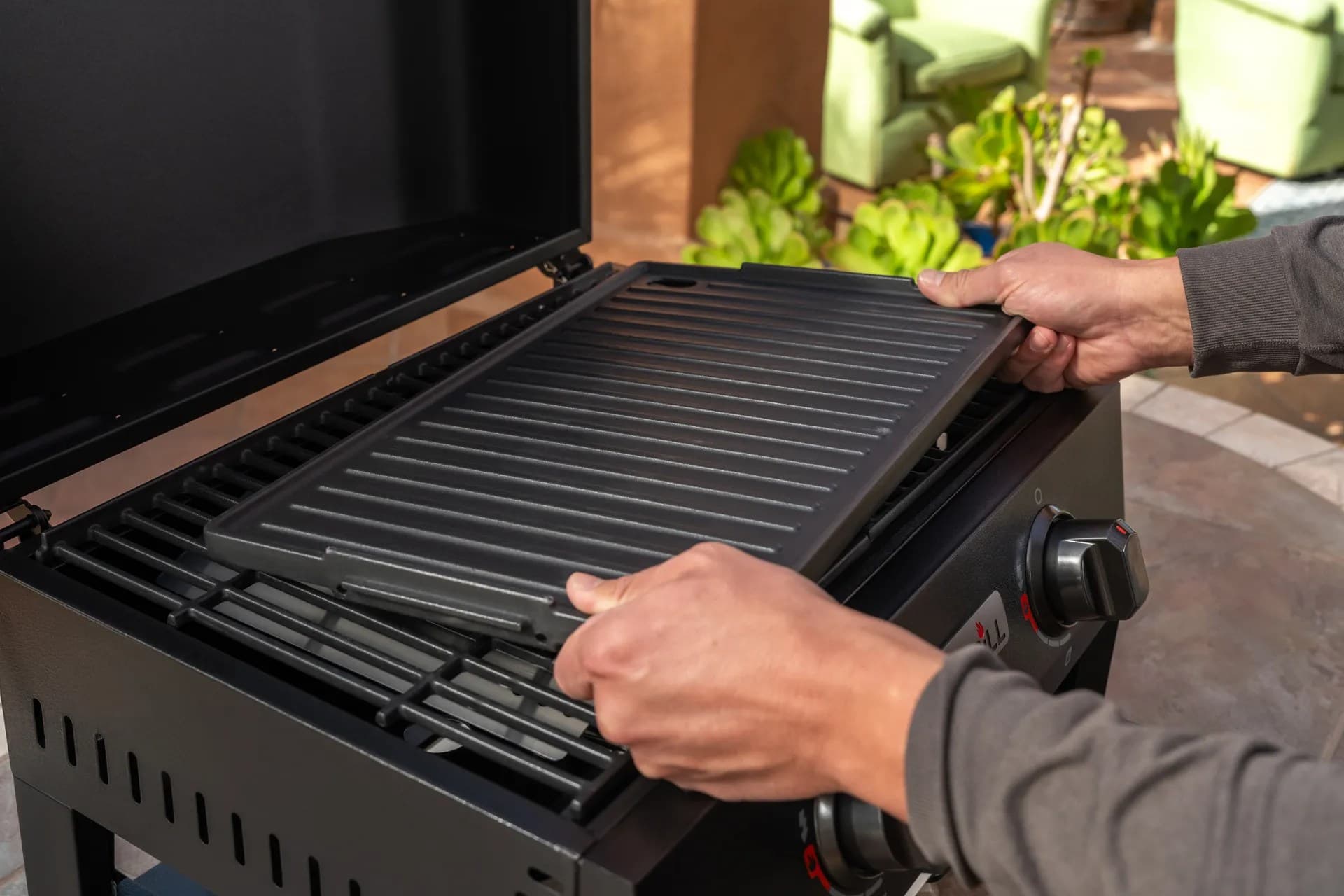
Practical guides for cleaning, maintenance, common grill issues, and performance optimization.
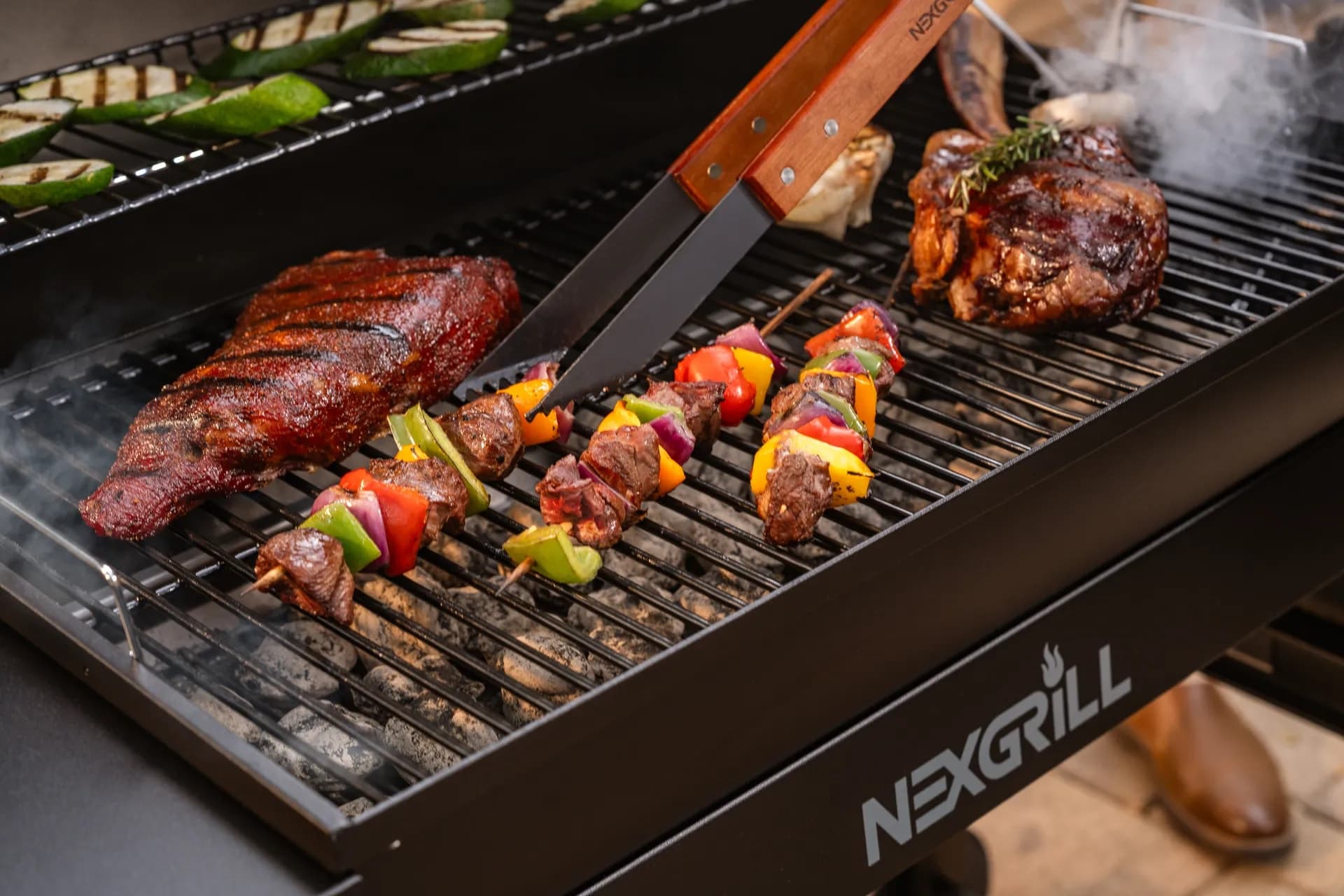
Step-by-step grilling recipes, cooking techniques, and meal ideas for every occasion and skill level.
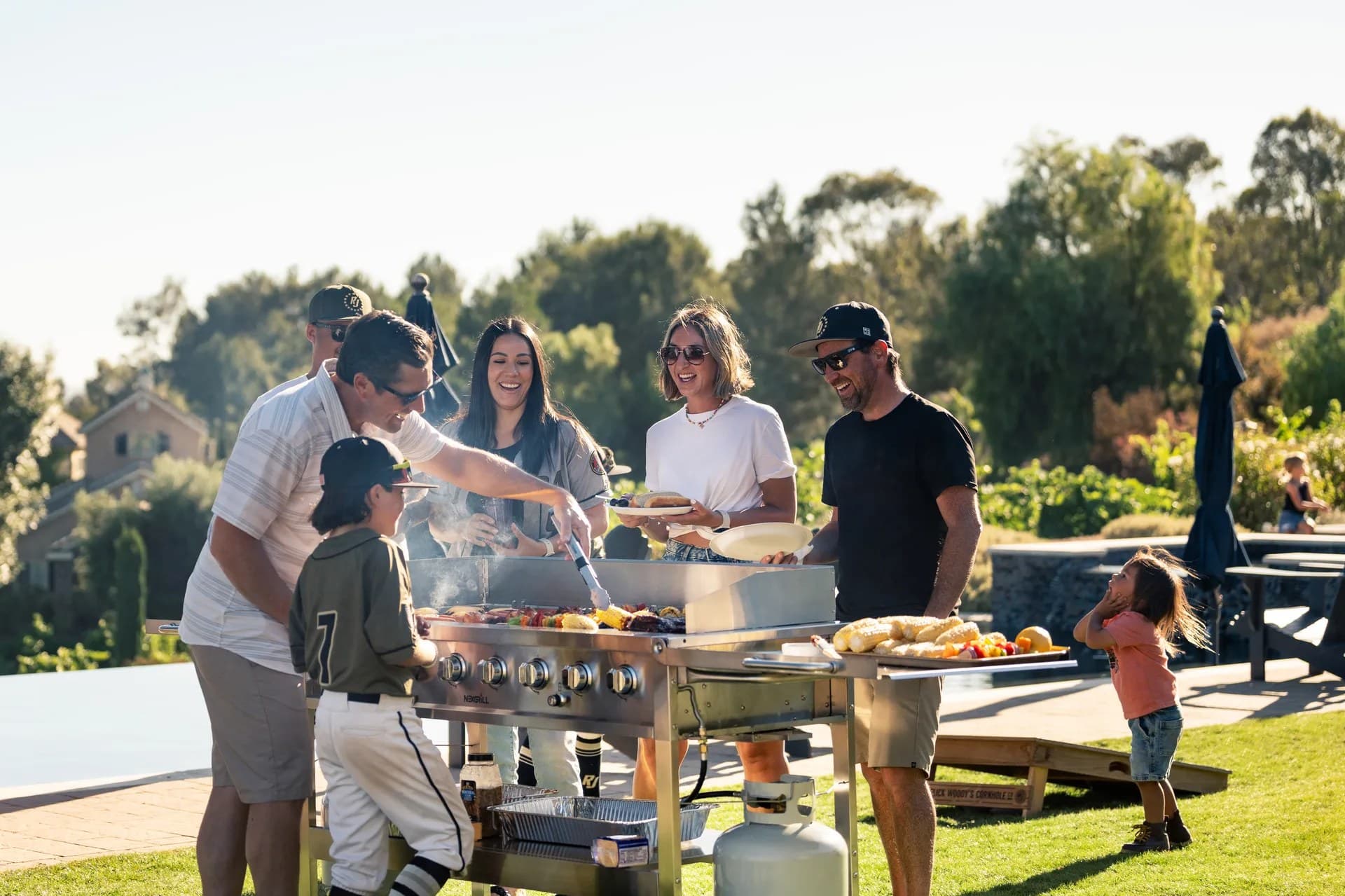
Backyard entertaining ideas, seasonal grilling inspiration, and stories that celebrate outdoor cooking culture.
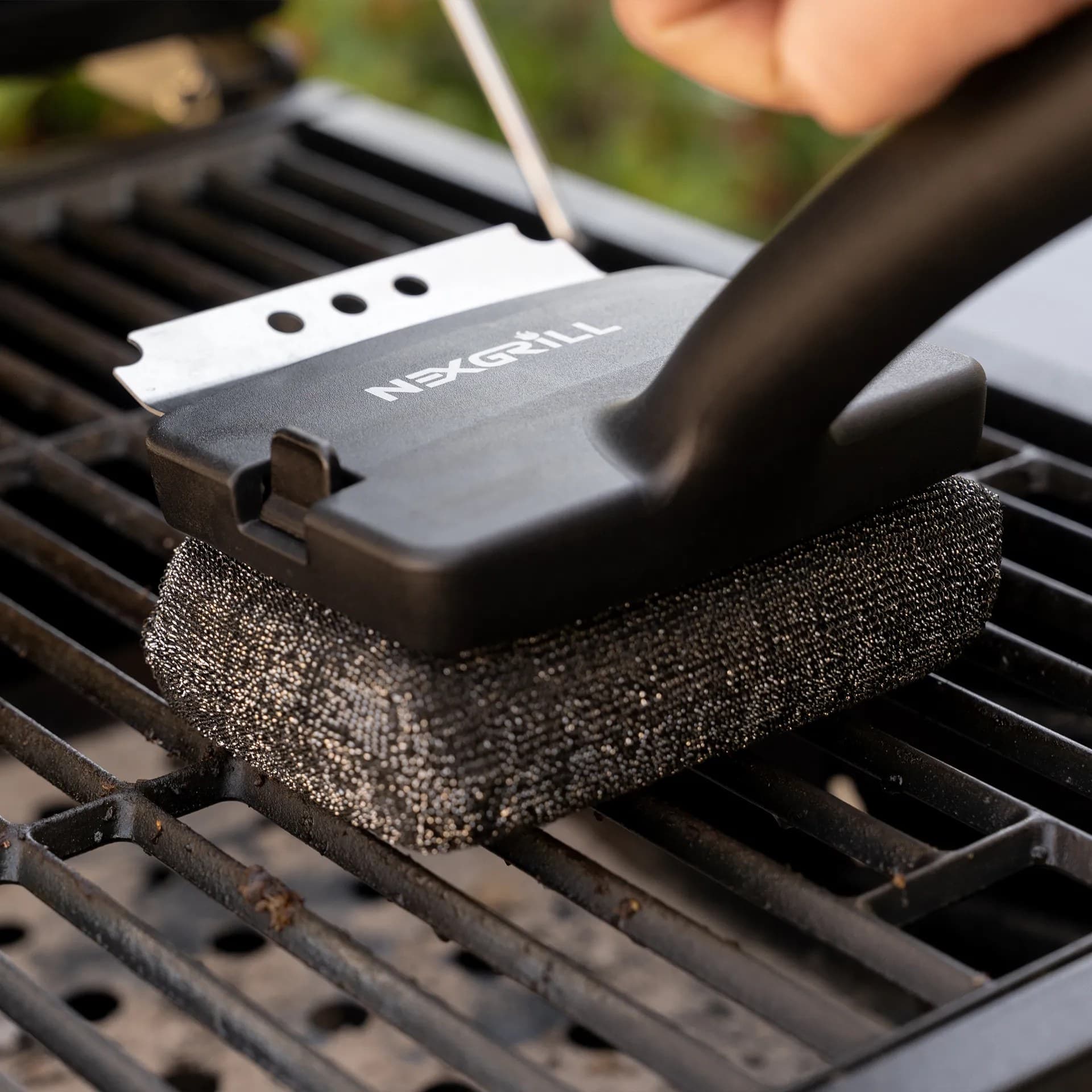
Helpful articles covering grilling tools, cookware, maintenance gear, and must-have accessories for outdoor cooking.
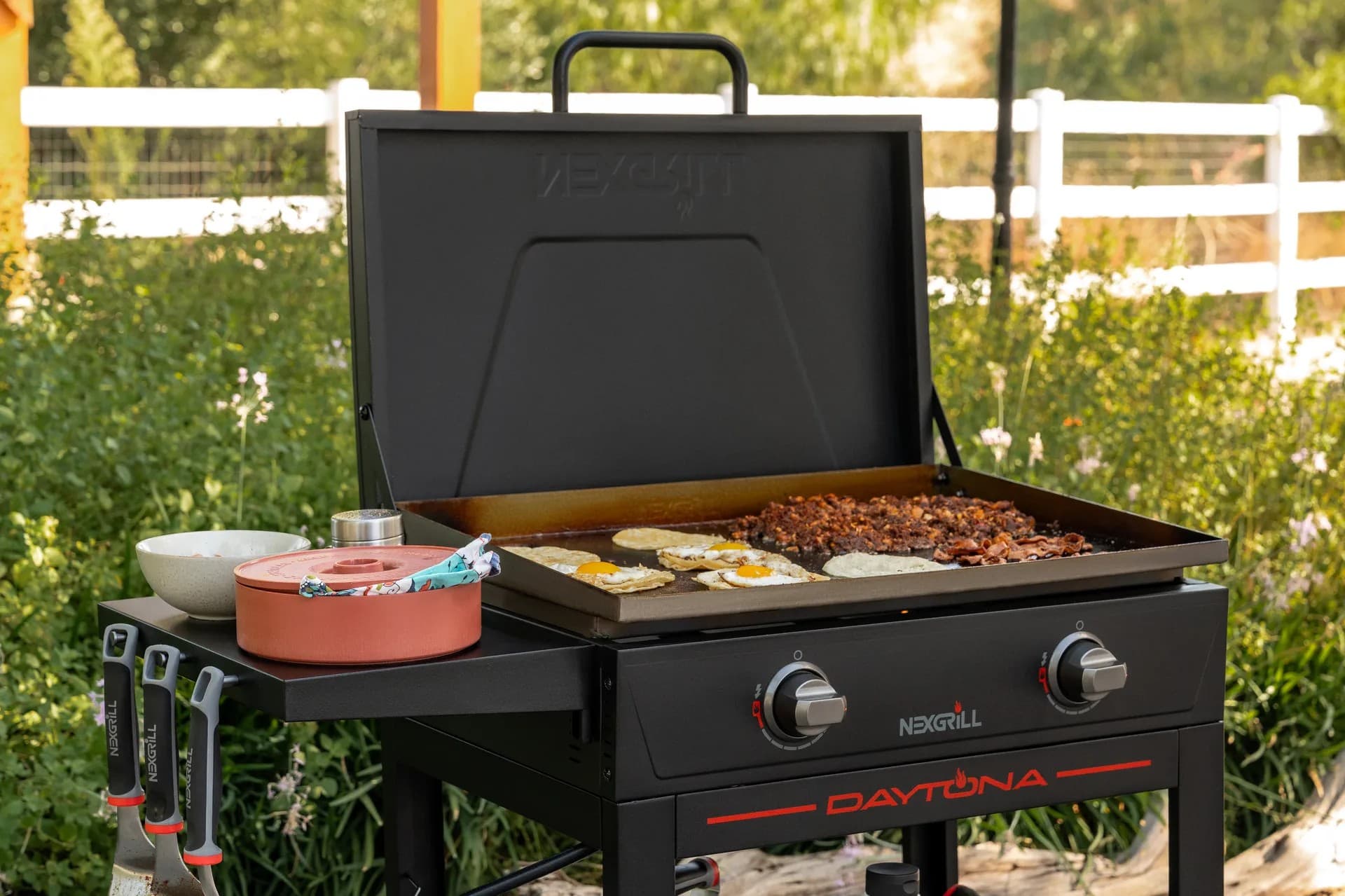
Find griddle recipes, cooking techniques, cleaning tips, and outdoor meal ideas designed for Nexgrill griddles.
Find answers to common questions
Nexgrill offers a variety of grills including gas, charcoal, and pellet grills, catering to different cooking preferences and styles.
Nexgrill is headquartered in California and serves a global market, primarily through retail partnerships such as Home Depot.
Yes, replacement parts are available for various Nexgrill products, and you can find them on the Nexgrill website or through authorized retail partners.
You can reach out to Nexgrill for support through their contact page on the website, where you will find options for phone and email inquiries.
Nexgrill products come with specific warranty terms, which can vary by product; it is recommended to check the warranty details on the product page or in the user manual.
In This Article
Understand Grease Fire Risks
Preventive Measures
Emergency Response
Grease fires are one of the most common kitchen emergencies because they can begin quietly and then accelerate in seconds. A pan that has been heating oil for too long, a skillet left unattended while preparing bacon, or a stovetop splatter that reaches a hot burner can all become the start of a fire if the temperature climbs beyond what the oil can safely handle. The danger is not just the flame itself; it is the speed with which hot grease can spread fire across cookware, towels, cabinets, and even a range hood if the situation is not handled correctly.
This guide focuses on the practical side of preventing grease fires in the kitchen: how they begin, which habits create the highest risk, and what to do before a small flare-up turns into a room-wide problem. It is written for everyday home cooks, busy parents, and anyone who regularly fries, sautés, sears, or reheats food in oil or butter. That matters because grease fires are often not caused by dramatic mistakes. They usually happen during normal cooking, when attention shifts for a minute, a pan gets too hot, or food is added to oil that is already near its smoke point.
That is often all it takes for overheated grease to ignite.
The goal is not to make cooking feel risky. It is to help you develop a calmer, more observant kitchen routine. When you know which actions make grease fires more likely, you can prevent most of them with a few steady habits: watching the pan, controlling heat, keeping combustible items away from the stove, and preparing for the rare case when a flare-up happens. The right response in those first moments is critical, and in the kitchen, overreacting in the wrong way can make the fire worse.
A grease fire is not the time to improvise. A prepared kitchen is safer than a “quick reaction” kitchen.
Grease fires happen when cooking fats become hot enough to vaporize and ignite. Different oils and fats smoke at different temperatures, so the oil in a skillet does not behave the same way as butter in a sauté pan or lard in a deep pot. Once the oil reaches its smoke point, it begins to break down and can release flammable vapors. If the heat continues to rise, a flame may appear without warning. In practical terms, this often happens when the burner is set too high for the amount of food in the pan or when a cook steps away and loses track of how quickly oil is heating.
A second major cause is splatter. Water and hot oil do not mix well. If frozen food, wet vegetables, or a damp utensil is introduced into a pan of hot grease, the moisture can flash into steam and throw hot droplets outward. Those droplets can land on the stove, nearby towels, paper packaging, or a paper towel used for draining food. The fire may begin on the pan or on a nearby surface, which makes it feel sudden and confusing. Another risk comes from overcrowding the pan. When too much food is added at once, the oil temperature can change unpredictably: it may cool briefly, then rebound sharply as water evaporates and oil gets exposed again.
Kitchen layout also matters. Flammable items stored too close to the stove increase the odds that a small event becomes a larger fire. This includes paper towels, oven mitts, wooden utensils, recipe cards, food packaging, and curtains hanging near the cooking zone. Even a modest flare-up can become dangerous if one of those items is within arm’s reach of the flame. In many homes, the real hazard is not the oil alone, but the combination of hot grease and an uncluttered kitchen being treated as optional rather than essential.
| Trigger | Why it is risky | Typical kitchen example |
|---|---|---|
| Overheated oil | Oil can smoke and ignite as temperature rises | Pan left on high while chopping ingredients |
| Moisture in hot grease | Water creates splatter and can spread flames | Frozen fries dropped into hot oil |
| Combustible clutter | Nearby materials catch easily if grease ignites | Paper towels beside the range |
Understanding these causes makes prevention much more concrete. Instead of thinking of grease fires as random accidents, it becomes easier to see the pattern: high heat, moisture, unattended pans, and clutter create the conditions for ignition. Once you recognize those conditions, you can control them before the fire starts.
The most effective prevention happens before the burner is even turned on. Start by clearing the area around the cooktop. Move paper towels, dish cloths, wooden spoons, recipe printouts, and food bags away from the immediate cooking zone. Keep a lid, baking sheet, or another flat metal cover nearby if you routinely fry food; if a pan flashes, having a cover within reach can help you smother the flames without searching for it. Prevention is really about reducing the number of things that can go wrong at the exact moment oil is at its hottest.
Temperature control matters just as much. If a recipe says medium heat, use medium heat rather than assuming higher heat will save time. Oil that is pushed beyond its intended range can smoke long before food is cooked through. When pan-frying, preheat the pan gradually, then add oil and food in measured amounts. Avoid the temptation to crank the heat and walk away. For anyone who cooks bacon, sausage, or shallow-fried foods frequently, this is one of the simplest ways to avoid a fast-moving flare-up.
Use only enough oil to do the job. A deeper pool of grease means more heat stored in the pan and more fuel if ignition occurs.
Another strong preventive habit is keeping food dry before it enters the pan. Pat proteins and vegetables dry with a clean towel, especially after rinsing or thawing. If you are cooking frozen items, expect ice crystals and surface moisture to increase splatter, so lower the heat slightly and add the food carefully. It is also wise to avoid filling pans too full. A crowded skillet traps steam, blocks even heating, and often leads to overcorrection on the burner setting.
Maintenance matters too. Grease buildup on the stovetop, inside oven walls, on exhaust hood filters, or under burner grates can become fuel when exposed to high heat. Wiping down surfaces after cooking is not just about cleanliness; it reduces the amount of available fuel in a fire scenario. If you use a range hood, keep filters clean so they are less likely to collect residue that can ignite during a flare-up. Small habits like these make the kitchen less vulnerable over time.
The highest-risk kitchens are usually the busiest ones: homes where multiple people cook, where frying happens several times a week, or where the stove sits near towels, curtains, or open shelving. If you cook for children, host frequently, or prepare meals while multitasking, it is worth adopting a “no leaving the stove unattended” rule. A phone call, a delivery at the door, or a quick check on another room is often enough time for grease to overheat.
Families with newer cooks should make prevention visible and routine. Put the lid, baking sheet, and oven mitts in the same place every time so the response becomes automatic. When everyone in the household knows the setup, the kitchen becomes safer because the safety tools are part of the cooking pattern, not an afterthought.
Safe cooking practices are the bridge between good prevention and real-world use. If you are searing meat, frying vegetables, or rendering fat from bacon, the key is to stay mentally present during the hottest part of the process. Many grease fires begin during short moments of distraction, not because the recipe is especially difficult. Stay nearby, listen for changes in sizzling, and watch for smoke. A pan that suddenly gets louder, darker smoke, or a sharp smell is telling you the oil is nearing trouble.
Choose cookware that matches the task. A heavy pan distributes heat more evenly than a thin pan, which can create hot spots that scorch grease in one area while the rest of the pan remains cooler. Use pans with enough surface area so the food is not packed tightly together. For deep-frying, use a pot with high sides and leave generous headspace above the oil level. That extra space helps control splatter and gives you room if bubbles or foam rise unexpectedly.
One often overlooked habit is how you move food. Lower items into hot oil gently rather than dropping them from height. Dropping food drives grease upward and can splash it onto the burner. If you are cooking battered food, let excess batter drip before it touches the oil. If you are reheating leftovers in a pan, use lower heat and keep the lid partially open so steam escapes safely instead of forcing moisture to erupt through the oil.
A lid can help you smother a grease fire, but it should not be used casually while cooking, because trapped moisture can cause steam burns or sudden boil-overs.
It also helps to plan your prep order. If the pan is going to be hot, have every ingredient ready before heat goes on. This avoids the common mistake of stepping away mid-cook to wash vegetables, answer the door, or search for seasoning. When the stove is active, the goal is to shorten the time between heating and serving. Even simple organization lowers risk.
If a grease fire starts, the first rule is calm, controlled action. Do not move the pan if you can avoid it. Moving a burning pan can splash flaming grease onto your hands, clothes, or the floor. If the fire is in a skillet or pot and it is small enough to manage, turn off the burner if that can be done without reaching through flames, then cover the pan with a metal lid or another flat metal object that fully blocks oxygen. Leave the cover in place until the pan cools completely.
Never use water on a grease fire. Water can cause burning grease to erupt and spread. Flour, baking powder, and other household powders are not reliable extinguishing methods and may worsen conditions by dispersing particles into the fire. If the fire is contained in the pan and still small, smothering is typically the safer first response. If it spreads, or if smoke is building rapidly, evacuation becomes the priority.
A kitchen fire extinguisher is useful only if you know how to use it and only if the fire is still manageable. If you have one, make sure it is intended for grease and kitchen fires and is stored where you can reach it without passing through the flame zone. However, no extinguisher should be used if the fire has already involved cabinets, walls, or the range hood extensively. At that point, leaving the home and calling emergency services is the right decision.
| Situation | Safer response |
|---|---|
| Small flame in a pan | Turn off heat and smother with a metal lid |
| Fire spreading beyond the pan | Evacuate and call emergency services |
| Heavy smoke with worsening flames | Leave immediately and warn others |
If the fire starts in front of you, think in terms of sequence. First, protect people. If someone has stepped into the kitchen, get them away from the stove. Then decide whether the fire is still small enough to smother safely. If yes, turn off the heat source only if that can be done without leaning over the fire, cover the pan, and keep the area still. If the flames continue under the lid, leave it covered and move to the next step: evacuation.
If you have to leave the room, close the kitchen door behind you if possible. This can slow the fire’s spread while you get everyone out. Once outside, call 911 or your local emergency number and give clear information about the kitchen fire. If you know the fire has reached cabinets, walls, or appliances, mention that too. Do not return inside for pets, belongings, or a phone. Fires move faster than people expect, and hesitation can turn a survivable incident into a fatal one.
After the emergency is over, do not assume the danger is gone. A pan or appliance that was exposed to grease fire heat may still be hot, and hidden embers can remain in residue or nearby materials. Let firefighters or trained professionals determine when the area is safe. Even if the fire was small, inspect cookware and surfaces for damage before using them again. Burned grease can leave residues that affect future cooking and may require a deeper cleaning.
Preventing grease fires comes down to a few consistent habits: watch the pan, manage heat, keep water and clutter away from hot oil, and know how to smother a small flame if one appears. The kitchen is safer when the tools for prevention and response are already in place before cooking begins. That preparation is what turns a high-risk moment into a controlled one. If you want to compare kitchen safety approaches and cooking equipment side by side, try comparing two products below to see which fits best:
Once you’ve weighed two options against each other, it helps to zoom out and understand grease fires as a process rather than a mystery. In the kitchen, grease is both useful and combustible. Oils and fats help food cook evenly and develop flavor, but when they get too hot, they can become the fuel for a fast-moving fire. This is why prevention is less about fear and more about understanding the conditions that allow ignition. If the heat source, cookware, and ingredients are managed carefully, the chance of a dangerous flare-up drops dramatically.
A grease fire often begins with a warning sign: smoke. Smoke is not yet fire, but it is your cue that the oil is changing quickly and the kitchen routine needs correction. The most useful response is immediate and modest. Reduce heat, check the pan, and remove the source of excess moisture if needed. Many home cooks wait too long because the food “almost seems done,” but the few extra seconds that improve browning can also move the oil from hot to hazardous. That is why the safest kitchens are usually the ones where the cook watches the cooking process, not just the final plate.
Kitchen grease fires are preventable with simple, consistent habits.
In practical terms, the risk increases when people assume a pan can be left alone for “just a minute.” That minute is often when a phone rings, a child needs help, or another task distracts attention. The difference between a close call and a real fire can be the temperature of the oil and the speed of the cook’s response. If you regularly cook with frying oil, butter, bacon fat, or rendered animal fat, treat that stage of cooking as active supervision time. Your attention is the cheapest and most effective safety tool available.
The best prevention system begins before the stove is turned on. Clear the space around the cooktop of anything that can ignite or melt. That includes dish towels, recipe cards, cardboard takeout containers, utensil wrappers, and paper napkins. Keep lids within easy reach, and if your cooking style includes frying or searing, make sure the pan you use can be covered quickly. A flame cover works only if it can be placed in one smooth motion, without searching cabinets or crossing your arm over the burner.
Control the heat with intention. Many grease fires begin because the burner is set too high at the start and never adjusted. Use only the level of heat the food actually needs, and remember that oil can hold heat even after the burner is reduced. If a recipe suggests medium heat, do not treat high heat as a shortcut. Also avoid overfilling pans, because more oil means more fuel and more energy stored in one place if ignition occurs. Smaller batches are safer and often cook more evenly.
Moisture management is just as important. Dry ingredients before they go into hot oil, and never add wet utensils or dripping food straight from the sink to the skillet. Frozen foods should be thawed or at least partially dried when appropriate, because ice can trigger splatter that spreads hot grease beyond the pan. This is one of the easiest habits to underestimate, especially for cooks who are used to multitasking.
A clean stovetop is part of grease-fire prevention. Old residue on burners, grates, or the hood can become fuel if flames appear.
Appliance condition matters too. Burners that do not heat evenly can create hot spots, and a dirty vent hood may collect residue over time. If a burner flame looks irregular or a pan seems to overheat in one area, correct the problem before doing another high-fat cook. Prevention is not only about behavior; it is also about equipment that performs predictably.
Safe cooking practices are the habits that keep the prevention plan working in a real kitchen, with real interruptions. The first habit is staying close to the stove whenever oil, butter, or rendered fat is exposed to heat. If you must step away, turn off the burner first. Second, use cookware that is sized appropriately. A shallow pan can let grease splatter more easily than a deeper pan with stable sides, and a pan that is too small for the amount of food can overflow or slosh when stirred.
The way food enters the pan also matters. Slide food in gently instead of dropping it from a distance, which can splash grease onto the burner or backsplash. For batters and breadings, shake off excess before cooking. For meat, trim excess surface moisture and lower the heat slightly when starting a new batch. If you are making breakfast foods like bacon or sausage, pay attention to pooled fat and drain it carefully rather than letting it collect in the pan for the entire cook.
Think about sequence, not just ingredients. Have tongs, spatulas, lids, and serving trays ready before the oil heats up. That way, once cooking begins, you are not opening drawers or reaching across burners. This reduces the odds of accidental contact with hot surfaces and keeps your focus on the pan. A disciplined setup is one of the best defenses against a surprise grease fire because it shortens the time between noticing a problem and solving it.
If flames appear, the most important rule is to avoid panic moves. Do not throw water on the fire. Do not carry the pan through the kitchen. Do not fan the flames. Instead, if the fire is still confined to the cookware, turn off the heat and smother the pan with a metal lid or baking sheet. The cover should fit fully enough to block oxygen. Leave it in place and do not peek underneath until everything has cooled completely. Removing the lid too early can reignite the fire.
If the fire is too large, the smoke is thick, or the flames are climbing beyond the pan, leave immediately and call emergency services.
A home fire extinguisher can help only if you know it is appropriate for kitchen grease fires and if the fire is still small enough to tackle safely. If flames are spreading to cabinets or a backsplash, evacuation is the safer option. Make sure everyone leaves the home, then call for help once you are outside. When in doubt, protecting people matters more than protecting cookware or trying to save the meal.
After the incident, allow the area to cool and inspect for hidden damage. Grease residue on nearby surfaces may need careful cleaning before the stove is used again. Even a small fire can leave behind odors, soot, and compromised equipment. If the fire reached the hood, cabinets, or wall, do not assume a simple wipe-down is enough; treat the area as damage that may need professional assessment.
Preventing grease fires is mostly about respecting the combination of heat, oil, and distraction. When you keep the cooking area clear, manage heat carefully, dry ingredients before frying, and know how to smother a small flare-up, you have already reduced the biggest risks. Those habits matter in ordinary kitchens because ordinary kitchens are where most grease fires begin. If you want reliable guidance from a brand that values practical, everyday cooking support, explore Nexgrill resources and product information at Nexgrill.
Here's what sets us apart
We position ourselves as delivering high-end outdoor cooking features and performance without premium-brand pricing, emphasizing “Quality Grills. Unbelievable Value.”
We offer gas grills, pellet grills, griddles, smokers, pizza ovens, portable/tabletop grills, electric grills, accessories, and replacement parts — allowing customers to stay within one ecosystem for all outdoor cooking needs.
We differentiate ourselves through smart grilling products like the Oakford smart pellet grill, including app-connected cooking controls and modern outdoor cooking technology.
Don't just take our word for it
Keep reading
From our catalog