A comprehensive guide to various techniques for preparing meals in the great outdoors.
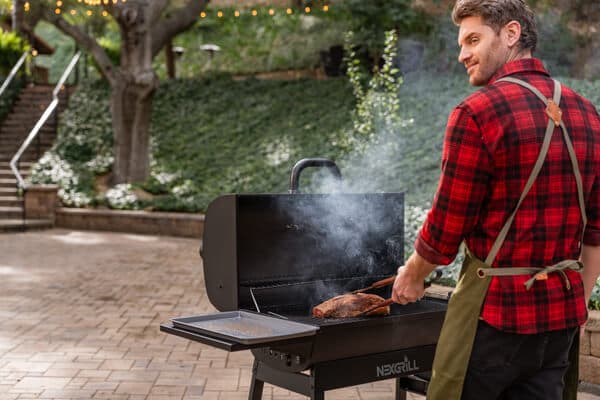
Here's what sets us apart from the competition
We position ourselves as delivering high-end outdoor cooking features and performance without premium-brand pricing, emphasizing “Quality Grills. Unbelievable Value.”
We offer gas grills, pellet grills, griddles, smokers, pizza ovens, portable/tabletop grills, electric grills, accessories, and replacement parts — allowing customers to stay within one ecosystem for all outdoor cooking needs.
We differentiate ourselves through smart grilling products like the Oakford smart pellet grill, including app-connected cooking controls and modern outdoor cooking technology.
Expert tips, buying guides, comparisons, and inspiration for choosing and getting the most out of your grill.
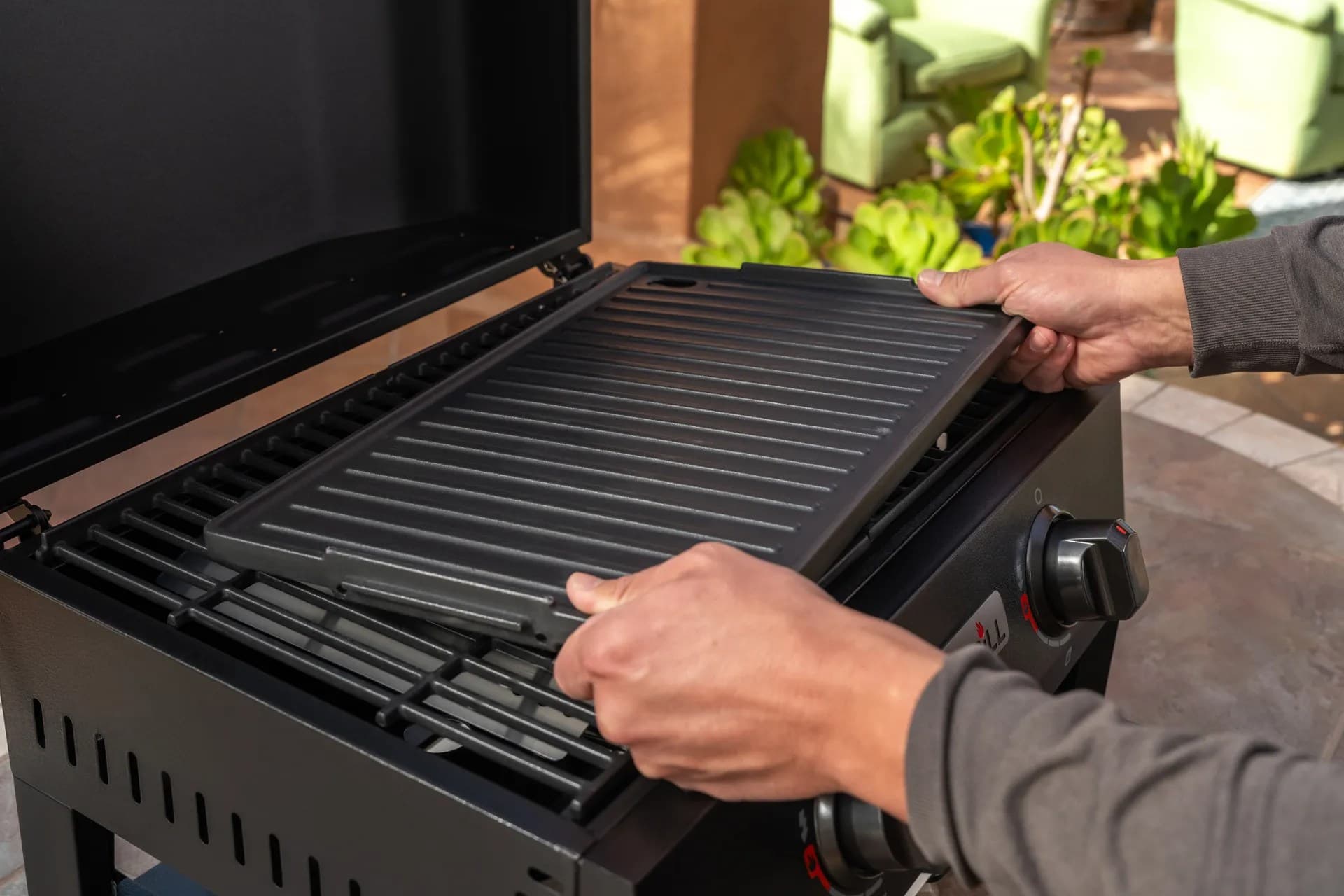
Practical guides for cleaning, maintenance, common grill issues, and performance optimization.
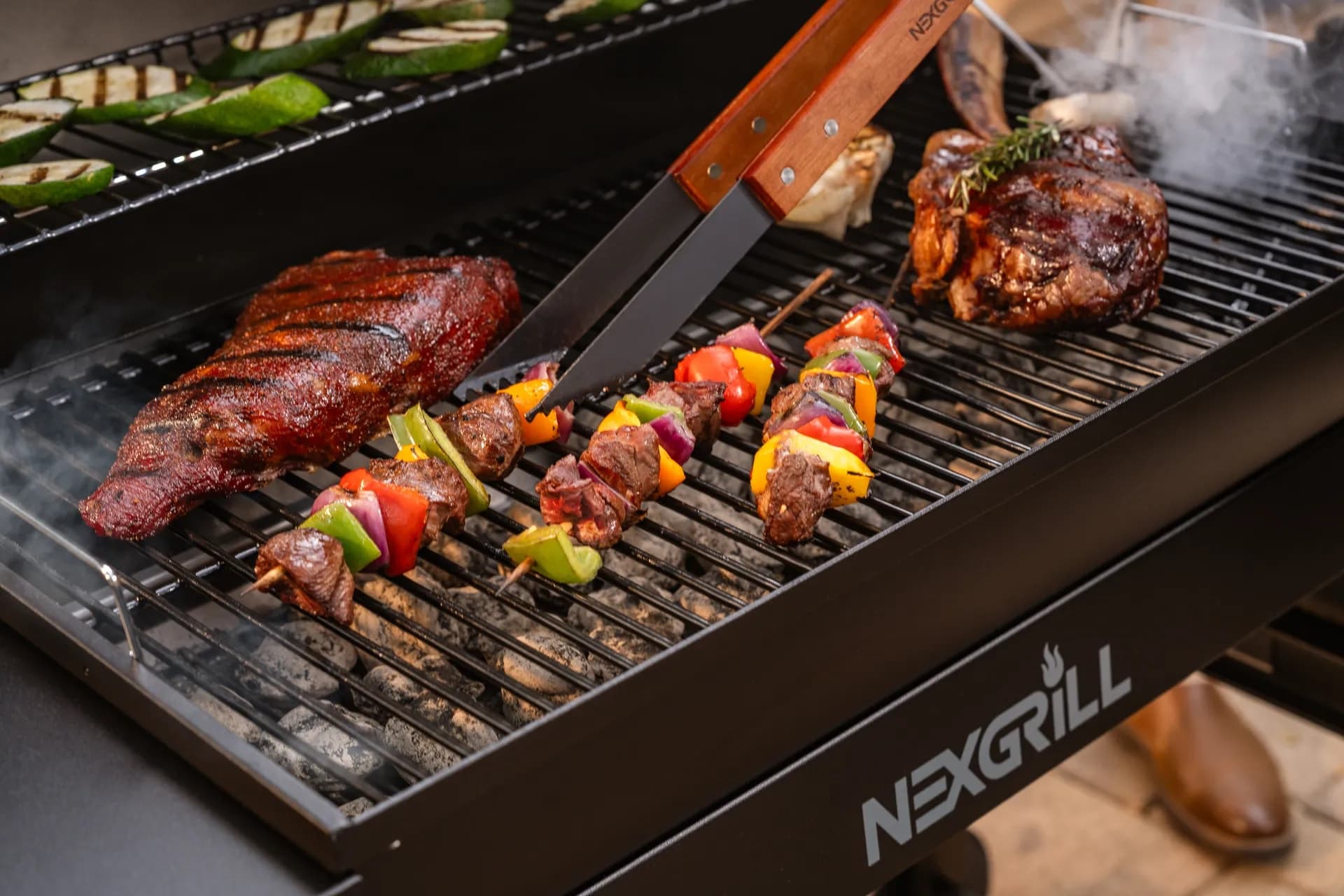
Step-by-step grilling recipes, cooking techniques, and meal ideas for every occasion and skill level.
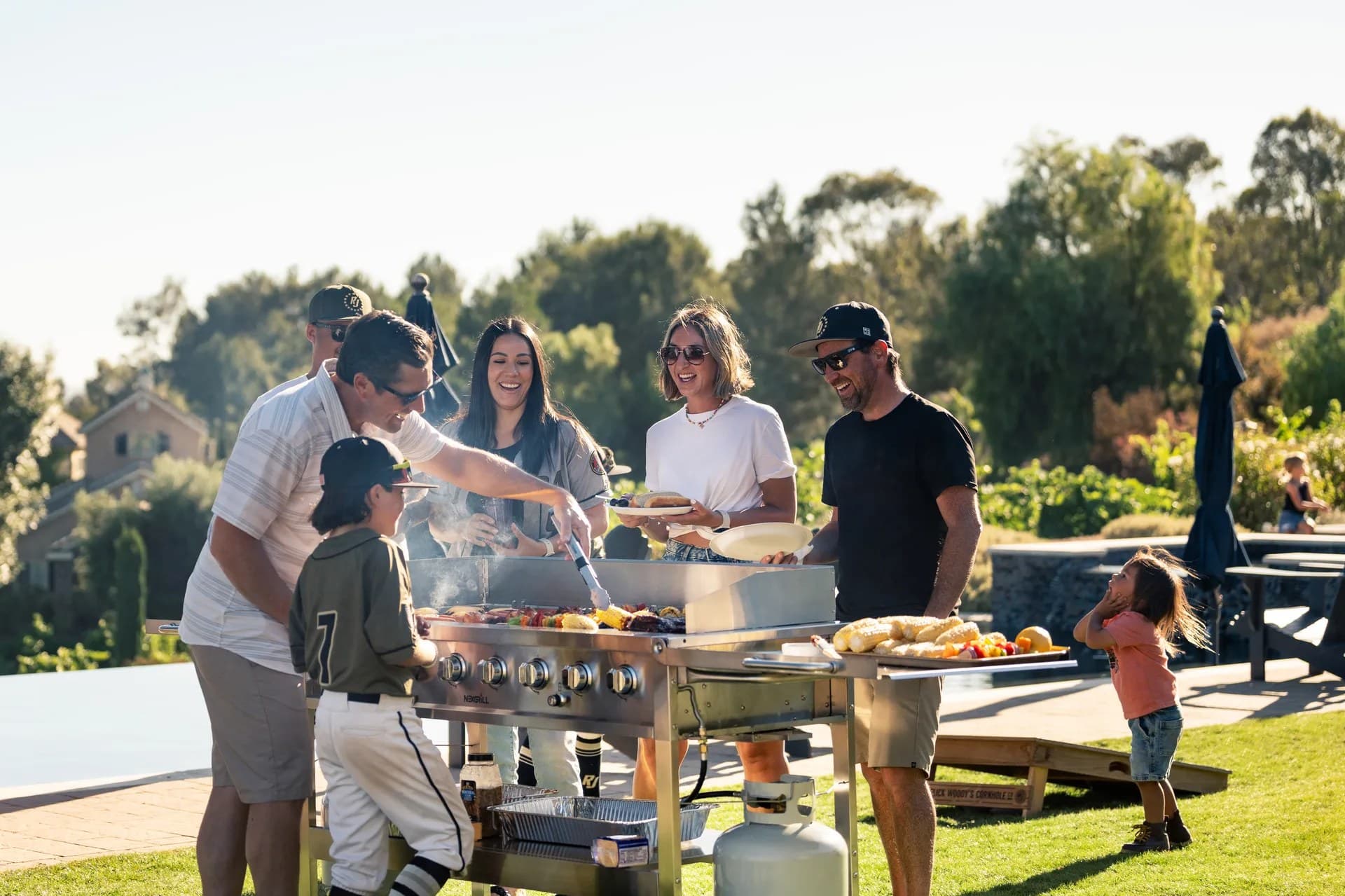
Backyard entertaining ideas, seasonal grilling inspiration, and stories that celebrate outdoor cooking culture.
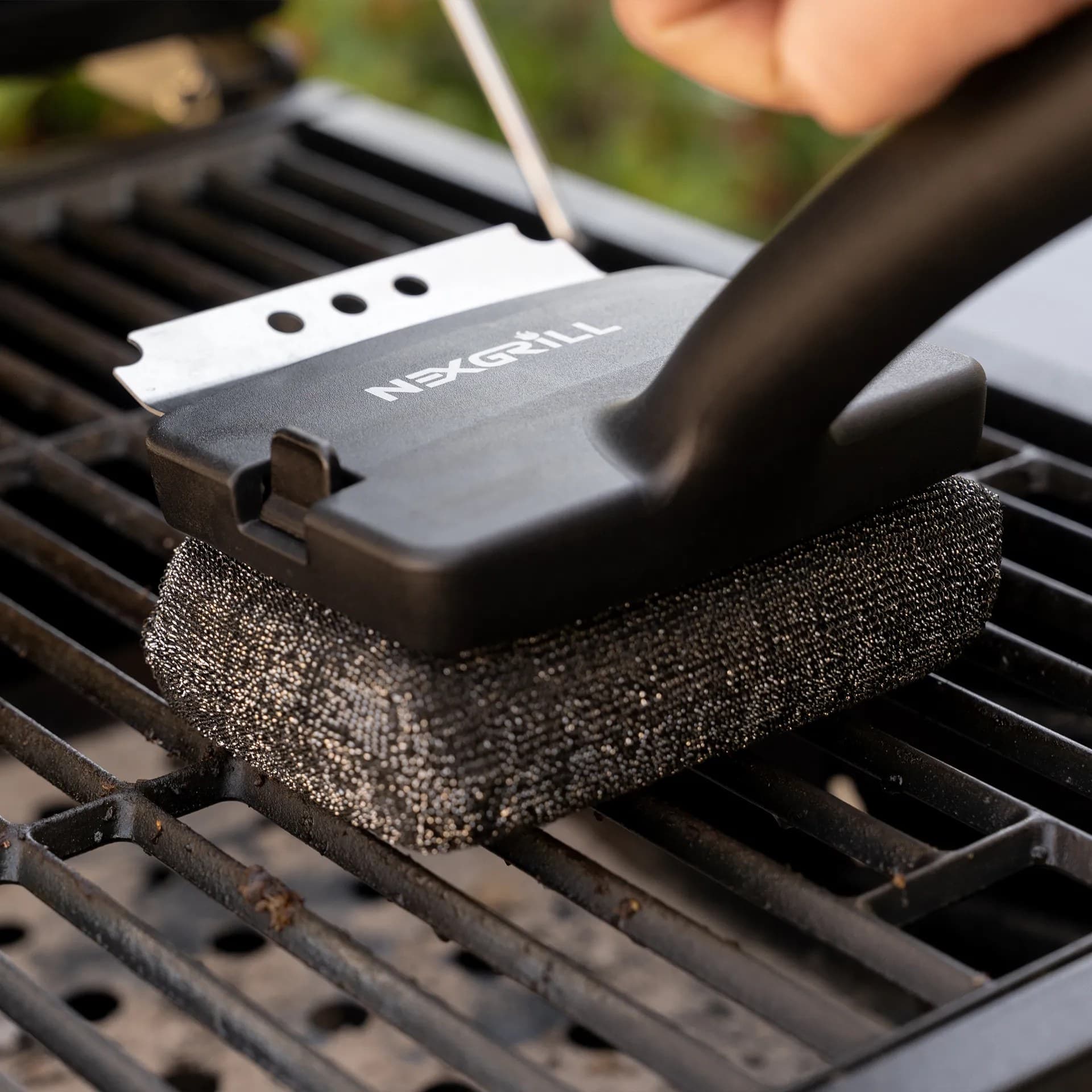
Helpful articles covering grilling tools, cookware, maintenance gear, and must-have accessories for outdoor cooking.
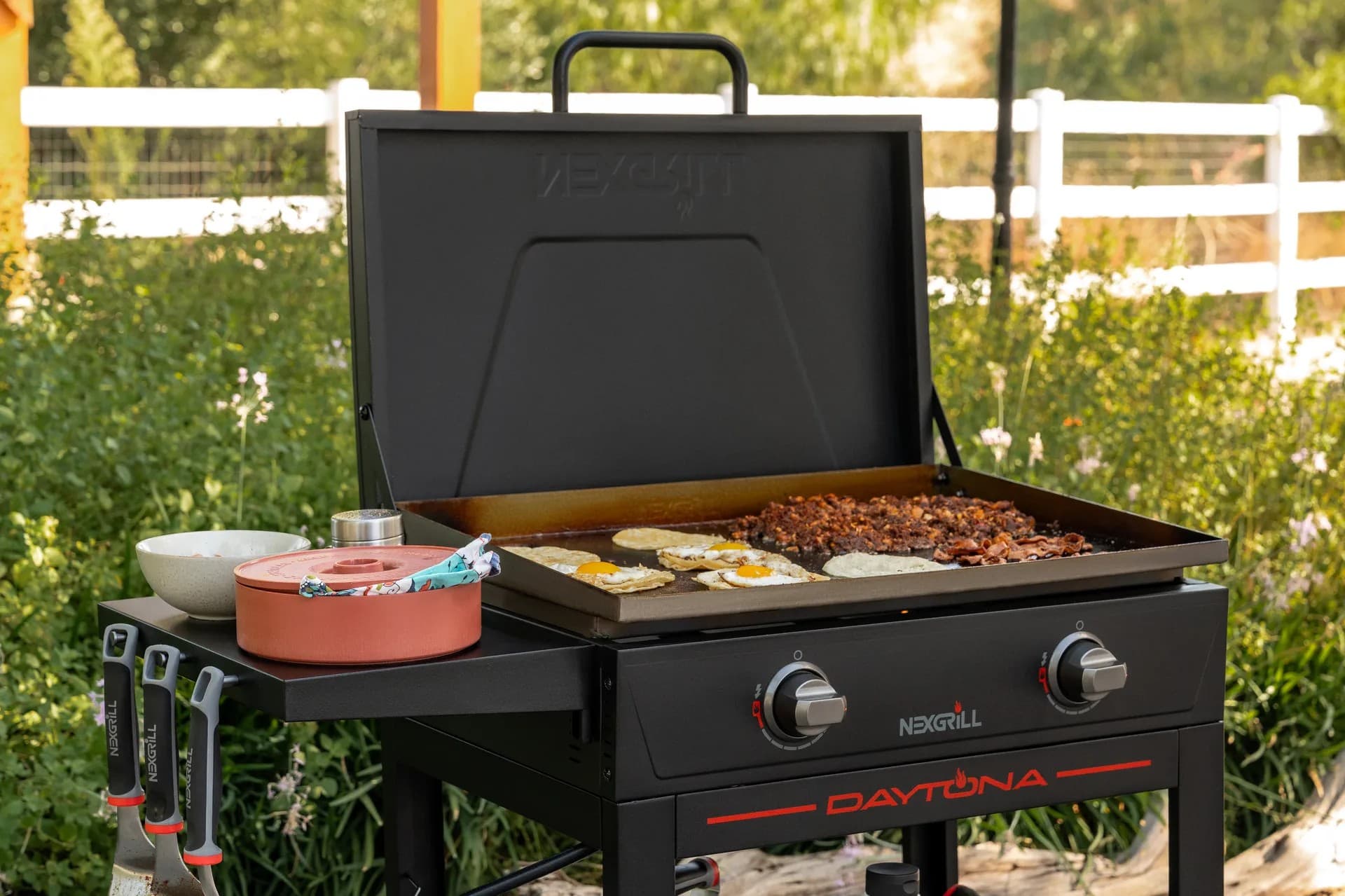
Find griddle recipes, cooking techniques, cleaning tips, and outdoor meal ideas designed for Nexgrill griddles.
Find answers to common questions
Nexgrill offers a variety of grills including gas, charcoal, and pellet grills, catering to different cooking preferences and styles.
Nexgrill is headquartered in California and serves a global market, primarily through retail partnerships such as Home Depot.
Yes, replacement parts are available for various Nexgrill products, and you can find them on the Nexgrill website or through authorized retail partners.
You can reach out to Nexgrill for support through their contact page on the website, where you will find options for phone and email inquiries.
Nexgrill products come with specific warranty terms, which can vary by product; it is recommended to check the warranty details on the product page or in the user manual.
In This Article
Grilling
Smoking
Baking and Roasting
Outdoor cooking is less about a single appliance and more about a set of techniques that turn heat, smoke, airflow, and time into different kinds of meals. Some methods are fast and direct, like grilling a steak over hot coals or burners. Others are slow and patient, like smoking pork shoulder until it develops a deep smoke ring and a pull-apart texture. Still others use enclosed heat, such as Dutch ovens or covered cookers, to bake bread, simmer stews, or roast vegetables with surprisingly steady results. That variety is what makes outdoor cooking so appealing: you can choose the method that fits the food, the weather, the schedule, and the kind of gathering you want to host.
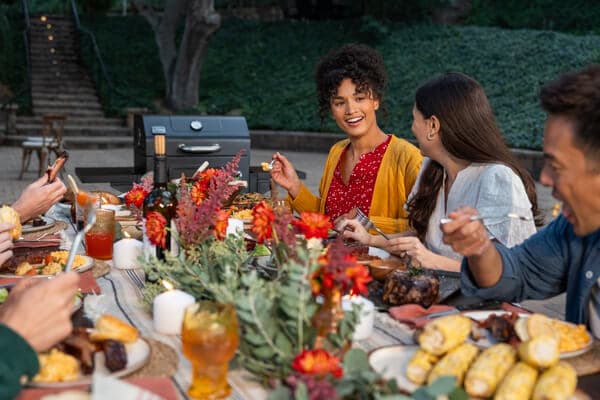
Nexgrill’s brand voice has always centered on shared meals, different cooking styles, and the idea that outdoor cooking should feel welcoming rather than intimidating . That perspective matters here because the question is not simply what tools exist, but how each method changes the final result. A weeknight family dinner may call for a quick-grill approach. A weekend reunion may be better suited to a smoker or a slow-roasted dish. A camping trip might lean on an open fire or a compact stove. Once you understand the role each method plays, you can match the technique to the occasion instead of forcing one setup to do everything.
The best outdoor cooking method is the one that matches your food and your timeline. Fast methods reward confidence and timing; slow methods reward patience and planning.
For readers just getting started, it helps to think of outdoor cooking as a spectrum. On one end are quick, high-heat techniques that create browning and char in minutes. On the other end are low-and-slow techniques that build tenderness and smoky flavor over hours. In between are versatile methods like griddling, baking, and roasting that are especially useful when you want more control than an open flame gives you. That spectrum is the backbone of this guide.
One practical way to approach outdoor cooking is to begin with the meal you want to serve, then work backward. A smash burger or fajitas need a hard, even sear. Whole chicken, ribs, or brisket benefit from steady indirect heat and airflow. Cornbread, casseroles, and cobblers often work best in an enclosed vessel where heat surrounds the food more gently. If you know what you want on the plate, the method usually becomes obvious.
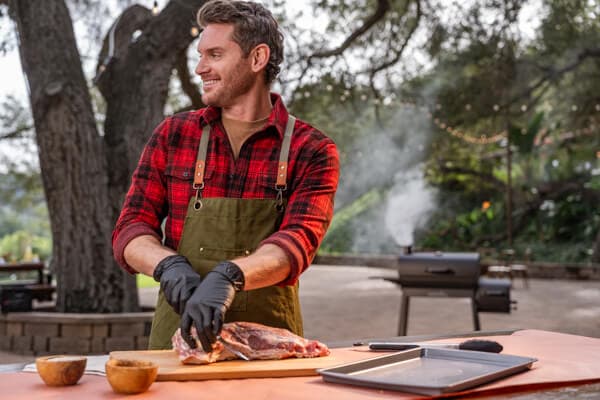
Grilling is the most familiar outdoor method for many households because it is direct, quick, and versatile. Food is placed over a heat source, usually a gas burner or charcoal bed, so the surface browns rapidly while the interior finishes cooking. That makes grilling ideal for steaks, chicken pieces, shrimp, vegetables, fruit, and thinner cuts that benefit from a flavorful crust. The exact flavor changes depending on whether you use gas, charcoal, or wood, but the core idea stays the same: intense radiant heat creates fast results.
A solid grilling process starts before the food ever touches the grate. Preheat the grill long enough to stabilize the cooking surface, then clean and oil the grates lightly so food releases more easily. Build at least two heat zones if your setup allows it: a hot direct zone for searing and a cooler zone for finishing thicker cuts without burning the exterior. For example, chicken thighs can be browned over direct heat and then moved to indirect heat to cook through more evenly. This two-zone habit is one of the simplest ways to improve results without buying extra equipment.
| Grilling decision | Best use | Why it works |
|---|---|---|
| Direct high heat | Steaks, burgers, kebabs | Creates fast browning and clear grill marks |
| Two-zone grilling | Thicker chicken, pork chops, fish | Lets you sear first, then finish gently |
| Lid-closed grilling | Bone-in cuts, vegetables, whole fish | Helps circulate heat for more even cooking |
If flare-ups become frequent, the grill is telling you something: trim excess fat, move food to a cooler zone, or reduce grease buildup before the next cook.
The biggest grilling mistake is often impatience. Opening the lid too often drops temperature, and moving food too early can tear the surface before it has a chance to sear. A good habit is to let the food tell you when it is ready to move. If it releases easily, it has likely developed enough crust. If it sticks, it may need another minute or two. That small detail makes a noticeable difference, especially with fish and delicate vegetables.
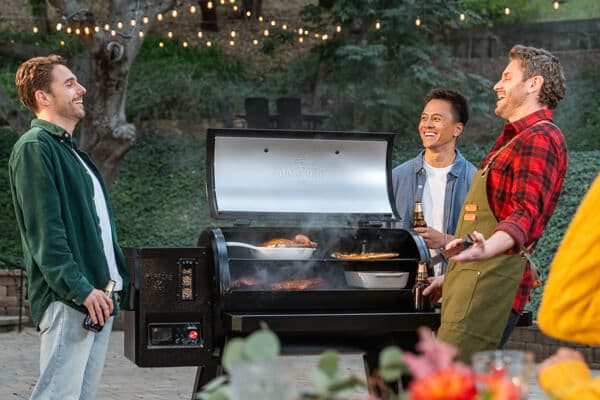
Smoking is the opposite of hurry. Instead of direct heat, the food is cooked with low, indirect heat while smoke from hardwood pellets, chunks, chips, or logs circulates around it. The goal is not only tenderness, but also layered flavor that builds over time. Smoking is ideal for brisket, ribs, pork shoulder, turkey breast, salmon, and even some vegetables and cheese. It rewards planning because the cook may run several hours or longer, but the payoff is a depth of flavor that is hard to replicate with quicker methods.
A practical smoking session begins with fuel choice and temperature control. Most low-and-slow cooks need a stable cooking range rather than dramatic heat. Consistency matters more than raw power. Start by selecting a wood profile that fits the protein: milder woods are often preferred for poultry and fish, while stronger woods can stand up well to beef and pork. Then keep the food in an environment where smoke can move steadily, not choke the chamber. Clean airflow matters because dirty smoke can leave harsh flavors.
Smoking builds tenderness and flavor gradually, so temperature stability is more important than speed.
For a practical example, imagine a Saturday brisket. The cook starts early in the morning, trims the fat cap, seasons the meat simply, and lets the smoker settle before loading the brisket. Once inside, the key is resisting the urge to chase every small temperature wobble. Many outdoor cooks wrap at a later stage to manage bark and moisture, then rest the meat before slicing. The process takes time, but it also creates a rhythm that works well for gatherings because the meal becomes part of the day rather than a last-minute task.
Smoking is also one of the methods where equipment quality has a big effect on consistency. A smoker with dependable airflow, a predictable heat source, and enough room for indirect cooking is easier to manage than one that constantly swings in temperature. That is why experienced cooks often start by learning the smoker’s behavior with a simple cut before moving to more expensive or time-sensitive proteins.
Baking and roasting outdoors rely on dry heat inside an enclosed space rather than direct contact with flames. This can be done in a covered grill, a smoker with a baking-safe setup, a camp oven, or a Dutch oven placed in coals. Roasting is usually used for meats and vegetables that benefit from steady surrounding heat, while baking is a natural fit for bread, biscuits, casseroles, cobblers, and skillet desserts. The key advantage is control: once the heat is enclosed, the food cooks more evenly and can develop textures that open-flame cooking cannot easily produce.
Roasting outdoors works especially well when you want a main dish and side dish to share the same heat source. A whole chicken can roast with potatoes, carrots, and onions underneath it, allowing the drippings to flavor the vegetables. A Dutch oven can bake a savory bread or a fruit cobbler while using coals above and below to create top-down and bottom-up heat. That layered heat is why this method is so useful for camp meals and backyard menus alike.
Covered cooking gives you a more forgiving environment than open grilling, especially for recipes that need time for the center to cook through without drying out.
A practical roasting workflow is simple: season the food, preheat the enclosed vessel or covered cooker, add the ingredients with enough spacing for air movement, then monitor doneness with a thermometer or visual cues. Bread and baked dishes may need rotation if the heat source is uneven. Meat roasts should rest after cooking so juices redistribute before slicing. The covered setup may feel rustic, but it is often one of the most dependable ways to make a full meal outdoors.
The easiest way to choose among outdoor cooking methods is to match texture, time, and setting. If you want crisp edges, fast browning, and clear sear marks, grilling is the better choice. If you want deep smoky flavor and a long cook that can anchor a weekend menu, smoking is the better fit. If you want even heat and a recipe that behaves more like indoor oven cooking, roasting or baking outdoors may be the best solution. Each method has strengths that show up most clearly when the food is chosen thoughtfully.
A burger night for four people is a grilling scenario. A holiday turkey breast for a family meal may be better roasted in a covered cooker. A rack of ribs for a leisurely Saturday is a smoking project. A berry cobbler after a campsite dinner is a Dutch oven baking job. By thinking in terms of occasion rather than equipment, you avoid forcing food into the wrong method.
| Meal type | Best method | Reason |
|---|---|---|
| Thin cuts and quick meals | Grilling | Fast heat and strong browning |
| Large cuts and long gatherings | Smoking | Low heat builds tenderness and smoke flavor |
| Bread, casseroles, roasts | Baking and roasting | Enclosed heat cooks evenly |
At a minimum, outdoor cooking benefits from reliable heat control, a thermometer, long-handled tools, and a way to manage fuel safely. For grilling, that means a sturdy grill with adjustable heat zones, tongs, a spatula, and a brush for cleaning the grates. For smoking, it means a smoker or grill that can hold steady low temperatures, plus fuel that matches the method. For baking and roasting, it means a covered cooker, a Dutch oven, or a grill setup that can create enclosed heat. None of these tools has to be elaborate, but each should support the method instead of fighting it.
A thermometer is the most useful tool across almost every outdoor cooking method because it reduces guesswork and helps you cook with confidence.
It is also worth thinking about surface area and organization. A crowded cooking station slows everything down, especially when you are flipping, moving, or resting food. Heat-resistant gloves, a side table, and a clean prep zone make outdoor cooking feel smoother and safer. For longer cooks, extra fuel and a covered resting area matter as much as the primary cooker itself.
Outdoor cooking should feel relaxed, but it still requires discipline. Keep heat sources on stable, nonflammable surfaces and maintain safe clearance from structures, branches, and foot traffic. Use dry mitts and long tools to avoid reaching over flame. Monitor the cooking area so children and pets do not wander into hot zones. Check fuel systems before every use, especially with gas setups, and never leave active heat sources unattended for long stretches. These habits are basic, but they are the foundation of a smoother cook.
Food safety is just as important. Different methods create different timing pressures, but every method benefits from proper internal temperatures and clean handling. Keep raw and cooked foods separate, especially when you are moving between prep tables and the grill. If you are smoking or roasting for several hours, use a plan for holding food safely once it is done. A cook is not really successful if the food is delicious but the process becomes stressful or unsafe.
Ash, grease, and embers can stay hot long after the meal ends. Let your equipment cool fully before cleaning or storing it.
Try comparing two products side by side below to see which fits best:
Once you have compared two options and understood the basics, the next step is learning how experienced outdoor cooks combine methods rather than treating them as separate categories. A lot of memorable meals come from hybrid techniques: sear first, then finish gently; smoke early, then roast to completion; bake in a covered vessel and finish uncovered for color. That flexibility is what lets outdoor cooking move from simple burgers to full meals with real range.
One of the most useful advanced habits is controlling zones instead of relying on a single temperature. On a grill, that may mean one hot side and one cooler side. In a smoker, it may mean placing food away from direct fire so the chamber heat can do the work. On a covered cooker, it may mean rotating pans so a hot corner does not overbrown one side. These are small adjustments, but they add up to more reliable results. The better you understand where the heat is strongest, the better you can decide where each ingredient should sit.
Advanced outdoor cooking is really about heat management. The food improves when the method fits the shape, thickness, and moisture of the ingredients.
Take a whole salmon fillet as an example. A direct, blazing-hot approach can dry the edges before the center is done. A more refined method would start the fish on a moderate section of the grill, then finish it with the lid closed or move it to a cooler zone. The same logic applies to vegetables: asparagus may thrive on direct heat, while denser vegetables such as carrots or squash benefit from a slower roast or a covered finish. Once you start viewing the cooking environment as a tool for shaping texture, the possibilities expand quickly.
Cast iron is one of the most versatile materials in outdoor cooking because it holds heat exceptionally well and transitions easily between methods. A cast-iron skillet can sear over flames, finish over indirect heat, and move into a covered setup for roasting or baking. A Dutch oven goes even further, giving you a closed vessel that acts like a portable oven. That makes it ideal for soups, chili, breads, cobblers, beans, and braised dishes. In camping settings, it can serve as the center of an entire meal. In the backyard, it becomes a way to expand what your grill can do.
The key to using cast iron outdoors is preheating gradually. If a skillet or Dutch oven is rushed into extreme heat, the food can scorch in places before the vessel has time to stabilize. A better approach is to bring the cookware up to temperature, add fat or oil, and then build the recipe in layers. For a skillet cornbread, for example, you can preheat the pan, pour in the batter, and let the bottom develop a crisp edge while the top sets under cover. For a stew, brown the meat first, add aromatics, then add liquid and let the pot simmer gently until tender.
| Cast iron use | Best outdoor application | Key tip |
|---|---|---|
| Skillet searing | Steaks, mushrooms, onions | Preheat fully before adding food |
| Dutch oven baking | Bread, cobblers, casseroles | Manage heat from above and below |
| Braising | Short ribs, beans, chili | Keep enough liquid to avoid scorching |
Seasoning and cleaning also matter. A well-seasoned pan improves release and resists rust, while a neglected one can become sticky and uneven. Outdoor cooks often appreciate cast iron because it rewards routine care with dependable performance. The payoff is durability: one solid skillet can handle breakfast, lunch, and dinner without needing much beyond a thorough wipe, a careful dry, and a light coating of oil after use.
Portable stoves and griddles are the bridge between backyard cooking and travel-friendly meals. A portable stove gives you a controlled flame for boiling, simmering, and pan cooking, while a griddle creates a broad flat surface that is especially useful for breakfast foods, smash burgers, fried rice, quesadillas, fajitas, and delicate items that would fall through standard grates. These tools are excellent when you want a more kitchen-like result outdoors without losing the social feel of cooking outside.
A griddle in particular shines when you need volume and consistency. Because the cooking surface is flat, you can manage multiple ingredients in separate zones. Eggs can be held warm while onions caramelize; tortillas can be toasted while proteins finish; pancakes can cook in batches without constant repositioning. For families, that efficiency is a real advantage because it lets one person cook while others gather nearby instead of waiting for a single batch to finish.
Griddles excel when the meal includes ingredients that are small, sticky, or fragile on a standard grill grate.
If you want a practical method for griddle cooking, start by warming the surface slowly, then test different zones with a few drops of water or a small piece of food. Use oil sparingly to reduce sticking and keep ingredients moving when necessary. For a breakfast spread outdoors, you can cook bacon on one side, slide eggs to a medium section, and toast bread or tortillas at the edge where heat is gentler. The result feels organized and efficient, and it is one of the easiest ways to feed a crowd without making the meal feel rushed.
Solar cooking is the most different method in this guide because it replaces fuel combustion with concentrated sunlight. Instead of flame or charcoal, a solar cooker uses reflective panels or an enclosed design to trap heat and raise the temperature inside the cooking chamber. It is slower than grilling or griddling, but it is quiet, clean, and surprisingly effective for certain recipes when the weather cooperates. Think of it as a patient, specialized approach rather than a fast all-purpose one.
Solar cooking works best with recipes that tolerate long, gentle heat: rice, beans, vegetables, stews, and some baked dishes. The practical setup is straightforward. Position the cooker where it will receive direct sun for the longest possible stretch, preheat if the design recommends it, and place food in dark, heat-absorbing cookware when appropriate. Because sunlight shifts over time, it is important to adjust the angle of the cooker periodically so the reflective surfaces keep capturing as much energy as possible.
Solar cooking depends on weather and timing. Cloud cover, shade, and seasonal sun angles can change results more than with any other outdoor method.
A solar cooker is especially useful for day trips, off-grid cooking, or long summer afternoons when you want a low-effort dish in the background while other activities happen around it. The trade-off is clear: you gain quiet, fuel-light cooking, but you give up speed and precision. That makes solar cooking a niche technique, yet one worth knowing if you want to expand your outdoor repertoire beyond fire-based heat sources.
Cooking over an open fire is the oldest and most elemental outdoor method in the group. It creates a direct connection between flame, smoke, and food, and it remains popular because it is both practical and memorable. From skewers and foil packets to pots suspended over coals, open-fire cooking can be adapted to a range of foods. The trick is not to treat the fire as a single uniform source of heat. Coals, flames, and hot embers all cook differently, and the smartest cooks move food between them as needed.
A good open-fire setup begins with fire management. Build a safe bed of coals if you need steadier heat, then use flame for brief charring and ember heat for longer cooking. Skewered meats and vegetables can be turned frequently for even coloring. Foil packet meals work well when you want potatoes, fish, or vegetables to steam in their own moisture. For more rustic dishes, a pot or kettle can hang near the fire and slowly simmer stew or soup. Each version offers a slightly different texture and flavor, but all benefit from attention and patience.
Open fire cooking is highly responsive, so moving food a few inches can make a major difference.
This method is especially appealing for camping because it is versatile and social. People naturally gather around a fire, and the meal becomes part of the experience rather than just the end result. The trade-off is that it requires more active management than a grill or oven-like setup. If you enjoy hands-on cooking and do not mind adjusting constantly, open-fire cooking can be one of the most rewarding ways to cook outdoors.
Outdoor cooking equipment lasts longer and performs better when it is cleaned with a method that matches the tool. Grills should be brushed after use while still warm so residue is easier to remove. Smokers need ash and grease cleared regularly to preserve airflow and avoid stale flavors. Cast iron should be dried thoroughly and lightly oiled to prevent rust. Griddles need surface scraping, a controlled wipe-down, and a thin protective coat if the manufacturer recommends it. A little routine care goes a long way because each method leaves behind a different kind of residue.
For most cooks, the best maintenance habit is to clean in stages. First, remove food bits and loose ash. Next, handle grease and residue. Finally, protect the equipment from moisture and weather. Covers help, but they are most effective when the equipment is already cool and dry. Leaving moisture trapped under a cover can be as harmful as leaving the unit exposed, especially with metal surfaces and cast iron.
Maintenance is part of the cooking method itself. Cleaner equipment gives you more accurate heat, better flavor, and less frustration on the next cook.
It also helps to keep a simple season-by-season checklist. In spring, inspect burners, hoses, seals, and hinges. In summer, clean more often because frequent use builds up grease quickly. In fall, remove ash and store fuel properly. In winter, make sure cookware and metal accessories are fully dry before storage. These steps are not glamorous, but they are what keep outdoor cooking enjoyable instead of becoming a repair project.
The different ways to cook outdoors are best understood as tools for different moments. Grilling is ideal when speed and browning matter most. Smoking is the choice for depth, patience, and big flavor. Baking and roasting outdoors bring oven-like control to patios and campsites. Cast iron, portable stoves, griddles, solar cookers, and open fire setups add even more range, allowing outdoor meals to shift from simple to memorable without losing their sense of ease. The best cooks do not rely on one method alone; they pick the right technique for the food in front of them.
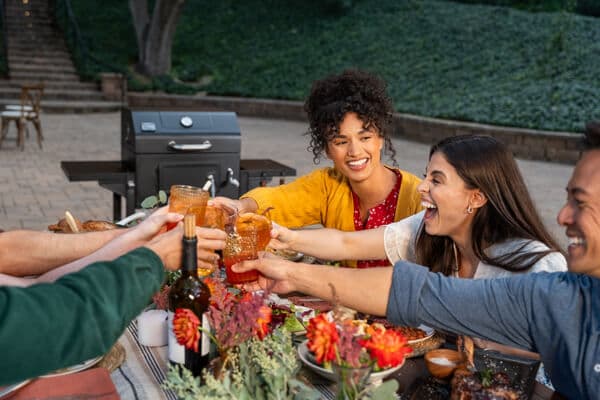
That variety is also what makes outdoor cooking feel welcoming. A casual weeknight cook, a serious barbecue enthusiast, and a camping family may all cook very differently, but they are still participating in the same shared tradition of gathering around heat and making something together. Nexgrill’s brand perspective reflects that spirit: outdoor cooking is about connection, flexibility, and enjoying the process as much as the plate . If you understand how each method works, you can cook more confidently, waste less effort, and make better choices for every occasion.
Here's what sets us apart
We position ourselves as delivering high-end outdoor cooking features and performance without premium-brand pricing, emphasizing “Quality Grills. Unbelievable Value.”
We offer gas grills, pellet grills, griddles, smokers, pizza ovens, portable/tabletop grills, electric grills, accessories, and replacement parts — allowing customers to stay within one ecosystem for all outdoor cooking needs.
We differentiate ourselves through smart grilling products like the Oakford smart pellet grill, including app-connected cooking controls and modern outdoor cooking technology.
Don't just take our word for it
Keep reading
From our catalog