Essential tips for maintaining your patio heater and understanding service costs.
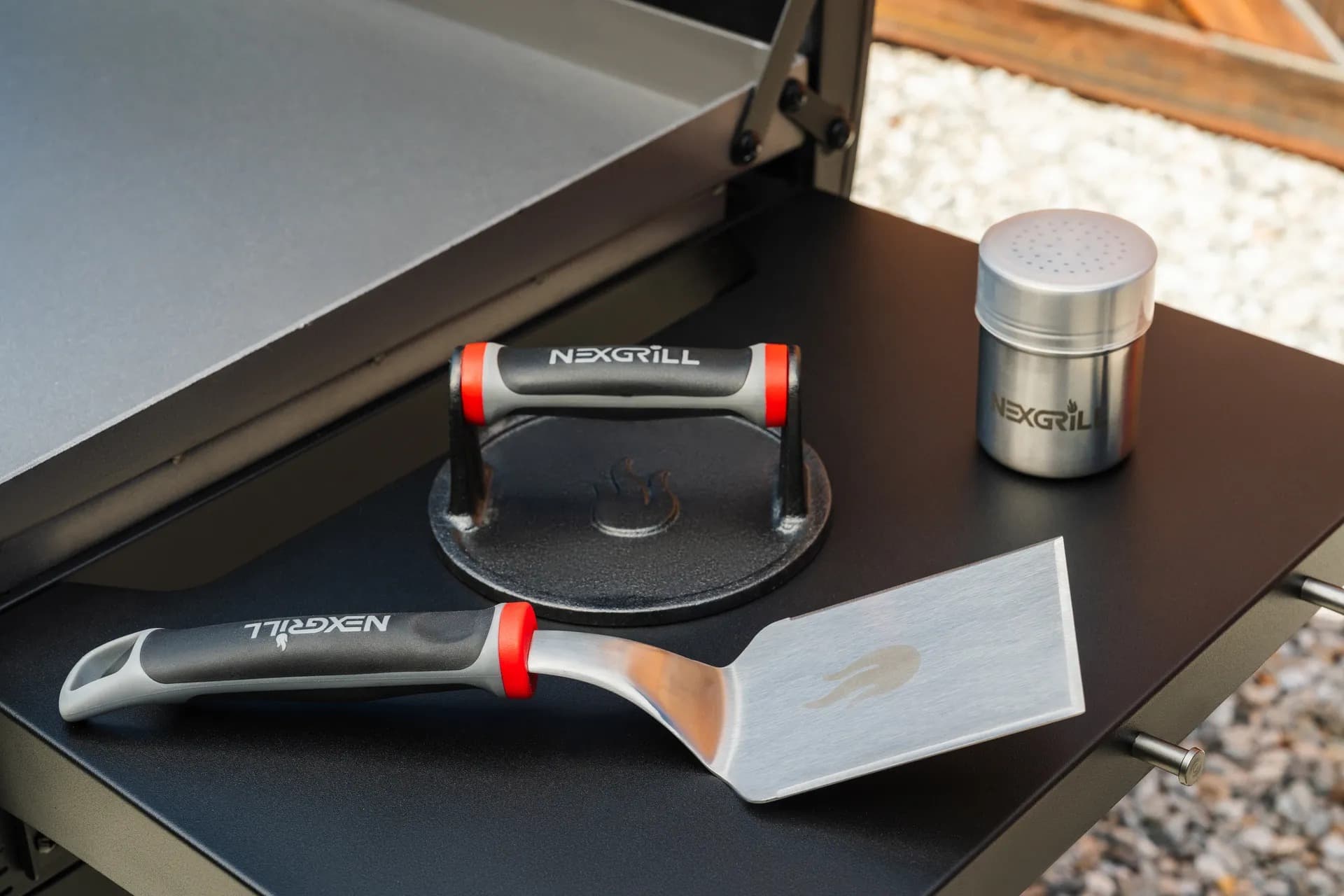
Here's what sets us apart from the competition
We position ourselves as delivering high-end outdoor cooking features and performance without premium-brand pricing, emphasizing “Quality Grills. Unbelievable Value.”
We offer gas grills, pellet grills, griddles, smokers, pizza ovens, portable/tabletop grills, electric grills, accessories, and replacement parts — allowing customers to stay within one ecosystem for all outdoor cooking needs.
We differentiate ourselves through smart grilling products like the Oakford smart pellet grill, including app-connected cooking controls and modern outdoor cooking technology.

Expert tips, buying guides, comparisons, and inspiration for choosing and getting the most out of your grill.
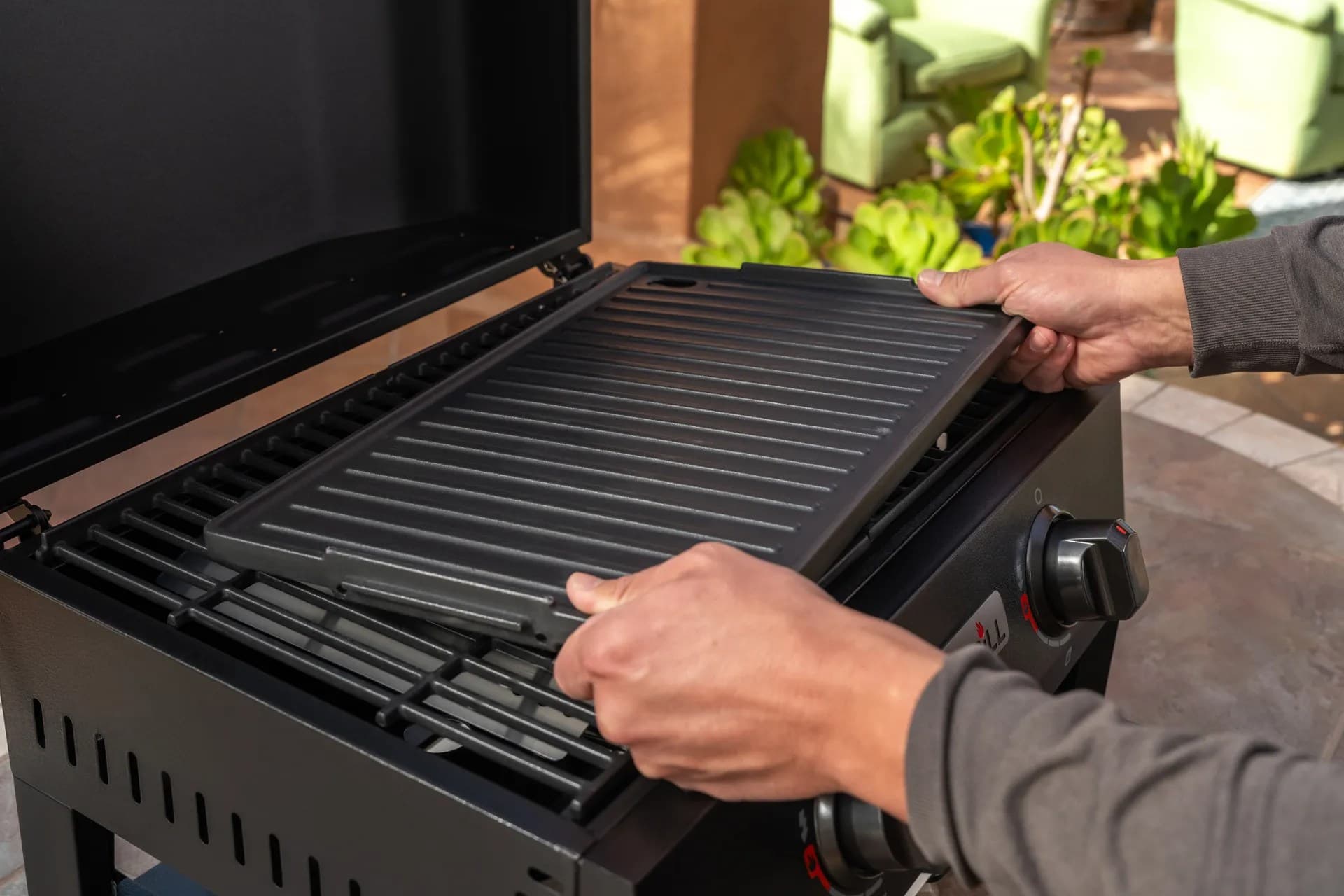
Practical guides for cleaning, maintenance, common grill issues, and performance optimization.
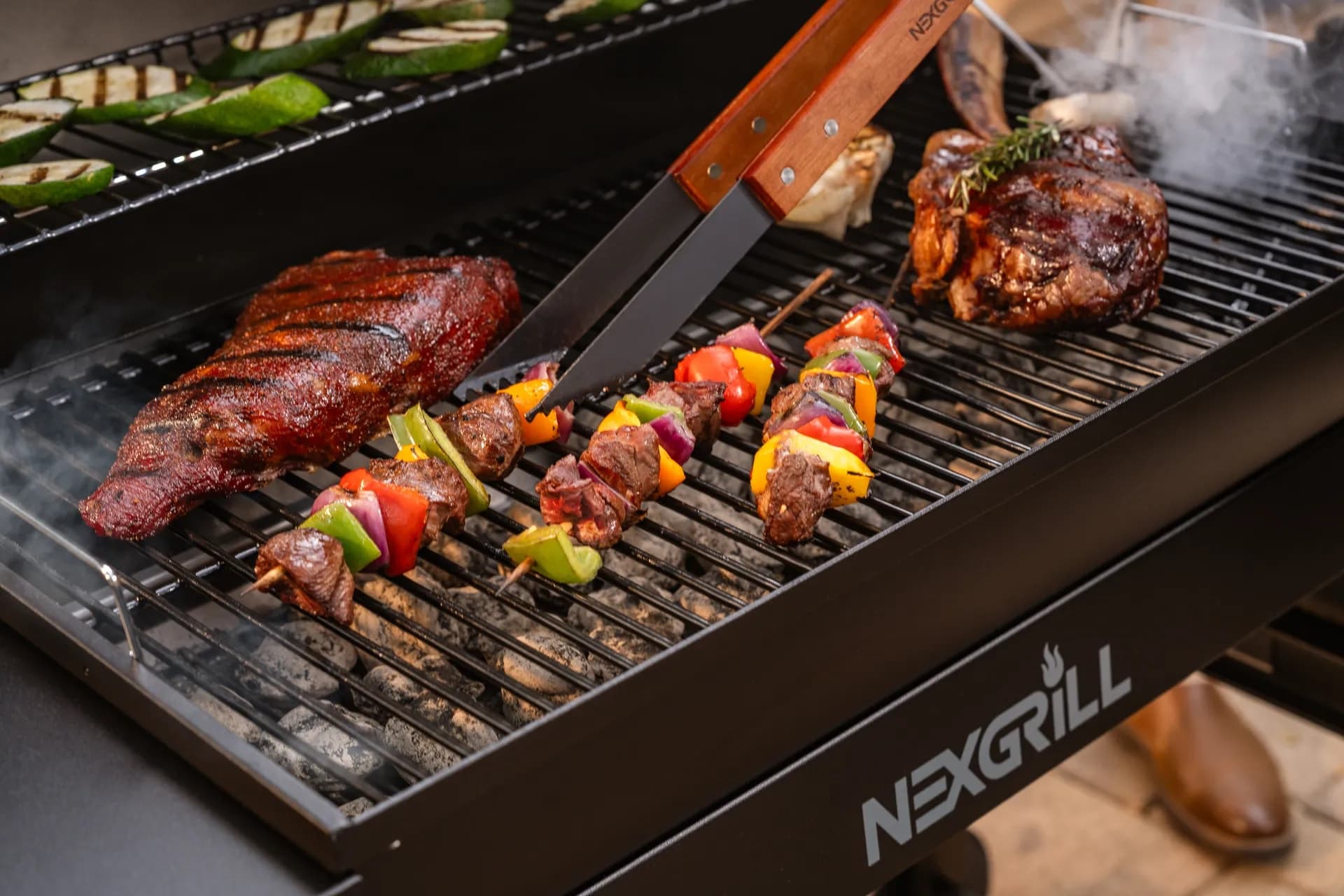
Step-by-step grilling recipes, cooking techniques, and meal ideas for every occasion and skill level.

Backyard entertaining ideas, seasonal grilling inspiration, and stories that celebrate outdoor cooking culture.
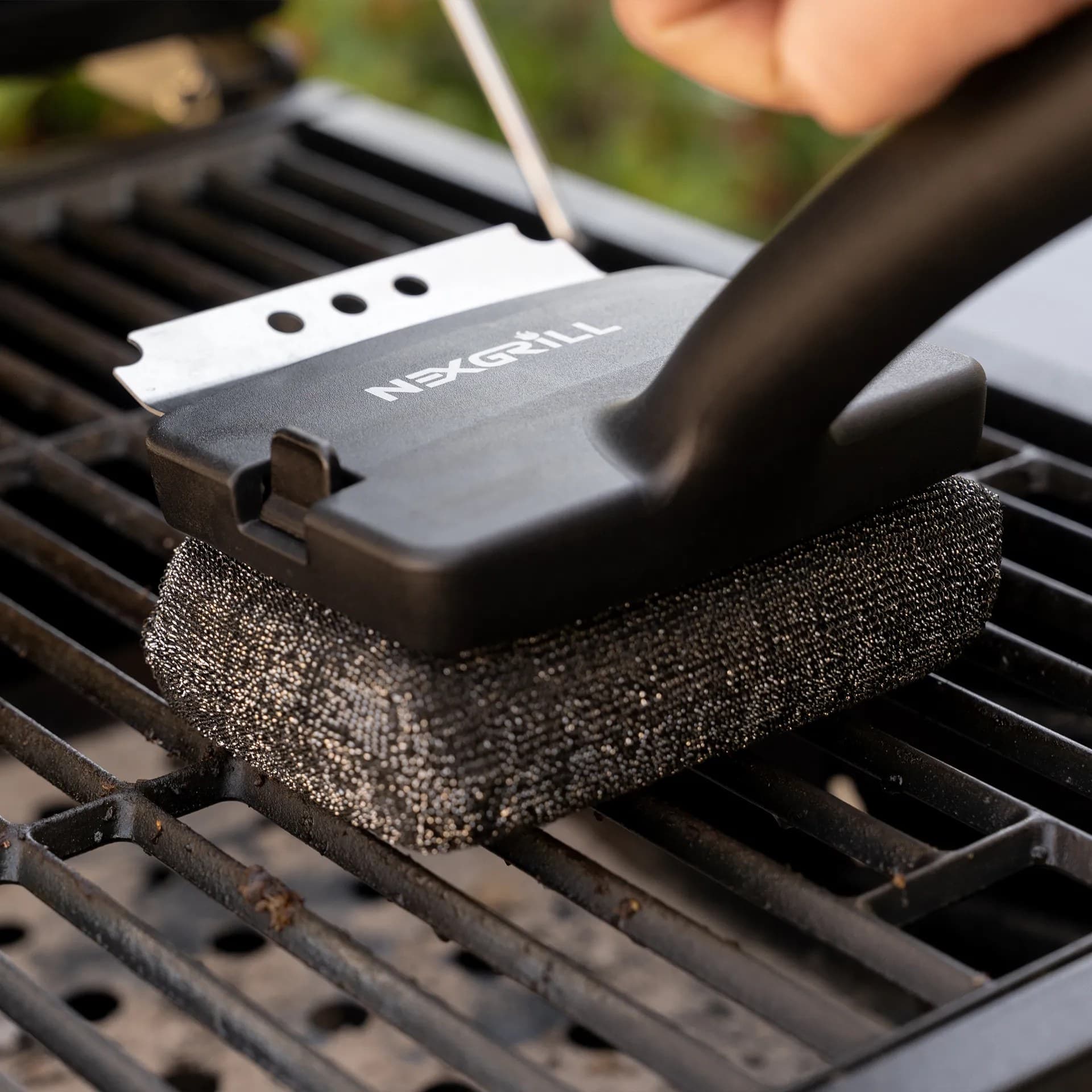
Helpful articles covering grilling tools, cookware, maintenance gear, and must-have accessories for outdoor cooking.
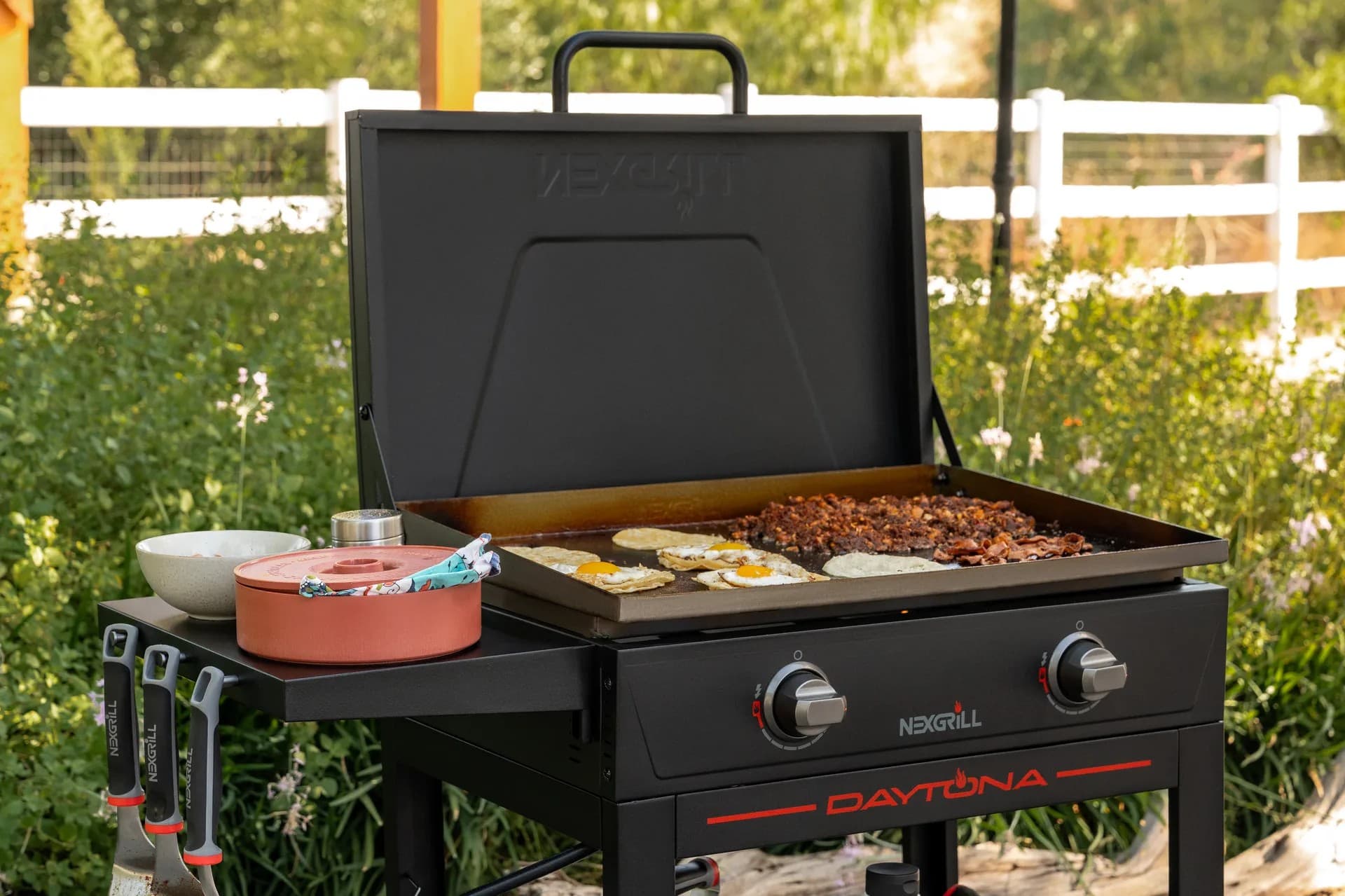
Find griddle recipes, cooking techniques, cleaning tips, and outdoor meal ideas designed for Nexgrill griddles.
Find answers to common questions
Nexgrill offers a variety of accessories including grill tools, covers, cooking utensils, and replacement parts designed to enhance your grilling experience.
Many Nexgrill accessories are widely compatible with various grill brands, but it is recommended to check the specifications for proper fit and functionality.
To maintain your Nexgrill accessories, regularly clean them with warm soapy water, avoid using abrasive materials that could scratch the surface, and store them in a dry place when not in use.
Yes, Nexgrill accessories can be purchased separately from the grills, allowing customers to customize their grilling setup as needed.
Instructions for using Nexgrill accessories are typically included in the packaging, and additional resources can be found on the Nexgrill website or in the product user manuals.
In This Article
Types of Patio Heaters
Seasonal Maintenance Checklist
Cost Analysis
A patio heater works hard in a harsh environment. It sits outside through humidity, wind, dust, grease from nearby cooking, and seasonal storage cycles that can be rough on metal, ignition parts, and fuel connections. Maintenance is not just about keeping the heater looking clean; it is about preserving reliable ignition, stable flame quality, and safe operation over time. If a patio heater is used only on weekends, it can still develop issues between uses because insects, moisture, and residue can block ports or interfere with controls. For homeowners who want to stretch their outdoor living season without replacing equipment too soon, a basic maintenance routine is one of the best investments you can make.
The good news is that most patio heater care is straightforward. You do not need a full workshop to handle routine upkeep. In many cases, the job comes down to checking the fuel source, clearing debris, tightening hardware, and storing the heater correctly when temperatures drop. The important part is consistency. A heater that is inspected before the first cold snap, cleaned during the season, and stored properly afterward is far less likely to surprise you with weak output or a failed startup right when you want to use it.
This guide focuses on the practical side of ownership: what maintenance each heater type needs, what a seasonal checklist should include, what common problems usually mean, and how much patio heater maintenance typically costs in the United States. That cost question matters because the price of ownership is not only the purchase price. It also includes replacement parts, cleaning supplies, tank checks, and, in some cases, professional service. Understanding those costs helps you decide when DIY care makes sense and when paying a technician is the smarter move.
A heater that is serviced on a schedule usually costs less to keep running than one that is repaired after a failure. Preventive care is almost always cheaper than emergency part replacement.
The maintenance plan should start with the fuel type, because propane, natural gas, and electric patio heaters age in different ways. A propane heater has the most moving parts in the fuel delivery chain: cylinder, regulator, hose, valve, burner, and ignition system. That means more opportunities for wear, but also more opportunities for a homeowner to spot problems early. The most common propane upkeep tasks are checking for leaks, inspecting the hose for cracks or brittleness, cleaning the burner assembly, and confirming that the flame is even across the burner surface. If you notice sputtering, yellow flame tips, or delayed ignition, those are signs that the burner or fuel path needs attention.
Natural gas patio heaters usually require less day-to-day fuel handling because they are tied into a gas line, but they still need regular checks. The connection points, burner ports, ignition components, and pilot systems should be inspected for blockage or wear. Because the unit is fixed in place, owners often overlook it until performance drops. A smart approach is to treat it like any other outdoor appliance: clear the burner, verify ignition response, and look for corrosion around exposed fittings. If your heater is in a coastal or humid area, rust prevention matters more, since moisture can shorten the life of exterior hardware.
Electric patio heaters are generally the simplest to maintain, but that does not mean they are maintenance-free. Their main needs are surface cleaning, cord inspection, and keeping moisture away from electrical connections. If the heater has a quartz element or reflective surface, dust buildup can reduce efficiency and create uneven heat. For models that use wall mounting or ceiling mounting, you should also check that brackets remain secure and that the heater is not obstructed by furniture, drapes, or low overhangs. Electrical units often last well when treated gently, but damaged cords or loose plugs should be addressed immediately rather than used repeatedly.
Material choice also affects maintenance. Powder-coated steel and stainless steel finishes can both hold up outdoors, but stainless steel usually resists corrosion better when cleaned and stored properly. Lower-cost painted finishes may need more frequent wiping and protection from standing moisture. Glass components, where present, should be cleaned carefully with non-abrasive products so the surface does not scratch or cloud over time.
| Heater type | Main maintenance focus | Common wear point |
|---|---|---|
| Propane | Fuel connection, burner cleaning, ignition checks | Hose, regulator, burner ports |
| Natural gas | Gas line fittings, burner ports, corrosion control | Pilot or igniter, exposed fittings |
| Electric | Cord care, dust removal, mounting checks | Cord, plug, heating element surface |
The easiest way to keep a patio heater dependable is to break maintenance into seasonal habits instead of waiting for a problem. Before the heating season begins, inspect the heater from top to bottom. For propane units, check the tank for rust or damage, confirm the regulator is attached correctly, and look at the hose for cracking or stiffness. For natural gas heaters, inspect all visible line connections and make sure the burner area is free of dirt, spider webs, and outdoor debris. For electric heaters, test the cord, switch, and mounting hardware before the first use of the season.
During the season, the goal is to keep airflow and ignition paths clear. Wipe away dust and grease, especially if the heater is near an outdoor kitchen or grill. Outdoor cooking residue can drift farther than people expect, and that buildup can affect burner performance. If the heater is freestanding, make sure the base remains level and stable after moving it around the patio. A wobbly heater is not just annoying; it is a safety concern in breezy conditions or high-traffic spaces.
At the end of the season, clean the heater thoroughly before storage. Turn off the fuel supply, disconnect propane tanks if the manufacturer allows it, and store the cylinder separately in a ventilated, upright location. For electric heaters, coil cords loosely rather than bending them sharply. Cover the unit only after it is fully cool and dry. A cover helps reduce dust and moisture exposure, but storing a damp heater under a cover can trap corrosion right where you do not want it.
If a heater has been unused for months, always test it outdoors in an open area before the first full evening of use. That quick check can reveal ignition problems before guests are gathered around it.
Try comparing two products side by side below to see which fits best:
When selecting an outdoor heating option, it’s essential to understand the different types available. This will help you in choosing an outdoor heater that meets your needs.
Safety is also a primary concern when heating outdoor spaces, especially with fire pits. Always remember to follow fire pit safety tips to ensure everyone's enjoyment.
Moreover, if you want to enhance your outdoor experience, consider the numerous benefits of heating systems, especially patio heaters. They offer warmth and comfort, which is why discovering the benefits of patio heaters is vital for outdoor enjoyment.
Finally, understanding the costs associated with patio heaters, especially those with safety shutoff features, can save you money. Review articles that discuss the cost of patio heaters with safety shutoff features to make an informed decision.
Here's what sets us apart
We position ourselves as delivering high-end outdoor cooking features and performance without premium-brand pricing, emphasizing “Quality Grills. Unbelievable Value.”
We offer gas grills, pellet grills, griddles, smokers, pizza ovens, portable/tabletop grills, electric grills, accessories, and replacement parts — allowing customers to stay within one ecosystem for all outdoor cooking needs.
We differentiate ourselves through smart grilling products like the Oakford smart pellet grill, including app-connected cooking controls and modern outdoor cooking technology.
Don't just take our word for it
Keep reading
From our catalog