Discover essential considerations for selecting the perfect gas grill.
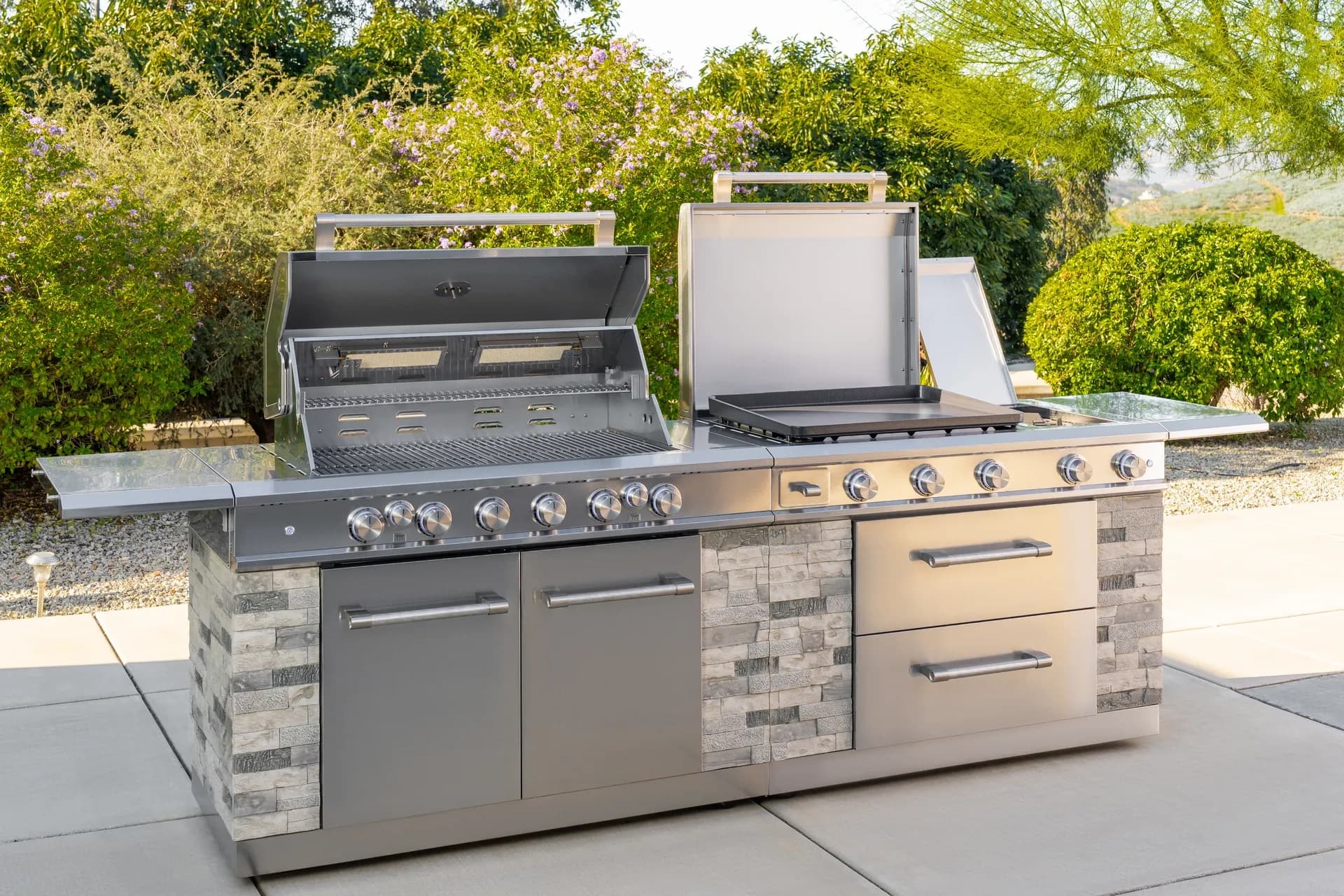
From sizzling breakfasts to smash burgers and teppanyaki-style dinners, the Daytona Pro 5 Burner NitroGuard™ Griddle delivers powerful heat, fast cooking, and a durable cooking surface built for every backyard cookout. Watch how easy outdoor cooking can be.
Here's what sets us apart from the competition
We position ourselves as delivering high-end outdoor cooking features and performance without premium-brand pricing, emphasizing “Quality Grills. Unbelievable Value.”
We offer gas grills, pellet grills, griddles, smokers, pizza ovens, portable/tabletop grills, electric grills, accessories, and replacement parts — allowing customers to stay within one ecosystem for all outdoor cooking needs.
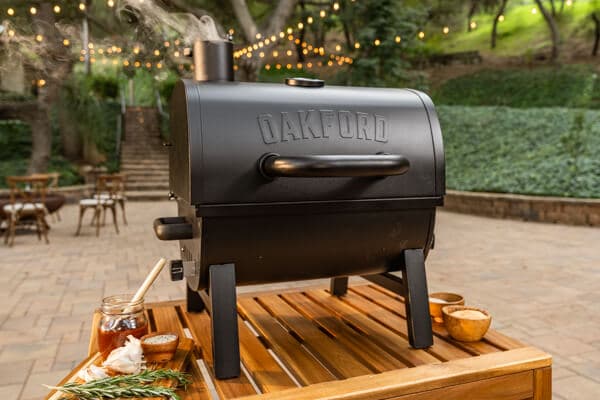
We differentiate ourselves through smart grilling products like the Oakford smart pellet grill, including app-connected cooking controls and modern outdoor cooking technology.
Expert tips, buying guides, comparisons, and inspiration for choosing and getting the most out of your grill.
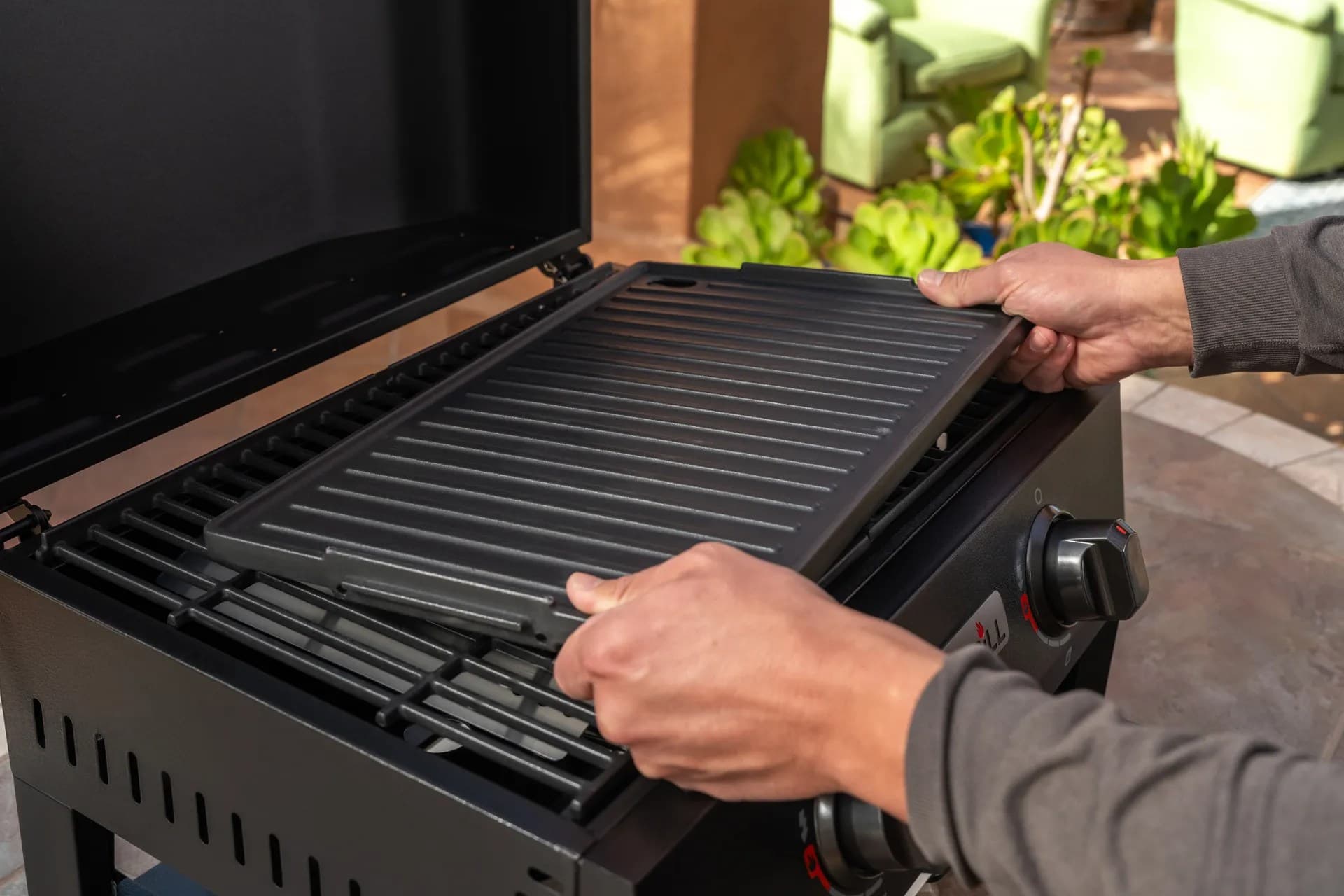
Practical guides for cleaning, maintenance, common grill issues, and performance optimization.
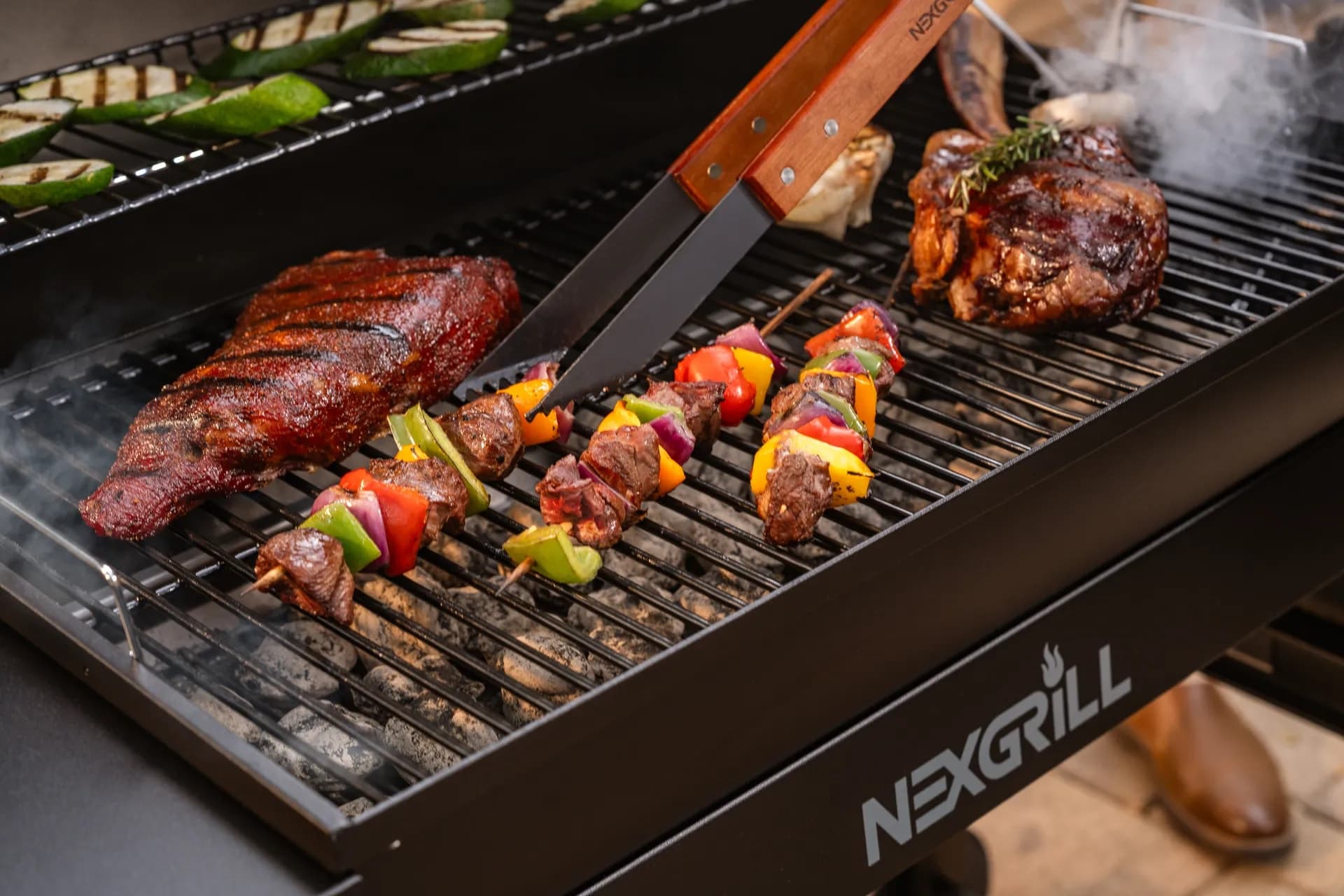
Step-by-step grilling recipes, cooking techniques, and meal ideas for every occasion and skill level.
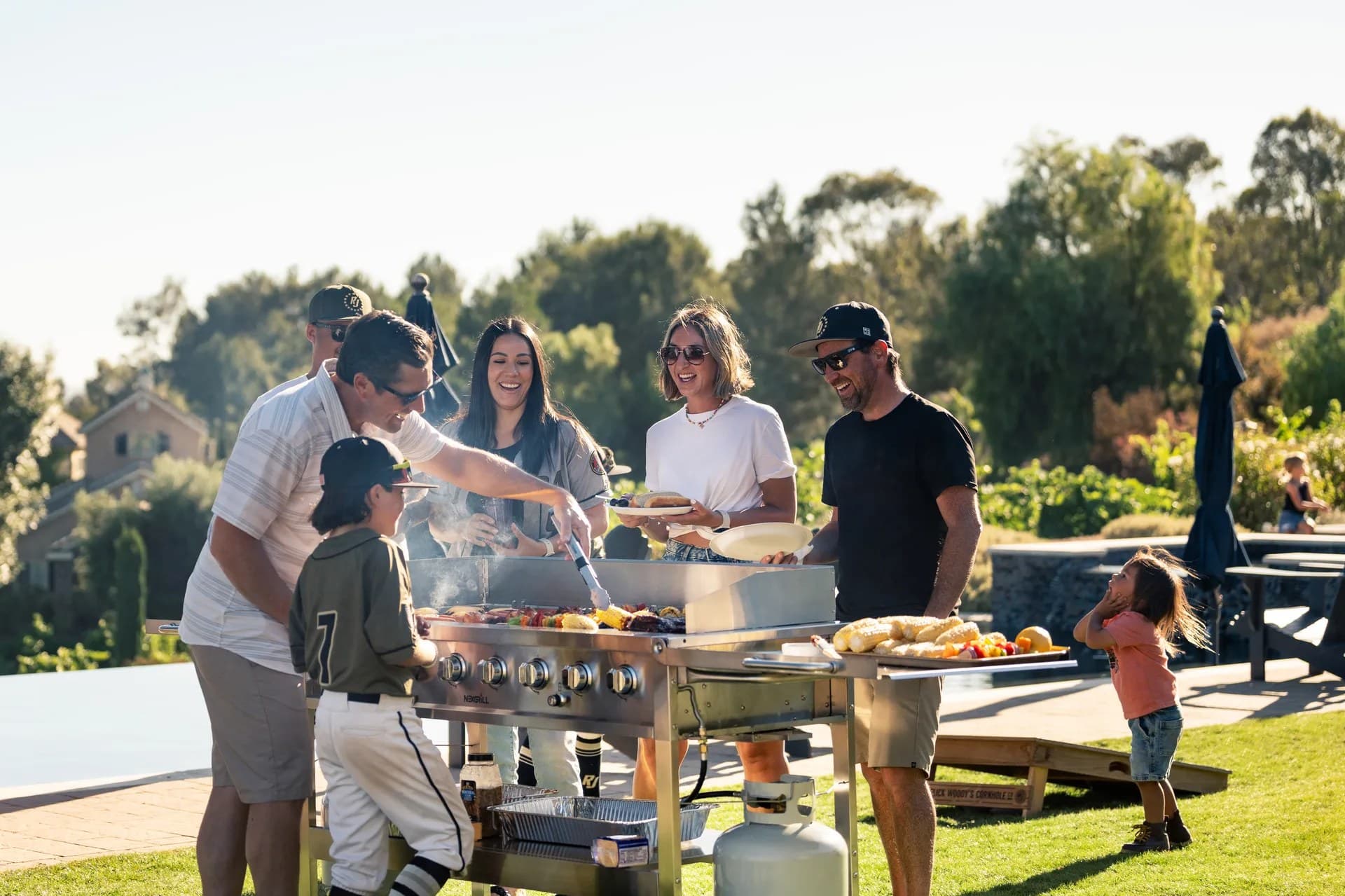
Backyard entertaining ideas, seasonal grilling inspiration, and stories that celebrate outdoor cooking culture.
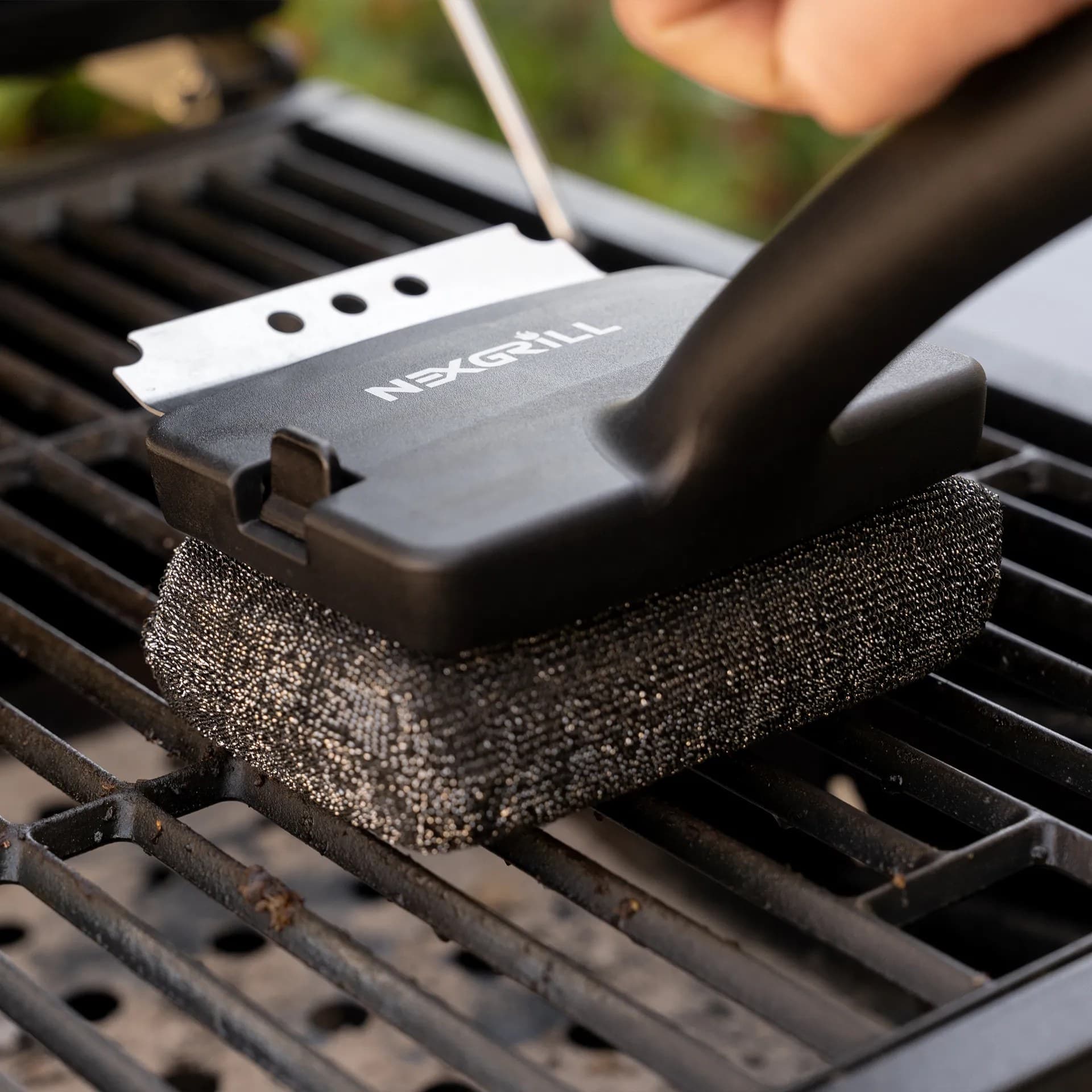
Helpful articles covering grilling tools, cookware, maintenance gear, and must-have accessories for outdoor cooking.
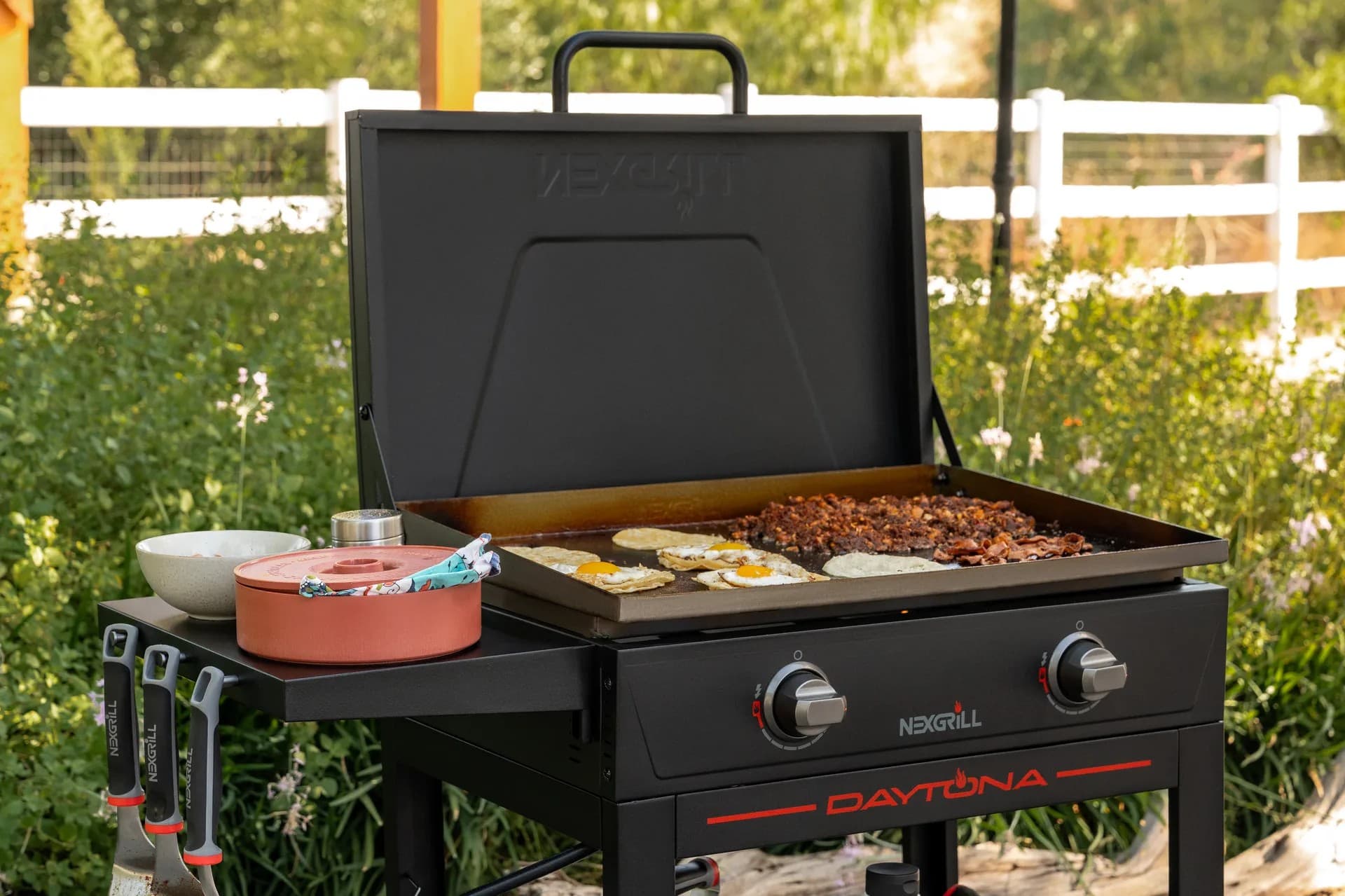
Find griddle recipes, cooking techniques, cleaning tips, and outdoor meal ideas designed for Nexgrill griddles.
Find answers to common questions
Gas grills provide instant heat and precise temperature control, making them easier to use. Charcoal grills offer a smoky flavor and high heat for searing but require more time to heat up and manage.
Pellet grills combine the convenience of gas with the flavor of wood, allowing for smoking, baking, and grilling. Traditional gas grills, however, are quicker to start and often easier to clean.
Charcoal grills typically reach higher temperatures quicker than gas grills, making them better for searing meat. However, high-quality gas grills can also provide adequate heat for effective searing.
Nexgrill offers models designed specifically for gas, charcoal, and pellets, allowing users to choose based on their cooking style and flavor preferences. Each type is built to optimize the characteristics of its respective fuel.
Choosing between gas and charcoal grills depends on your cooking preferences and lifestyle. If you value convenience and quick cooking, a gas grill may suit you better; if you prefer the taste and experience of traditional grilling, a charcoal grill would be ideal.
In This Article
Versatility of Warming Racks
Heat Distribution
Build Quality
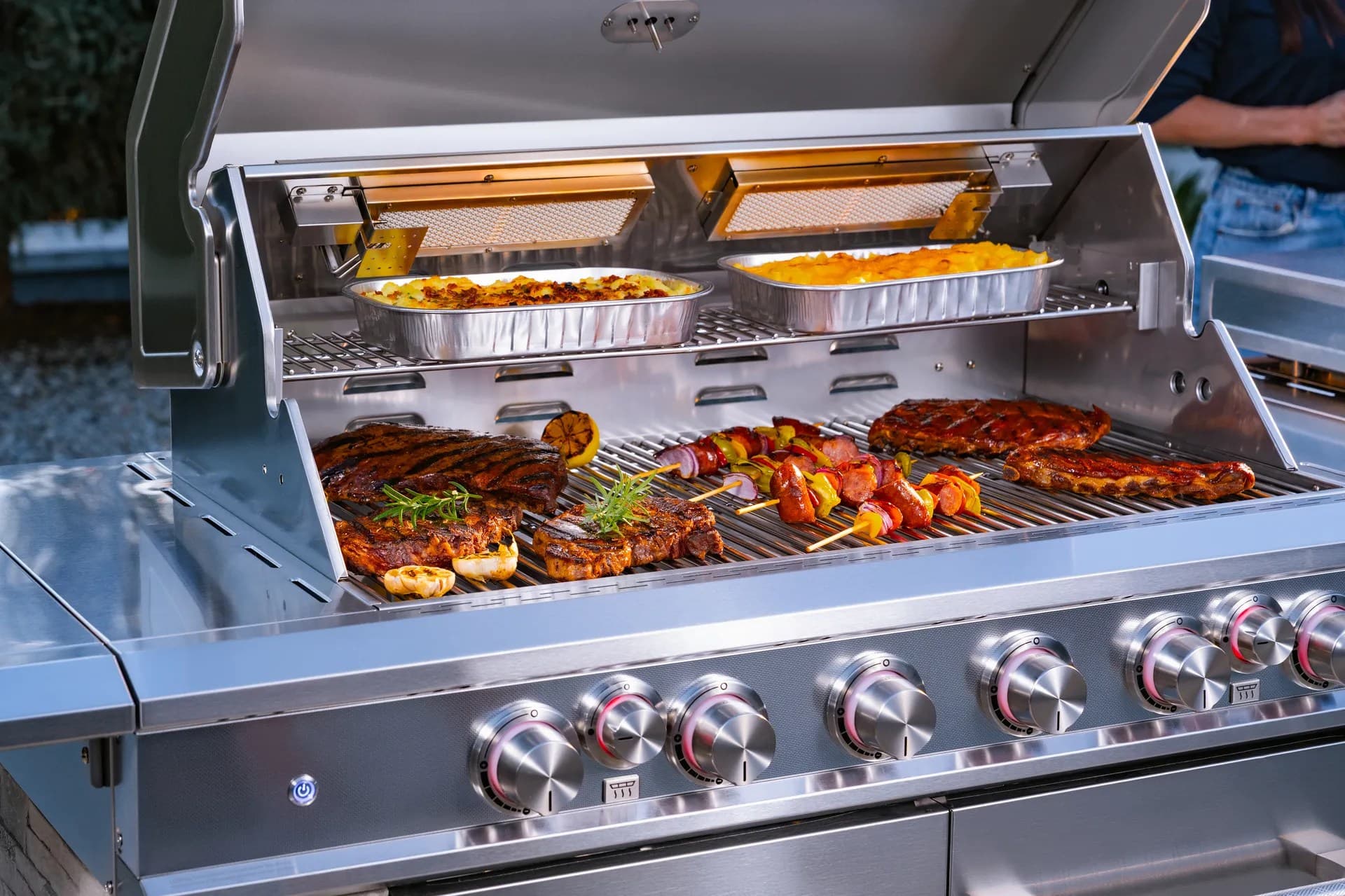
If you are planning to buy a gas grill with a warming rack, it helps to think beyond burner count and the size of the cooking grate. A warming rack changes how you use the grill in real life. It gives you a second heat zone above the main cooking surface, which means you can hold cooked food, toast buns, finish vegetables, or keep a smaller cut of meat at serving temperature while the main burners stay busy. For backyard cooks who host family dinners, holiday cookouts, or casual weekend meals, that extra zone often matters more than one more burner or a flashy lid design.
Nexgrill’s brand approach is built around practical outdoor cooking that brings people together, and that matters here because a warming rack is less about novelty and more about making the meal flow better. Nexgrill’s own brand guidelines emphasize grilling as a shared experience and a flexible one, where people with different skill levels can gather around the same table and still get great results . A good warming rack supports that kind of cooking: the host can stay organized, keep food moving, and avoid serving everything the second it comes off the fire. That matters whether you are cooking for two people or a crowd of twelve.
A warming rack should be judged by function, not just by whether it is included. Check where it sits, how much usable space it offers, and whether it stays warm without overcooking delicate foods.
The best gas grill for most households is the one that fits the way they actually cook. Some buyers want a simple two-burner setup for weeknight meals, while others need a broader cooking zone for multiple dishes at once. A warming rack is especially helpful for people who grill proteins and sides together, because the upper rack can manage food that needs gentler heat than the grate below. That can include asparagus, rolls, skewers, sliced chicken, or finished burgers waiting for the rest of the meal to catch up.
Another reason this feature deserves attention is that it can reduce stress at serving time. If you have ever tried to keep steaks hot while finishing corn, or hold toasted buns without drying them out, you already understand the value of a second tier. On a busy patio, the warming rack becomes a staging area. It helps you finish a meal cleanly rather than juggling food on a crowded main grate. For many home cooks, that simple improvement changes the whole rhythm of grilling.
A warming rack adds flexibility without taking space away from the primary grill surface.
A warming rack is essential because it solves a practical problem: not all foods should be handled the same way once they are near done. Some items need direct heat to finish, but others only need gentle warmth. The warming rack lets you separate those jobs. That separation helps protect texture, prevents overcooking, and keeps the meal on schedule. In a real backyard cooking session, that can be the difference between food arriving at the table in waves and everything landing at once.
For households in the United States that grill frequently during warm months, the warming rack also makes it easier to coordinate with guests. People often arrive early, food is ready in stages, and conversations interrupt the timing. Instead of pulling finished food off the grill and setting it on a counter where it cools too quickly, you can move it to the upper rack and keep it service-ready. That is especially useful when cooking for kids, where portion timing is often different from adult servings.
Do not use the warming rack as a high-heat cooking zone. It is designed for holding, gentle finishing, and indirect warmth, not for hard searing.
There is also a cost-and-value reason to care about this feature. A grill with a useful warming rack can replace some of the multitasking that would otherwise require extra pans, trays, or a separate serving station. That may sound minor, but on a crowded deck or small patio, every piece of equipment that simplifies service matters. Buyers should look for a rack that is sturdy enough to support plates of food, deep enough for real use, and positioned so it does not interfere with the main cooking area below.
The most effective warming racks are not oversized accessories; they are part of the grill’s overall design. If the rack is too small, too close to the lid, or placed in a spot that receives too much direct flame, it can be frustrating rather than helpful. A thoughtful layout allows heat to rise gently while still leaving room for the main burners to do their work. That is why a gas grill should be evaluated as a system, not as a collection of isolated parts.
When you buy a gas grill with a warming rack, the smartest approach is to compare the features that shape everyday use. The first is cooking space. A grill may advertise multiple burners, but what matters is whether you have enough room to cook your usual meals comfortably. If you regularly make burgers, sausages, vegetables, and buns together, a cramped grill can create timing problems. A wider primary grate plus a practical warming rack gives you room to separate foods by temperature needs.
Burner layout is the second major feature. Multi-burner systems make it easier to create direct and indirect zones, which pairs well with a warming rack. For example, you can sear chicken over one burner bank, move it to the rack to finish, and keep vegetables warm on the upper level while the main zone stays hot for the next batch. That kind of control is more valuable than an oversized number on a box because it affects how smoothly the whole cook goes.
| Feature | Why it matters | What to check |
|---|---|---|
| Primary cooking area | Determines how much food you can cook at once | Usable grate size, not just exterior dimensions |
| Warming rack design | Keeps finished food hot without overcooking | Rack depth, stability, and distance from lid |
| Burner control | Helps create separate cooking zones | Independent controls and responsive knobs |
| Lid height | Affects how usable the upper rack is | Enough clearance for buns, ribs, or trays |
Third, look at the ignition system. A grill used often should light quickly and consistently. Electronic ignition is particularly helpful for families who want convenience and repeatability. Fourth, check side shelves, storage, and cleanup design. A warming rack is most useful when the rest of the grill is also easy to work around. If you have nowhere to set a tray or tongs, the feature loses some of its value. Grease management is also important, because a clean cooking environment supports better temperature control and easier maintenance.
Finally, think about the kind of foods you cook most often. If you are usually grilling quick items like chicken breasts, vegetables, and burgers, a simpler grill may be enough. If you like mixed menus, such as steak for adults and vegetables or rolls for sides, a warming rack becomes far more important. The right choice is the one that fits your routine rather than the one with the most add-ons.
Heat distribution is the backbone of grill performance, and it becomes even more important when a warming rack is part of the design. A rack only works well if the main burners produce steady, even heat below it. If one area of the grill runs too hot and another too cool, the upper rack can become unpredictable, with one side drying out while another side stays barely warm. That is why buyers should focus on burner consistency, grate materials, and lid design, not only overall BTU numbers.
A well-balanced gas grill gives you the ability to cook in zones. You can place foods that need quick browning over a hotter section, keep finished items on the rack, and let more delicate foods ride in gentler heat. For example, after searing a steak, you might move it to the rack to rest while vegetables finish below. That resting period is not just convenient; it helps preserve juiciness and keeps the meal organized. The warming rack is most useful when it supports this kind of thoughtful workflow.
Tip: preheat the grill fully before using the warming rack. Stable heat below the rack creates more predictable results above it.
Another sign of strong cooking performance is how well the grill recovers after the lid is opened. If the temperature drops sharply and takes too long to rebound, the warming rack will not function as intended because the whole system becomes less stable. Good heat recovery matters when you are cooking in rounds or moving food between levels. It also matters on cooler evenings when outdoor temperatures can affect the cooking chamber more than expected.
For shoppers comparing models, the best test is to imagine a full meal rather than a single steak. Ask whether the grill can handle a main protein, a vegetable side, and a holding area for buns or finished items at the same time. If the answer is yes, the warming rack is likely a true advantage. If the rack is too small or the heat below it is uneven, the feature may look better on paper than it performs in the backyard.
Try comparing two products side by side below to see which fits best:
When choosing a grill, understanding the price of gas grills with flame tamers and ceramic briquettes is crucial. This knowledge helps in making an informed decision based on your budget and needs.
In addition to price, you should consider the best gas grills with flame tamers and ceramic briquettes that suit your grilling style. Reviews and recommendations can guide you toward the right choice.
Here's what sets us apart
We position ourselves as delivering high-end outdoor cooking features and performance without premium-brand pricing, emphasizing “Quality Grills. Unbelievable Value.”
We offer gas grills, pellet grills, griddles, smokers, pizza ovens, portable/tabletop grills, electric grills, accessories, and replacement parts — allowing customers to stay within one ecosystem for all outdoor cooking needs.
We differentiate ourselves through smart grilling products like the Oakford smart pellet grill, including app-connected cooking controls and modern outdoor cooking technology.
Don't just take our word for it
Keep reading
From our catalog