Top Gas Grills with Flame Tamers and Ceramic Briquettes
Discover the best gas grills that elevate your grilling experience.
In This Article
Enhanced Flavor
Performance Insights
User Reviews
Introduction to Gas Grills with Ceramic Briquettes
If you are comparing the best gas grill with flame tamers and ceramic briquettes, you are probably looking for more than basic propane convenience. You want steadier heat, better flare-up control, and a cooking surface that feels more forgiving when you are grilling chicken thighs, pork chops, vegetables, or steaks at the same time. That combination matters because a gas grill can be fast and easy, but the real difference between a forgettable grill and one people keep recommending is often the way it manages heat between the burners and the food.
Ceramic briquettes and flame tamers solve slightly different problems, and that is why they are so useful together. Briquettes sit in the firebox and absorb, store, and re-radiate heat. Flame tamers sit above the burners and help shield them from grease while spreading heat more evenly across the cookbox. In practical terms, this pairing can reduce the chance that one side of the grill runs too hot while the other leaves food undercooked. For many backyard cooks in the United States, that means fewer hot spots, more predictable searing, and less frustration when the grill is loaded with several items at once.
The real value of these components is not just flavor. They help a gas grill behave more like a more traditional, heat-balanced cooking platform, especially during longer cooks.
Nexgrill’s grilling philosophy emphasizes approachable, dependable outdoor cooking for a wide range of households, from casual weeknight grillers to people who cook for a crowd. That matters here because the best gas grill for this use case is not necessarily the one with the highest BTU number. It is the one that manages heat in a way you can actually feel on the grate. If you have ever lost control of a burger sear because grease flared up under the food, or watched one portion of a grill run hotter than the rest, you already know why these components get so much attention.
In this guide, we will focus on how ceramic briquettes and flame tamers work together, what kind of performance they can improve, and what to look for if you want a gas grill that uses them effectively. You will also see why users often care about even heat and cleanup almost as much as flavor. In Nexgrill’s own brand language, grilling is about bringing people together around food and making the experience feel welcoming and practical, not intimidating .
What are Ceramic Briquettes?
Ceramic briquettes are heat-retaining inserts placed above the burners inside a gas grill. They are usually shaped like small blocks or porous pieces designed to absorb heat from the flame and then radiate it back upward toward the cooking grates. The idea is simple but effective: instead of letting heat rise unevenly in narrow columns, the briquettes help create a more stable thermal layer across the cookbox. For many grillers, that can make a gas grill feel less like a collection of isolated burner zones and more like one unified cooking surface.
A useful way to think about briquettes is as a heat buffer. When burners fire directly beneath food, a sudden drip of fat can create a flare-up or a sharp temperature spike. Briquettes absorb some of that energy and smooth the transition. They also help spread radiant heat across the grill surface, which can be especially helpful on entry-level and mid-range gas grills that do not naturally distribute heat as evenly as premium models. This does not make every grill identical, but it can noticeably reduce the kind of inconsistent results that frustrate home cooks.
is the main reason many users prefer briquette systems over bare burner zones.
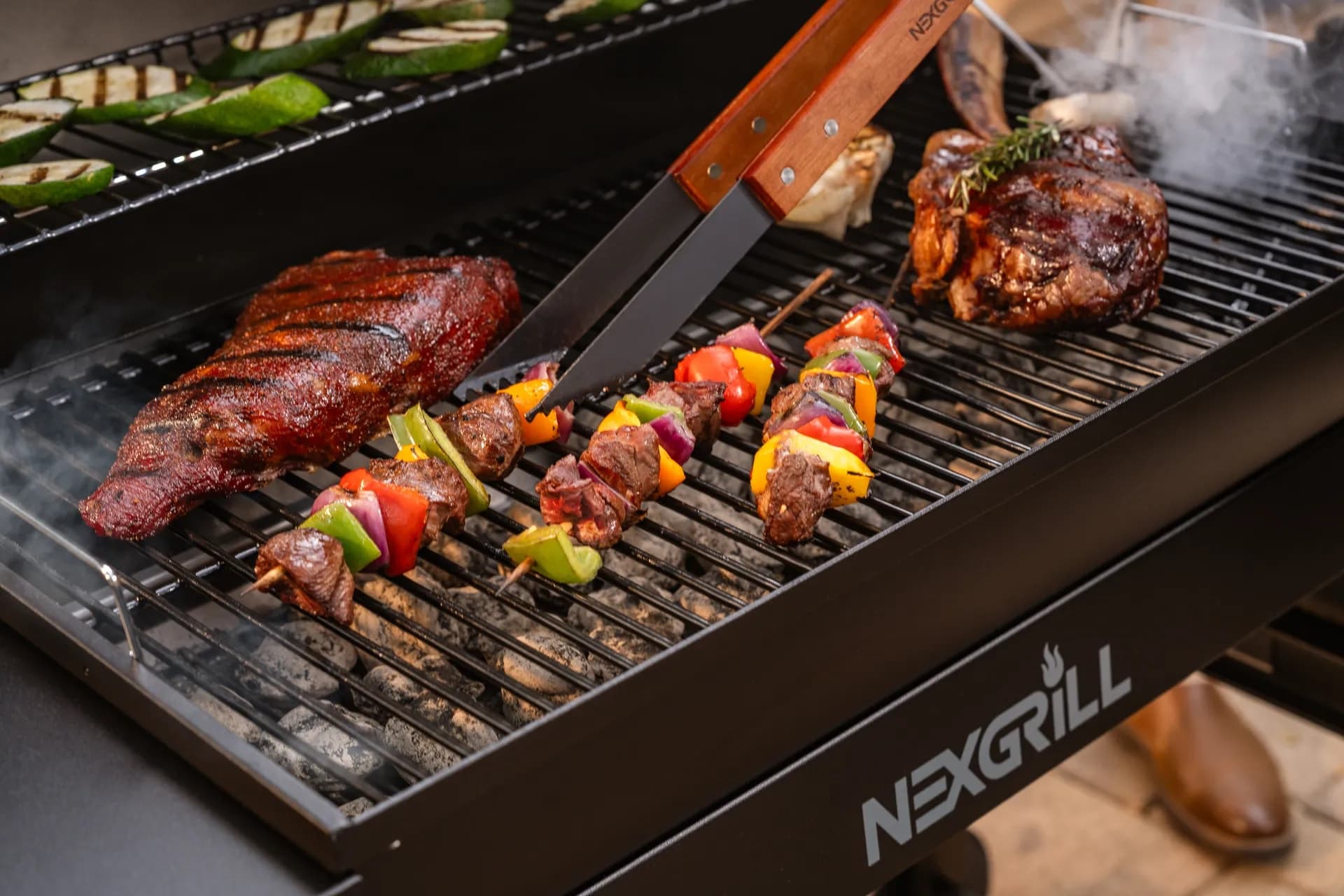
Ceramic briquettes also tend to support better browning. Because they radiate stored heat upward, food can develop color more consistently, especially when you are cooking something that benefits from steady exposure rather than intense direct flame. Think of thick pork chops, bone-in chicken pieces, shrimp skewers, or vegetables like zucchini and peppers. The aim is not only to char the outside but to cook through with fewer surprises. In that sense, briquettes are appealing to grillers who want reliable performance without having to babysit every inch of the grate.
There are a few trade-offs to understand. Briquettes can take longer to heat fully than a bare grate setup, and they do require cleaning and replacement over time depending on the grill design and how often it is used. They can also absorb grease and residue, so routine care matters. Still, for many users, the heat consistency they provide is worth the extra maintenance. When a grill is being judged on real-world performance rather than spec-sheet numbers alone, briquettes often stand out because they improve the actual cooking experience.
Benefits of Flame Tamers
Flame tamers, sometimes called heat shields or burner covers, sit above the burners and below the briquettes or cooking surface. Their first job is protection: they keep grease and drippings from falling directly onto the burners, which helps reduce clogging and extends burner life. Their second job is performance: they disperse direct flame and hot spots so the grill heats more evenly. For people who cook frequently, that can mean more consistent results over the course of a season and fewer repair headaches caused by blocked burner ports.
A flame tamer is especially helpful when cooking fatty foods. Burgers, sausages, marinated chicken, and ribs all release drippings that can trigger flare-ups. Without a heat shield, those drippings hit the flame zone directly. With a tamer in place, some of that energy is diffused and redirected. You still get the fire and smoke notes people want from gas grilling, but the cooking environment becomes calmer and easier to control. That is a big reason experienced grillers often value this component as much as burner output itself.
High BTU output alone does not guarantee better grilling. Heat management parts like flame tamers often matter more in day-to-day use.
Another benefit is durability. Burners are exposed to a harsh environment every time you grill: grease, moisture, heat cycling, and food residue. Flame tamers provide a layer of defense against that abuse. That does not mean they last forever, but they often help the core cooking system stay cleaner and work more predictably. When users compare grills, they are often responding to this practical difference even if they do not use technical language to describe it. They notice that one grill lights easier, stays more stable, and requires less fiddling.
For shoppers looking at the best gas grill with flame tamers and ceramic briquettes, the strongest setups are usually the ones that balance these parts well instead of treating them like gimmicks. The goal is not to create extra hardware for its own sake. It is to shape heat, protect burners, and reduce flare-ups in a way that supports easier cooking. That is why product quality, spacing, and access for cleaning are all part of the buying decision. A well-designed shield-and-briquette system should make grilling simpler, not more complicated.
How Ceramic Briquettes Improve Grilling Performance
Ceramic briquettes improve grilling performance by acting as a thermal bridge between the burner flame and the food above it. Instead of allowing the fire to cook only in narrow, direct lines, they spread usable heat more broadly. That creates a cooking environment with better stability, which matters when you are grilling several items at once or trying to maintain a specific temperature across the full surface of the grate. A grill with briquettes can be easier to manage because it feels more even, especially if you are used to cheaper models with obvious hot spots.
The re-radiated heat from briquettes also supports more consistent searing. When the grate has steady heat below it, meat is more likely to make full, even contact with that heat. This is useful for steaks, chops, and chicken pieces that need browning without drying out. It can also help with reverse-sear style cooking, where food starts gently and then finishes over stronger direct heat. In that workflow, briquettes are less about producing a dramatic flame and more about creating a controlled, dependable cooking zone.
There is also a practical moisture and flavor angle. By helping the grill heat more evenly, briquettes can reduce the tendency for food to burn in isolated spots while remaining pale elsewhere. That gives you a better chance of developing the caramelized crust that many people associate with good grilling. The effect is subtle but meaningful. It is one of those features that experienced users can feel immediately, even if it is not always obvious in marketing copy.
If you want the short version: briquettes help gas grills act less like a row of torch jets and more like a controlled cooking chamber. That is why they are often discussed alongside flame tamers. One moderates heat and stores it; the other protects the burners and diffuses direct fire. Together, they support a smoother grilling experience. Try comparing two products side by side below to see which fits best:
Top Gas Grills Featuring Flame Tamers and Ceramic Briquettes
Once you have compared two options side by side, the next question is which style of grill actually deserves your money. For buyers focused on the best gas grill with flame tamers and ceramic briquettes, the most useful comparison is not just brand-to-brand. It is design-to-design. Some grills use these components to sharpen heat control for weeknight cooking, while others lean into larger surfaces and heavier construction for families that host regularly. The right choice depends on how much food you cook, how often you grill, and how much cleanup you are willing to manage after dinner.
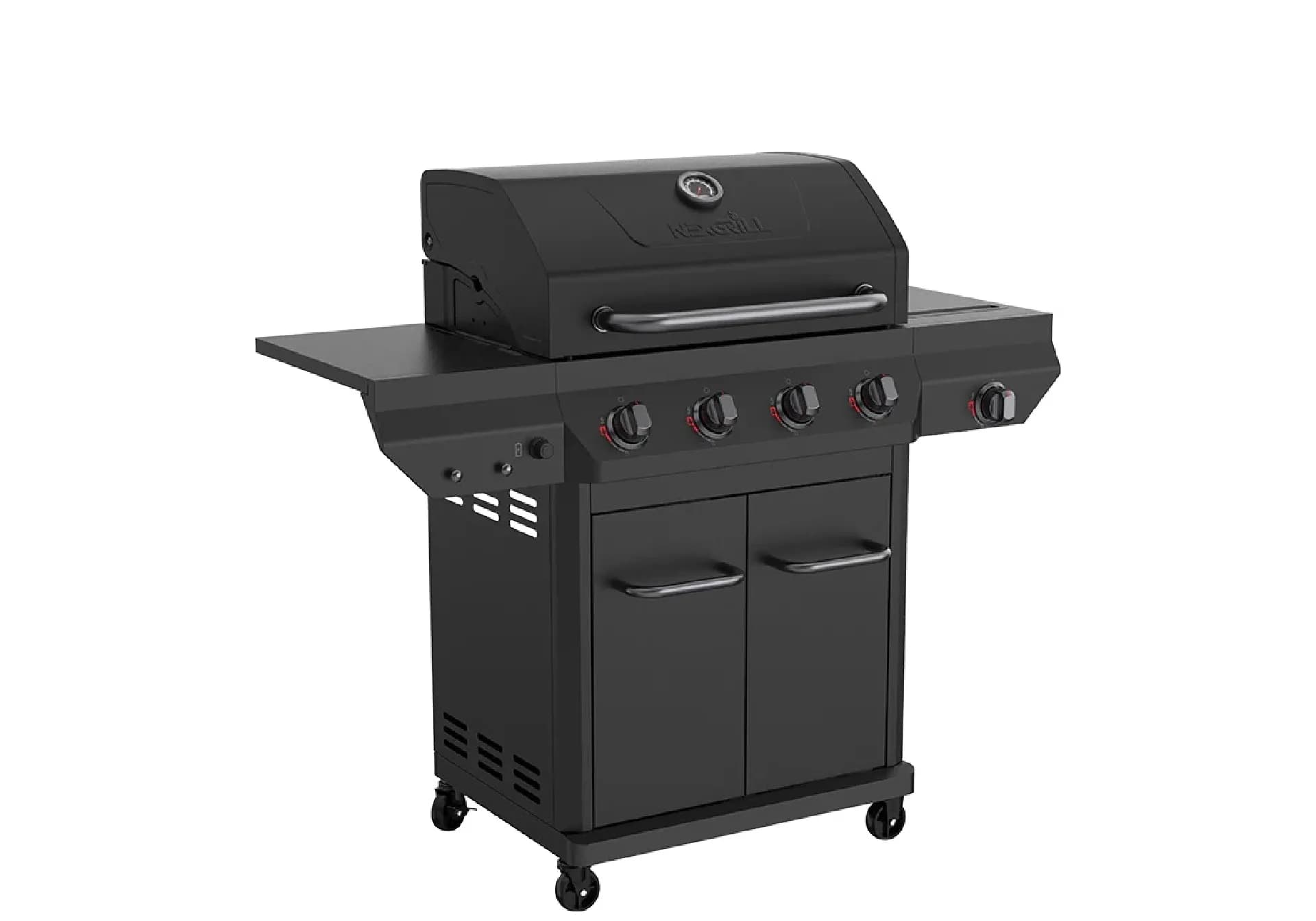
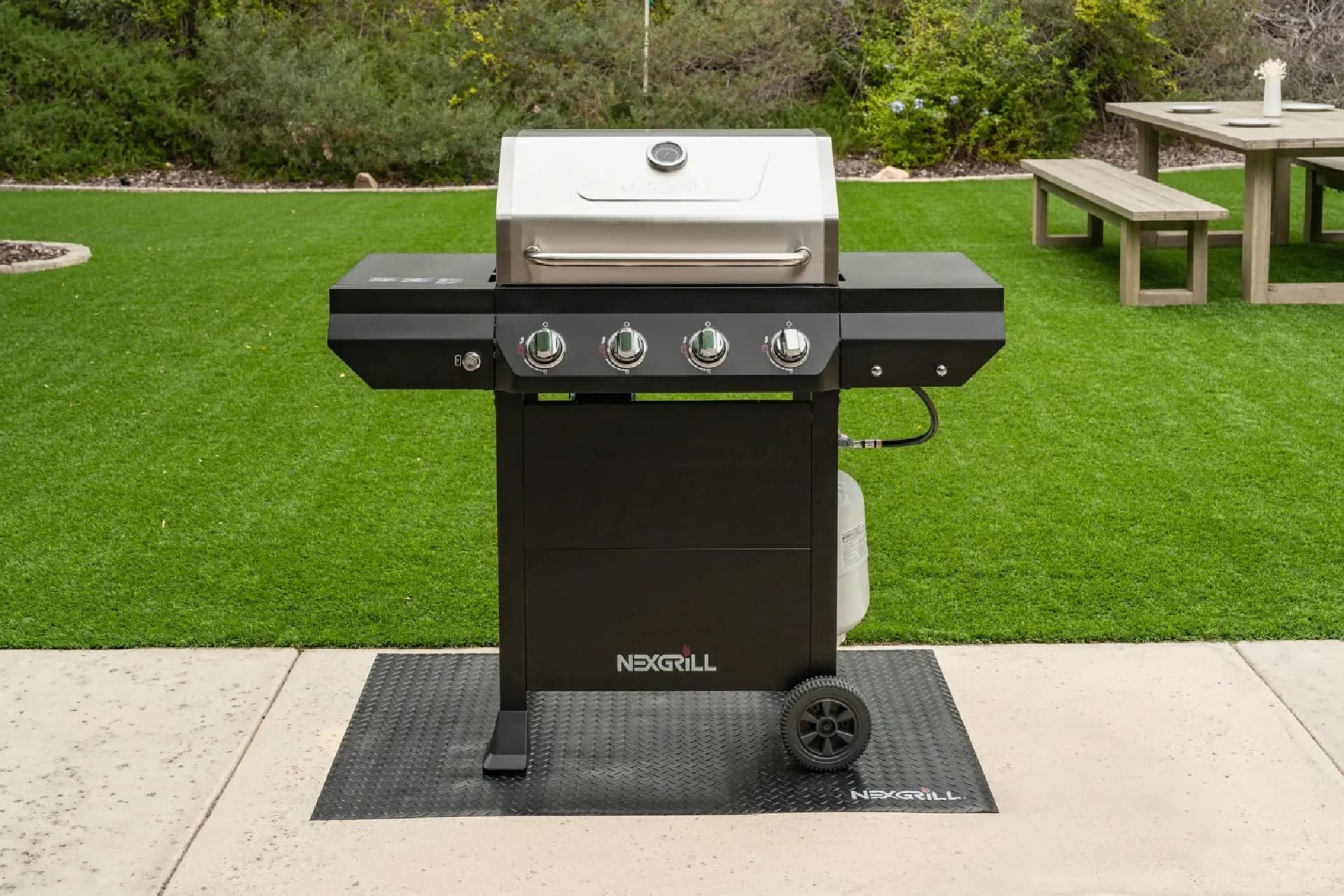
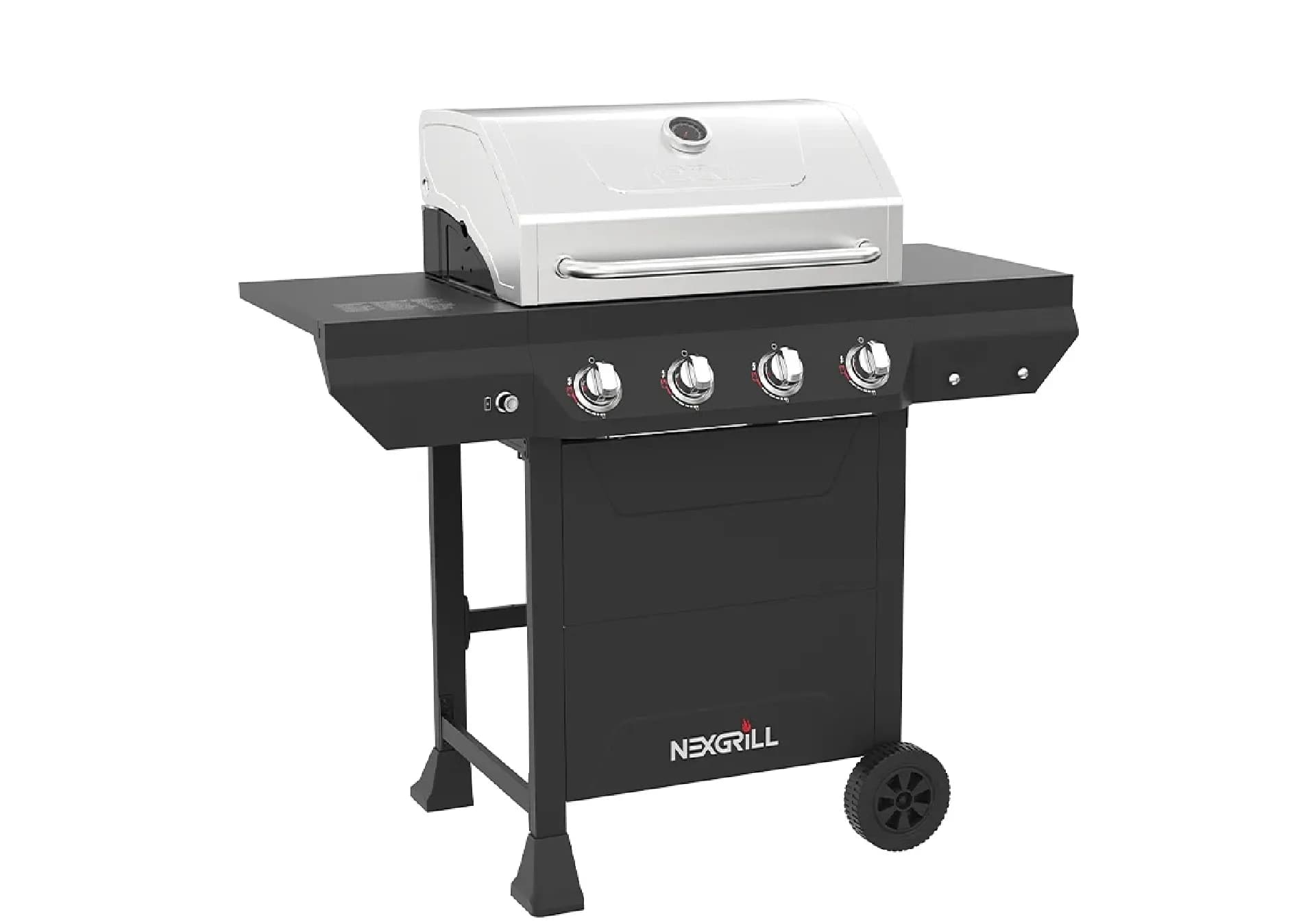
One solid option is a full-size Nexgrill gas grill with multiple burners and a well-structured heat-management system. Nexgrill’s approach to outdoor cooking emphasizes reliability and value, which fits buyers who want practical performance without overpaying for features they may not use every week . A multi-burner design is useful because it lets you create zones for direct grilling, indirect cooking, and warming. When that layout is paired with flame tamers and briquette-style heat management, the grill can better handle mixed menus such as chicken thighs on one side and vegetables on the other.
| Model type | Best use case | What stands out | Possible trade-off |
|---|---|---|---|
| Full-size 4-burner gas grill | Families and weekend entertaining | Balanced heat zones, ample surface area, easier multi-food cooking | Takes more patio space and fuel |
| Compact 2-burner gas grill | Smaller households and quick meals | Easier to store, faster preheat, simpler cleanup | Less room for indirect cooking |
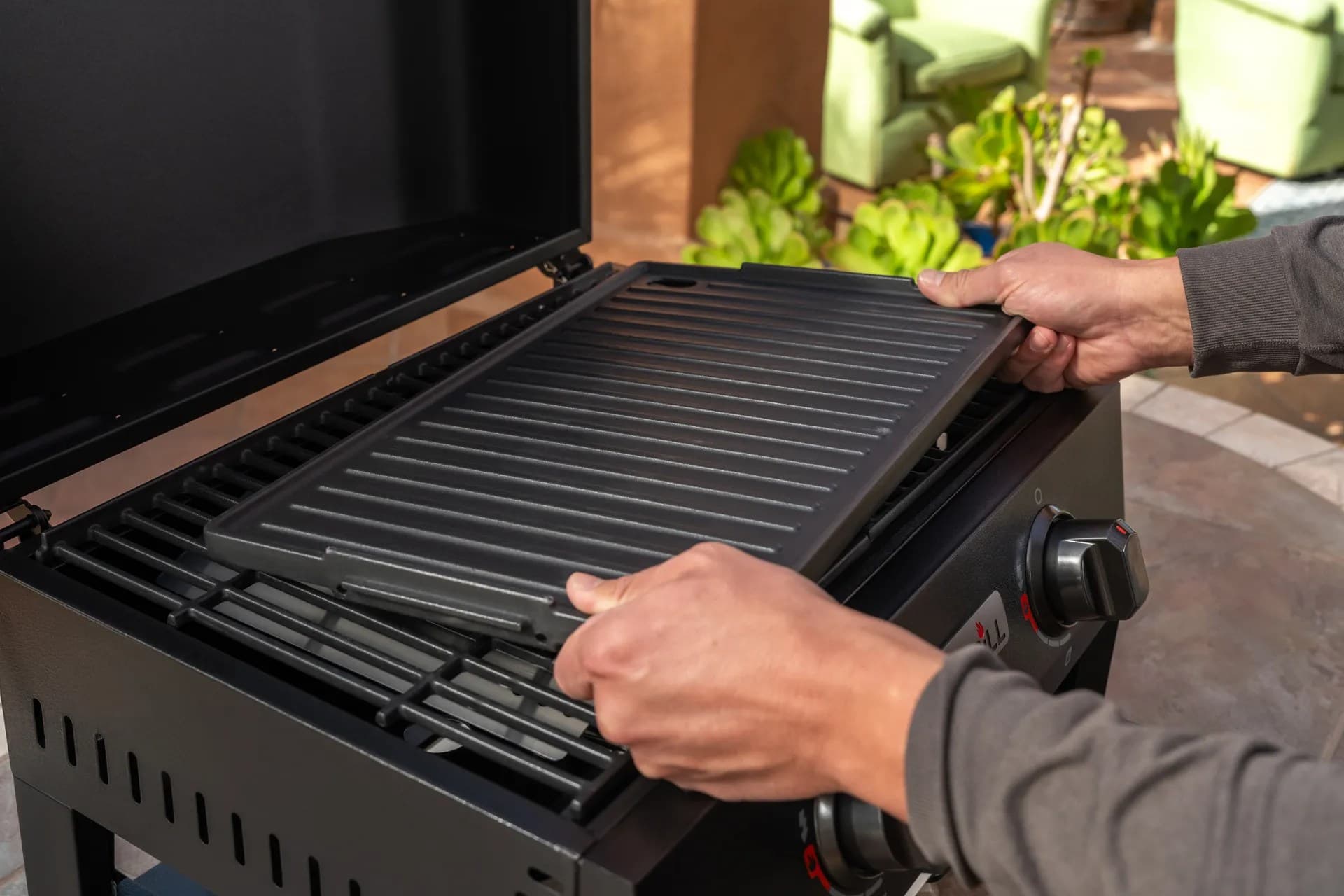
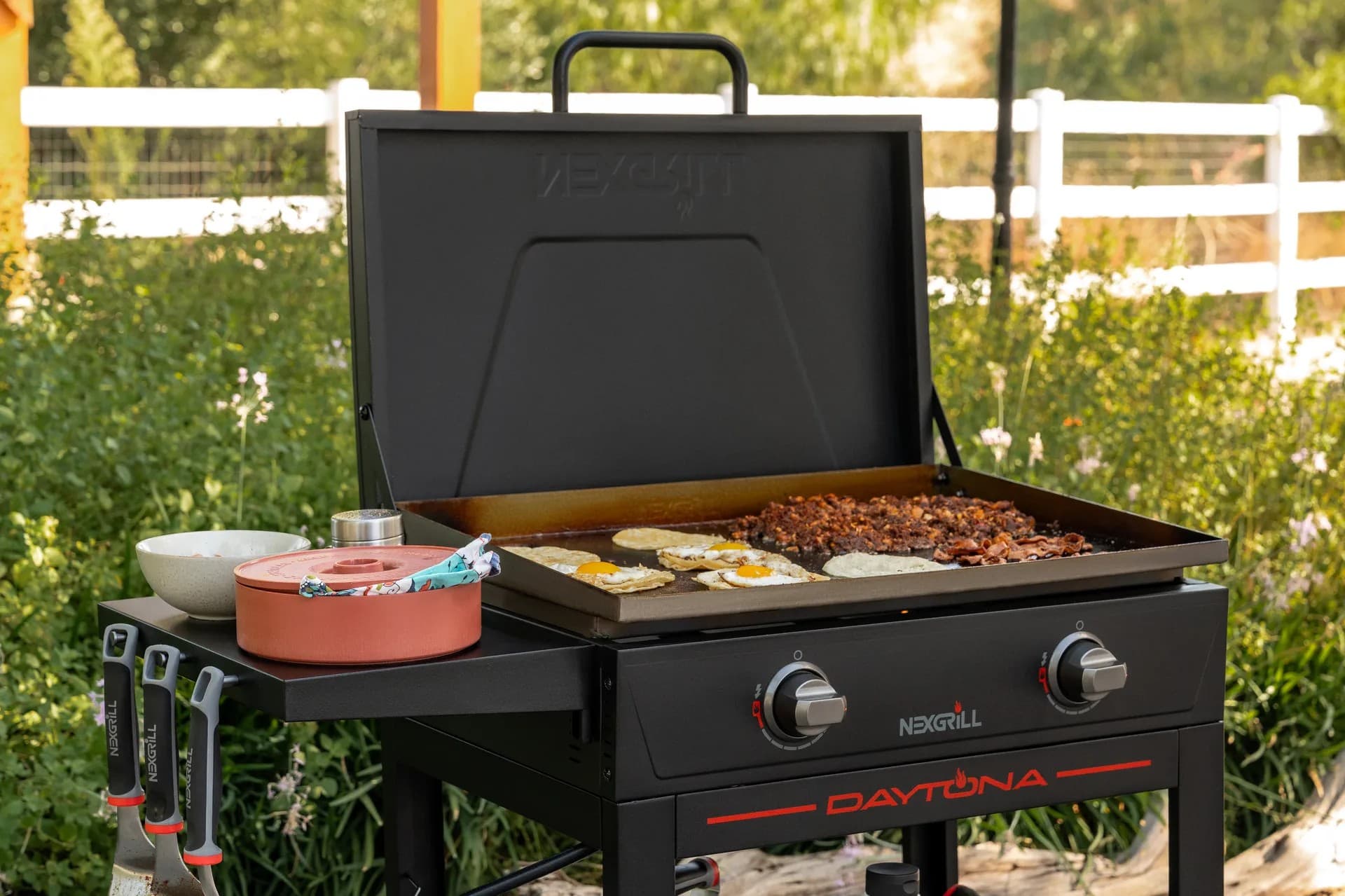
| High-output griddle-style setup | Breakfast, smash burgers, and batch cooking | Even surface heating, excellent versatility | Different cooking style than classic grate grilling |
Another model category worth considering is a premium gas grill sold through specialist retailers such as BBQGuys, where buyers can compare multiple configurations and heat-management styles in one place. Those shoppers often care about surface materials, ease of access for cleaning, and how much control the grill gives them over different temperature zones. The retailer’s gas grill overview is useful because it shows how widely the market ranges from entry-level setups to more refined cooking systems, and that is exactly the kind of range a feature-focused buyer should study before choosing a grill.
A third category is a grill that leans into heavy-duty construction and consistent heat distribution. These are the models that appeal to users who do not want to think about the grill every 15 minutes. They want a dependable cooktop for burgers, sausages, salmon, and vegetables, with enough shielding beneath the grates to keep flare-ups under control. In that segment, the presence of ceramic briquettes or similar radiant heat elements usually signals that the manufacturer expects the grill to be used often and cleaned properly. That is a good sign for buyers who value long-term usability over a stripped-down design.
Which option suits you? If you cook for four or more people weekly, choose a larger multi-burner grill. If you mostly cook fast meals for two, a smaller system may give you better efficiency and easier cleanup.
When comparing models, look for evidence that the flame tamer is positioned to catch drippings without blocking airflow, and that the briquettes are easy to remove or service. A grill that hides these parts too deeply may be harder to clean and less practical over time. The best designs make maintenance part of the ownership experience rather than an unpleasant chore.
User Testimonials and Reviews
User feedback on grills with flame tamers and ceramic briquettes tends to revolve around three themes: evenness, flare-up control, and confidence. People do not always describe the components directly, but they notice the results. They mention that burgers cook more evenly, that chicken does not burn as quickly, or that they can leave food on the grill without feeling like they need to shuffle it every minute. That pattern shows up often in reviews of feature-rich gas grills because these heat-management parts improve day-to-day cooking in ways users can feel immediately.
A common positive review for higher-value gas grills is that they make everyday cooking less stressful. One user may say the grill handled a family cookout without the usual flare-ups under marinated chicken. Another might point out that the temperature recovery after lifting the lid felt steadier than on their old grill. Those observations matter because they speak to lived experience, not marketing language. Buyers want to know whether the grill will hold up when the food gets greasy, the crowd gets hungry, and the cook is trying to manage several items at once.
Negative feedback usually comes from people who expected a grill with briquettes to behave like a smoker or a commercial charbroiler. It will not do that. Ceramic briquettes can improve heat consistency, but they are not a substitute for good technique, preheating, or proper zone management. Some users also note that briquettes can require more involved cleaning than simpler burner-shield setups. That is a fair trade-off, and it is one reason informed shoppers should weigh convenience against performance before buying.
Another recurring theme is value. Users often appreciate when a grill gives them the benefits of heat management without pushing the price into luxury territory. That fits Nexgrill’s market position well, since the brand is known for making outdoor cooking accessible while still offering feature-rich models for users who want more control and versatility . A grill that balances these strengths is often the one that gets recommended to friends because it feels sensible rather than flashy.
A good review is also useful for learning what kind of cook the grill suits. If a reviewer says the grill is best for quick weeknight meals, that suggests easy ignition and manageable cleanup. If they praise it for feeding a crowd, that signals better surface area and stronger zone control. When reading testimonials, look for these clues. They tell you more than star ratings alone.
Maintenance Tips for Ceramic Briquettes and Flame Tamers
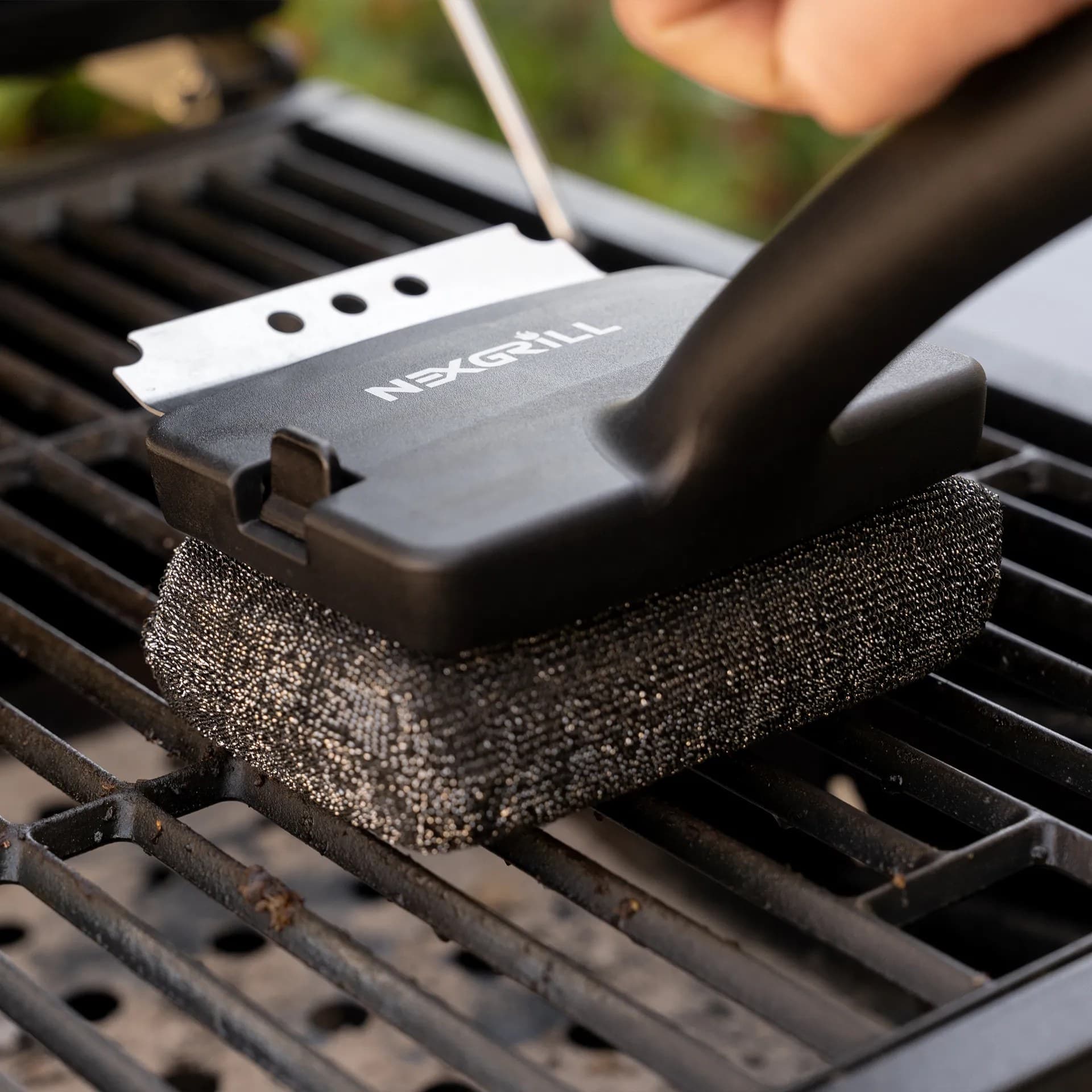
Maintenance is where many buyers either get the full benefit of these components or lose it. Ceramic briquettes and flame tamers do their best work when they are reasonably clean, properly seated, and not clogged with old grease. After the grill cools, brush off loose debris from the grates, then inspect the heat-management parts for heavy buildup. If your grill design allows easy removal, take the time to lift out the briquettes or shields and clear away residue before it hardens. A little routine care goes a long way toward keeping heat flow predictable.
For briquettes, the main concern is grease saturation and crumbling. If they are heavily soiled, cracked, or broken down, they may no longer distribute heat effectively. Some users replace briquettes on a schedule tied to seasonal use, while others inspect them every few months and replace only what is needed. The right cadence depends on how often you grill and how greasy your cooking tends to be. Flame tamers also wear out, especially when exposed to intense heat and repeated cleaning. If they are warped or rusted, they may no longer shield the burners as intended.
Do not soak damaged ceramic briquettes in ways the manufacturer discourages. Excess moisture can cause cracking or reduce performance if the parts are returned to service too quickly.
A practical maintenance rhythm looks like this: scrape the grates after each cook, empty grease trays regularly, check burner ports for blockage, and visually inspect the flame tamers and briquettes every few uses. If the grill begins heating unevenly, recovery slows down, or flare-ups increase, those parts should be the first things you inspect. You do not need a complicated tool kit to stay ahead of problems; you need consistency.
| Component | What to inspect | When to act |
|---|---|---|
| Ceramic briquettes | Cracks, grease buildup, crumbling edges | Replace when damaged or no longer heating evenly |
| Flame tamers | Warping, corrosion, heavy carbon buildup | Replace if shield coverage is reduced or burners are exposed |
| Burner area | Blocked ports, grease leaks, weak flames | Clean immediately when ignition or heat pattern changes |
Conclusion and Final Thoughts
If you want a gas grill that feels easier to cook on, more forgiving under pressure, and better at managing flare-ups, ceramic briquettes and flame tamers are worth serious attention. They are not flashy features, but they influence the experience in the ways that matter most: heat stability, burner protection, and repeatable results. For many households, that combination is exactly what turns a decent gas grill into a dependable backyard staple.
The best choice is the grill that matches your routine. Smaller households may prefer a simpler two-burner design with clean access to the heat-management system, while larger families are often better served by a multi-burner grill that can create distinct cooking zones. Either way, the smartest buyers pay attention to how the grill distributes heat, how easy it is to clean, and whether replacement parts are practical to maintain over time.
For additional context on grill types and feature comparisons, refer to broader gas grill overviews from BBQGuys and independent discussions of briquettes and flame tamers, then match those insights to your own cooking habits . Sources: