Understanding the Price of Gas Grills with Flame Tamers and Ceramic Briquettes
A comprehensive look at the cost and benefits of these grilling features.
In This Article
Flame Tamers Explained
Ceramic Briquettes Benefits
Price Comparisons
Introduction to Gas Grills with Flame Tamers and Ceramic Briquettes
Gas grills have become a staple for outdoor cooking enthusiasts, offering convenience and efficiency. Two features that enhance the grilling experience are flame tamers and ceramic briquettes. These components are designed to improve heat distribution, flavor, and overall cooking performance. Understanding their role can help you make informed decisions when purchasing a gas grill.
What Are Flame Tamers?
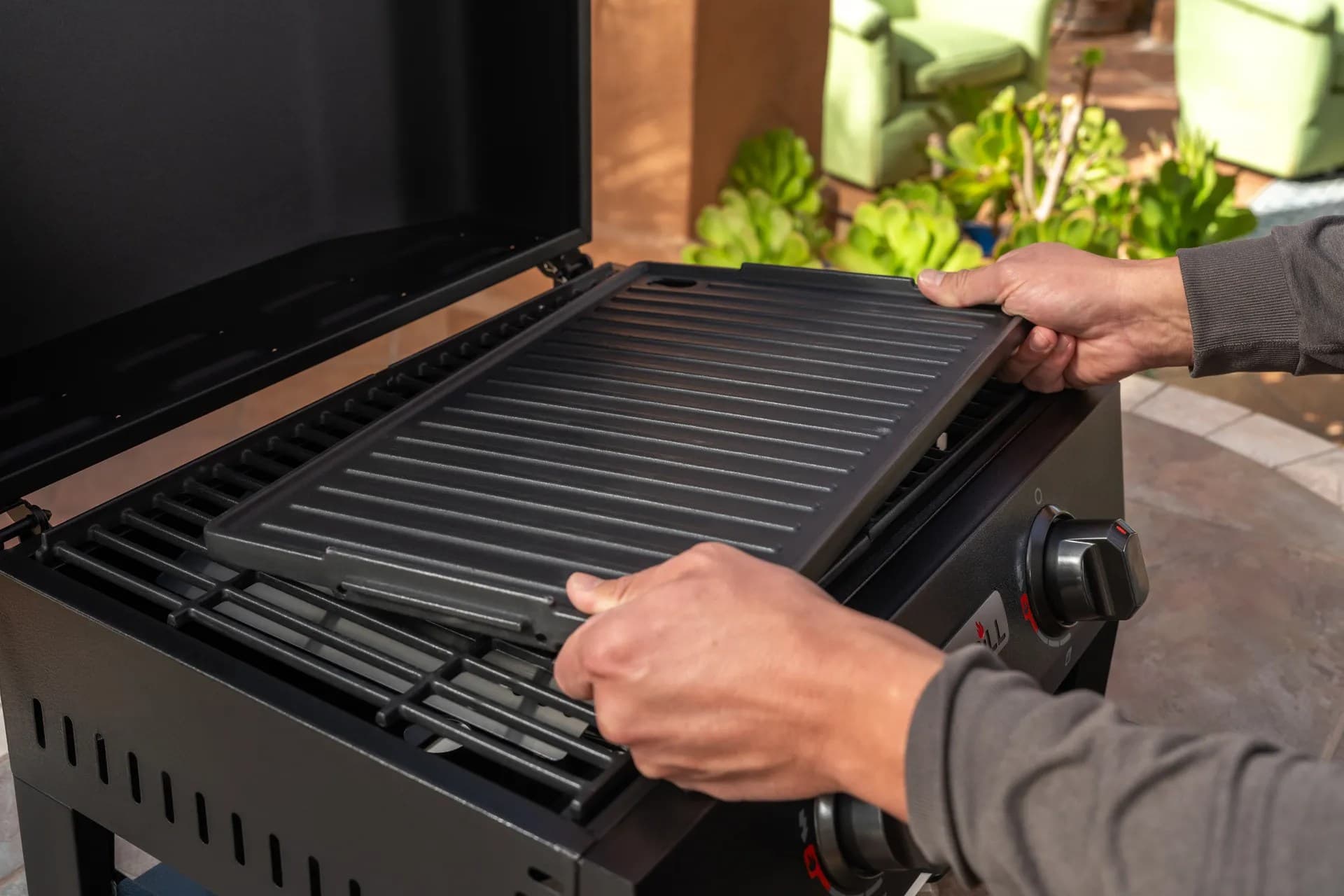
Flame tamers, also known as heat plates or flavorizer bars, are positioned above the burners in a gas grill. They serve multiple purposes: protecting burners from drippings, distributing heat evenly, and reducing flare-ups. Flame tamers can be made from different materials, including stainless steel and porcelain-coated steel, each offering unique benefits in terms of durability and heat retention.
By vaporizing drippings, flame tamers also enhance the smoky flavor of grilled foods. This process is essential for achieving that quintessential barbecue taste that many grill enthusiasts seek.
Benefits of Ceramic Briquettes vs. Metal Flame Tamers
Ceramic briquettes and metal flame tamers are both used to enhance a grill's performance, but they serve different purposes. Ceramic briquettes are known for their ability to retain heat efficiently, providing consistent cooking temperatures. They also help reduce hot spots, ensuring that food is cooked evenly across the grill surface.
In contrast, metal flame tamers are typically more durable and easier to clean. They quickly vaporize drippings, which contributes to flavor enhancement by infusing food with a smoky aroma. However, ceramic briquettes tend to offer superior heat retention, making them a preferred choice for those who prioritize even cooking.
Choosing between ceramic briquettes and metal flame tamers depends on your grilling preferences and maintenance considerations.
Top Gas Grills Featuring Flame Tamers and Ceramic Briquettes
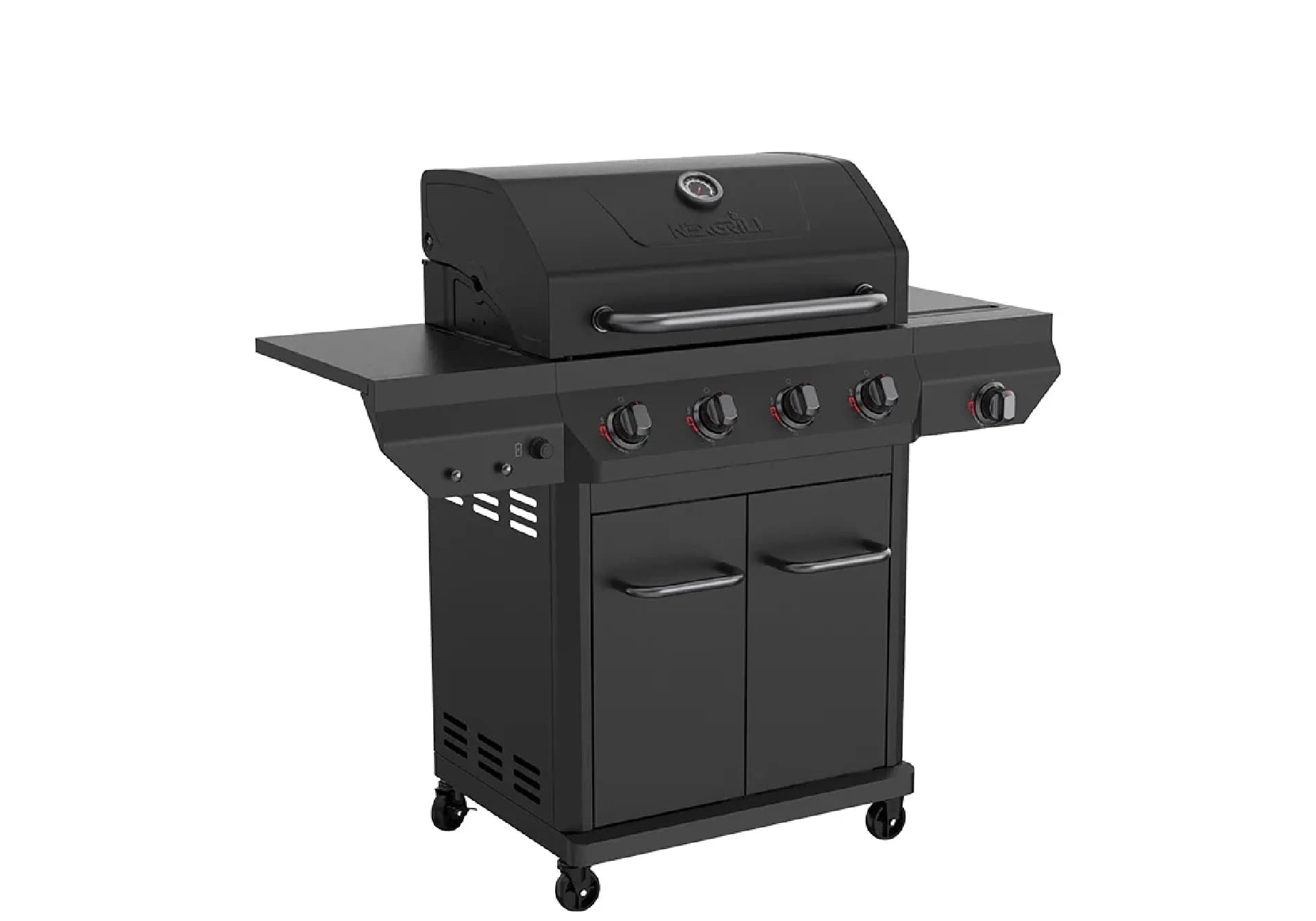
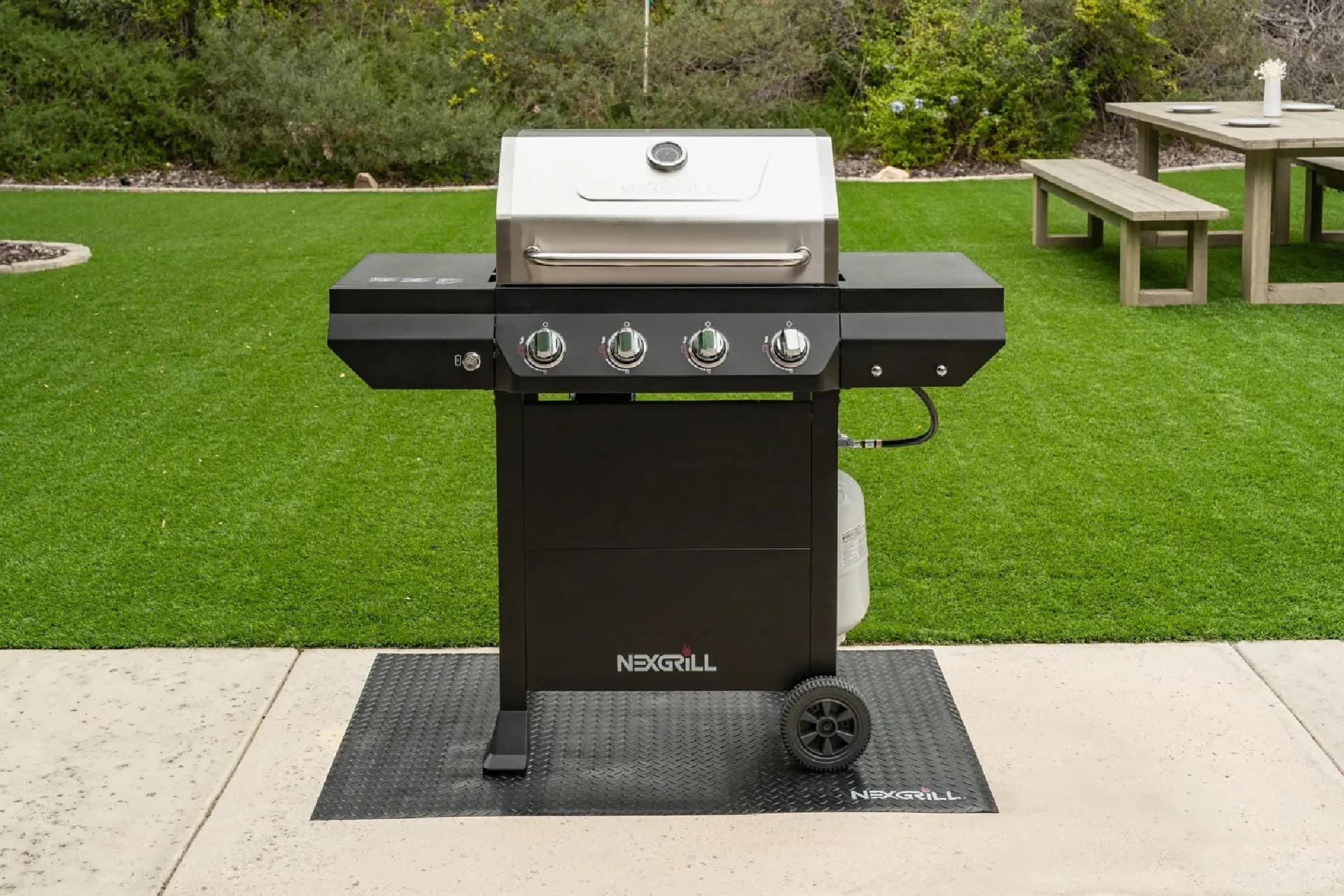
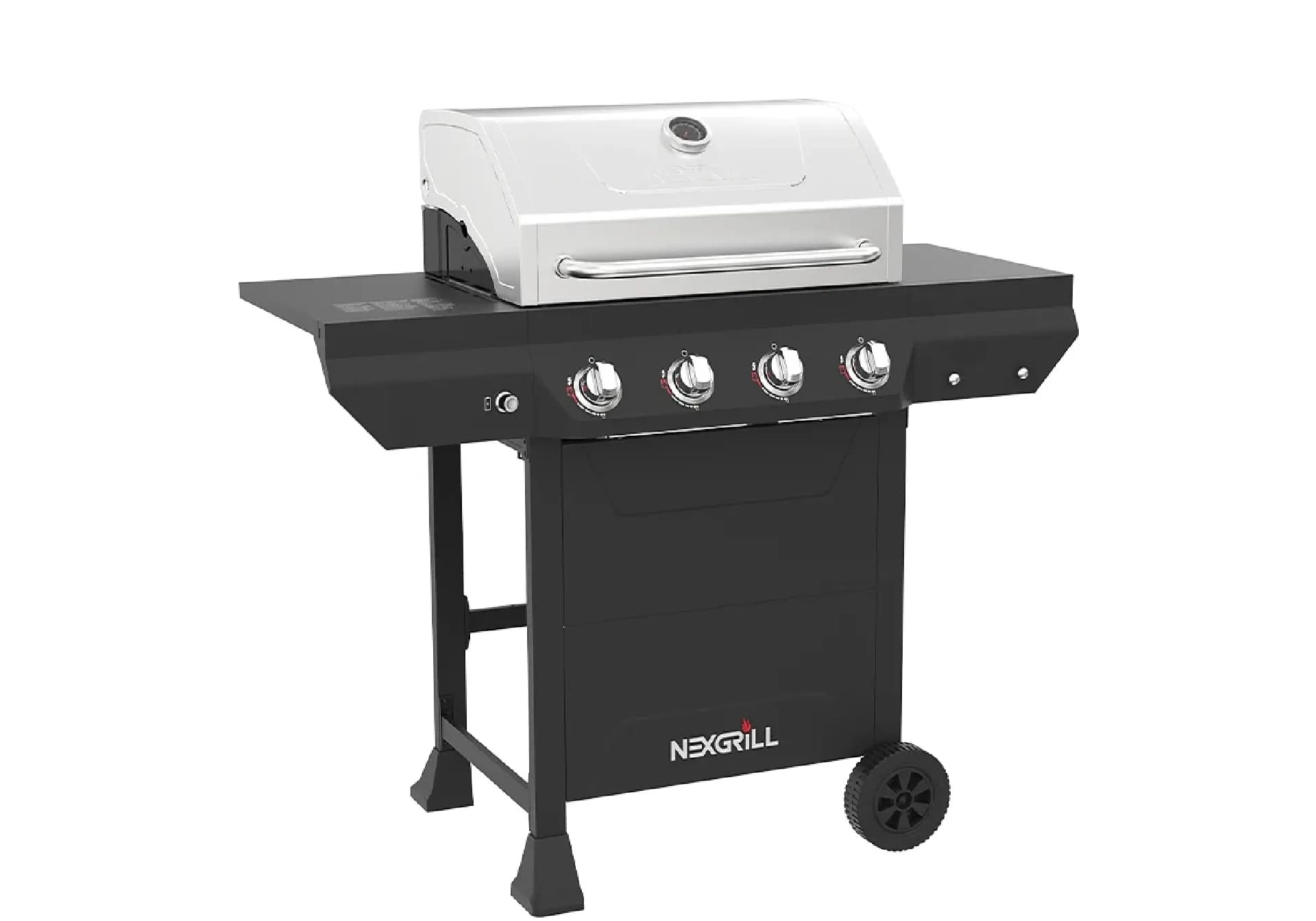
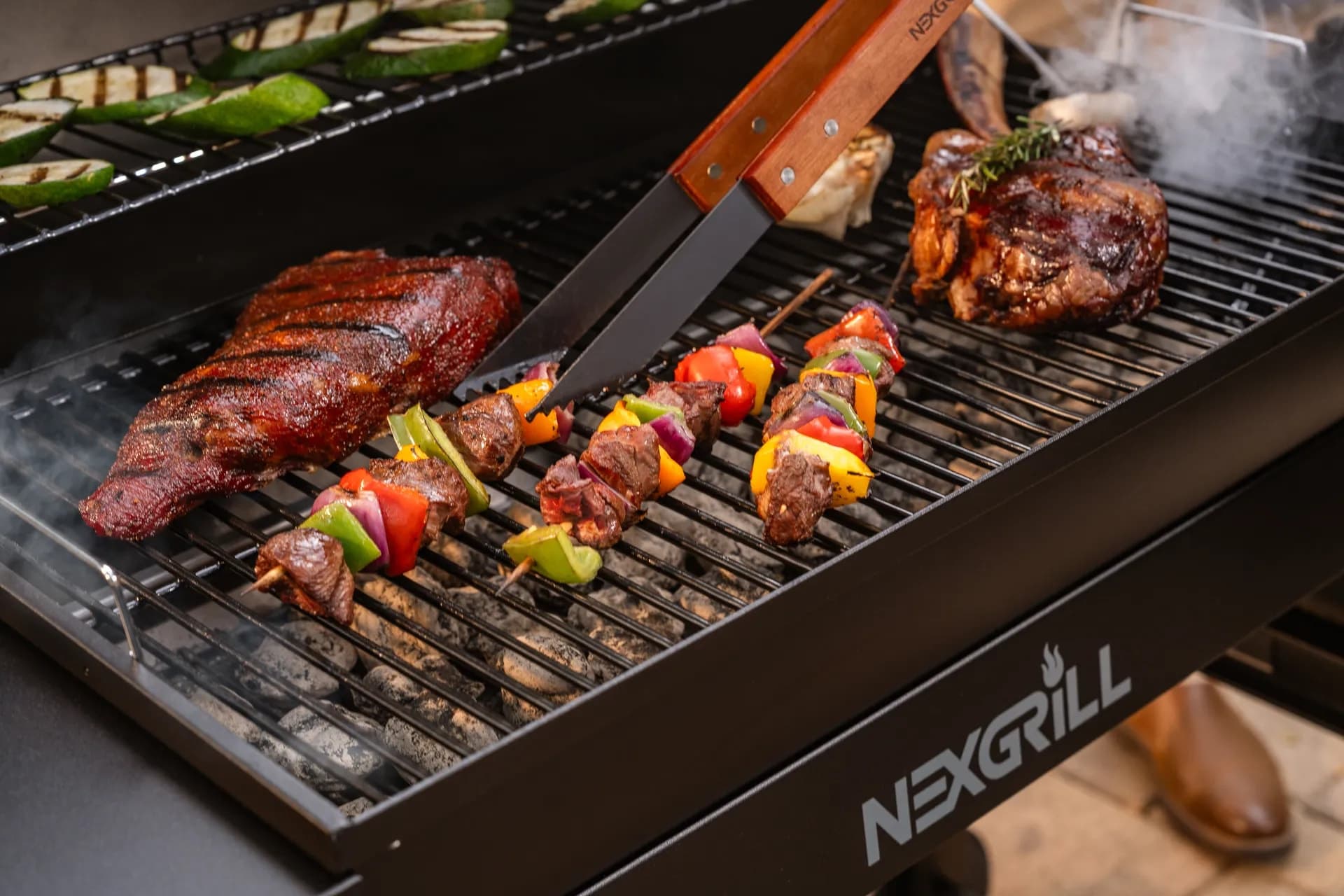
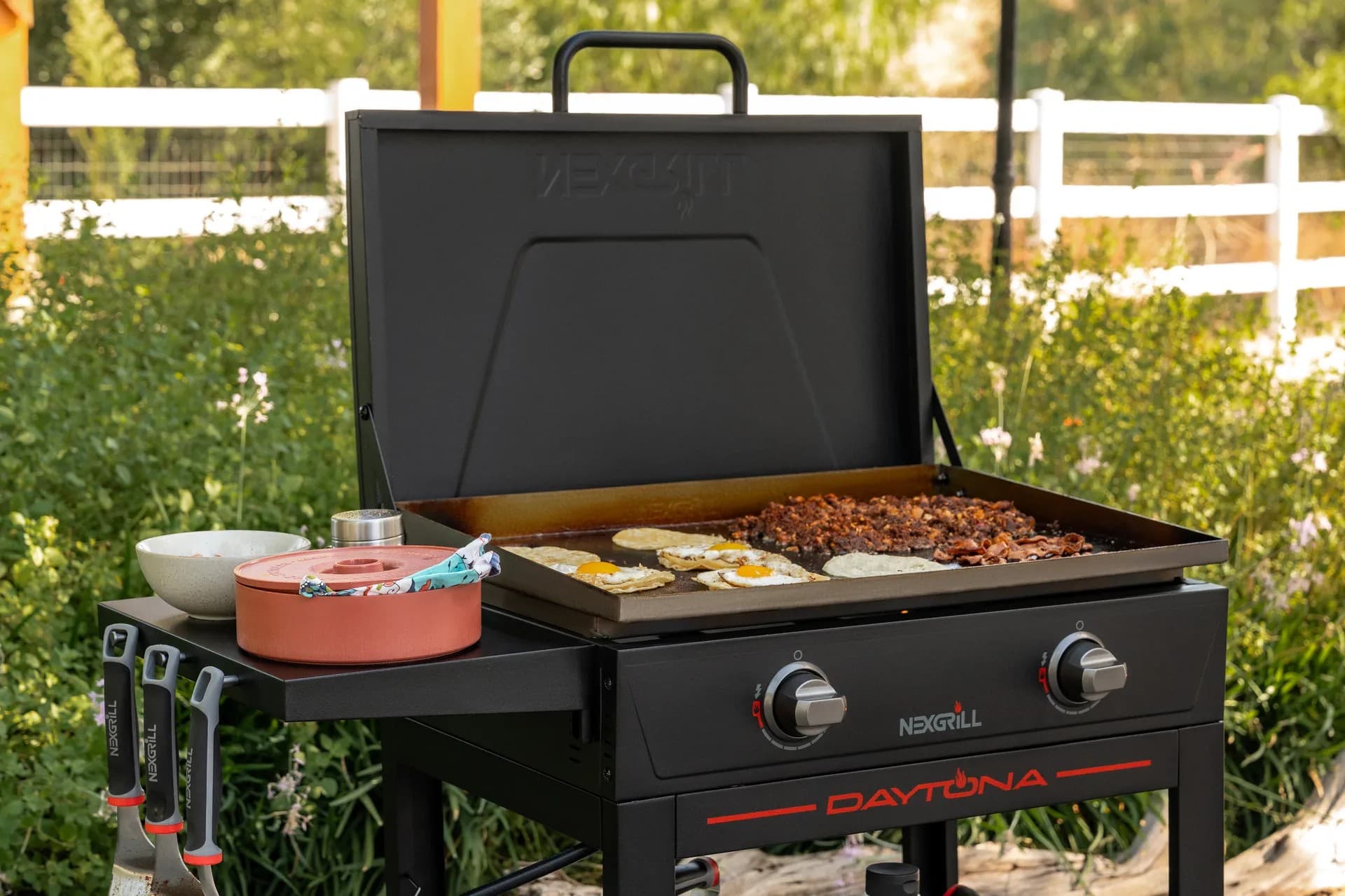
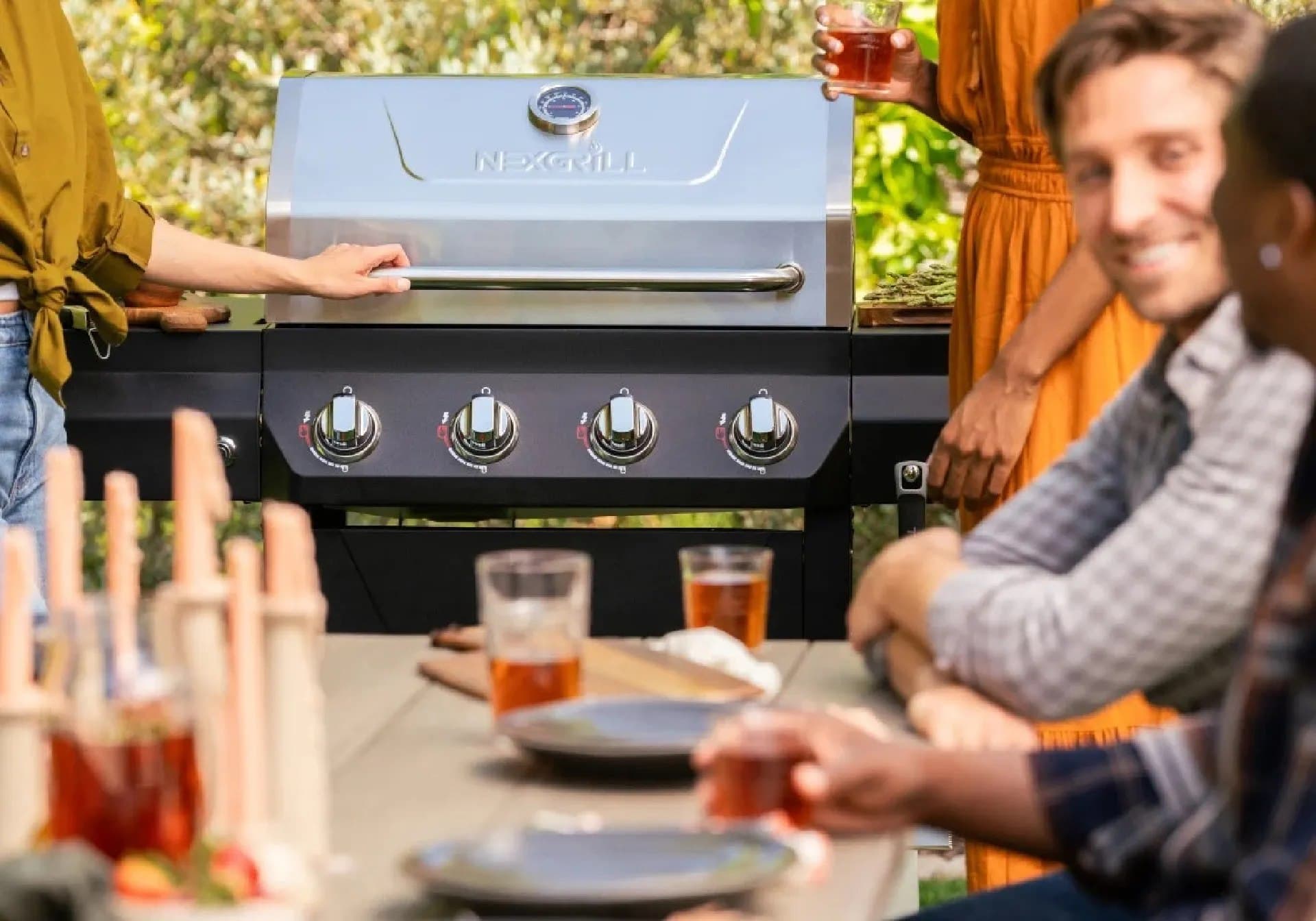
Several gas grills in the market effectively utilize flame tamers and ceramic briquettes. Brands like Nexgrill offer models with these features, catering to different budgets and cooking needs. Popular models often include multiple burners, ample cooking space, and efficient heat distribution systems.
When comparing prices, it's important to consider the materials used, grill size, and additional features like side burners and rotisserie capabilities. Prices can vary significantly, with entry-level models starting around $300, while premium options can exceed $1,000.
User Testimonials and Reviews
User feedback often highlights the enhanced flavor and even cooking provided by grills with ceramic briquettes and flame tamers. Many users appreciate the reduced flare-ups and consistent performance, making these grills a favorite for both casual and dedicated grillers.
Testimonials frequently mention the durability and easy maintenance of metal flame tamers, while ceramic briquettes are praised for their heat retention properties.
Maintenance Tips for Flame Tamers and Ceramic Briquettes
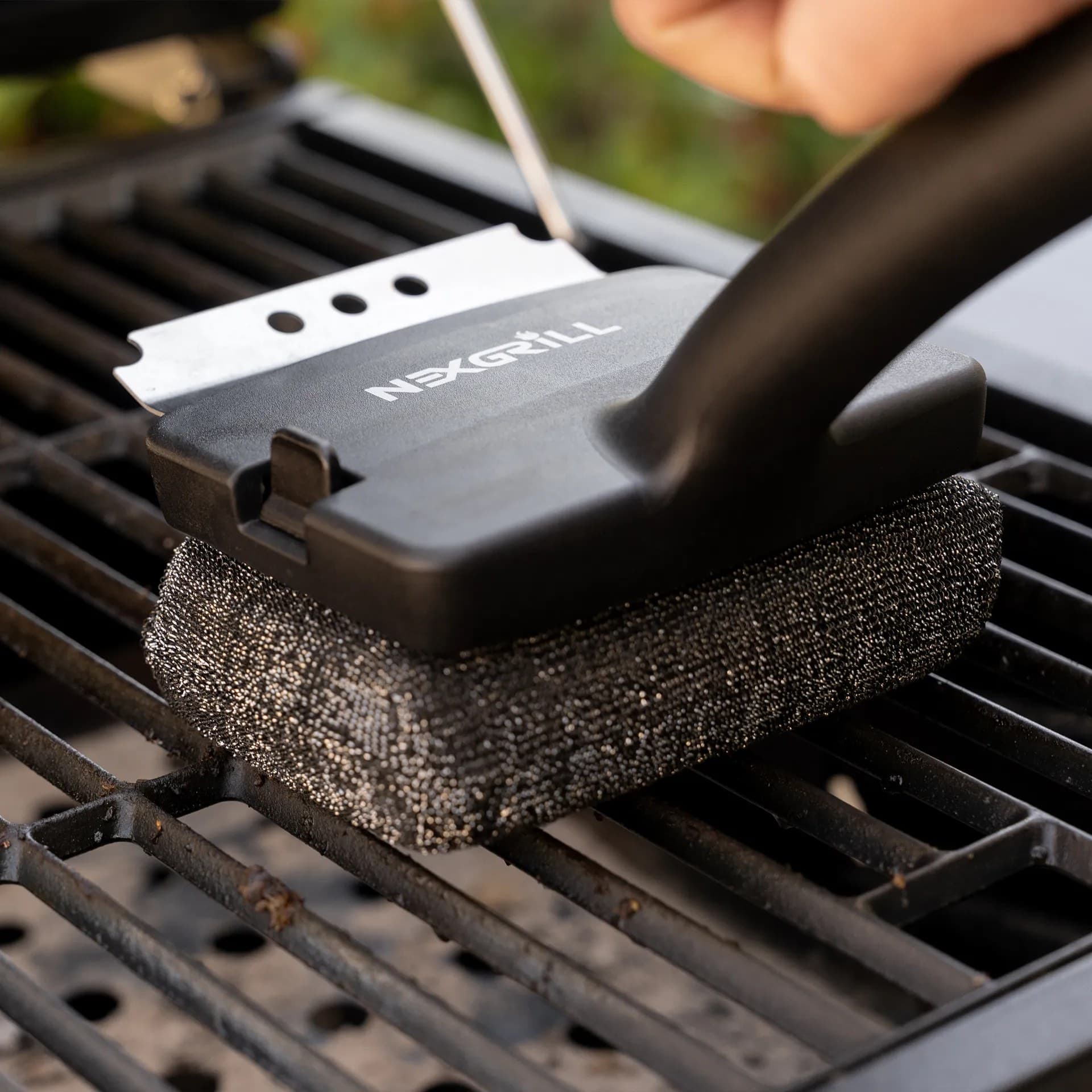
Proper maintenance is crucial to ensure the longevity and performance of flame tamers and ceramic briquettes. Regular cleaning to remove grease and food residue will prevent buildup that can affect cooking performance. For ceramic briquettes, gentle brushing is recommended to avoid damaging the material.
Metal flame tamers can be soaked in warm soapy water and scrubbed with a grill brush to maintain their condition. It's also advisable to inspect these components periodically for wear and replace them as needed.
Conclusion: Are Flame Tamers and Ceramic Briquettes Worth the Investment?
For grill enthusiasts looking to enhance their outdoor cooking experience, investing in a gas grill with flame tamers and ceramic briquettes can be worthwhile. These features not only improve flavor and cooking consistency but also extend the life of the grill by protecting burners.
Ultimately, the decision should be based on your specific grilling needs, budget, and the importance you place on flavor enhancement and ease of maintenance.