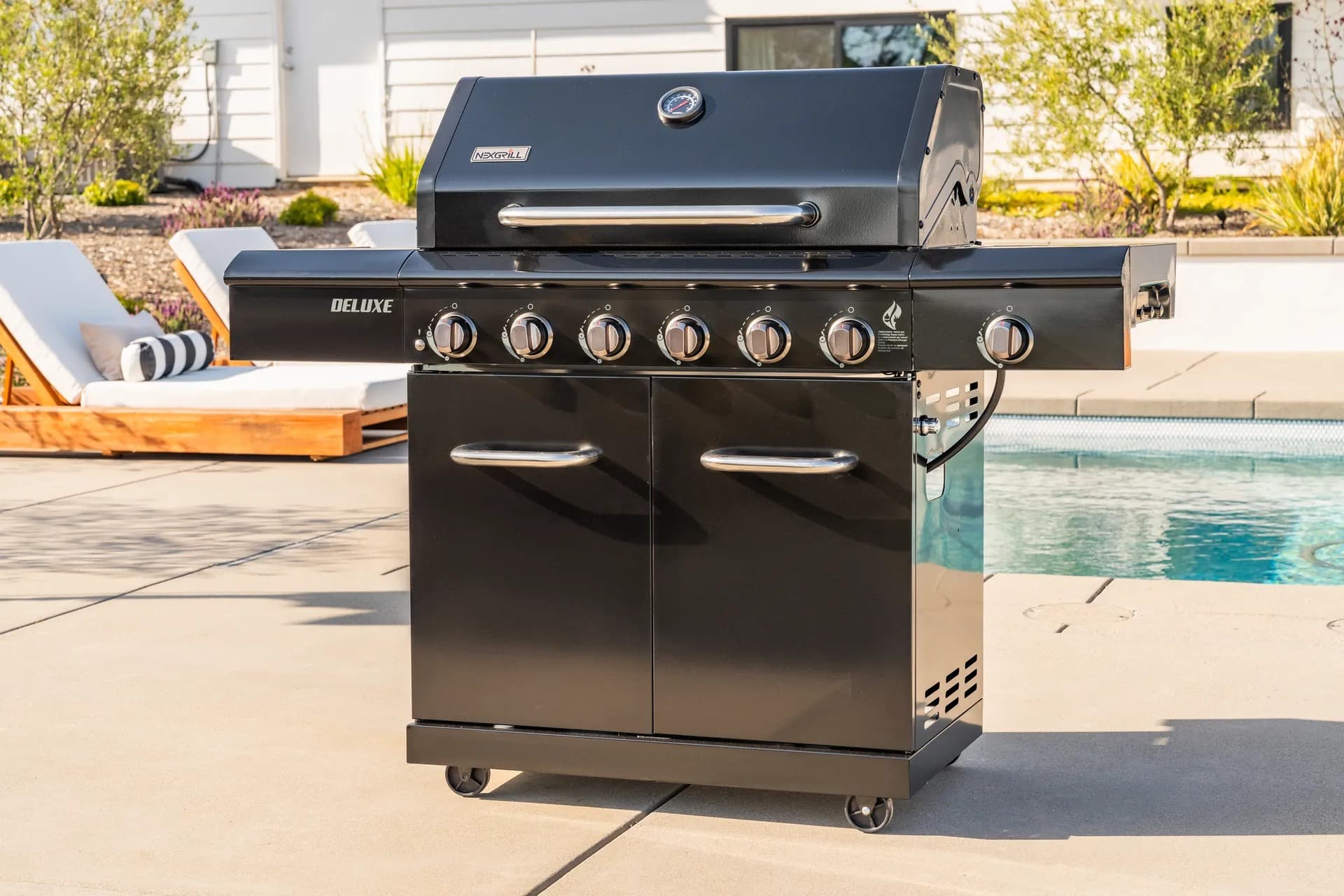
A comprehensive guide to the must-have tools for maintaining your grill's longevity and efficiency.

From sizzling breakfasts to smash burgers and teppanyaki-style dinners, the Daytona Pro 5 Burner NitroGuard™ Griddle delivers powerful heat, fast cooking, and a durable cooking surface built for every backyard cookout. Watch how easy outdoor cooking can be.
Here's what sets us apart from the competition
We position ourselves as delivering high-end outdoor cooking features and performance without premium-brand pricing, emphasizing “Quality Grills. Unbelievable Value.”
We offer gas grills, pellet grills, griddles, smokers, pizza ovens, portable/tabletop grills, electric grills, accessories, and replacement parts — allowing customers to stay within one ecosystem for all outdoor cooking needs.
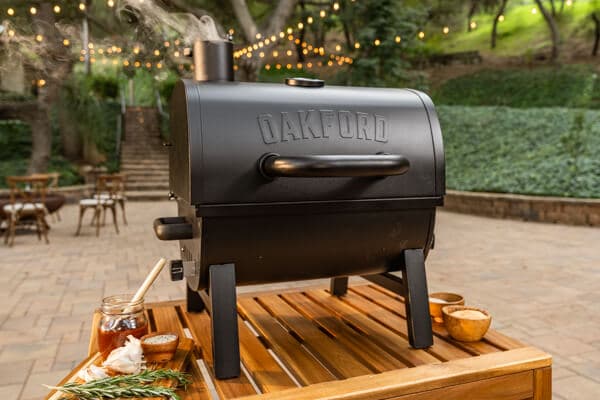
We differentiate ourselves through smart grilling products like the Oakford smart pellet grill, including app-connected cooking controls and modern outdoor cooking technology.

Expert tips, buying guides, comparisons, and inspiration for choosing and getting the most out of your grill.

Practical guides for cleaning, maintenance, common grill issues, and performance optimization.

Step-by-step grilling recipes, cooking techniques, and meal ideas for every occasion and skill level.

Backyard entertaining ideas, seasonal grilling inspiration, and stories that celebrate outdoor cooking culture.

Helpful articles covering grilling tools, cookware, maintenance gear, and must-have accessories for outdoor cooking.

Find griddle recipes, cooking techniques, cleaning tips, and outdoor meal ideas designed for Nexgrill griddles.
Find answers to common questions
Gas grills provide instant heat and precise temperature control, making them easier to use. Charcoal grills offer a smoky flavor and high heat for searing but require more time to heat up and manage.
Pellet grills combine the convenience of gas with the flavor of wood, allowing for smoking, baking, and grilling. Traditional gas grills, however, are quicker to start and often easier to clean.
Charcoal grills typically reach higher temperatures quicker than gas grills, making them better for searing meat. However, high-quality gas grills can also provide adequate heat for effective searing.
Nexgrill offers models designed specifically for gas, charcoal, and pellets, allowing users to choose based on their cooking style and flavor preferences. Each type is built to optimize the characteristics of its respective fuel.
Choosing between gas and charcoal grills depends on your cooking preferences and lifestyle. If you value convenience and quick cooking, a gas grill may suit you better; if you prefer the taste and experience of traditional grilling, a charcoal grill would be ideal.
In This Article
Grill Brushes
Grill Scrapers
Heat-Resistant Gloves
The best grill tools for maintenance are the ones that help you clean safely, protect cooking surfaces, and make every follow-up cook easier. For most grill owners, maintenance starts with three essentials: a brush for regular grate cleaning, a scraper for stubborn residue, and gloves that let you work comfortably around hot metal. Those three tools solve the majority of routine cleanup tasks without turning grill care into a full weekend project.
What matters most is not simply owning a lot of gadgets, but choosing tools that match how you actually use your grill. A weekday griller who cooks chicken thighs and vegetables a few nights a week needs a different maintenance kit than someone who sears steaks on high heat every Saturday and smokes ribs in the shoulder season. The right tools reduce buildup, help preserve flavor, and lower the chance that you will damage grates or internal components by using the wrong cleaning method. Mastering Grill Maintenance and Care can provide you with more insights on this topic.
A smart maintenance kit should focus on safe cleaning first, then convenience. If a tool makes the job easier but risks damaging your grill or leaving metal behind, it is not worth the trade-off.
Core tools that cover most day-to-day grill maintenance tasks
For many households in the United States, grill maintenance also happens in changing weather conditions: a quick clean after a weeknight meal, a deeper scrub before a holiday cookout, or a post-season wipe-down before storing the grill under a cover. That means the tools you buy should be durable, easy to grip, and effective when you are working quickly. Good maintenance tools are not glamorous, but they directly affect how long a grill stays ready for searing, roasting, and slow cooking. Preventing Grill Rust is also an important aspect to consider.
The sections below focus on the core tools that make the biggest difference in real use, along with a few add-ons that help protect your grill between cooks. Try comparing two products side by side below to see which fits best:
A grill brush is the tool most owners reach for first because it handles the fastest and most frequent task: clearing food residue from grates while they are still warm. The goal is simple. You want to remove stuck-on bits before they carbonize into a harder layer that is more difficult to clean later. Brush choice matters because different bristle patterns, handle lengths, and head shapes work better on different grate styles.
Bristle-free grill brushes deserve special attention. They are designed to clean without leaving behind loose metal bristles, which is a safety concern some grill owners actively want to avoid. That makes them a practical option for people who cook often, clean quickly, and want a lower-risk approach to everyday maintenance. Bristle-free designs can use coil, scraper, or textured cleaning surfaces instead of traditional wire bristles.
| Brush Type | Best Use | What to Watch |
|---|---|---|
| Wire-bristle brush | Fast removal of loosened debris from hot grates | Inspect often for wear and loose bristles |
| Bristle-free brush | Safer everyday cleaning on routine maintenance | May require a little more pressure on baked-on spots |
| Coil brush | Scrubbing around round grates and tight spaces | Choose one with a comfortable grip |
If you already use a traditional bristle brush, inspect it before every session. A worn brush is not a good candidate for quick cleanup.
The best brush for your grill is the one that matches your grate material and cleaning habits. Cast iron grates may benefit from a sturdy brush that can lift residue after preheating, while stainless steel grates can tolerate more frequent brushing. Long handles help keep your hands away from heat, and angled heads can make it easier to reach the back rows of the cooking surface. If you cook in stages, brushing between batches also keeps flavor cleaner by preventing old drippings from building up and smoking excessively.
A grill scraper does a different job than a brush. Where a brush is useful for regular cleanup, a scraper is built for the thick, stubborn buildup that survives brushing. This is especially helpful after high-heat cooks, sugary marinades, or foods that leave sticky residue behind. A good scraper can reset the surface without requiring aggressive scrubbing that might damage your grates or burn you by keeping your hands too close to the cooking zone.
Material and edge shape are the two key choices here. Stainless steel scrapers are durable and effective on heavy buildup, while shaped wood or composite scrapers can conform to grate spacing on repeated use. Some scrapers are designed with a contoured notch that matches specific grate sizes, which can speed up cleaning if you use the same grill often. The right scraper should feel controlled in the hand and should not slip when you are applying pressure against hot surfaces.
| Scraper Feature | Why It Matters | Best For |
|---|---|---|
| Flat metal edge | Cuts through thick, baked-on residue quickly | Deep cleaning after long cooks |
| Grate-shaped notch | Improves contact and reduces repeated passes | Regular maintenance on familiar grate spacing |
| Long handle | Keeps hands farther from heat | Safer use on warm grates |
A scraper is especially valuable if you cook sticky foods such as marinated chicken, glazed vegetables, or barbecue sauces that caramelize onto the grate. It is also useful when you are preparing a grill for a new season and want to remove layers that a brush alone will not clear. Use it with patience rather than force. The aim is to lift residue, not gouge the metal.
Heat-resistant gloves are one of the most underrated grill maintenance tools because they add both safety and control. Maintenance is not always a cool, fully shut-down task. Sometimes you need to move a hot grate, adjust a warming rack, empty ash, or reposition parts after a brief preheat. Gloves let you do that work without rushing, which usually leads to better results and fewer accidents.
For maintenance use, the best gloves balance heat protection with dexterity. Bulky mitts may protect well, but they can make it hard to grip greasy parts, narrow tools, or small hardware. Look for gloves that cover the wrist, offer a textured palm, and are comfortable enough that you will actually wear them during quick cleanup tasks. In practical terms, the best glove is the one you can put on fast when a hot grill part needs attention.
If you clean while components are still warm, gloves help you keep momentum. That often means a better clean because grease and residue are easier to remove before they cool and harden.
Heat-resistant gloves also matter when you are working on grates, charcoal components, grease trays, or removable griddle accessories. They give you more confidence to lift, wipe, or reposition parts without pausing every few seconds to manage heat discomfort. For households that grill frequently, this small upgrade can make maintenance feel less like a chore and more like a normal step after cooking.
Beyond brushes, scrapers, and gloves, a few practical tools round out a strong grill care kit. Grill cleaning sprays or degreasers can help loosen built-up grime on exterior surfaces, lids, and side shelves. Use them where appropriate, especially on grease-prone areas that collect fingerprints, smoke film, and splatter. Microfiber cloths are useful for wiping cleaned surfaces dry so moisture does not linger on metal parts.
A stiff nylon detailing brush can be helpful for corners, vents, and secondary parts where a large brush head does not fit. A small putty knife or non-marring plastic tool may also help on surfaces that need controlled scraping without scratching. For grill owners who store outdoors, a weather-resistant cover is one of the most valuable accessories because it shields the grill from rain, dust, and UV exposure between cooks.
Here is the practical short list many United States homeowners end up using most often: brush, scraper, gloves, cleaning spray, microfiber cloths, and a fitted cover. That combination handles regular use, deeper cleaning, and seasonal storage without creating clutter or overcomplicating the job.
Grill tools need care too. A brush that is clogged with grease does not clean well, and a rusted scraper can become unpleasant to use. After each session, knock off residue while the tool is still manageable, then store it in a dry place. If a brush head is showing wear, bent cleaning surfaces, or loose parts, replace it before the next cook.
Gloves should be checked for thinning fabric, seam damage, or heat spots that compromise protection. Cleaning sprays should be capped tightly, and cloths should be laundered or replaced regularly so you are not dragging old grease back onto fresh surfaces. Keeping your tools in a dedicated bin or drawer also makes maintenance faster because you spend less time searching for what you need.
The easiest long-term habit is to clean tools immediately after use whenever possible. A few minutes of attention after grilling usually saves much more time later and helps your tools last longer.
The best grill tools for maintenance are not the flashiest ones. They are the tools that help you clean more safely, protect your cooking surfaces, and keep your grill ready for the next meal. A well-chosen brush, a dependable scraper, and comfortable heat-resistant gloves form the core of that system, while cleaning sprays and a weather cover help complete the picture.
If your goal is better cooking with less effort, start with tools that fit your grill, your fuel type, and your cleaning routine. That simple approach pays off every time you preheat, cook, and clean. Choosing the right maintenance tools now can make your grill easier to live with all season long.
Once you've thought through the basic tool set, the next step is understanding what maintenance is actually trying to prevent. Grill maintenance is not just about making a grate look clean. It is about keeping airflow open, heat transfer consistent, and surfaces free from the buildup that can create off-flavors or make future cleanup harder. In practical terms, the right tools save time because they stop residue from becoming a bigger problem later.
A well-maintained grill also performs more predictably. If grates are caked with carbon, if burners are obstructed by debris, or if grease has hardened in corners, heat can become uneven and cleanup can stretch from minutes into an entire afternoon. That is why the most useful maintenance tools are the ones that fit into a normal routine. You should be able to brush quickly after a cook, scrape stubborn spots when needed, and protect your hands while handling warm components.
Think of maintenance as a sequence: loosen residue, remove it safely, then protect the grill from the next round of weather and grease.
This is also where bristle-free cleaning tools make a strong case for themselves. Many grill owners in the United States want a safer, low-fuss option for regular use, especially if they clean after busy family dinners or backyard gatherings. A brush that cleans reliably without metal bristles reduces one common worry and makes quick maintenance easier to repeat.
The right brush depends on how often you grill, what kind of food you cook, and how much residue your routine typically leaves behind. If you grill several times a week, convenience matters. If you do long searing sessions, you need something that handles heavy carbon more effectively. That is why brush design should be judged on more than just the head shape. Handle length, grip texture, and cleaning surface all affect whether the tool feels useful or awkward.
Bristle-free brushes are a sensible choice for most owners because they eliminate the concern of loose metal bristles while still offering solid cleaning power. They can be especially appealing for people who cook for children, entertain often, or simply want a safer routine. For those comparing traditional options, a strong wire brush may clean aggressively, but it should be inspected frequently and retired at the first sign of wear. A brush that is losing structure is not saving time if it becomes a risk.
| Brush Choice | Best Scenario | Owner Benefit |
|---|---|---|
| Bristle-free brush | Frequent routine cleaning after everyday cooks | Lower risk and simpler upkeep |
| Wire-bristle brush | Aggressive cleaning of tough residue | Fast removal when used carefully |
| Wide-head brush | Large cooking surfaces and quicker passes | Covers more grate area per stroke |
If your grill has closely spaced grates or a flat-top insert, the brush should match the surface rather than fight it. A wider brush can be efficient on a large gas grill, but a smaller detail brush is often better for corners, edges, and spaces around burners. The takeaway is straightforward: choose a brush that cleans without making you work harder than the mess itself.
A scraper is the next tool to evaluate because it handles residue a brush cannot fully remove. Baked-on fat, sugar-heavy glazes, and repeated high-heat cooks can leave a layer that needs pressure, not just sweeping. The right scraper should feel like an extension of your hand, with enough rigidity to remove buildup and enough control to avoid gouging the cooking surface.
Many owners find that a flat steel scraper works well for general cleanup, but the best scraper often depends on the grill's grate profile. If your grill has shaped grates, a contour-matched scraper can speed up maintenance because the edge reaches the spots a generic flat tool may miss. Wood and composite options can also be useful when you want a more surface-friendly tool for repeated use.
| Scraper Type | Strength | Best Use Case |
|---|---|---|
| Flat steel scraper | Strong edge for stubborn buildup | Deep cleaning after frequent searing |
| Shaped scraper | Matches grate spacing more closely | Consistent cleaning on one grill model |
| Composite scraper | Gentler contact on surfaces | Regular upkeep with less abrasion |
For United States backyard cooks who grill year-round, especially in humid or rainy regions, a scraper can be the difference between easy reset and crusted buildup. Pairing a scraper with warm grates and a bit of patience often delivers a better result than trying to force everything off in one aggressive pass. That is the kind of practical maintenance habit that keeps the rest of the grill easier to manage over time.
Heat-resistant gloves are not just for handling hot food. They are genuinely useful maintenance tools because grill care often happens when parts are still warm. Removing a grate, checking a grease tray, wiping off a drip edge, or repositioning a hot accessory all become safer and more controlled when your hands are protected. That extra confidence matters because maintenance work is usually done quickly, and quick tasks are where mistakes happen.
The best gloves for grill maintenance should protect against heat while still allowing you to hold tools, rotate grates, and manage small components. A textured surface helps with grip, especially when metal is slick with oil or condensation. Coverage should extend far enough up the wrist to protect against flare-ups or contact with warm edges. In practice, gloves reduce the hesitation that makes people rush, and rushing is often the enemy of good maintenance.
If you only wear gloves for cooking and not cleaning, you are missing one of their biggest uses. They are especially helpful when a grill is warm but not fully cool.
For owners who frequently move between the grill and prep table, gloves also make cleanup more fluid. You can lift a part, brush it, set it down, and continue without repeatedly stopping to let it cool. That keeps maintenance efficient and helps protect both the grill and the person doing the work.
Once the core tools are covered, a few supporting items make grill care more complete. Grill cleaning sprays are useful for dissolving grease film and helping exterior surfaces look cleaner after repeated use. They are especially practical on lids, side shelves, and control areas where smoke residue and fingerprints can build up. Microfiber towels are a good companion because they remove leftover cleaner without leaving lint behind.
You should also consider a grill cover, especially if your grill sits outdoors through rain, pollen season, or strong sun. Weather elements can undo some of the work you put into maintenance, so a fitted cover becomes part of the tool kit rather than an optional extra. Small detail brushes, non-marring pads, and a simple container for keeping all maintenance items together can also save time.
For many households, the most realistic maintenance setup is a brush, scraper, gloves, cleaner, cloths, and a cover. That combination is simple, affordable, and strong enough for most routine grill care.
Grill tools last longer when they are cleaned and stored properly. Brushes should be shaken out after use so grease and food particles do not harden in the cleaning surface. Scrapers should be wiped down and stored dry to avoid corrosion or residue buildup on the edge. Gloves should be allowed to dry fully if they pick up moisture, because damp storage can shorten their useful life and create odors.
It also helps to inspect your tools on a schedule. If the cleaning surface looks misshapen, the handle loosens, or the material no longer feels stable in your hand, replacement is the safer choice. Tools that wear out are not just less effective; they often make maintenance slower because they require more passes and more effort to do the same job.
Do not store your grill tools loose in a damp bin or open patio corner. Dry storage keeps them cleaner and ready to use when you need them most.
A simple storage routine can make a noticeable difference. Hang tools when possible, keep small items together, and separate cleaning products from food prep items. That kind of organization turns maintenance from a scramble into a quick habit.
If you want a maintenance setup that works in real life, focus on tools that solve the most common problems first. A dependable brush handles daily cleanup, a scraper tackles the stubborn buildup, heat-resistant gloves make the work safer, and supporting items like cleaners and covers protect the grill between cooks. Together, these tools create a maintenance routine that is easier to keep up with because it fits how people actually grill.
The goal is not perfection. The goal is consistency. When you choose tools that suit your grill, your cooking style, and your level of effort, maintenance becomes faster, safer, and more effective. That is what keeps a grill ready for the next gathering, the next weeknight meal, or the next long weekend cookout.
Here's what sets us apart
We position ourselves as delivering high-end outdoor cooking features and performance without premium-brand pricing, emphasizing “Quality Grills. Unbelievable Value.”
We offer gas grills, pellet grills, griddles, smokers, pizza ovens, portable/tabletop grills, electric grills, accessories, and replacement parts — allowing customers to stay within one ecosystem for all outdoor cooking needs.
We differentiate ourselves through smart grilling products like the Oakford smart pellet grill, including app-connected cooking controls and modern outdoor cooking technology.
Don't just take our word for it
Keep reading
From our catalog