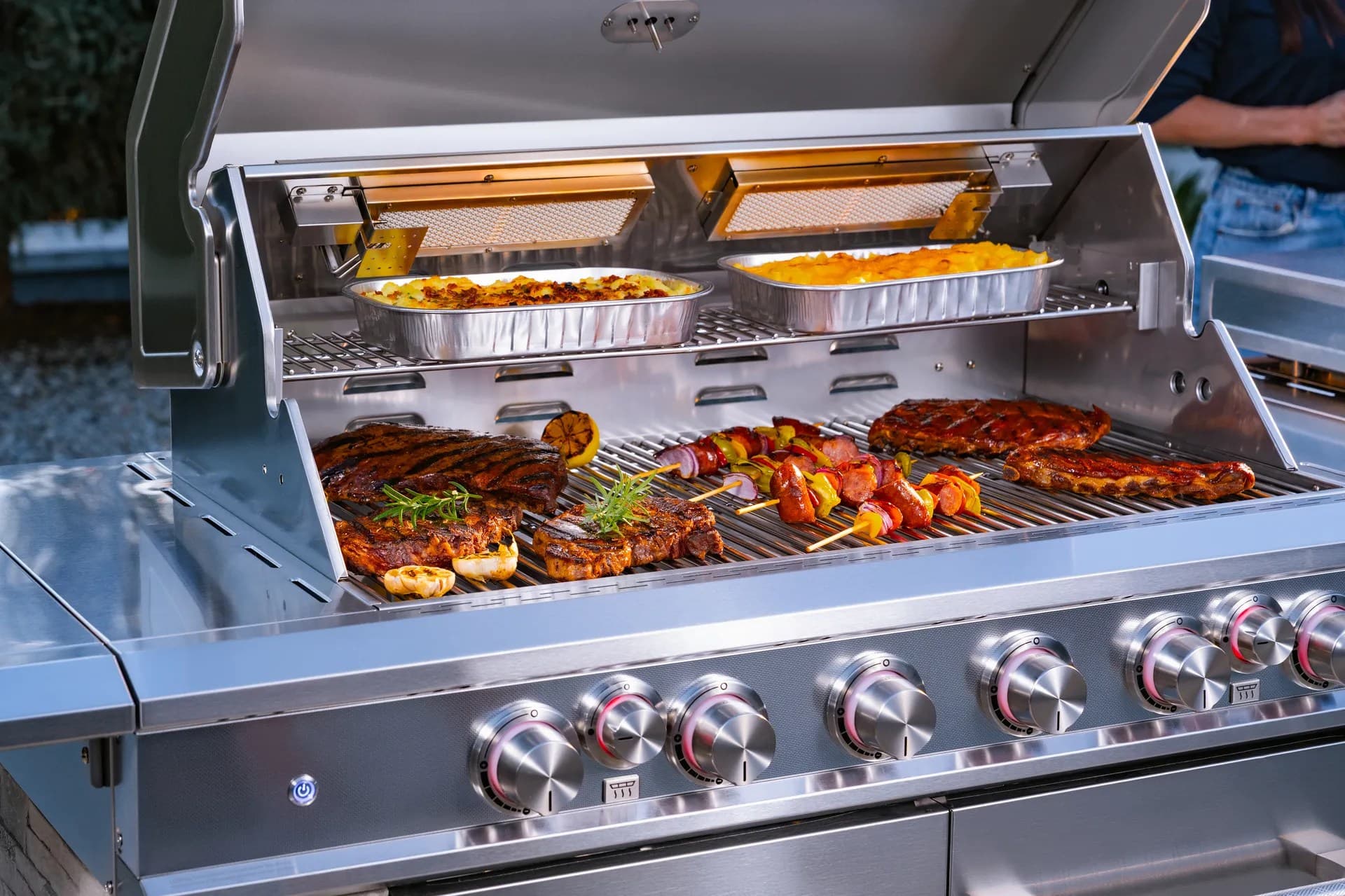
Explore the pros and cons of wood and gas grilling to elevate your outdoor cooking.
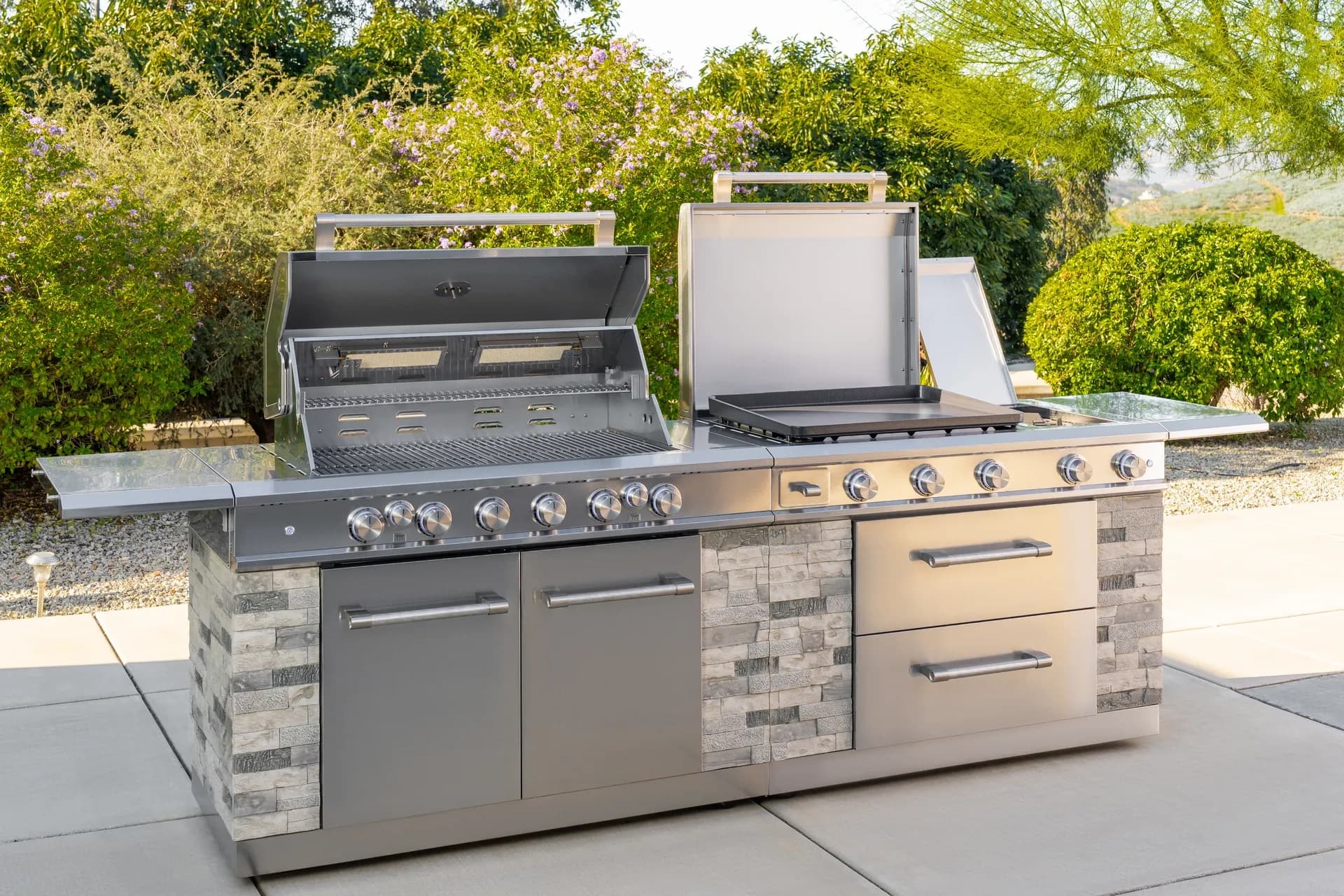
From sizzling breakfasts to smash burgers and teppanyaki-style dinners, the Daytona Pro 5 Burner NitroGuard™ Griddle delivers powerful heat, fast cooking, and a durable cooking surface built for every backyard cookout. Watch how easy outdoor cooking can be.
Here's what sets us apart from the competition
We position ourselves as delivering high-end outdoor cooking features and performance without premium-brand pricing, emphasizing “Quality Grills. Unbelievable Value.”
We offer gas grills, pellet grills, griddles, smokers, pizza ovens, portable/tabletop grills, electric grills, accessories, and replacement parts — allowing customers to stay within one ecosystem for all outdoor cooking needs.
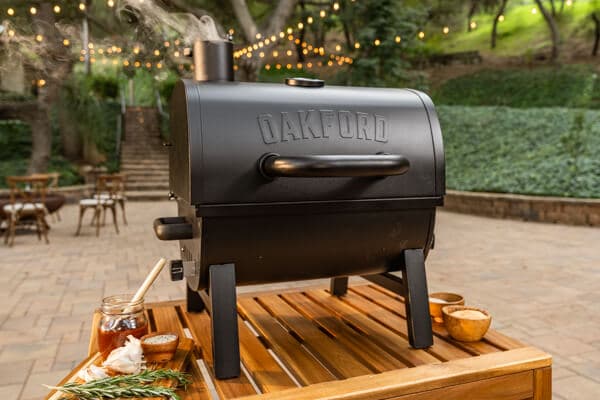
We differentiate ourselves through smart grilling products like the Oakford smart pellet grill, including app-connected cooking controls and modern outdoor cooking technology.
Expert tips, buying guides, comparisons, and inspiration for choosing and getting the most out of your grill.
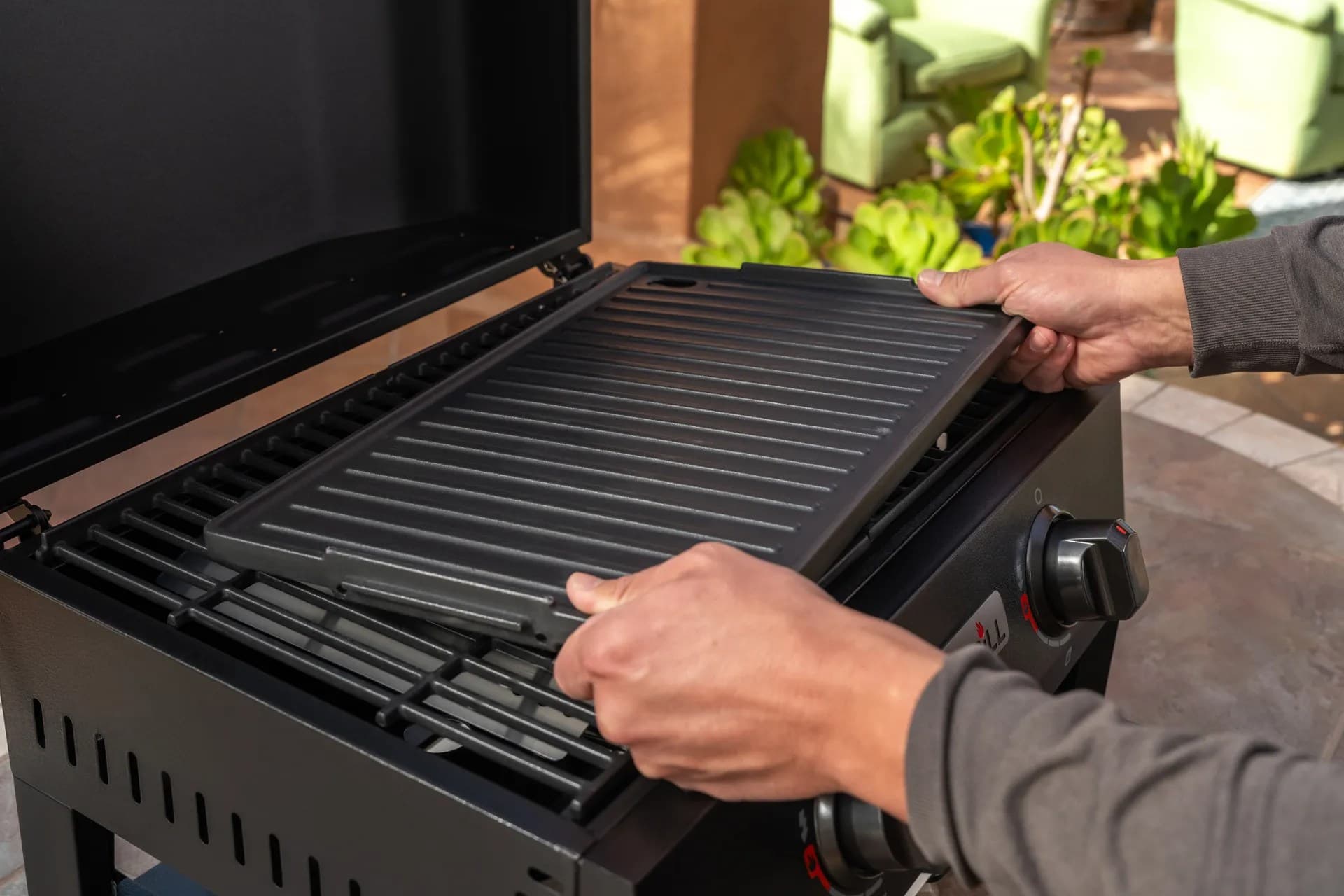
Practical guides for cleaning, maintenance, common grill issues, and performance optimization.
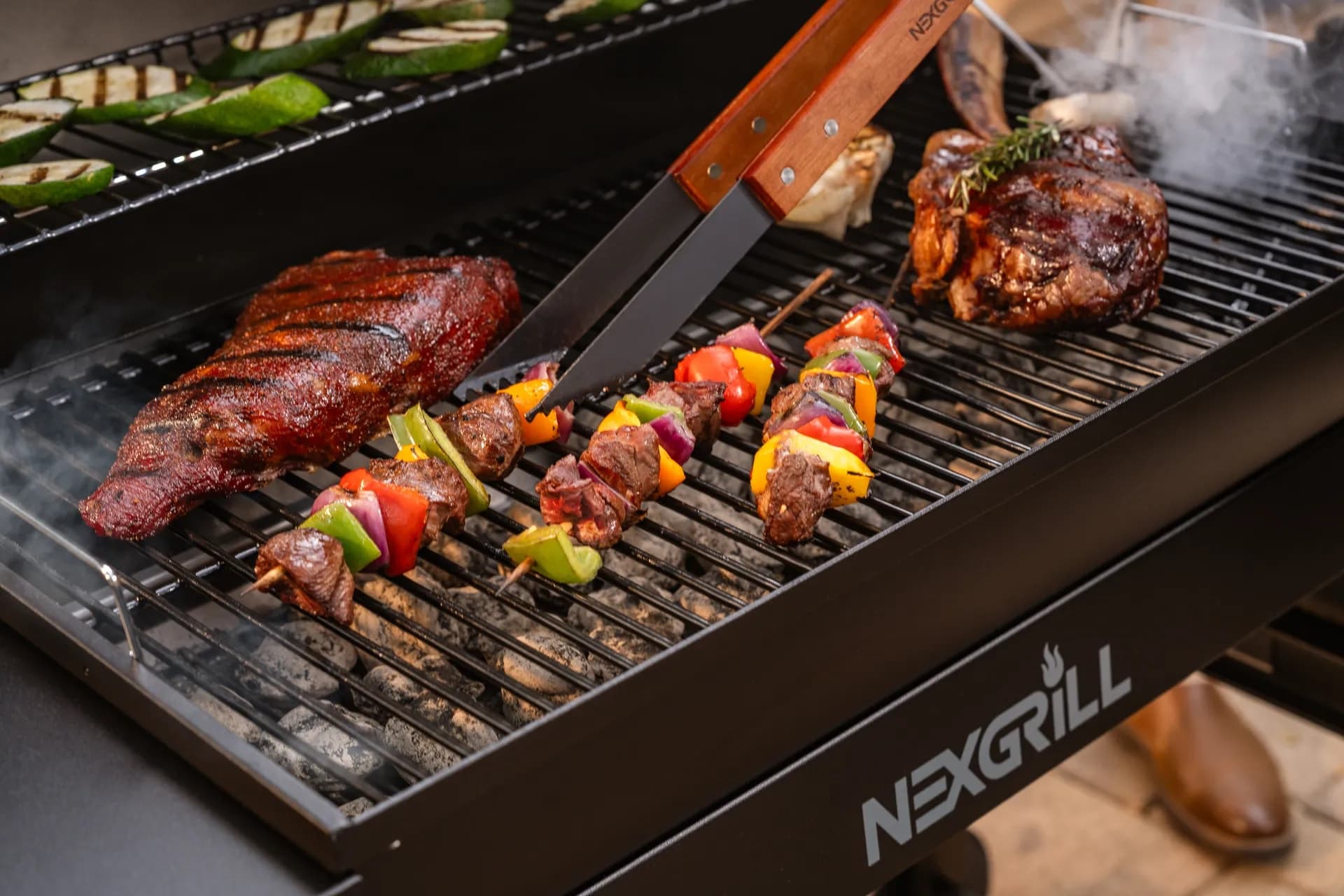
Step-by-step grilling recipes, cooking techniques, and meal ideas for every occasion and skill level.

Backyard entertaining ideas, seasonal grilling inspiration, and stories that celebrate outdoor cooking culture.
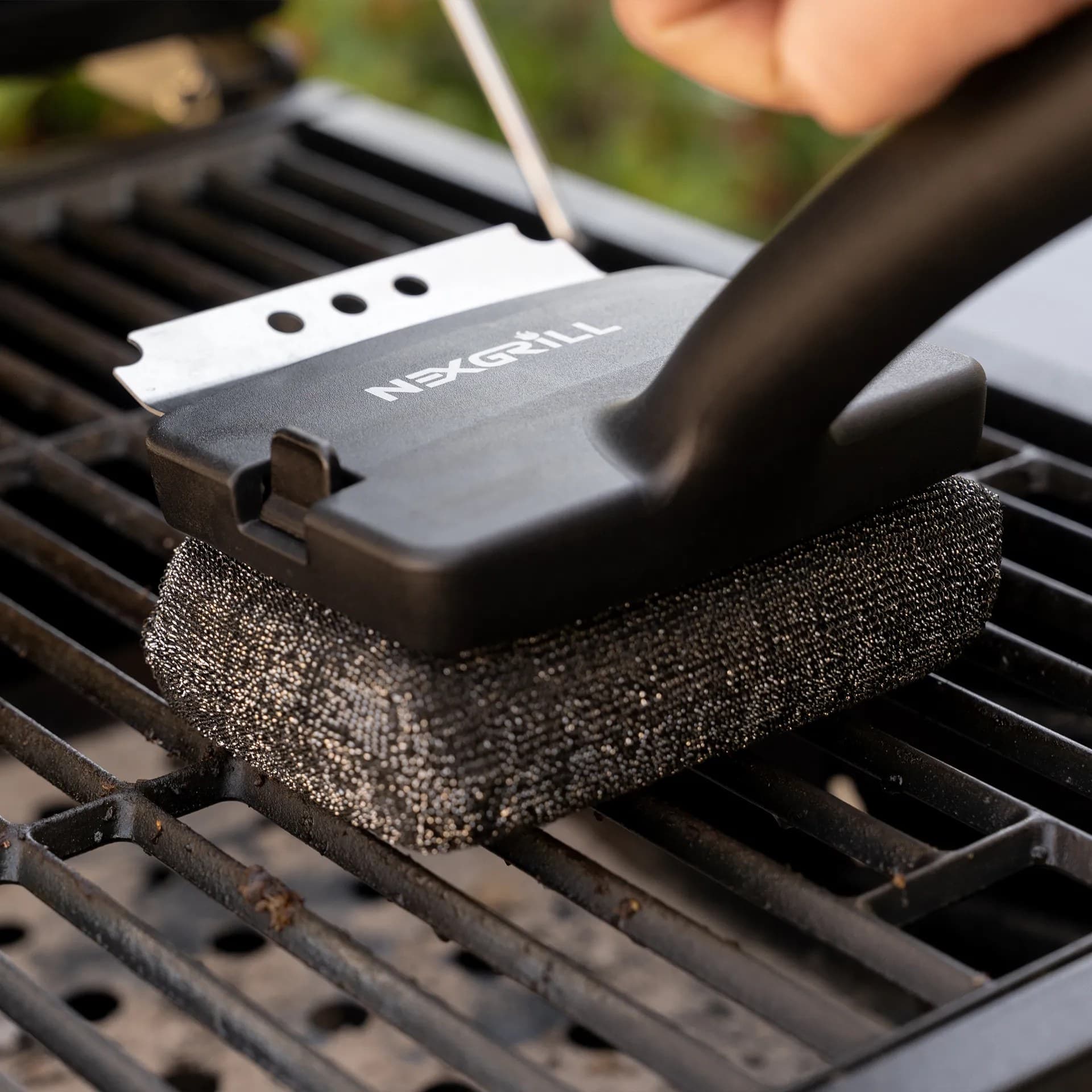
Helpful articles covering grilling tools, cookware, maintenance gear, and must-have accessories for outdoor cooking.
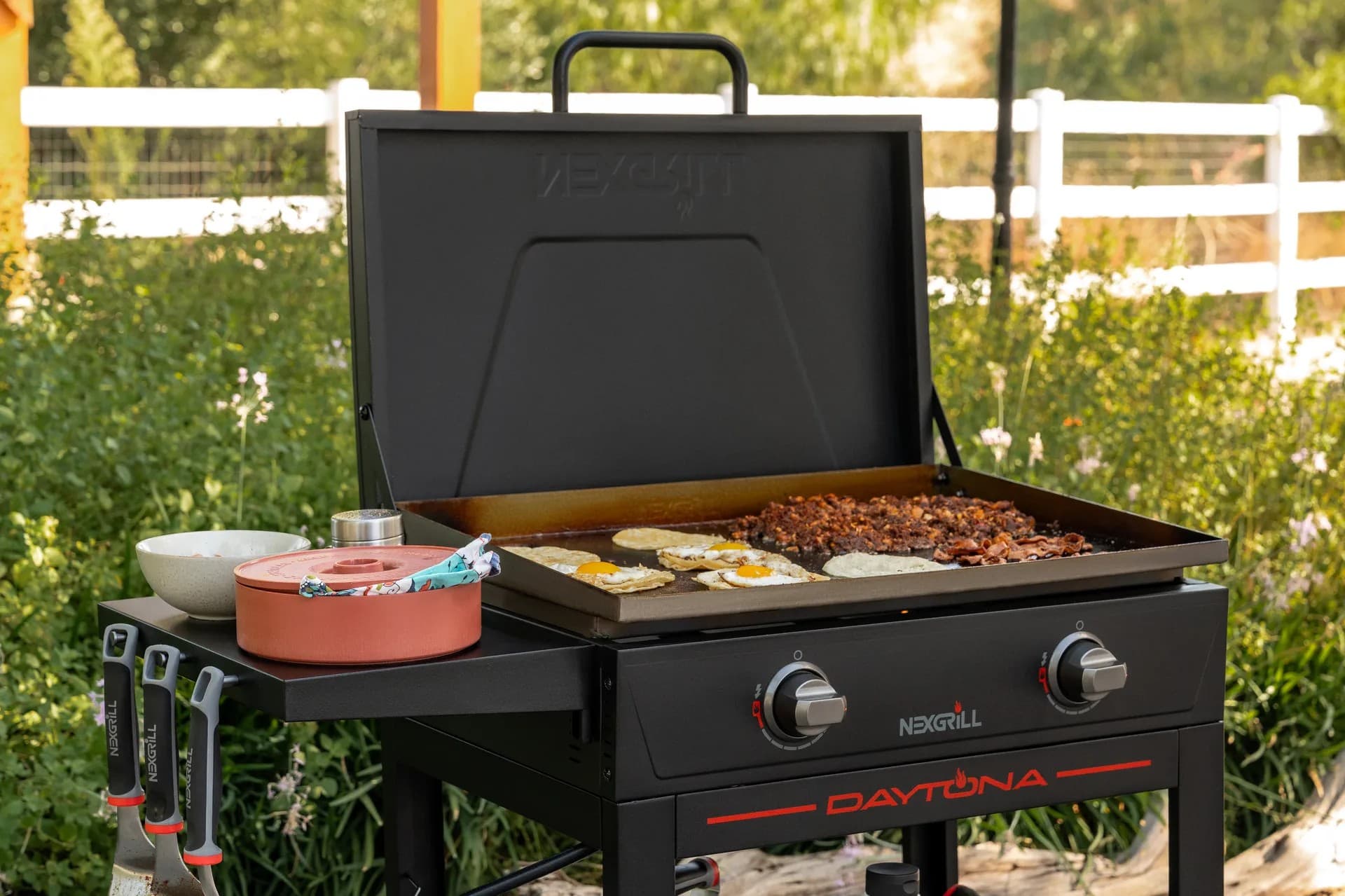
Find griddle recipes, cooking techniques, cleaning tips, and outdoor meal ideas designed for Nexgrill griddles.
Find answers to common questions
Gas grills provide instant heat and precise temperature control, making them easier to use. Charcoal grills offer a smoky flavor and high heat for searing but require more time to heat up and manage.
Pellet grills combine the convenience of gas with the flavor of wood, allowing for smoking, baking, and grilling. Traditional gas grills, however, are quicker to start and often easier to clean.
Charcoal grills typically reach higher temperatures quicker than gas grills, making them better for searing meat. However, high-quality gas grills can also provide adequate heat for effective searing.
Nexgrill offers models designed specifically for gas, charcoal, and pellets, allowing users to choose based on their cooking style and flavor preferences. Each type is built to optimize the characteristics of its respective fuel.
Choosing between gas and charcoal grills depends on your cooking preferences and lifestyle. If you value convenience and quick cooking, a gas grill may suit you better; if you prefer the taste and experience of traditional grilling, a charcoal grill would be ideal.
In This Article
Rich Wood Flavor
Gas Grill Convenience
Choosing the Right Grill
Wood grilling offers a unique experience that’s hard to replicate with other methods. The flavor profile achieved through wood grilling is often richer and more complex, thanks to the natural smoke and aroma produced by burning wood. This method allows for a wide variety of flavors, depending on the type of wood used, such as hickory, mesquite, or applewood.
One of the main advantages of wood grilling is its traditional approach, which many BBQ enthusiasts find appealing. It connects you to the roots of cooking and provides a rustic feel that enhances the overall grilling experience. However, mastering wood grilling requires patience and skill, as it involves managing the fire and temperature manually.
Tip: Experiment with different wood types to discover new dimensions of flavor in your grilled dishes.
Despite its flavorful advantages, wood grilling presents several challenges. It requires more time to set up, as the wood needs to be properly ignited and maintained. Temperature control can also be tricky, making it less convenient for quick meals or those new to grilling.
Furthermore, wood grilling may not be suitable for all environments due to regulations on open flames, especially in urban or fire-prone areas. Understanding the local regulations is crucial before opting for this method.
Wood grilling is viewed as more environmentally friendly compared to gas, as it uses renewable resources. However, sourcing sustainable wood and managing emissions is vital to minimizing environmental impact. Opt for certified wood sources to ensure eco-friendliness.
Gas grills are favored for their convenience and ease of use. They offer fast ignition and consistent heat control, making them ideal for quick meals and weekday dinners. Gas grills provide an even cooking surface, reducing the risk of flare-ups and burnt spots, which can be common in wood grilling.
For those who value time efficiency and simplicity, gas grilling is a perfect choice. It allows for precise temperature adjustments at the turn of a knob, facilitating a variety of cooking methods from searing to slow roasting.
| Feature | Wood Grilling | Gas Grilling |
|---|---|---|
| Flavor Complexity | High, due to smoke | Moderate |
| Ease of Use | Requires skill | User-friendly |
| Setup Time | Longer | Quick |
| Environmental Impact | Potentially lower | Higher |
Gas grilling is also more suitable for urban settings where open flames from wood grilling might be restricted. Moreover, the cleaner operation of gas grills makes them a practical choice for those who prefer minimal cleanup.
Info: Gas grills provide a more consistent cooking environment, which is ideal for recipes requiring precise temperature control.
However, it’s important to consider the environmental impact of gas grilling, as it relies on fossil fuels. Choosing models that offer efficient fuel consumption can mitigate some of these concerns.
Gas grills generally require less maintenance than wood grills, as there's no need to manage ash or residue. Regular checks of gas lines and connections are crucial to ensure safety. Always store propane tanks in a cool, ventilated area to prevent accidents.
When deciding between wood and gas grilling, consider your personal preferences, lifestyle, and grilling goals. If you love experimenting with flavors and enjoy the process of tending to a fire, wood grilling might be your preferred choice. It offers a sensory-rich experience that can be both rewarding and meditative.
On the other hand, gas grilling suits those who prioritize convenience and efficiency. Its ability to quickly heat up and maintain stable temperatures makes it ideal for frequent grillers who want to minimize preparation time and focus on enjoying the meal.
Your choice may also depend on the type of dishes you plan to prepare. For example, smoked meats and traditional BBQ benefit more from the depth of flavor that wood provides, whereas quick-grilling items like burgers and vegetables thrive with the consistent heat of gas grills.
Additionally, consider the space you have available for grilling. Gas grills are often more compact and suitable for smaller patios or balconies, whereas wood grills may require more room due to the additional equipment needed for wood storage and smoke management.
| Consideration | Wood Grilling | Gas Grilling |
|---|---|---|
| Best For | Flavor enthusiasts | Quick meals |
| Setup Area | Requires more space | Compact |
| Learning Curve | Steeper | Easier |
Ultimately, the choice depends on your priorities. Both methods have their unique benefits and can transform your grilling experience in their own way. Whether you’re a novice or an experienced griller, understanding these differences will help you make an informed decision.
For those who love the art of grilling and don't mind investing extra time, wood grilling provides an unparalleled experience. If convenience and speed are higher on your list, gas grilling remains a solid choice. Consider your lifestyle, cooking habits, and enjoy the process of discovering your perfect grilling method.
Warning: Always ensure proper ventilation and safety measures when using either grilling method to avoid accidents.
Explore more grilling tips and product information at Nexgrill. Embrace the joys of outdoor cooking with the right grill for your needs.
Here's what sets us apart
We position ourselves as delivering high-end outdoor cooking features and performance without premium-brand pricing, emphasizing “Quality Grills. Unbelievable Value.”
We offer gas grills, pellet grills, griddles, smokers, pizza ovens, portable/tabletop grills, electric grills, accessories, and replacement parts — allowing customers to stay within one ecosystem for all outdoor cooking needs.
We differentiate ourselves through smart grilling products like the Oakford smart pellet grill, including app-connected cooking controls and modern outdoor cooking technology.
Don't just take our word for it
Keep reading
From our catalog