Nexgrill 720-0898 vs Char-Broil: How to Choose the Right Gas Grill for Your Deck
A practical how-to for cross-shoppers: identify, test, and decide between a legacy Nexgrill 720-0898 and a comparable Char-Broil.

In This Article
Identify Before You Compare
Test the Cooking Difference
Check Parts Support
How to Compare a Nexgrill 720-0898 and a Char-Broil Without Getting Burned
You are standing in a big-box aisle, phone in hand, or idling in a stranger's driveway looking at a Marketplace listing. On one side: a used Nexgrill 720-0898. On the other: a Char-Broil on sale. This is a decision method, not a spec shootout - four steps you can finish in about twenty minutes, plus a checklist for the moment you actually commit.
Nexgrill has been building outdoor cooking equipment since 1993 out of California, and its merger into Global Leisure with Megamaster broadened its parts and product footprint - useful context when you wonder whether a legacy model still has support behind it. The About page lays that history out.
What You Are Actually Comparing (Prerequisites)
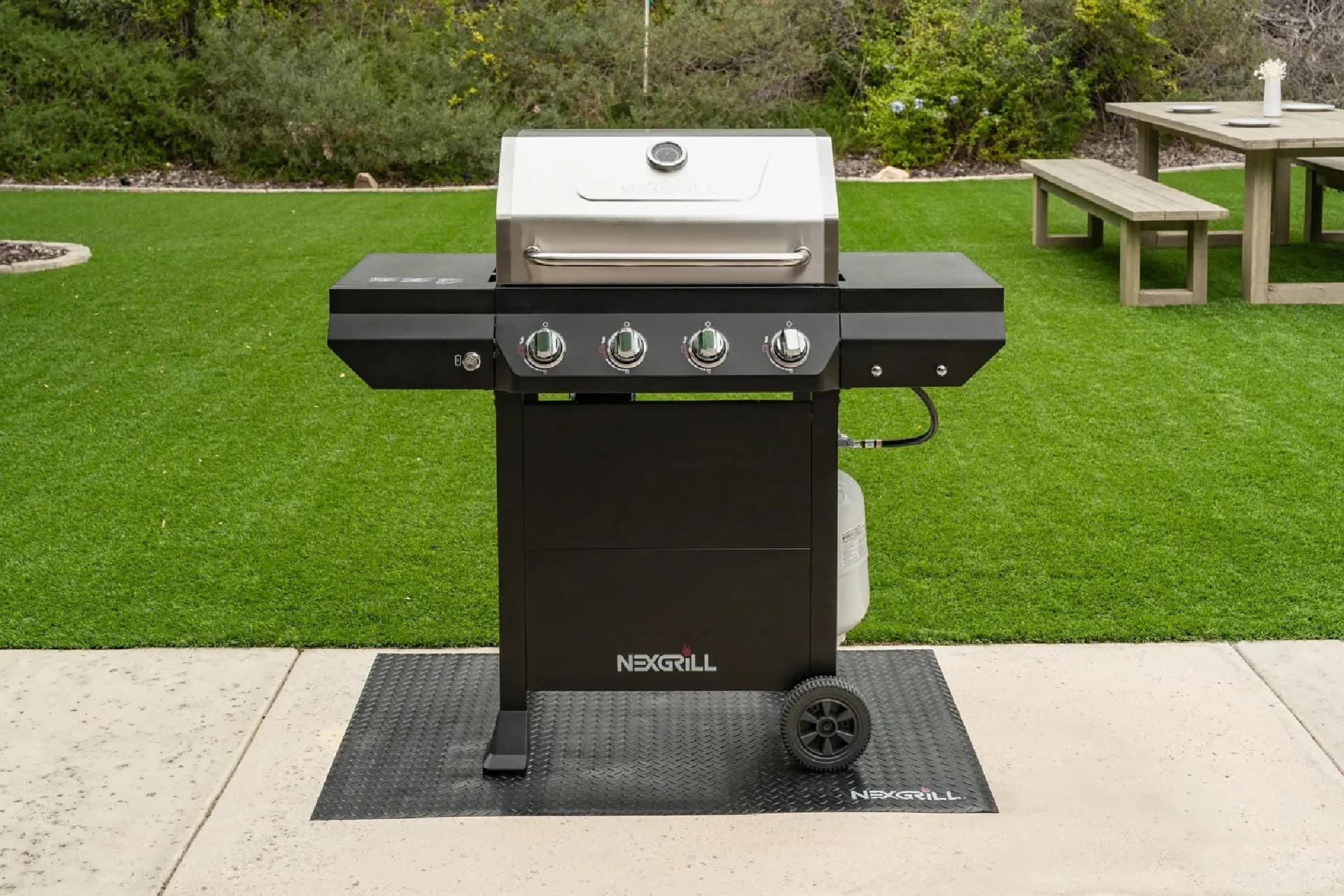
Before any comparison: confirm both grills are the same size class and that neither is a different model wearing the wrong label. You need two things in hand - the data plate on the back panel or inside the cabinet of each grill, and the Char-Broil model and serial number for its support lookup.
Do not fabricate specs. The 720-0898's BTU rating, grate material, and square inches vary by production run. Read the rating label on the unit and write the numbers down - never assume.
Step 1: Read the Data Plate and Match by Size Class
Compare by cooking surface and burner count, not the marketing name on the lid. A four-burner Nexgrill should be stacked against a four-burner Char-Broil; a two-burner against a two-burner. Record the model year if the label shows it. If the Nexgrill listing has no readable plate, treat the price as a gamble, not a deal.
Step 2: Test the One Cooking Difference That Matters - Infrared Emitter vs. Flavorizer Bar
Char-Broil's signature is TRU-Infrared, an emitter plate that sits between burner and grate to spread heat and cut flare-ups - explained on Char-Broil's infrared page. The 720-0898, like most Nexgrill gas grills of its era, uses standard heat tents or flavorizer bars over open burners. The practical difference: infrared handles grease-heavy foods with fewer flare-ups but adds an emitter that wears and can be fussy to clean; flavorizer bars are simple, cheap to replace, and give you a clearer view of the burner.
On a used infrared grill, run your hand across the emitter for warping, cracks, or heavy carbonizing. Test every burner on high for two full minutes.
Step 3: Compare Ownership Support - Parts Diagrams and Manuals
Char-Broil's online serial lookup gives used buyers a real edge: enter the number, get a manual and parts list. For the Nexgrill, check the current product catalogue for a comparable size class and confirm that replacement parts exist for the 720-0898 before you pay.
Step 4: Match the Grill to Your Cooking Style
Weeknight burgers - either works; pick the one with the cleaner firebox. Low-and-slow - favor the model with better lid sealing and lower minimum heat. Flat-top cooking - neither is ideal; a griddle such as the Daytona 4-Burner Griddle is the honest answer.
Try Comparing Two Products Side by Side Below to See Which Fits Best
Once You've Weighed Two Options Against Each Other, Here's What Else Matters
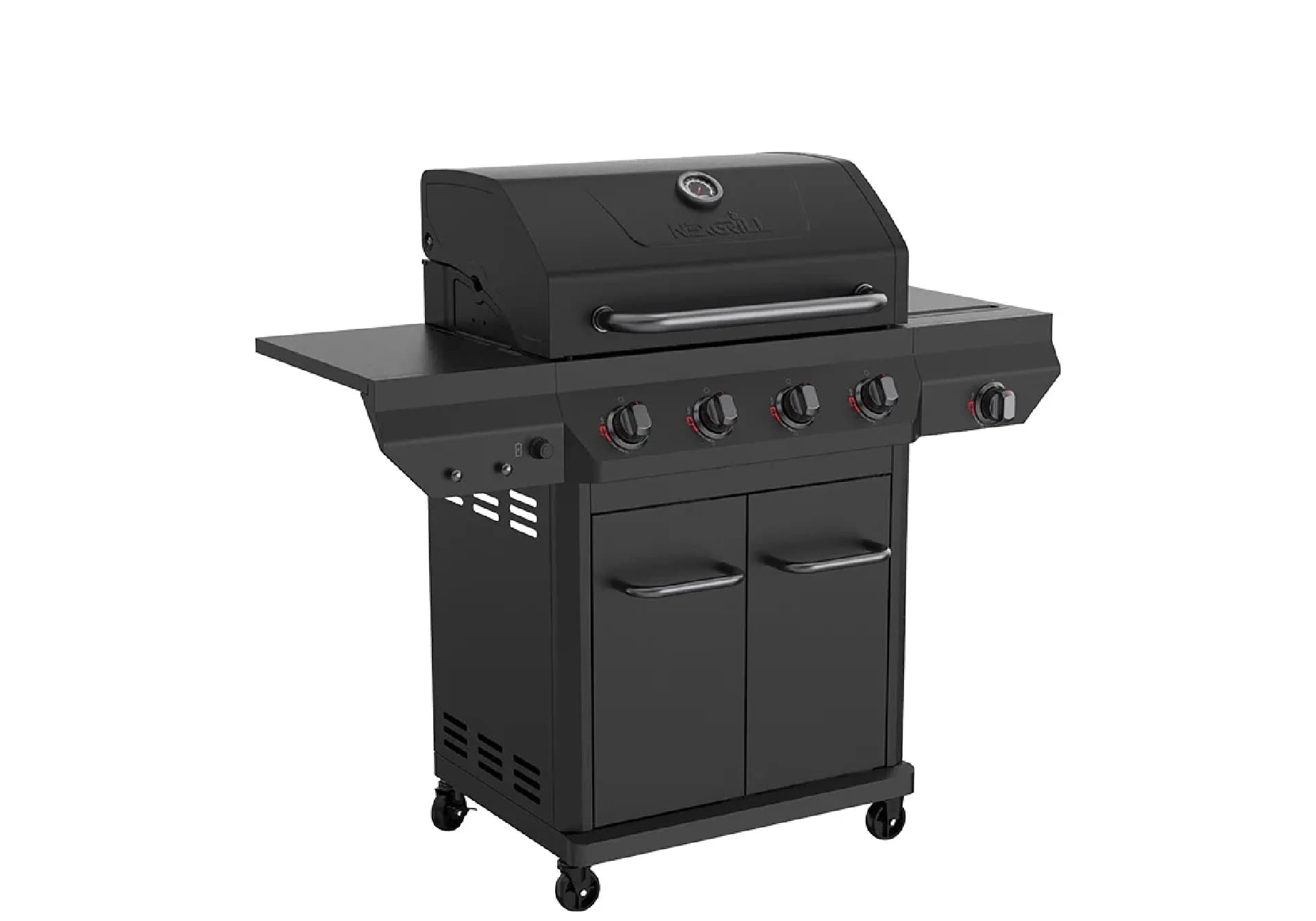
The comparison tool tells you which grill wins on paper. The rest is judgment. If you are buying new, the honest endpoint is often neither name - it is a current model with guaranteed parts support, like the 4-Burner Gas Grill with Side Burner in Black. If you are buying used, the 720-0898 only makes sense when the firebox floor is solid and burners light evenly.
Common Mistakes When Choosing Between a Legacy Nexgrill and a Char-Broil
- Buying on BTU alone - burner quality and heat retention matter more.
- Confusing the model number (720-0898) with a part number.
- Ignoring firebox floor rust, which is often the real reason a grill is for sale.
- Buying used infrared without testing the emitter.
- Buying new with no parts diagram available.
A grill that is cheap because the firebox is rusting through is not cheap.
A 5-Minute Checklist for the Big-Box Aisle or Marketplace Meetup
Before you commit, it helps to bench-test a used grill before you pay, since the five minutes below decide more than any spec sheet.
- Data plate photographed and legible.
- Burner count and cooking surface matched to your household.
- All burners lit, then set low for five minutes.
- Firebox floor scraped for soft spots.
- Parts diagram or manual located online.
- Emitter (if infrared) inspected for warping.
What Ownership Really Costs Over Time (USD Ranges for US Shoppers)
| Scenario | Typical Outlay (USD) |
|---|---|
| New 4-burner class, either brand | $300-$550 |
| Used 720-0898, fair condition | $80-$200 |
| Replacement burner set over five years | $40-$120 |
| Infrared emitter replacement (Char-Broil) | $40-$90 |
Estimates vary by model and region. Factor in a cover and a tank exchange and the ownership math becomes clearer than the sticker price.