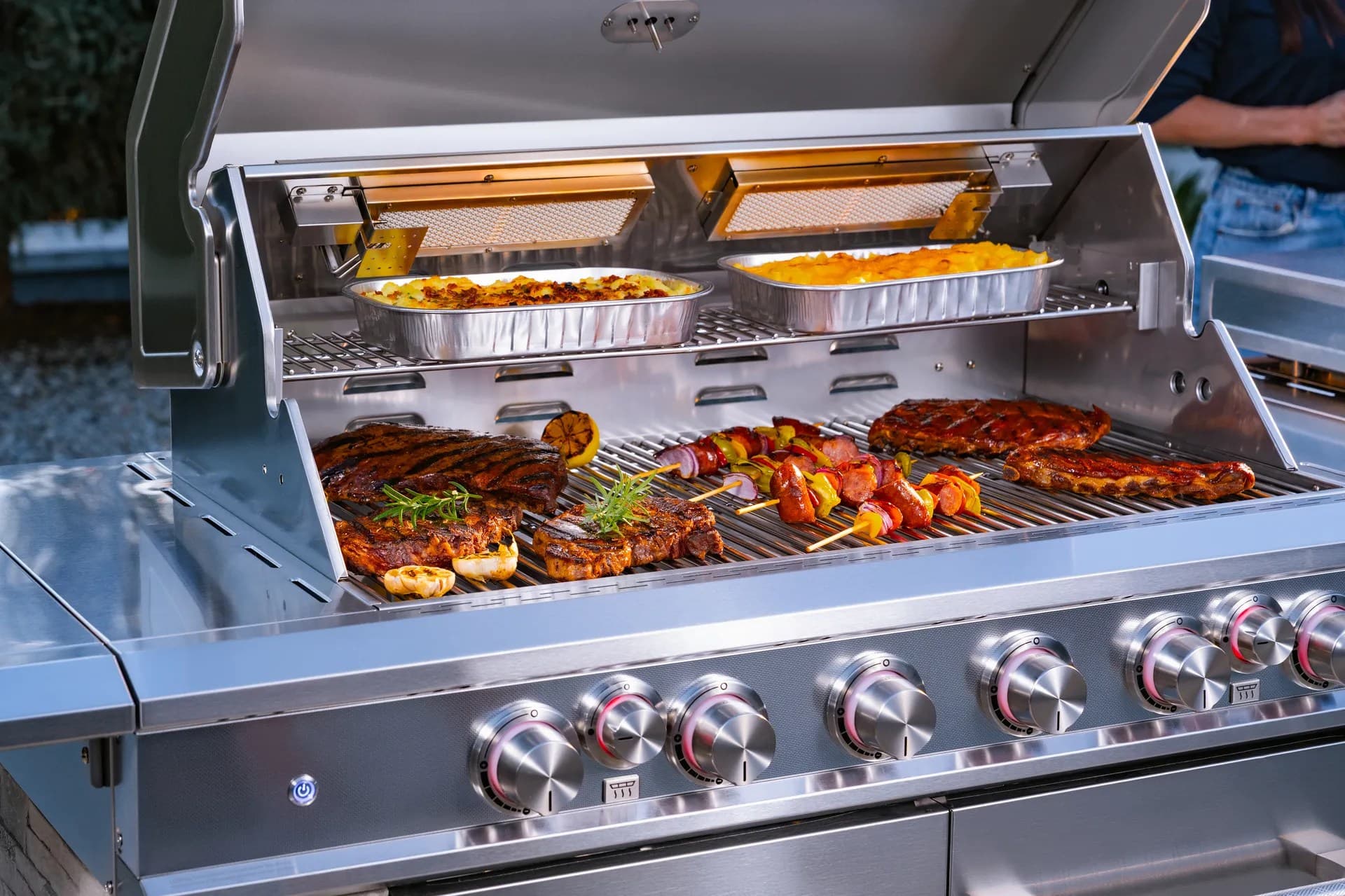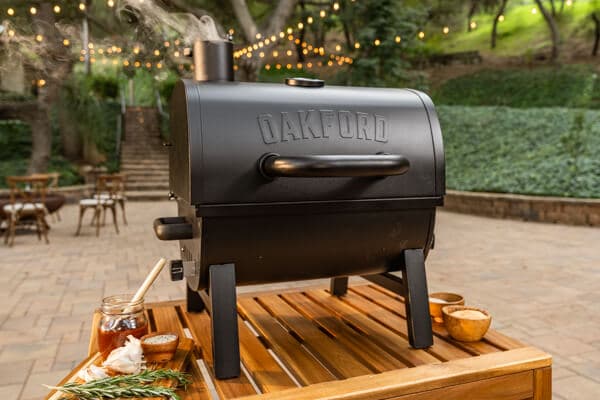
Unlock the Future of Outdoor Cooking with Smart Grilling Technology
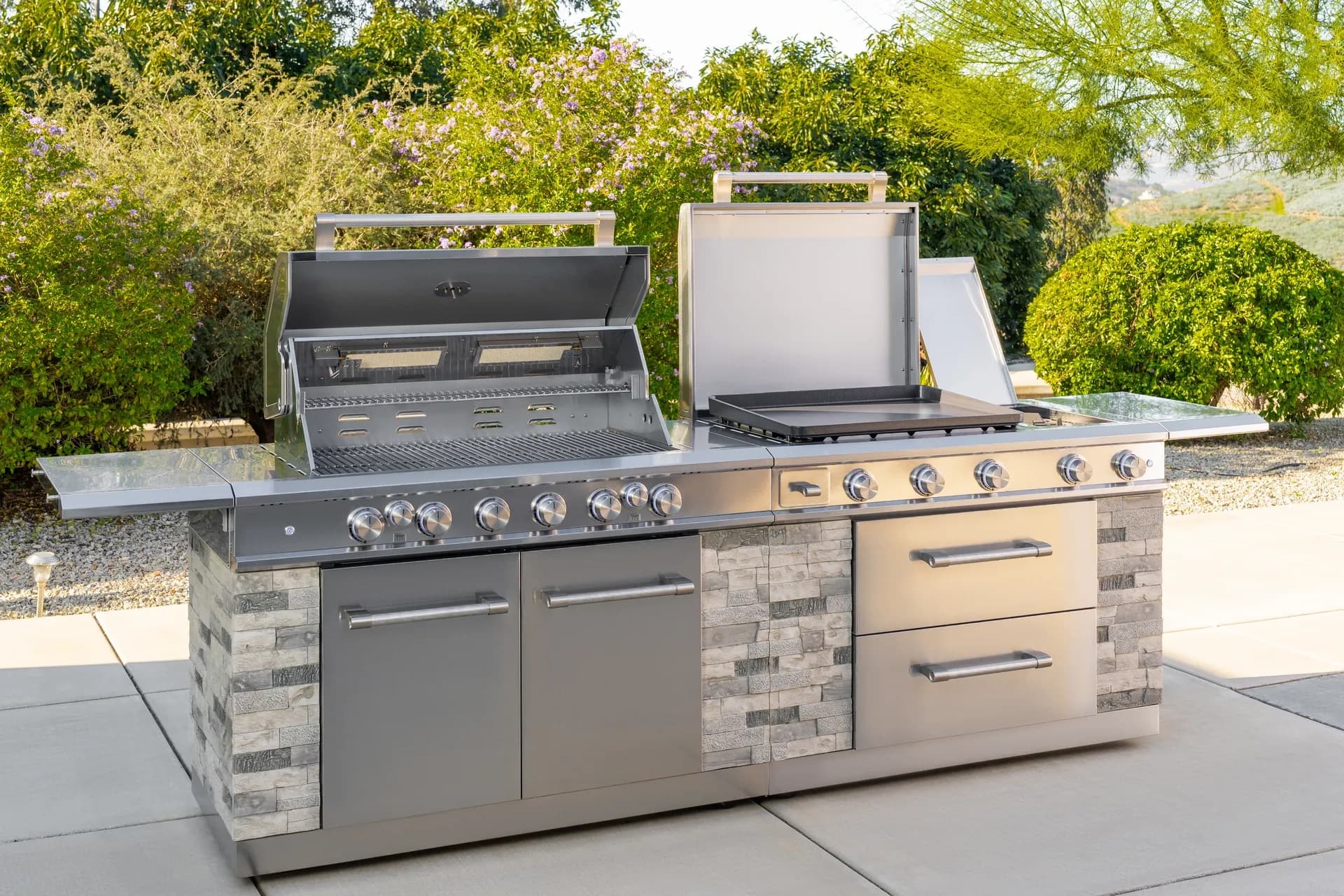
From sizzling breakfasts to smash burgers and teppanyaki-style dinners, the Daytona Pro 5 Burner NitroGuard™ Griddle delivers powerful heat, fast cooking, and a durable cooking surface built for every backyard cookout. Watch how easy outdoor cooking can be.
Here's what sets us apart from the competition
We position ourselves as delivering high-end outdoor cooking features and performance without premium-brand pricing, emphasizing “Quality Grills. Unbelievable Value.”
We offer gas grills, pellet grills, griddles, smokers, pizza ovens, portable/tabletop grills, electric grills, accessories, and replacement parts — allowing customers to stay within one ecosystem for all outdoor cooking needs.
We differentiate ourselves through smart grilling products like the Oakford smart pellet grill, including app-connected cooking controls and modern outdoor cooking technology.
Expert tips, buying guides, comparisons, and inspiration for choosing and getting the most out of your grill.
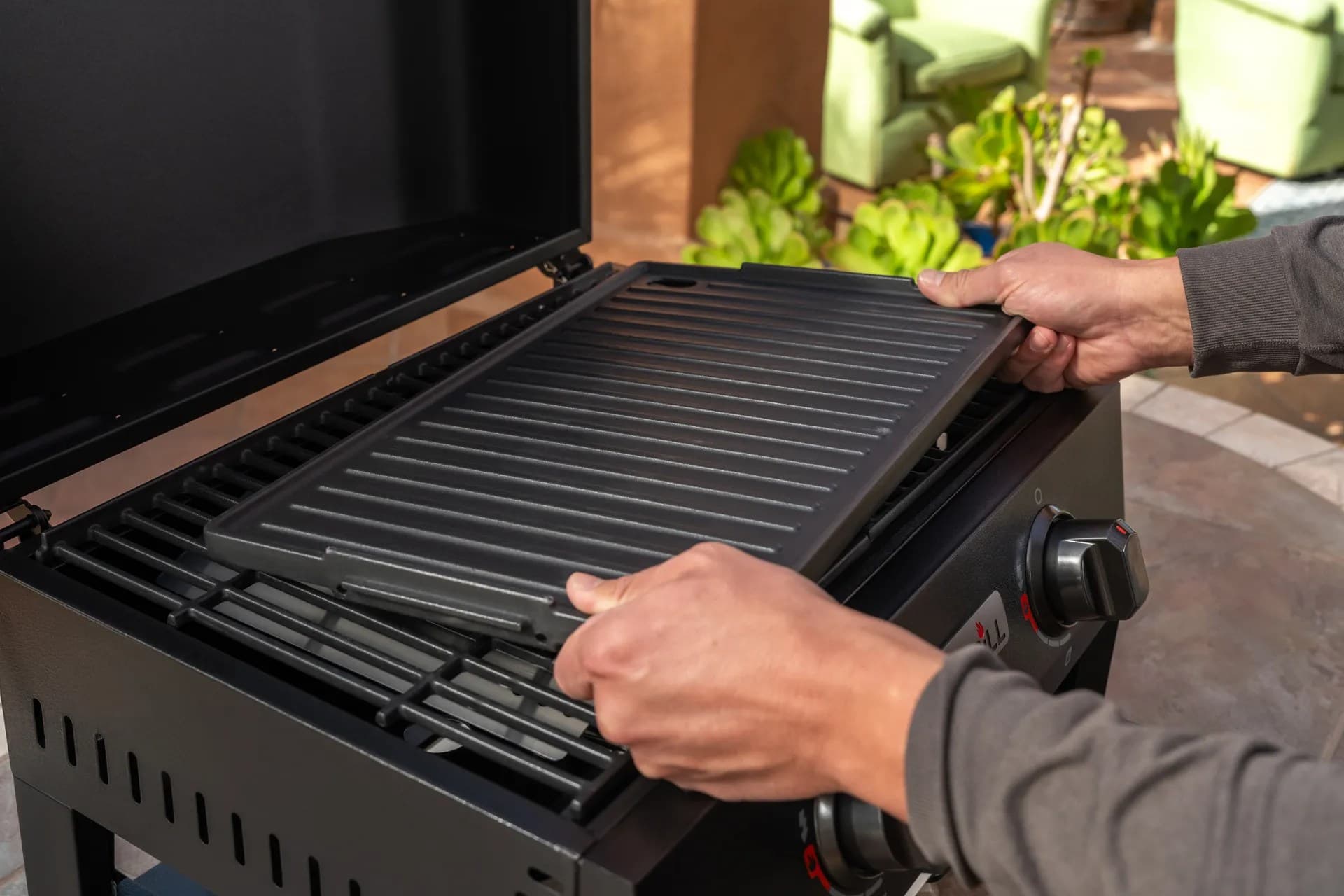
Practical guides for cleaning, maintenance, common grill issues, and performance optimization.
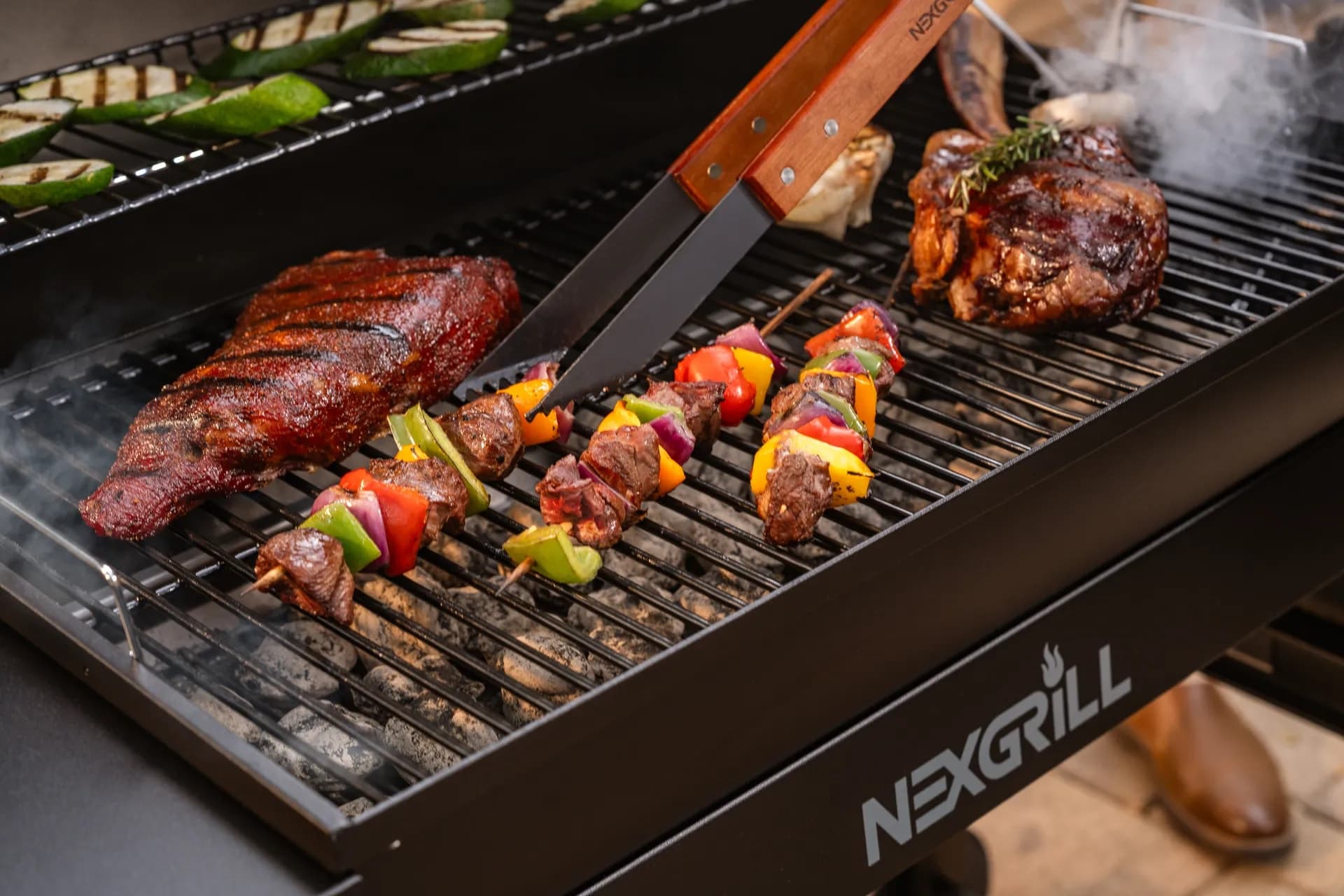
Step-by-step grilling recipes, cooking techniques, and meal ideas for every occasion and skill level.

Backyard entertaining ideas, seasonal grilling inspiration, and stories that celebrate outdoor cooking culture.
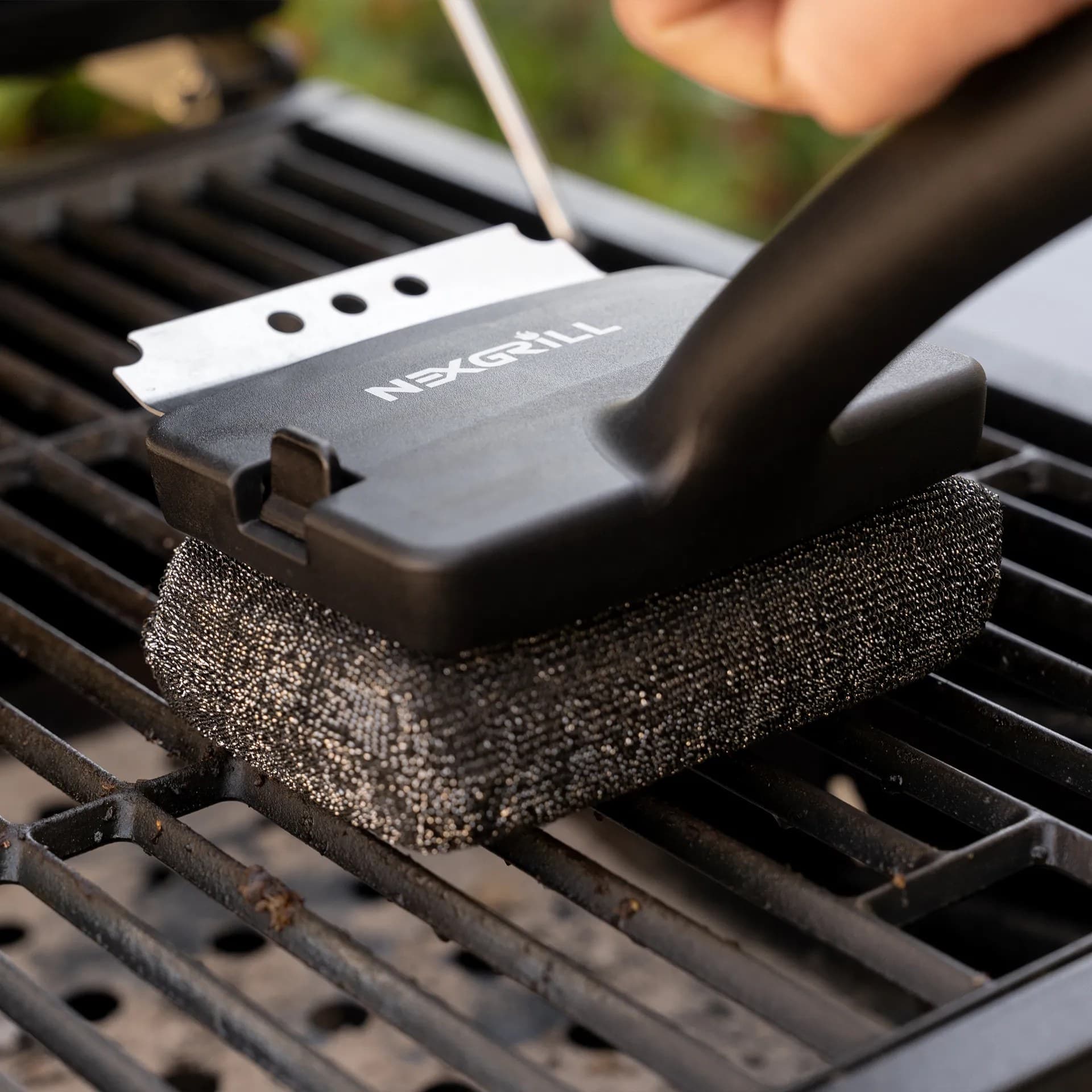
Helpful articles covering grilling tools, cookware, maintenance gear, and must-have accessories for outdoor cooking.
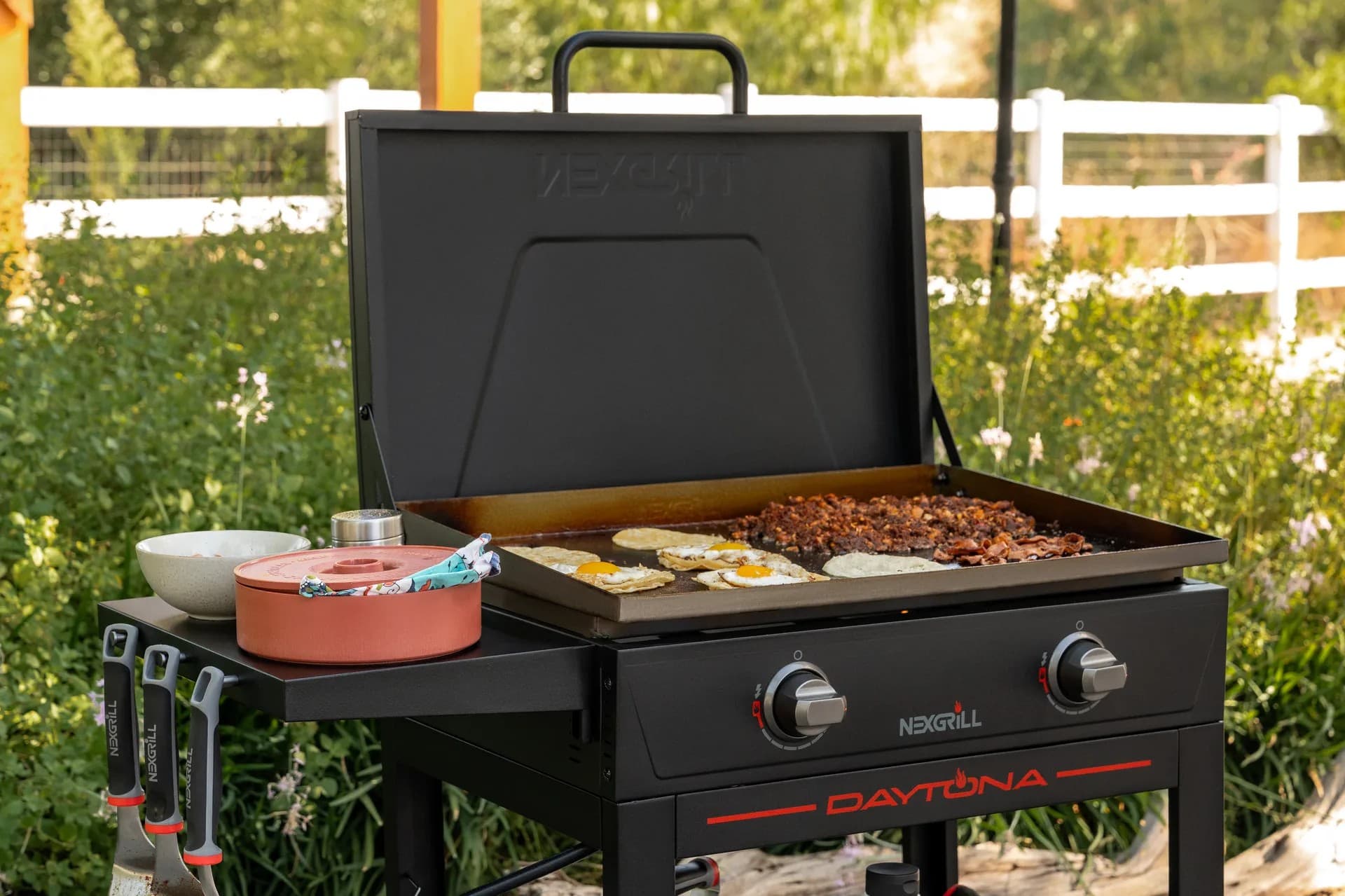
Find griddle recipes, cooking techniques, cleaning tips, and outdoor meal ideas designed for Nexgrill griddles.
Find answers to common questions
Gas grills provide instant heat and precise temperature control, making them easier to use. Charcoal grills offer a smoky flavor and high heat for searing but require more time to heat up and manage.
Pellet grills combine the convenience of gas with the flavor of wood, allowing for smoking, baking, and grilling. Traditional gas grills, however, are quicker to start and often easier to clean.
Charcoal grills typically reach higher temperatures quicker than gas grills, making them better for searing meat. However, high-quality gas grills can also provide adequate heat for effective searing.
Nexgrill offers models designed specifically for gas, charcoal, and pellets, allowing users to choose based on their cooking style and flavor preferences. Each type is built to optimize the characteristics of its respective fuel.
Choosing between gas and charcoal grills depends on your cooking preferences and lifestyle. If you value convenience and quick cooking, a gas grill may suit you better; if you prefer the taste and experience of traditional grilling, a charcoal grill would be ideal.
In This Article
Remote Monitoring
Enhanced Precision
User-Friendly Apps
Wi-Fi-controlled grills are changing the way people cook outdoors because they let you stay connected to the cook, even when you are not standing beside it. Instead of babysitting the lid every few minutes, you can monitor temperature, adjust settings, and receive alerts through a connected app. That shift matters more than it sounds. For busy households, it means dinner can keep moving while you refill a drink, answer the door, or spend time with guests. For serious grillers, it means more repeatable results, especially when cooking low and slow or managing multiple temperature zones.
At Nexgrill, the appeal of smart grilling fits the brand’s broader philosophy of making outdoor cooking welcoming, practical, and confidence-building. Nexgrill’s brand guidelines emphasize being approachable, dependable, and inclusive, with grilling framed as a shared experience rather than an intimidating skill test. Wi-Fi-connected cooking tools support that idea because they reduce the friction between wanting to grill well and actually doing it. If your goal is to cook a brisket, roast chicken, or even a weeknight batch of vegetables without hovering over the fire, this category offers a useful step forward from traditional hands-on grilling. The experience is not about replacing skill; it is about making skill easier to apply consistently.
Smart grilling is most valuable when it saves attention, not when it tries to replace judgment. The best Wi-Fi-connected grill still benefits from a cook who knows when to rest meat, manage flare-ups, and use indirect heat.
The modern smart grill market typically combines a traditional fuel system with app-based control. That may mean pellet grills with automatic feed systems, gas grills with connected probes and live temperature tracking, or hybrid systems that add remote monitoring to familiar backyard formats. What makes this especially interesting for buyers is that the technology is no longer just for advanced pitmasters. Many models are designed for everyday owners who want a simpler path to consistent results. In other words, the same tools that help a long smoke stay on target can also keep a casual Saturday cookout from becoming guesswork.
This guide focuses on how Wi-Fi-controlled grills fit real-world outdoor cooking in the United States, what capabilities matter most, and which buying trade-offs are worth your attention before you spend. If you are comparing options for the first time, think less about novelty and more about how often you will actually use remote features, how reliable your home network is in the backyard, and whether the grill’s app support feels straightforward enough to trust on a busy night.
The best Wi-Fi-controlled grills are defined less by the existence of an app and more by what the connected system actually helps you do. Remote monitoring is usually the headline feature, but the meaningful value comes from a cluster of tools that work together: temperature visibility, alerting, probe management, recipe guidance, and often automatic adjustments from the grill itself. If a grill only gives you a basic temperature reading on your phone, that is useful, but it is not the full story. A stronger connected system should help you understand what is happening in the cook and respond faster when conditions change.
Temperature monitoring is the foundation of any smart grill experience. Instead of opening the lid and releasing heat, you can check grill temperature and probe readings from the app. That matters most during long cooks, when every unnecessary lid lift can slow progress and introduce temperature swings. In practical terms, this is especially helpful for pork shoulder, ribs, whole chickens, and brisket, where stability matters more than speed.
A good smart grill app should alert you when food reaches target temperature, when the grill falls outside a set range, or when the fuel level may need attention depending on the system. These alerts are not glamorous, but they are the reason connected grilling feels genuinely convenient. Instead of checking every ten minutes, you can let the app watch the cook for you and step in only when needed.
Probe support is where some smart grills separate themselves from basic connected models. Multiple probes let you track different proteins or measure both pit and food temperature at once. For families or entertaining, this helps when cooking a roast alongside chicken thighs or monitoring a second item that needs a different finish point. Multi-zone awareness is equally useful on gas grills, where one side may be running hot for searing while another area stays lower for finishing.
| Feature | What it helps with | Why it matters |
|---|---|---|
| Remote monitoring | Watching temperatures from your phone | Reduces unnecessary lid openings and saves time |
| Food probes | Tracking internal meat temperature | Improves doneness control and consistency |
| Cook alerts | Notifying you when targets are reached | Prevents overcooking and missed timing |
| Recipe guidance | Providing cook steps in-app | Helps newer users build confidence |
The biggest benefit of Wi-Fi-controlled grilling is not that it feels futuristic. It is that it gives you back attention. A traditional grill often asks for continuous presence, while a connected grill can reduce the amount of time you spend hovering over the fire. That makes the technology especially appealing for people who want better outcomes without turning dinner into a full-time project. If you entertain often, you already know that the hardest part of grilling is not usually the food itself; it is managing the cook while also managing the guests. Smart features help with that balancing act.
For many households, the practical win is not precision alone. It is flexibility. A connected grill lets you stay engaged with family and guests while still keeping an eye on dinner.
There is also a confidence benefit. Newer grillers often worry about timing, temperature, and knowing when something is done. Wi-Fi control gives them a way to check progress without guessing. Instead of opening the lid because they are anxious, they can rely on data. That reduces stress and often improves consistency. Experienced users benefit too, but in a different way. For them, smart controls become a safeguard against distraction. A seasoned cook may already know how to manage a brisket or reverse-sear a steak, but they still appreciate an alert if the temperature drops unexpectedly.
Convenience is important, but so is repeatability. One of the quiet strengths of connected grilling is that it helps you recreate a successful cook later. When the app records temperature curves, time at heat, or probe milestones, you can make smarter choices the next time. That is helpful if you are learning how your particular grill behaves in summer heat, winter wind, or shaded patio conditions. In the United States, where backyards and climates vary widely, that adaptability is not trivial.
App connection can save one unnecessary lid opening per cook, and that small habit change often improves consistency more than buyers expect.
When shoppers look at Wi-Fi-controlled grills in 2026, they are really choosing between cooking styles, not just tech packages. Some smart grills are built around pellet-based low-and-slow performance, while others pair Wi-Fi monitoring with the fast response of gas. A few also lean into hybrid convenience, giving you a broader range of backyard use cases. Since the smartest choice depends on how you cook, it helps to compare the category by real-world fit instead of treating every model as the same kind of purchase.
| Smart grill style | Best for | Trade-off to expect |
|---|---|---|
| Wi-Fi pellet grill | Low-and-slow smoking, roasting, hands-off cooking | Less direct-heat speed than gas for quick searing |
| Wi-Fi gas grill | Weeknight meals, searing, fast start-up | May have fewer automation options than pellet systems |
| Hybrid smart grill | Mixed-use households and entertaining | Usually costs more and may be larger |
For buyers who love long brisket sessions or weekend ribs, a Wi-Fi pellet grill is usually the most natural fit because the connected features support the pace of the cook. For people who mostly want fast dinners, a Wi-Fi-enabled gas grill may be the better match because it keeps the speed and simplicity of gas while adding monitoring tools. The best 2026 shortlist is therefore not one product list; it is a usage map. Ask what you cook, how often you cook it, and whether you want assistance, automation, or just visibility.
Choosing the right smart grill starts with how you actually cook, not with how impressive the app looks in a demo. If you mostly grill burgers, chicken, and vegetables on weeknights, you need responsive start-up, clear alerts, and easy cleanup more than deeply automated smoke management. If your ideal weekend includes brisket or pork shoulder, you should care more about temperature stability, probe support, and the quality of the grill’s controller. In short, buy for your food habits first and the technology second.
You should also think about backyard Wi-Fi coverage. A connected grill is only as useful as the signal reaching it. Patios, decks, garages, and brick walls can all interfere with connectivity, so it is worth confirming that your router reaches the cooking area before you buy. Battery life and interface design matter as well, especially if the grill uses removable probes or a dedicated controller. The best system is the one you will open, trust, and use every time you cook.
Setting up a Wi-Fi-controlled grill should feel straightforward, but the process goes more smoothly when you treat it like any other connected device in the home. First, place the grill where it has a stable wireless signal. Then pair the unit with the app before your first cook so you can test alerts, probe readings, and any control features while you still have time to troubleshoot. If the grill supports firmware updates, install them early. That often improves stability and can make the first few cooks noticeably smoother.
During use, the best habit is to check the app at natural intervals instead of staring at it constantly. Smart grilling works best when it supports your rhythm rather than replacing it. A quick review at preheat, halfway through the cook, and near the finish point is often enough for many meals. If you are smoking meat, use the app to protect temperature stability. If you are grilling more quickly, use it to avoid missing a target temperature while you prep sides or handle other tasks.
Setup checklist:1. Confirm Wi-Fi signal strength at the grill location2. Download the manufacturer app3. Pair the grill and update firmware4. Insert probes and verify readings5. Test temperature alerts before cooking6. Save preferred temperature presets for repeat cooksSmart features do not remove the need for basic grill care. In fact, a connected grill works best when burners, grates, probes, and air pathways are kept clean. Grease buildup can affect heat behavior, and residue on probe ports or connectors can interfere with reliable readings. The tech is useful, but it still depends on a grill that is physically sound. Regular cleaning after each session, along with periodic inspection of sensors and cords, helps keep the connected system accurate.
If the app loses connection, do not assume the grill is broken. Start with signal strength, power, probe seating, and app updates before you replace any hardware.
Common troubleshooting usually starts with the simplest explanations. Check whether the grill is plugged in, whether the router is functioning, whether the app has the latest version, and whether probes are fully seated. If a temperature reading looks off, compare it with a second probe or a trusted instant-read thermometer. That helps you separate a true equipment issue from a temporary reading problem. For seasonal owners, storing the grill covered and dry is a smart move, especially in regions with heavy rain, snow, or strong sun exposure.
Try comparing two products side by side below to see which fits best:
Once you have compared two options side by side, the next step is to look past the basic promise of remote control and focus on the features that separate a decent smart grill from a genuinely helpful one. The most advanced Wi-Fi-controlled grills go beyond simply sending temperature data to your phone. They make the entire cook easier to manage by combining automation, smarter alerts, better cooking guidance, and sometimes more precise heat regulation. For buyers in the United States who want a grill that feels less like a gadget and more like a dependable outdoor cooking partner, these higher-end features are where the value really shows up.
One of the most useful advanced features is multi-probe support. If you are cooking multiple proteins or trying to monitor both food and chamber temperature at the same time, extra probes add real control. Another increasingly valuable feature is adaptive temperature management, where the grill helps correct for weather, lid openings, or fuel fluctuations. That can be especially helpful in windy or cold conditions, where a backyard cook can drift off target faster than expected. Some systems also include guided cook programs that suggest temperature targets and resting windows, which can be very helpful for newer users learning how different cuts behave.
The best advanced feature is the one you will actually trust under real cooking conditions. A fancy app with weak hardware is less useful than a simpler system that stays accurate and stable.
Another area worth watching is software support. Smart grills improve when the app ecosystem gets regular updates, clearer interfaces, and better recipe workflows. If the app helps you set up a cook in a few taps and then keeps you informed without clutter, that is a meaningful advantage. Some premium systems also offer cook history or saved profiles, which is surprisingly helpful for households that rotate between steaks, ribs, chicken, vegetables, and holiday meals. In a practical sense, that means your grill starts learning your preferences as you use it.
| Advanced feature | Real-world benefit | Best for |
|---|---|---|
| Multi-probe tracking | Monitors several foods or zones at once | Entertaining and multi-item cooks |
| Adaptive control | Helps stabilize heat through changing conditions | Smoking and variable weather |
| Saved cook profiles | Speeds repeat meals and reduces guesswork | Families and frequent grillers |
The comparison with traditional grills is not really about whether one is better in every situation. It is about what kind of control you want while cooking. Traditional grills give you direct, hands-on command. You see the flame, feel the heat, and adjust by instinct. That is still appealing, and for many cooks it is part of the fun. Wi-Fi-controlled grills add a layer of visibility and convenience that changes the rhythm of the cook. Instead of being tied to the grill, you can keep the fire under watch while doing other things nearby.
Traditional grills usually win on simplicity. There are fewer settings, fewer apps, fewer firmware questions, and fewer points of failure. For someone who wants a quick burger night and does not care about temperature graphs, that can be enough. Wi-Fi-controlled grills, on the other hand, are better when the meal needs timing discipline. Smoking, roasting, slow cooking, and multi-course outdoor meals all benefit from the visibility that smart tech provides. In that sense, the decision comes down to control style. If you want manual involvement, keep it traditional. If you want more oversight without more effort, smart is the better fit.
There is also a lifestyle difference. A traditional grill rewards presence. A Wi-Fi-controlled grill rewards planning and responsiveness. For busy households, that can be a huge advantage. For purists who love standing at the fire and making adjustments by hand, the added technology may feel unnecessary. The good news is that smart grilling does not erase the grilling experience. It simply gives you another way to manage it.
Real users tend to praise Wi-Fi-controlled grills for the same handful of reasons: the ability to step away without losing confidence, the convenience of alerts, and the way probe readings reduce second-guessing. Reviews often mention that smart features become most appreciated after the first few successful cooks, when owners realize how much less stressful long sessions feel. A common pattern is that people initially buy for the app and later keep using it for the temperature discipline it reinforces.
You will also see a fair amount of honest skepticism in reviews, and that is useful too. Some owners point out that a connected grill is only as useful as its network setup, and some note that they still prefer to verify doneness manually. That is not a drawback; it is the reality of good cooking. The best experience usually comes when the app is treated as a strong assistant rather than the final authority. Users who understand that tend to be happiest with the category.
The most positive reviews usually come from cooks who already have a repeatable process and use Wi-Fi to make that process easier, not from people expecting the app to do all the work.
For Nexgrill’s audience, that matters because the brand’s value proposition is rooted in dependable outdoor cooking for both beginners and experienced grillers. Smart grilling fits that range. It lowers the barrier for newcomers while still offering enough visibility for seasoned cooks who care about precision. When buyers read reviews, they should look for comments about ease of setup, range of connectivity, readability of the app, and how well alerts performed during actual cooking. Those details reveal more than star ratings alone.
The future of Wi-Fi-controlled grilling is likely to move in two directions at once: simpler for the user, deeper under the hood. On the surface, that means apps will probably become more intuitive, with cleaner setup flows and better guidance for cooks of different skill levels. Behind the scenes, better sensors and more responsive controllers should improve temperature consistency and reduce the lag between a change in conditions and the grill’s reaction. That is where the category is headed: not more complexity, but more confidence.
Another likely trend is richer data that is actually useful, not just more numbers. Instead of overwhelming owners with endless graphs, the strongest platforms will surface the information that matters most: when to adjust heat, when to wrap, when to rest, and when to serve. Integration with broader smart-home ecosystems may also become more common, especially for households that already use connected devices for lighting, security, or indoor cooking. The challenge will be keeping outdoor cooking enjoyable and not turning it into a dashboard exercise.
For brands like Nexgrill, the opportunity is to make smart grilling feel practical, human, and welcoming. The best future products will probably combine reliable hardware, helpful software, and enough flexibility to suit different skill levels. That means future buyers may see grills that are easier to set up, easier to monitor, and better at supporting the way families actually cook together.
If you are building or upgrading an outdoor kitchen, a Wi-Fi-controlled grill should be treated like part of a working system, not a standalone gadget. Placement matters because the grill needs reliable access to power, a strong network signal, and enough clearance for safe use. It also needs to fit the workflow of the space. If you prep food at one counter, carry it across a narrow path, and then need to monitor it from indoors, the smart features become much more valuable. If the grill is tucked too far from the action, even the best app will not fix a poor layout.
Think about how you move during a cook. A good outdoor kitchen should let you season, grill, check progress, and serve without unnecessary steps. Smart grilling pairs especially well with side prep surfaces, storage for probes and tools, and shade or wind protection for the cook area. If you often host larger groups, connected alerts can help you manage multiple dishes while keeping the conversation going. That is where Wi-Fi control feels most natural: it extends the usefulness of your outdoor kitchen without forcing you to stand in one place the entire time.
If you are planning around value, do not overspend on technology you will barely use. A well-matched connected grill in a functional layout is more satisfying than a flashy centerpiece in a cramped space. The goal is to make the kitchen work as a place for cooking and gathering, which lines up closely with Nexgrill’s community-focused brand identity. Around the grill, people should be free to connect while the grill quietly does its job.
Smart features can improve awareness, but they do not replace basic grilling safety. Keep the grill on a stable surface, away from overhanging structures, and follow the manufacturer’s instructions for clearance around the unit. If the grill uses electricity for control systems, protect cords and outlets from moisture. And even with app-based monitoring, never ignore the physical grill. Flames, grease, and hot surfaces demand the same caution they always have. Technology should support safe cooking habits, not encourage you to get careless.
Do not rely on your phone alone during a cook. If the battery dies, the network drops, or the app freezes, you still need to be able to manage the grill safely at the unit itself.
It is also smart to keep probes, cords, and connectors away from direct flame and high-traffic areas where they could be damaged. Clean grease management systems matter because a connected grill that is ignored can still flare up. Finally, teach everyone in the household how the grill works, where the shutoff is, and what to do if something goes wrong. A Wi-Fi-controlled grill should make outdoor cooking feel easier and more relaxed, but the safety habits around it should stay firm and simple.
Wi-Fi-controlled grills are not a gimmick when they are designed well and used for the right kind of cooking. They give people more visibility, more flexibility, and less stress, which is exactly why the category keeps growing. For weeknight cooks, they help dinner stay on track. For weekend smoke sessions, they provide the kind of oversight that makes long cooks feel manageable. And for households that like to gather around food rather than stand guard over it, they fit the moment beautifully.
If you are deciding whether to make the jump, focus on fit rather than hype. Look for a grill that matches your fuel preference, your backyard setup, your comfort with apps, and the way your family actually eats. That approach will lead you to a better purchase than chasing the most feature-packed model on the shelf. Smart grilling works best when it feels like a natural extension of how you already cook. Done right, it can make outdoor meals more consistent, more relaxed, and more fun to share.
Here's what sets us apart
We position ourselves as delivering high-end outdoor cooking features and performance without premium-brand pricing, emphasizing “Quality Grills. Unbelievable Value.”
We offer gas grills, pellet grills, griddles, smokers, pizza ovens, portable/tabletop grills, electric grills, accessories, and replacement parts — allowing customers to stay within one ecosystem for all outdoor cooking needs.
We differentiate ourselves through smart grilling products like the Oakford smart pellet grill, including app-connected cooking controls and modern outdoor cooking technology.
Don't just take our word for it
Keep reading
From our catalog