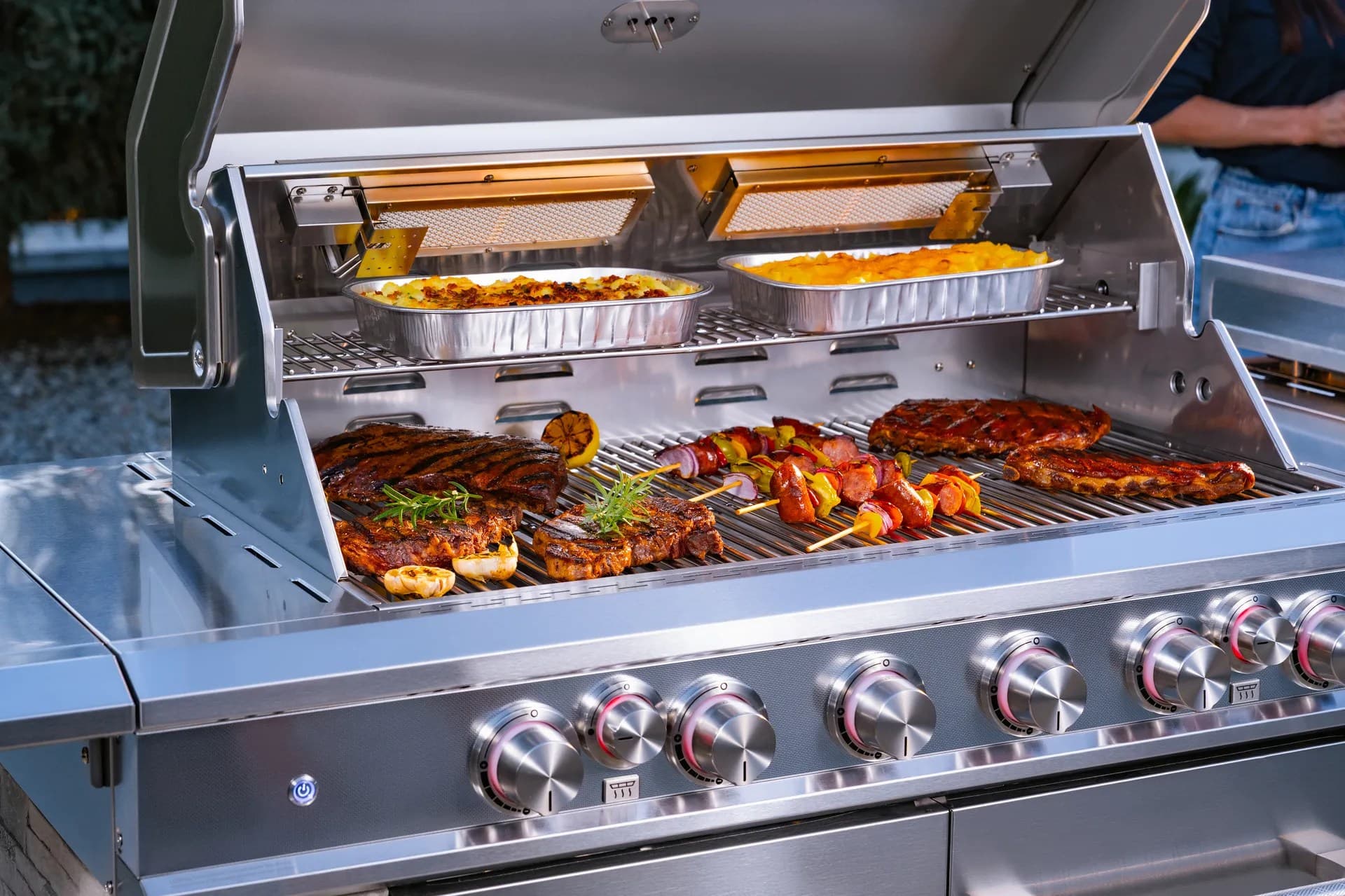
Explore the latest advancements in smart grilling technology to enhance your outdoor cooking experience.
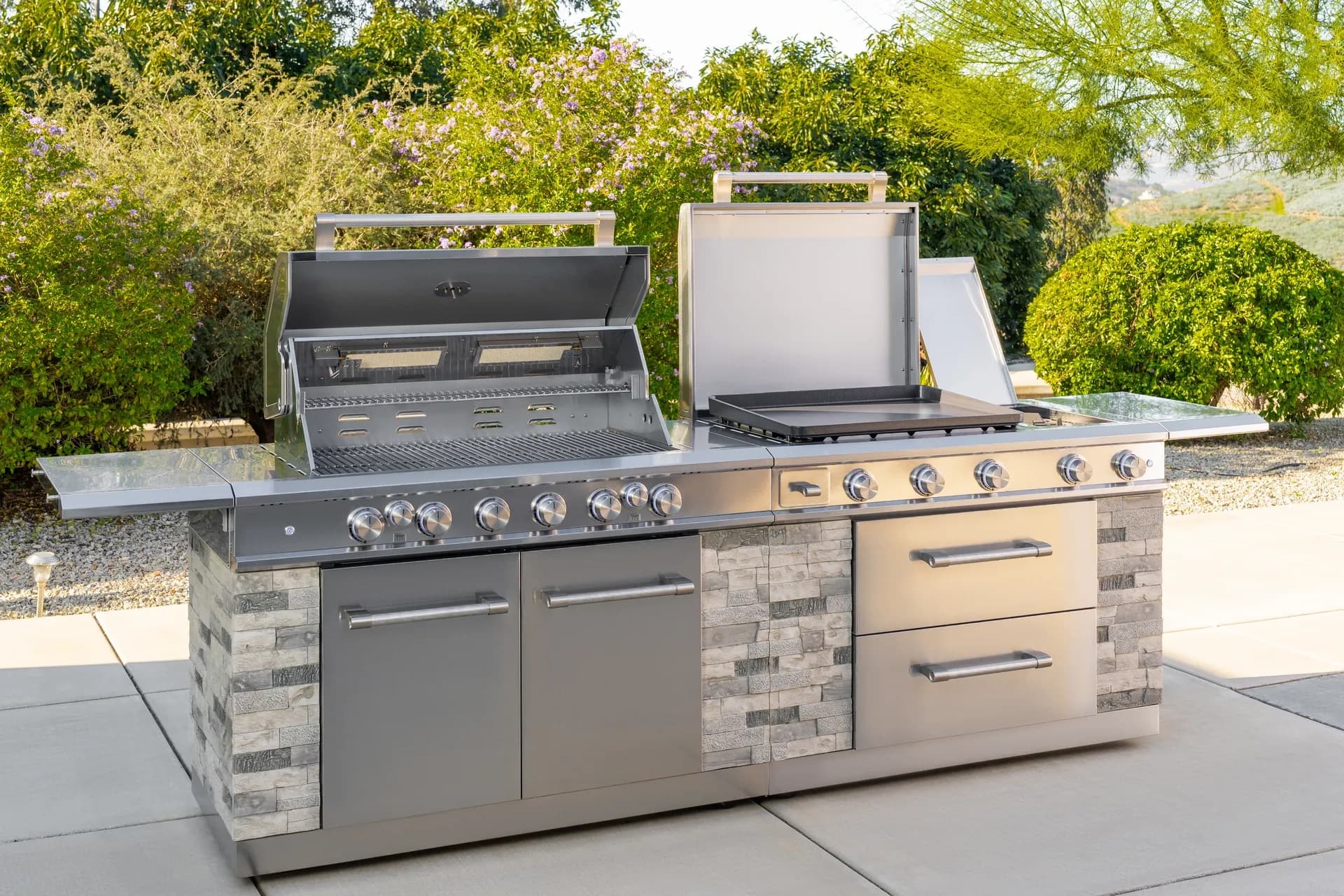
From sizzling breakfasts to smash burgers and teppanyaki-style dinners, the Daytona Pro 5 Burner NitroGuard™ Griddle delivers powerful heat, fast cooking, and a durable cooking surface built for every backyard cookout. Watch how easy outdoor cooking can be.
Here's what sets us apart from the competition
We position ourselves as delivering high-end outdoor cooking features and performance without premium-brand pricing, emphasizing “Quality Grills. Unbelievable Value.”
We offer gas grills, pellet grills, griddles, smokers, pizza ovens, portable/tabletop grills, electric grills, accessories, and replacement parts — allowing customers to stay within one ecosystem for all outdoor cooking needs.
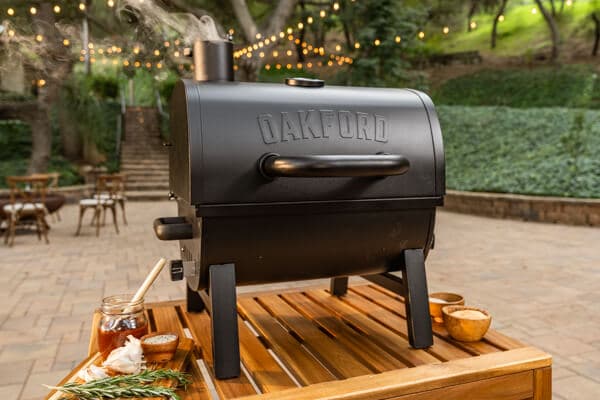
We differentiate ourselves through smart grilling products like the Oakford smart pellet grill, including app-connected cooking controls and modern outdoor cooking technology.
Expert tips, buying guides, comparisons, and inspiration for choosing and getting the most out of your grill.
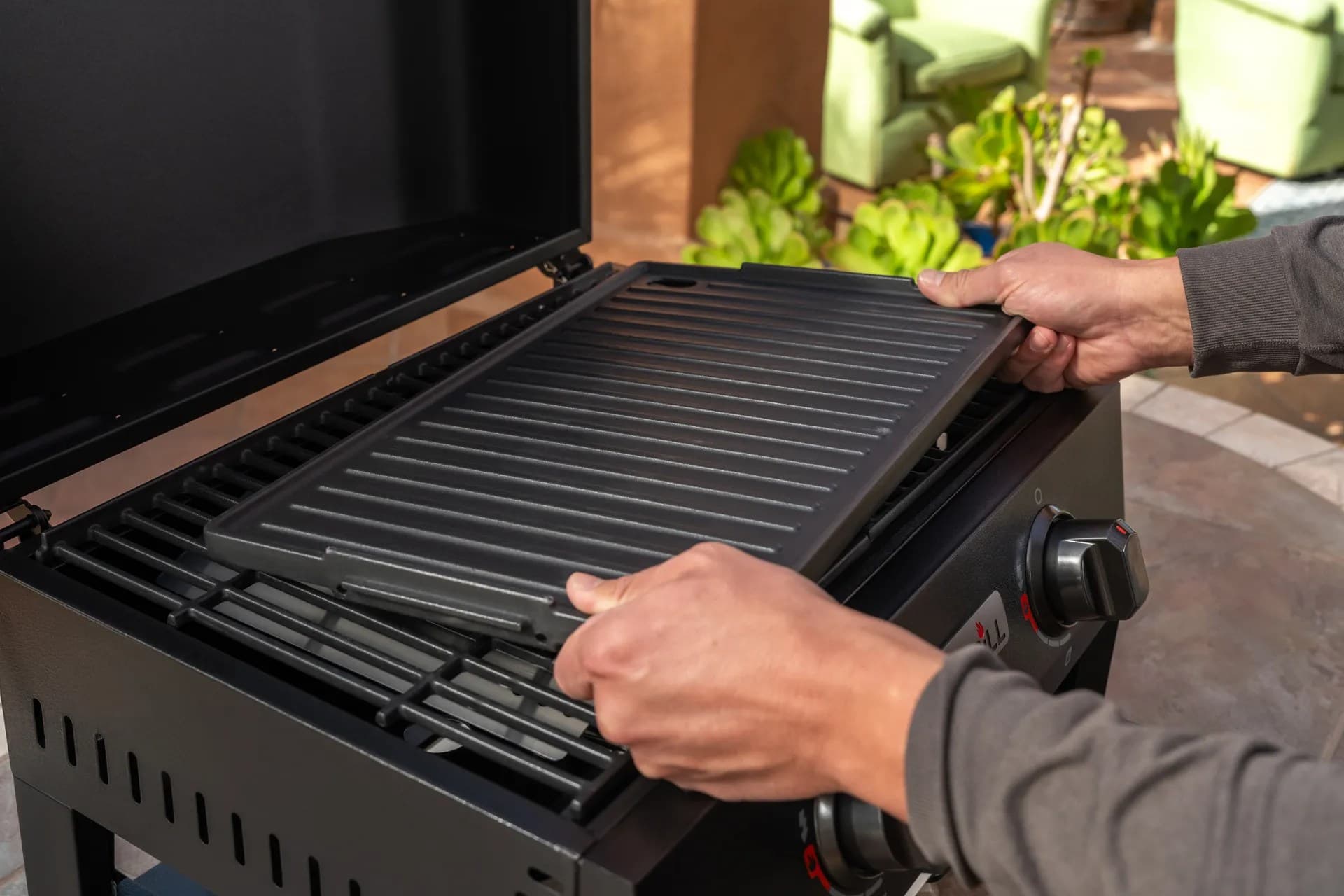
Practical guides for cleaning, maintenance, common grill issues, and performance optimization.
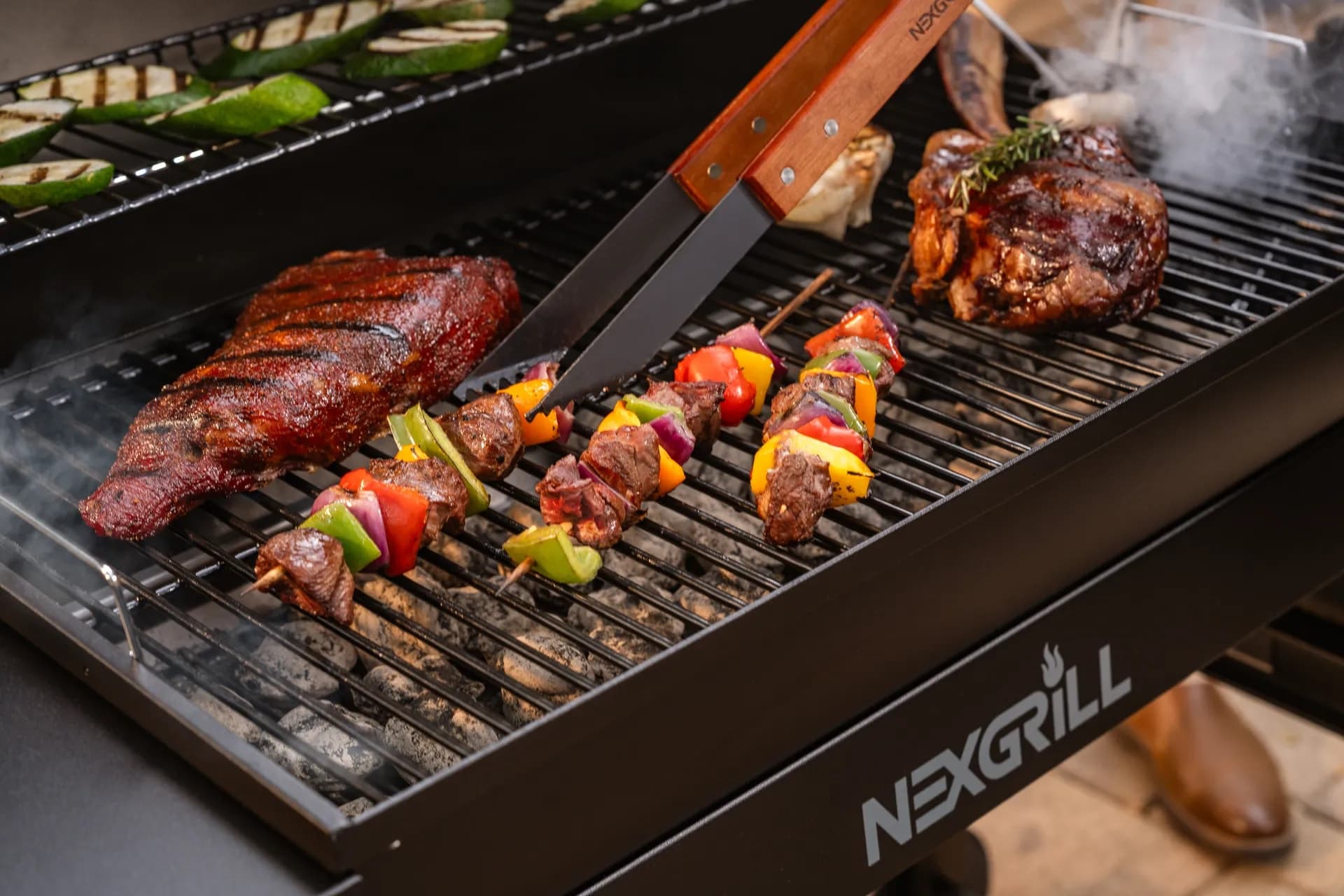
Step-by-step grilling recipes, cooking techniques, and meal ideas for every occasion and skill level.

Backyard entertaining ideas, seasonal grilling inspiration, and stories that celebrate outdoor cooking culture.
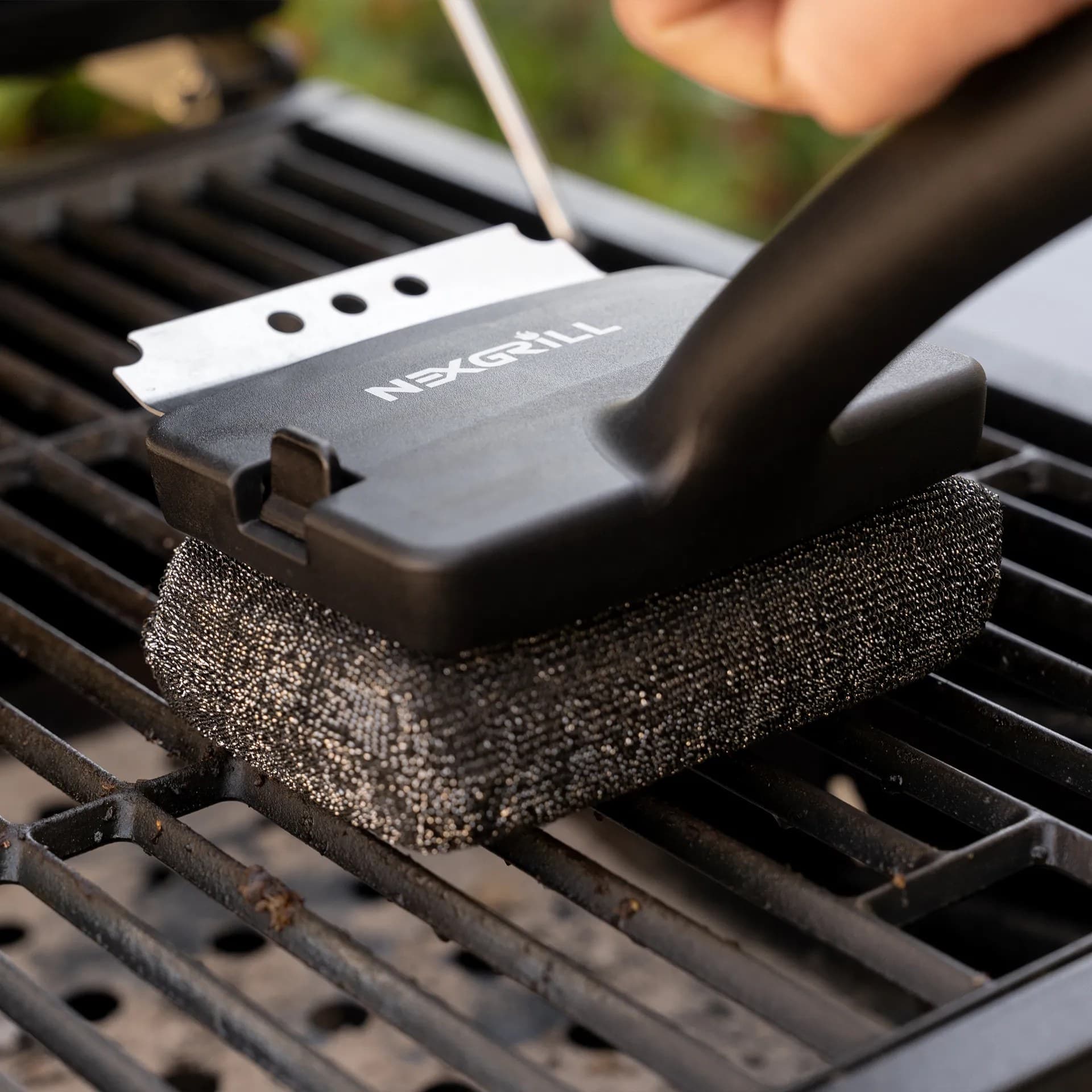
Helpful articles covering grilling tools, cookware, maintenance gear, and must-have accessories for outdoor cooking.
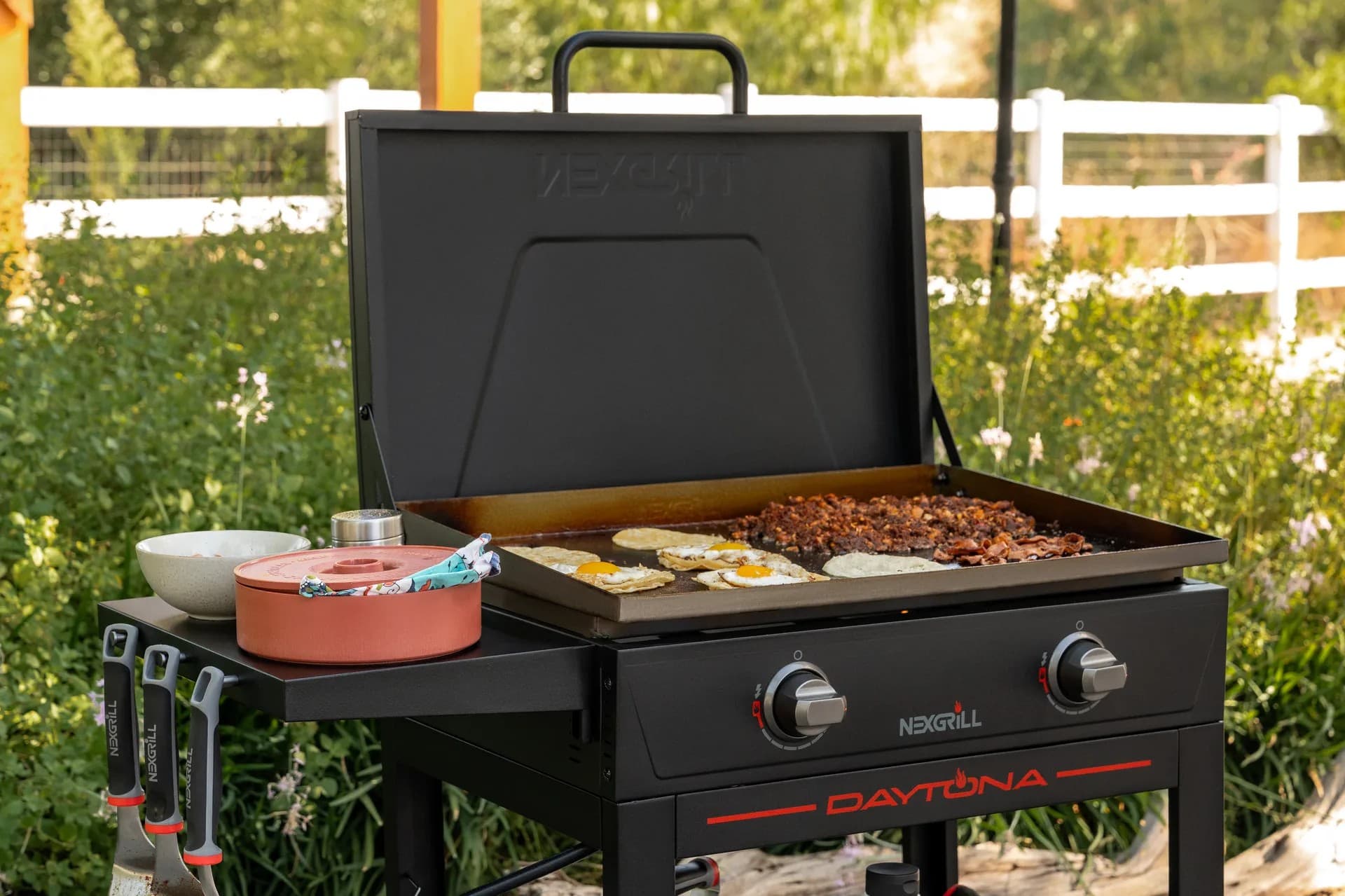
Find griddle recipes, cooking techniques, cleaning tips, and outdoor meal ideas designed for Nexgrill griddles.
Find answers to common questions
Gas grills provide instant heat and precise temperature control, making them easier to use. Charcoal grills offer a smoky flavor and high heat for searing but require more time to heat up and manage.
Pellet grills combine the convenience of gas with the flavor of wood, allowing for smoking, baking, and grilling. Traditional gas grills, however, are quicker to start and often easier to clean.
Charcoal grills typically reach higher temperatures quicker than gas grills, making them better for searing meat. However, high-quality gas grills can also provide adequate heat for effective searing.
Nexgrill offers models designed specifically for gas, charcoal, and pellets, allowing users to choose based on their cooking style and flavor preferences. Each type is built to optimize the characteristics of its respective fuel.
Choosing between gas and charcoal grills depends on your cooking preferences and lifestyle. If you value convenience and quick cooking, a gas grill may suit you better; if you prefer the taste and experience of traditional grilling, a charcoal grill would be ideal.
In This Article
Advanced Temperature Control
Remote Monitoring
Automated Cooking Programs
Smart grills are best understood as outdoor cooking systems that add sensing, software, and guided control to the core grilling experience. Instead of relying only on a dial, a timer, and instinct, you get temperature probes, app-based alerts, and in some cases automated cook curves that reduce guesswork. That does not mean smart grilling is about turning the cookout into a phone exercise. The real value is simpler: it helps you hold a target temperature, avoid overcooking expensive cuts, and keep track of multiple dishes without standing over the lid the entire time. For Nexgrill, this matters because outdoor cooking has always been about bringing people together, and technology should make that easier, not more complicated. Nexgrill’s brand position emphasizes accessible outdoor cooking for a wide range of users, from casual hosts to more experienced grillers, which aligns well with the idea of smart features that support confidence and consistency rather than chasing complexity for its own sake.
When people compare smart grills, they often start with the wrong question: “Which one has the most features?” A better question is “Which features actually help me cook better in my backyard, on my schedule, with the food I usually make?” A smart grill designed around a pellet smoke-and-sear workflow may suit long weekend cooks and low-and-slow brisket. A smart gas grill with connected probes may be more useful for weeknight chicken breasts, quick steaks, and vegetables where convenience matters more than marathon smoking time. Nexgrill’s outdoor cooking lineup gives the comparison process a practical frame because the brand serves both value-conscious buyers and enthusiasts who want feature-rich designs without unnecessary complexity.
feature areas that usually matter most: temperature control, connectivity, and automation
A smart grill comparison becomes more useful when you break the decision into jobs-to-be-done. The first job is precision: can the grill keep your food in the target range without dramatic swings? The second is visibility: can you check progress from inside the house, so you are not opening the lid and losing heat? The third is guidance: does the grill help you move from one phase of cooking to the next, especially if you are not using a cookbook or memorized timeline? Those three jobs map directly to the core features in this guide and explain why one model may feel dramatically better than another, even if both are sold as “smart.”
For Nexgrill shoppers, the most useful smart-feature comparison is not a spec-sheet race; it is a lifestyle match. If you usually cook burgers for a neighborhood hangout, remote probes and clear app alerts may be enough. If you cook ribs, pork shoulder, or brisket, then the quality of the temperature curve and the reliability of the app connection matter much more. If you like trying recipes but do not want to manually adjust heat every ten minutes, guided programs are the feature to scrutinize first. The rest of this article is built around those real-world questions, so you can compare smart grill features the way actual backyard cooks use them.
The most important smart-grill features usually fall into three categories: sensing, communication, and control. Sensing is the hardware side, such as internal temperature probes that read the meat and sometimes the cooking chamber. Communication is the bridge between the grill and your phone, tablet, or display. Control is what the system does with the data, whether that means sending a notification, showing a graph, or changing the set temperature automatically. A good comparison has to cover all three, because a grill can be excellent at one and weak at another. For example, a model may offer very accurate probe readings but a clunky app. Another may have a polished app but limited cooking automation. A third may support multiple probes but only basic alerts. Those differences matter in the kitchen and in the yard.
Probe count is a good place to begin, but it should never be the only metric. Two probes may be enough for one person cooking a protein and a chamber reading; four probes can be better for entertaining because they let you monitor different cuts or zones at once. That said, the real question is whether the probes respond quickly and whether the app presents their readings in a way that is easy to understand at a glance. A probe that updates slowly can be less useful than a faster, simpler system. Likewise, probe placement matters. If the probe wire is awkwardly routed or the port is hard to access, you may use the feature less often even if the specs look good on paper. Nexgrill’s focus on practical outdoor cooking makes this kind of usability comparison especially relevant because convenience is a real part of value, not an extra.
Connectivity is another major feature area, and it should be judged by what happens in the real world, not by buzzwords. Wi-Fi can be useful when you want to monitor a long cook from inside the house or from the yard without staying next to the grill. Bluetooth can work well for shorter-range control when you are nearby, but it is naturally more limited by distance and obstacles. Some smart grill systems combine both to give users flexible options. The key is not simply whether a grill is “connected,” but whether the connection remains stable when the grill is outside, near a wall, or under a covered patio. In practice, many buyers want a smart grill because they want fewer interruptions, not more troubleshooting, so signal stability is a serious comparison point.
Automation is where smart grills start to feel meaningfully different from traditional models. Basic smart systems may only provide alerts, while more advanced ones offer staged cooking programs that walk you through preheat, sear, hold, and rest phases. That can be especially useful for users who cook different proteins or who are still learning how to manage indirect heat. However, automation should be treated as assistance, not magic. A system that automatically suggests transitions can reduce error, but it still depends on the grill’s heating consistency and the user’s willingness to check doneness appropriately. The best smart grill systems enhance judgment; they do not replace it.
Because many buyers compare features visually, it helps to map the core categories side by side. The table below is a practical framework for understanding what to look for before you compare specific models in the next section.
| Feature area | What it does | Why it matters |
|---|---|---|
| Temperature probes | Measure food and chamber temperature | Improves doneness tracking and reduces lid openings |
| App connectivity | Sends alerts and shows live readings | Lets you step away without losing visibility |
| Cooking automation | Adjusts or guides temperature changes | Helps users follow repeatable cook paths |
| Zone control | Separates direct and indirect heat areas | Supports searing, roasting, and holding at the same time |
When people ask which smart grill model is best, the answer usually depends on whether they want a gas-forward, pellet-forward, or hybrid cooking experience. Since Nexgrill’s product ecosystem includes pellet smoking and versatile cooking formats, the strongest comparison approach is to think in terms of use case rather than just feature count. A pellet smart grill is often the better fit for cooks who want longer unattended sessions and a more smoke-driven flavor profile. A smart gas grill is usually the better fit for users who want quick startup, brisk weeknight cooking, and less waiting between decision and dinner. The right model is the one that matches the way you cook most often, not the one with the longest feature list.
A useful first comparison is between a high-capacity pellet smart grill and a compact or mid-size gas grilling platform. Pellet grills generally shine when you want to set a temperature, stabilize the cook, and let the system do much of the steady work. That makes them appealing for brisket, pork shoulder, ribs, and chicken legs. Gas grills tend to shine when timing matters and you want to move quickly from preheat to serving. If your typical backyard scenario is Tuesday night salmon, Thursday chicken thighs, and weekend steaks for six, a responsive gas grill with good smart probes may be the more practical choice. If your typical scenario is Saturday smoke sessions with friends and a relaxed pace, pellet automation becomes more compelling.
Below is a comparison framework you can use to evaluate the kind of smart grill options shoppers usually narrow down to. It does not name one universal winner because there is not one; instead, it shows how the feature balance changes by cooking style.
| Smart grill profile | Best for | Strength | Trade-off |
|---|---|---|---|
| Pellet smart grill | Low-and-slow cooks, smoke flavor, weekend entertaining | Set-and-monitor convenience with steady heat | Typically slower to start than gas |
| Gas smart grill | Fast meals, frequent use, mixed weeknight and weekend cooking | Quick preheat and easy temperature changes | Less smoke flavor than pellet-focused models |
| Hybrid-style smart setup | Users who want flexibility across multiple recipes | Adapts to more cooking styles in one backyard | Often more complex to learn and manage |
A Nexgrill buyer who cooks for a family of four may find more value in a straightforward smart gas grill with reliable probes than in a heavily automated pellet platform they only use once a month. By contrast, an enthusiast who cooks for gatherings, experiments with smoked meats, and values remote monitoring during long cooks may appreciate a larger pellet system more. The comparison is not about which technology is “better” in the abstract. It is about which system better matches your time, your food, and your patience for learning new workflows.
A final comparison point is ecosystem quality. Smart grill models should not be judged only by the grill body itself; the app, the readability of the display, the placement of probes, and the clarity of alerts are part of the product. A polished software experience can make an entry-level user feel confident, while a clumsy interface can make a high-end grill frustrating. This is why smart-grill shopping should include some mental simulation: imagine checking the temperature while prepping sides, imagine losing Wi-Fi for a few minutes, imagine a long cook running overnight. The model that still feels clear in those moments is the one most likely to satisfy you over time.
Choosing the right smart grill starts with honesty about how you actually cook. If you mostly grill in short windows and want fast weekday utility, pick the model whose temperature control is easiest to read and whose setup feels intuitive. If you treat the grill as a weekend project, choose the one with the stronger automation and monitoring features. If you entertain often, prioritize multi-probe support and a system that lets you track more than one item at once. In other words, start with your cooking rhythm before you start comparing spec sheets.
Budget matters too, but value is not just the lowest price. In smart grills, the cheapest model is not always the best value if the app is unreliable or the features feel too limited for your cooking style. At the same time, the most expensive option is not automatically the best purchase if you will never use the extra automation. A smart grill should earn its place by improving everyday cooking decisions. For Nexgrill shoppers, that usually means looking for the combination of practical durability, clear controls, and the right amount of software support for the type of meals you make most often.
Tip: If you are comparing two smart grills and one has better app features while the other has better cooking capacity, choose the one that better matches your most common meal, not your rarest one.
Buyer profile matters more than brand hype. A beginner may want an approachable interface, simple alerts, and a short learning curve. A frequent host may care most about capacity, repeatable results, and multi-zone flexibility. An advanced griller may value detailed temperature graphs, broader control over cooking stages, and the ability to run long smokes with confidence. Nexgrill’s inclusive brand approach supports that range of users, because good grilling should feel welcoming rather than intimidating.
Try comparing two products side by side below to see which fits best:
Once you've weighed two options against each other, the next thing to inspect is how each grill actually manages heat. Smart temperature control is not just about showing a number on a screen. It is about how well the system holds the target range, how fast it responds when conditions change, and how clearly it tells you what is happening during the cook. In practical terms, that means watching for consistency during preheat, recovery after lid openings, and stability during long sessions. A grill that looks impressive in a catalog but drifts widely in temperature can create more stress than a simpler model with steadier control.
For most backyard cooks, the best temperature-control systems make three tasks easier: they reduce overshoot during preheating, they help keep chamber temperature steady while food is on the grates, and they make it easier to repeat a successful cook next time. This is especially important for pellet smart grills, where the cooking experience depends on coordinated feed rate, airflow, and chamber sensing. The user benefits when the grill translates internal heat behavior into readable information rather than making the cook guess. On a Nexgrill-focused buying journey, that kind of practicality matters because the brand’s value proposition is built around accessible performance rather than unnecessary complexity.
a useful target band for steady everyday backyard cooking, though actual performance varies by model and conditions
A smart temperature system should be evaluated in context. Wind, ambient temperature, lid openings, and the amount of cold food on the grate all influence how any grill behaves. That means one model may seem excellent on a mild afternoon but less responsive in a winter cook. Good smart grills help users adapt by making those changes visible and by recovering quickly after disturbances. If you cook year-round in the United States, you will feel the difference between a system that simply reports temperature and one that actively helps you manage it. The latter saves time, reduces frustration, and usually produces more repeatable results for proteins that benefit from a carefully managed final few degrees.
In practice, smart temperature control is most valuable when the food itself is expensive or timing-sensitive. A pork shoulder can tolerate a broad approach, but a reverse-seared steak or a delicate fish fillet benefits from exactness. The same is true for baking on a grill, where a stable chamber can matter as much as the smoke profile. The more you use the grill as a controlled outdoor oven, the more important temperature precision becomes.
Remote monitoring is the feature that makes smart grilling feel truly different from traditional grilling. Instead of babysitting the lid, you can check the progress of a cook from the kitchen, the patio, or even a quick errand nearby. But connectivity should be judged on reliability, not just promise. The question is whether the grill maintains a stable connection, updates readings promptly, and sends alerts that are easy to interpret under real household conditions. A polished app is only helpful if it remains trustworthy when the grill is outside, the sun is bright, and your attention is split between side dishes and guests.
There are also important differences between app experiences. Some systems emphasize live temperature graphs, which help advanced cooks identify patterns and decide when to adjust heat. Others prioritize simple alerts, which are better for users who want fewer distractions. Some allow multiple probe assignments and custom naming, which is useful when you are cooking brisket, pork, and vegetables at the same time. A good comparison asks which interface matches your habits. If you are someone who checks your phone frequently and enjoys data, a more detailed app may be valuable. If you prefer simplicity, a minimalist alert system can be the better tool.
Info: The most useful remote-monitoring systems are the ones you trust enough to step away from the grill without constantly checking back in.
Connectivity also changes the social rhythm of outdoor cooking. Instead of standing beside the grill during the full cook, you can talk with guests, prep sides, or handle other tasks while keeping an eye on the main dish. That supports the Nexgrill idea that the grill should be a place for gathering, not isolation. The technology should help the cook stay connected to people, not only to the appliance. In that sense, remote monitoring is as much about convenience and hospitality as it is about data. It gives the host more freedom to participate in the cookout.
When you compare models, think about signal handling as well. If the app loses connection briefly, does it resume cleanly? Are prior temperature readings still visible? Are alerts delayed or duplicated? A smart grill with dependable connectivity can be worth more than a model with flashy extras but fragile app behavior. This is where real-world use cases matter: a backyard with thick exterior walls, a covered patio, or interference from other devices can reveal weaknesses that spec sheets never mention. The best purchase is the one that still feels easy on a busy Saturday evening.
Automated cooking programs are the feature that brings the most guidance to a smart grill. They are especially useful for cooks who want a recipe-like path rather than a blank screen. A program may walk you through preheating, holding at a target range, notifying you when to flip or wrap, and signaling when the food should rest. That structure is helpful for users who are still learning timing, as well as for experienced grillers who want to make a repeatable favorite without juggling memory and guesswork. In a well-designed system, automation feels like a quiet assistant rather than a takeover.
The strongest automated programs share a few traits. They match the kind of food being cooked. They are transparent about when and why the temperature is changing. They allow the user to override settings when necessary. And they reduce missed steps without making the process rigid. For example, a brisket program should help maintain a stable smoke environment and remind you when to check tenderness, but it should not pretend that every cut will finish at the same clock time. Good automation acknowledges that food varies and that users may want control at the edge cases.
This is where the comparison becomes personal. If you rarely follow recipes and prefer to manage every change yourself, automation may be a secondary benefit rather than a primary reason to buy. If you are newer to outdoor cooking, though, guided programs can significantly shorten the learning curve. They can also make it easier to repeat a good result, which matters when you have family expectations or guests arriving at a specific time. Automation is most valuable when it removes uncertainty from the stages you do not enjoy micromanaging.
Warning: A fully automated setting is only useful if you still understand the basics of doneness and food safety. Treat the program as support, not a substitute for judgment.
In the Nexgrill context, automation should be seen as part of a larger promise: helping more people cook well outdoors without making the process feel intimidating. That lines up with the brand’s emphasis on inclusivity and approachable outdoor cooking. A smart grill that offers recipes, temperature prompts, and clear progress markers can be especially empowering for households where one person usually handles the grill but others want to learn. It turns the grill from a black box into a shared tool.
Performance and value should be judged together because smart features can raise the price quickly. The best question is not “How many features does it have?” but “Which features will I actually use often enough to justify the cost?” A large app ecosystem with advanced automation may be worth it for someone who smokes food every weekend, while a simpler connected setup may be better for a family that mainly grills chicken, salmon, and vegetables. Value also depends on how the grill is built. Stronger heat consistency, easier cleaning, and more intuitive controls can save time every week, which is a kind of value that is easy to overlook when comparing only the sticker price.
It helps to think in terms of ownership scenarios. A starter smart grill buyer may care most about app simplicity and dependable probes. A frequent entertainer may care most about capacity, dual-zone cooking, and the ability to monitor several foods at once. A more advanced griller may want detailed feedback, custom automation, and stable long-cook control. Each of those users can find value in smart features, but the value comes from a different place. That is why the right comparison is the one that matches your actual cooking rhythm, your budget, and the amount of learning you want to take on.
| Buyer profile | Best feature priority | Why it wins |
|---|---|---|
| Beginner host | Simple probes and app alerts | Keeps the learning curve manageable |
| Frequent entertainer | Multi-probe monitoring and stable connectivity | Helps handle multiple dishes and guests |
| Advanced pitmaster | Automation, logs, and long-cook consistency | Supports repeatable smoke sessions and fine control |
One of the smartest ways to evaluate value is to compare the time saved against the features you will use repeatedly. If a connected grill helps you avoid overcooked food and lets you spend more time with guests, that utility compounds over the season. If the software is difficult and the alerts are confusing, the feature premium may not be worth paying. The same is true for build quality. A smart grill that holds up through multiple seasons of use delivers better long-term value than one that feels advanced out of the box but becomes frustrating after a few months of regular cooking.
For U.S. shoppers, a practical strategy is to separate must-have features from nice-to-have extras before buying. Must-haves might include accurate probes, stable remote monitoring, and a control layout that makes sense in real light and weather conditions. Nice-to-haves might include recipe libraries, richer graphs, or more elaborate automated steps. This keeps the decision grounded. Smart grill features should remove friction from outdoor cooking, not add another layer of complexity that you only use once or twice.
Here's what sets us apart
We position ourselves as delivering high-end outdoor cooking features and performance without premium-brand pricing, emphasizing “Quality Grills. Unbelievable Value.”
We offer gas grills, pellet grills, griddles, smokers, pizza ovens, portable/tabletop grills, electric grills, accessories, and replacement parts — allowing customers to stay within one ecosystem for all outdoor cooking needs.
We differentiate ourselves through smart grilling products like the Oakford smart pellet grill, including app-connected cooking controls and modern outdoor cooking technology.
Don't just take our word for it
Keep reading
From our catalog