Discover the must-have tools and gear to elevate your outdoor cooking experience.

Here's what sets us apart from the competition
We position ourselves as delivering high-end outdoor cooking features and performance without premium-brand pricing, emphasizing “Quality Grills. Unbelievable Value.”
We offer gas grills, pellet grills, griddles, smokers, pizza ovens, portable/tabletop grills, electric grills, accessories, and replacement parts — allowing customers to stay within one ecosystem for all outdoor cooking needs.
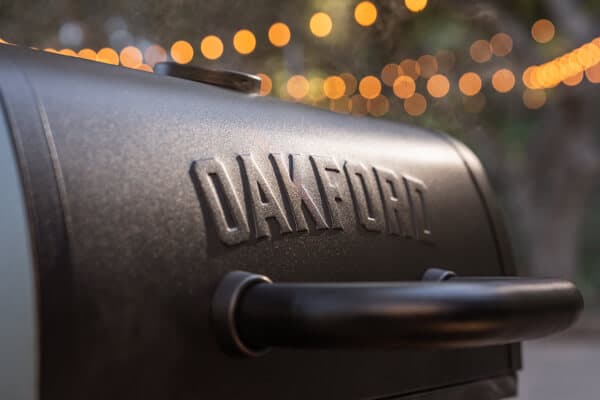
We differentiate ourselves through smart grilling products like the Oakford smart pellet grill, including app-connected cooking controls and modern outdoor cooking technology.

Expert tips, buying guides, comparisons, and inspiration for choosing and getting the most out of your grill.

Practical guides for cleaning, maintenance, common grill issues, and performance optimization.

Step-by-step grilling recipes, cooking techniques, and meal ideas for every occasion and skill level.

Backyard entertaining ideas, seasonal grilling inspiration, and stories that celebrate outdoor cooking culture.

Helpful articles covering grilling tools, cookware, maintenance gear, and must-have accessories for outdoor cooking.

Find griddle recipes, cooking techniques, cleaning tips, and outdoor meal ideas designed for Nexgrill griddles.
Find answers to common questions
Nexgrill offers a variety of grills including gas, charcoal, and pellet grills, catering to different cooking preferences and styles.
Nexgrill is headquartered in California and serves a global market, primarily through retail partnerships such as Home Depot.
Yes, replacement parts are available for various Nexgrill products, and you can find them on the Nexgrill website or through authorized retail partners.
You can reach out to Nexgrill for support through their contact page on the website, where you will find options for phone and email inquiries.
Nexgrill products come with specific warranty terms, which can vary by product; it is recommended to check the warranty details on the product page or in the user manual.
In This Article
Grills and Heat Sources
Cookware and Utensils
Storage and Safety Gear
Outdoor cooking works best when the equipment matches the way you actually like to cook. If your goal is to make a quick weeknight dinner on the patio, the setup you need is very different from someone planning low-and-slow ribs, a campfire breakfast, or a backyard gathering with several side dishes running at once. The smartest starting point is not buying every tool you have ever seen online. It is building a practical setup around heat, prep, safe handling, storage, and cleanup so the whole process feels manageable instead of complicated.
For many home cooks in the United States, outdoor cooking becomes more enjoyable when the equipment reduces friction. A good grill or heat source gives you control over temperature. Reliable utensils keep you from getting too close to the flame. Storage gear helps ingredients stay cold and organized. Safety items let you focus on cooking without worrying about avoidable accidents. That balance is the real foundation of a good outdoor kitchen, even if you are working with a small patio, a tailgate setup, or a larger backyard space.
Core equipment categories shape almost every outdoor cooking setup: heat, cookware, utensils, and safety.
Tip: Start with the cooking style you use most often, then buy the tools that remove the biggest hassles first.
Nexgrill’s brand approach emphasizes accessible outdoor cooking for different experience levels, from casual backyard cooks to people who want more versatility and more control. That matters here because the right equipment set should feel welcoming, not intimidating. A beginner may only need one reliable grill, a pair of long-handled tongs, a thermometer, and a cooler. A more experienced cook may add a griddle, cast iron pans, heat-resistant gloves, and a dedicated storage tote for fuel and tools. Both are valid, and both can lead to great meals.
The sections below break down the essential categories in a way that helps you buy with confidence. You will see what each item does, why it matters, and how it fits different outdoor cooking scenarios. If you are comparing two setups and trying to decide where to spend first, focus on the equipment that affects heat control and food safety before you think about specialty add-ons.
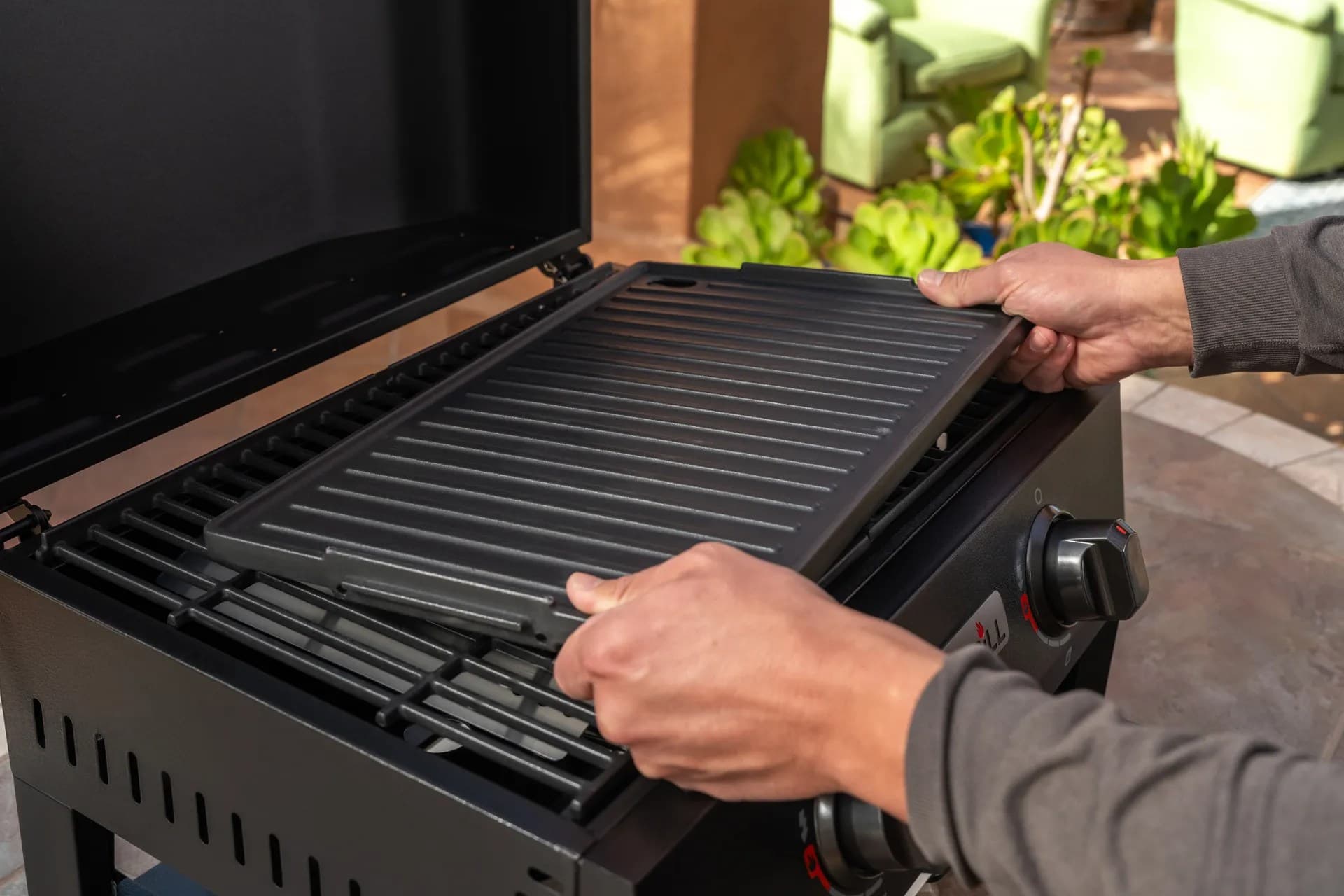
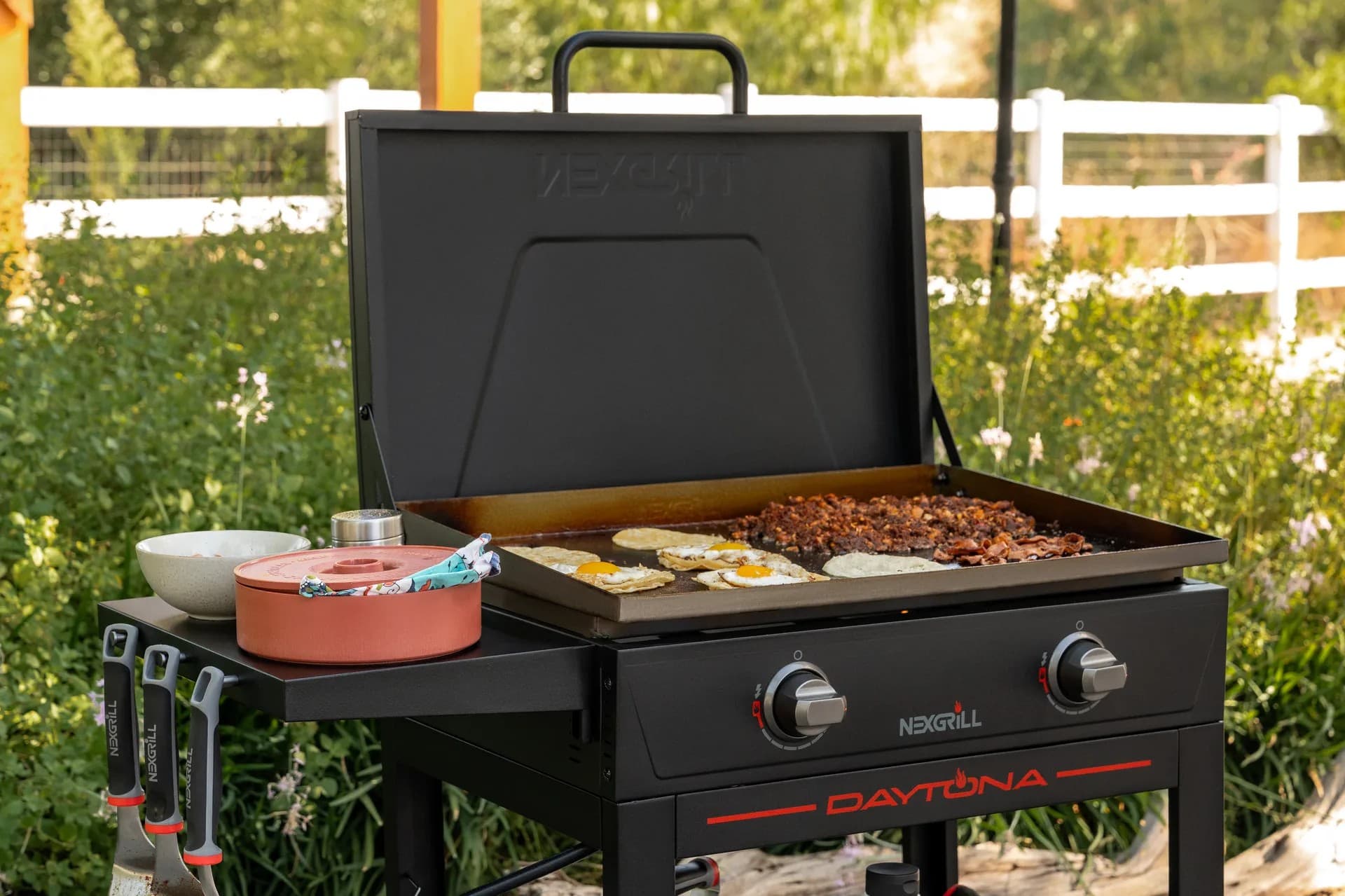
The grill or heat source is the center of most outdoor cooking setups because it determines what you can cook, how fast you can cook, and how much control you have over the process. In practical terms, this category includes gas grills, charcoal grills, pellet smokers, griddles, and portable burners. Each one suits a different style. Gas is convenient for quick meals. Charcoal is favored for traditional flavor and high heat. Pellet cooking is attractive when you want steadier, hands-off temperature management. Griddles are especially useful for breakfast, stir-fry, smash burgers, fajitas, and foods that benefit from a flat cooking surface.
For a compact family setup, a two-burner gas grill can be a strong baseline because it heats quickly and gives enough room for everyday meals. If you entertain often, a four-burner grill or a large griddle gives more room to create zones for searing, warming, and finishing. Nexgrill’s product lineup reflects that range, with options like the Deluxe 2-Burner Gas Grill for smaller spaces and larger models such as the 4-Burner Gas Grill with Side Burner in Black for cooks who want more flexibility.
A pellet smoker, such as the Oakford Pro 875 Pellet Smoker Grill, serves a different kind of cook entirely. It is better for people who care about smoke flavor and longer cook times, especially when making ribs, brisket, or chicken that benefits from a steady smoke environment. A charcoal grill, like the Nexgrill Oakford Homestead 24 Heavy Duty Charcoal Grill in Black, is the classic choice for cooks who like the ritual of fire management and want more direct influence over the cooking experience.
| Heat source | Best for | Why it helps |
|---|---|---|
| Gas grill | Weeknight meals and fast preheating | Gives quick startup and simple temperature adjustments |
| Charcoal grill | Flavor-focused grilling | Offers strong heat and a traditional fire-cooked taste |
| Pellet smoker | Low-and-slow cooking | Helps maintain steady cooking temperatures over time |
| Griddle | Breakfast, vegetables, and chopped foods | Creates a flat surface with broad, even contact |
Warning: Do not choose a heat source based on burner count or size alone. Match it to the foods you cook most often and the control you expect.
If you are buying for a small patio, a two-burner gas grill or compact griddle often provides the best balance of footprint and usefulness. If you want to cook for a crowd, prioritize a larger flat-top or multi-burner model that lets you stage food without crowding the surface. And if your ideal outdoor meal is smoked chicken, pork shoulder, or ribs, a pellet smoker will feel more useful than a standard grill because the cooking style is built around long, even heat.
Once the heat source is in place, cookware and utensils determine how comfortably and safely you can manage the food. This is the category where many outdoor cooks underbuy at first. They focus on the grill, then realize they need the right pans, tongs, spatulas, and thermometer to actually use it well. The good news is that you do not need a huge collection. You need a handful of durable tools that can withstand high heat and make food handling more precise.
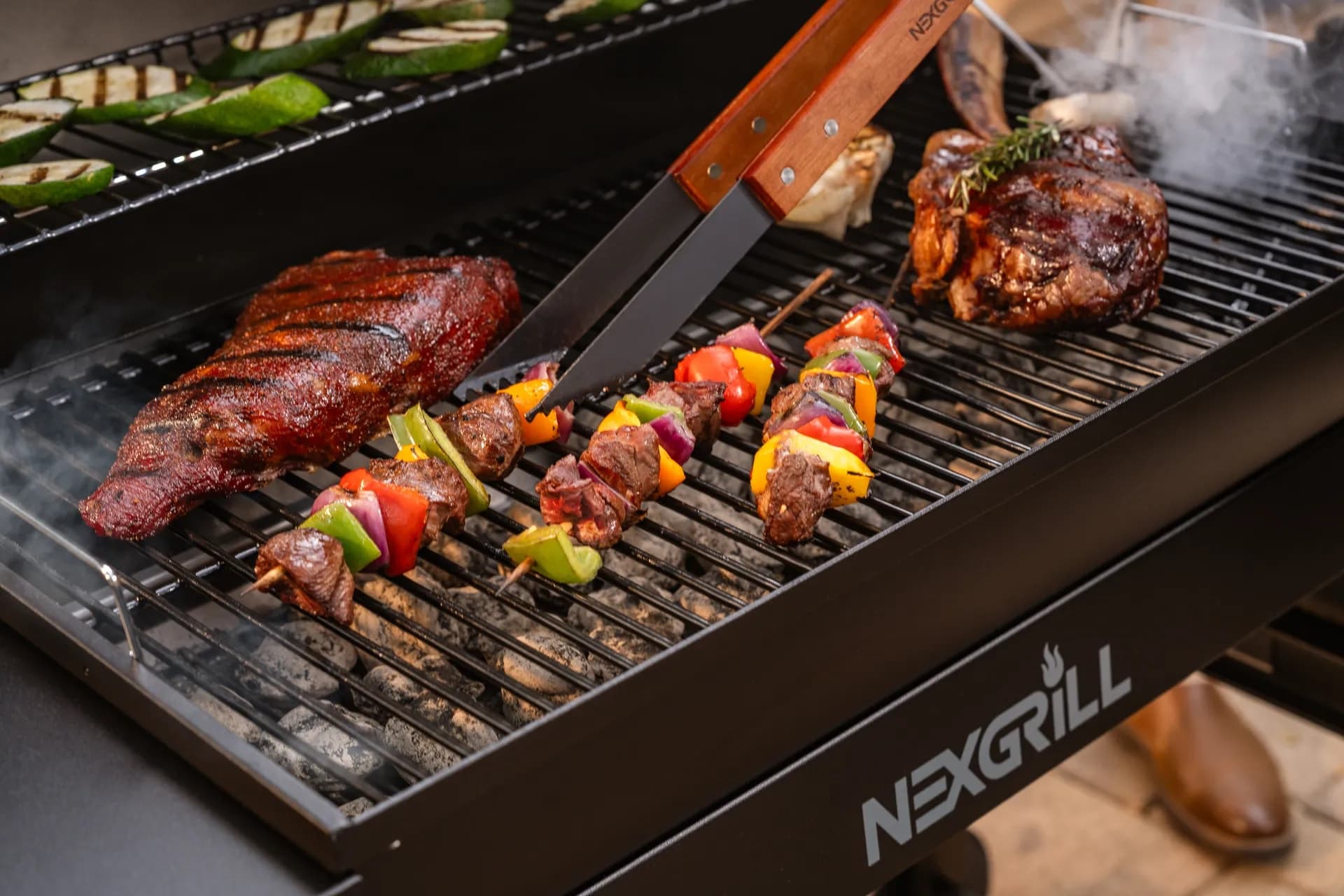
Long-handled tongs are one of the most useful outdoor cooking tools because they let you turn food without leaning directly over the flame. A sturdy spatula matters just as much, especially for fish, burgers, and griddle cooking. Heat-resistant gloves protect your hands when adjusting grates, moving pans, or opening hot lids. A digital thermometer is another high-value purchase because it removes guesswork from chicken, pork, and thick steaks. If you can only buy one measuring tool, buy the thermometer first.
Cast iron cookware has a special place in outdoor cooking because it holds heat well and transitions smoothly from prep to fire. A cast iron skillet is ideal for searing vegetables, finishing steaks, or cooking cornbread near the coals. A Dutch oven expands what you can do outdoors by letting you make stews, braises, beans, or baked dishes in a controlled, enclosed environment. These pieces are especially useful if you want outdoor meals that feel more complete than just grilled protein.
For griddle cooking, add a squeeze bottle for oil, a bench scraper for moving chopped food, and a wide metal spatula for smash burgers or fried rice. Those tools seem simple, but they make the cooking rhythm smoother and reduce the chance of overhandling delicate food. If you regularly cook seafood, a fish spatula can also be worth having because its thin edge helps lift fragile fillets without breaking them apart.
| Tool | Primary use | Why it earns space |
|---|---|---|
| Long-handled tongs | Turning meats and vegetables | Keeps hands farther from heat |
| Wide spatula | Burgers, fish, and griddle foods | Supports delicate items without tearing |
| Digital thermometer | Checking doneness | Improves accuracy and reduces overcooking |
| Cast iron skillet | Searing and finishing | Retains heat and handles high temperatures well |
| Dutch oven | Soups, braises, and baked dishes | Expands outdoor cooking beyond grilling |
A practical rule for outdoor cookware is to buy pieces that fit the meal style you enjoy most. If you cook burgers, chicken, and vegetables, prioritize tongs, a spatula, and a thermometer. If you like one-pot meals and camp-style cooking, a Dutch oven may matter more than specialized grill accessories. If you use a griddle for brunch, a scraper and condiment bottles may be more valuable than a set of skewers. The right tools depend on how you actually cook, not on how impressive the kit looks in a box.
Storage and safety gear are easy to overlook, but they make a major difference in whether your outdoor cooking setup feels organized and comfortable. Good storage keeps ingredients fresh, tools accessible, and fuel in the right place. Safety equipment helps prevent the most common problems, such as accidental burns, food spoilage, or unstable cooking conditions. These are not optional extras if you cook outdoors regularly; they are part of a responsible setup.
A cooler is one of the most important items for outdoor cooking because it keeps raw meat, marinated foods, drinks, and cold ingredients at a safe temperature while you prep and cook. Look for a cooler that fits your typical cook size, not just one that seems rugged. For small meals, a compact cooler may be enough. For a family cookout, a larger insulated cooler can save repeated trips back inside and keep everything organized. Food storage containers also matter because they help separate raw ingredients from ready-to-eat items and make transport easier when you are bringing food to a park, campsite, or tailgate.
Safety gear should include a fire extinguisher rated for household fire emergencies and kept close to the cooking area. Heat-resistant gloves, an apron, and stable cooking shoes reduce risk when working near hot surfaces or open flames. A grill cover is not safety gear in the same sense, but it helps protect equipment from weather and debris, which supports safer and more reliable operation over time. If you cook after dark, outdoor lighting is another overlooked item because it improves visibility around hot surfaces, utensils, and fuel connections.
Tip: Keep your most-used tools in one dedicated bin or tote so you are not searching for tongs, gloves, or thermometers while food is already on the heat.
For United States households, weather can also shape what storage gear matters most. In humid climates, sealed containers help protect dry goods and utensils from moisture. In colder regions, a secure cover and indoor storage during the off-season can reduce wear from snow, ice, and freeze-thaw cycles. Even in mild climates, a simple system for bins, cooler space, and fuel storage makes outdoor cooking feel more deliberate and less chaotic.
The best outdoor cooking setup is not the most expensive one. It is the one that lets you cook comfortably, safely, and repeatably. If you get the basics right in these first three categories, your meals become easier to plan and more enjoyable to prepare. Try comparing two products side by side below to see which fits best:
Once you have compared your core equipment and figured out the basics, the next step is deciding which advanced tools will actually change how you cook. This is where outdoor cooking becomes more personal. Some cooks want better smoke control. Others want a larger flat-top surface, more precise temperature management, or tools that make it easier to cook for a group. The key is to avoid buying specialty equipment just because it looks impressive. Advanced gear should solve a real problem in your setup.
For example, a pellet smoker like the Oakford Pro 875 Pellet Smoker Grill can make sense if you are interested in cooking brisket, ribs, turkey, or pork shoulder with less manual fire management. A pellet setup is helpful because it is built for longer cooks where steady heat matters more than quick startup. On the other hand, if your family loves breakfast-for-dinner, quesadillas, fried rice, or cooked vegetables, a Daytona-style griddle may give you more value than a smoker because it is more versatile across everyday meals. That difference is important: advanced equipment should amplify the foods you already make, not replace your habits with someone else’s.
Rotisserie kits, side burners, temperature probes, warming racks, and griddle accessories can all be useful, but they earn a place only when they support a regular cooking pattern. A rotisserie is worth considering if you often cook whole chickens or roasts and want even self-basting results. A side burner is useful if you like finishing sauces, boiling water, or keeping sides warm without going inside. Extra probes matter when you want to monitor multiple pieces of meat or track both ambient and internal temperature during longer sessions.
| Advanced item | Best use case | What it changes |
|---|---|---|
| Pellet smoker | Long smoke sessions | Adds steadier heat and smoke flavor |
| Griddle | High-volume mixed meals | Lets you cook multiple foods on one flat surface |
| Rotisserie kit | Whole poultry and roasts | Improves even browning and self-basting results |
| Temperature probes | Precision cooking | Helps track doneness without opening the lid repeatedly |
Warning: Advanced gear only pays off when you cook those foods often. If you rarely smoke meat, a pellet smoker may sit unused while a simpler grill gets more value.
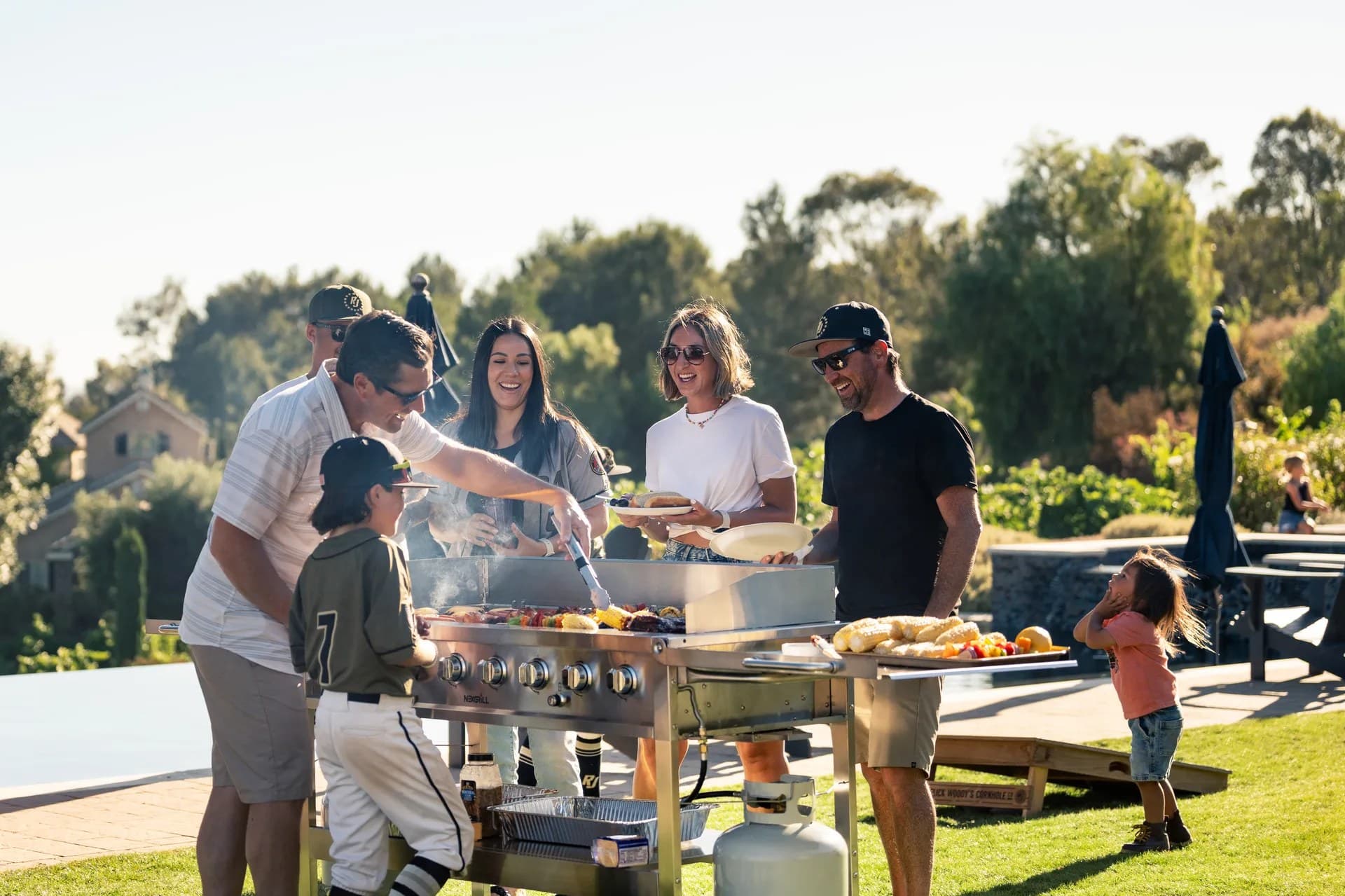
Think about the flow of a real cookout. If you are hosting in a backyard, the ability to preheat one zone, hold side dishes warm, and keep raw ingredients cold can matter more than any single premium feature. If you are camping or tailgating, portability and simple cleanup usually matter more than a long list of attachments. That is why advanced equipment should be selected with the venue in mind as much as the recipe. A backyard cook has room for a griddle, a prep table, and separate storage. A camper usually does not.
Good equipment lasts longer when it is cleaned and stored with a repeatable routine. Maintenance is not just about appearance. It directly affects safety, heat consistency, and how well the gear performs next time you use it. Grease buildup can interfere with airflow and flavor. Food residue can make utensils harder to use. Moisture can damage metal surfaces and fabrics. A simple care routine protects the investment you made in the first place.
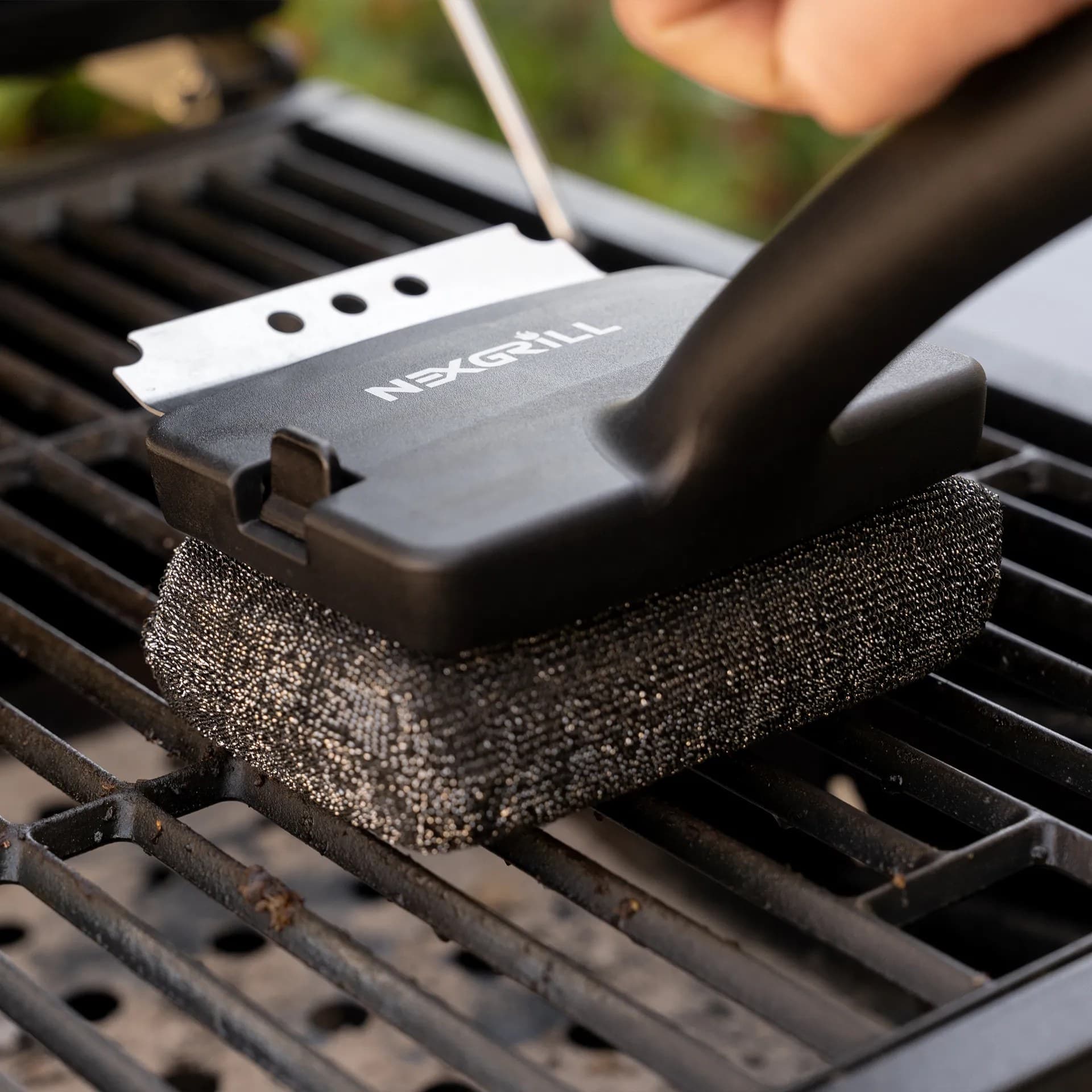
After each cooking session, allow the heat source to cool enough for safe handling, then remove food residue from grates, griddles, or pans while they are still warm. Warm surfaces are easier to clean than cold ones with hardened buildup. Wipe down metal utensils and cookware, dry them fully, and store them in a clean container so they are ready for the next meal. For cast iron, follow the seasoning routine recommended by the manufacturer or product guide so the surface remains well protected.
For gas systems, inspect burners, igniters, hoses, and fuel connections regularly. A quick visual check can catch wear or blockage before it affects cooking performance. For charcoal setups, empty ash after the grill has fully cooled so airflow is not blocked and old residue does not hold moisture. For pellet equipment, keep the hopper area clean and store pellets in a dry place because moisture can affect fuel quality and feeding consistency. These steps are simple, but they matter far more than most first-time owners expect.
Tip: Store your gloves, thermometer, tongs, and scraper together so every cook starts with the same organized routine.
Weather protection is another big part of care. A fitted cover helps shield grills and griddles from rain, sun, dust, and pollen, especially if your equipment stays outdoors year-round. In places with strong seasonal changes, moving smaller cookware and utensils indoors during the off-season can extend their life. If you use your gear for camping, tailgating, or park grilling, transport it in labeled bins so pieces do not rattle together and chip or bend.
If you want an easy standard for maintaining outdoor equipment, use the same three questions after every cook: Is it clean, is it dry, and is it stored where I can find it next time? That simple routine prevents a lot of frustration and helps your tools stay reliable from one season to the next.
The right outdoor cooking equipment does not need to be complicated. It needs to support your food, your space, and your habits. Start with a heat source that matches how you like to cook. Add cookware and utensils that make handling food safer and easier. Then finish with storage and safety gear that keeps the whole setup organized and dependable. Once those pieces are in place, any specialty gear you add later will have a much clearer purpose.
If you are still deciding what to buy first, think in terms of the next meal you want to make. A weeknight chicken dinner points you toward a simple gas grill and a thermometer. Weekend brunch suggests a griddle and a set of spatulas. Long weekend smoking points you toward pellet equipment and probes. That practical approach keeps your purchases focused and helps you build an outdoor cooking setup that genuinely fits your life.
When outdoor cooking equipment is chosen well, it becomes less about managing tools and more about enjoying the time around them. That is where the best meals usually begin.
Here's what sets us apart
We position ourselves as delivering high-end outdoor cooking features and performance without premium-brand pricing, emphasizing “Quality Grills. Unbelievable Value.”
We offer gas grills, pellet grills, griddles, smokers, pizza ovens, portable/tabletop grills, electric grills, accessories, and replacement parts — allowing customers to stay within one ecosystem for all outdoor cooking needs.
We differentiate ourselves through smart grilling products like the Oakford smart pellet grill, including app-connected cooking controls and modern outdoor cooking technology.
Don't just take our word for it
Keep reading
From our catalog