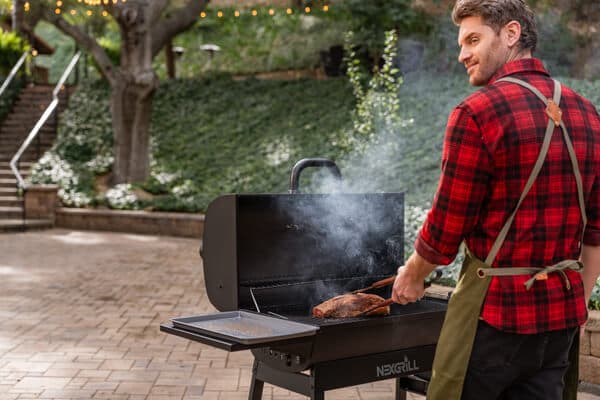
Unlock the secrets to successful grilling with expert tips and techniques.

Here's what sets us apart from the competition
We position ourselves as delivering high-end outdoor cooking features and performance without premium-brand pricing, emphasizing “Quality Grills. Unbelievable Value.”
We offer gas grills, pellet grills, griddles, smokers, pizza ovens, portable/tabletop grills, electric grills, accessories, and replacement parts — allowing customers to stay within one ecosystem for all outdoor cooking needs.
We differentiate ourselves through smart grilling products like the Oakford smart pellet grill, including app-connected cooking controls and modern outdoor cooking technology.
Expert tips, buying guides, comparisons, and inspiration for choosing and getting the most out of your grill.
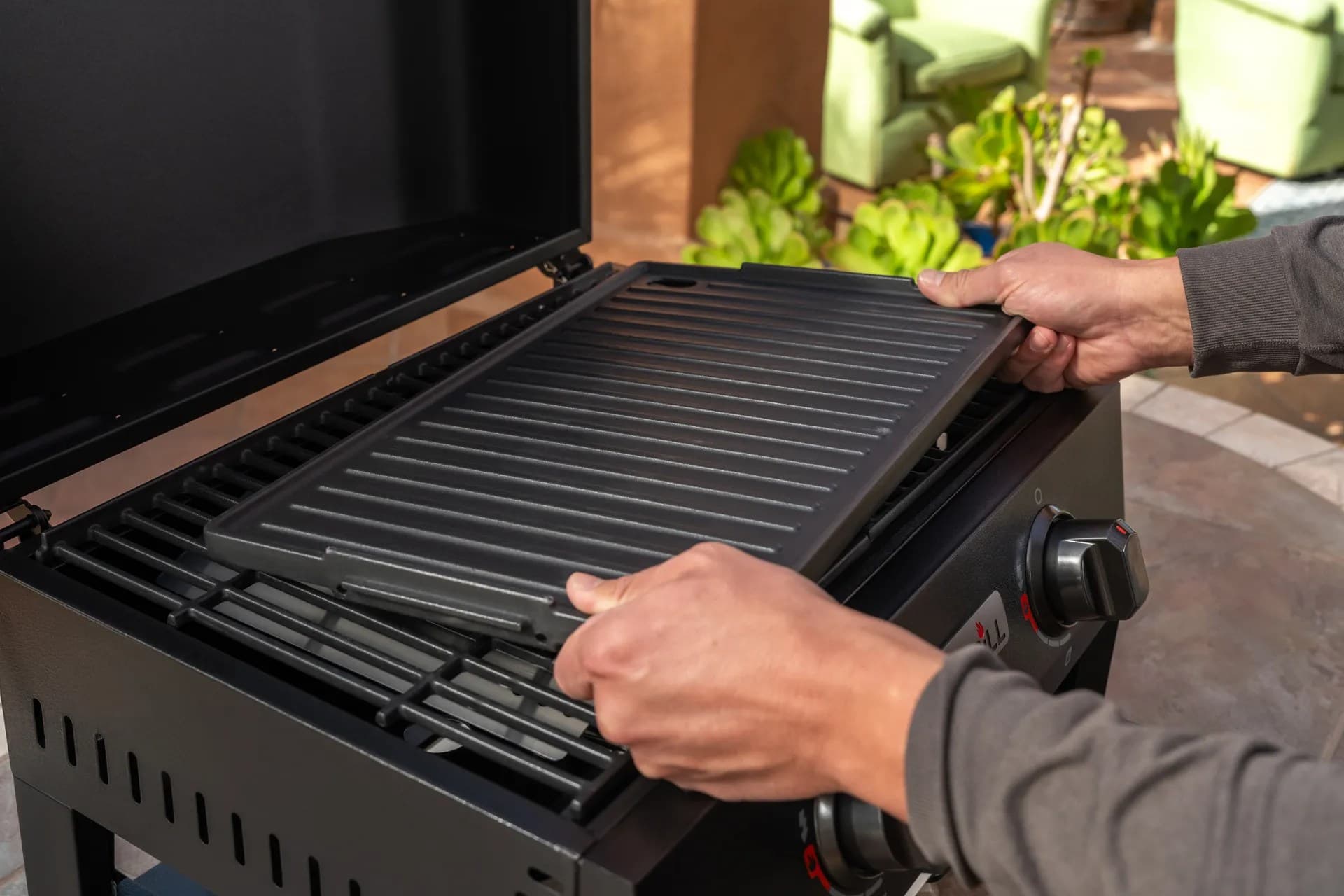
Practical guides for cleaning, maintenance, common grill issues, and performance optimization.
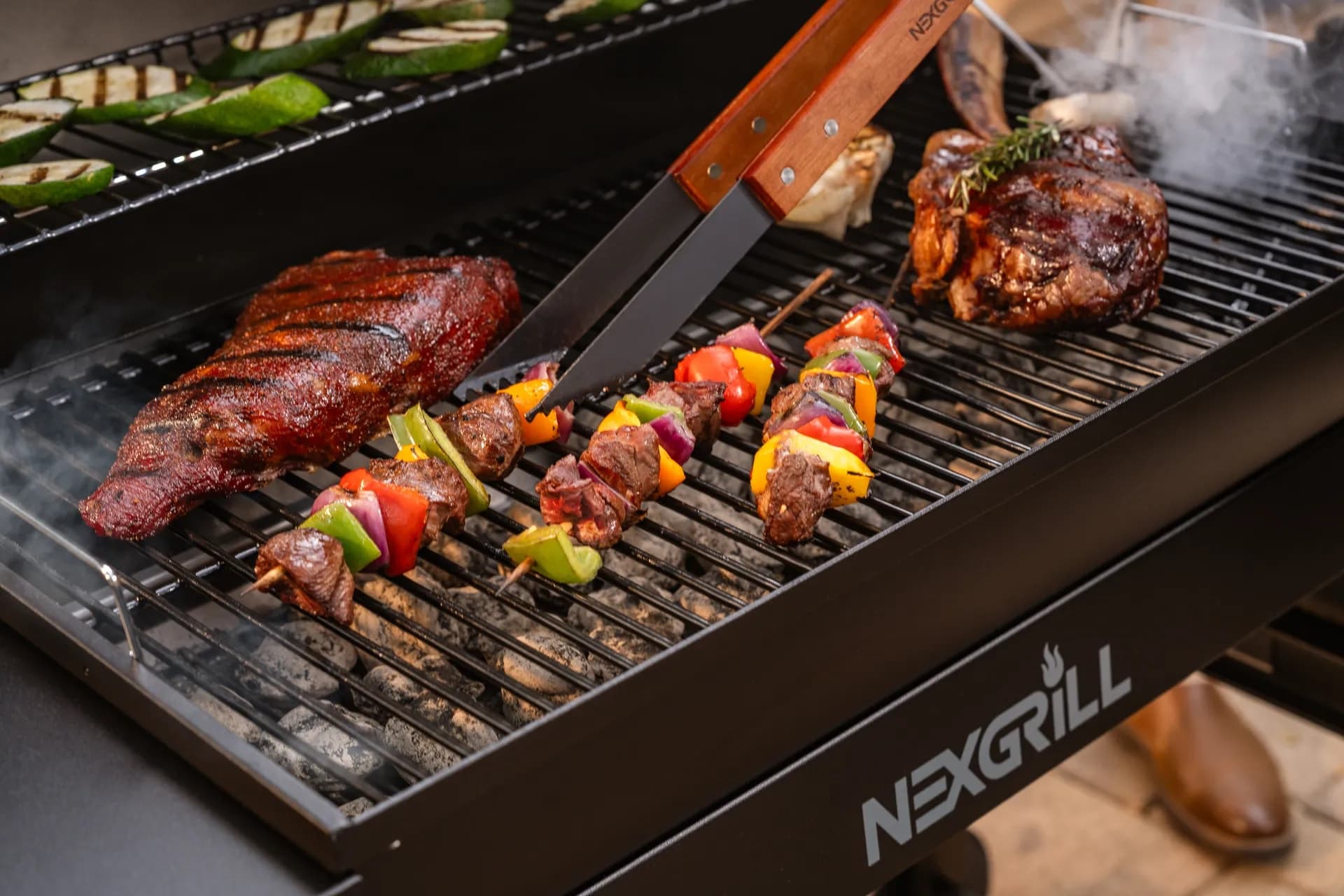
Step-by-step grilling recipes, cooking techniques, and meal ideas for every occasion and skill level.

Backyard entertaining ideas, seasonal grilling inspiration, and stories that celebrate outdoor cooking culture.
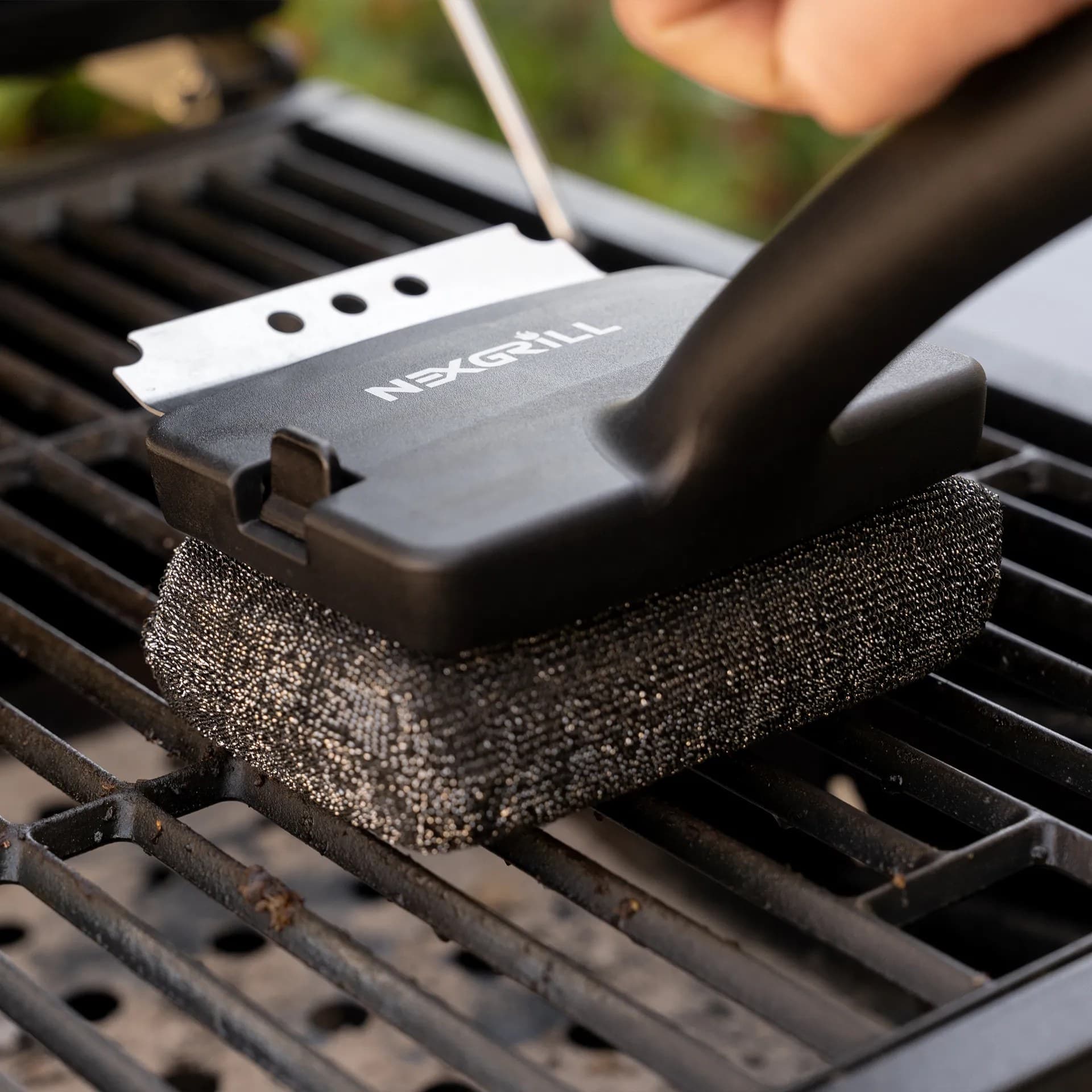
Helpful articles covering grilling tools, cookware, maintenance gear, and must-have accessories for outdoor cooking.
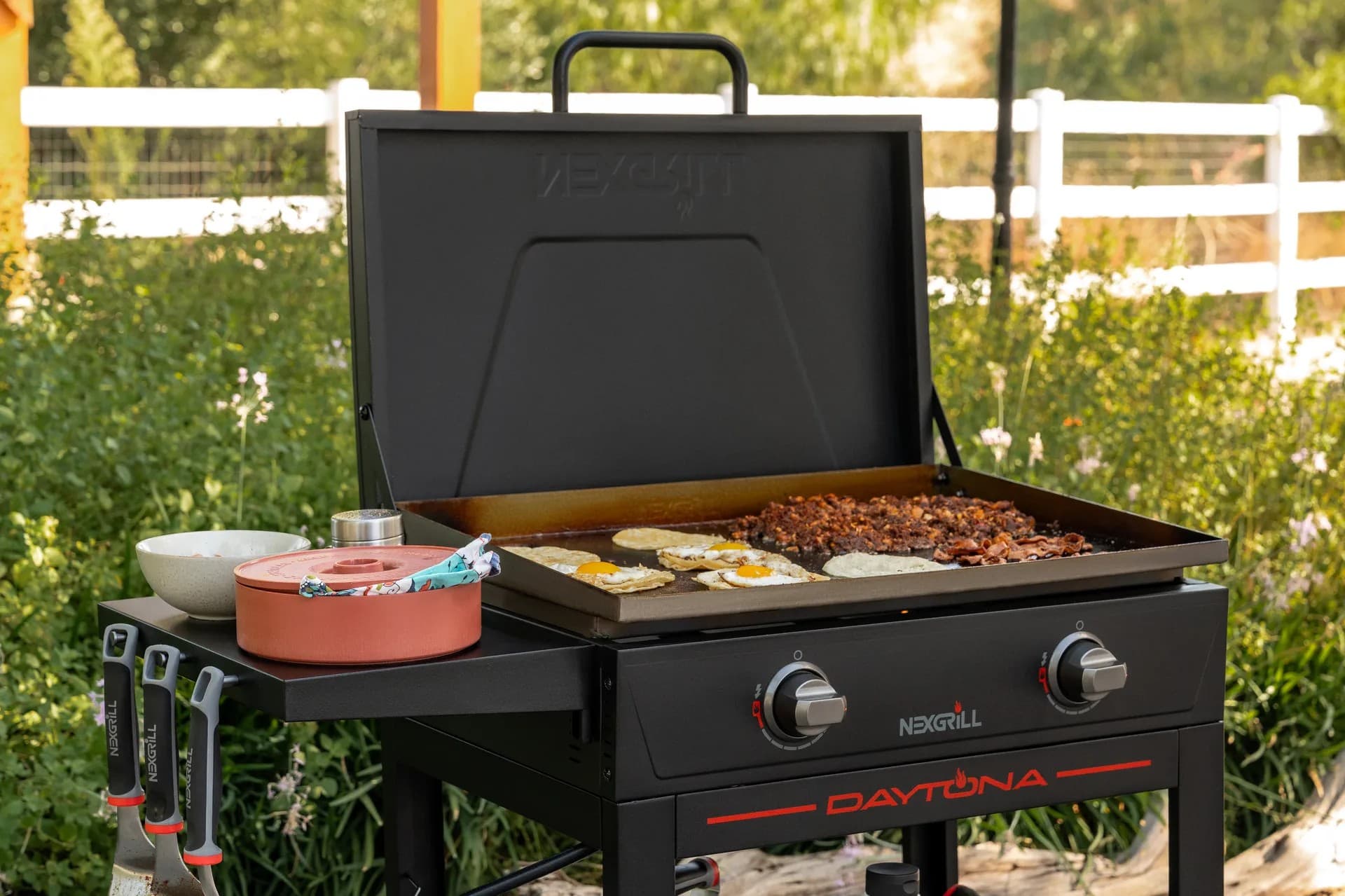
Find griddle recipes, cooking techniques, cleaning tips, and outdoor meal ideas designed for Nexgrill griddles.
Find answers to common questions
Nexgrill offers a variety of grills including gas, charcoal, and pellet grills, catering to different cooking preferences and styles.
Nexgrill is headquartered in California and serves a global market, primarily through retail partnerships such as Home Depot.
Yes, replacement parts are available for various Nexgrill products, and you can find them on the Nexgrill website or through authorized retail partners.
You can reach out to Nexgrill for support through their contact page on the website, where you will find options for phone and email inquiries.
Nexgrill products come with specific warranty terms, which can vary by product; it is recommended to check the warranty details on the product page or in the user manual.
In This Article
Understanding Grilling Basics
Choosing the Right Tools
Exploring Flavor Profiles
Grilling is an art that combines technique, skill, and a passion for flavor. For beginners, understanding the basics is the first step towards mastering this culinary craft. The essence of grilling lies in harnessing the power of direct heat to cook food quickly and efficiently, imparting a distinctive char and smoky flavor. Whether you're using a gas, charcoal, or pellet grill, knowing the fundamental principles will help you achieve the best results.
When starting, it's essential to familiarize yourself with the different parts of your grill. Most grills come with a lid, cooking grates, burners, and a drip pan. Understanding the function of each component can enhance your grilling experience. For instance, the lid plays a crucial role in controlling temperature, while the cooking grates provide the surface for your food to cook upon.
Tip: Always start with a clean grill. Residual food and grease can affect the taste of your dishes and may cause flare-ups.
Selecting the appropriate fuel type is a critical decision for any beginner griller. The three main types of fuel are gas, charcoal, and pellets. Charcoal grills deliver a rich, smoky flavor that many barbecue enthusiasts love, albeit with a bit more effort in preparation and cleanup.
Pellet grills provide a balance between flavor and convenience, using wood pellets as fuel to offer a unique taste profile. Each type of fuel has its pros and cons, and the best choice depends on your personal preferences and grilling goals.
| Fuel Type | Pros | Cons |
|---|---|---|
| Gas | Quick, easy to control | Less smoky flavor |
| Charcoal | Rich flavor | Longer prep time |
| Pellet | Flavorful, versatile | More complex setup |
Mastering essential grilling techniques is key to becoming a confident griller. Start with controlling temperature and heat zones. Most grills allow for the creation of direct and indirect heat zones, giving you flexibility in cooking different types of food. Direct heat is perfect for quick-cooking items like burgers and steaks, while indirect heat is ideal for slower cooking, such as whole chickens or ribs.
Another crucial technique is the use of marinades and rubs. These can enhance the flavor profile of your dishes significantly. Marinades work by tenderizing meats and adding layers of flavor, while rubs provide a crusty outer layer that complements the natural taste of the meat.
Tip: Let your meat rest after grilling. This allows the juices to redistribute, resulting in a juicier and more flavorful dish.
Learning to use a meat thermometer can also elevate your grilling skills. Ensuring that your meat reaches the right internal temperature is crucial for both safety and taste. Different meats have varying temperature requirements, so having a reliable thermometer is a must-have tool for any beginner.
Finally, practice patience. Grilling is as much about timing as it is about technique. Rushing the process can lead to unevenly cooked foods or unwanted flare-ups. Instead, embrace the process and enjoy the art of grilling.
Safety is paramount when grilling. Always grill in a well-ventilated area, away from flammable materials. Ensure that your grill is stable and set on a flat surface to prevent accidents. Keep a fire extinguisher or a water spray bottle nearby to manage any unexpected flare-ups.
Regular maintenance of your grill is also important. Checking for gas leaks, cleaning grease traps, and ensuring that all components are in good working condition can prevent potential hazards.
Confidence in grilling comes with practice and the willingness to experiment. Start with simpler recipes and gradually move on to more complex dishes as you become more comfortable with your grill. Explore different cuts of meat, vegetables, and even fruits to diversify your grilling repertoire.
Don't be afraid to try new techniques, such as smoking or rotisserie grilling, to expand your skills. These methods can introduce new flavors and textures, making your grilling sessions more exciting and enjoyable.
Warning: Always monitor your grill when in use to prevent overcooking or accidents. Grilling requires constant attention and care.
Having the right tools can make a significant difference in your grilling experience. Invest in quality tongs, spatulas, and grill brushes. These tools should be sturdy and long enough to keep your hands safe from the heat.
Consider purchasing a set of skewers for kabobs and a grill basket for smaller items like vegetables or seafood. A chimney starter can be an excellent investment for charcoal grillers, as it simplifies the process of lighting coals without the need for lighter fluid.
A basting brush is another useful tool, allowing you to apply sauces and marinades evenly across your food. For those who love precision, a digital meat thermometer is invaluable, ensuring your meats are cooked to perfection every time.
Part of the joy of grilling is experimenting with different flavor profiles. Marinades, rubs, and sauces are excellent ways to infuse your dishes with diverse tastes. From spicy and savory to sweet and tangy, the possibilities are endless.
Consider creating your own signature rubs by mixing various spices and herbs. This not only allows you to customize flavors to your liking but also adds a personal touch to your grilling sessions.
| Flavor Element | Example Ingredients | Recommended Use |
|---|---|---|
| Savory | Garlic, soy sauce | Beef, chicken |
| Spicy | Chili powder, cayenne | Pork, vegetables |
| Sweet | Honey, brown sugar | Ribs, chicken |
Sauces can be applied during or after grilling to enhance the taste of your dishes. Experimenting with different sauce recipes can lead to delightful culinary discoveries.
Grilling is not just a cooking method; it's a way to connect with others. Joining a grilling community can provide you with valuable insights, new recipes, and the opportunity to share your experiences. Whether online or in-person, these communities are great platforms for learning and sharing knowledge.
Participate in local grilling events or competitions to test your skills and meet fellow enthusiasts. These gatherings are excellent opportunities to learn from others and to showcase your own grilling prowess.
Here's what sets us apart
We position ourselves as delivering high-end outdoor cooking features and performance without premium-brand pricing, emphasizing “Quality Grills. Unbelievable Value.”
We offer gas grills, pellet grills, griddles, smokers, pizza ovens, portable/tabletop grills, electric grills, accessories, and replacement parts — allowing customers to stay within one ecosystem for all outdoor cooking needs.
We differentiate ourselves through smart grilling products like the Oakford smart pellet grill, including app-connected cooking controls and modern outdoor cooking technology.
Don't just take our word for it
Keep reading
From our catalog