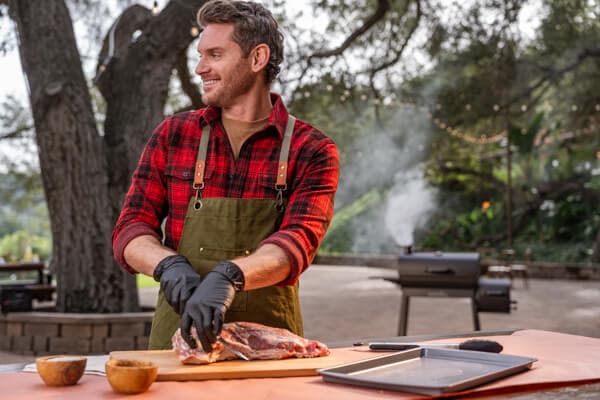
Holiday Barbecue Ideas: A Host's Playbook for Memorable Cookouts
Plan stress-free holiday BBQs with our menu matrix, crowd-counting guide, and make-ahead timelines.
In This Article
Holiday Menu Matrix
Crowd-Planning Essentials
Make-Ahead & Budget Tips
How to Plan a Holiday Barbecue Menu That Fits Your Crowd
Hosting a holiday barbecue is equal parts cooking and logistics. The menus that work are built around two numbers: how many guests you're feeding and how much usable grill space you have. Get those right and the rest - sides, desserts, timing - falls into place. This playbook walks you through a menu matrix by holiday, a cook-day timeline, and the hosting mistakes that quietly ruin otherwise great cookouts.
Start with Guest Count and Grill Capacity
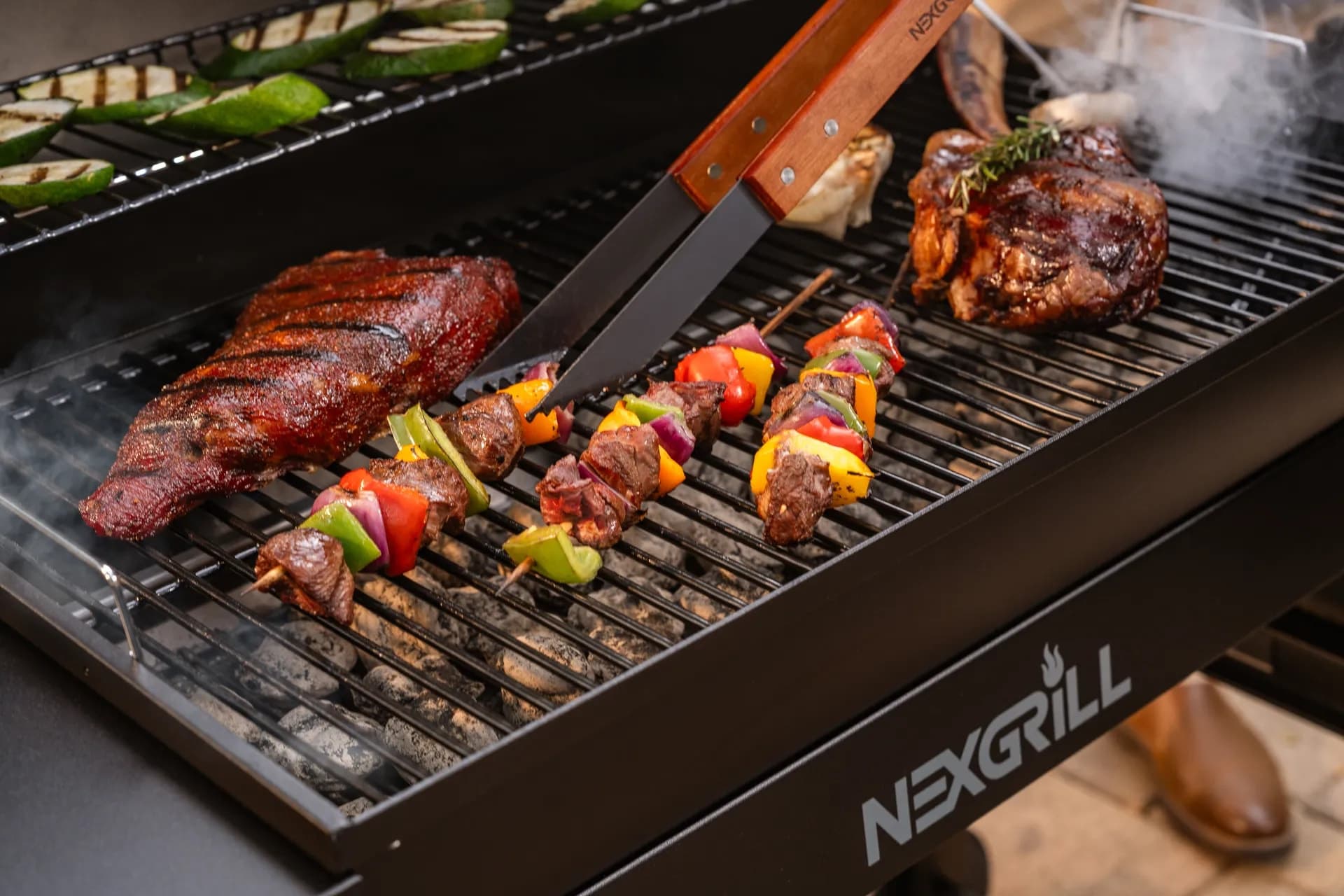
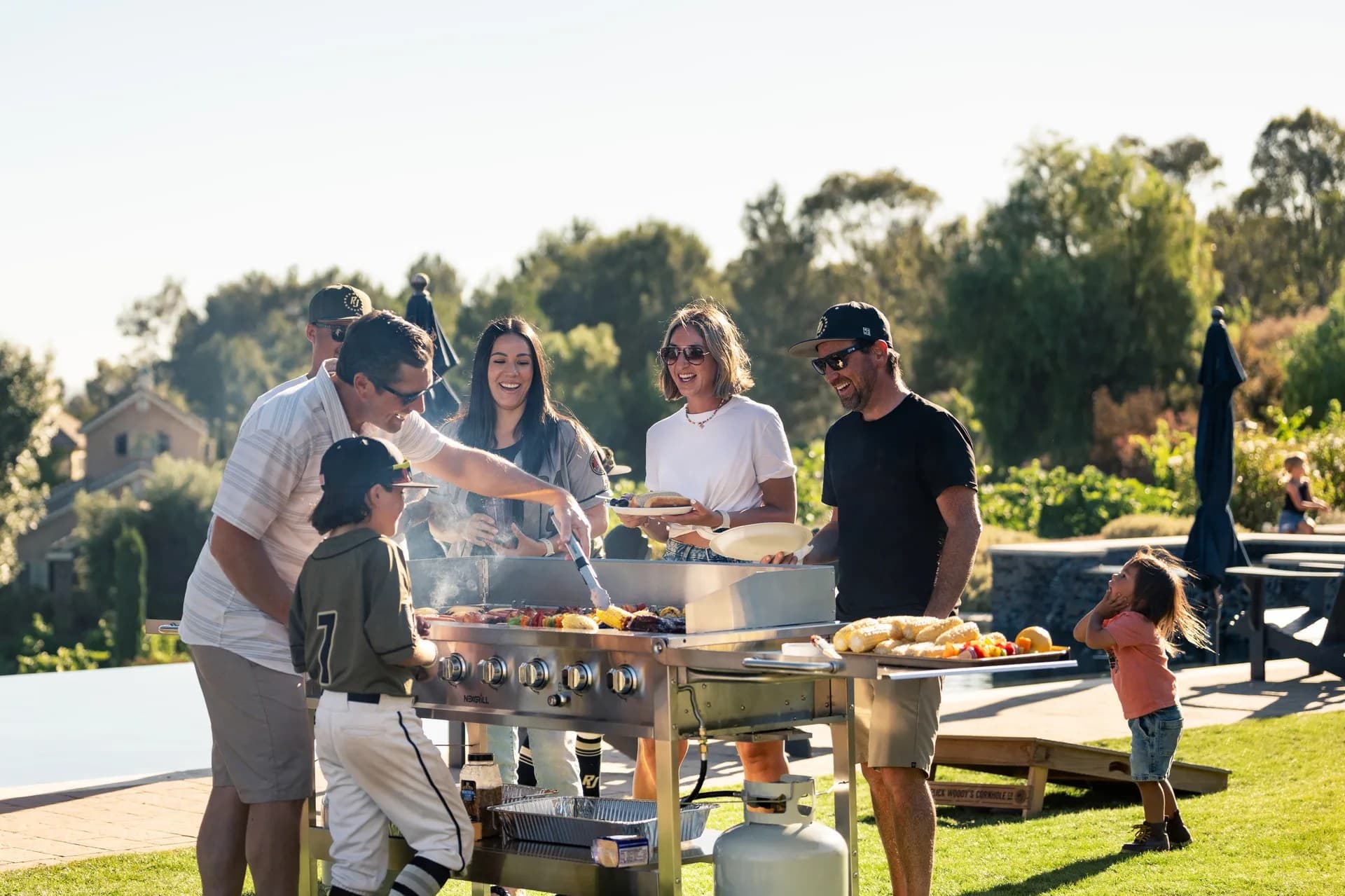
Plan on roughly 1 to 1.5 pounds of raw meat per adult guest, with a portion set aside for leftovers - a range, not a rule, since appetites vary. For a 12-guest July 4th cookout, that's about 12-18 pounds of protein. Then check your cooking surface: a Nexgrill 4-Burner Propane Gas Grill gives you the burner zones to run direct and indirect heat simultaneously, while a single smaller grill may force you to cook in batches and stagger serving.
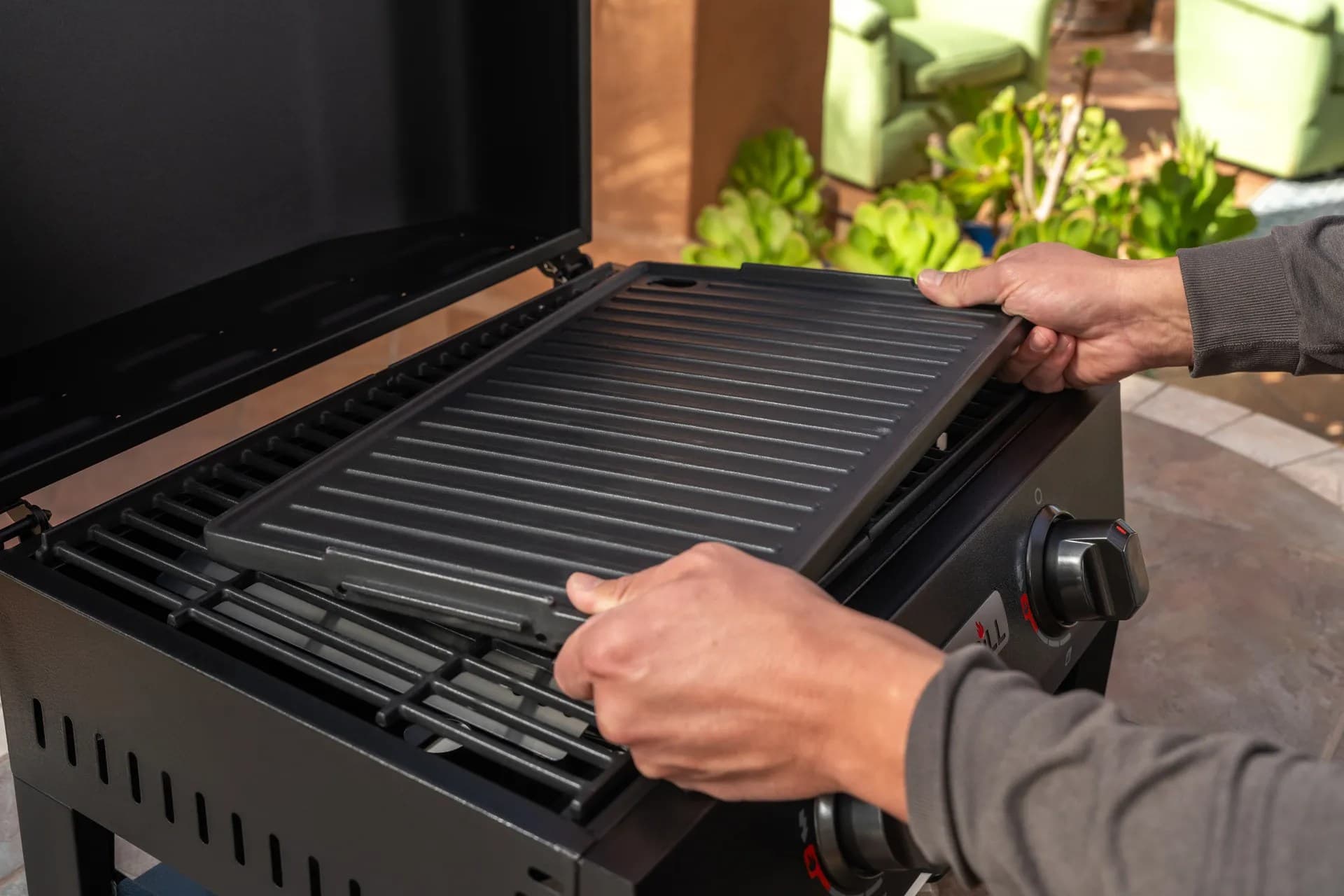
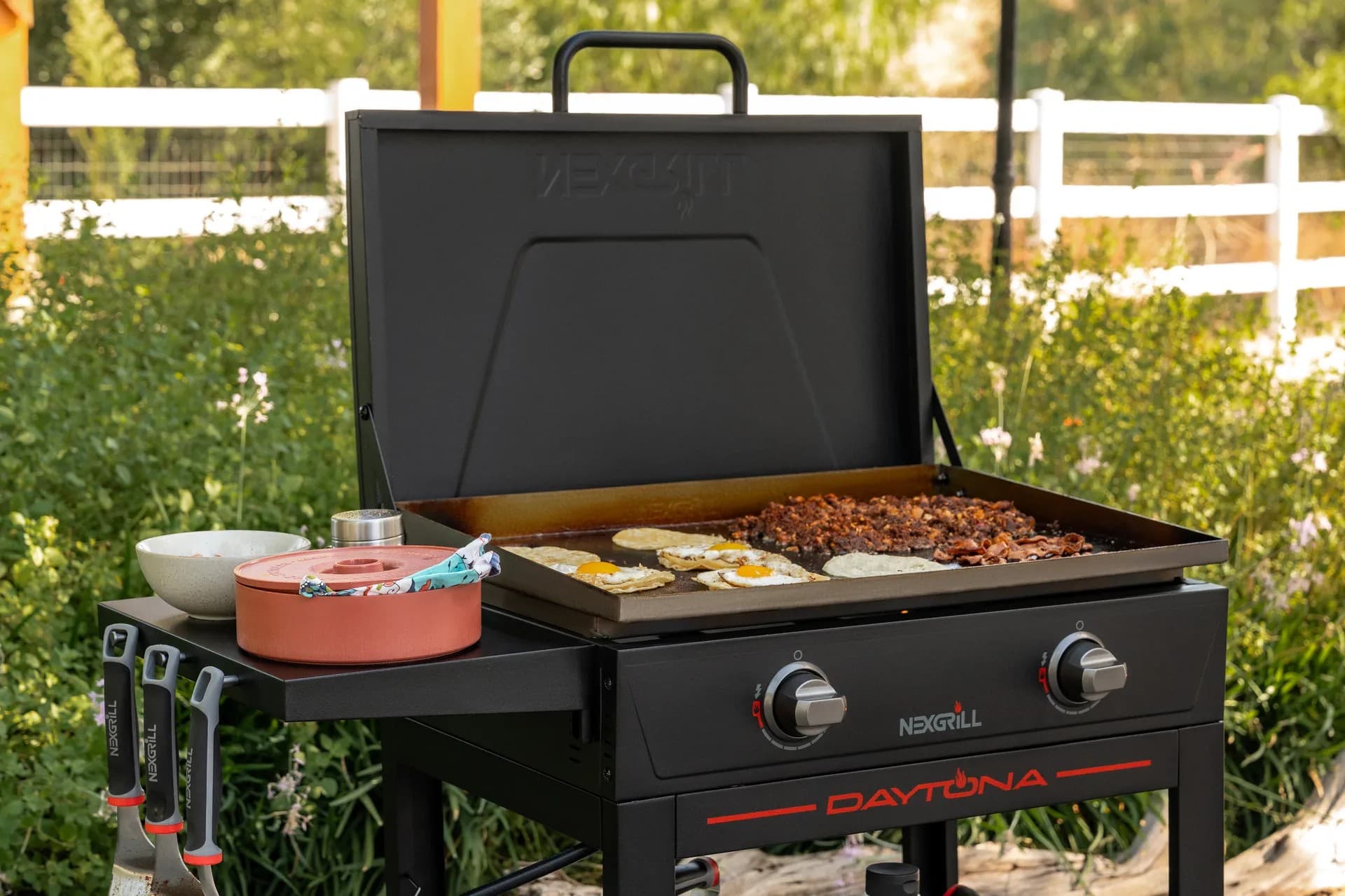
A 36-inch griddle like the Daytona 4-Burner Propane Gas Griddle handles smash burgers and breakfast spreads for a crowd in far fewer batches than a small gas grill. If you're hosting 20+, consider a two-grill setup: one gas grill for high-volume searing and one pellet smoker for low-and-slow items.
Quick math: 12 guests × 1.25 lb = 15 lb of meat. A 4-burner grill with two zones can sear 12-16 burgers at once; a smoker handles a 14-16 lb turkey for Thanksgiving.
Match the Menu to the Holiday
Different holidays call for different equipment and flavors. Use this matrix as a starting point:
| Holiday | Main | Sides | Dessert |
|---|---|---|---|
| Memorial Day | Burgers, brats, chicken skewers | Grilled corn, potato salad | Grilled pineapple |
| July 4th | Ribs, brisket, sausage | Coleslaw, baked beans, flatbreads | Apple crumble |
| Labor Day | Smash burgers, veggie skewers | Grilled veggies, salads | Grilled peaches |
| Thanksgiving | Smoked turkey, brisket | Rubbed mashed potatoes, stuffing | Grilled apples |
| Christmas | Prime rib, goose | Roasted roots, warm salads | Poached pears |
For Thanksgiving, a pellet smoker like the Oakford 1125 Pro Pellet Smoker Grill gives you steady, hands-off heat for a 12-14 lb turkey. For Labor Day breakfast or smash burgers, the Stainless Steel Daytona 4-Burner Griddle is a workhorse. Choose the tool that matches the holiday's dominant cook method - that's the single biggest upgrade to your menu planning.
Before locking your menu, compare two grills side by side to see which fits your holiday cooking style best:
Step-by-Step Cook-Day Timeline for a Stress-Free Holiday BBQ
A holiday cookout fails or succeeds on prep. Work backward from serving time using this schedule.
One Week Out: Shopping and Prep
Finalize your guest count and menu, then build a shopping list broken into meat, produce, dairy, and pantry. Buy meats and freeze what you can; for poultry, allow 24 hours of thawing per 4-5 pounds in the fridge. Batch-make rubs and sauces now - a double batch of BBQ rub costs pennies and saves 20 minutes on cook day. Confirm propane levels: a standard 20 lb tank yields roughly 18-20 hours of burn time on a medium gas grill, but check weight or use a gauge.
Two Days Before: Marinating and Brining
Start wet brines for turkey or pork shoulder 24-48 hours ahead, and marinate chicken or ribs overnight. Par-cook sides that hold well: boil potatoes for potato salad, roast vegetables, and make dressings. This shifts about 40% of the cooking off your cook day. Store everything in labeled containers with dates.
Day Of: Cooking in Stages
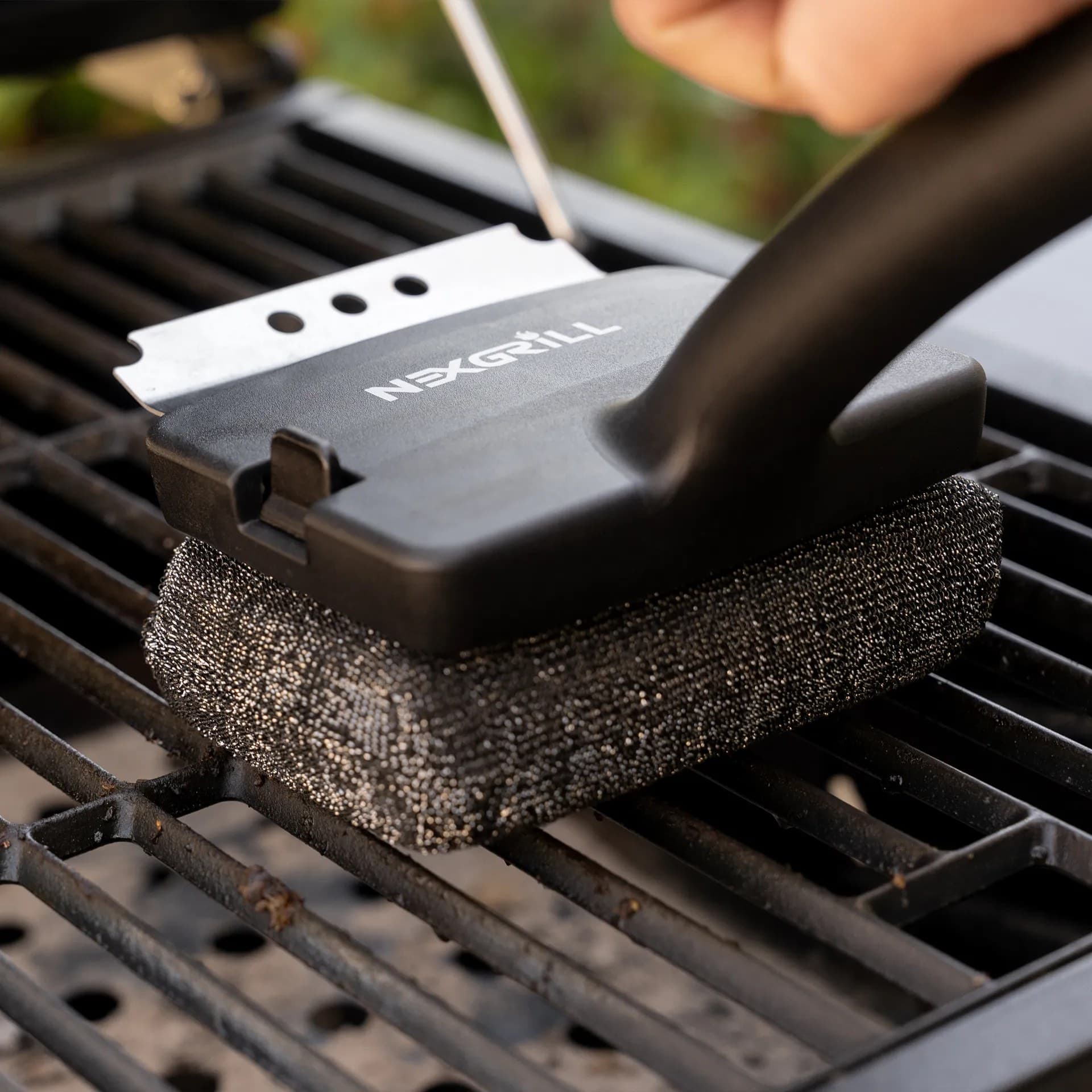
Fire up the grill 30 minutes before you plan to cook and clean grates while hot. Cook long-haul items first (brisket, turkey), then hold them in a warm oven at 150°F while you grill quick items like burgers and vegetables. Use a two-zone setup: direct heat for searing, indirect for finishing. Set out cold sides just before serving to avoid the danger zone.
Warning: Never partially cook meat and finish later - USDA advises cooking to safe internal temperature in one continuous process.
Common Holiday Hosting Mistakes to Avoid
Overcrowding the Grill
Packing the grates steams food instead of searing it and causes uneven cooking. Leave 1-2 inches between items. If you're cooking for a crowd, batch-cook and hold finished items in a warm oven rather than piling raw food on all at once.
Ignoring the Two-Hour Food-Safety Window
Per USDA FSIS, perishable foods left out above 40°F for more than 2 hours (or 1 hour when the ambient temperature exceeds 90°F) should be discarded. On a hot July 4th, that window shrinks fast. Keep cold sides on ice and use chafing dishes for hot items.
Running Out of Fuel
Always have a spare propane tank or a full bag of charcoal. For long smokes, a pellet grill like the Oakford 875 Pro holds 20+ pounds of pellets, but check the hopper before an overnight brisket. Running out mid-cook is the most common holiday hosting disaster - and the easiest to prevent.
Beyond the Basics: Smart Swaps and Make-Ahead Wins
Once you've weighed two grills or two menu paths against each other, the real difference between a frantic host and a relaxed one is make-ahead work and budget control. Here's how to execute the details that trip up most holiday hosts.
Dietary Swaps That Don't Feel Like an Afterthought
Plan at least one substantial vegetarian main and one gluten-free side. Portobello steaks, halloumi skewers, and grilled cauliflower steaks work on any grill. Use a griddle for veggie smash burgers - the Daytona 2-Burner Griddle with Lid handles them without falling through grates. For gluten-free guests, keep rubs and sauces wheat-free by checking labels; many commercial BBQ sauces contain gluten.
Budget-Conscious Crowd Feeding
Feed a crowd without premium cuts: chicken thighs, pork shoulder, and sausage cost far less per pound than ribeye. Stretch proteins with hearty sides like baked beans, loaded potato salad, and grilled flatbreads. A 10-pound pork shoulder can yield 20+ generous sandwiches. Buy seasonal produce - corn in July, squash in October - and use a vacuum sealer for leftovers.
Tip: Batch-cook rice, beans, and roasted vegetables a day ahead; they reheat beautifully and cut cook-day stress by half.
Winter and Holiday Crossover Grilling
Thanksgiving and Christmas often mean cold-weather grilling. Keep your grill out of the wind, allow extra preheat time (10-15 minutes longer), and use a grill blanket or welder's blanket to retain heat. Pellet smokers excel in cold weather because they maintain steady temperatures - the Oakford Homestead 24 Charcoal Grill is another option for those who prefer charcoal flavor. For Christmas prime rib, reverse-sear on a pellet grill for edge-to-edge pink.
Your Holiday BBQ Checklist
Use this quick checklist to stay on track:
- Confirm guest count and dietary needs
- Calculate protein quantity (1-1.5 lb per adult)
- Check grill capacity and fuel (spare tank/pellets)
- Batch-make rubs, sauces, and marinades
- Par-cook sides two days ahead
- Thaw and brine poultry 24-48 hours ahead
- Set up two-zone cooking and a holding area
- Keep cold foods below 40°F and hot foods above 140°F
Sources
- USDA FSIS - Safe Minimum Internal Temperature Chart
- USDA FSIS - Leftovers and Food Safety (2-Hour Rule)
- USDA FSIS - Danger Zone (40°F - 140°F)
- CDC - Food Safety
Explore the full range of Nexgrill grills, griddles, and smokers at https://nexgrill.com/collections/all and learn more about our story at https://nexgrill.com/pages/about.