Unlocking the Full Flavor Potential of Your Gas Grill
Transform your grilling experience with expert techniques and tips.

In This Article
Marinades and Rubs
Smoking Techniques
Direct vs. Indirect Heat
Understanding Flavor Profiles
Flavor is the essence of grilling, transforming simple ingredients into culinary masterpieces. To get more flavor from a gas grill, it’s essential first to understand the basic elements that contribute to taste: sweet, sour, salty, bitter, and umami. Each of these elements can be accentuated through specific grilling techniques, seasonings, and cooking methods.
Start by identifying the natural flavors in your ingredients. For instance, meats have inherent umami flavors that can be intensified through the Maillard reaction, which is the browning that occurs when proteins are exposed to high heat. Vegetables, on the other hand, can offer a sweet caramelization when grilled, enhancing their natural sugars.
Utilizing Marinades and Rubs
Marinades and rubs are essential tools for any grilling enthusiast looking to enhance flavor. Marinades, which consist of a mixture of acids, oils, and seasonings, work by tenderizing and infusing meats with flavor. For example, a marinade with citrus juice or vinegar can break down proteins, allowing flavors to penetrate more deeply.
Rubs, on the other hand, are dry mixes of spices and herbs that create a crust on the meat, locking in moisture and adding a robust layer of flavor. Consider using a spice rub with paprika, garlic powder, and brown sugar for a sweet and spicy kick. The following table provides examples of popular marinades and rubs:
| Type | Ingredients | Best For |
|---|---|---|
| Citrus Marinade | Lemon, Lime, Olive Oil, Garlic | Chicken, Fish |
| Spice Rub | Paprika, Cumin, Brown Sugar | Beef, Pork |
Mastering Smoking Techniques
Adding a smoky aroma to your grilled dishes can significantly enhance flavor depth. While traditional smoking requires a charcoal grill, gas grill users can also achieve this effect with a few simple techniques. Consider using wood chips or planks. Soak wood chips in water for 30 minutes, then place them in a smoker box or wrap them in aluminum foil with holes punched in the top.
Placing these directly on the burners will create smoke that infuses the food. Popular wood choices include hickory for a strong, bacon-like flavor, mesquite for a bold taste, and applewood for a sweet, fruity aroma. Experiment with different combinations to find the perfect match for your meats and vegetables.
Tip: Control the intensity of smoke by adjusting the quantity of wood chips used.
Perfecting Heat Control
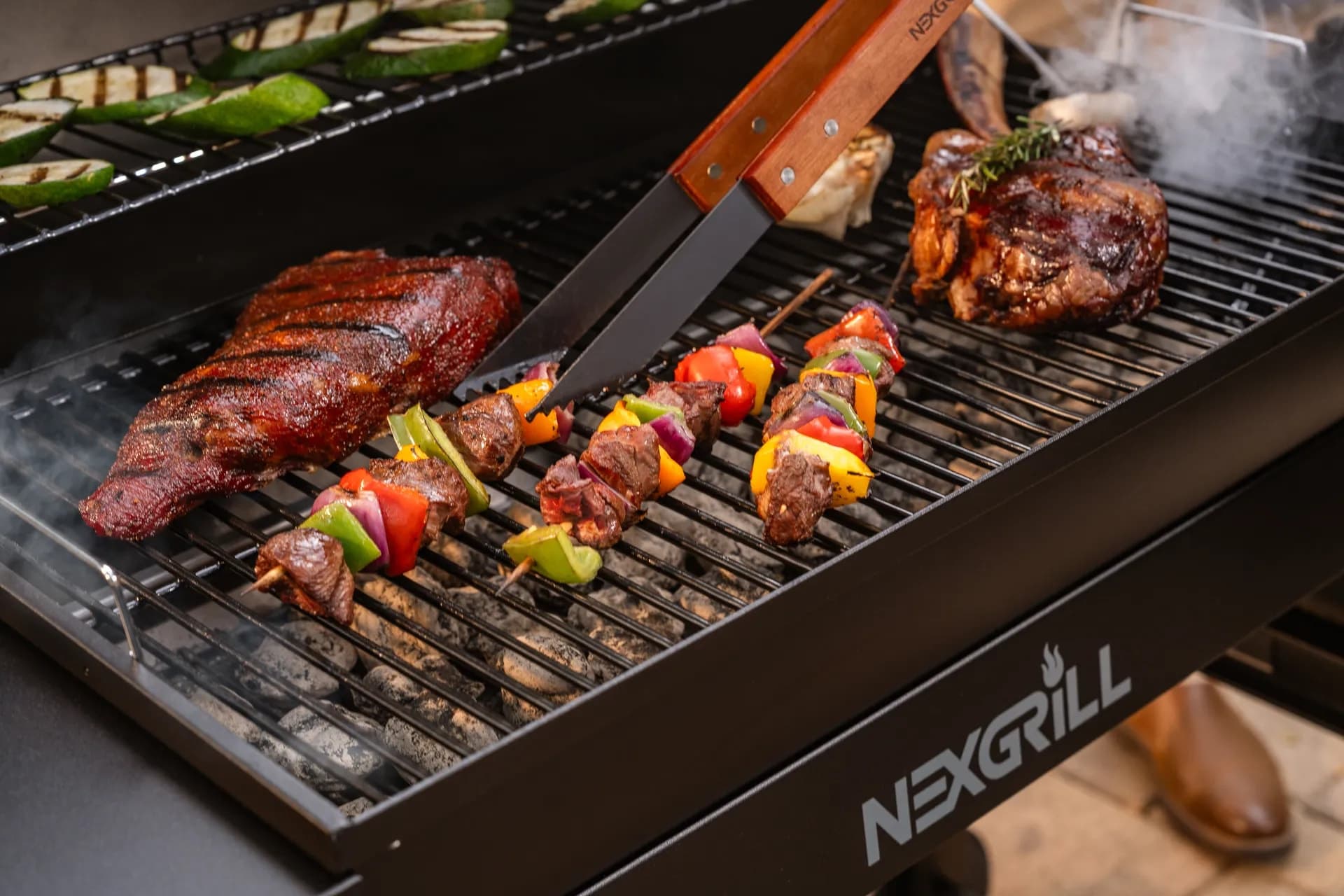
Achieving the right flavor balance often comes down to mastering heat control. Gas grills offer the convenience of precise temperature adjustment, allowing for a variety of cooking techniques. Use direct heat for searing and obtaining those coveted grill marks, while indirect heat is perfect for cooking larger cuts slowly, ensuring they remain juicy and flavorful.
Understanding when to use each method is crucial. For instance, start cooking thick steaks over high direct heat to sear and caramelize the surface, then move them to indirect heat to finish cooking without burning the exterior.
Ideal searing temperature for steaks.
Enhancing Flavor with Accessories
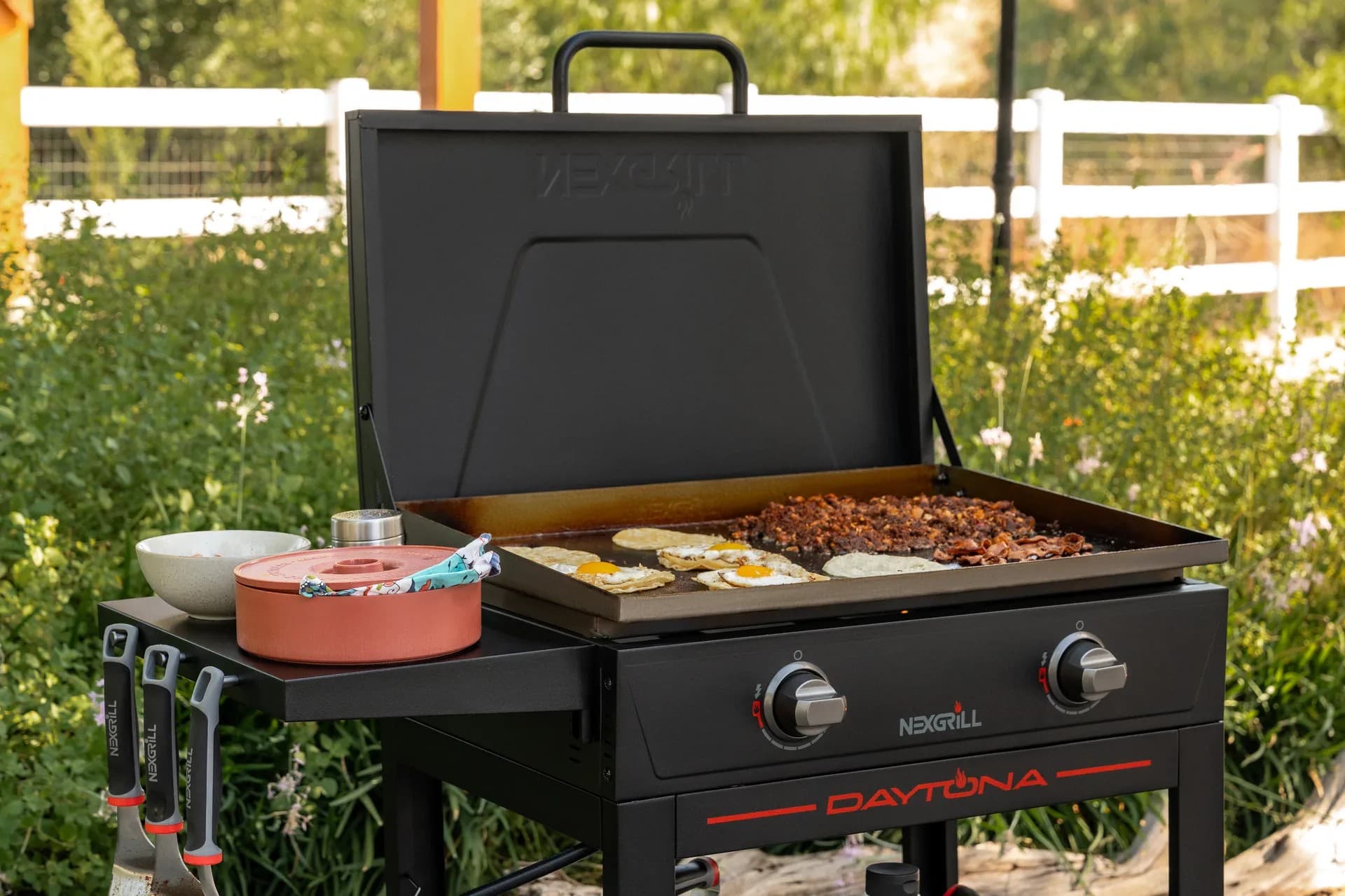
Using the right accessories can significantly impact the flavor profile of your grilled food. Cast iron griddles, for example, are excellent for cooking delicate items like fish and vegetables, providing even heat distribution and a rich, caramelized finish. Grill baskets and mats can prevent smaller items from falling through the grates while ensuring they cook evenly.
Flavor injectors allow you to infuse meats with marinades directly, ensuring even distribution of taste throughout the cut. Additionally, using a basting brush to frequently apply sauces during grilling can create a delicious glaze and enhance moisture retention.
Info: Regularly clean your grill accessories to prevent buildup and ensure optimal flavor transfer.
Exploring Global Flavor Profiles
Expand your grilling repertoire by incorporating global flavor profiles into your cooking. For a Mediterranean twist, use olive oil, lemon, oregano, and garlic. Asian-inspired flavors can be achieved with soy sauce, ginger, and sesame oil. Each of these combinations brings unique tastes and aromas, allowing you to create diverse and exciting meals.
Consider crafting a spice blend from around the world to keep on hand, such as a Moroccan ras el hanout or a Japanese togarashi. These blends can be used as rubs or sprinkled over grilled vegetables and meats to add an exotic flair.
Seasonal and Fresh Ingredients
Utilizing seasonal and fresh ingredients can elevate the flavors of your grilled dishes. Ingredients at their peak ripeness offer superior taste and texture. Visit local farmers' markets to find the best produce, and choose cuts of meat that are in season for optimal freshness.
Experiment with what’s available seasonally to diversify your grilling menu. During the summer, incorporate fresh corn, tomatoes, and zucchini. In the fall, try grilling hearty root vegetables like sweet potatoes and carrots.
Final Tips for Flavorful Grilling
To consistently achieve flavorful results, always preheat your grill to the appropriate temperature. This step ensures even cooking and helps prevent sticking. Allow meats to come to room temperature before grilling, as this promotes even cooking and better flavor absorption.
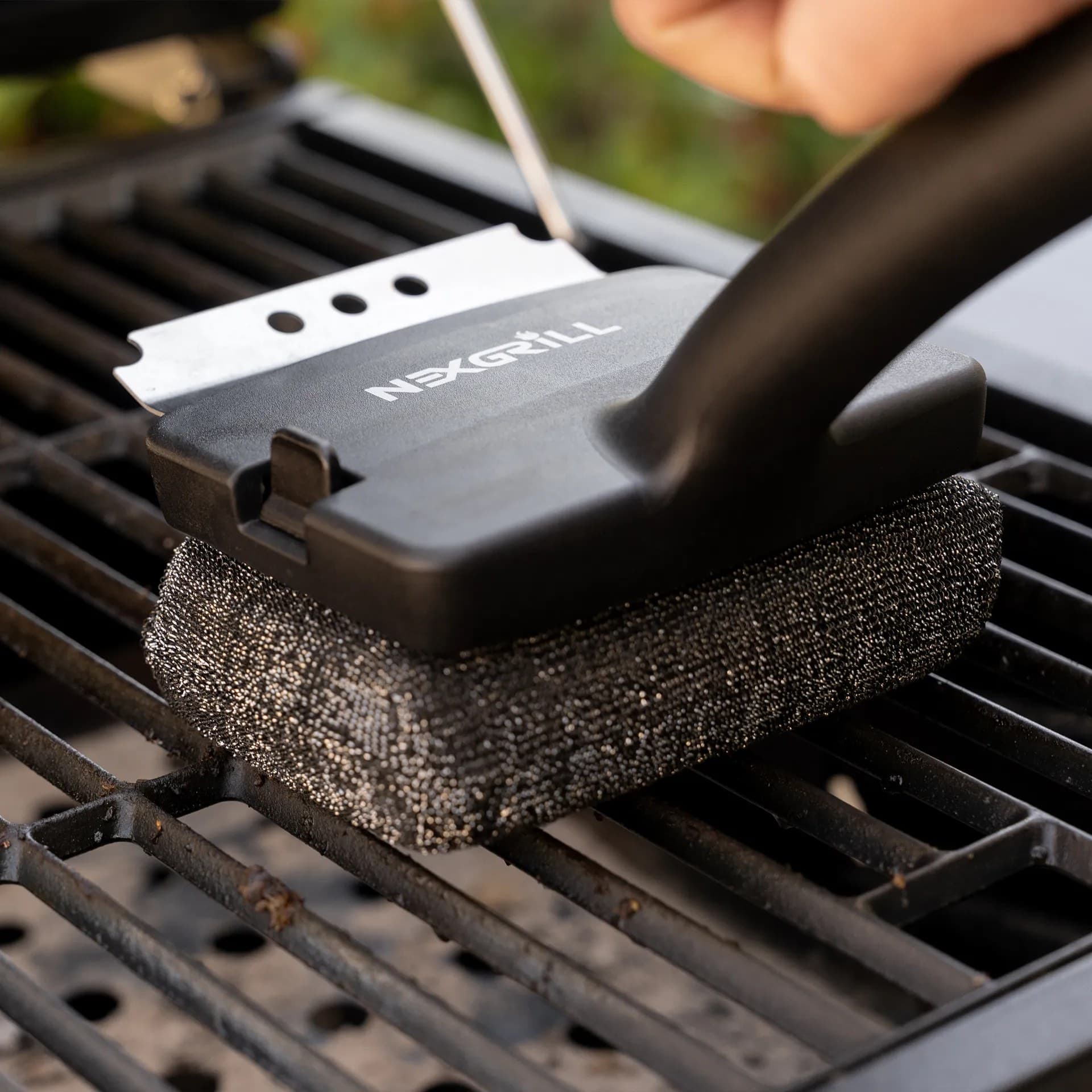
Regular maintenance of your grill is also crucial. Clean the grates thoroughly after each use to prevent residue buildup, which can impart unwanted flavors to your food. By following these strategies and techniques, you can unlock the full potential of your gas grill and enjoy richly flavored meals.
Warning: Avoid using lighter fluid as it can leave a chemical taste on your food.