Essential Fire Pit Safety Tips for Outdoor Enjoyment
Learn how to safely enjoy your fire pit with these expert tips.
In This Article
Fire Pit Location
Fuel and Lighting
Monitoring Tips
Understanding Fire Pit Safety Basics
Fire pits are a wonderful addition to any backyard, providing warmth, ambiance, and a gathering place for friends and family. However, safety must be a priority when enjoying these features. Understanding the basics of fire pit safety can help prevent accidents and ensure a pleasant experience for everyone involved.
Before lighting your fire pit, it’s crucial to select an appropriate location. Ideally, the fire pit should be placed on a non-flammable surface, such as stone or concrete, and situated at least 10 feet away from any structures or flammable materials such as trees, fences, or furniture. This distance helps reduce the risk of fire spreading in case of unexpected sparks or wind gusts.
Another essential safety measure is the use of a spark screen. This tool is invaluable in containing flying embers that could ignite nearby flammable materials. Additionally, having a fire extinguisher or a bucket of sand nearby can make a critical difference in the event of an emergency.
Choosing the Right Fuel and Lighting Techniques
The type of fuel used in your fire pit can significantly impact safety. Wood is a common choice, but it is important to use seasoned, dry hardwoods like oak or hickory that produce less smoke and fewer sparks. Avoid using softwoods like pine, which can pop and throw dangerous embers. Additionally, never use accelerants such as gasoline or lighter fluid, as these can cause uncontrollable flames.
Proper lighting techniques are also crucial. Begin by placing small twigs and kindling at the bottom, creating a small teepee structure. Light the kindling with long matches or a lighter, gradually adding larger pieces of wood as the fire grows. This method helps maintain control over the fire’s size and intensity.
Tip: Always check local regulations and fire bans before lighting your fire pit to ensure compliance with community safety standards.
Monitoring and Maintaining Your Fire Pit
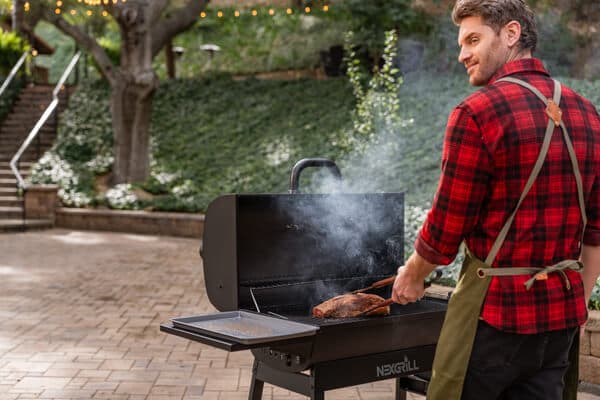
Once your fire is lit, it requires constant monitoring. Never leave a fire pit unattended, and ensure that children and pets are kept at a safe distance. Using long-handled tools can help manage the fire effectively while keeping a safe distance from the flames.
Regular maintenance of your fire pit is also essential for safety. Clean out ashes and debris regularly to promote proper airflow and reduce smoke. Inspect your fire pit for any signs of damage or wear, such as cracks or rust, which could compromise safety.
| Safety Measure | Description |
|---|---|
| Spark Screen | Prevents embers from escaping and igniting nearby materials. |
| Fire Extinguisher | Ready for emergencies to extinguish any unexpected fires. |
| Non-Flammable Surface | Reduces the risk of fire spreading from fallen embers. |
Info: Regularly inspect your fire pit for damage to ensure it remains safe for use.
Try comparing different fire pit models and safety features to see which options best suit your outdoor space and safety needs.
Safely Extinguishing Your Fire Pit
Extinguishing your fire pit correctly is just as important as lighting it safely. Begin by allowing the fire to burn down naturally until the wood has turned to ash. Do not pour water directly onto hot coals, as this can create steam and scatter ashes. Instead, use a shovel to spread out the ashes and allow them to cool gradually.
Once the ashes are cool, you can carefully scoop them into a metal container. Store this container away from any flammable materials until you’re sure the ashes are completely extinguished. Regularly dispose of the ashes to maintain a clean and safe fire pit environment.
Fire Pit Safety for Different Settings
Whether you’re using a fire pit in a suburban backyard or a rural camp setting, adapting your safety practices to the environment is crucial. In urban settings, where space may be limited, consider using smaller, portable fire pits that are easier to control and extinguish.
In rural areas, where the risk of spreading fire can be higher due to dry vegetation, always create a firebreak around your pit. This can be done by clearing a perimeter of at least 10 feet, free from leaves, grass, and other flammable materials. Additionally, always keep an eye on weather conditions, and avoid using your fire pit during high winds or dry spells.
Warning: High winds can cause embers to travel and start fires in unintended areas. Always prioritize safety and avoid lighting a fire during these conditions.
Responsible Enjoyment of Fire Pits
Fire pits can enhance social gatherings and outdoor experiences when used responsibly. Encourage guests to enjoy the fire from a safe distance, and educate them about proper safety measures. Remind everyone to avoid throwing any items into the fire that could explode or release toxic fumes, such as plastics or treated woods.
By maintaining a respectful and responsible approach, you can ensure that your fire pit provides warmth and enjoyment without compromising safety. Whether you’re roasting marshmallows or simply enjoying the ambiance, following these guidelines will help create a safe and pleasant experience for all.