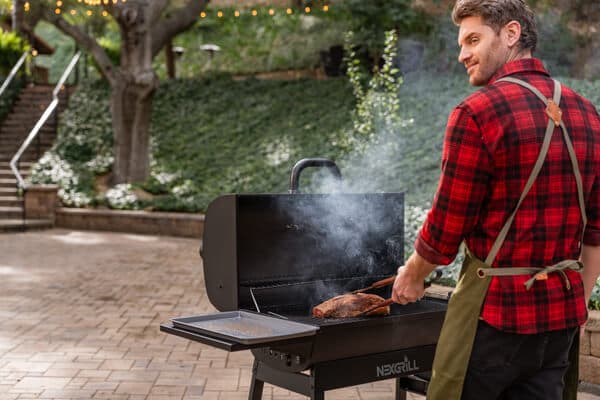
Transform your backyard into a culinary haven with these must-have outdoor kitchen appliances.

Here's what sets us apart from the competition
We position ourselves as delivering high-end outdoor cooking features and performance without premium-brand pricing, emphasizing “Quality Grills. Unbelievable Value.”
We offer gas grills, pellet grills, griddles, smokers, pizza ovens, portable/tabletop grills, electric grills, accessories, and replacement parts — allowing customers to stay within one ecosystem for all outdoor cooking needs.
We differentiate ourselves through smart grilling products like the Oakford smart pellet grill, including app-connected cooking controls and modern outdoor cooking technology.
Expert tips, buying guides, comparisons, and inspiration for choosing and getting the most out of your grill.
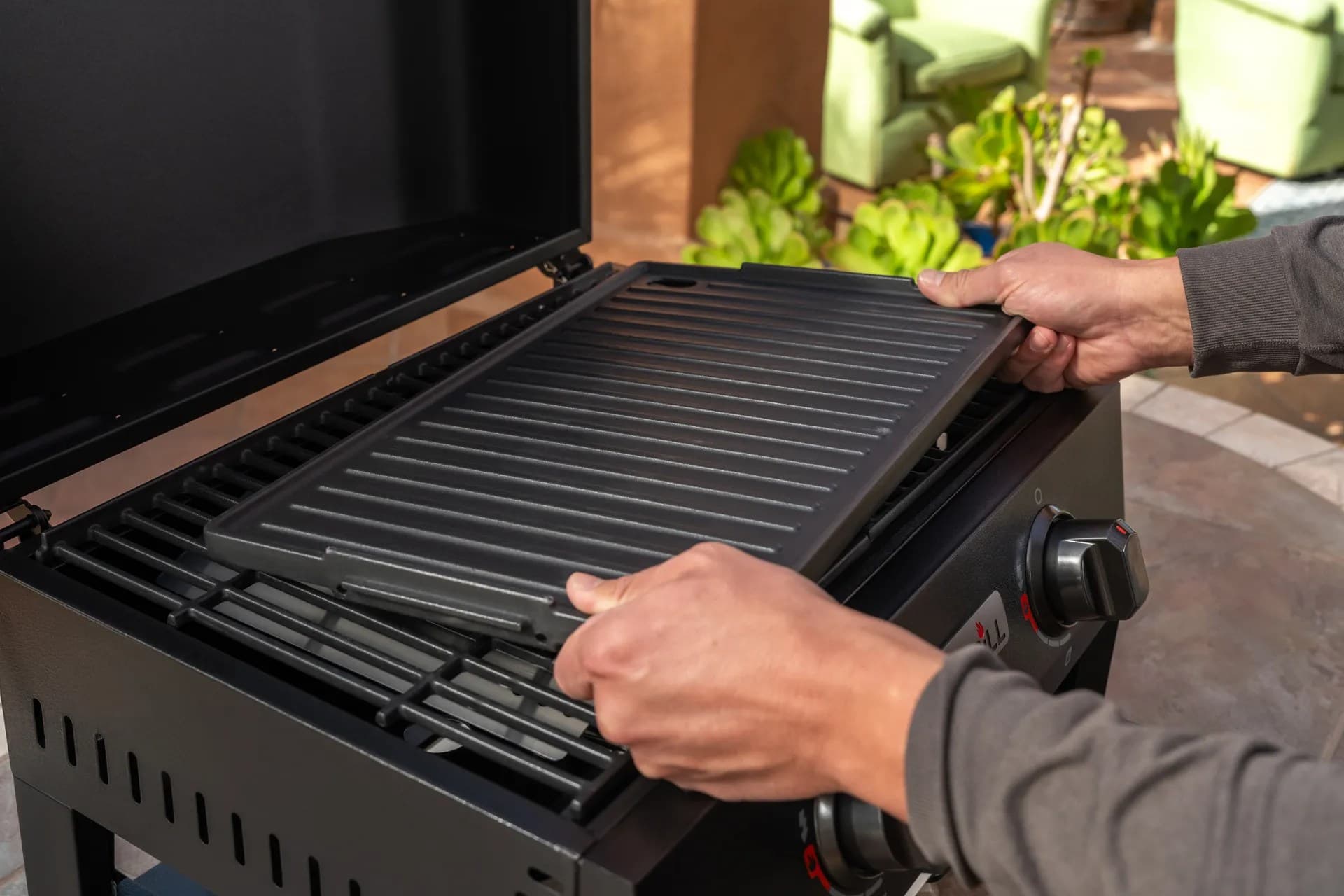
Practical guides for cleaning, maintenance, common grill issues, and performance optimization.
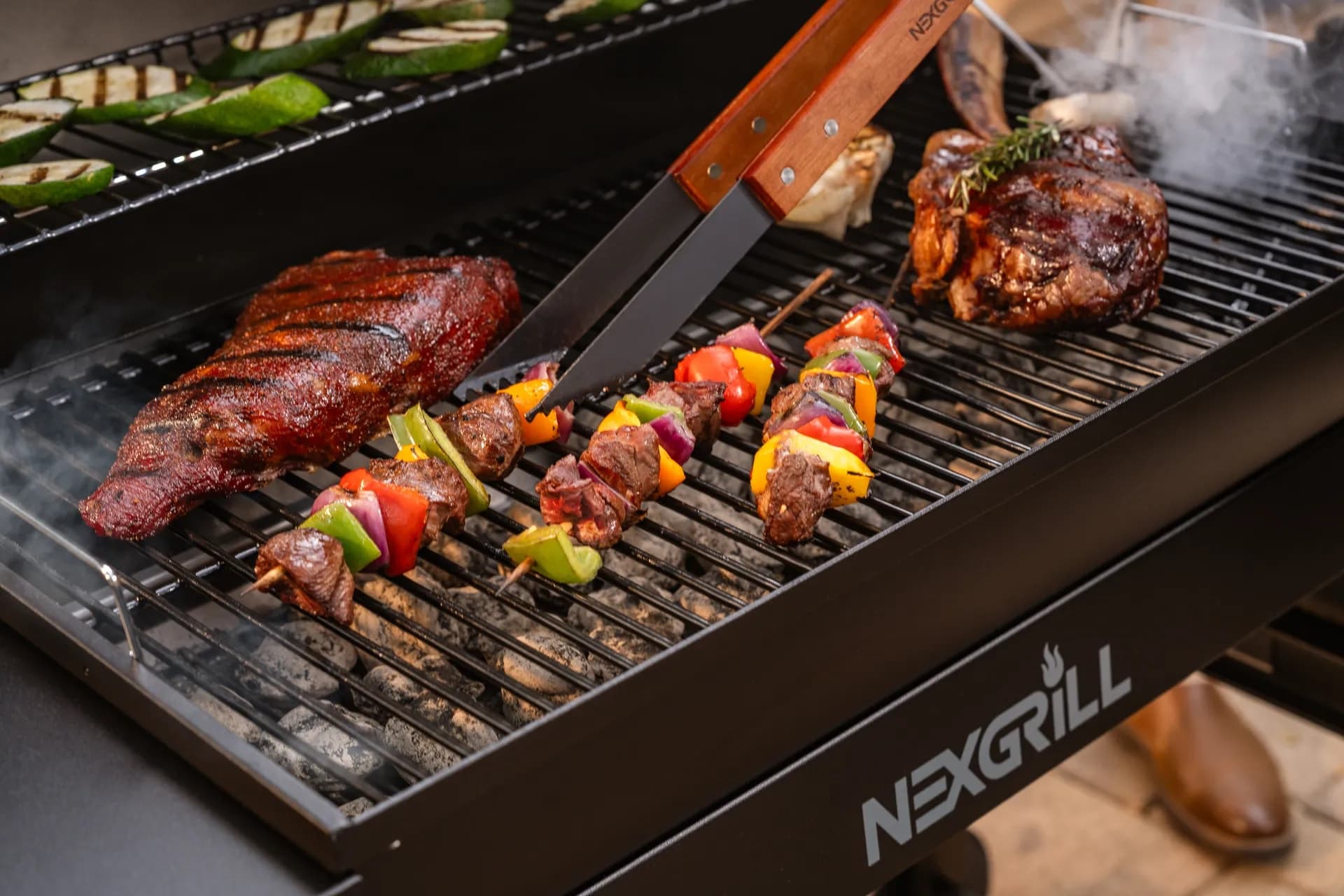
Step-by-step grilling recipes, cooking techniques, and meal ideas for every occasion and skill level.
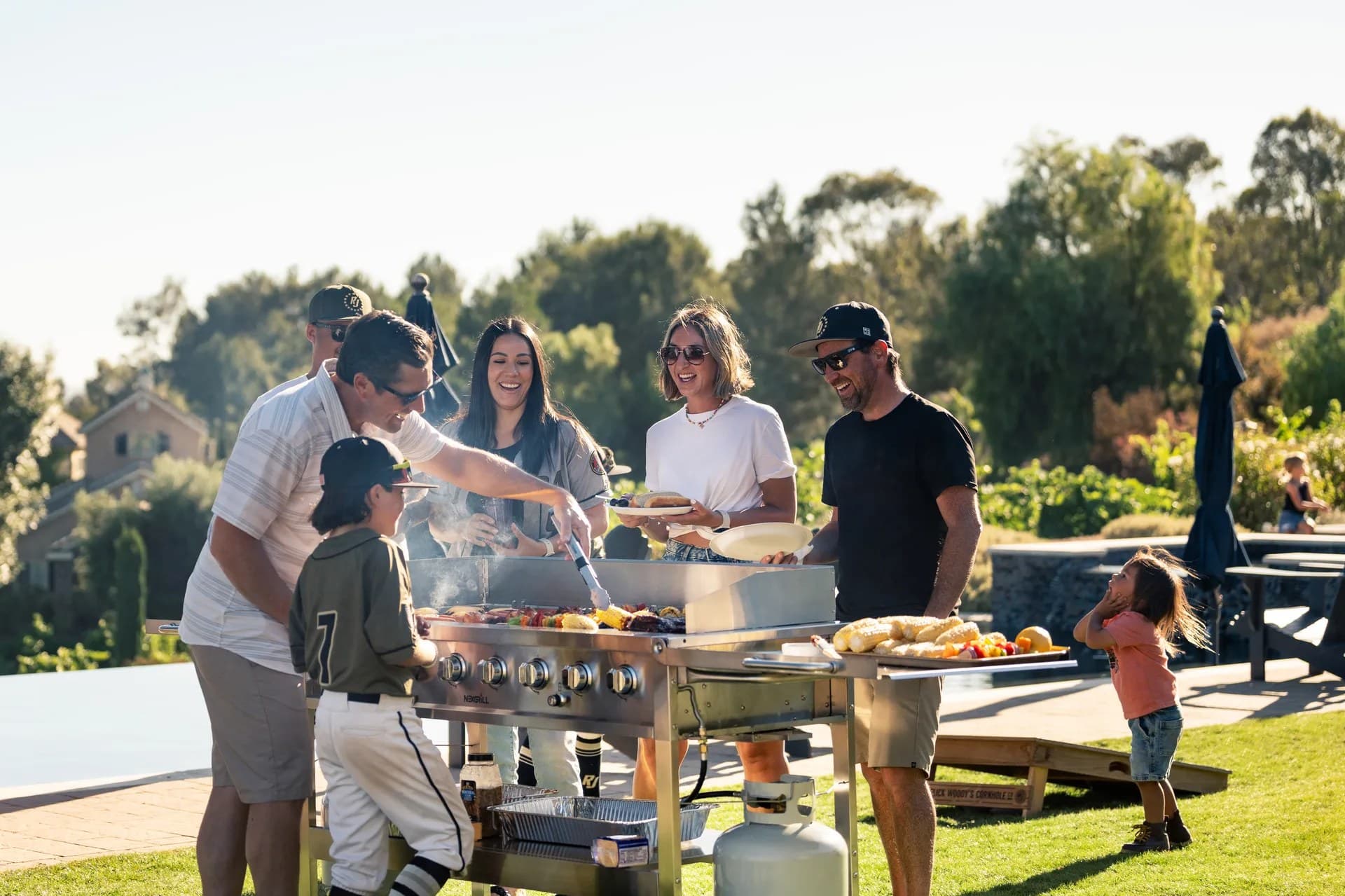
Backyard entertaining ideas, seasonal grilling inspiration, and stories that celebrate outdoor cooking culture.
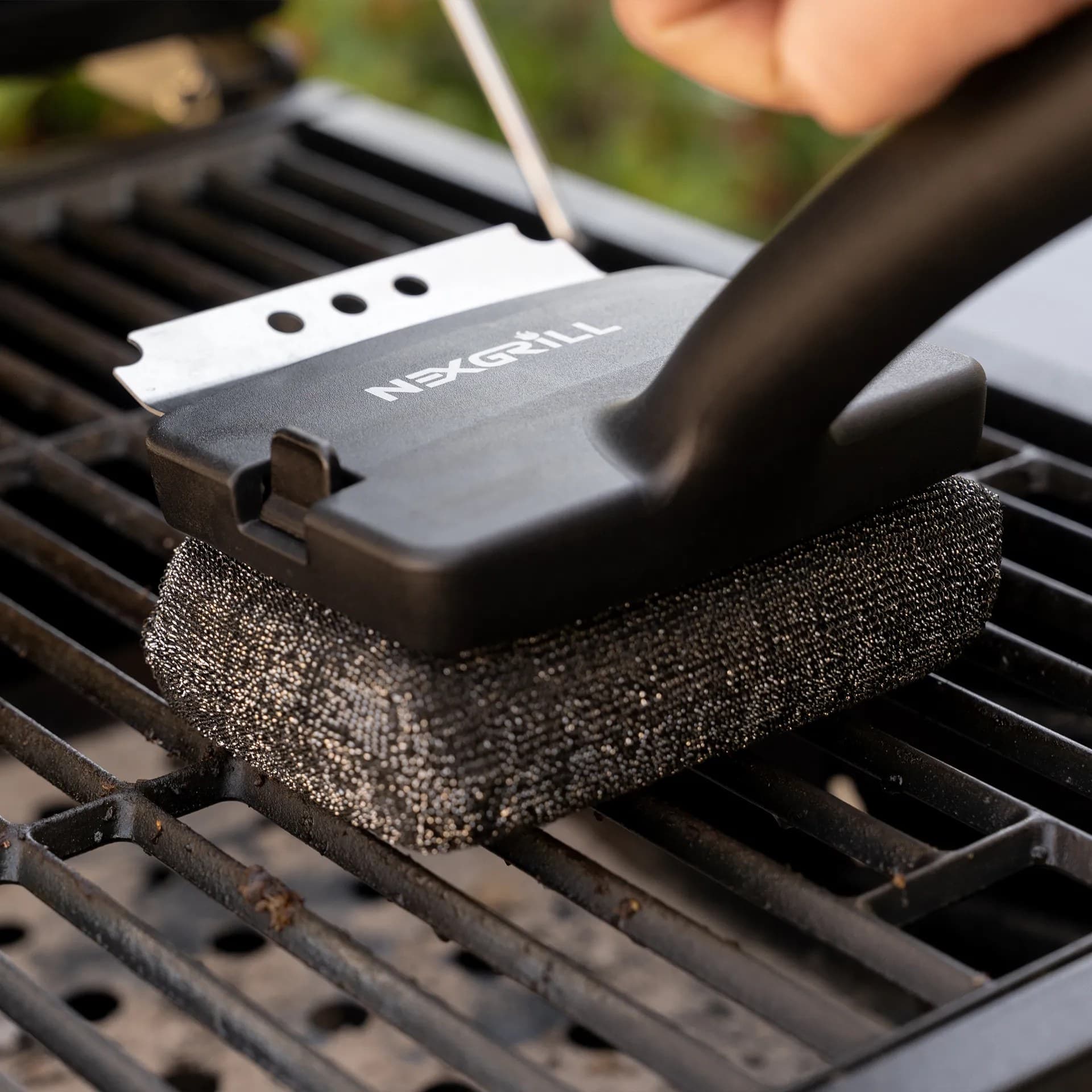
Helpful articles covering grilling tools, cookware, maintenance gear, and must-have accessories for outdoor cooking.
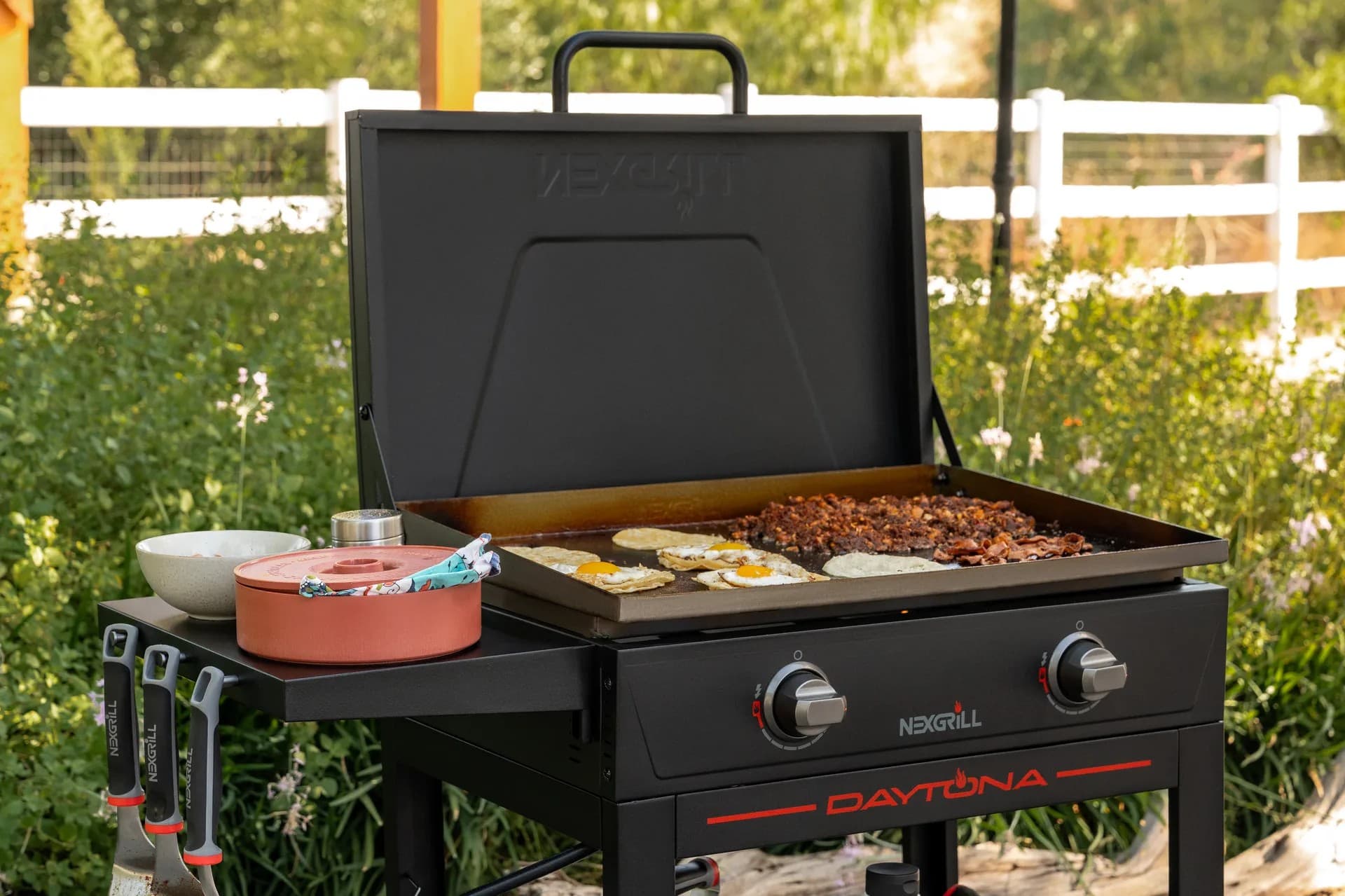
Find griddle recipes, cooking techniques, cleaning tips, and outdoor meal ideas designed for Nexgrill griddles.
Find answers to common questions
Nexgrill offers a variety of grills including gas, charcoal, and pellet grills, catering to different cooking preferences and styles.
Nexgrill is headquartered in California and serves a global market, primarily through retail partnerships such as Home Depot.
Yes, replacement parts are available for various Nexgrill products, and you can find them on the Nexgrill website or through authorized retail partners.
You can reach out to Nexgrill for support through their contact page on the website, where you will find options for phone and email inquiries.
Nexgrill products come with specific warranty terms, which can vary by product; it is recommended to check the warranty details on the product page or in the user manual.
In This Article
Built-In Grills
Outdoor Refrigerators
Side Burners
Choosing the best appliances for an outdoor kitchen starts with a simple question: how do you actually cook, serve, and clean outside? The answer is rarely “buy everything.” A well-planned outdoor kitchen should support the way your household entertains on weeknights, weekends, and special occasions. For some homeowners, that means a grill-centered setup with a refrigerator and storage. For others, it means a more complete cooking zone with a sink, side burner, and several integrated appliances that reduce trips back and forth to the indoor kitchen. The right mix depends on your space, your budget, and how often you want to cook outdoors.
The most useful outdoor kitchen appliances are the ones that solve a real workflow problem. A built-in grill gives you the main heat source. An outdoor refrigerator keeps ingredients and beverages close at hand. A side burner expands your cooking range so you can simmer sauces or blanch vegetables without leaving the patio. Sinks, storage, and specialty appliances add convenience, but they only make sense when they fit the way you plan meals. That is why the best outdoor kitchen is less about flashy extras and more about creating a reliable, weather-ready cooking station that feels natural to use.
Plan the appliance mix around movement: prep, cook, serve, and clean should happen with as few steps as possible.
Can do the work of an indoor kitchen when the appliances are chosen around flow, not just size.
If you are deciding what belongs in an outdoor kitchen first, start with the built-in grill. It is the anchor appliance because it defines the cooking style of the entire space. A built-in grill is designed to be integrated into a countertop or island, which makes it feel like part of the kitchen rather than a standalone item pushed into the yard. That integration matters because it creates a more permanent, organized workspace and makes it easier to build a natural cooking line with prep areas and storage nearby. In practical terms, it is the appliance most guests expect to see and the one you are likely to use most often.
When comparing built-in grills, think beyond burner count alone. Size, heat control, ignition reliability, and the materials surrounding the firebox all affect how easy it is to cook for different group sizes. A smaller built-in grill can be the right choice for a couple or a family that cooks casually, while a larger model makes more sense for frequent entertaining. The best version for your outdoor kitchen should be rated for outdoor use and built to withstand weather exposure, because heat, humidity, and seasonal temperature swings are much harder on appliances outside than inside. This is one reason appliance quality and cabinet integration matter just as much as raw cooking power.
A good built-in grill should also fit the way you serve food. If your gatherings are casual and fast-moving, prioritize quick ignition and responsive controls. If you like to cook multiple courses, look for a grill that supports distinct heat zones so you can sear proteins while gently warming vegetables. The best outdoor kitchens often treat the grill as the main stage, but not the only one; the other appliances exist to keep that stage running smoothly.
An outdoor refrigerator is one of the most underrated appliances in an outdoor kitchen because it changes the rhythm of cooking. Instead of running indoors for drinks, marinades, butter, or prepped vegetables, everything stays close to the grill. That convenience becomes even more valuable during long cookouts, when repeated trips inside break the flow of the meal and the conversation. Outdoor refrigerators are especially useful for hosts who entertain often, because they keep beverages cold and ingredients accessible without crowding the indoor kitchen.
The key is selecting a refrigerator built for outdoor use. Outdoor-rated models are designed to handle environmental exposure far better than standard indoor units. They are made with materials and insulation intended to cope with heat, moisture, and fluctuating temperatures. If you place an indoor refrigerator outside, even in a covered patio area, you risk premature wear and reduced performance. Outdoor refrigeration is a category where correct use matters as much as convenient placement, because the appliance is expected to perform in a much harsher environment.
Do not substitute an indoor refrigerator outdoors, even temporarily, unless the manufacturer specifically rates it for outdoor installation.
Capacity should be matched to how you entertain. A compact refrigerator may be enough for a small patio kitchen where drinks and a few ingredients are the main priority. A larger unit makes more sense if you store condiments, sauces, produce, and platters for regular gatherings. Door style, shelving layout, and temperature consistency are also worth considering because outdoor kitchens are about usability, not just storage volume. If guests can reach cold drinks easily, the appliance is doing real work. If you can stage ingredients beside the grill without clutter, it is helping the entire cooking process feel calmer and more organized.
Side burners are the appliance most homeowners overlook until they have used one. Then they become hard to imagine living without. A side burner extends your outdoor kitchen beyond direct grilling by giving you a place to simmer sauces, sauté aromatics, reheat sides, or manage foods that need a more controlled flame. This is especially useful when you are cooking a full meal outside and want the flexibility to handle a delicate sauce or side dish without stepping into the indoor kitchen. In that sense, side burners help an outdoor kitchen behave more like a complete cooking station.
The biggest advantage of a side burner is timing. Grilling is often a staggered process: one item finishes before another, or a sauce needs to stay warm while the main protein rests. A side burner gives you a separate temperature zone that can keep everything moving without creating chaos on the grill surface itself. It is also a practical choice for hosts who like to serve multiple dishes at once, because it prevents the main cooktop from becoming overcrowded. If your outdoor kitchen will be used for more than burgers and steaks, a side burner earns its place quickly.
| Side burner use | Best for | Why it helps |
|---|---|---|
| Sauce work | BBQ sauce, glaze, pan reduction | Keeps low-heat tasks separate from grilling |
| Side dishes | Beans, vegetables, corn, pasta | Lets the rest of the meal finish outdoors |
| Hot holding | Warm oil, broth, or finishing liquid | Improves pacing during larger gatherings |
Once you have weighed two appliance options against each other, the next question is how the whole kitchen moves. Layout and flow decide whether your outdoor kitchen feels efficient or cramped. The best designs separate the space into functional zones: hot cooking, cold storage, prep, cleanup, and staging. That approach matters because outdoor kitchens are exposed spaces, and every unnecessary step becomes more annoying when you are carrying raw ingredients, hot pans, or trays of food across a patio. A thoughtful layout keeps the grill central while placing the refrigerator, sink, and storage where they support the cook rather than interrupt the path.
In smaller spaces, the smartest move is usually to prioritize the appliances you will use every time and leave out the rest. A grill, refrigerator, and at least some storage can create a highly functional setup without crowding the area. In larger spaces, you can build a more complete workflow with a prep counter between the refrigerator and grill, then place the sink close enough for quick rinsing and cleanup. The goal is to reduce cross-traffic. If someone is grabbing drinks while another person is carrying a hot pan, the kitchen should still feel safe and intuitive. That is why appliance placement is as important as appliance selection.
A compact but well-zoned outdoor kitchen is usually more useful than a large space with poor appliance placement.
Durability is not a cosmetic detail in an outdoor kitchen; it is the difference between an appliance that holds up and one that turns into a maintenance headache. Since outdoor equipment faces sun, rain, humidity, and temperature swings, every material should be chosen with exposure in mind. Stainless steel is often preferred for visible appliance surfaces because it resists corrosion better than many untreated materials and is easier to wipe clean after cooking. Countertops, cabinetry, and framing materials should also be selected based on outdoor performance rather than indoor style alone. The best-looking material is not helpful if it warps, stains, or rusts after one wet season.
For buyers in the United States, climate should influence the material mix. Coastal environments bring salt air, which can be especially hard on finishes and fasteners. Hot, dry regions create strong UV exposure that can fade surfaces or overheat enclosed spaces. Wet or snowy climates demand excellent sealing and weather-resistant construction. That means an outdoor kitchen in Florida may need a different balance of finishes and protection than one in Arizona or the Midwest. If your appliances are rated for outdoor use and installed with ventilation and proper drainage in mind, they will have a better chance of staying reliable season after season.
Outdoor-rated materials and appliances are not optional in exposed climates; they are essential for longevity.
Smart technology can make an outdoor kitchen more convenient, but only when it supports the actual way you cook. Popular options include app-connected thermometers, lighting controls, and appliance monitoring features that help you track temperatures without hovering over the grill. These tools are especially helpful when you are multitasking between the grill, the side burner, and the prep area. Instead of guessing when the steak needs to come off, you can check progress from your phone or a nearby display. That kind of visibility matters more when you are hosting because the kitchen is not the center of attention for the whole evening.
The best smart features are simple, reliable, and easy to understand. A complicated interface can become a distraction, while a clean thermostat or thermometer system can improve confidence for newer cooks and save time for experienced ones. If you plan to integrate smart lighting or appliance monitoring, make sure the components are suitable for outdoor environments and installed in a way that protects wiring and connection points. Technology should make the kitchen easier to manage, not harder. It is most valuable when it reduces uncertainty during long cooks, evening entertaining, or multi-course meals.
Outdoor appliances last longer when maintenance is treated as part of the cooking routine, not as an occasional chore. Grills should be cleaned after use so grease and food residue do not build up and interfere with performance. Refrigerators need their vents, seals, and interior shelves kept clean so they can operate efficiently. Side burners should be checked for debris and kept dry when not in use. Sinks and faucets should be protected from standing water and winter freezing where relevant. These are not just cleanliness tasks; they are part of protecting a cooking investment that lives outdoors year-round.
Always follow the manufacturer’s care instructions for each appliance, especially before winter storage or extended periods of non-use.
A practical maintenance rhythm is easy to remember: clean after cooking, inspect monthly, and deep clean at the start and end of the season. That cadence helps catch small issues before they become expensive repairs. Covers help, but they are only part of the solution; they work best when appliances themselves are kept clean and dry. If you live in a region with heavy rain, intense sun, or freezing winters, plan for extra protection and seasonal checks. Outdoor kitchens are most enjoyable when they are ready to use without a long cleanup or repair session first.
Budgeting for an outdoor kitchen works best when you separate must-haves from nice-to-haves. The core investment usually starts with the grill, then grows with refrigeration, cleanup, and storage. From there, extras like side burners, specialty drawers, warming appliances, and smart controls can be added if your budget and space allow. A realistic budget should also include installation, ventilation, utility hookups, cabinetry, and weather protection, because the appliances themselves are only part of the total cost. Homeowners sometimes focus on the purchase price of the grill and are surprised by the cost of the surrounding infrastructure.
| Budget tier | Typical appliance mix | Best fit |
|---|---|---|
| Entry level | Built-in grill and basic storage | Casual cooks who want a clean, functional setup |
| Midrange | Grill, outdoor refrigerator, and side burner | Frequent entertainers who want convenience |
| Expanded | Full appliance suite with sink, storage, and smart features | Homeowners building a long-term outdoor cooking hub |
A good budget decision is one that protects quality at the center of the kitchen. If you need to trim costs, it is usually better to simplify storage or postpone specialty appliances than to choose outdoor equipment that is not built to last. Think in terms of long-term value: fewer replacements, less frustration, and a kitchen that remains usable in real weather.
The best appliances for an outdoor kitchen are the ones that make cooking outside easier, safer, and more enjoyable without overcomplicating the space. For most homeowners, that means starting with a built-in grill, then adding an outdoor refrigerator, a side burner, storage, and a sink only when they clearly improve the way the kitchen works. Smart technology and specialty appliances can be excellent additions, but they should support your habits rather than reshape them.
If you choose outdoor-rated appliances, plan the layout carefully, and budget for the full system instead of individual pieces, your kitchen will feel more cohesive and far more useful. Try comparing two products side by side below to see which fits best:
Here's what sets us apart
We position ourselves as delivering high-end outdoor cooking features and performance without premium-brand pricing, emphasizing “Quality Grills. Unbelievable Value.”
We offer gas grills, pellet grills, griddles, smokers, pizza ovens, portable/tabletop grills, electric grills, accessories, and replacement parts — allowing customers to stay within one ecosystem for all outdoor cooking needs.
We differentiate ourselves through smart grilling products like the Oakford smart pellet grill, including app-connected cooking controls and modern outdoor cooking technology.
Don't just take our word for it
Keep reading
From our catalog