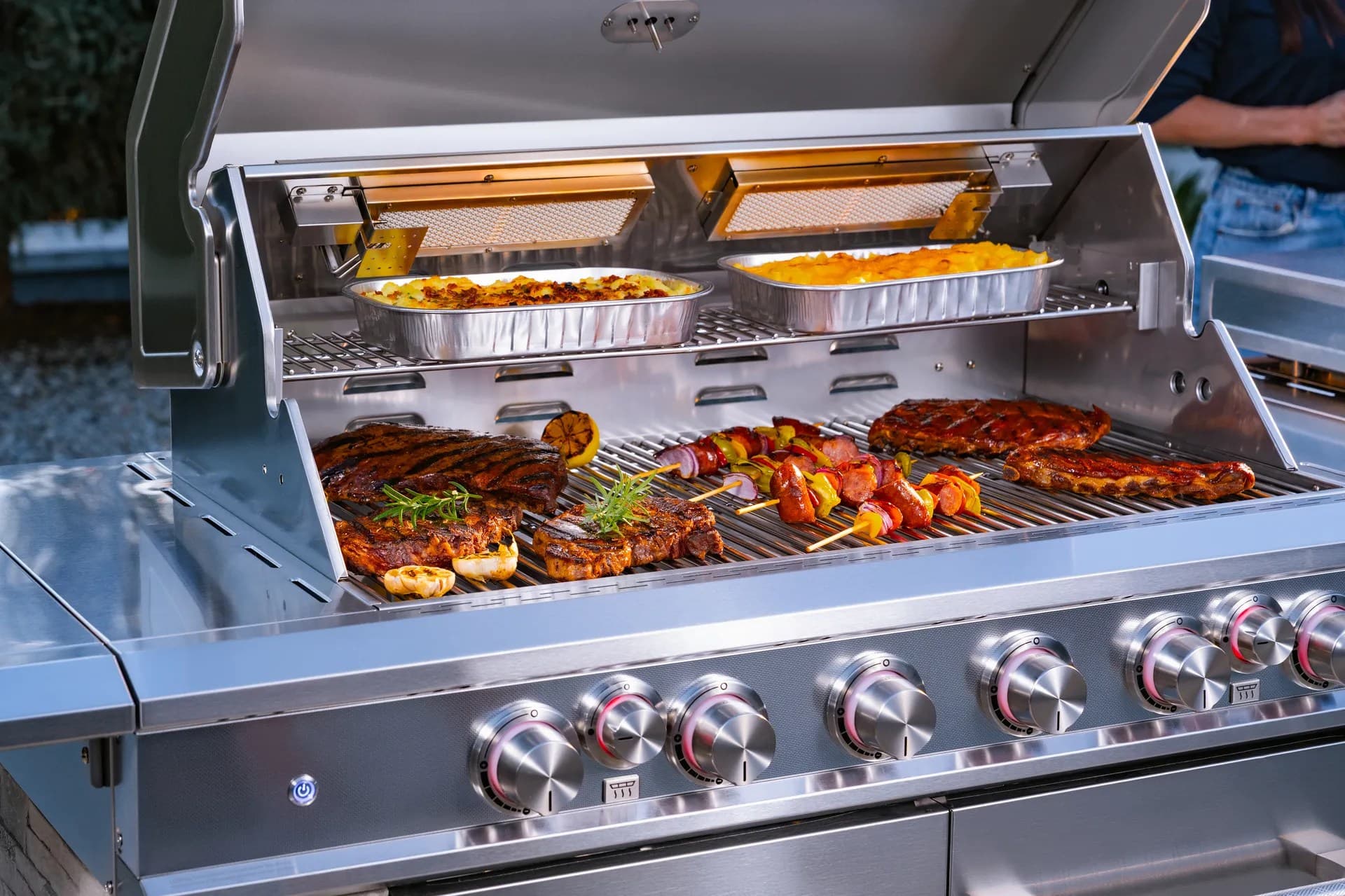
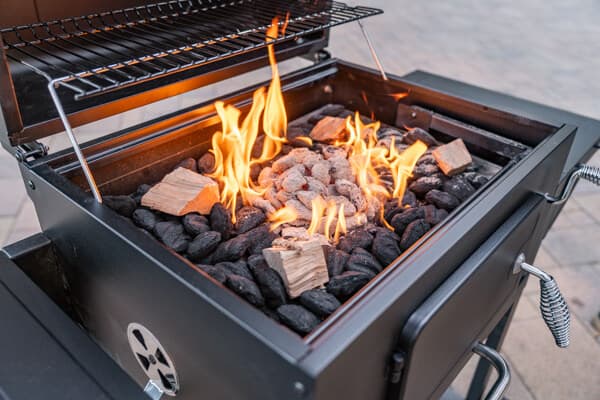
A comprehensive guide to selecting the ideal charcoal grill tailored to your cooking style and needs.
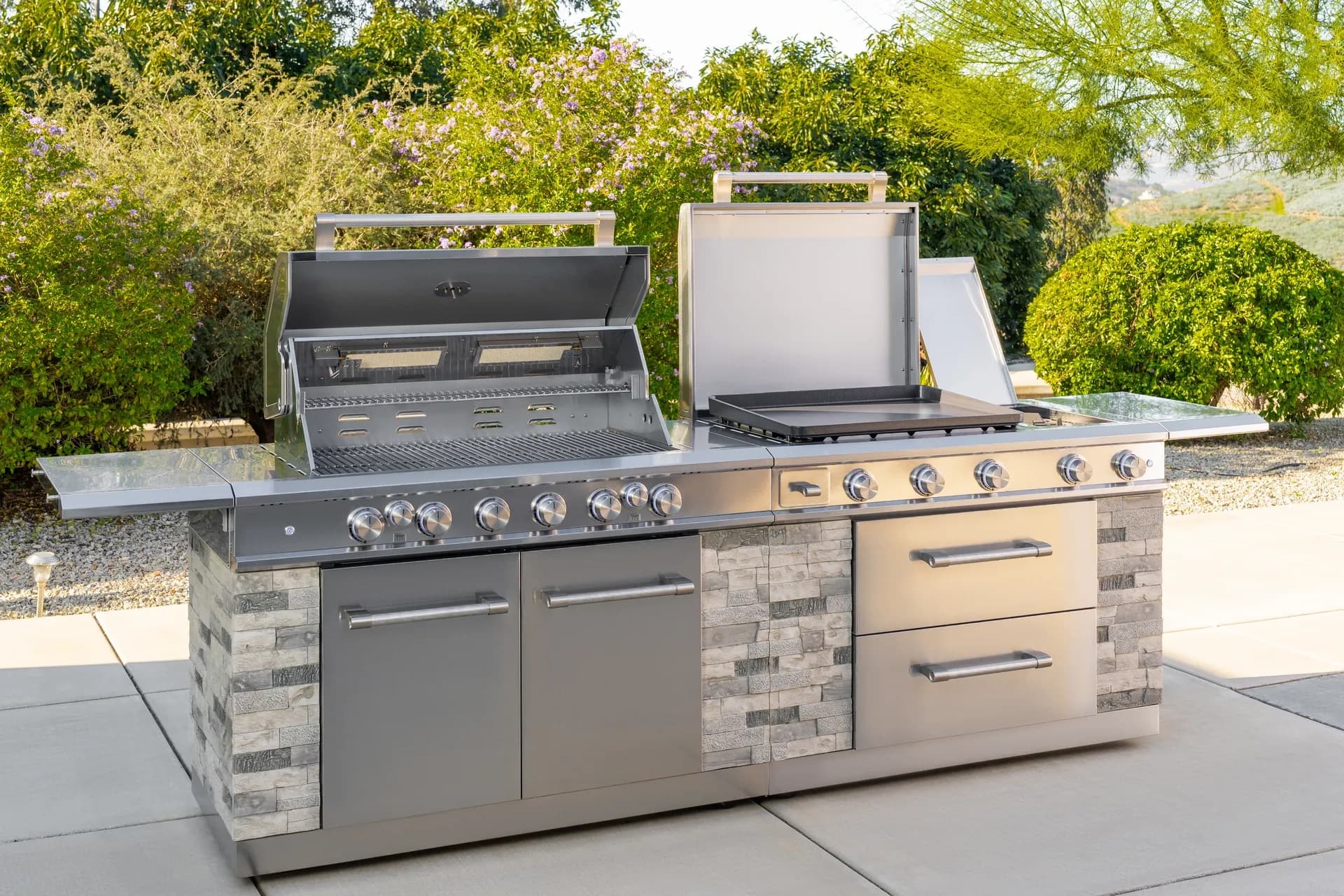
From sizzling breakfasts to smash burgers and teppanyaki-style dinners, the Daytona Pro 5 Burner NitroGuard™ Griddle delivers powerful heat, fast cooking, and a durable cooking surface built for every backyard cookout. Watch how easy outdoor cooking can be.
Here's what sets us apart from the competition
We position ourselves as delivering high-end outdoor cooking features and performance without premium-brand pricing, emphasizing “Quality Grills. Unbelievable Value.”
We offer gas grills, pellet grills, griddles, smokers, pizza ovens, portable/tabletop grills, electric grills, accessories, and replacement parts — allowing customers to stay within one ecosystem for all outdoor cooking needs.
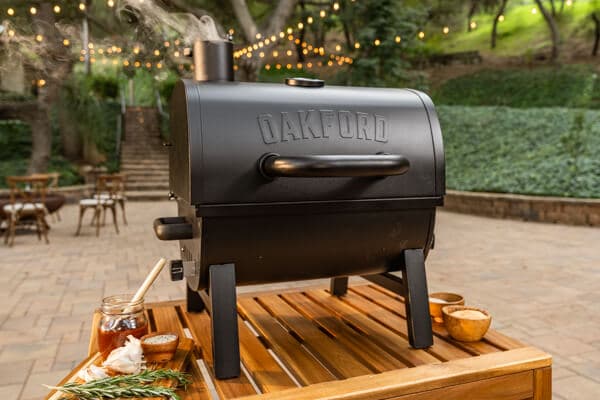
We differentiate ourselves through smart grilling products like the Oakford smart pellet grill, including app-connected cooking controls and modern outdoor cooking technology.
Expert tips, buying guides, comparisons, and inspiration for choosing and getting the most out of your grill.
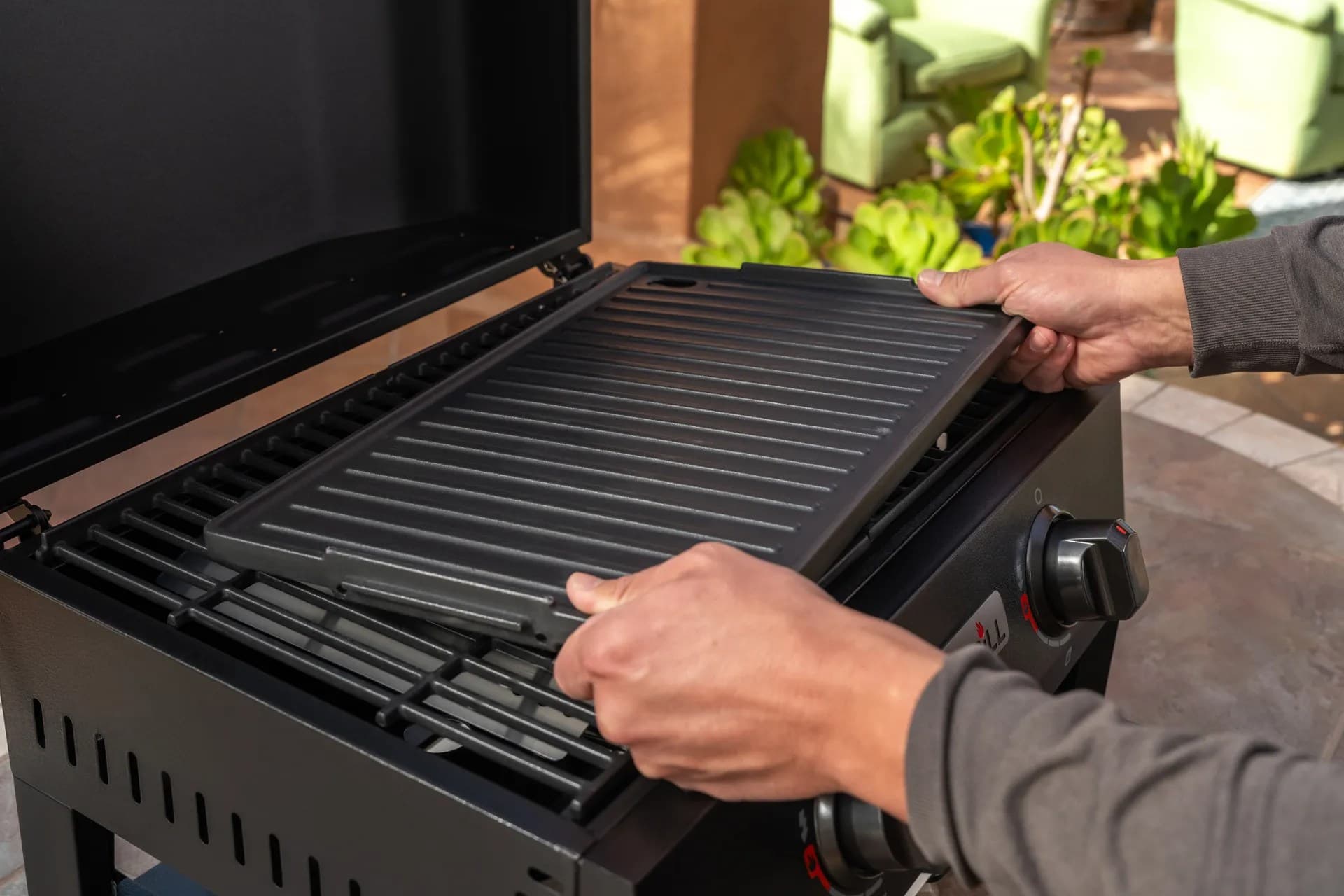
Practical guides for cleaning, maintenance, common grill issues, and performance optimization.
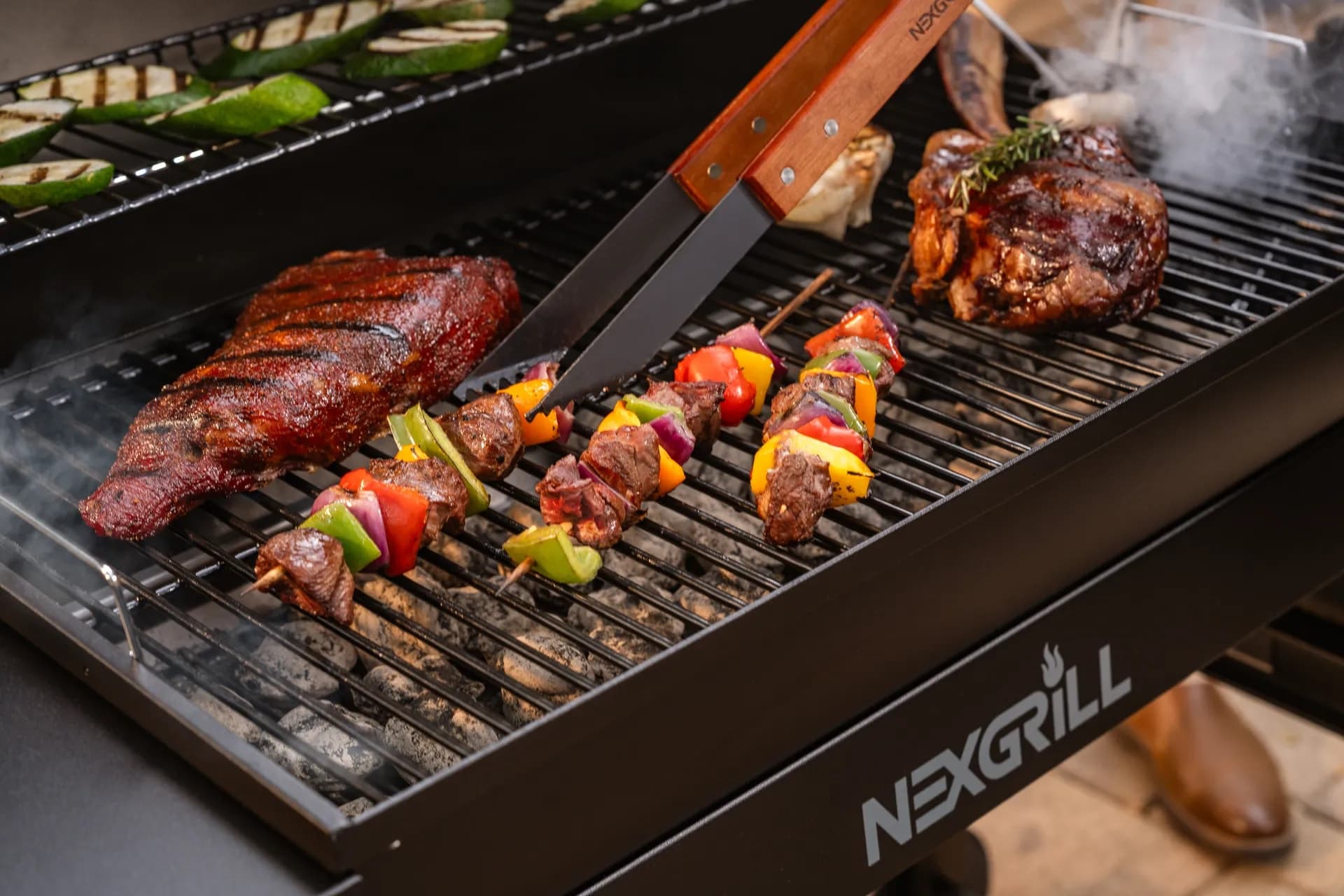
Step-by-step grilling recipes, cooking techniques, and meal ideas for every occasion and skill level.

Backyard entertaining ideas, seasonal grilling inspiration, and stories that celebrate outdoor cooking culture.
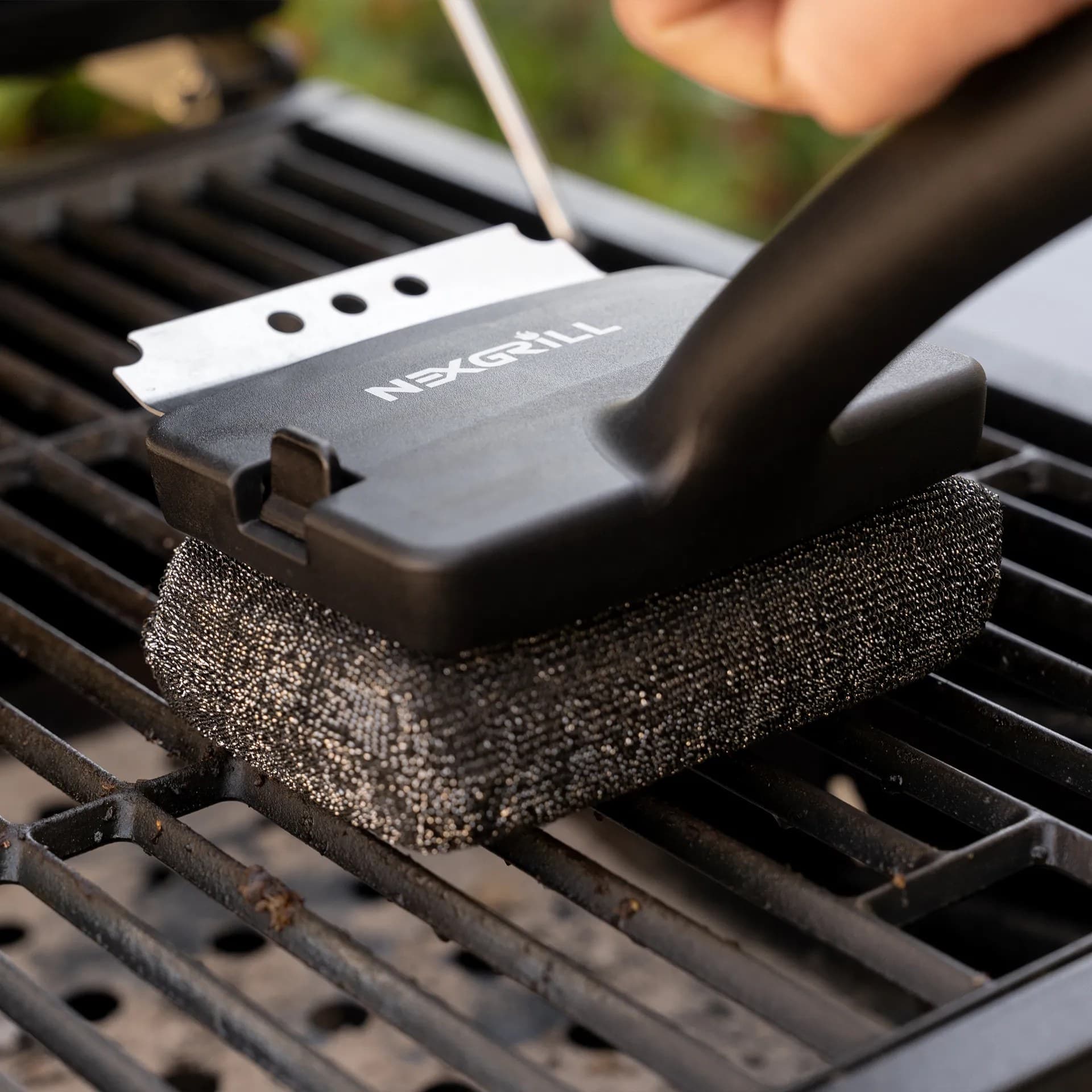
Helpful articles covering grilling tools, cookware, maintenance gear, and must-have accessories for outdoor cooking.
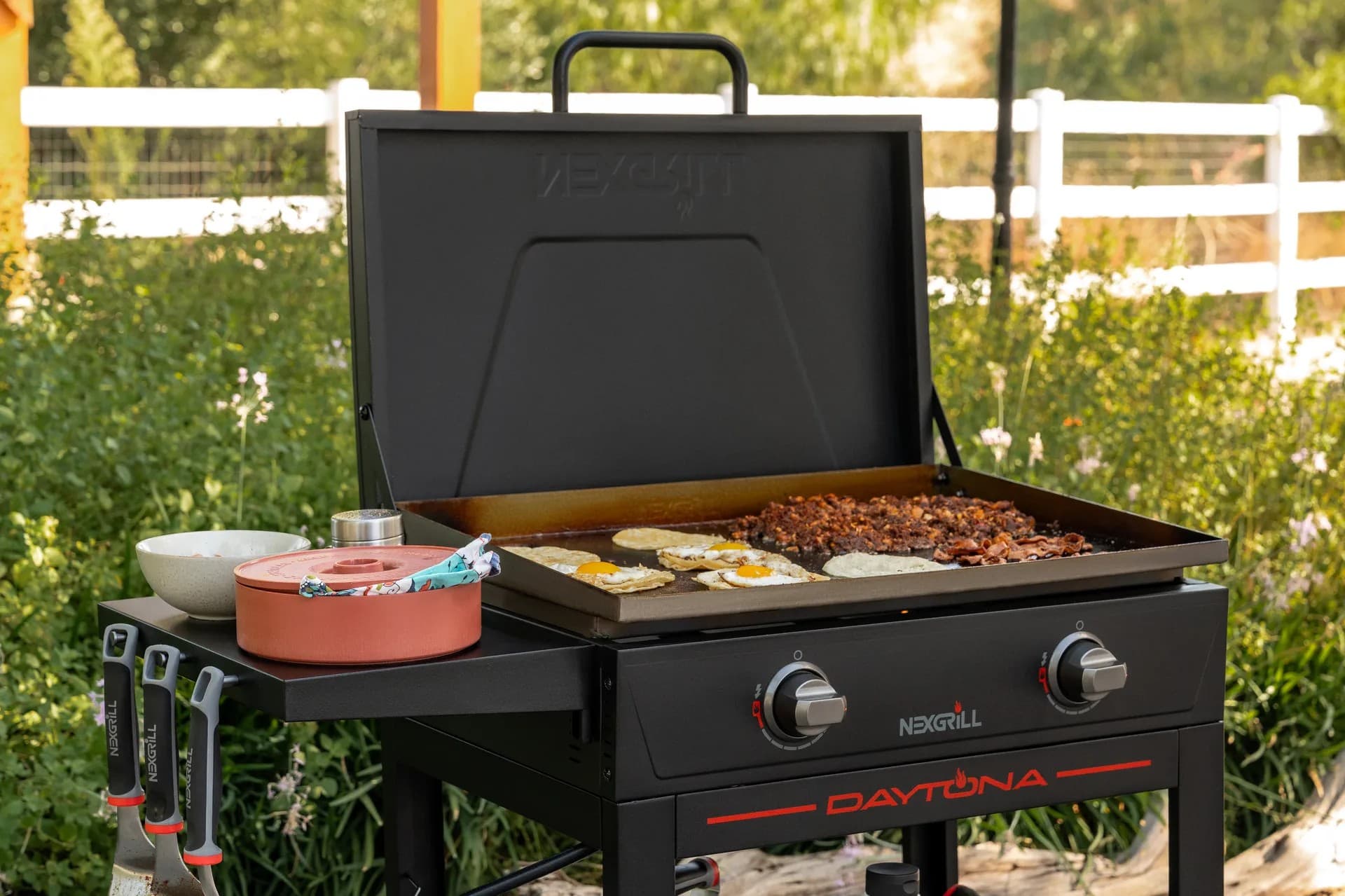
Find griddle recipes, cooking techniques, cleaning tips, and outdoor meal ideas designed for Nexgrill griddles.
Find answers to common questions
Gas grills provide instant heat and precise temperature control, making them easier to use. Charcoal grills offer a smoky flavor and high heat for searing but require more time to heat up and manage.
Pellet grills combine the convenience of gas with the flavor of wood, allowing for smoking, baking, and grilling. Traditional gas grills, however, are quicker to start and often easier to clean.
Charcoal grills typically reach higher temperatures quicker than gas grills, making them better for searing meat. However, high-quality gas grills can also provide adequate heat for effective searing.
Nexgrill offers models designed specifically for gas, charcoal, and pellets, allowing users to choose based on their cooking style and flavor preferences. Each type is built to optimize the characteristics of its respective fuel.
Choosing between gas and charcoal grills depends on your cooking preferences and lifestyle. If you value convenience and quick cooking, a gas grill may suit you better; if you prefer the taste and experience of traditional grilling, a charcoal grill would be ideal.
In This Article
Grill Types
Size and Capacity
Material and Durability
Choosing a charcoal grill is less about buying a piece of outdoor equipment and more about deciding how you want your backyard cooking to feel. Charcoal grilling has a different rhythm from gas grilling: you light the fire, wait for the coals to ash over, learn where the hot spots sit, and cook with intention. For many people, that ritual is the appeal. It creates a meal that feels earned, whether you are searing burgers for a weeknight dinner or tending ribs for a long weekend cookout. If you are deciding how to choose a charcoal grill, the best starting point is to think about the kind of experience you want every time you step outside.
The right charcoal grill should fit your style, not force you to adapt to a setup that is too small, too flimsy, or too complicated for your routine. A beginner may want a straightforward kettle-style grill that heats predictably and teaches the basics of fire management. An experienced griller may prefer a heavier-duty cart-style model with more surface area, adjustable charcoal trays, and better airflow control. In both cases, the goal is the same: steady heat, usable cooking space, and a body that can hold up through seasons of use.
A charcoal grill is easiest to enjoy when it matches your real cooking habits. Buy for the meals you actually make, not the largest size you think you might someday need.
Core decisions matter most: grill type, cooking capacity, and material quality.
This guide takes a practical, experience-based view of charcoal grill shopping. Instead of chasing a single “best” option, it helps you compare the factors that actually shape day-to-day satisfaction: how easy it is to light, how well it holds heat, whether it gives you enough room for family meals, and how much maintenance it will require after the smoke clears. A compact charcoal grill can be perfect for a couple that grills burgers and vegetables on weekends, while a larger barrel-style or cart-style design may be better for hosting friends, cooking chicken and sides at the same time, or running longer indirect cooks.
If you are new to charcoal, think of the learning curve as part of the reward. Once you understand airflow, fire placement, and lid position, charcoal cooking becomes much easier to control than many first-time buyers expect. The best charcoal grill makes that learning curve manageable by giving you solid vents, a durable grate, and a shape that naturally supports both direct and indirect heat. That is why choosing thoughtfully matters: the grill you bring home can either make charcoal feel approachable or turn every cook into a frustration.
Charcoal grills come in a few common forms, and each one creates a different cooking experience. The classic kettle grill is probably the most recognizable. Its round shape promotes efficient heat circulation, and its compact footprint makes it a smart choice for smaller patios, beginners, and cooks who want straightforward control. Kettle grills are especially useful if you like burgers, chicken, vegetables, and smaller roasts because they respond well to both direct heat and two-zone fire setups. A simple kettle can teach you nearly everything you need to know about managing charcoal without overwhelming you with extra parts.
Barrel-style charcoal grills usually offer more cooking area and a longer firebox, which makes them appealing to families or anyone who likes to cook multiple items at once. Their shape can be very effective for indirect cooking, especially when you need room for larger cuts like pork shoulders, whole chickens, or racks of ribs. If your weekends often involve feeding a crowd, a barrel-style design can feel less cramped and easier to organize than a smaller round grill. Some models also make it easier to shift charcoal from one side to another, which helps when you want one high-heat zone and one gentler zone on the same grate.
Cart-style charcoal grills add convenience and workspace. They often sit higher, roll more easily, and include side shelves or lower storage areas. For people who use a grill frequently, this matters more than it sounds. A shelf gives you somewhere to hold a tray of seasoned chicken, a bowl of vegetables, or tongs and thermometers while you work. Cart-style grills are a strong choice if you see grilling as a regular part of outdoor cooking rather than an occasional weekend activity. They also tend to feel more stable and more comfortable to use for longer sessions.
| Type | Best for | Trade-off |
|---|---|---|
| Kettle | Beginners, smaller patios, everyday burgers and chicken | Less capacity for large crowds |
| Barrel-style | Indirect cooks, larger meals, longer smoke sessions | Takes more space |
| Cart-style | Frequent use, better workspace, easier mobility | Usually heavier and less portable |
One useful way to narrow the choice is to picture your typical Saturday. If you mostly cook for two to four people and like simple meals, a kettle-style setup is often enough. If you often host neighbors, prepare multiple foods at once, or want room for indirect cooking, a larger barrel or cart-style grill may be a better fit. The best choice is the one that makes the cooking process smoother before the first bite is served.
Size is one of the easiest factors to underestimate and one of the hardest to fix later. A charcoal grill that looks roomy in a product photo may feel crowded once you place burgers, corn, and chicken on the grate at the same time. When comparing sizes, think in terms of food flow rather than just dimensions. How many steaks do you cook at once? Do you need space for a charcoal bank on one side and food on the other? Will you cook only for your household, or are you the person everyone expects to host when the weather turns good?
For a household of one to three people, a compact grill can be ideal. It heats faster, uses less charcoal, and is easier to store or cover after use. For families of four to six, a mid-size grill usually gives a better balance of flexibility and footprint. If you regularly entertain eight or more guests, larger cooking surfaces and stronger airflow control start to matter more because they let you move food around without losing temperature stability. What matters is not the biggest grate available, but the grate that lets you cook your usual meal comfortably without constant rearranging.
A grill that is too large for your routine can waste fuel and make temperature control harder. Bigger is only better when you will actually use the extra space.
Cooking capacity also depends on how the grate is shaped and how much room you have above it. A deeper body can support better indirect cooking because food is farther from the coals and heat can circulate more evenly. A wider grate may be better for direct grilling because it lets you spread out food and reduce crowding. Some buyers compare only square inches, but usable square inches are what matter. A poorly arranged large grate can be less efficient than a smaller one with smarter heat zoning.
If you are deciding between two sizes, ask yourself whether you tend to cook in batches. If you find yourself grilling first one round of food and then another, you may benefit from a larger model. If you prefer to cook everything together, capacity becomes more important. Charcoal grills with height-adjustable grates or flexible coal layouts can also stretch a mid-size grill further by allowing you to choose whether the fire sits closer to or farther from the food.
A practical example helps: a couple who mostly makes burgers, sausages, and vegetables on weeknights may be perfectly served by a compact kettle. A family that rotates between chicken halves, ribs, and corn for summer gatherings will likely be happier with a larger barrel-style or cart-style grill. In both cases, the right size is the one that supports the way they cook most often, not the one that looks most impressive on the porch.
Durability is where many charcoal grills separate into short-term purchases and long-term backyard fixtures. Charcoal creates intense heat, ash, grease, and repeated temperature swings, so the grill body has to handle more abuse than a casual glance suggests. Thick steel bodies often retain heat better and feel more stable during long cooks. Thinner materials may lower the price, but they can also be more prone to warping or faster wear if the grill is used often and stored outdoors.
Look closely at the cooking grate as well. Cast iron grates hold heat well and can create strong sear marks, but they require more care to prevent rust. Stainless steel grates are easier to manage and generally better for cooks who want lower-maintenance ownership. The same idea applies to hinges, handles, ash management systems, and wheels. Small parts matter because they are touched every time you cook. A grill with a solid lid handle, smooth-moving vents, and sturdy legs will feel better to use over time than a model that flexes or rattles when moved.
Heavier construction usually makes temperature control easier, especially on windy days or during longer cooks.
For buyers weighing value against lifespan, the key question is how often the grill will be exposed to weather. If it will live on an uncovered patio, durability matters even more because moisture and sun exposure shorten the life of lower-quality finishes. Powder-coated steel, stainless steel accents, and tight-fitting lids can all help protect the grill body, though the best protection is still regular cleaning and cover use. A grill that is built to handle outdoor conditions gives you more confidence to leave it set up and ready for the next cook instead of treating it like fragile equipment.
One useful habit is to judge durability in layers. First, inspect the body and lid. Second, look at the grate and coal system. Third, evaluate the moving parts. If all three feel sturdy, the grill is more likely to age well. This is especially important for charcoal grills because heat does not simply warm the metal; it repeatedly stresses it. Over time, small weaknesses become very visible.
The best charcoal grill is not defined only by the firebox. Everyday convenience can transform how often you use it. Adjustable dampers are one of the most valuable features because airflow controls temperature. A grill that responds clearly to vent changes is easier to learn and more satisfying to use, especially if you want to move from high-heat burgers to slower-cooked chicken or ribs. A built-in thermometer can help, though it should be treated as a guide rather than the final word; many experienced grillers still use a separate probe for accuracy.
Other features that matter include ash management, lid shape, side shelves, tool hooks, and wheel quality. Ash management is especially important because leftover ash can block airflow and make cleanup a chore. If the grill has a removable ash catcher or easy-access tray, you will likely use it more often and maintain the grill better. Side shelves are useful when you need to stage food or rest tools, while sturdy wheels matter if you roll the grill out for use and then move it back under cover. These details may seem minor, but they have a big impact on whether charcoal grilling feels smooth or messy.
Accessories can also change the type of cooking you do. Charcoal starters make ignition easier for beginners and reduce the temptation to overload lighter fluid. A chimney starter is especially practical because it gives you a more even coal bed and a repeatable lighting process. Heat-resistant gloves, long tongs, a quality grill brush, and a good thermometer are not extras in the usual sense; they are part of using charcoal well. If you plan to cook indirectly, a drip pan and heat-safe gloves become even more useful.
For beginners, the most useful accessory is often a chimney starter. It simplifies fire building and helps you avoid unevenly lit charcoal.
If you are comparing models with very different feature sets, decide which items you will genuinely use. A roomy shelf and good airflow control can be more valuable than decorative accents or oversized branding. Likewise, a simple, well-built grill with practical accessories often delivers better everyday satisfaction than a feature-heavy model that is awkward to maintain. The goal is a setup that makes you want to cook more often.
Charcoal grills reward routine care. Because ash and grease naturally build up, a few simple habits can make a noticeable difference in how well the grill performs over time. After each cook, remove ash once the grill is fully cool. Ash left sitting inside the firebox can trap moisture and accelerate corrosion. Wipe down the grate, brush off residue, and empty drip areas if your model has them. This keeps airflow open and helps the grill light more evenly next time.
Seasonal care is just as important. Check vents to make sure they move freely, inspect fasteners and handles for loosening, and look for rust at seams or around contact points where heat is strongest. If you notice surface rust early, address it before it spreads. Keeping the grill covered when not in use can dramatically reduce weather exposure, especially if your patio gets rain, humidity, or strong sun. A cover is not a luxury item; for many charcoal grills, it is one of the best ways to protect your investment.
Beginners sometimes worry that charcoal grilling is high-maintenance, but the routine is manageable once it becomes habit. Clean after use, store the grill dry, and avoid letting ash sit for days. If you cook often, deep cleaning every so often helps remove grease in hard-to-reach areas and keeps the grill smelling fresh rather than stale. It also lets you spot wear before it becomes a bigger problem.
Good maintenance is not about perfection. It is about consistency: empty ash, clean grates, inspect vents, and protect the grill from the weather.
If you want a grill that stays enjoyable for years, choose one you can realistically care for. A complex design with hard-to-reach corners may look impressive, but it can be harder to keep in good shape. Simpler designs often age better because they are easier to clean and inspect. That is one reason many experienced grillers value practical construction as much as cooking performance.
The best way to choose a charcoal grill is to match the grill to your cooking life, not to a trend or a one-size-fits-all checklist. Start with the experience you want, then narrow the field by grill type, size, material quality, and features that truly support your routine. A beginner may do best with a compact kettle that teaches fire control clearly. A frequent host may need a larger barrel-style or cart-style grill with stronger durability and more workspace. Either way, the right grill should feel like a natural part of your backyard, not another difficult appliance to manage.
If you are weighing two final choices, compare how each one handles heat, how much food it can comfortably hold, and how much upkeep it will demand after the meal. That final side-by-side view often makes the answer obvious. Try comparing two products side by side below to see which fits best.
Once you've weighed two options against each other, it becomes easier to see that choosing a charcoal grill is really about choosing a cooking routine. One grill may promise more space, another may feel better built, and a third may be simpler to clean after the meal. Those differences matter because charcoal grilling is hands-on by nature. You are managing fire, airflow, and timing, so the grill itself should make those tasks intuitive rather than distracting. The best purchase is the one that supports the kind of backyard cooking you actually enjoy, whether that means quick burgers after work, slow-smoked ribs on a Saturday, or a summer evening spent cooking for friends.
Charcoal also has a uniquely sensory appeal that keeps many people coming back to it. The lighting process, the smell of the coals, and the way food develops flavor over open heat create a different kind of satisfaction than turning on a gas burner. That tradition is part of the charm, but tradition alone is not enough to justify a purchase. A smart charcoal grill choice balances that experience with practical concerns like body thickness, airflow, grate size, and cleanup. If you get those details right, charcoal becomes easier to use and more rewarding over time.
The easiest charcoal grill to enjoy is the one that fits your space, your patience level, and the way you cook on an ordinary weekend.
It also helps to be realistic about your learning curve. New charcoal grill owners often improve quickly once they understand that the fire is a tool, not an obstacle. Small changes in vent position, charcoal layout, and lid use can have a big effect on the final result. Experienced grillers already know this, but they usually look for a different kind of value: how consistently a grill holds heat, how cleanly it manages ash, and how comfortable it is during longer cooks. That is why this guide keeps returning to the same theme: the best grill is the one that makes good habits easier.
The shape and layout of a charcoal grill influence how you cook almost as much as the coals themselves. Kettle grills are the classic entry point for a reason. They are efficient, familiar, and surprisingly capable when you set them up well. A good kettle can sear steaks, roast chicken, smoke small cuts, and handle a family dinner without feeling complicated. For many people, the appeal is that it teaches the fundamentals in a clean, simple package. If you want a charcoal grill that encourages learning rather than creating obstacles, the kettle format is hard to beat.
Barrel-style charcoal grills are better suited to cooks who need more room and flexibility. Their longer body can support larger charcoal arrangements, which is useful for indirect cooking or for meals where some foods need a hotter zone than others. If you often cook split chickens, pork shoulder, sausages, vegetables, and bread at the same time, a barrel-style grill can be more forgiving because it gives you room to arrange the food logically. That extra space also helps when you want to move items around without losing your temperature plan.
Cart-style charcoal grills are often the most comfortable for regular use. Their elevated position can reduce bending, and the added shelves make prep and plating easier. For people who grill frequently, that ergonomic improvement matters more than buyers often expect. A cart-style design can turn grilling from a quick task into a more fluid cooking process, especially when you are carrying trays, seasoning ingredients, or checking food repeatedly. In real use, convenience can become the feature that matters most.
| Grill type | Where it shines | Potential drawback |
|---|---|---|
| Kettle | Simple setup, even heat, compact footprint | Limited room for larger gatherings |
| Barrel-style | Indirect heat, larger meals, flexible charcoal placement | Can be bulky on small patios |
| Cart-style | Comfort, shelf space, frequent use | Heavier to move and store |
When comparing these styles, think about how much you want the grill to disappear into the background versus become the center of the backyard. A compact kettle may be the best choice if you want fast setup and easy storage. A larger cart-style grill may be better if you value comfort, prep space, and a more permanent outdoor cooking station. Barrel-style designs sit in the middle for many buyers, offering serious cooking room without quite as much footprint as some cart setups. None of these choices is inherently better; they simply match different rhythms of use.
Grill size should be judged by how your meals happen in practice. If you are usually cooking for one or two people, a small grill can be a virtue because it heats quickly and keeps the charcoal bed manageable. If your cookouts tend to involve four burgers, a tray of vegetables, and maybe some chicken thighs or wings, a mid-size grill gives you enough room to separate foods by heat level. If you frequently feed a group, then capacity becomes less about luxury and more about control. A crowded grate forces you to choose between overhandling food and undercooking it.
There is also a difference between total surface area and usable capacity. A grill with a broad grate can still feel cramped if the firebox layout makes it hard to create zones. For example, direct heat is great for searing steaks, but indirect heat is essential for thicker cuts and longer cooking times. The best charcoal grill lets you create both conditions without awkward improvisation. If the body is wide enough to bank coals on one side and leave the other side open, you gain a lot of versatility from the same footprint.
Do not buy the biggest grill just because it sounds future-proof. Oversized grills can be harder to light evenly, use more charcoal, and demand more cleanup.
Practical size decisions often show up in simple weekend scenarios. A parent grilling dinner after a baseball game may want a smaller setup that lights quickly and cooks predictably. Someone hosting a holiday cookout may need a larger body that can hold ribs on one side and vegetables or buns on the other. The right size is the one that lets you cook without constant shuffling. If you find yourself saying, “I just need a little more room,” that is a clue the current size is too tight. If you rarely fill the grate, a smaller model may be the smarter, more efficient choice.
One final consideration is physical footprint. A grill that fits your cooking needs but crowds your patio will become annoying to use. Leave room for safe movement, staging plates, and opening the lid fully. That practical breathing room is part of the real capacity equation because grilling is easier when you are not navigating around tight corners or bumping into furniture.
Material quality has a direct effect on how a charcoal grill feels after a month, a season, and a few years of use. Charcoal generates a lot of stress through high temperatures and repeated cooling cycles, so thin metal can wear out quickly if the grill is used often. Heavier steel bodies generally hold heat better, which can make them easier to control and more comfortable to cook on in breezy conditions. They also tend to feel more stable, which matters when you are opening the lid, adjusting vents, or moving food around the grate.
The cooking grate deserves close attention. Cast iron provides strong heat retention and can improve searing, but it asks for more care to prevent corrosion. Stainless steel is easier to live with, especially for cooks who want a balance of durability and manageable upkeep. The same thinking applies to handles, hinges, side shelves, and wheels. Those components may seem secondary, but they affect the experience every time you use the grill. A sturdy handle and smooth lid motion create confidence; a loose hinge or wobbly cart does the opposite.
If the grill stays outdoors, finishes, fasteners, and ash handling become far more important.
Long-term durability also depends on how easy the grill is to clean and protect. Designs that allow ash to collect neatly and be removed without fuss are usually easier to keep in good condition. Covers help reduce moisture and sun damage, but they work best when paired with basic cleaning habits. A grill that is easy to service is more likely to stay attractive and functional because you will actually keep up with it. That is one reason experienced buyers often lean toward practical construction over flashy details.
If you are comparing two models with similar cooking space, material quality can be the deciding factor. A heavier lid, sturdier body, and better-finished grate may cost more up front, but they often improve heat stability and shorten the list of frustrations later. Think of durability as a performance feature, not just a protection feature. It influences cooking consistency as much as it influences lifespan.
Useful features in a charcoal grill are the ones that make fire management less guesswork and more repeatable. Air vents are a prime example. Charcoal responds directly to airflow, so well-designed vents give you more control over heat intensity and cooking speed. If a grill reacts predictably when you open or close the vents, it will be easier to learn and easier to trust. A built-in thermometer can be helpful too, especially for beginners, but it works best as one input rather than the only measurement you use.
Storage and staging features matter more than many buyers expect. Side shelves create landing space for trays, seasonings, and tools. Tool hooks keep tongs and brushes where you can reach them. Lower shelves or cabinets can help keep charcoal, gloves, and cleaning supplies together. If you grill often, these little conveniences reduce the friction between deciding to cook and actually getting started. The same is true for wheel quality. A grill that moves smoothly is more likely to be used and stored properly.
The most practical accessories are usually the ones that improve lighting, temperature awareness, and cleanup. A chimney starter helps produce a more even coal bed and gives beginners a cleaner way to start the fire without excessive lighter fluid. Long-handled tongs and heat-resistant gloves make it safer to rearrange coals or move food. A reliable thermometer is especially useful for thicker cuts because charcoal can look steady even when the internal temperature of the food is still changing.
If you are new to charcoal, prioritize a chimney starter, good gloves, and a thermometer before spending on decorative extras.
A thoughtful accessory setup can also change how ambitious your cooks become. Once you are comfortable with direct grilling, you may want to try indirect roasting or small smoke sessions. In those cases, the accessories that matter most are the ones that support repeatability: a probe thermometer, a steady rack, and an easy way to manage charcoal placement. The more consistent your setup, the more confidence you gain moving from basic grilling to longer, more deliberate cooks.
A charcoal grill lasts longer when care is part of the routine rather than an occasional rescue operation. After each cook, let the grill cool fully, remove ash, and clear the grate of residue. Ash left in the bowl or firebox can hold moisture and lead to corrosion over time. Cleaning after use also makes the next lighting easier because airflow is less restricted. This simple habit is one of the biggest differences between a grill that performs well for years and one that slowly becomes harder to use.
Every few uses, inspect the vents, grate, and fasteners. Vents should move freely because they are the primary control for heat. Grates should be cleaned thoroughly enough that food does not pick up stale residue. Fasteners, handles, and hinges should feel secure. If you notice rust or buildup, address it promptly rather than waiting for the issue to spread. Small maintenance tasks are more effective when they happen early.
A cover helps, but it works best when the grill is clean and dry first. Protection starts with basic upkeep, not just storage.
For owners who grill through multiple seasons, a deeper cleaning schedule is worth building into the year. Removing grease from hard-to-reach areas, checking for worn parts, and refreshing any rust-prone spots can preserve both performance and appearance. This matters even more for households that use charcoal frequently because the repeated heat and ash cycle is tougher on components than occasional use. Good maintenance also has a flavor benefit: a cleaner grill tends to produce cleaner-tasting food, with less risk of old residue affecting the meal.
The easiest grill to care for is often the one with a simpler, more accessible design. If parts are easy to reach and ash is easy to remove, you are more likely to keep up with it. That creates a positive cycle: easier cleaning leads to better airflow, better airflow leads to better cooks, and better cooks make the grill feel worth the effort.
The most useful way to choose a charcoal grill is to treat the decision as a match between your habits and the grill’s strengths. Think about how many people you cook for, how often you grill, how much space you have, and how much maintenance you are willing to do. A beginner who wants a manageable learning curve may be happiest with a simple kettle-style grill. A family that wants more room for bigger meals may prefer a barrel-style layout. A frequent griller who values comfort and prep space may lean toward a cart-style design. Each is right for a different kind of backyard cook.
If you narrow your decision to two grills, compare them in this order: first, whether the size matches your usual meals; second, whether the construction seems sturdy enough for repeated heat and weather exposure; third, whether the features genuinely make cooking and cleanup easier. That order keeps the conversation grounded in practical value instead of marketing language. In charcoal grilling, the best choice is the one that encourages you to light the fire more often and enjoy the process from start to finish.
Here's what sets us apart
We position ourselves as delivering high-end outdoor cooking features and performance without premium-brand pricing, emphasizing “Quality Grills. Unbelievable Value.”
We offer gas grills, pellet grills, griddles, smokers, pizza ovens, portable/tabletop grills, electric grills, accessories, and replacement parts — allowing customers to stay within one ecosystem for all outdoor cooking needs.
We differentiate ourselves through smart grilling products like the Oakford smart pellet grill, including app-connected cooking controls and modern outdoor cooking technology.
Don't just take our word for it
Keep reading
From our catalog