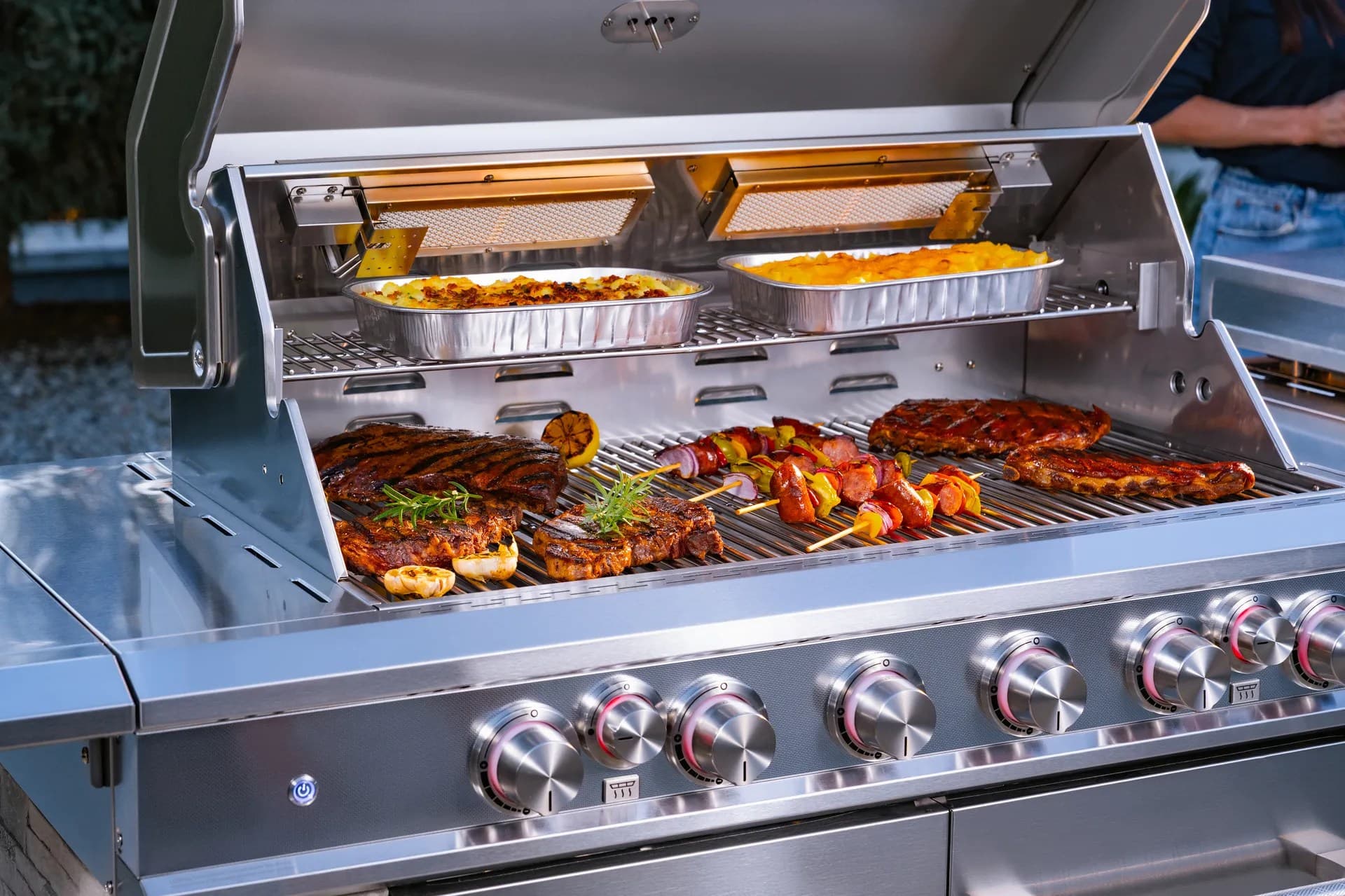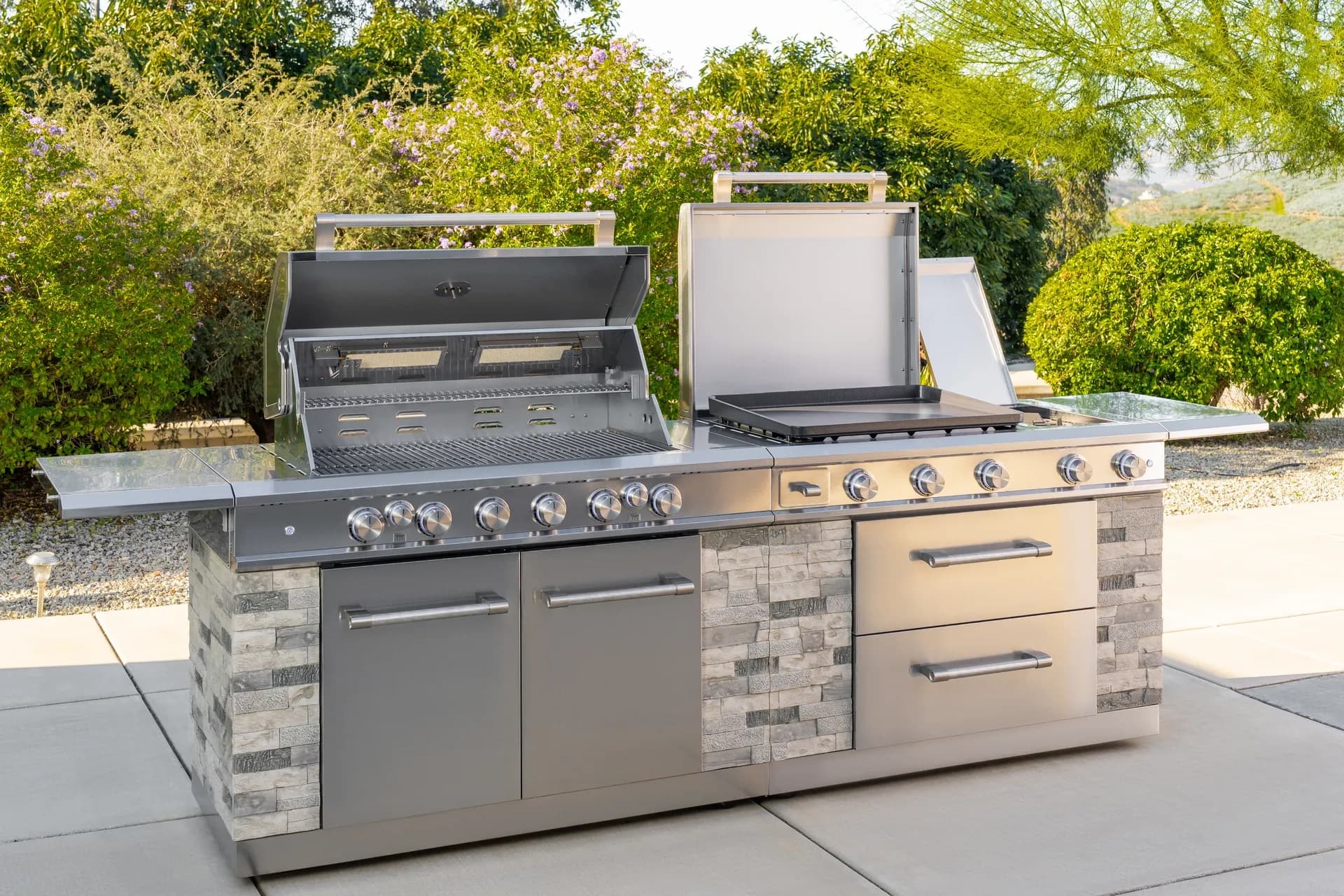
Discover the best portable grills to elevate your outdoor cooking adventures.
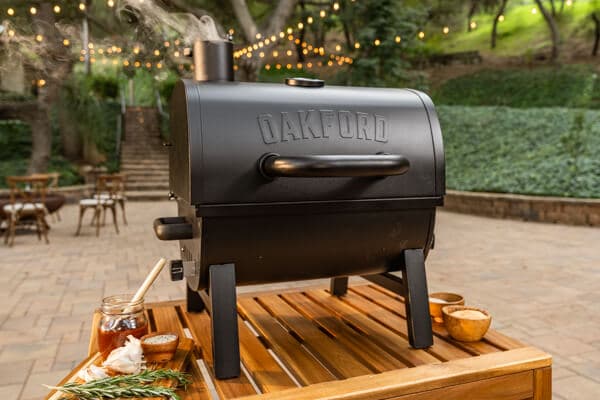
From sizzling breakfasts to smash burgers and teppanyaki-style dinners, the Daytona Pro 5 Burner NitroGuard™ Griddle delivers powerful heat, fast cooking, and a durable cooking surface built for every backyard cookout. Watch how easy outdoor cooking can be.
Here's what sets us apart from the competition
We position ourselves as delivering high-end outdoor cooking features and performance without premium-brand pricing, emphasizing “Quality Grills. Unbelievable Value.”
We offer gas grills, pellet grills, griddles, smokers, pizza ovens, portable/tabletop grills, electric grills, accessories, and replacement parts — allowing customers to stay within one ecosystem for all outdoor cooking needs.
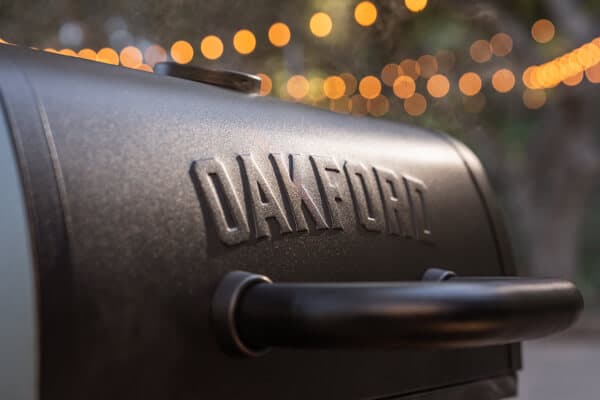
We differentiate ourselves through smart grilling products like the Oakford smart pellet grill, including app-connected cooking controls and modern outdoor cooking technology.
Expert tips, buying guides, comparisons, and inspiration for choosing and getting the most out of your grill.
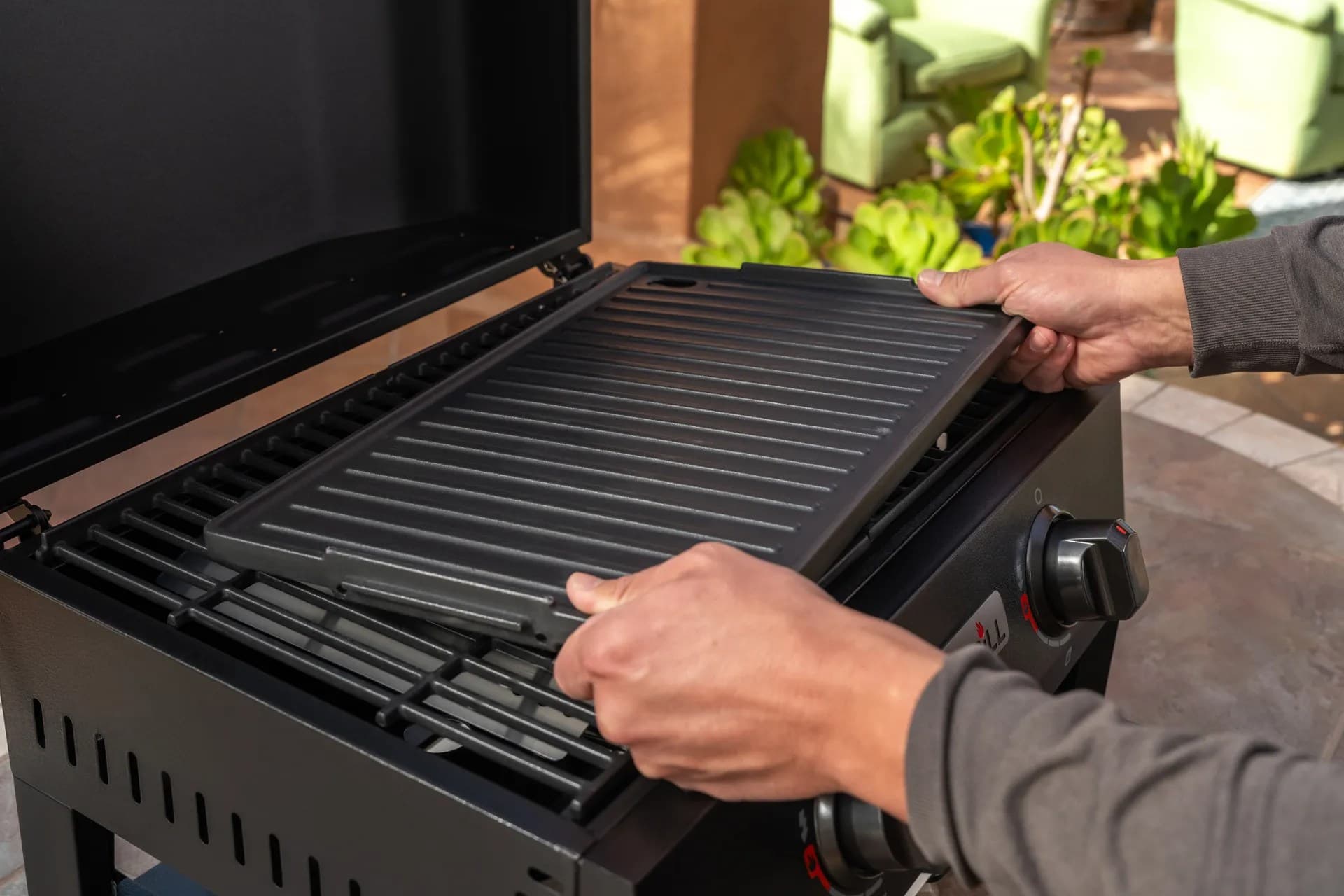
Practical guides for cleaning, maintenance, common grill issues, and performance optimization.
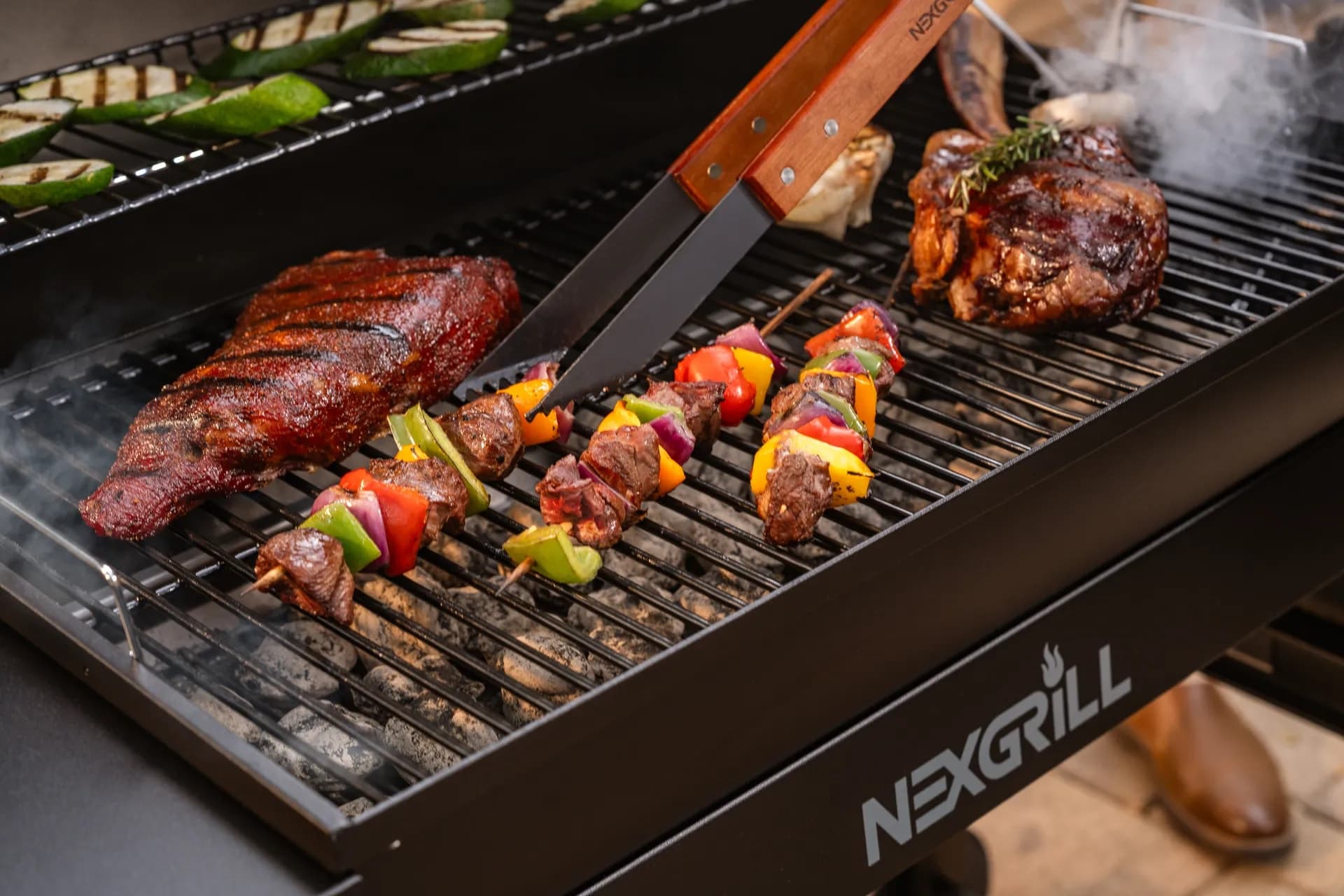
Step-by-step grilling recipes, cooking techniques, and meal ideas for every occasion and skill level.

Backyard entertaining ideas, seasonal grilling inspiration, and stories that celebrate outdoor cooking culture.
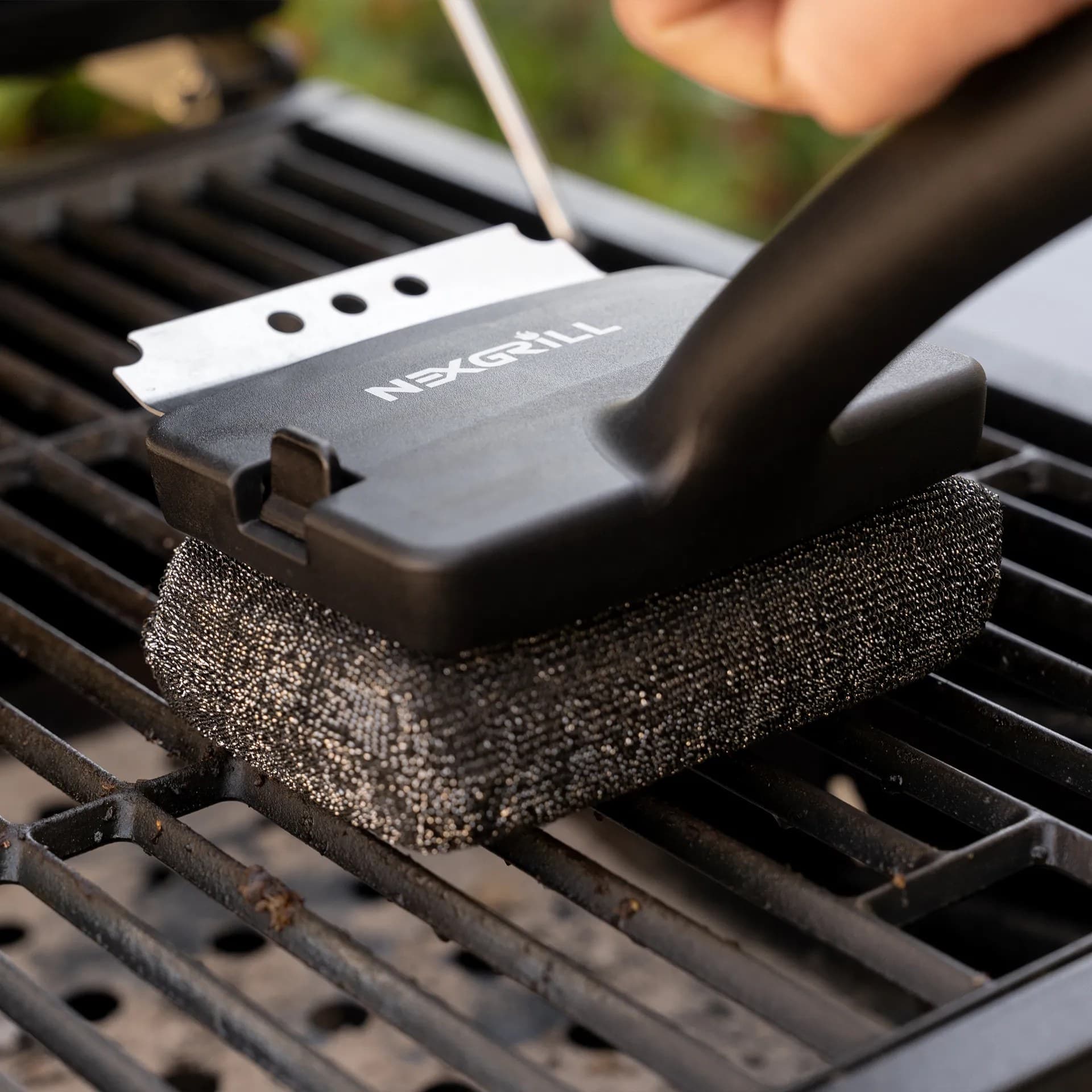
Helpful articles covering grilling tools, cookware, maintenance gear, and must-have accessories for outdoor cooking.
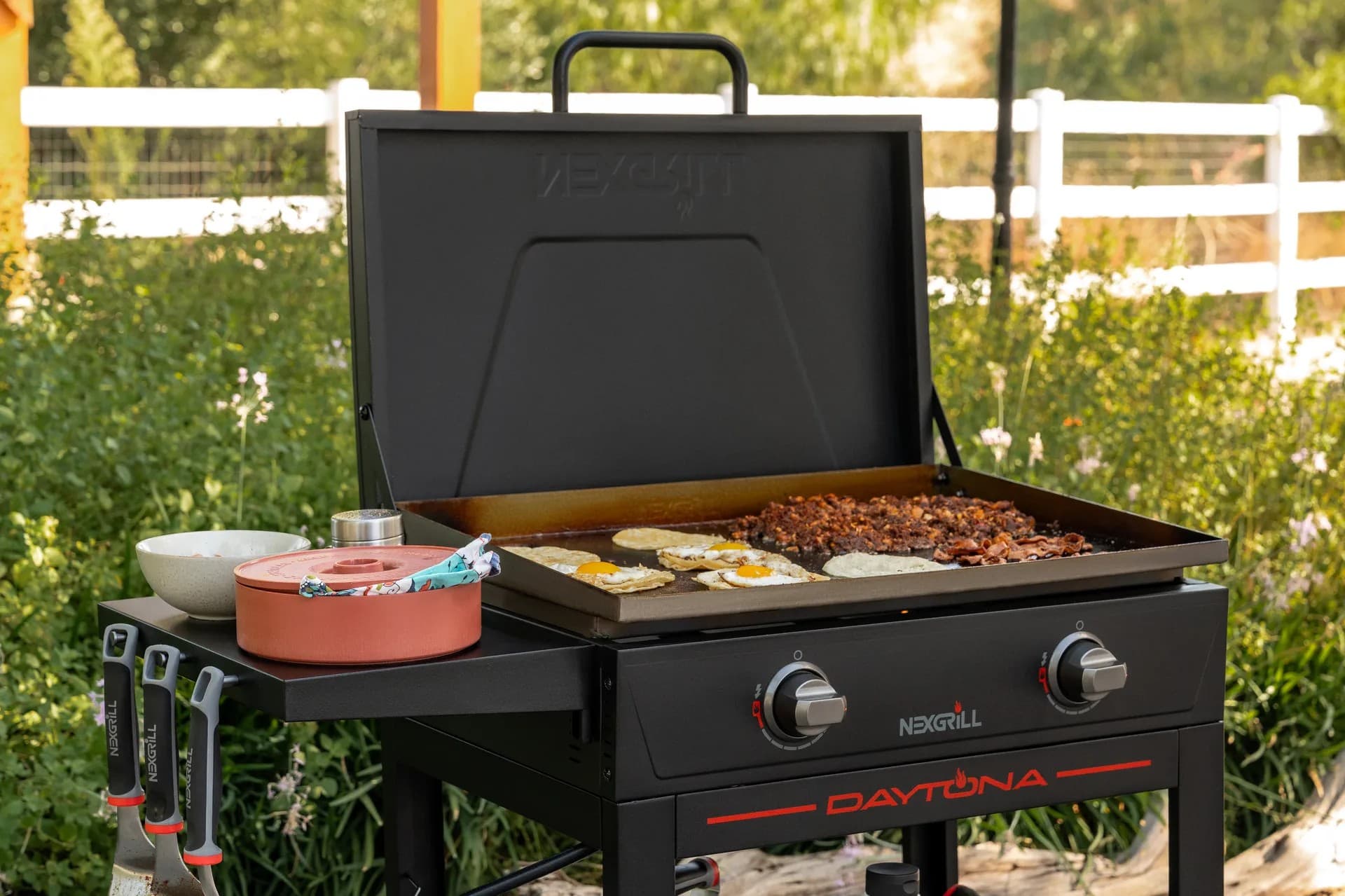
Find griddle recipes, cooking techniques, cleaning tips, and outdoor meal ideas designed for Nexgrill griddles.
Find answers to common questions
Gas grills provide instant heat and precise temperature control, making them easier to use. Charcoal grills offer a smoky flavor and high heat for searing but require more time to heat up and manage.
Pellet grills combine the convenience of gas with the flavor of wood, allowing for smoking, baking, and grilling. Traditional gas grills, however, are quicker to start and often easier to clean.
Charcoal grills typically reach higher temperatures quicker than gas grills, making them better for searing meat. However, high-quality gas grills can also provide adequate heat for effective searing.
Nexgrill offers models designed specifically for gas, charcoal, and pellets, allowing users to choose based on their cooking style and flavor preferences. Each type is built to optimize the characteristics of its respective fuel.
Choosing between gas and charcoal grills depends on your cooking preferences and lifestyle. If you value convenience and quick cooking, a gas grill may suit you better; if you prefer the taste and experience of traditional grilling, a charcoal grill would be ideal.
In This Article
Weber Q1200 Liquid Propane Grill
Cuisinart Venture Portable Gas BBQ
Everdure Cube Portable Charcoal Grill
Portable grills solve a very specific outdoor cooking problem: you want real grill performance without committing to a full-size setup. That means compact storage, faster setup, and enough heat control to cook more than just a couple of burgers. For campers, tailgaters, apartment patio cooks, and anyone short on space, the best portable grill options are the ones that travel easily but still feel like real cooking equipment once they are open and fired up.
The strongest portable grills do more than shrink a backyard grill down to size. They rethink the entire experience around movement, setup speed, and site flexibility. A suitcase-style gas grill may be ideal if you need to fit equipment in a trunk and cook at a game day parking lot. A compact propane tabletop grill might make more sense for a small balcony or cabin deck. A charcoal model can be the right answer when flavor and fuel simplicity matter more than quick ignition. The right choice depends on where you cook, how many people you feed, and how much effort you want to spend before the first bite.
Portable grills are not just about size. The most useful models balance weight, stability, heat output, and cleanup so they feel convenient before and after the meal.
This guide is built for real-life use cases. If you are choosing between a grill for weekend camping, a tailgate cook station, or a small-space patio, the differences in burner design, grate size, fuel type, and lid style matter a lot more than flashy claims. A 189 square-inch grill and a 993 cm² cooking surface may both sound small compared with a backyard unit, but in practice those numbers can mean the difference between cooking for two people comfortably and juggling batches all afternoon. Likewise, a 2.6 kW burner and an 8,500 BTU burner may both be perfectly workable, but they suit different cooking tempos and foods.
For portability, the details matter in surprisingly practical ways. Handles should make sense when the grill is hot. Legs or stands should feel stable on pavement, grass, or picnic-table-height surfaces. Lids should close securely enough to retain heat while traveling. And materials should tolerate being packed, unpacked, and used in environments that are less controlled than a fixed backyard kitchen. The goal is not simply to own a smaller grill; it is to own a grill that fits your routine without creating extra work.
portable grill styles to consider here: propane tabletop, suitcase gas, and compact charcoal
The three models in this guide are useful because they represent three distinct approaches to portable grilling rather than three minor variations of the same thing. The Weber Q1200 Liquid Propane Grill focuses on compact gas convenience with enough cooking room for small groups. The Cuisinart Venture Portable Gas BBQ takes the suitcase-grill concept seriously, making transport and storage a central part of the design. The Everdure Cube Portable Charcoal Grill leans into style and charcoal flavor while still keeping the footprint small enough for travel and compact outdoor use.
| Model | Fuel | Cooking area | Best use |
|---|---|---|---|
| Weber Q1200 Liquid Propane Grill | Propane | 189 square inches | Small-group meals, patio use, quick trips |
| Cuisinart Venture Portable Gas BBQ | Gas | 993 cm² cast iron surface | Tailgating, camping, easy packing |
| Everdure Cube Portable Charcoal Grill | Charcoal | 35 cm cooking surface | Flavor-focused grilling, compact carry |
What makes these three stand out is not just the spec sheet. It is how each grill treats the realities of portable cooking. The Weber Q1200’s 189 square-inch surface is large enough for a couple of steaks, vegetables, or a family dinner for a small household, but it is still compact enough to make transport manageable. That makes it a strong option when you want a real grill, not a tiny travel stove. The Cuisinart Venture’s 993 cm² cast iron surface brings a little more confidence for multi-item cooking, and the suitcase-style body can be easier to stash in a vehicle or closet between uses. The Everdure Cube, with its 35 cm surface and charcoal format, is the one that rewards slower, more intentional cooking. It is not trying to be the fastest option. It is trying to be the most charming and flavor-forward portable charcoal experience in a small footprint.
In practical terms, these models map to different kinds of buyers. If you cook for one or two people and want propane convenience, the Weber Q1200 is the least fussy of the group. If you want a grill that packs neatly and feels designed around road trips and stored-space efficiency, the Cuisinart Venture deserves a close look. If you care more about charcoal character and a compact, design-conscious form factor, the Everdure Cube gives you a very different cooking experience. The best portable grill options are not interchangeable, even if they all fit in the “small grill” category.
A smart first filter is fuel preference. If you want speed, propane or gas usually wins. If you want classic charcoal flavor, choose the model that supports your patience and cooking style.
The easiest way to choose the right portable grill is to start with the trip, not the product. Ask where the grill will actually live most of the time. A campsite table changes the decision differently than a condo balcony or a stadium parking lot. If the grill is going in and out of a trunk every weekend, a suitcase-style body and compact footprint may matter more than a slightly larger grate. If it will sit on a small patio all summer and only occasionally travel, then cooking surface and stability may matter more than folded dimensions.
Next, think about your most common menu. For quick weeknight meals, propane grills are usually the easiest because they heat quickly and let you adjust the flame with little drama. If your portable cooking often includes burgers, chicken thighs, vegetables, or foil-pack meals, a gas model with a predictable lid and grate layout is often the most forgiving. If you want steaks with a deeper grilled aroma, a charcoal model may justify the extra setup and ash cleanup. A good portable grill should support the food you make most often rather than simply offering the highest number of features.
Portability also has several layers. Weight affects whether you can move the grill alone. Shape affects whether it fits in a car or storage closet. Heat source affects whether you need extra fuel on hand. And the cooking surface affects how many rounds you need to cook for a group. Buyers often overlook the last point. A grill can be portable and still frustrating if it forces you to cook everything in several tiny batches. That is why the cooking area is one of the most important numbers to compare. On this list, 189 square inches, 993 cm², and a 35 cm surface each tell a different story about output and scale.
| If you need... | Prioritize... | Why it matters |
|---|---|---|
| Fast meals and minimal setup | Propane or gas | Quick ignition and easier temperature control |
| Compact packing for travel | Suitcase-style design | Easier loading, carrying, and storage |
| Charcoal flavor in a small form | Charcoal bowl and grate efficiency | Better flavor payoff for the extra prep |
Another factor worth weighing is how often you host. If your portable grill is for solo meals or two-person dinners, a smaller grate can be a plus because it heats quickly and uses less fuel. If you are feeding four or five people, you need enough actual cooking space to avoid the awkward rhythm of constant batch cooking. In that case, it is often better to choose the portable grill with the most usable grate area rather than the one with the smallest carry handle.
Try comparing two products side by side below to see which fits best:
Portable grills see rougher treatment than many backyard units. They get moved around more, stored in tighter spaces, and used in places where grease, dust, and weather are harder to control. That makes maintenance less about perfection and more about habits. A few simple routines can keep a portable grill cooking better and lasting longer without turning ownership into a chore.
The most important habit is cleaning while the grill is still warm, not stone cold. Warm grates release food residue more easily, so a quick brush or scrape right after cooking saves time later. Once the grill cools, empty any grease tray or drip management system before storing it. Portable grills are often transported soon after use, and leftover grease can make that transport messy fast. If your grill uses charcoal, let the ashes cool completely before disposing of them according to local rules. Ashes that seem harmless can still hold heat long enough to create a problem in a car trunk or trash bin.
Never store a portable grill with wet grates or a damp interior. Trapped moisture is one of the fastest ways to create rust and shorten the life of compact outdoor gear.
It also helps to inspect the small parts that portable users rely on most. Check handles, latches, legs, hinges, and burner control knobs for looseness before the next outing. Because these grills are carried, folded, and reopened often, hardware wear tends to show up earlier than it does on stationary models. If a model uses a lid or suitcase shell, make sure the closing mechanism still lines up cleanly; a slightly shifted lid can affect heat retention and transportation safety. For gas and propane units, inspect the connection points for wear and make sure the fuel system is seated properly before lighting.
Storage matters too. A grill that is easy to cover and protect from dust and moisture will usually stay ready longer. If you are storing it in a garage, shed, or RV compartment, keep it dry and allow air circulation when possible. Even a small amount of trapped humidity can affect the grate, burner housing, or exterior finish. For charcoal models, keep fuel separate and sealed so that the grill itself does not absorb odors or pick up dampness from leftover bags. In other words, maintenance for portable grills is really travel maintenance: clean it, dry it, check it, and pack it away in a way that protects the parts you need next time.
Once you have compared a couple of portable grills side by side, the Weber Q1200 Liquid Propane Grill stands out as the most straightforward option for people who want dependable propane cooking in a compact frame. Its 189 square-inch cooking area is not oversized, but it is well matched to the kind of meals most portable-grill owners actually make: a few steaks, a couple of chicken breasts, vegetable skewers, or a round of sandwiches for a small group. That makes it practical for small patios, camping trips, and tailgates where you want enough room to cook without hauling a full-sized backyard grill.
The appeal of the Q1200 is that it does not ask you to compromise on the basics. The 8,500 BTU stainless steel burner gives it a clear speed advantage over many charcoal setups because you can light it, preheat it, and get cooking without waiting for coals to become usable. For weekday convenience, that is a real difference. Portable grilling often happens in shorter time windows, and a propane model like this can turn a short break into an actual meal instead of a project. The stainless burner is also a useful detail because compact grills get used frequently and stored often; parts that tolerate regular heating cycles are a sensible priority.
Best for cooks who value convenience first: the Weber Q1200 makes the most sense when you want quick ignition and predictable heat in a compact body.
In real-world terms, the Weber Q1200 suits users who are grilling for two to four people and do not need a lot of carry-bulk. It fits the kind of outing where you are making a simple but solid meal without setting up a whole outdoor kitchen. That could be a beach weekend, a park cookout, or a balcony dinner where space is tight. Its layout is also friendly to newer grillers because propane heat is easier to manage than charcoal when you are still learning how food behaves over direct flame. If your main concern is cooking something well without managing fuel timing, this is the most forgiving choice in the group.
The Cuisinart Venture Portable Gas BBQ takes a different path by treating portability as the main product feature, not just a side benefit. Its suitcase-style form is the key story here. If you are the sort of person who thinks about how a grill will fit into a trunk, a storage bench, or a camper compartment, that packaging matters a lot. The 993 cm² cast iron cooking surface gives you a useful amount of room without making the unit feel oversized for travel. Cast iron adds a bit of cooking authority too, since it tends to hold heat well and gives users a more substantial grilling feel than ultra-light portable builds.
The 2.6kW stainless steel burner is modest in absolute terms, but that makes sense when you consider the intended audience. This is a grill for practical travel cooking and compact outdoor setups, not for trying to mimic a full patio gas station. The power level is suitable for burgers, hot dogs, chicken cutlets, vegetables, and other foods that benefit from consistent direct heat more than extreme output. Because the unit is designed around packing and unpacking, it also tends to appeal to people who want a grill that looks organized and intentional rather than improvised. On a picnic table or tailgate surface, that can make the whole experience easier to manage.
Choose the Venture if transport is the biggest challenge. Its suitcase-style design gives it an edge when the grill has to move often and store small.
This model is a strong fit for tailgaters, RV users, and road-trippers who want a grill that packs in a controlled way. It is especially useful if you do not want a grill body with awkward protrusions or a setup that takes several pieces of gear to assemble. The cast iron surface helps bridge the gap between “portable” and “serious enough to cook dinner,” which is a balance many buyers want but do not always find. If you are grilling for a couple of people and want something compact but not flimsy, the Venture is the middle ground worth checking first.
The Everdure Cube Portable Charcoal Grill is the most character-driven option of the group. It is built for people who want charcoal flavor and a visually polished portable grill rather than the most convenient fuel system. Its 35 cm cooking surface keeps the footprint modest, which is part of the appeal: this is a grill you can carry, place, and use without feeling like you are moving a heavy outdoor appliance around. The chrome-plated grate adds a touch of durability and makes the cooking surface feel appropriate for repeated use in compact outdoor environments.
Charcoal changes the experience in a meaningful way. You trade away speed and simple flame adjustment, but you gain the deeper ritual and flavor profile that many grillers still prefer for steaks, skewers, sausages, and rustic outdoor meals. Because the Cube is built as a portable charcoal grill, it suits buyers who are comfortable building in a little extra setup time. That can be a plus if grilling is part of a longer gathering rather than something squeezed into a 20-minute window. For campers, picnic hosts, and people who like the look and feel of a charcoal grill, the Cube delivers a very specific kind of satisfaction.
If you want quick weeknight convenience, charcoal is usually not the easiest choice. If flavor and experience matter most, the Cube earns its keep.
The Cube is best for a small, intentional menu rather than a large crowd. Think a couple of steaks, vegetables, or a compact gathering where the grill is part of the experience. Its size makes it easy to live with, but that same size means you should not expect batch cooking for a big group without planning ahead. Buyers who love the idea of a portable charcoal grill but do not want a bulky or overly rugged appearance will appreciate the Cube’s more design-forward approach. It is as much about atmosphere as it is about output.
When portable grills are compared honestly, three features usually decide the outcome: fuel convenience, usable cooking space, and how easy the grill is to move and clean. Burner output matters, but it only tells part of the story. A higher number is not automatically better if the grill is hard to pack, awkward to stabilize, or overkill for the number of people you feed. The better question is how much real cooking value you get for the space and effort the grill demands.
| Feature | Weber Q1200 | Cuisinart Venture | Everdure Cube |
|---|---|---|---|
| Fuel style | Liquid propane | Gas | Charcoal |
| Cooking footprint | 189 sq. in. | 993 cm² | 35 cm surface |
| Best strength | Convenience | Transport design | Charcoal flavor |
| Setup style | Fast, familiar, direct | Compact, suitcase-like | Slower, more traditional |
A practical buyer should also think about where the grill will be placed. If the grill sits on a stable picnic table or patio stand, a compact propane unit can be the most efficient solution because it gives you direct cooking control and relatively simple cleanup. If the grill will be carried by hand often, the Cuisinart Venture’s form factor may be easier to live with. If the cookout itself is the event and you want the aroma and ritual of charcoal, the Everdure Cube has the strongest emotional appeal. Each one succeeds at a different kind of portability, which is why the right answer depends so much on the scenario.
Portable grill maintenance starts with one simple idea: because these grills travel, they need to be cleaned and stored as carefully as they are used. Residue, ash, and moisture are the main enemies. After each cook, let the grill cool safely, then remove food debris from the grate while it is still warm enough to release residue without excessive scrubbing. For propane and gas grills, clear the drip area before the next trip so the unit does not become messy in storage or during transport.
For the Weber Q1200 and Cuisinart Venture, check the burner area periodically for blocked openings, loose fittings, or grease buildup that could affect performance. In portable gas grills, small issues tend to show up first in ignition reliability and heat consistency. If a burner seems uneven, clean the cooking path before assuming the grill has a bigger problem. For the Everdure Cube, ash removal and grate care are the most important tasks. Charcoal residue should be fully cooled and disposed of responsibly before the grill is packed away. That one habit prevents a lot of mess and helps preserve the finish.
Store portable grills dry, uncovered only when in use, and with all removable components clean. Moisture trapped in a compact body can cause avoidable wear.
It is also worth checking latches, handles, and legs regularly. Portable grills are opened, closed, lifted, and set down much more often than full-size units, so wear shows up in hardware first. A loose hinge or uneven leg can turn a convenient grill into an unstable one. Before each trip, confirm that the grill sits level and that nothing rattles in a way that suggests a part needs tightening. That kind of quick inspection takes less than a minute and can prevent a lot of annoyance later.
Here's what sets us apart
We position ourselves as delivering high-end outdoor cooking features and performance without premium-brand pricing, emphasizing “Quality Grills. Unbelievable Value.”
We offer gas grills, pellet grills, griddles, smokers, pizza ovens, portable/tabletop grills, electric grills, accessories, and replacement parts — allowing customers to stay within one ecosystem for all outdoor cooking needs.
We differentiate ourselves through smart grilling products like the Oakford smart pellet grill, including app-connected cooking controls and modern outdoor cooking technology.
Don't just take our word for it
Keep reading
From our catalog