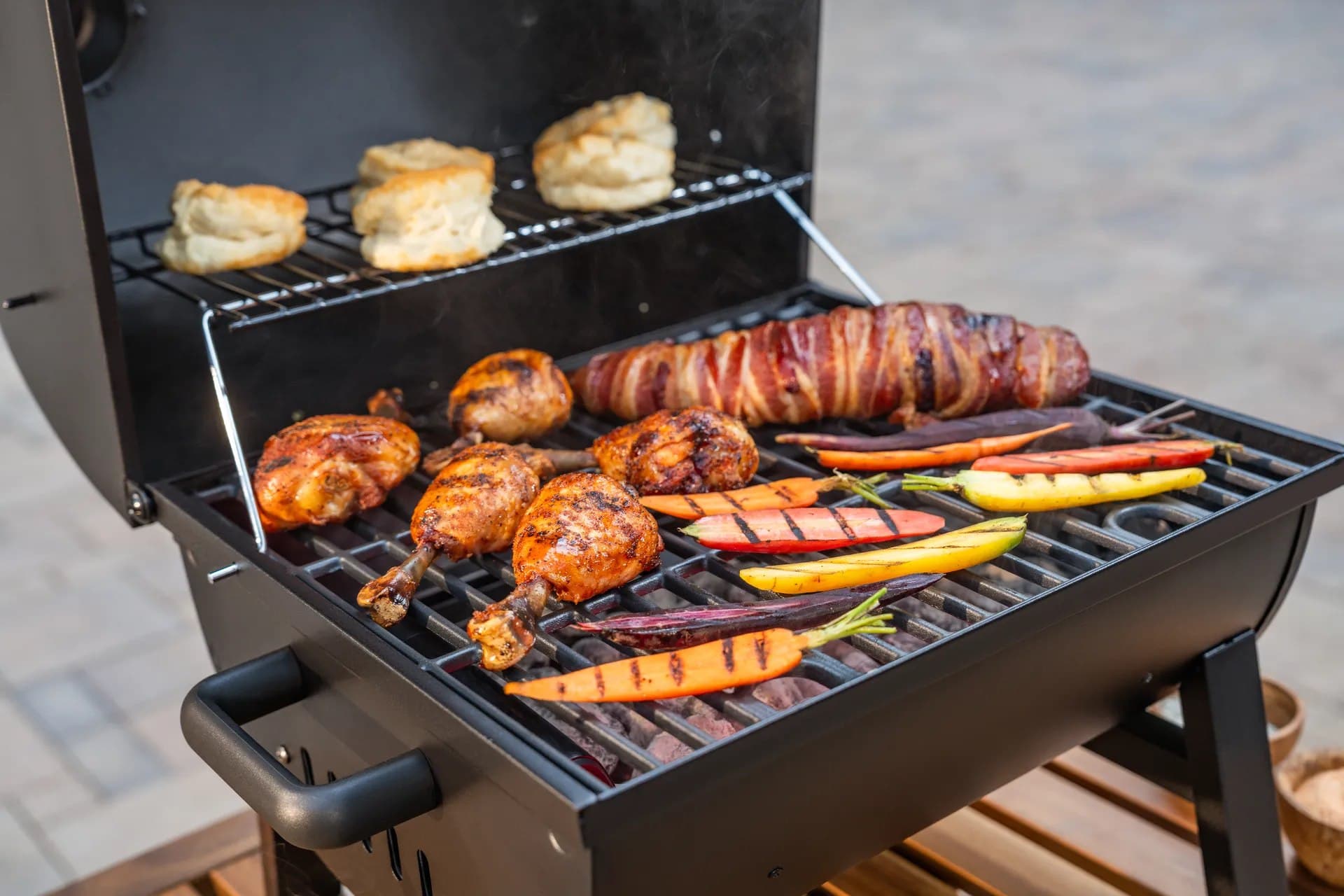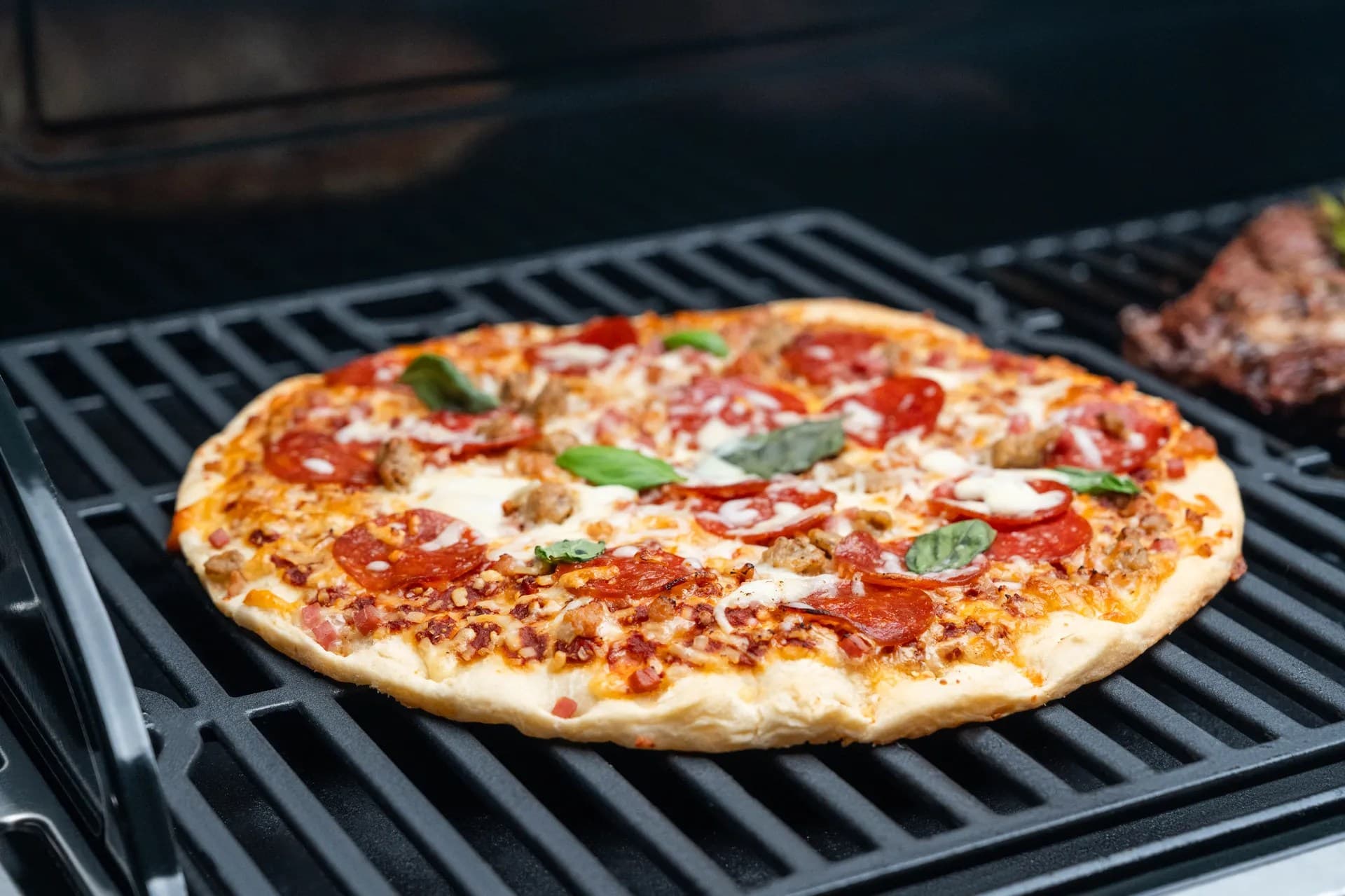
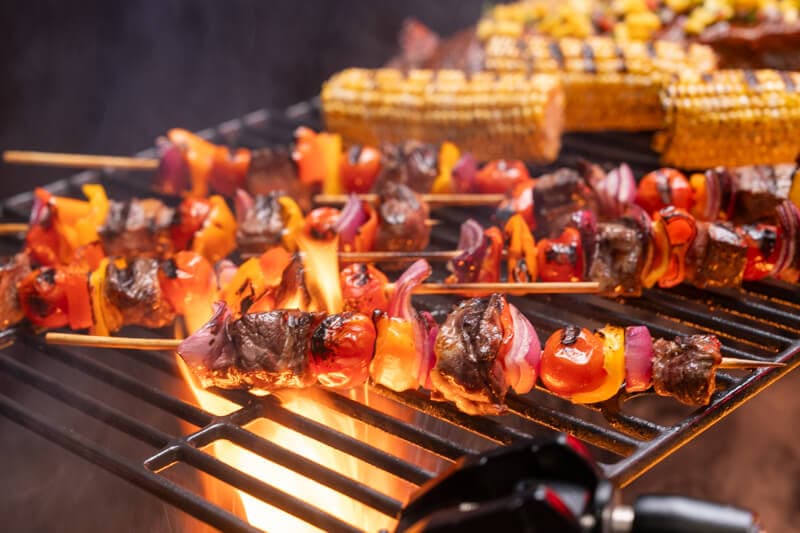
Explore creative and flavorful ways to enjoy grilled vegetables on your Nexgrill.
Here's what sets us apart from the competition
We position ourselves as delivering high-end outdoor cooking features and performance without premium-brand pricing, emphasizing “Quality Grills. Unbelievable Value.”
We offer gas grills, pellet grills, griddles, smokers, pizza ovens, portable/tabletop grills, electric grills, accessories, and replacement parts — allowing customers to stay within one ecosystem for all outdoor cooking needs.
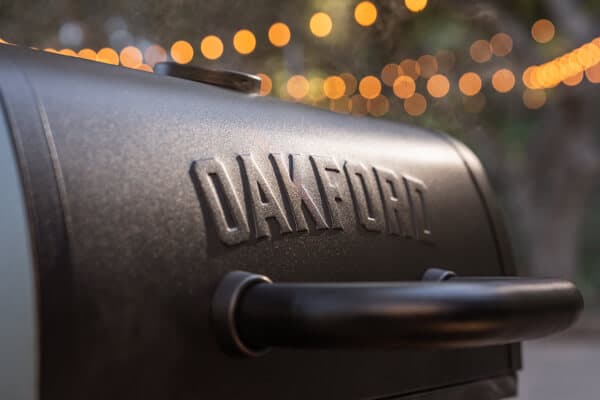
We differentiate ourselves through smart grilling products like the Oakford smart pellet grill, including app-connected cooking controls and modern outdoor cooking technology.
Expert tips, buying guides, comparisons, and inspiration for choosing and getting the most out of your grill.
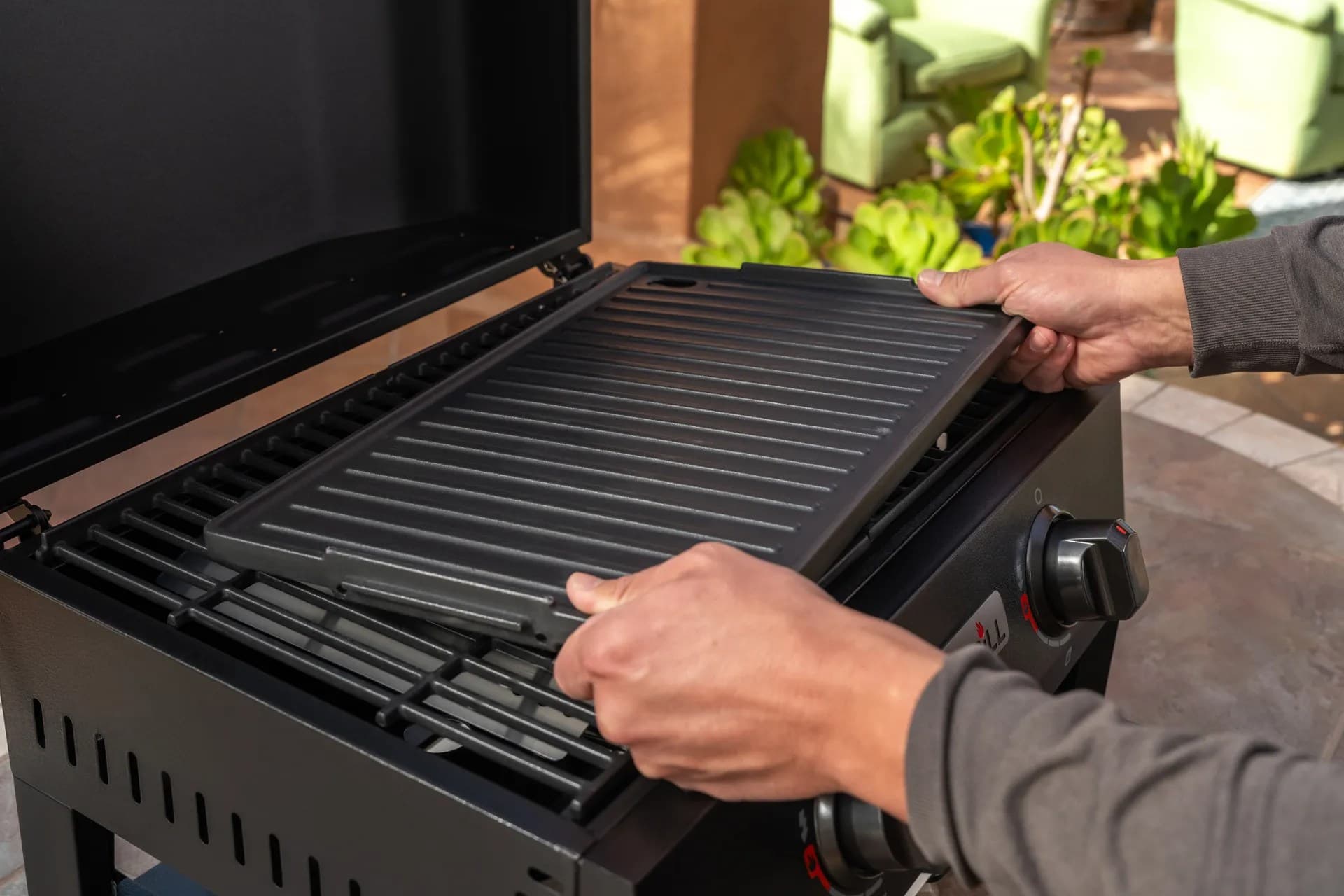
Practical guides for cleaning, maintenance, common grill issues, and performance optimization.
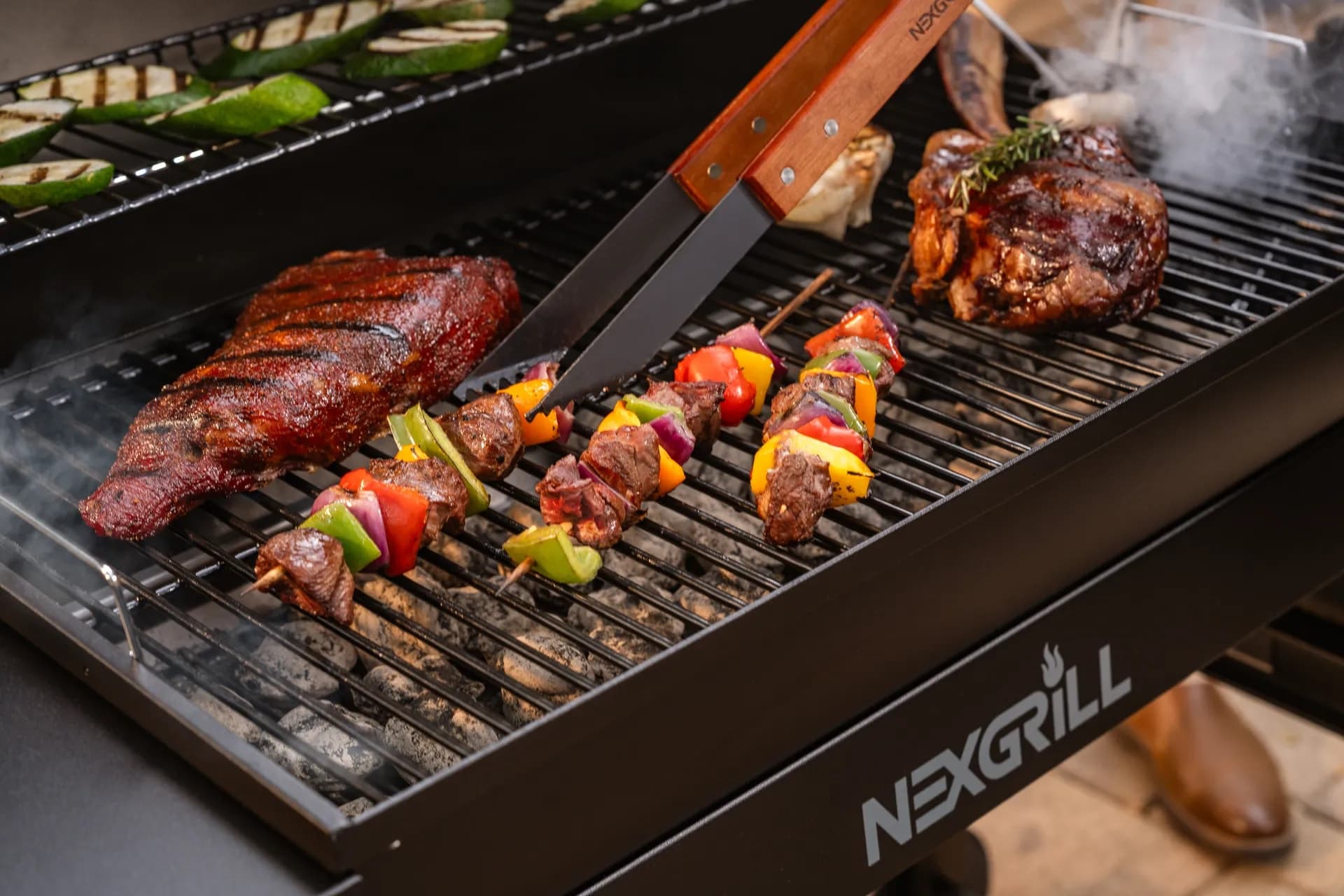
Step-by-step grilling recipes, cooking techniques, and meal ideas for every occasion and skill level.
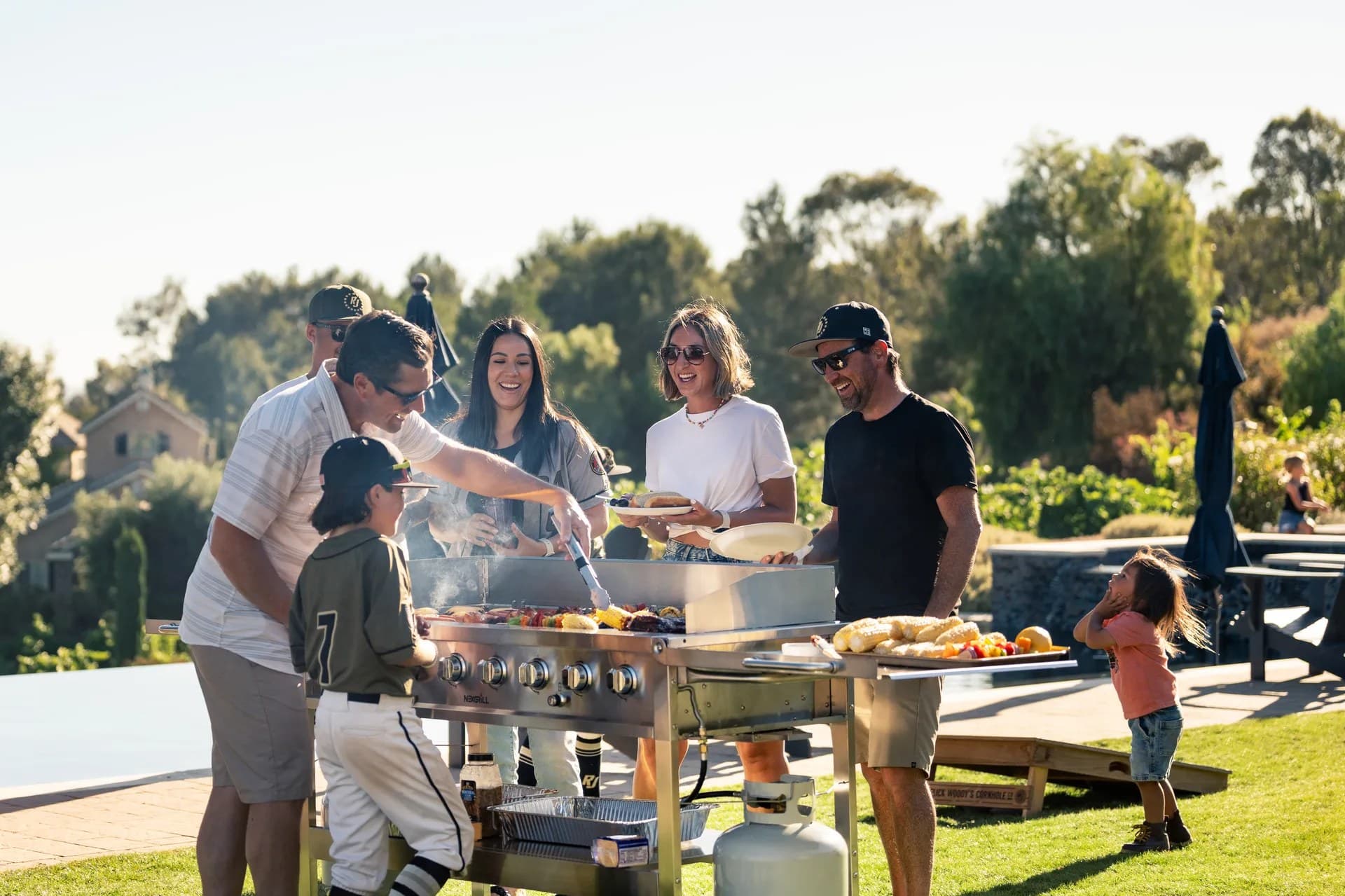
Backyard entertaining ideas, seasonal grilling inspiration, and stories that celebrate outdoor cooking culture.
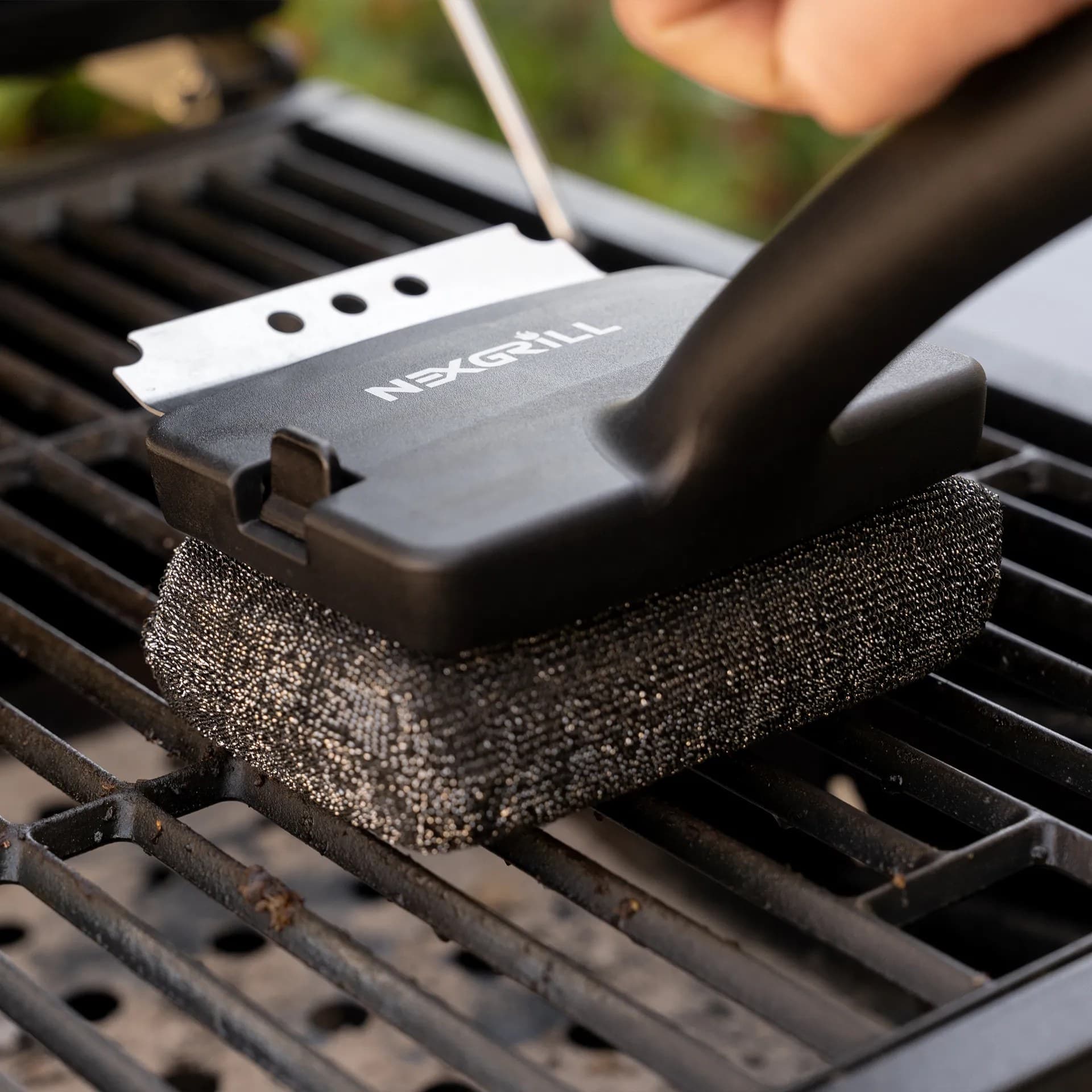
Helpful articles covering grilling tools, cookware, maintenance gear, and must-have accessories for outdoor cooking.
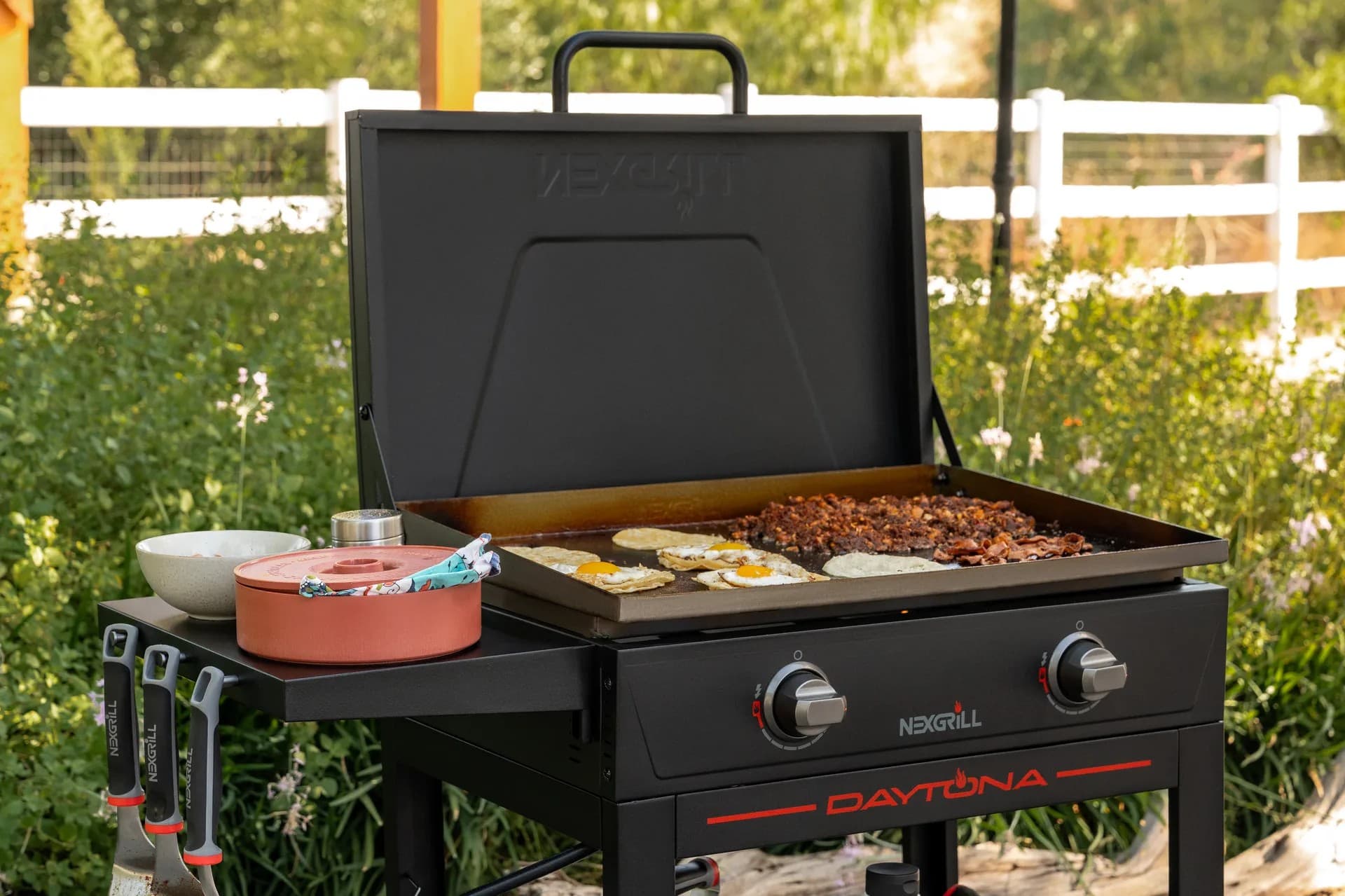
Find griddle recipes, cooking techniques, cleaning tips, and outdoor meal ideas designed for Nexgrill griddles.
Find answers to common questions
Nexgrill equipment is suitable for a variety of recipes including meats, vegetables, and even pizzas. Popular options include marinated steaks, grilled vegetables, and shrimp skewers.
To enhance the flavor of grilled vegetables, consider marinating them in olive oil, herbs, and spices before grilling. Alternatively, you can season them with salt and pepper during grilling for a more straightforward approach.
To achieve perfect grill marks, preheat your grill to a high temperature and ensure that the food is dry before placing it on the grill. Avoid moving the food too early, as it needs to sear properly to form those classic grill marks.
Using a meat thermometer is the most accurate way to ensure your grilled meat is at the desired temperature. For instance, chicken should reach an internal temperature of 165°F while medium-rare beef is typically at 135°F.
To clean your Nexgrill after cooking, allow it to cool and then use a grill brush to remove any residue from the grates. You can also wipe down the exterior with a damp cloth and mild soap to keep it looking its best.
In This Article
Flavorful Marinades
Grilling Techniques
Seasonal Pairings
Grilled vegetables can be more than a side dish. On a Nexgrill, they become a foundation for colorful platters, warm salads, grain bowls, tacos, and easy outdoor meals that feel generous without being complicated. The key is to think beyond “cooked through” and focus on how heat changes texture, sweetness, and aroma. A good grilled vegetable plate has contrast: char on the outside, tenderness inside, and enough seasoning to keep each bite lively.
This guide takes a practical, recipe-first approach. Instead of repeating the usual lineup of zucchini and peppers in the same format every time, it shows how to build stronger flavor from the vegetables you already buy, how to match them with the right marinade, and how to use grilling methods that fit different shapes and moisture levels. That matters because vegetables do not behave like steaks or chicken on the grate. Some release a lot of water, some burn quickly, and some need a head start before they ever touch direct heat.
Cut size, oil balance, and spacing often matter more than raw heat.
Nexgrill’s approach to recipe content is rooted in sharing food that feels welcoming and real. That is a strong fit for vegetable grilling, because vegetables invite improvisation. You can cook for a mixed crowd by setting out several platters: smoky mushrooms for the meat lovers, blistered asparagus for a lighter side, charred cauliflower steaks for a centerpiece, or grilled peaches and onions for a sweet-savory finish. The best part is that you do not need a restaurant kitchen to make them feel special. You need thoughtful prep and enough attention to timing to keep the vegetables from drying out or falling through the grates.
If you are grilling for a weeknight dinner, start with a single vegetable and one bold flavor direction. A lemon-garlic marinade gives you brightness and works well with zucchini, green beans, and mushrooms. A smoky chile-lime blend gives corn, eggplant, and peppers a more substantial feel. For a weekend spread, pair vegetables by cooking speed so the whole tray finishes together. That simple strategy makes outdoor cooking feel calm instead of rushed.
Vegetable marinades do not need to be heavy to be effective. In fact, the best ones are usually balanced rather than rich. Oil helps carry flavor and prevents sticking, acid brightens the final bite, salt draws seasoning into the surface, and herbs or spices add personality. For vegetables, the biggest mistake is overloading the marinade with too much acid. Delicate vegetables can turn soft before they ever meet the grill, while firmer vegetables may lose the clean bite that makes grilling so appealing.
A practical starting formula is 3 parts oil, 1 part acid, and a seasoning blend built around the vegetable you are cooking. For example, olive oil, red wine vinegar, garlic, and oregano create a classic Mediterranean profile for peppers, zucchini, and onions. Avocado oil, lime juice, cumin, and a little honey work well with corn, carrots, and sweet potatoes. Sesame oil, rice vinegar, ginger, and soy sauce bring a savory edge to mushrooms, bok choy, and eggplant. These combinations are not interchangeable in flavor, but they are all built to do the same job: help the vegetable caramelize while adding depth.
| Vegetable | Marinade direction | Best marinating time | Flavor result |
|---|---|---|---|
| Zucchini | Olive oil, lemon zest, garlic, thyme | 15 to 30 minutes | Fresh, lightly smoky, still firm |
| Mushrooms | Soy sauce, sesame oil, ginger | 20 to 45 minutes | Deep savory flavor with a meaty finish |
| Cauliflower | Oil, cumin, smoked paprika, lime | 30 to 60 minutes | Bold, char-friendly, slightly earthy |
| Asparagus | Oil, garlic, black pepper, lemon | 10 to 20 minutes | Bright and clean with crisp-tender texture |
Warning: if you marinate high-water vegetables like zucchini or tomatoes for too long, they can soften enough to slide apart on the grate. Keep the marinade short and the cuts thick enough to hold together.
A great grill marinade also respects the vegetable’s own sweetness. Carrots and corn do not need much help to become naturally sweet over heat, so a touch of chili powder or rosemary can keep them from tasting one-note. Eggplant, which absorbs flavor readily, benefits from salt and oil first, then a more assertive seasoning profile. And because vegetables generally cook faster than proteins, the marinade should support browning rather than mask the ingredient. That is one reason a simple herb oil often outperforms a complicated bottled sauce.
The right technique depends on the vegetable’s size, moisture, and shape. Thin vegetables such as asparagus, scallions, and sliced zucchini need fast, direct heat so they blister before they turn floppy. Dense vegetables such as potatoes, carrots, and cauliflower need a different strategy: either parcooking first or using indirect heat long enough to soften the interior before finishing over flame. That flexibility is where outdoor cooking becomes rewarding, because you can adapt the grill to the food instead of forcing every ingredient into the same pattern.
For long or small-cut vegetables, skewering creates better control. Threading mushrooms, bell pepper squares, and onion wedges onto skewers keeps them from shifting or dropping between grates. For very delicate pieces, foil packets can be useful when you want steam and seasoning to work together, especially for mushrooms, cherry tomatoes, or mixed root vegetables. A grill basket is another useful tool when cooking uneven shapes like green beans, Brussels sprouts, or cauliflower florets, because it allows direct heat without the frustration of lost pieces.
Info: Preheat the grill thoroughly before adding vegetables. A hot grate helps create the first sear quickly, which reduces sticking and builds better color.
Timing matters as much as equipment. The highest-value habit is to cook vegetables in stages. Put dense vegetables on first, then add quicker-cooking items later so the whole platter finishes together. If you are making a mixed tray, think in three groups: hard vegetables like carrots and potatoes, medium vegetables like cauliflower and onions, and quick vegetables like zucchini, asparagus, and peppers. This staged approach produces better texture than trying to cook everything for the same amount of time. It also makes your dinner flow better because you are not pulling one item off while another is still raw.
An overlooked detail is oil quantity. Too little oil and the vegetables can stick or dry out. Too much and they can char unevenly or soften into a greasy texture. The sweet spot is a light coating that glistens without pooling. On a hot Nexgrill grate, that thin layer helps you get the browning you want without losing the vegetable’s shape. For extra flavor, finish with a final drizzle of seasoned oil or citrus after grilling rather than before. That keeps herbs bright and prevents delicate aromatics from burning off too early.
Seasonality gives grilled vegetables more personality. Spring vegetables are often tender and fast-cooking, summer vegetables are abundant and juicy, fall vegetables bring sweetness and density, and winter vegetables reward longer heat exposure. Building pairings around the season makes your plate taste more cohesive because the vegetables share a similar water content and cooking rhythm.
| Season | Best pairings | Why they work together |
|---|---|---|
| Spring | Asparagus, radishes, spring onions, baby artichokes | Tender texture and bright flavor with quick cooking times |
| Summer | Zucchini, corn, peppers, eggplant | High moisture, fast browning, and a naturally sweet finish |
| Fall | Butternut squash, carrots, onions, mushrooms | Deeper sweetness and enough structure for longer cooking |
| Winter | Brussels sprouts, cauliflower, parsnips, sweet potatoes | Sturdy vegetables that benefit from char and slow finish |
For spring, try pairing asparagus with radishes and spring onions. Radishes become unexpectedly mellow and juicy on the grill, which makes them a smart addition to salads and toast toppings. In summer, the classic combination of zucchini, corn, and peppers works because each vegetable gives a different shape and texture: slivers of char, bursts of sweetness, and a soft, creamy interior when eggplant is included. In fall, carrots with mushrooms and onions create a deeper, almost roast-like flavor profile even though the food is cooked outdoors. Winter pairings may sound heartier than traditional grilling, but Brussels sprouts and cauliflower are made for high heat, especially when finished with a citrus vinaigrette or herb butter.
Think of pairings not just by season, but by how the vegetables will be served. A side dish can lean simple: one or two vegetables with one finish. A main platter can be built for contrast, such as charred cauliflower with scallions and walnuts, or grilled corn with blistered poblanos and feta. If you want a more complete vegetarian spread, combine one sweet vegetable, one earthy vegetable, and one crisp vegetable so the plate feels layered rather than repetitive.
Grilled vegetable ideas become much more useful when you think in terms of texture, timing, and pairing instead of just ingredient lists. A well-built vegetable dish has enough seasoning to stand alone, enough char to feel special, and enough flexibility to fit alongside burgers, chicken, fish, or a full plant-forward meal. That versatility is what makes grilled vegetables such a strong fit for backyard cooking.
With the right marinade, a thoughtful cooking method, and seasonal ingredients, you can turn simple produce into a memorable part of the meal. Start with one vegetable you already know, test a different flavor direction, and pay attention to how quickly it browns on the grate. Once you understand that pattern, you can build bigger combinations with confidence. Try comparing two products side by side below to see which fits best:
Once you've weighed two options against each other, the same idea applies to vegetables: the best grilled plate is rarely about a single ingredient, and it is usually about balance. Some vegetables need fire-kissed edges, some need slower heat, and some need a short marination window before they are ready for the grate. That is why grilled-vegetable planning works best when you think like a host. You are not just cooking produce; you are building a table that feels abundant, colorful, and easy to share.
For Nexgrill cooks, grilled vegetables are a strong example of how outdoor cooking can stay approachable while still feeling inspired. They are affordable to build around, easy to scale for a crowd, and flexible enough to pair with whatever else is on the menu. In practical terms, that means you can use the same grill session to make a side dish for Tuesday night dinner, a salad topping for lunch the next day, or a platter for a weekend cookout. The strongest grilled vegetable recipes are the ones that hold up across all three situations. They do not collapse into mush, and they still taste lively after a short rest.
To get there, the key is to match your cut, seasoning, and cooking method to the vegetable itself. Thick slices of eggplant behave differently from thin asparagus spears. Corn on the cob needs rotation and even blistering, while mushrooms benefit from staying juicy inside. Even the order in which you place the food on the grill matters. If you have ever pulled one tray off too early while another was still underdone, you already know why staging matters. The goal is not just to cook vegetables; it is to finish them at the same moment with good texture.
A vegetable marinade should do two things well: help with browning and make the final bite taste more complete. Because vegetables do not have the same fat content as meats, a marinade has to be purposeful without overpowering. Oil is the first essential. It helps the vegetable contact the hot grate more evenly and supports browning. Acid is the second. It sharpens flavor, but it should be used carefully so the vegetable still keeps structure. Seasonings are the final layer. Herbs, spices, garlic, and citrus zest often deliver more impact than a large amount of bottled sauce.
One of the most useful flavor patterns for grilled vegetables is a herb-and-citrus oil. Blend olive oil with lemon zest, minced garlic, chopped parsley, and black pepper for zucchini, summer squash, and bell peppers. This keeps the vegetables bright and works especially well when you want the grill flavor to stay in the foreground. Another strong option is a smoky pantry marinade made with avocado oil, smoked paprika, cumin, garlic powder, and a splash of lime. That blend can bring sweeter vegetables like carrots or corn into sharper focus while still letting their natural sugars come through.
Tip: reserve some fresh herbs or citrus juice for the finish. A final sprinkle after grilling adds freshness that a long marinade cannot keep.
If you want something with an umami edge, try soy sauce, toasted sesame oil, grated ginger, and a little honey. This works especially well on mushrooms, eggplant, and bok choy, where a savory glaze can make the vegetables feel richer and more substantial. Keep marinating time short for tender vegetables and a bit longer for dense ones. A mushroom might only need 20 minutes, while cauliflower can handle closer to an hour if the pieces are thick and the seasoning is light enough not to drown them.
Technique is where many vegetable recipes succeed or fail. The most reliable outdoor method is to sort vegetables by cooking speed before they ever hit the grate. Fast-cooking vegetables like asparagus, scallions, thin zucchini slices, and mushrooms should be placed over direct heat and watched closely. Dense vegetables like potatoes, carrots, and whole baby onions need either more time or a little help beforehand, such as parcooking, microwaving, or steaming. On a busy cookout day, that kind of advance planning prevents rushed last-minute adjustments and keeps the meal moving.
Skewers are helpful when you want control over small or slippery pieces. Threading mushroom caps, onion wedges, and pepper squares together makes it easier to turn them without losing anything to the grate. Foil packets are useful when you want softness and flavor infusion, especially for mixed vegetables with different moisture levels. They are not the best choice when you want maximum char, but they do solve a problem for vegetables that would otherwise dry out before they cook through. Grill baskets are another smart tool because they let you toss and move small items while still exposing them to direct heat.
| Technique | Best use case | Result |
|---|---|---|
| Direct grilling | Asparagus, zucchini, peppers, mushrooms | Fast browning and clear grill marks |
| Indirect finishing | Potatoes, carrots, cauliflower, squash | Tender center with controlled exterior color |
| Foil packet cooking | Tomatoes, mushrooms, mixed tender vegetables | Steamed texture with concentrated seasoning |
| Grill basket use | Green beans, Brussels sprouts, cut florets | Even exposure without pieces falling through |
One technique that improves almost every vegetable recipe is a two-stage cook. Start with a moderate heat to soften the vegetable, then finish over higher heat to add char. This is especially helpful for thick eggplant slices or cauliflower steaks. Another useful habit is to dry vegetables after washing them. Extra surface moisture can steam the vegetables on contact and delay browning. If you want the flavor of smoke and fire, a dry surface is your ally.
Spacing is also worth attention. Vegetables need room for moisture to escape. If the grill is too crowded, steam will replace sear, and the texture will turn soft instead of crisp-tender. On a Nexgrill, where heat management matters across different cook zones, leaving breathing room can make the difference between a polished platter and an uneven batch. If you are cooking for a crowd, it often helps to set one side of the grill for fast vegetables and the other for slower pieces, then pull them together at the end.
Seasonal pairings are one of the easiest ways to make grilled vegetables feel fresh without making the recipe complicated. When vegetables are at a similar point in the season, they often share similar textures and natural sweetness, which means they can be seasoned and grilled together with fewer compromises. Spring tends to favor delicate vegetables that benefit from a fast sear. Summer offers the classic mix of juicy, colorful produce that char beautifully. Fall and winter invite denser vegetables that reward patience and stronger seasoning.
| Season | Smart combinations | Best finishing touch |
|---|---|---|
| Spring | Asparagus, radishes, spring onions, baby artichokes | Lemon juice and flaky salt |
| Summer | Zucchini, corn, peppers, eggplant | Herb oil or crumbled cheese |
| Fall | Carrots, onions, mushrooms, butternut squash | Balsamic drizzle and chopped herbs |
| Winter | Brussels sprouts, cauliflower, parsnips, sweet potatoes | Chili oil or mustard vinaigrette |
A strong spring platter might include asparagus and spring onions with quick-grilled radishes, which turn mellow and juicy rather than sharp. In summer, the most satisfying approach is to lean into variety: sweet corn, blistered peppers, and zucchini all bring different textures, and when you include eggplant, the dish starts to feel like a complete spread rather than a side. In fall, carrots and onions get deeper and sweeter, while mushrooms add a savory anchor. Winter pairings can be especially rewarding because the sturdier vegetables gain complexity from a little patience and a little char. Brussels sprouts and cauliflower, for example, make excellent partners because they both like strong seasoning and hold their structure well.
The real advantage of seasonal pairing is that it helps you shop smarter. When produce is naturally at its best, you do not need to force the flavor with a heavy sauce. A simple oil, salt, pepper, and a finishing herb can be enough. That keeps the vegetables more versatile, so you can serve them warm from the grill, pile them into a grain bowl, or fold them into leftovers the next day.
Grilled vegetables are one of the most flexible things you can make outdoors because they work with almost any menu and any level of experience. They can be simple or layered, rustic or elegant, and they can shift from side dish to main event with only a few changes in seasoning or presentation. That is exactly why they deserve a place in your regular grilling rotation.
If you want better results, focus on the three habits that change everything: marinate lightly and with purpose, choose the right technique for the vegetable’s shape and density, and pair ingredients by season and cooking speed. Those steps create vegetables that taste intentional instead of random. They also make it easier to cook for a crowd because you can build a menu around what is fresh, what is in your pantry, and what can be finished cleanly on the grate.
That is the larger value of grilled vegetable ideas: they make the grill feel open to everyone at the table. Whether you are cooking for plant-focused eaters, adding balance to a meat-centered feast, or simply trying to use produce well, a well-grilled vegetable platter brings color, flavor, and flexibility to the meal.
Here's what sets us apart
We position ourselves as delivering high-end outdoor cooking features and performance without premium-brand pricing, emphasizing “Quality Grills. Unbelievable Value.”
We offer gas grills, pellet grills, griddles, smokers, pizza ovens, portable/tabletop grills, electric grills, accessories, and replacement parts — allowing customers to stay within one ecosystem for all outdoor cooking needs.
We differentiate ourselves through smart grilling products like the Oakford smart pellet grill, including app-connected cooking controls and modern outdoor cooking technology.
Don't just take our word for it
Keep reading
From our catalog